

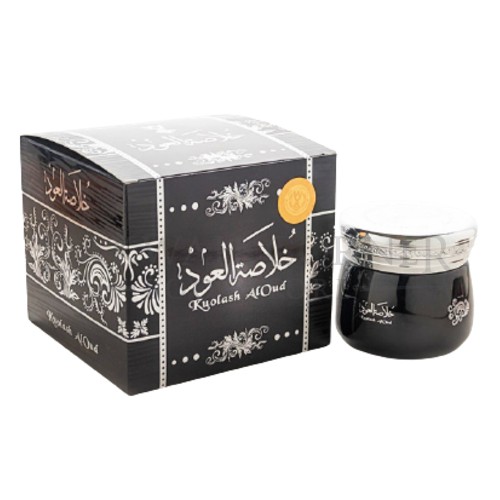

| Weight | 0.32 kg |
|---|---|
| Made in | Kingdom of Saudi Arabia |
| Product Type | Bukhoor |
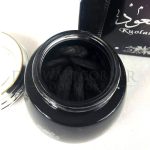
| Ingrediant | These Bakhoor made with high-quality Oud oil, Oud wood, Sandal, Amber, Roses, and Zafran. |
| Brand | Mabkharat Al-Khaleej |
Koulash AlOud (40g)
Previous product
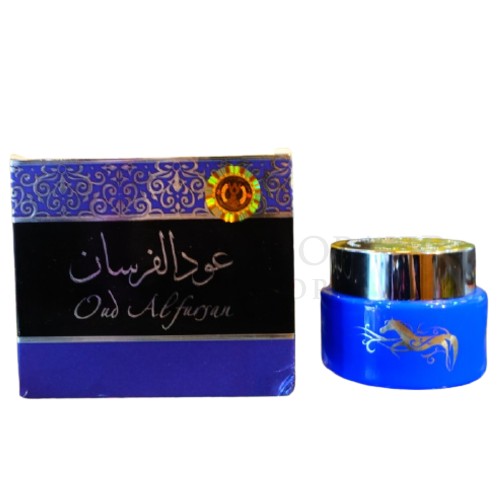
Oud Al Fursan
RM60.00
Next product
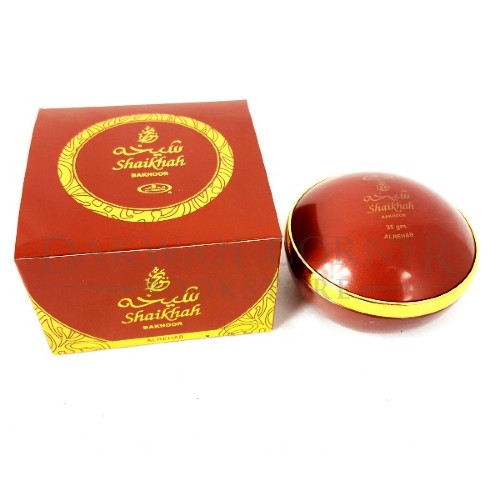
Shaikhah Bakhoor (35g)
RM40.00
RM60.00
Hurry up, Only 2 left.
Highlights:
somdn_product_page
Compare
High-quality bukhoor burn Incense gives a fresh scent for your HOME, SHOP, or OFFICE.
SKU: PF125
Category: Bukhoor/Scents
Additional information
Reviews (0)
Be the first to review “Koulash AlOud (40g)” Cancel reply
You must be logged in to post a review.
Related Products
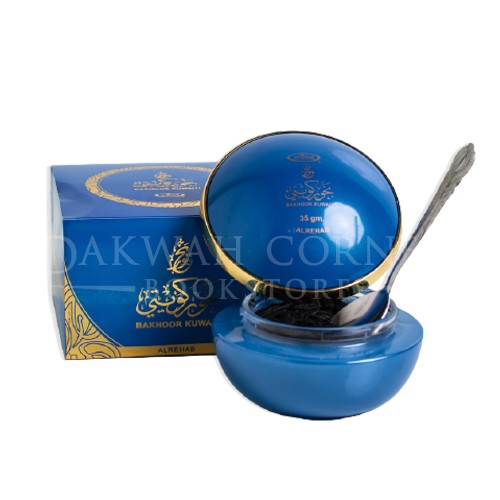

Bakhoor Kuwaiti (35g)
Highlights:
Bakhoor can used during special occasions such as weddings, or simply for relaxing purposes and gives a fresh scent for your home, shop, or office.
RM40.00
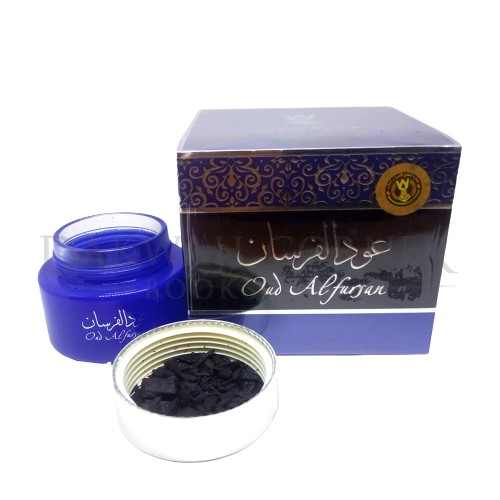
Oud Al Fursan
Highlights:
High-quality bukhoor burn Incense gives a fresh scent for your HOME, SHOP, or OFFICE.
RM60.00
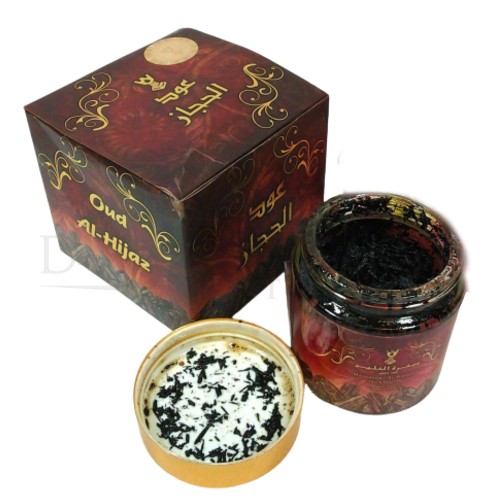
Oud Al Hijaz
Highlights:
High-quality bakhoor burn Incense gives a fresh scent for your HOME, SHOP, or OFFICE.
RM40.00
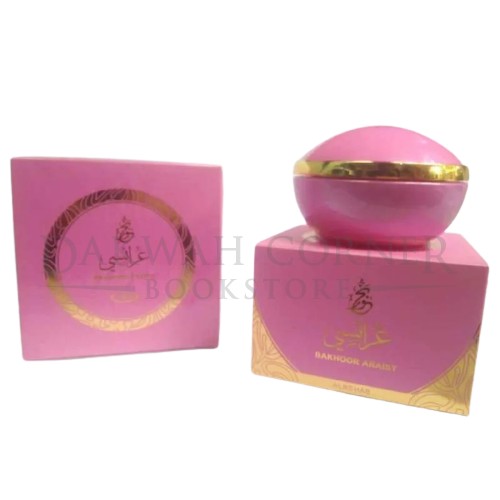
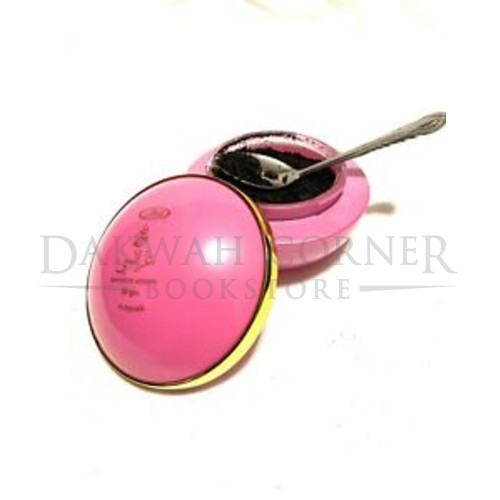
Bakhoor Araisy (35g)
Highlights:
Bakhoor can used during special occasions such as weddings, or simply for relaxing purposes and gives a fresh scent for your home, shop, or office.
RM40.00
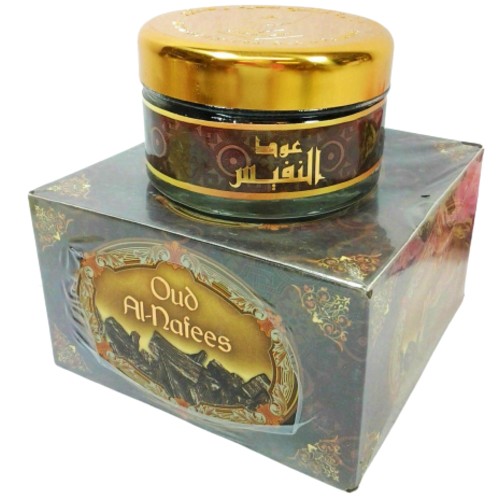
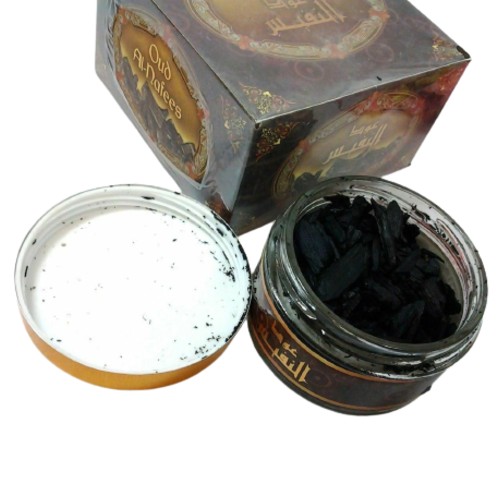
Oud Al Nafees
Highlights:
High-quality bakhoor burn Incense gives a fresh scent for your HOME, SHOP, or OFFICE.
RM45.00
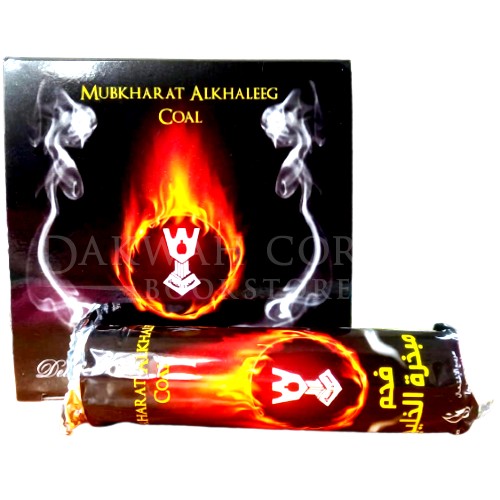
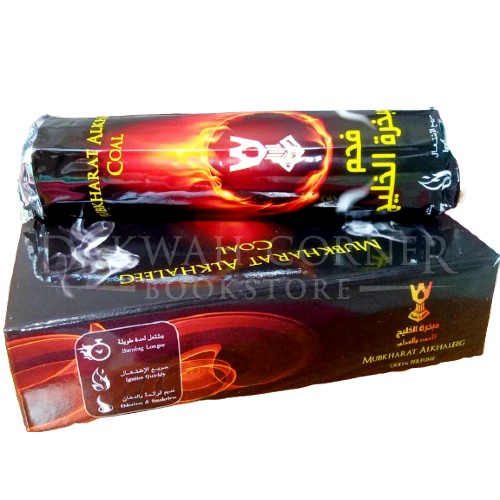
Mubkharat Alkhaleeg Coal
Highlights:
Crafted in a compact size and rounded shape for easy usage and convenient storage. Specially packaged in an airtight carton box to maintain coal freshness hence ensure burning efficiency.
Product Specification:
- Burning Longer
- Ignites Quickly
- Odorless & Smokeless
- 1 box/40 pieces
RM16.00
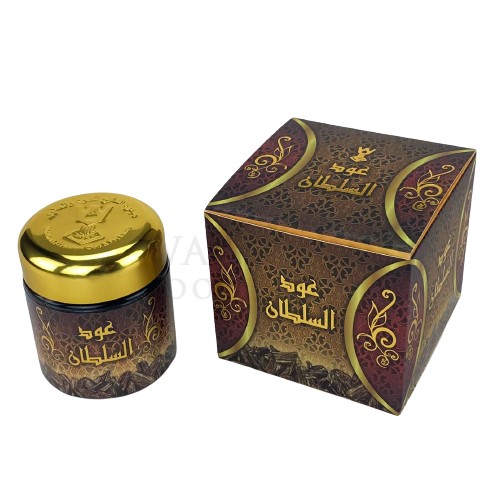
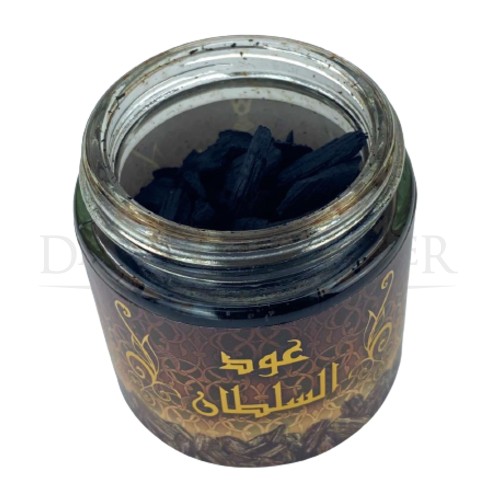
Oud Al-Sultan
Highlights:
High-quality bakhoor burn Incense gives a fresh scent for your HOME, SHOP, or OFFICE.
RM45.00
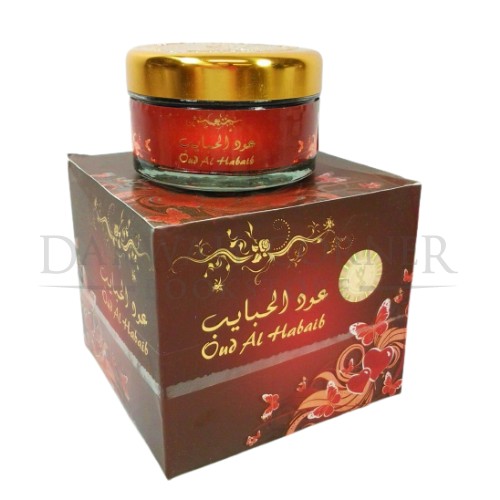
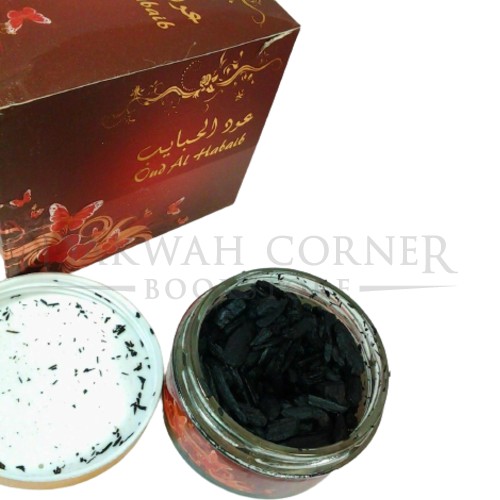
Oud Al Habaib
Highlights:
High-quality bukhoor burn Incense gives a fresh scent for your HOME, SHOP, or OFFICE.
RM60.00
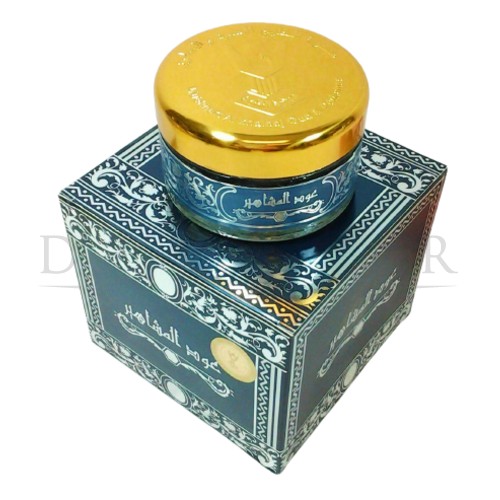
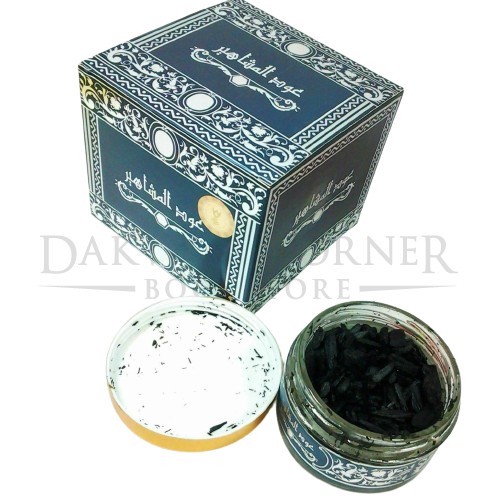
Oud Al Mashaheer
Highlights:
High-quality bukhoor burn Incense gives a fresh scent for your HOME, SHOP, or OFFICE.
RM60.00
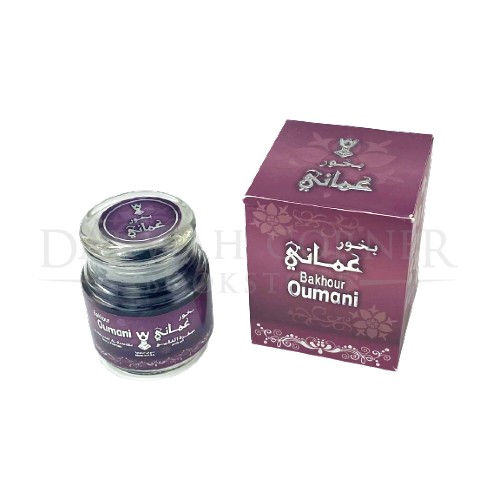

Bakhoor Oumani
Highlights:
High-quality bakhoor burn Incense gives a fresh scent for your HOME, SHOP, or OFFICE.
RM35.00
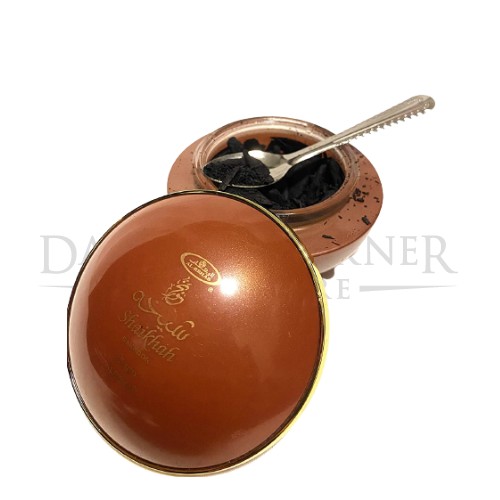
Shaikhah Bakhoor (35g)
Highlights:
Bakhoor can used during special occasions such as weddings, or simply for relaxing purposes and gives a fresh scent for your home, shop, or office..
RM40.00
Recently Viewed
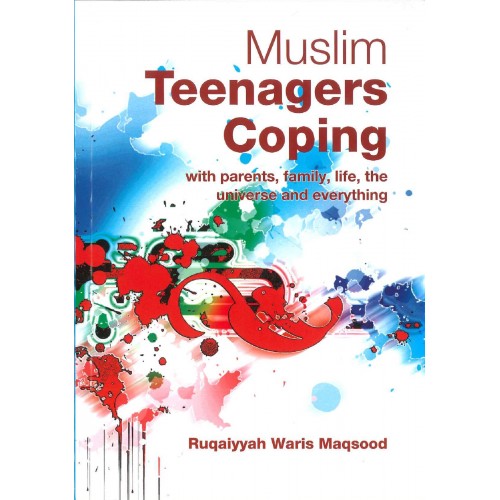
Muslim Teenagers Coping (P/B)
Highlights:
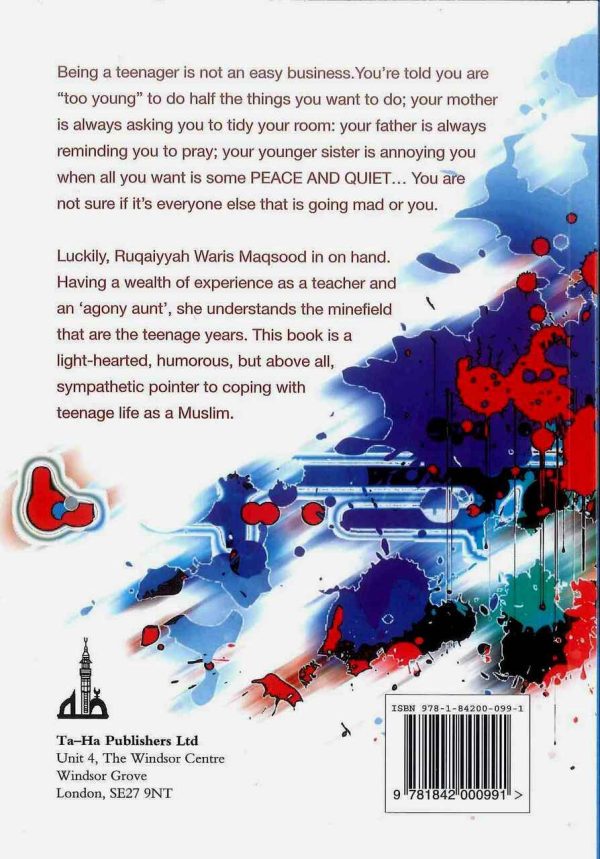
Being a teenager is not an easy business.You’re told you are “too young” to do half the things you want to do; your mother is always asking you to tidy your room: your father is always reminding you to pray; your younger sister is annoying you when all you want is some PEACE AND QUIET … You are not sure if it’s everyone else that is going mad or you.
Luckily, Ruqaiyyah Waris Maqsood in on hand. Having a wealth of experience as a teacher and an ‘agony aunt’, she understands the minefields that are the teenage years. This book is a light-hearted, humorous, but above all, sympathetic pointer to coping with teenage life as a Muslim.
RM46.00
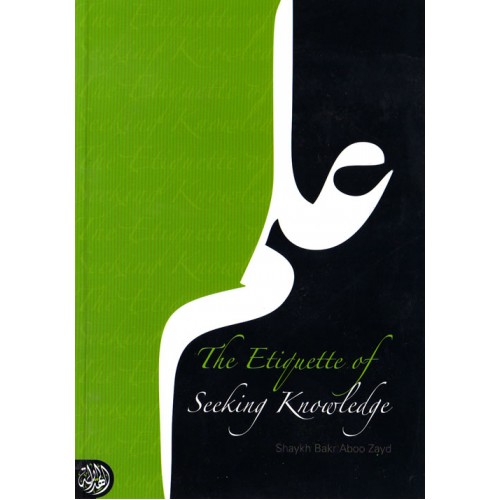
The Etiquette of Seeking Knowledge (P/B)
Highlights:
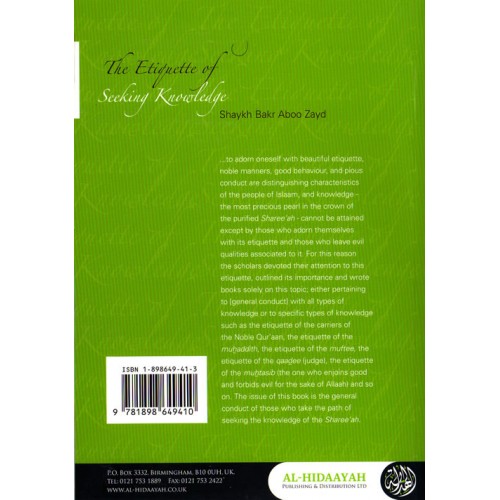
The Etiquette of Seeking Knowledge … to adorn oneself with beautiful etiquette, noble manners, good behaviour, and pious conduct are distinguishing characteristics of the people of Islaam, and knowledge – the most precious pearl in the crown of the purified Shareeah – cannot be attained except by those who adorn themselves with its etiquette and those who leave evil qualities associated to it. For this reason the scholars devoted their attention to this etiquette, outlined its importance and wrote books solely on this topic; either pertaining to (general conduct] with all types of knowledge or to specific types of knowledge such as the etiquette of the carriers of the Noble Quireaan, the etiquette of the muhaddith, the etiquette of the muftee, the etiquette of the qaadee (judge), the etiquette of the muhtasib (the one who enjoins good and forbids evil for the sake of Allaah) and so on. The issue of this book is the general conduct of those who take the path of seeking the knowledge of the Sharee’ah.
RM39.00


The Sources of the Qur’an
Highlights:
“Who is the author of the Qur’an?” On this subject scholars have flagrantly contradicted each other. This work attempts to make a critical review of the major ‘authorship’ theories by pressing into service logical arguments, historical evidence, textual analysis and scientific data. Probably, the only point of agreement about the Qur’an is that it was uttered for the first time by a man who was born in Makkah (Mecca), a city of Arabia, in the sixth century—a man by the name of Muhammad (blessings and peace be upon him). As to the source of the Qur’an, scholars are divided into three main groups: those who believe that Muhammad (blessings and peace be upon him) himself was the author; those who believe that he was not the author himself but learned it from another human author or authors; and those who believe that the Qur’an has no human author but is rather a word-for-word revelation from God. Hamza Njozi examines the three theories and comes to a firm and logical conclusion.
RM14.00

Usool Al-Hadeeth (H/B)
Highlights:
Dr. Bilal Philips writes: “The Prophet’s sayings and actions were primarily based on revelation from Allah and, as such, must be considered a fundamental source of guidance second only to the Qur’an.” According to Dr. Philips, the Hadith, the record of these sayings and actions, plays a vital role in that it transmits revelation, tafseer (exegesis of the Qur’an), Islamic law, and the Islamic moral ideal. For instance, the Prophet’s “…character and social interactions became prime examples of moral conduct for Muslims. Consequently, the daily life of the Prophet (blessings and peace of Allah be upon him) as recorded in the hadith represents an ideal code of conduct. It is largely due to the science of hadith that the final message of Islam has been preserved in its original purity for all times.” In Usool al-Hadeeth, the reader will embark on a course of study that will, Allah willing, enable him or her to make critical and intelligent use of the body of Hadith literature in his or her daily life.
RM50.00
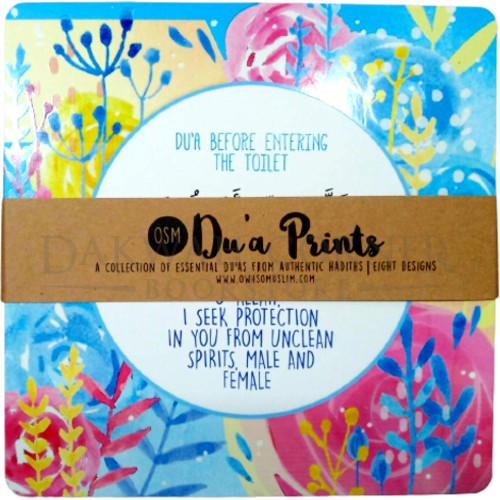
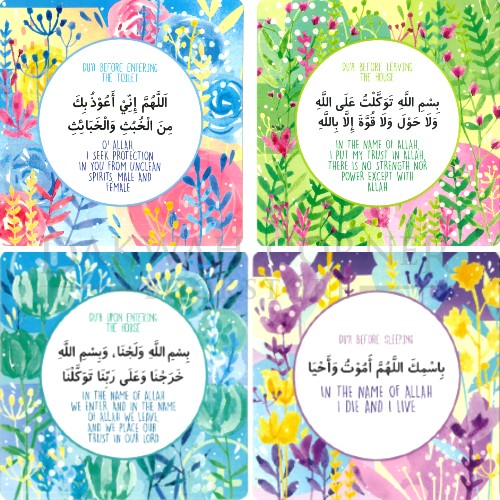
Du’a Prints
Highlights:
A collection of essentials du’as from authentic hadiths. Have 8 du’as in 1 set:-
- Du’a Exiting the Toilet
- Du’a Upon Entering the House
- Du’a Before Leaving the House
- Du’a Before Entering the Toilet
- Du’a Before Eating
- Du’a Before Sleeping
- Du’a in Seeking Knowledge
- Du’a After Waking Up
RM30.00
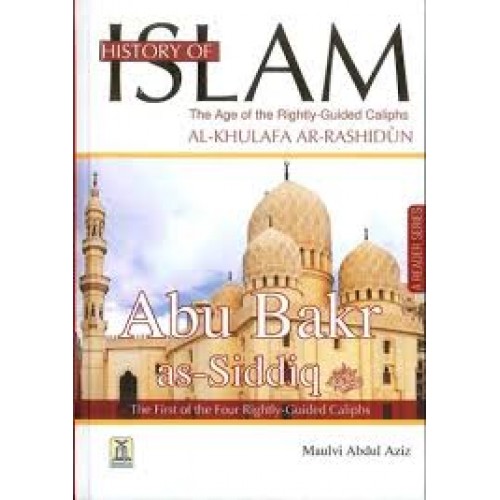
History of Islam: Abu Bakr as-Siddiq (H/B)
Highlights:
This is the first volume from this series, which deals with the life of Abū Bakr as-Șiddīq, the first of the Four Rightly-Guided Caliphs. No other person in the History of Islam can be compared to him when it comes to truthfulness, insight into Islamic teachings and devotion to Allah and His Messenger (S). He was outstanding and unique in his commitment, sincerity, and whole-hearted support and assistance to the Prophet. Our past, present, and future are interconnected and interdependent. Therefore, knowing and understanding our history is not optional: it is essential.
RM75.00

The Middle Path of Moderration in Islam (H/B)
Highlights:
In The Middle Path of Moderation in Islam, leading Islamic law expert Mohammad Hashim Kamali examines the concept of wasatiyyah, or moderation, arguing that scholars, religious communities, and policy circles alike must have access to this governing principle that drives the silent majority of Muslims, rather than focusing on the extremist fringe. Kamari explores wasatiyyah in both historical/conceptual terms and in contemporary/practical terms. Tracing the definition and scope of the concept from the foundational sources of Islam, the Qu’ran and Hadith, he demonstrates that wasatiyyah has a long and well-developed history in Islamic law and applies the concept to contemporary issues of global policy, such as justice, women’s rights, environmental and financial balance, and globalization.
Framing his work as an open dialogue against a now-decades long formulation of the arguably destructive Huntingtonian “clash of civilizations” thesis as well as the public rhetoric of fear of Muslim extremism since the attacks of September 11, 2001, Kamali connects historical conceptions of wasatiyyah to the themes of state and international law, governance, and cultural maladies in the Muslim world and beyond. Both a descriptive and prescriptive meditation on a key but often neglected principle of Islam, The Middle Path of Moderation in Islam provides insight into an idea that is in the strategic interest of the West both to show and practice for themselves and to recognize in Muslim countries.
RM189.00
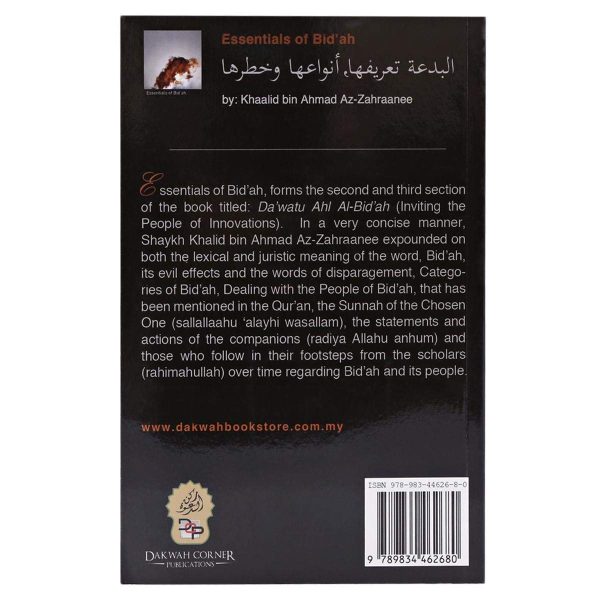
Essentials Of Bid’ah
5 ★
5 ★
2 Ratings
5 ★
2
4 ★
0
3 ★
0
2 ★
0
1 ★
0
Highlights:
Essentials of Bid’ah forms the second and the third section of the book titled: Da’watu Ahl-Bid’ah (Inviting the People Of Innovations). In a very concise manner Shaykh Khalid bin Ahmad Az Zahraanee expounded on both the lexical and juristic meaning of the word Bid’ah, it’s evil effects and the words of disparagement, categories of Bid’ah, dealing with the people of Bid’ah, that has been mentioned in the Qur’an, the Sunnah of the Prophet, the statements and actions of the Companions and those who follow in their footsteps from the scholars over time regarding Bid’ah and its people.
RM13.00
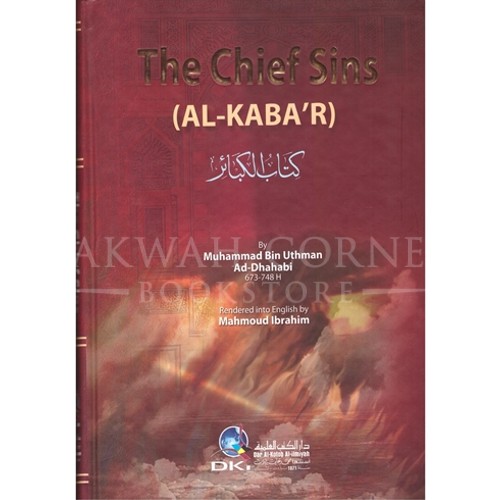
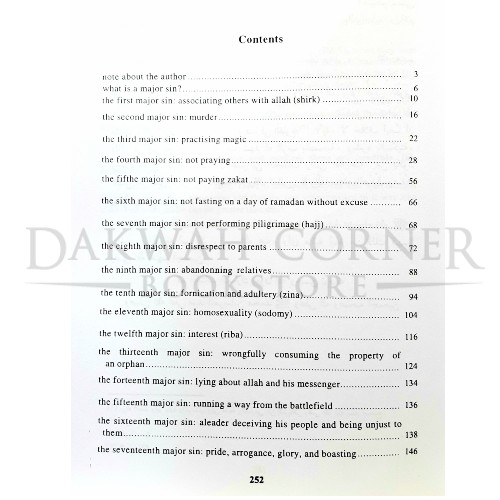

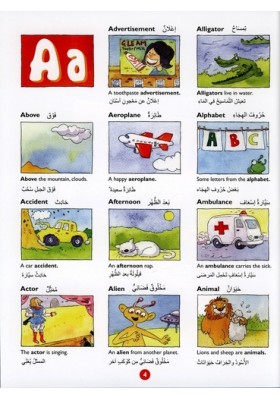
Arabic Picture Dictionary for Kids (P/B)
Highlights:
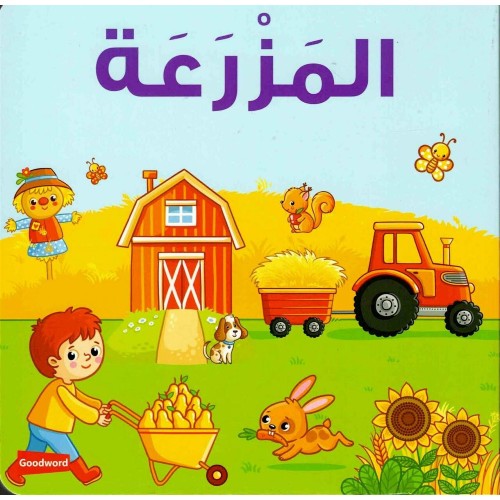
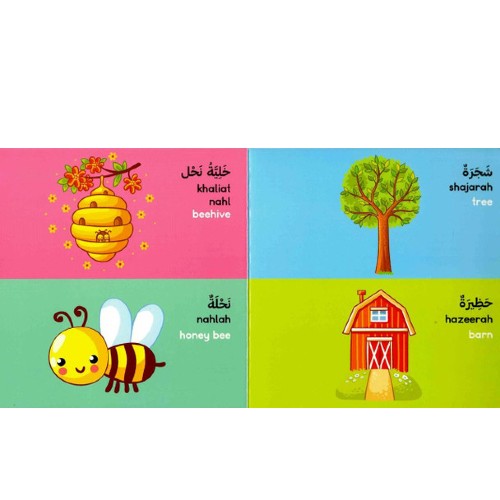
Goodword Arabic Picture Dictionary for Kids, is the perfect first reference book created to help your child learn Arabic in an easy and fun-filled way. This book includes over 500 commonly used words and their helpful definitions of them in English and Arabic. These are accompanied by colourful and amusing illustrations of familiar subjects to better understanding. Goodword Arabic Picture Dictionary of Kids, is a must-have vocabulary building and Arabic learning resource book for your child.
RM25.00
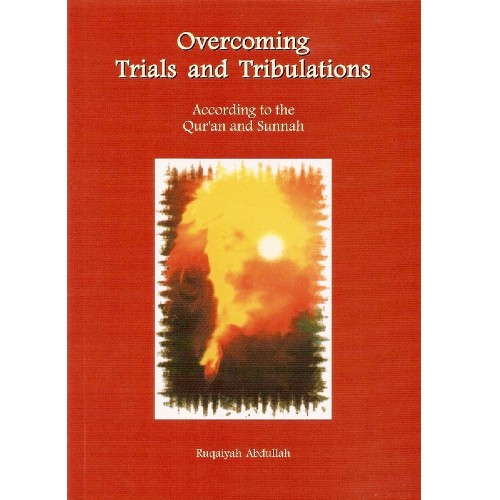
Overcoming Trials and Tribulations According to the Qur’an and Sunnah
Highlights:
Allah (swt) will continue to test us throughout our lives. This book attempts to evaluate the different types of tests that we may experience, why they occur, how to cope with them successfully and their significance both in this world and in the Hereafter. This is a strengthening and inspiring book that is particularly recommended during difficult times.
RM21.00
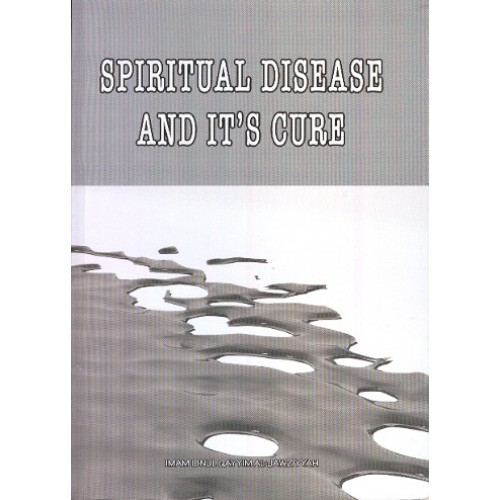
Spiritual Disease and It’s Cure
Highlights:
The Imam was asked a long question of which a part was – What is the opinion of the scholars regarding a man who is afflicted by a disease, and knows that if it should continue it would damage his life? The Imam Quoted the Hadith from Sahih Bukhari The prophet (S) said: ‘Allah has appointed a remedy for every disease He has sent down’ Imam Ahmad reported on the authority of Usamah bin Shareek that the ‘ Prophet (S) said Allah has not made a disease without providing a remedy for it, wih the exception of one disease, namely old age’ This Applies to the medicine for the heart, soul and body. The well being of the servant’s heart, is far more important than that of his body, for while the well being of his body enables him to lead a life that is free from illnesses in this world, that of the heart ensures him both a fortunate life in this world and eternal bliss in the next.
Imam Ibn al-Qayyim al-Jawziyya was born into a scholarly and virtuous family in 691 AH/ 1292 A.D. At that time Damascus was a centre of literature and thought. Many schools were located there and he studied and graduated under the protection, direction and sponsorship of his father. He was particularly influenced by his Shaykh and teacher Imam Ibn Taymiyyah, and also by Ibn ash-Shirazi amongst others. Ibn al-Qayyim al-Jawziyya died in the city of Damascus the year 751 AH/1350 C.E.,when he was scarcely 60 years old, and was buried at the cemetery of Bab- al-Saghir, near the grave of his father – Rahimahuma Allah.
RM56.00
There are no reviews yet.