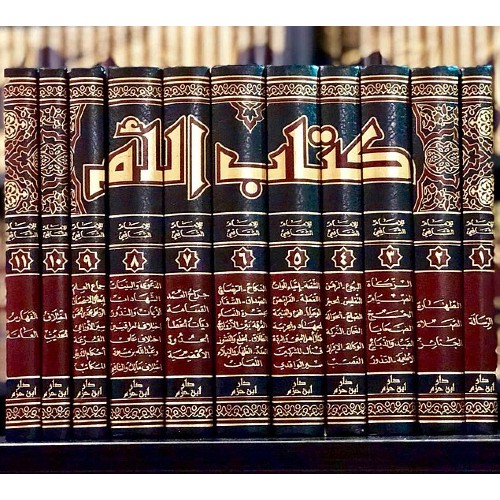
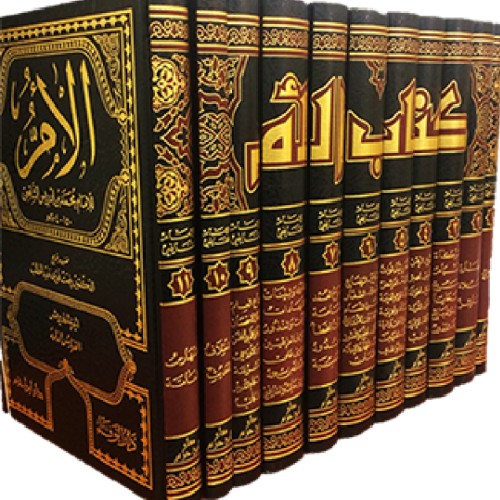
كتاب الأم موسوعة فقهية ضخمة وشاملة للإمام العلامة محمد بن إدريس الشافعي رحمه الله
[SJ] Kitab al-Umm (11 vols) – كتاب الأم
RM550.00
Frequently Bought Together
| Weight | 10.90 kg |
|---|---|
| Author | |
| Binding | Hardcover |
| ISBN | 9789959857644 |
| Publisher | Dar Ibn Hazm |
Be the first to review “[SJ] Kitab al-Umm (11 vols) – كتاب الأم” Cancel reply
You must be logged in to post a review.
You may also like…
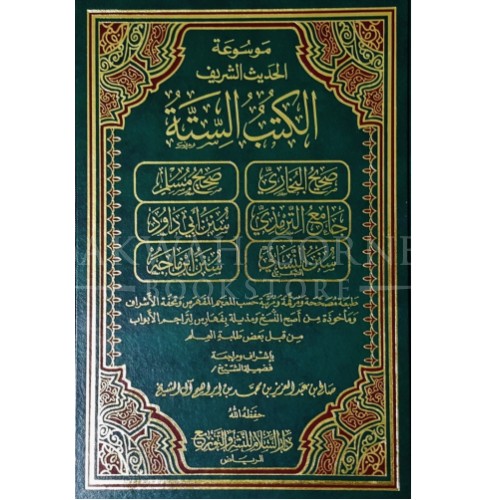
[HH] Al-Kutub Al-Sittah (موسوعة الحديث (الكتب الستة
Al-Kutub Al-Sittah: 6 Sahih Hadith Books ARABIC IN 1 VOLUME
This is a unique collection book that includes the whole six books of Sahih Hadith of:
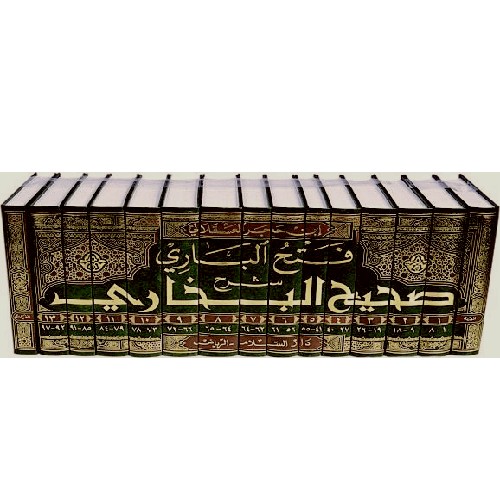
1- Sahih Al-Bukhari
2- Sahih Muslim
3- Sunan Abu Dauod
4- Jame’ At-Termidhi
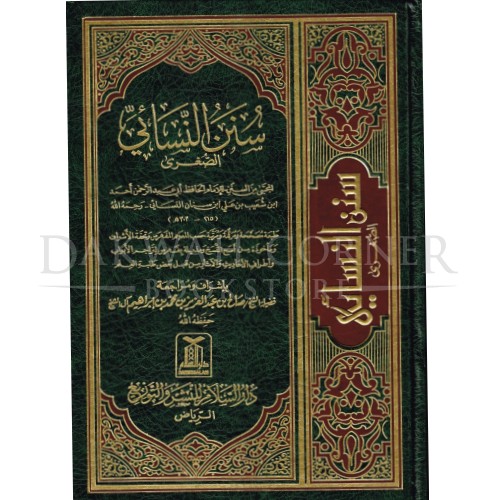
5- Sunan An-Nasa’ie As-Sughra
6- Sunan Ibn Majah
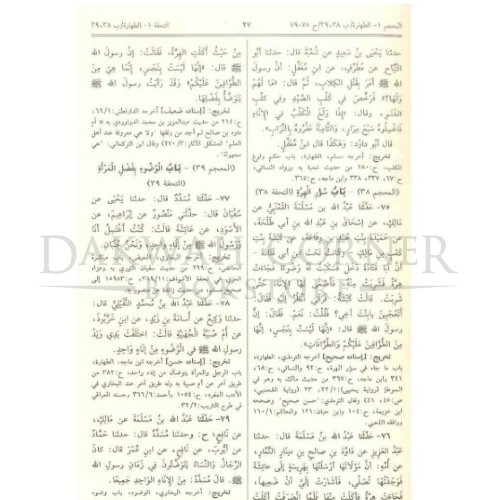
The Text includes the Tashkeel or Harakat
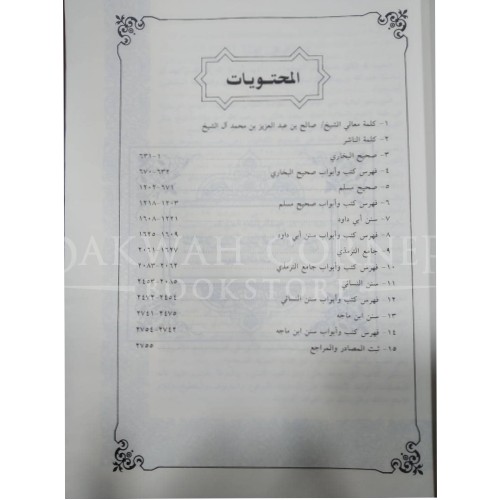
This edition is corrected, numbered and ordered according to the (Mu’jam Mufahras & Tuhfat Al-Ashraf). This edition is taken from the most authintic sources, and includes tables of chapters’ discriptions, hadith & traces’ ends which were collected by some students of knowledge.
Related Products
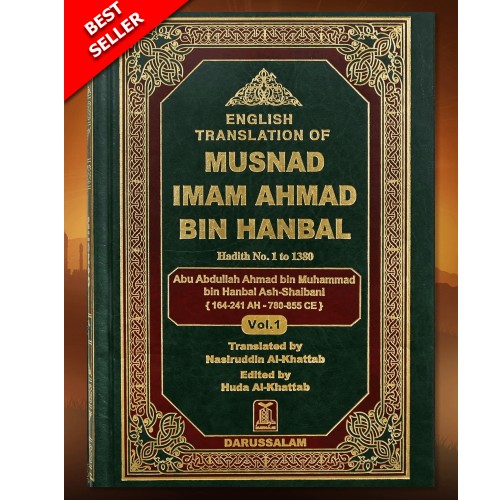
English Translation Of Musnad Imam Ahmad Bin Hanbal (6 Vols set)
One of the greatest compilations of the sunnah and books of hadith is the Musnad by Imam Ahmad bin Hanbal, which is organized into compilations of the hadiths narrated by each Companion (Sahabi), starting with the ‘asharah mubashsharah (“the ten who were promised Paradise”). This highlights their status and the efforts they made to preserve the ahadeeth of the Messenger of Allah (S). The scholars and muhadditheen praised the Musnad of Imam Ahmad. Al-Hafiz Abu Moosa al-Madeeni wrote a book in which he highlighted the great features of the Musnad. In his book he said: “This book is an important source and trustworthy reference for the scholars of hadeeth, as he (Imam Ahmad) selected from the large number of hadith he came across and the plentiful reports he heard, and he put a great deal of effort into making it a prominent, leading and reliable source. When disputing an issue, it is a refuge and a source of help.
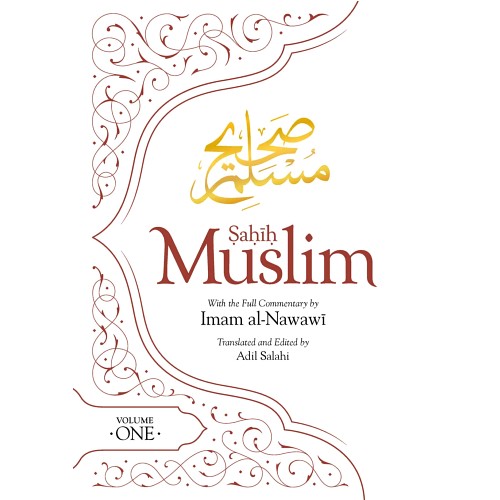
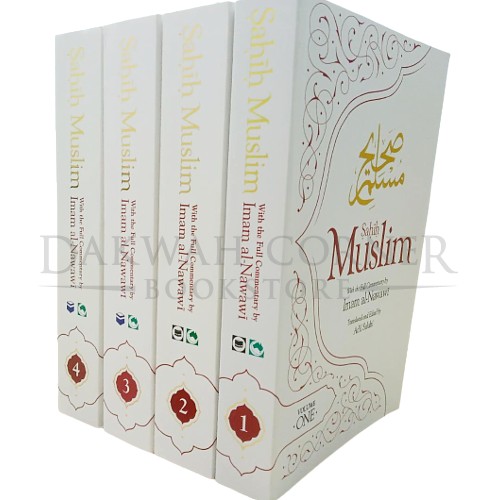
Sahih Muslim: With the Full Commentary by Imam al-Nawawi (9 Volumes)
Upgraded to 9 Volumes
Imam Nawawi’s commentary on Sahih Muslim is one of the most highly regarded works in Islamic thought and literature.
Accepted by every Sunni school of thought, and foundational in the Shaafi school, this text, available for the first time in English, is famed throughout the Muslim world.
After the Qur’an, the prophetic traditions are the most recognized source of wisdom in Islam. Amongst the collected Hadith, Sahih Muslim is second only to the collection of Imam Bukhari.
With a commentary by Imam Nawawi, whose other works are amongst the most widely-read books on Islam, and translated by Adil Salahi, a modern scholar of great acclaim, this immense work, finally available to English readers, is an essential addition to every Muslim library, and for anybody with an interest in Islamic thought.
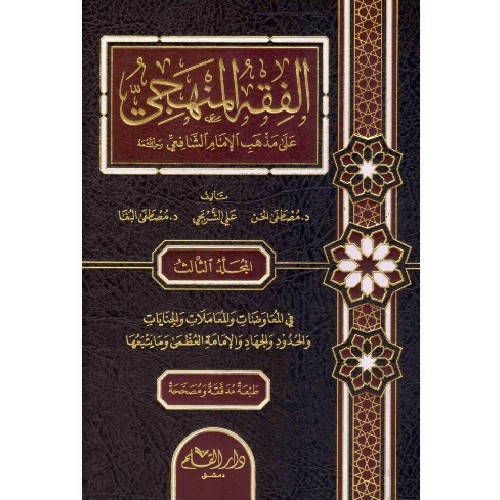
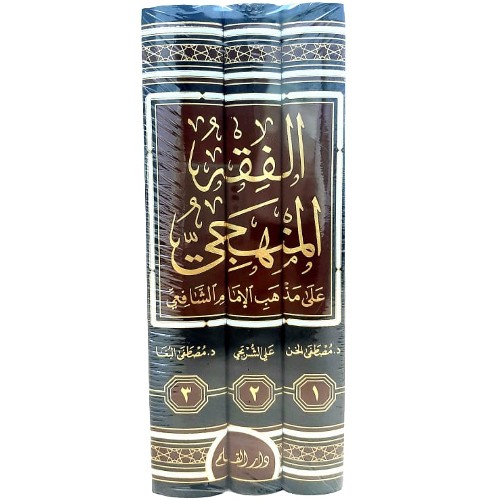
[SJ] Al-Fiqh al-manhaji al-Qalam (3 Vols) (الفقه المنهجي – القلم (طبعة فاخرة))
الفقه المنهجي 3/1 – القلم
أحد المذاهب الفقهيّة السنيّة الكبرى المنتشرة في العالم الإسلاميّ، وسمّي بهذا الاسم نسبة إلى الإمام الشافعيّ رحمه الله تعالى؛
والمنهج الشافعيّ ينزع إلى تشكيل نسق منسجم مع نفسه، من خلال عدم رفض أيّ حديث صحيح،
والتأكيد على وضوح قواعد التخريج، والبعد عن التناقض الداخليّ، ومحاولة رسم بناء
متكامل تأخذ فيه جميع النصوص مواقعها وتأثيراتها النسبيّة.
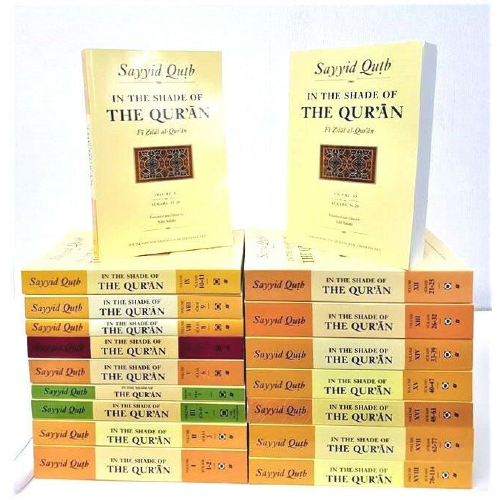
In The Shade Of The Qur’an (18 VOLS)
This is volumes 1 to 18 (Surahs 1 to 114, the entire Qur’an) of Qutub’s Shade.
In the Shade of the Qur’an is more than ‘just another’ commentary; yet it is not too over-reaching or outlandish to be a completely new interpretation. It is an earnest, sincere, and sober look at man’s contemporary achievements and difficulties in the light of the message of the Qur’an. It is an effort to vigorously explore its rich wisdom, and expand its invaluable guidance for the benefit of an increasingly ‘sophisticated’, yet highly perplexed modern society. The work, which is by far Sayyid Qutb’s largest and most profound, spans the whole of the text of the Qur’an. It was written, and party re-written over a period of more than 15 years, most of which the author had spent in Egyptian prisons, during the 1950s and 1960s. In it is embedded Sayyid Qutb’s insight, highly esteemed intellectual vigor, and his widely-acclaimed literary prowess. This book has been universally recognized as an outstanding contribution to Islamic thought and scholarship, to which students and scholars, as well as contemporary Islamic revivalist movements all over the world, owe a great deal. Now that it is available in English, it will continue to enlighten and inspire millions more. It will take its rightful place as an indispensable work of reference for a proper understanding of contemporary Islamic thinking.
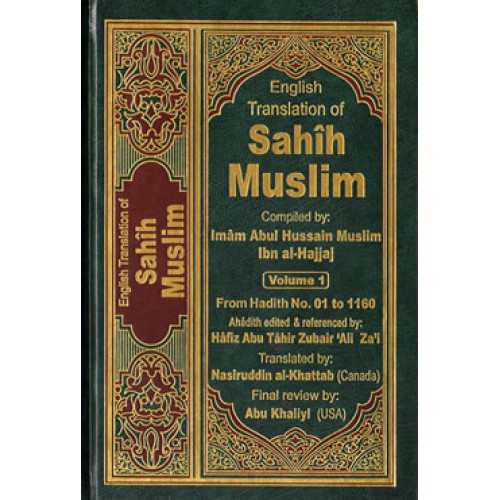
Sahih Muslim (7 Volumes)
The authentic hadith collections of Bukhari and Muslim are excellent in respect to both chain of transmissions and the texts as well as their general utility in that they gave guidance in almost all walks of life. The collections won the praise and acclaim of of Hadith scholars so much that they themselves produced works containing the same Ahadith as found in the collection of both Bukhari and Muslim but with their own independent chains consisting of a lesser # of sub-narrators and called their works Mustakhraj.
Imam Muslim is one of the foremost preservers of ahadith of the Prophet. His book comes second only to Sahih al Bukhari in terms of authenticity according to majority of scholars. It is considered to be better than Sahih Bukhari in terms of organization and repetition according to some scholars of Islam. It is the second in the collection of 6 books called “Sihah Sittah” or “6 most authentic books”. Imam Muslim took painstaking efforts in preserving the words/actions/sayings & approvals of the Prophet. He has mostly used 4-5 narrators in the chain of transmission although there are a couple of hadith containing 3 narrators. Imam Muslim was a very good student of Imam Bukhari and some of his Shuyukhs, although he did not narrate from Imam Bukhari too much, thus reducing the # of narrators.
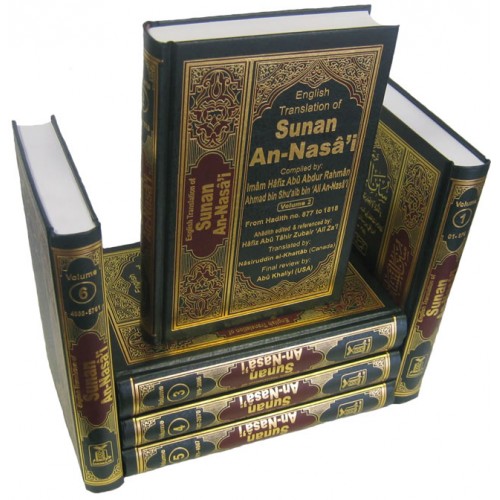
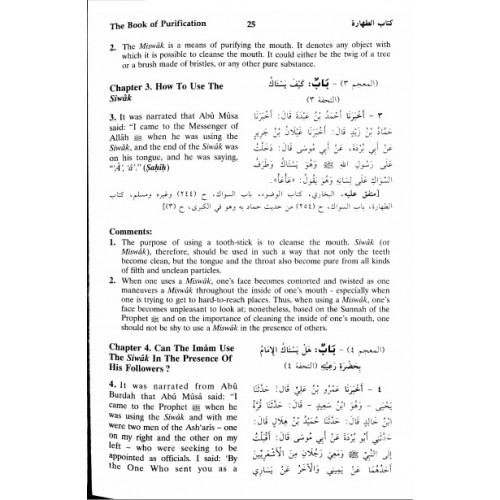
Sunan An-Nasa’i (6 Vol) (H/B)
Sunan An-Nasai has the fewest weak ahadith after the two Sahih collections. This Sunan is one of the six is al-Mujtaba or as-Sunan as-Sughara, which is a synopsis of a large collection of ahadith which he considered to be fairly reliable. In the smaller collection, only those ahadith which he considered to be reliable have been included.
It was compiled by the great scholar of hadith, Abu Abdur-Rahman Ahmad bin Shu’aib bin Bahr An-Nasae (Nasa’ of Khurasan) (214-303AH). Imam An-Nesai, like other great scholars of hadith traveled to Baghdad, Ash-Sham, Egypt, Mecca, and many other cities to seek knowledge. He received the praises of many scholars including Ad-Daraqutni who said about him: “He is given preference over all others who are mentioned with this knowledge from the people of his time”. Some scholars consider his compilation to have the least number of defective or weak narrations among the four Sunan. This great book of his contains 5761 ahadith, making it as an invaluable addition to anyone’s library.
Recently Viewed
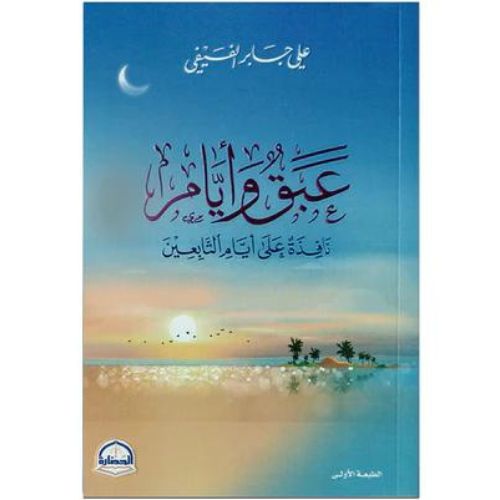
[MM] Abaq Wa Ayyam ( عبق وأيام)
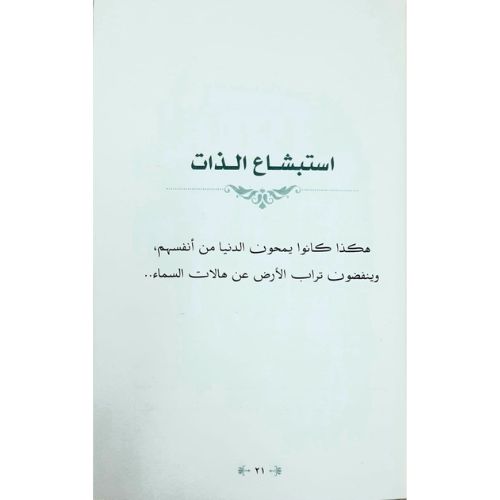
أيام التابعين المضمّخة بذلك العبق الفريد، وتلك المشاعر الاستثنائية وكأنّي بشوارعهم العتيقة وفوانيسهم المعلّقة على أبواب مساجدهم الطينية، وكأني بخطواتهم المخبتة ونوافذهم المشرَعة على عهد الصحابة.. كلها تنبعث عبر كلماتهم ومواعظهم وصدقهم
Principles of Islamic Jurisprudence (2nd Revised Edition)
This book offers a detailed presentation of the theory of Muslim law (usul al-figh). Often regarded as the most sophisticated of the traditional Islamic disciplines, Muslim jurisprudence is concerned with the way in which the rituals and laws of religion are derived from the Qur’an and the Sunna – the precedent of the Prophet. Revelation, which is given to man to restore unity and help him achieve a just and devout order in society as well as in the soul, must be interpreted so as to render it practicable in every culture, while not betraying its spirit and immutable provisions. To achieve this, additional sources of legal authority are recognized, including consensus (ijma), analogical deduction (qiyas), public interest (maslaha) and local customary precedent (urf). In employing these, the jurist guards the five principles which it is the purpose of Islamic law to uphold, namely, the right to life, sound mind, property, lineage and religion.
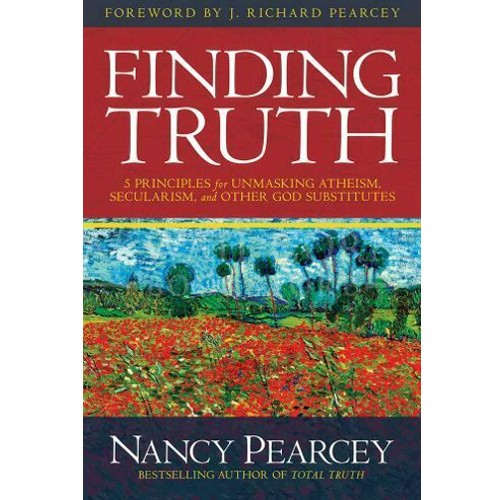
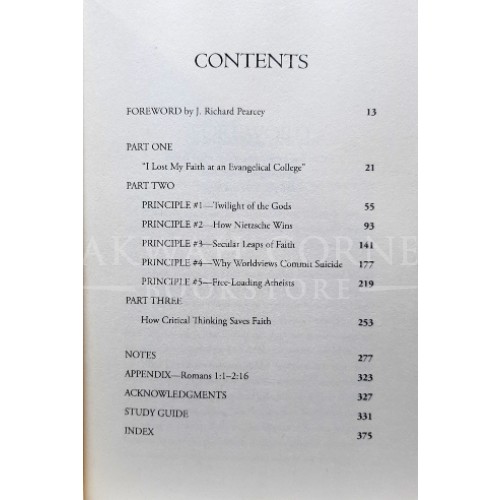
Finding Truth: 5 Principles for Unmasking Atheism, Secularism, and Other God Substitutes
“If I’d read this book as a young man, I would have been challenged to re-examine my views much earlier.”
– J. Warner Wallace
Road Blocks (P/B)
“Whether you call yourself an activist, an Islamic worker, a community volunteer, or a caller to God, working for Islam is one of the most worthy occupations in this life. It is also a challenging path, with many roadblocks lying in wait…”
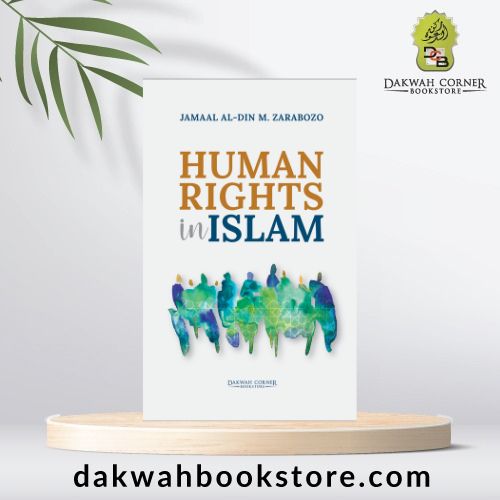
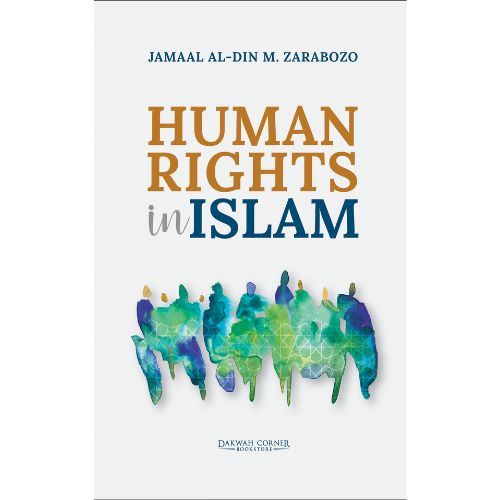
Human Right in Islam – DCB
This work argues that contemporary human rights schemes, especially the extreme and vocal branches, offer no convincing reasons for a Muslim to give up tenets of his faith to bend them to meet their demands. On the contrary, these schemes’ baseless claims should strengthen a Muslim’s conviction in Islam. Human Rights Advocates have a noble goal of bringing people the rights they deserve, but they are lost and confused, lacking a foundation for their claims. After examining the human rights paradigm, a Muslim should flee quickly and return to Allah, realizing that without the guidance of the Almighty, there is no hope for humanity.
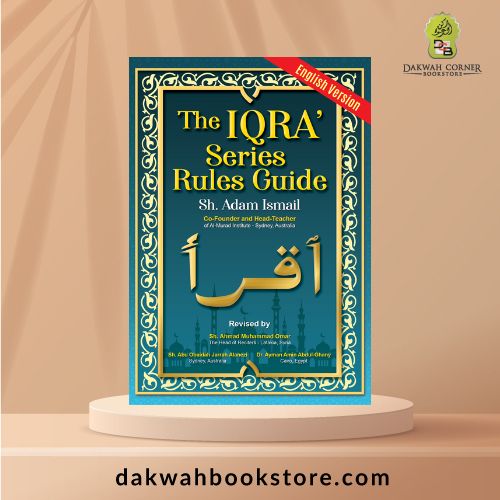
The Iqra’ Series Rules Guide
- This guide is a must for anyone studying or teaching from the IQRA’ Series! Aimed at children and adults to be used by schools, mosques and learning centres.
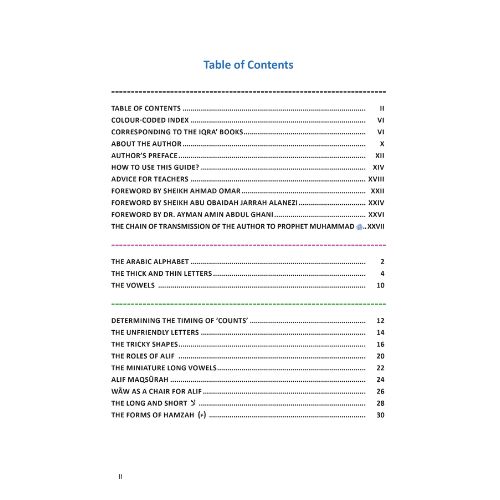
- This guide contains all the Tajwīd rules needed throughout the IQRA’ series. It introduces each rule based on the same structure and patterns of the IQRA’ Series.
- This guide has been designed to make it as easy as possible to achieve a beautiful and elegant recitation, whilst also having a firm grasp of all the required theory.
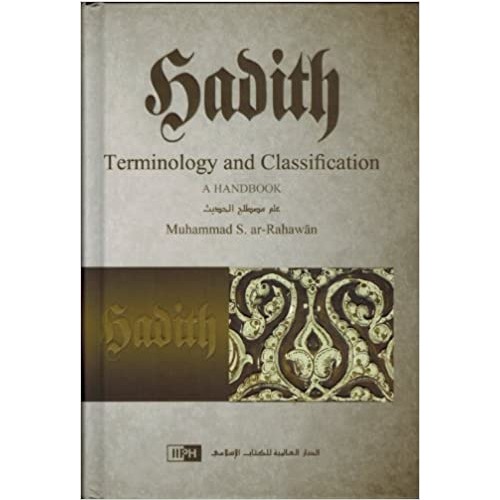
Hadith Terminology and Classification (H/B)
Islam is a complete way of life that enlightens through the Qur’an and the Sunnah, the true path of guidance and success in this world and the hereafter. However, one must accurately comprehend what has been ordained through the Sunnah and identify the authentic hadiths of the Prophet (blessings and peace be upon him). To do that, it is imperative to understand the rules that govern the classification and definitions of hadith methodology and criticism.
Fundamentals of Islam (P/B)
Fundamentals of Islam is a revised English edition of the critically acclaimed Khutubah (original written in Urdu). It consist of Friday congregational addresses, in them he expounds familiar themes; like Iman, Islam, the Prayer, Fasting, Alms-giving, Pilgrimage and Jihad.
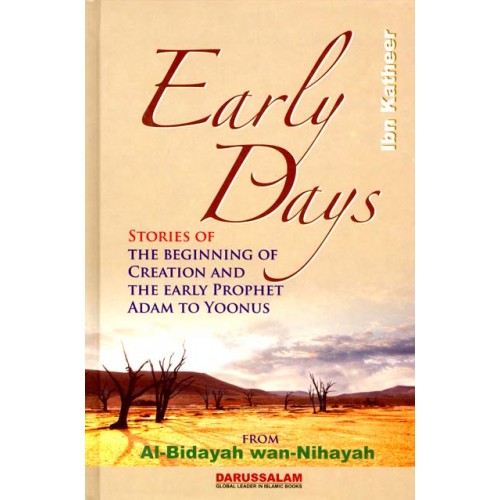
Early Days : From Al – Bidayah wan – Nihayah (H/B)
The book starts by describing the beginning of creation- from the throne and the Kursi, the universe and all that is in it , such as the angels, the jinn and humans . The book also recounts stories from the lives of the prophets and their nations up to the times of the children of Israeel and the Days of Igorance,which ended with the advent of the final Prophet Muhammad ( PBUH ).


There are no reviews yet.