RM70.00
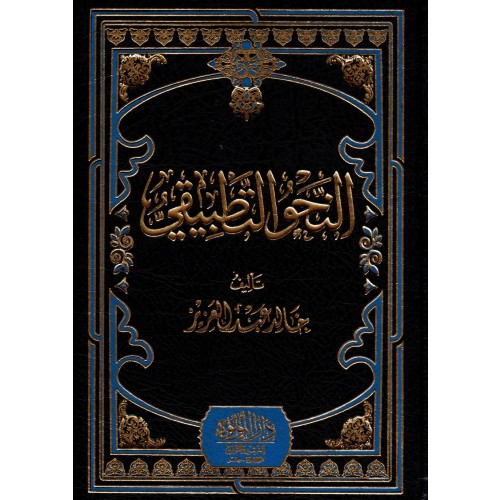
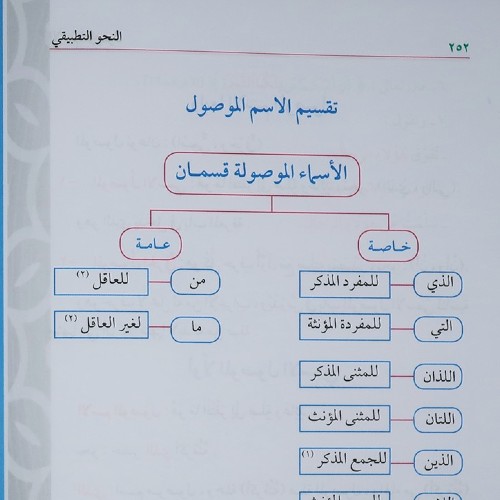
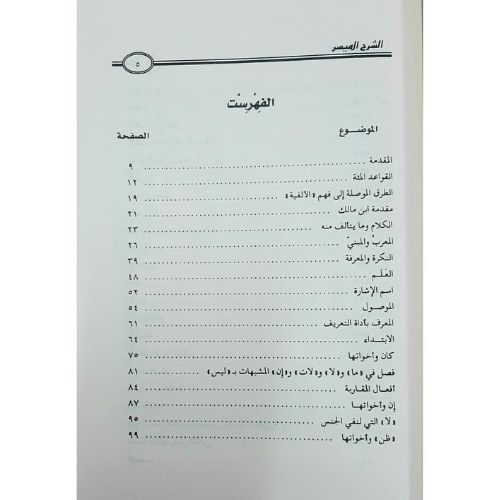
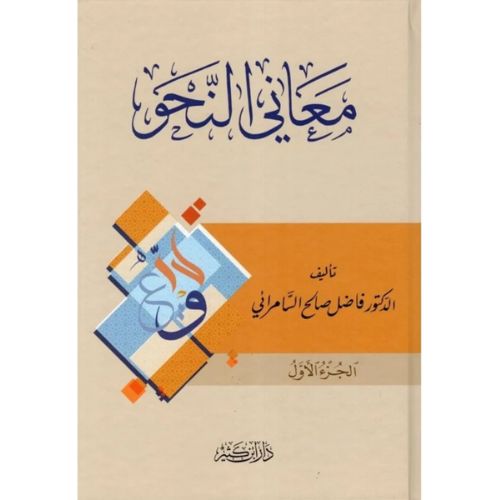
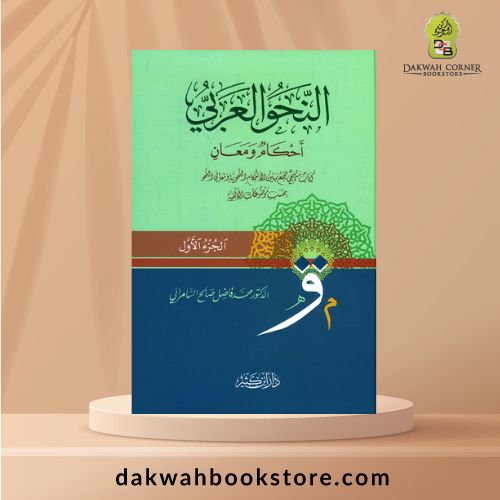
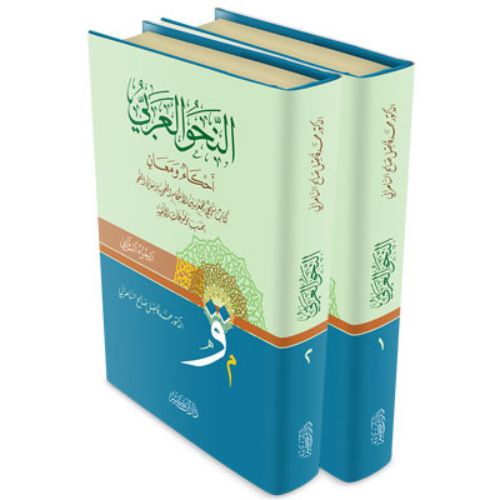
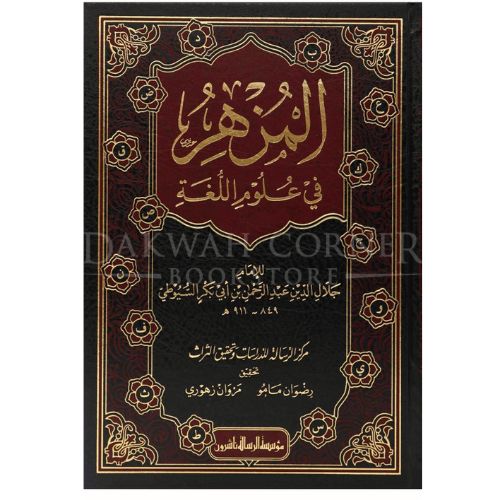
يبدأ الكتاب بعلامات النحو والأساليب النحوية ويستمر حتى يصل إلى أهم وأعمق فروع القواعد في هذا المقال سيوضح موقع “مطبات” كل التفاصيل التي ترغبون في معرفتها.
| Weight | 0.8 kg |
|---|---|
| Dimensions | 24.5 × 17 × 2 cm |
| Binding | Hardcover |
| Author | |
| ISBN | 9789779979069 |
| Pages | 348 |
| Publisher | Al-Lulu'a (دار اللؤلؤة) |
You must be logged in to post a review.
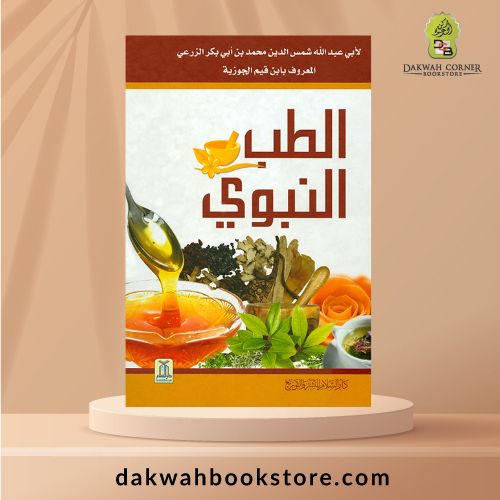
قال ابن قيم الجوزية رحمه الله: “وليس طِبُّهُ صلى الله عليه وسلم كطبِّ الأطباء، فإن طبَّ النبيِّ صلى الله عليه وسلم مُتيقَّنٌ قطعيٌّ إلهيٌّ، صادرٌ عن الوحي، ومشكاة النبوَّة، وكمالِ العقل. وطبُّ غيره أكثرُه حَدْسٌ وظنونٌ، وتجاربٌ. ولا يُنْكَرُ عدمُ انتفاع كثيرٍ من المرضى بطبِّ النبوة؛ فإنَّه إنما ينتفعُ به مَن تلقاهُ بالقبول واعتقادِ الشِّفاء به، وكمال التلقِّي له بالإيمان والإذعان”.
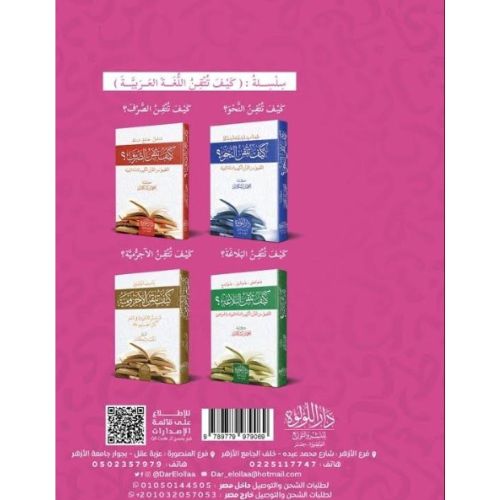
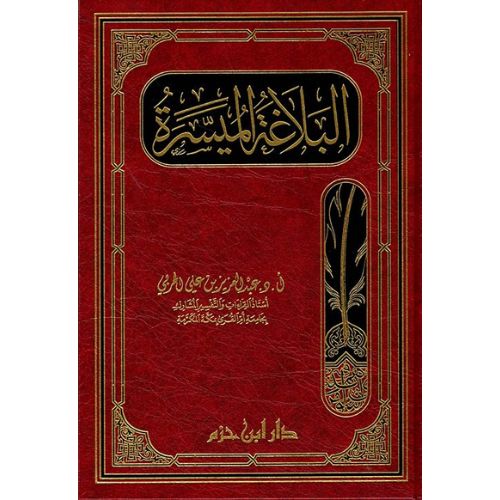
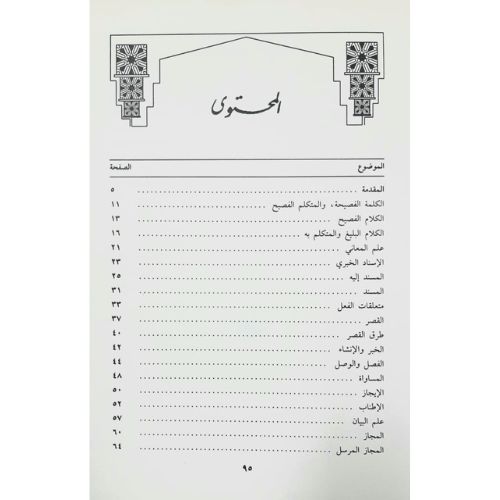
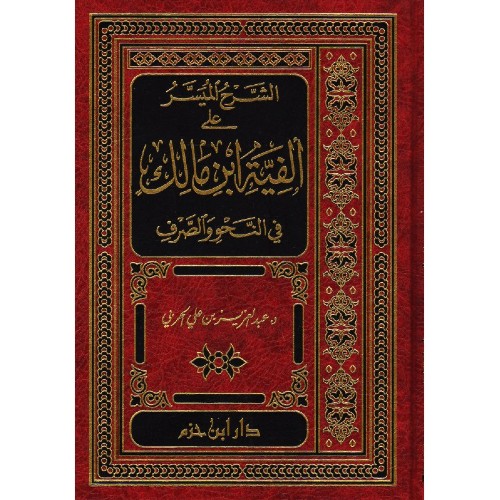
البلاغة الميسرة للدكتور عبد العزيز بن علي الحربي, كتاب مناسب للمبتدئين في علم البلاغة
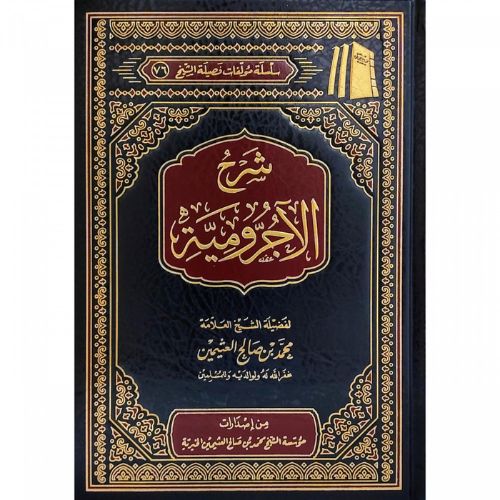
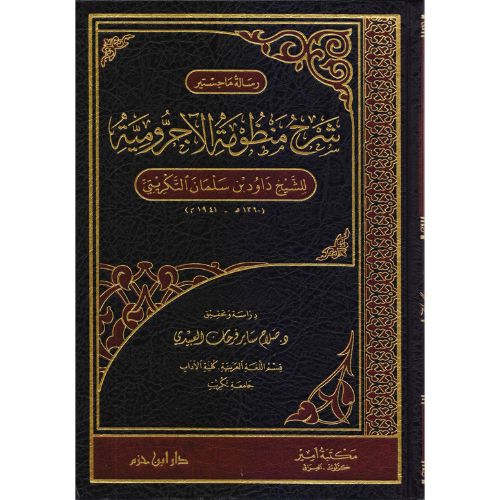
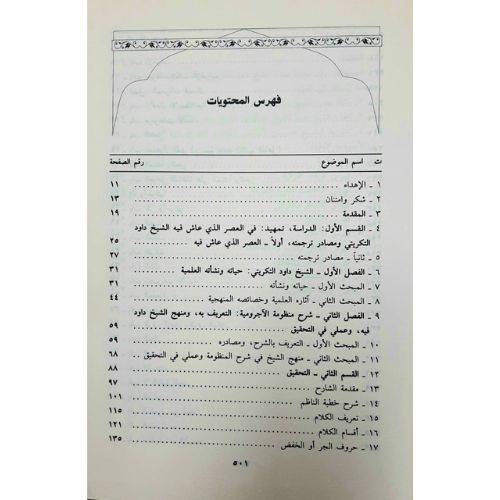
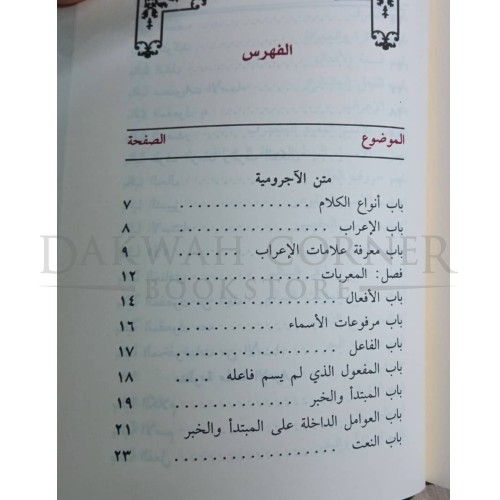
شرح منظومة الآجرومية لداود بن سلمان التكريتي (1360 هـ) عالم عراقيتحقيق هذا الكتاب هو في الأصل رسالة ماجستير قدمت في جامعة تكريت
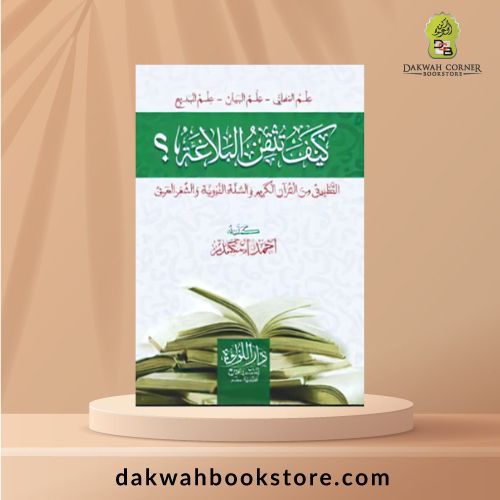
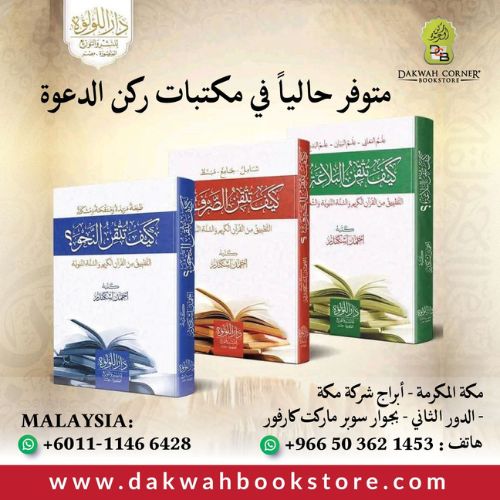
لمن يرغب بإتقان فن البلاغة ومهارات الخطابة باللغة العربية، يعتبر كتاب ‘كيف تتقن البلاغة’ مصدرًا مثاليًا. يقدم الكتاب، من تأليف أحمد إسكندري ونشر دار اللؤلؤة، شرحًا وافيًا لدقائق علم البلاغة وتطبيقاته. طُبع الكتاب بغلاف صلب وورق ممتاز بقياس 17*24، ويُعد مرجعًا قيّمًا يسهم في تعزيز مهارات اللغة العربية والتذوق الأدبي للقراء على كافة المستويات.
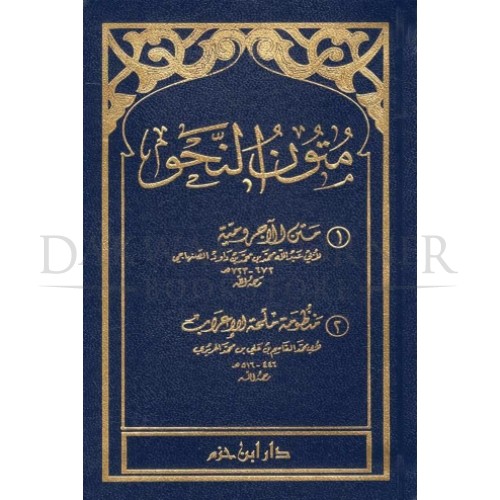
متون النحو (الآجرومية وملحة الإعراب ) لونان ـ شاموا ( 10×15 فلكسي )
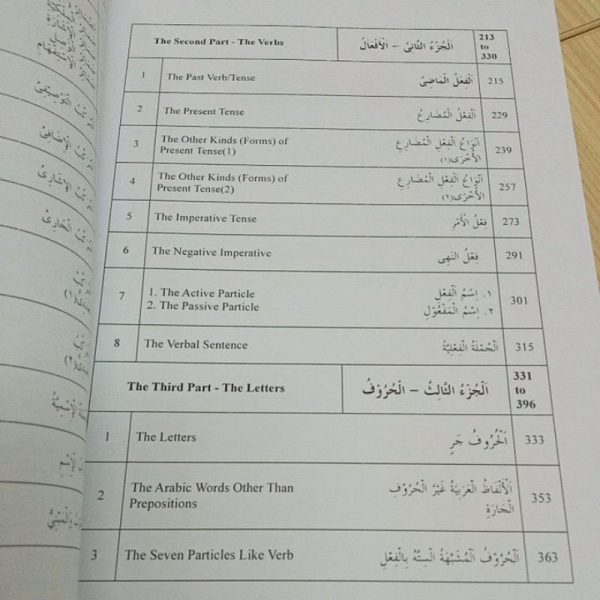
This book, which is a compilation of the author’s lectures in seminars during his post-doctoral research at the Centre for Islamic Development Management Studies, Universiti Sains Malaysia, dwells on Arabic language with a focus on Quranic grammar. It comprises of three parts, each part contains various units. The first part contains 15 unit which look into the nouns, pronouns, different types of compounds, the nominal sentence and punctuation. The second part consists of seven units which discuss the various types of tenses, sentences, the imperatives and the particles. The last part featuring five units covers prepositions and different types of words in Arabic.
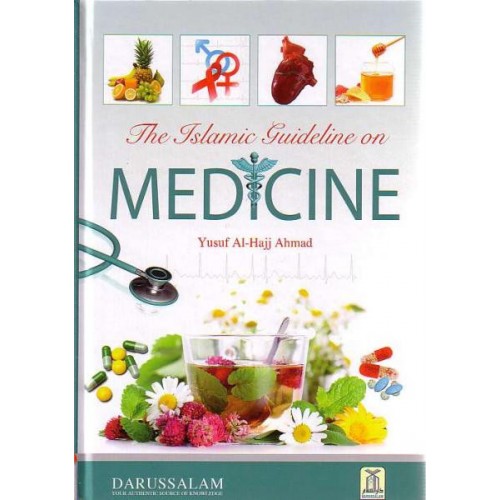
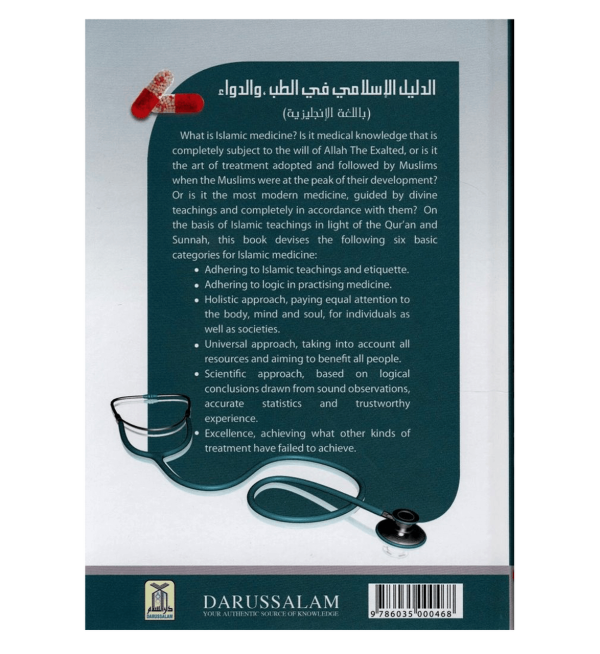
What is Islamic medicine? Is it medical knowledge that is completely subject to the will of Allah The Exalted, or is it the art of treatment adopted and followed by Muslims when the Muslims were at the peak of their development? Or is it the most modern medicine, guided by divine teachings and completely in accordance with them?
On the basis of Islamic teachings in light of the Qur’an and Sunnah, this book devises the following six basic categories for Islamic medicine:
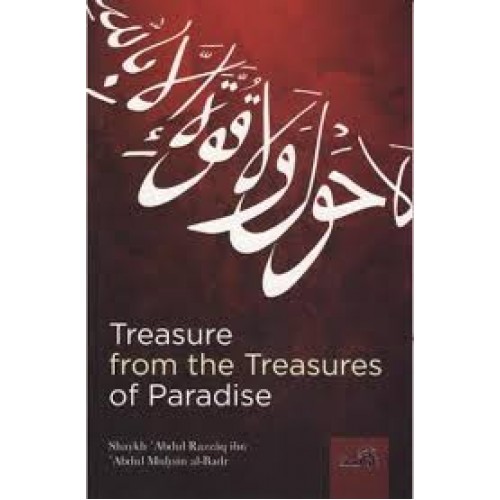
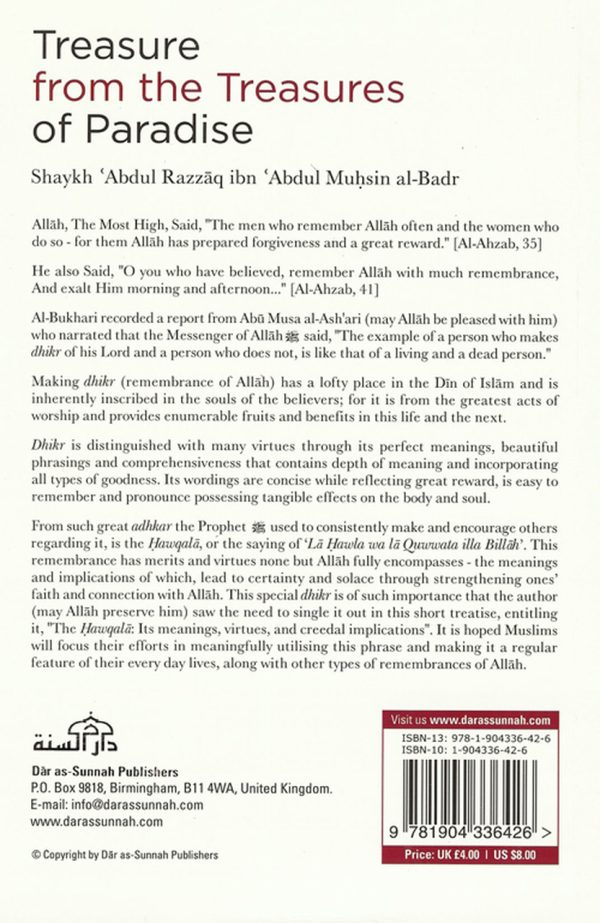
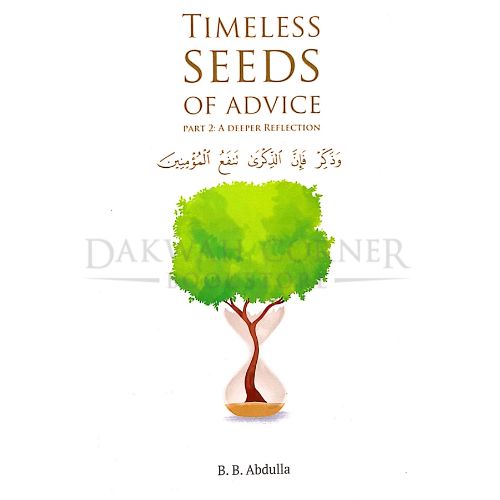
Allah, The Most High, Said, “The men who remember Allah often and the women who do so – for them Allah has prepared forgiveness and a great reward.” [Al-Ahzab, 35]. He also Said, “O you who have believed, remember Allah with much remembrance, And exalt Him morning and afternoon…” [Al-Ahzab, 41] Al-Bukhari recorded a report from AbuMusa al-Ash’ari (may Allah be pleased with him) who narrated that the Messenger of Allah said, “The example of a person who makes dhikr of his Lord and a person who does not, is like that of a living and a dead person.”
Making dhikr (remembrance of Allah) has a lofty place in the Din of Islam and is inherently inscribed in the souls of the believers; for it is from the greatest acts of worship and provides enumerable fruits and benefits in this life and the next.
Dhikr is distinguished with many virtues through its perfect meanings, beautiful phrasings and comprehensiveness that contains depth of meaning and incorporating all types of goodness. Its wordings are concise while reflecting great reward, is easy to remember and pronounce possessing tangible effects on the body and soul.
From such great adhkar the Prophet used to consistently make and encourage others regarding it, is the Hawqala, or the saying of ‘La Hawla wa la Quwwata illa Billah’. This remembrance has merits and virtues none but Allah fully encompasses – the meanings and implications of which, lead to certainty and solace through strengthening ones’ faith and connection with Allah. This special dhikr is of such importance that the author (may Allah preserve him) saw the need to single it out in this short treatise, entitling it, “The Hawqala: Its meanings, virtues, and creedal implications”. It is hoped Muslims will focus their efforts in meaningfully utilising this phrase and making it a regular feature of their every day lives, along with other types of remembrances of Allah.

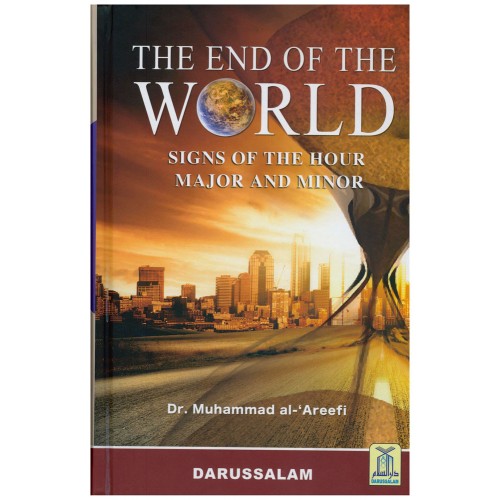
In recent times things have become very confusing and we have begun to see in book stores and on websites speculations about future events, based on ayah and hadeeths which refer to these future events concerning the signs of the Hour.
Sometimes you hear about the appearance of the Mahdi, sometimes you hear that the final battle between the Good and the Evil is close at hand, other time you hear some thing happening in the East or in the West.
So, learn about the Final hour and it signs by reading this book which is backed by proofs from Quran and Hadith.
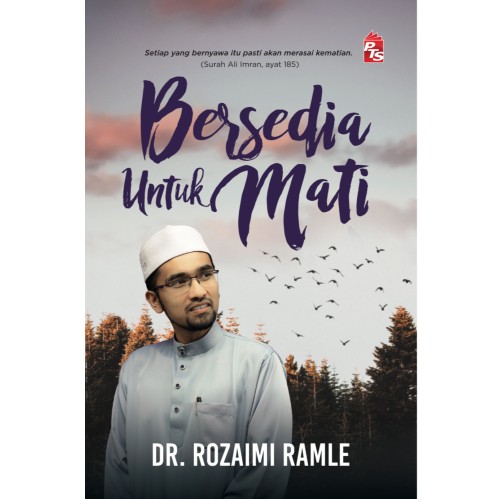
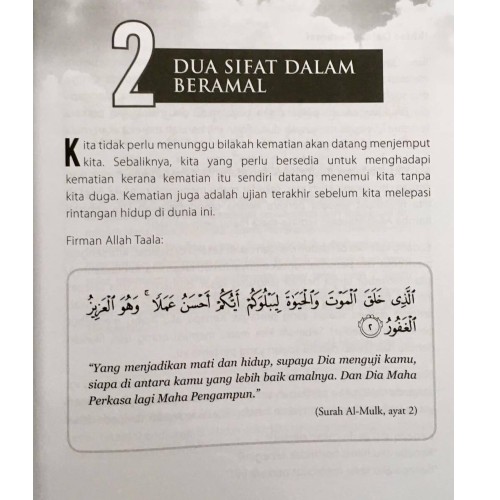
Mengingati kematian adalah suatu yang dituntut dalam agama ini. Ia menjadikan manusia berakhlak baik dan melakukan kebaikan. Ia membuka pintu pengharapan bagi orang yang dizalimi.
Bagaimana?
Ia akan diterangkan dalam buku ini.
In The Middle Path of Moderation in Islam, leading Islamic law expert Mohammad Hashim Kamali examines the concept of wasatiyyah, or moderation, arguing that scholars, religious communities, and policy circles alike must have access to this governing principle that drives the silent majority of Muslims, rather than focusing on the extremist fringe. Kamari explores wasatiyyah in both historical/conceptual terms and in contemporary/practical terms. Tracing the definition and scope of the concept from the foundational sources of Islam, the Qu’ran and Hadith, he demonstrates that wasatiyyah has a long and well-developed history in Islamic law and applies the concept to contemporary issues of global policy, such as justice, women’s rights, environmental and financial balance, and globalization.
Framing his work as an open dialogue against a now-decades long formulation of the arguably destructive Huntingtonian “clash of civilizations” thesis as well as the public rhetoric of fear of Muslim extremism since the attacks of September 11, 2001, Kamali connects historical conceptions of wasatiyyah to the themes of state and international law, governance, and cultural maladies in the Muslim world and beyond. Both a descriptive and prescriptive meditation on a key but often neglected principle of Islam, The Middle Path of Moderation in Islam provides insight into an idea that is in the strategic interest of the West both to show and practice for themselves and to recognize in Muslim countries.
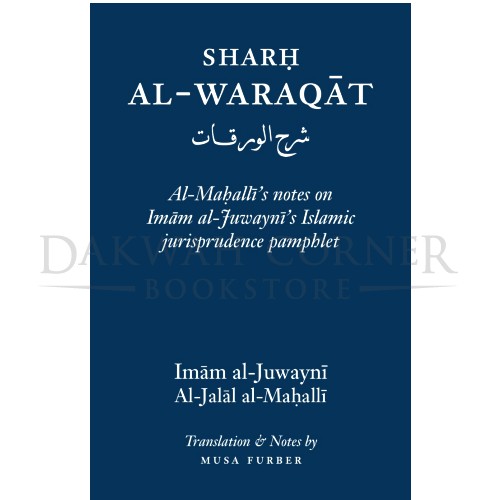
Sharḥ Al-Waraqāt: Al-Maḥalli’s notes on Imām al-Juwaynī’s Islamic jurisprudence pamphlet
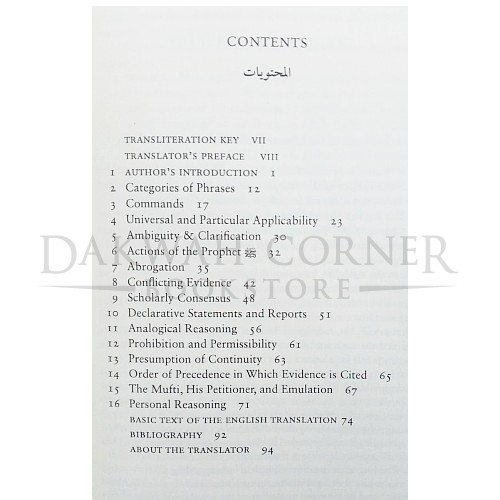
Islamic jurisprudence concerns the knowledge and skills required of Muslim jurists and the etiquette they are expected to observe. These requirements and etiquette set standards for an answer being sound and acceptable to follow, and minimize the potential for errors. Just as rules of grammar protect those who follow them from mistakes in expressions, rules of logic protect those who follow them from mistakes in arguments; jurisprudence sets standards for interpreting legal texts and making legal arguments which, when followed correctly, protect from making mistakes in arriving at legal rulings. Students of jurisprudence read through a series of texts with their instructors. One of the first books of jurisprudence taught to students is the Waraqat of Imam al-Juwayni, often with a short commentary by Jalal al-Din al-Mahalli. This translation introduces these two texts to English-speaking audiences and should serve readers as an introduction to the basic topics of jurisprudence, preparing them to study more advanced material.
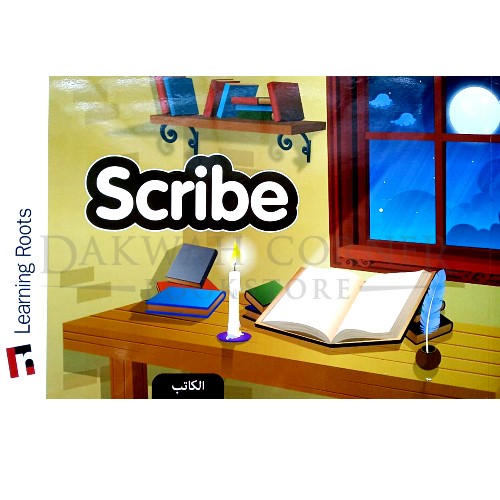
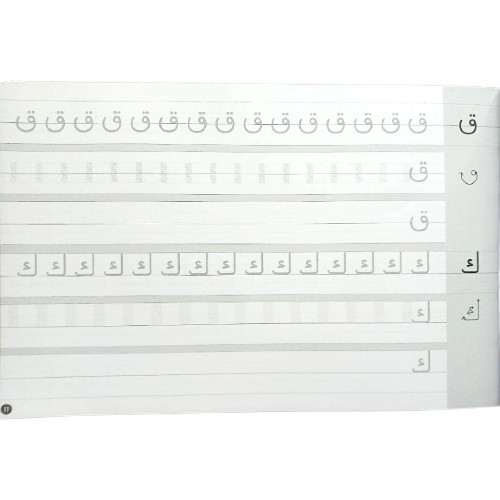
Scribe allows you to achieve beautiful Arabic handwriting with precision guidance, leaving you to practice your skills to perfection. The secret of the Scribe approach is simple: it’s everything an outstanding handwriting practice course should be. In particular, Scribe has been designed with an exclusively tailored typeface that combines the beauty of Arabic calligraphic proportion with the ease of a single-width stroke. There are precision guidelines to help scaffold letters as well as a gradual reduction in the size of the typeface for a smoother transition to more advanced stages. There is plenty of room for practice, and a comprehensive foundational approach means that all aspects of handwriting are covered in a natural progression.
Get access to your Orders, Wishlist and Recommendations.
Your personal data will be used to support your experience throughout this website, to manage access to your account, and for other purposes described in our privacy policy.
Shopping cart is empty!
Select at least 2 products
to compare


There are no reviews yet.