

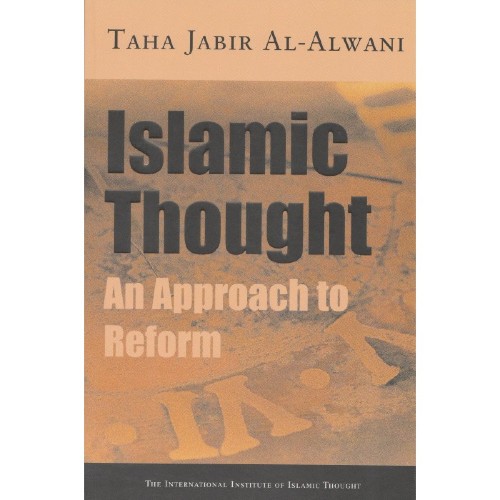
For the first time, Muslims are faced with a worldwide positivism which is working to use knowledge, the sciences and their discoveries and achievements in a manner which severs the relationship between the Creator, the created universe and man, thereby disregarding the world of the unseen and driving a wedge between science and values. Lacking even the most modest store of vital Islamic doctrine on the intellectual level, university students and researchers in the Islamic world are confronted with doctrines and philosophies which are presented to them together with a flimsy, miserable defense of Islam. There is not a single academic institution in the Islamic world in which Islamic thought is taught and in which the Islamic vision is given a deep-rooted foundation with the same force and persuasiveness with which Western ideas and the Western vision are taught to students in the West, in a coherent, comprehensive manner accompanied by seriousness and commitment on the part of all.The books argues that this approach is diametrically opposed to the Islamic perspective and that we must disengage human scientific achievement from positivistic philosophical premises and reemploy these sciences within a systematic epistemological framework based on divine revelation, conferring honor upon all forms of knowledge, as having been bestowed upon man by their Creator.
Islamic Thought: An Approach to Reform
RM47.00
| Weight | .300 kg |
|---|---|
| Author | |
| Binding | Paperbound |
| ISBN | 9781565644267 |
Be the first to review “Islamic Thought: An Approach to Reform” Cancel reply
You must be logged in to post a review.
Related Products
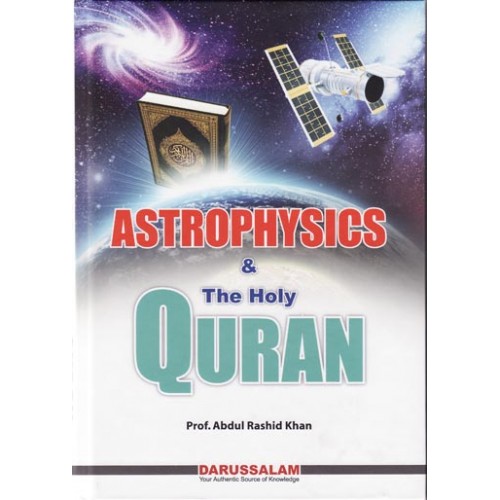
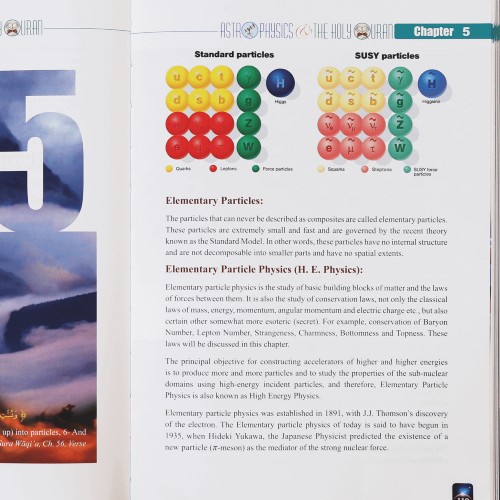
Astrophysics & The Holy Quran (H/B)
We are living now-a-days in the age of science. The intelligent human beings want to know where did they come from? Where did the universe come from? Will the universe come to an end, if so, how? Is the universe static or dynamic, if dynamic, is it expanding or contracting? What is time? When was it started? Will it come to an end? What are Black Holes? What are the forces of Nature? What is the smallest piece of matter? What is the status of man in the universe? Are there ultimate limits for human beings to know about something?
The majority of people especially in the third world are unable to answer these questions. When they are asked such questions, most of them answer with a shrug or with a vague and ambiguous knowledge. On the basis of Holy Qur’an as well as scientific knowledge, I have tried my level best to answer these questions in this book “Astrophysics and the Holy Quran”.
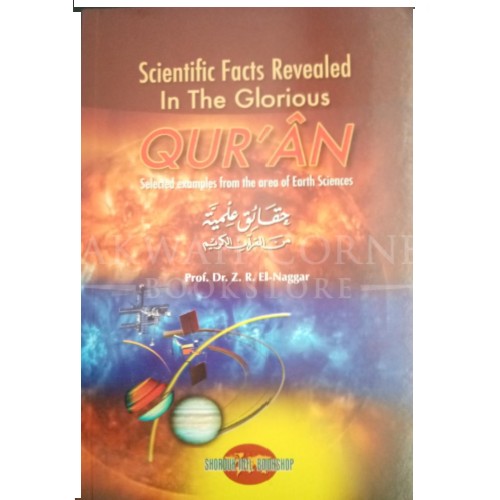
Scientific Facts Revealed In The Glorious Quran
Scientific Facts Revealed in the Glorious Qur’an : Selected examples from the area of Earth Sciences, by geologist Prof. Dr. Z. R. El-Naggar. This small book includes has 16 pages with color illustrations to help the reader visualize what the author explains. He discusses verses in the Qur’an with the supporting scientific facts.
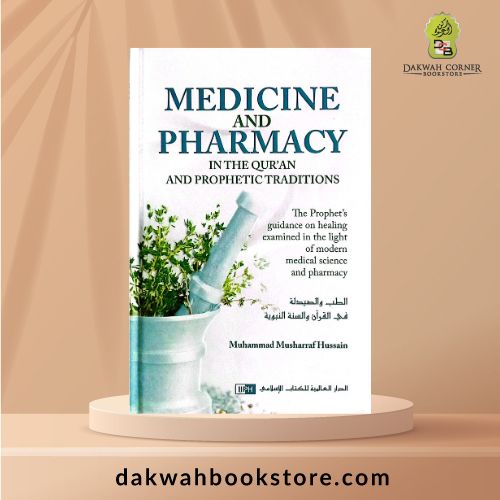
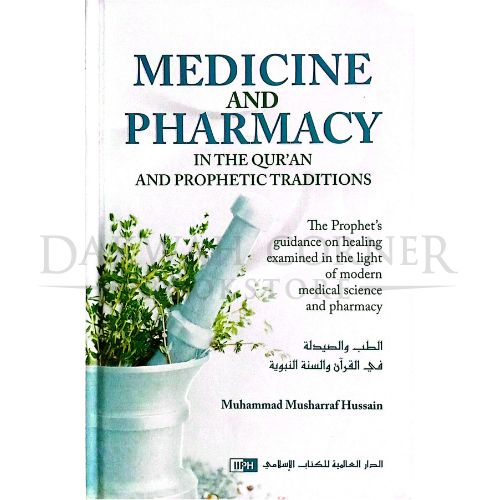
Medicine And Pharmacy In The The Prophetic Traditions (H/B)
Medicine and Pharmacy in the Qur’an and Prophetic Traditions aims to integrate the science of healing into the religion of Islam. It provides advice and guidance on maintaining sound health and preventing diseases and ailments in compliance with the Qur’an and the Sunnah of Prophet Muhammad (blessings and peace be upon him). It also discusses the Qur’anic verses related to health, sickness, and cure, as well as the spiritual and physical remedies recommended by the Prophet (blessings and peace be upon him) in light of modern knowledge.
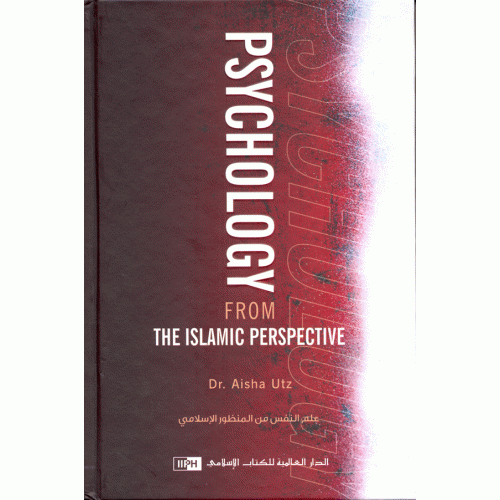
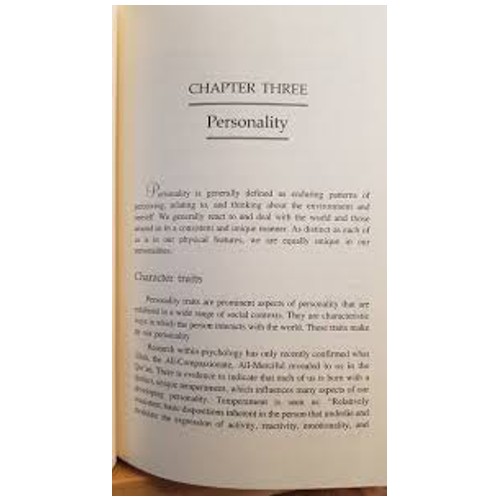
Psychology From The Islamic Perspective
Islam offers a precise, uncomplicated, and comprehensive theory of our spiritual nature, our purpose and priorities in life, and how we can attain serenity and happiness in this life and the next. In Psychology from the Islamic Perspective, Dr. Aisha Utz Hamdan includes specific references to scientific research that corresponds to, or builds upon, what is already known from revelation.
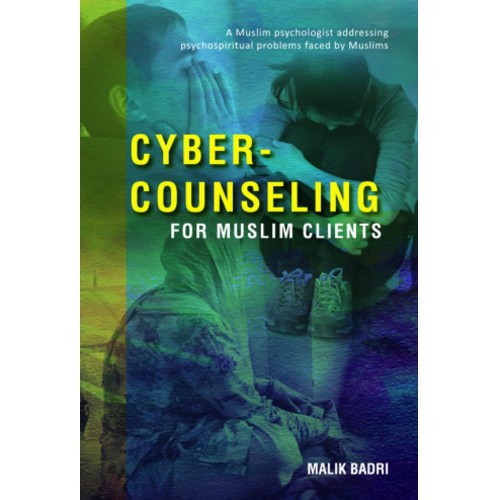
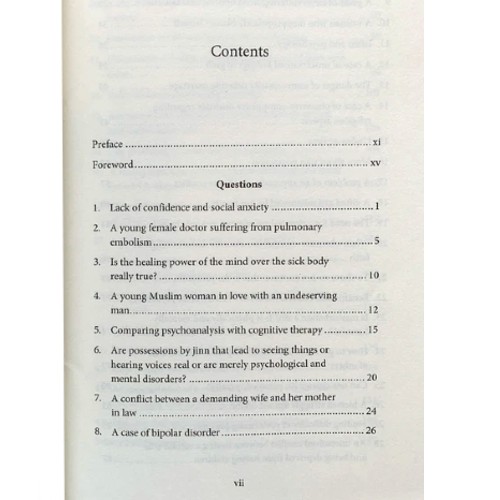
Cyber-Counseling For Muslim Clients
A Muslim psychologist addressing psychospiritual problems faced by Muslims
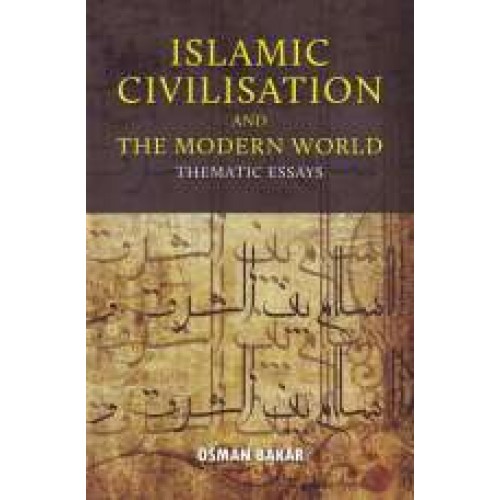
Islamic Civilisation and The Modern World (P/B)
This book presents a thematic treatment of Islamic civilisation. Each of the fourteen chapters comprising this book treats at least one of the major themes that are characteristic of this youngest religiously-based civilisation of the world.
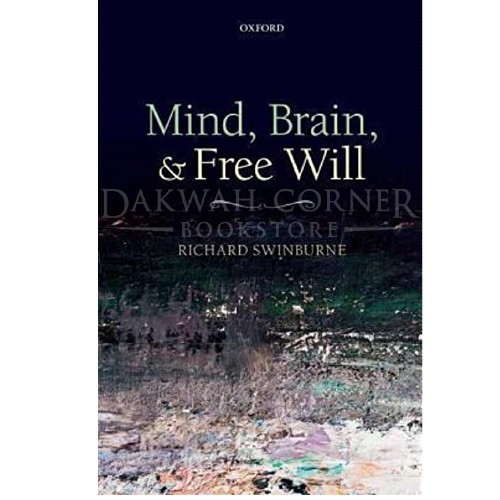
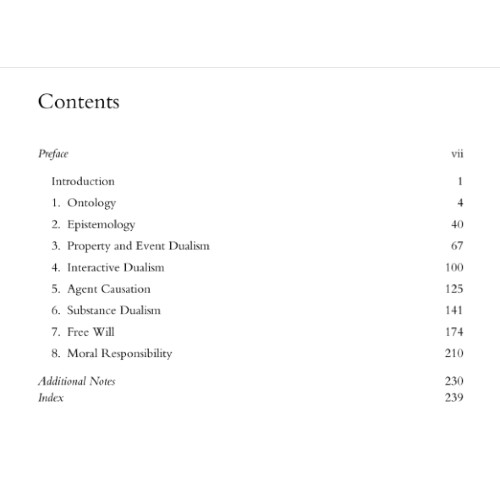
Mind, Brain, & Free Will (P/B)
Mind, Brain, and Free Will presents a powerful new case for substance dualism (the idea that humans consist of two parts–body and soul) and for libertarian free will (that humans have some freedom to choose between alternatives, independently of the causes which influence them). Richard
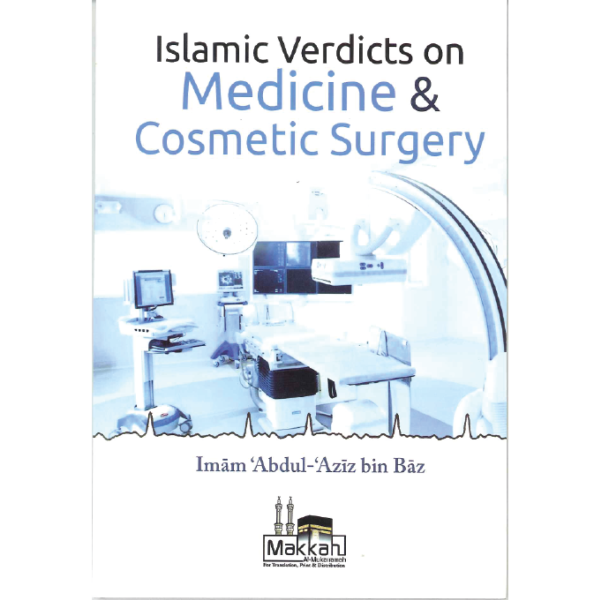
Islamic Verdicts on Medicine & Cosmetic Surgery
We had the honor of our eyes being gifted with seeing his eminence Imam Abdul Aziz Bin Baz may Allah bestow upon him immense mercy and of sitting with him when he delivered verdicts regarding rulings of the Shariah on many medical issues which have been increasingly asked about by patients and people working in the medical field. We focused ourselves, with success granted by Allah, on the authenticity of medical information to the best of our ability. We have applied our best efforts in its presentation while simplifying it as much as possible. This is so that it is easily understood by those who are not specialists in medical fields.
Recently Viewed
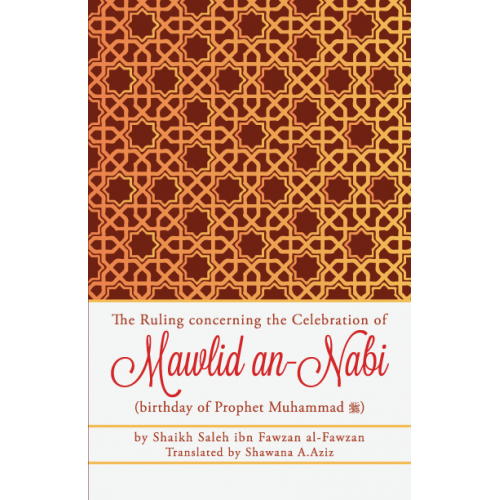
The Ruling Concerning the Celebration of Mawlid an-Nabi (2nd edition)
In this book, is an explicit CLARIFICATION of the MAJOR DOUBTS raised by the proponents of Mawlid an-Nabi, including:
- Mawlid an-Nabi is honoring the Prophet.
- Mawlid an-Nabi is celebrated by a large number of the people in many towns and cities.
- Commemorating Mawlid an-Nabi renews the memories of the Prophet.
- Celebration of Mawlid an-Nabi is cut of love for the Prophet and an expression of ones love, which is permissible.
- Mawlid an-Nabi is a Bidah Husna (good innovation) because it is a means of showing gratitude towards Allah for sending the Prophet.
- The sayings of Umar, ‘What a good Bidah is this?’
Additional quotes by Shaikh Muhammad ibn Ibraheem Aal-Shaikh have been added to further clarify these issues. The booklet also as 2 valuable appendixes:
Appendix 1: Explanation of the Hadeeth,”He, who established/initiates a Sunnah Husna in Islam.” in the word o Shaikh Saleh al-Fawzan and Shaikh Muhammad ibn al-Uthaimeen (rahimahullah)
Appendix 2: A Dialogue between Shaikh al-Albani (rahimahullah) and a proponent of Mawlid.
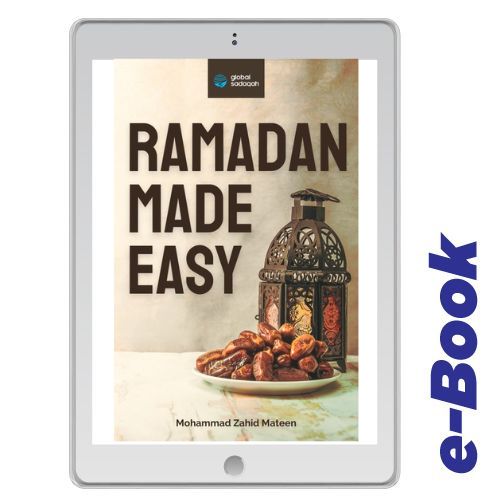
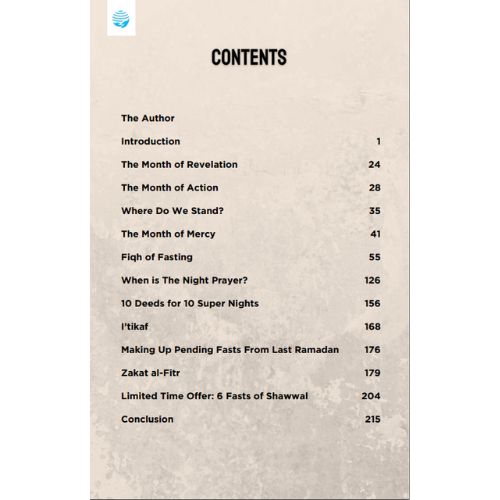
(FREE-eBook) Ramadan Made Easy 2024
رمضان أقِبل فالقلوُب مريضة
O Ramadan, come forth, for the hearts are ill.
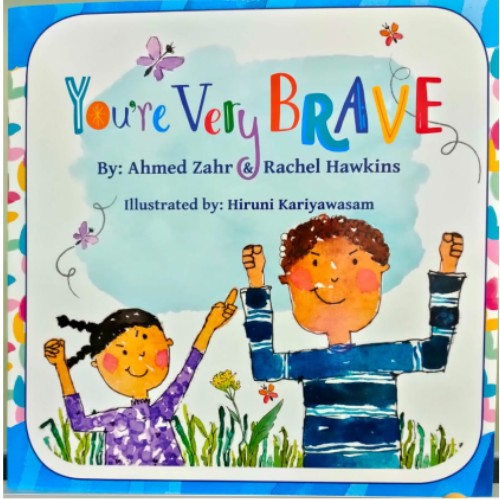
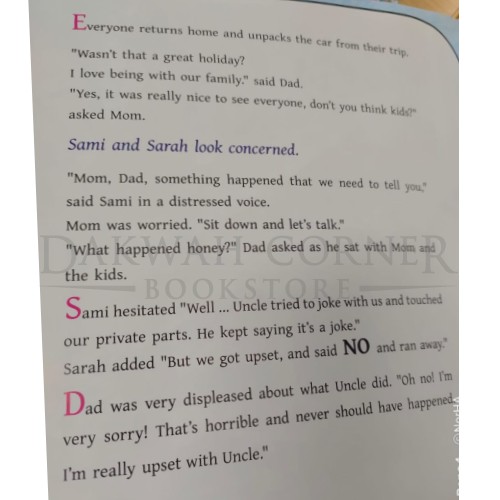
You’re Very Brave
[Empowering and Protecting The Children]
This book is inspired by the children’s courage and strength to speak up about their rights to be respected about the uncomfortable truth of understanding their bodies. A must-read book by all children and especially parents and caretakers.
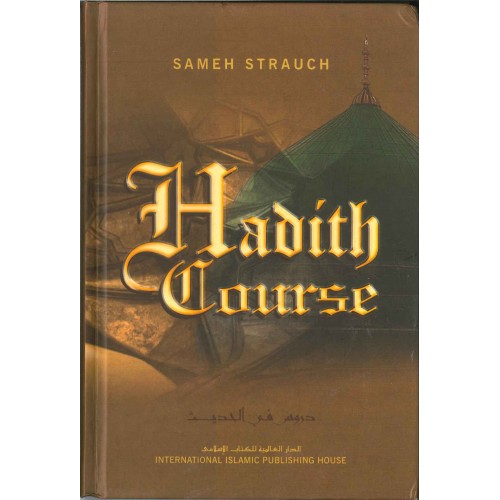
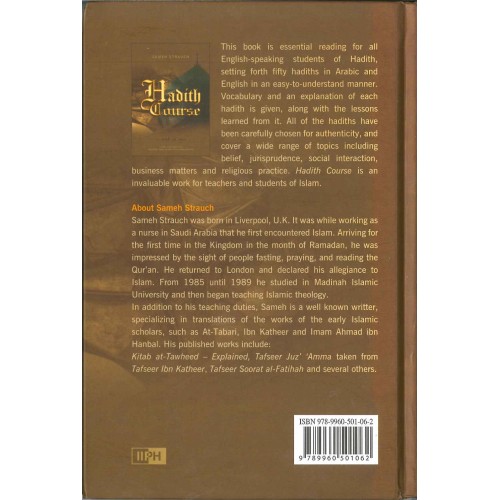
Hadith Course
Hadith Course is essential reading for all English speaking students of Hadith, presenting fifty hadiths in Arabic and English in an easy-to-understand manner. Vocabulary and an explanation of each hadith are given, along with the lessons learned from it. All of the hadiths have been carefully chosen for authenticity and cover a wide range of topics, including belief, jurisprudence, social matters, business and much more. This book is an invaluable handbook for schools and self-learners.

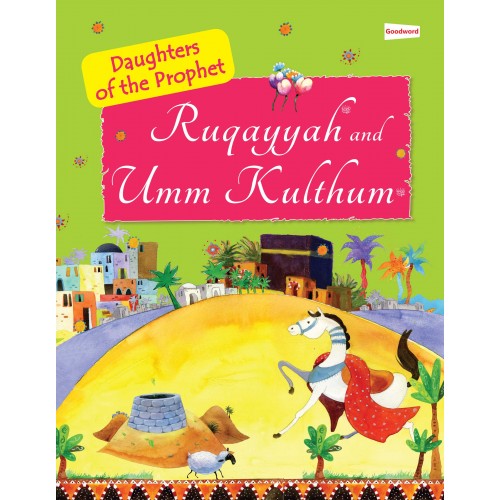
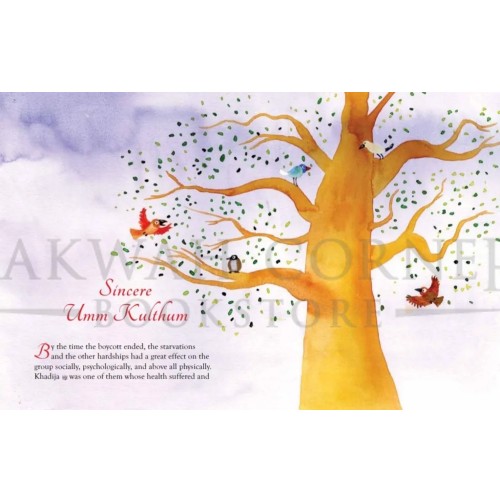
Ruqayyah and Umm Kulthum: Daughters of the Prophet
“As they were born only a year apart they shared almost everything and did many things together…”
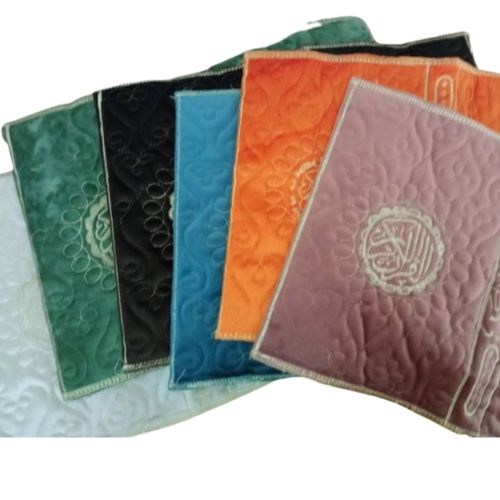
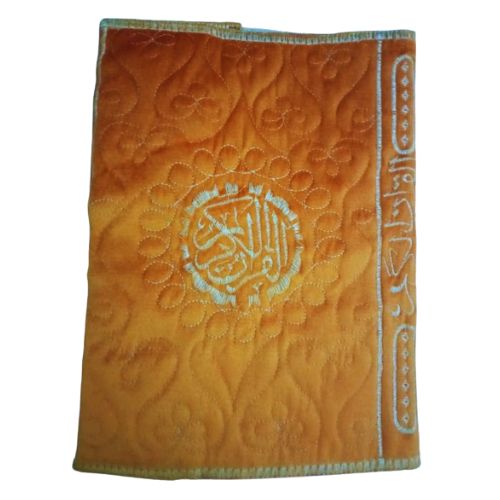
Quran Cover Shiny
Material: Synthetic material
Dimension: 30 x 19.5cm
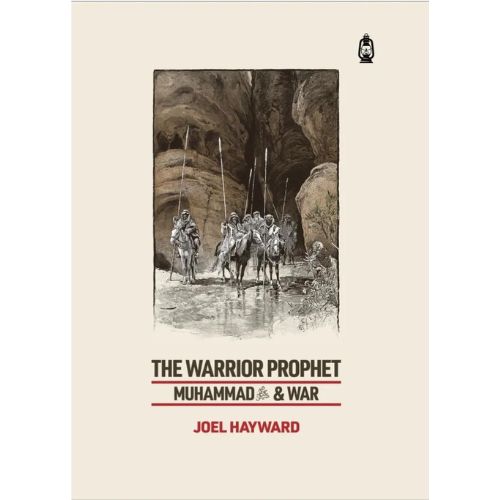
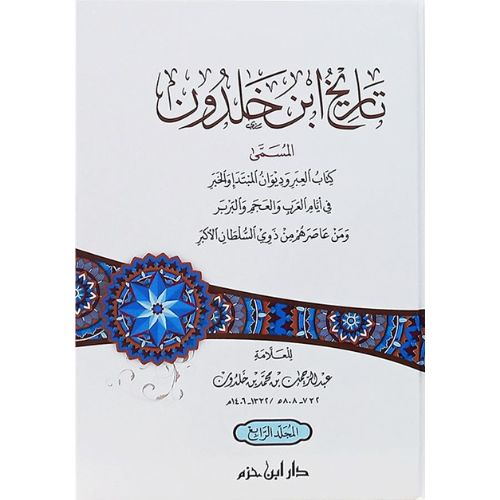
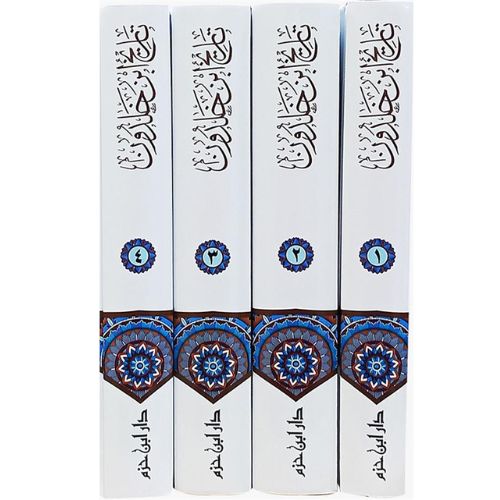
[HS] Tarikh Ibn Khaldun 4 Vol (تاريخ ابن خلدون 1 /4)
كتاب “تاريخ الطبري” تاريخ “الرسل والملوك” أو الأمم والملوك من أهم كتب المصادر في مجال التاريخ، إذ يعد أوفى عمل تاريخي بين مصنفات العرب أقامه مصنفه على منهج مرسوم، وساقه في طريق استقرائي شامل، بلغت فيه الرواية مبلغها من الثقة والأمانة، أكمل ما قام به المؤرخون قبله، كاليعقوبي والبلاذري، والواقدي، ومهد لمن جاء بعده كالمسعودي، وابن مسكويه وابن الأثير وابن خلدون ولم يقتصر على تاريخ الإسلام بل أرخ لما قبل الهجرة بل ابتدأ من القول في ابتداء الخلق ما كان أوله


The Salah – The Prophet’s Prayer Described (H/B)
It is not possible to us to perform the Salah (Prayer) as it should be performed unless we know the detailed description of the Prayer shown by Prophet Muhammad sallallahu ‘alayhi wasallam, such as essentials, manners, forms, supplications and remembrances. However, detailed familiarity with these aspects of the Prayer is difficult to be achieved by most people nowadays because of their limiting themselves to a particular madhhab (school of thought). In every mudhhab, there are traditions and sunnahs (Prophetic examples) which are not found in other madhhabs, and in every mudhhab there are sayings and actions which cannot be authentically traced back to the Prophet.
Many any books have been published on the Prayer of the Prophet but most are by later scholars that cater for a particular muddhab. This famous work, translated from the original Arabic Sifah Salah al-Nabi, brings together as many features of the Prophet’s Prayer from the takbir to the taslim, so that Muslims can fullfil the Prophet’s command to “pray as you see me pray”. This work is the result of an intensive research by the author on various traditions (Hadiths) and their relevance, judjed according to the strict rules of the science of Hadith.
There are no reviews yet.