

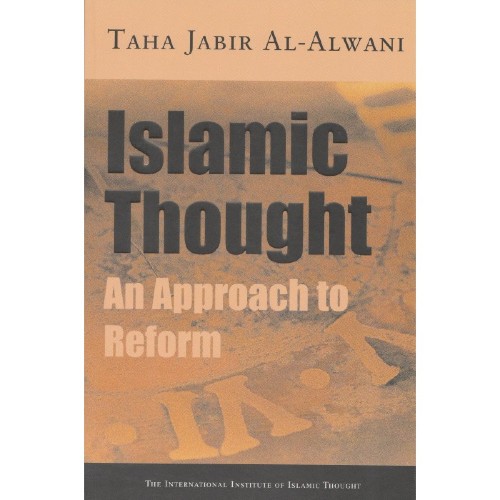
For the first time, Muslims are faced with a worldwide positivism which is working to use knowledge, the sciences and their discoveries and achievements in a manner which severs the relationship between the Creator, the created universe and man, thereby disregarding the world of the unseen and driving a wedge between science and values. Lacking even the most modest store of vital Islamic doctrine on the intellectual level, university students and researchers in the Islamic world are confronted with doctrines and philosophies which are presented to them together with a flimsy, miserable defense of Islam. There is not a single academic institution in the Islamic world in which Islamic thought is taught and in which the Islamic vision is given a deep-rooted foundation with the same force and persuasiveness with which Western ideas and the Western vision are taught to students in the West, in a coherent, comprehensive manner accompanied by seriousness and commitment on the part of all.The books argues that this approach is diametrically opposed to the Islamic perspective and that we must disengage human scientific achievement from positivistic philosophical premises and reemploy these sciences within a systematic epistemological framework based on divine revelation, conferring honor upon all forms of knowledge, as having been bestowed upon man by their Creator.
Islamic Thought: An Approach to Reform
RM47.00
| Weight | .300 kg |
|---|---|
| Author | |
| Binding | Paperbound |
| ISBN | 9781565644267 |
Be the first to review “Islamic Thought: An Approach to Reform” Cancel reply
You must be logged in to post a review.
Related Products
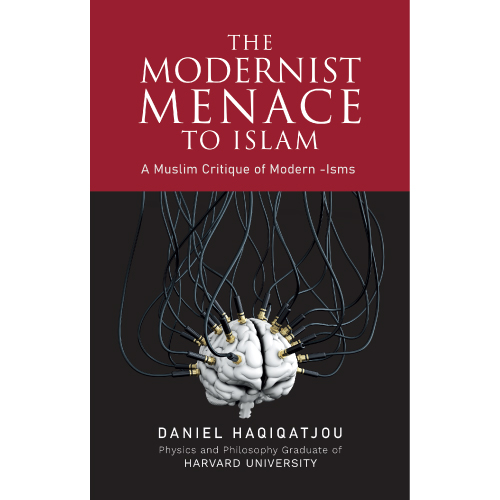
The Modernist Menace To Islam
Islamic Civilisation and The Modern World (P/B)
This book presents a thematic treatment of Islamic civilisation. Each of the fourteen chapters comprising this book treats at least one of the major themes that are characteristic of this youngest religiously-based civilisation of the world.
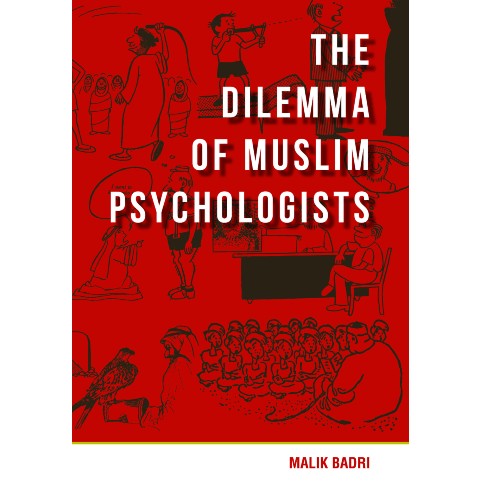
The Dilemma of Muslim Psychologists (P/B) (IBT)
Psychology, with all its by-products and off shoots, has assumed in the West the status of religion, and for many people has replaced it. As in other areas of social sciences, some Muslim thinkers and scholars have developed an amazing skill for the unthinking repetition and blind copying of Western, non-Islamic ideas and practices. “In the Lizard’s Hole” is a Prophetic epitaph that describes this activity very well. Some Muslim psychologists insist dogmatically on prying even into lizard’s holes that have been partly or totally abandoned by their Western counterparts. But do Muslims really need modern psychology at all? Is modern psychology wholly Western? Is there a way in which it could be reconciled with Islam? These burning questions lie lurking behind the dilemma of Muslim psychologists.
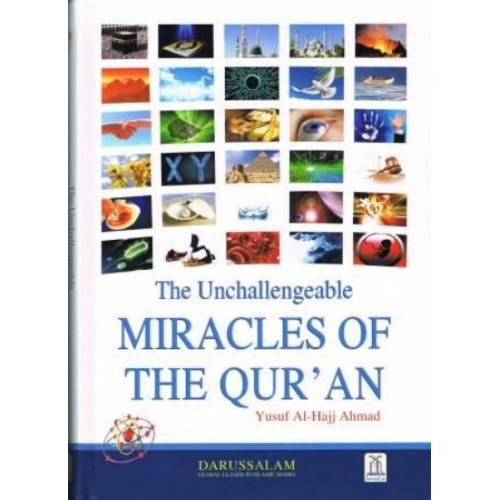
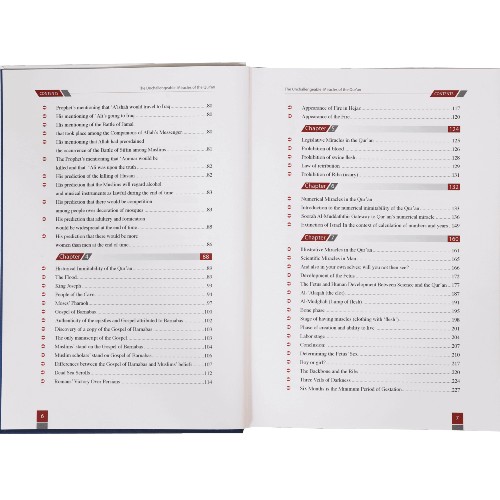
The Unchallengeable Miracles Of The Qur’an (H/B)
The Qur’an is a book of guidance for all of humanity, and Allah has promised that He will preserve it in its original pristine form until the Day of Judgment. The inimitable style of the Qur’aan and the superior wisdom in it are definitive evidences that it is the Word of God. Besides, the Qur’an has many miraculous verses proving that it is undoubtedly a revelation from God and not the work of a human.
Although the Qur’an is not just a book of science, it clearly states a number of scientific truths that were uncovered only with the help of modern technology in the 20th century. How can we explain the numerous scientific facts mentioned in its verses over 1400 years ago?
Time after time, respected scientists and renowned experts from all over the world, upon studying the verses of the Qur’an (Quraan) have had no other choice but to acknowledge that there were no means of knowing these scientific facts 1400 years ago. The only way they could have reached us is through revelation: proving that the Qur’an is the word of God.
Just as scientists and researchers are fascinated by the wealth of knowledge and depth of meaning carried in the verses of the Qur’an (Koran/Coran), modern readers too will find a great deal of benefit in the amazing information and insight offered by this book.

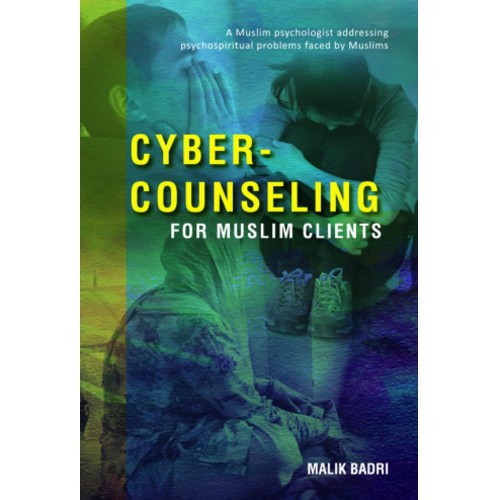
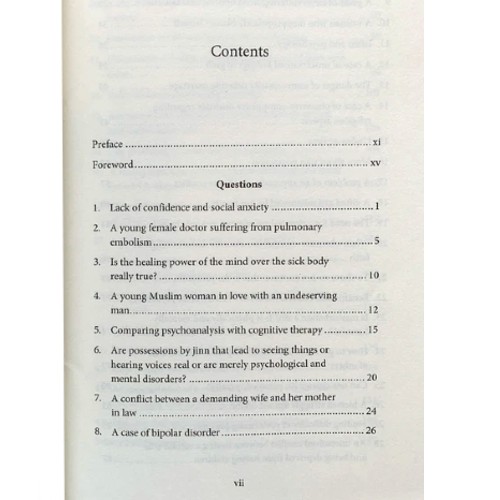
Cyber-Counseling For Muslim Clients
A Muslim psychologist addressing psychospiritual problems faced by Muslims
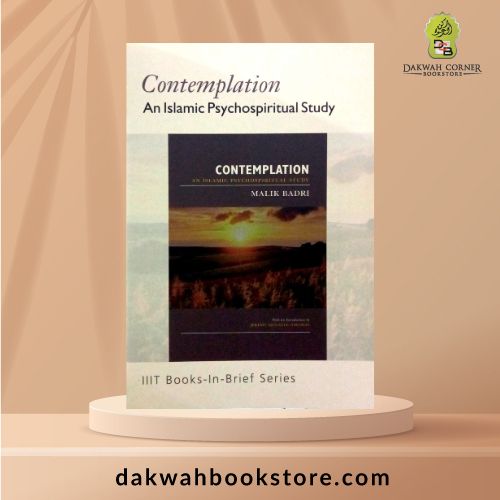
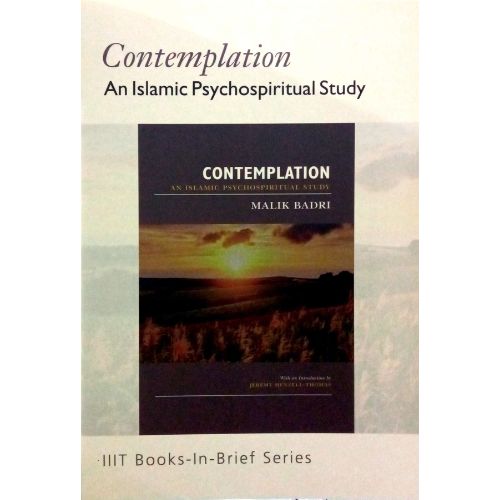
Contemplation: An Islamic Psychospiritual Study (IIIT) (Book in Brief Series)
IIIT Books-In-Brief Series is a valuable collection of the Institute’s key
publications written in condensed form to give readers a core under-standing of the main contents of the original.
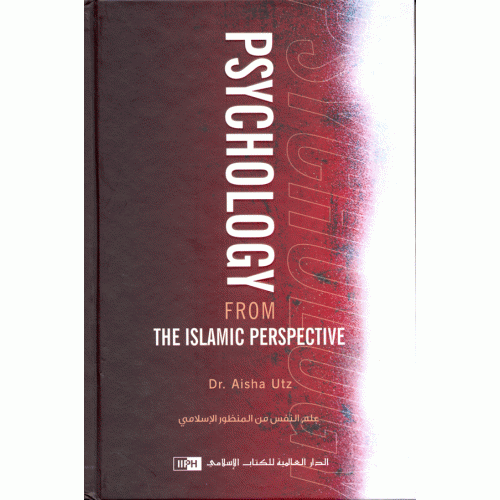
Psychology From The Islamic Perspective
Islam offers a precise, uncomplicated, and comprehensive theory of our spiritual nature, our purpose and priorities in life, and how we can attain serenity and happiness in this life and the next. In Psychology from the Islamic Perspective, Dr. Aisha Utz Hamdan includes specific references to scientific research that corresponds to, or builds upon, what is already known from revelation.
Recently Viewed


Quranic Arabic With Basic Grammar
This book, which is a compilation of the author’s lectures in seminars during his post-doctoral research at the Centre for Islamic Development Management Studies, Universiti Sains Malaysia, dwells on Arabic language with a focus on Quranic grammar. It comprises of three parts, each part contains various units. The first part contains 15 unit which look into the nouns, pronouns, different types of compounds, the nominal sentence and punctuation. The second part consists of seven units which discuss the various types of tenses, sentences, the imperatives and the particles. The last part featuring five units covers prepositions and different types of words in Arabic.
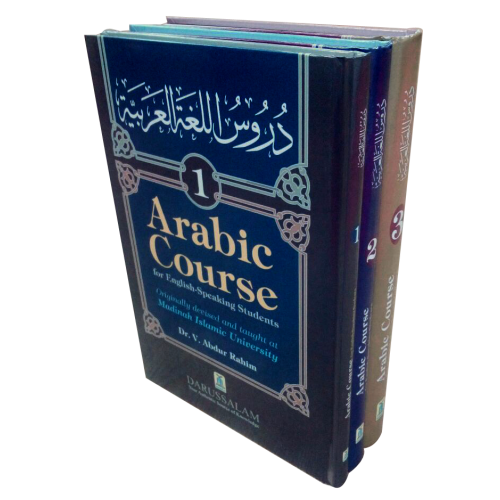
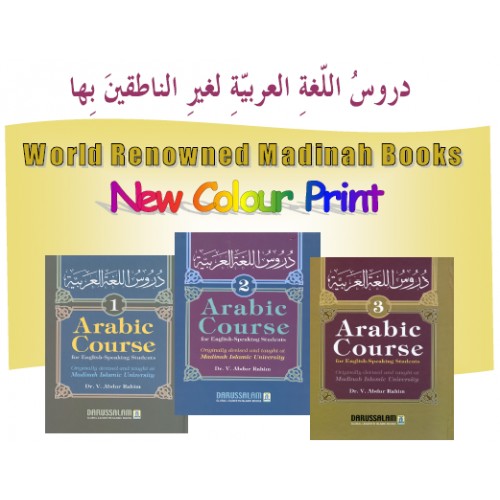
Arabic Course for English-Speaking Students -3 Vols (H/B)
Easy Arabic Course (Durus al-Lughat al-Arabiyah) – For English-Speaking Students. As per the curricula and norms pescribed by the Islamic University of Madinah.
Combines Modern Arabic vocabulary with Islamic terminology as used in the Qur’an and hadith. Assists in learning Arabic grammar and essential language skills Uses a conversational approach to help understand grammatical usages in its perfect form. Contains Multi-skil exercises to improve vocabulary and language
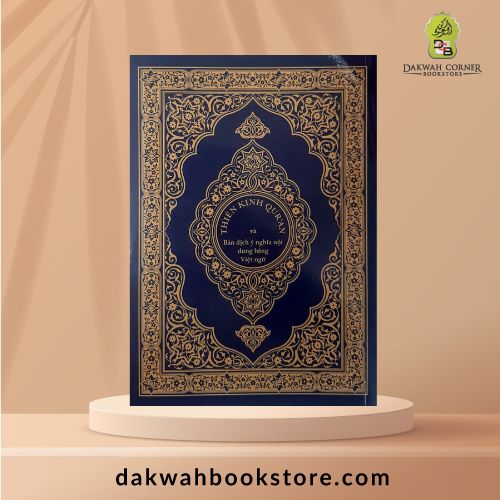
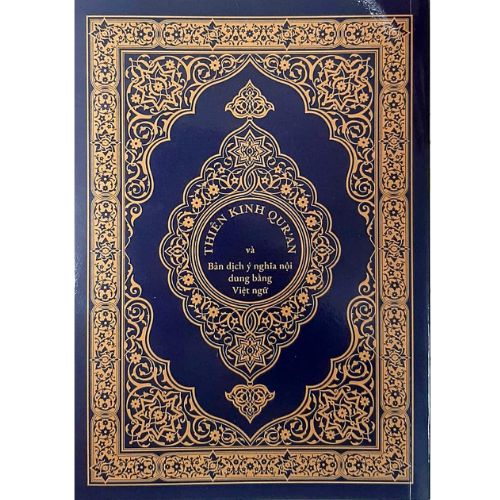
Quran Translation Vietnamese
The Noble Quran in Vietnamese Language (Arabic Text with Vietnamese Translation)
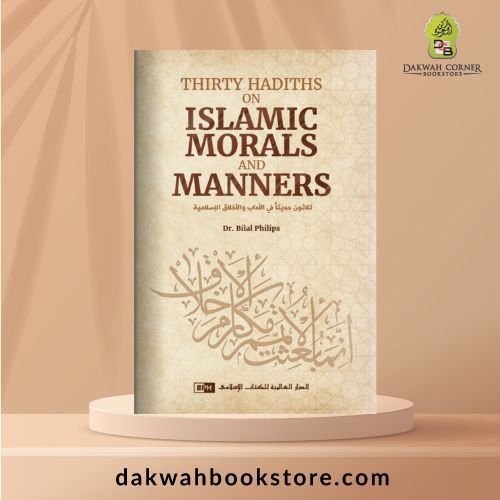
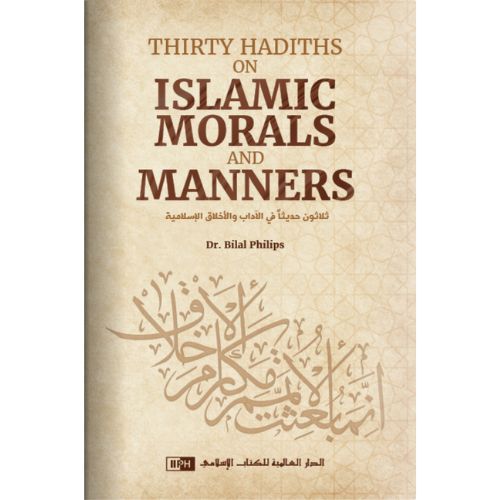
Thirty Hadiths on Islamic Morals and Manners (IIPH)
30 Hadiths on Islamic Morals and Manners is an attempt to draw guidance from Allah’s Messenger (sa) on diverse topics such as intentions, suspicion, jealousy, backbiting, bribery, greetings, marriage, and families. Dr. Bilal Philips has offered a commentary with each hadith to enable readers to learn about morality, ethics, and manners, as taught by Prophet Muhammad (sa).

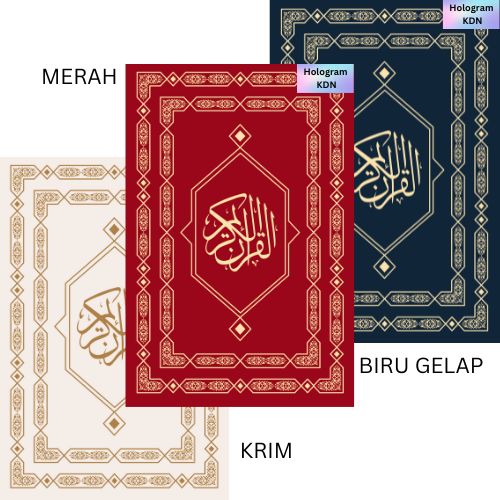
Mushaf Madinah DCB (Local Edition)
Mushaf Madinah Local Edition (Explanation in Malay)

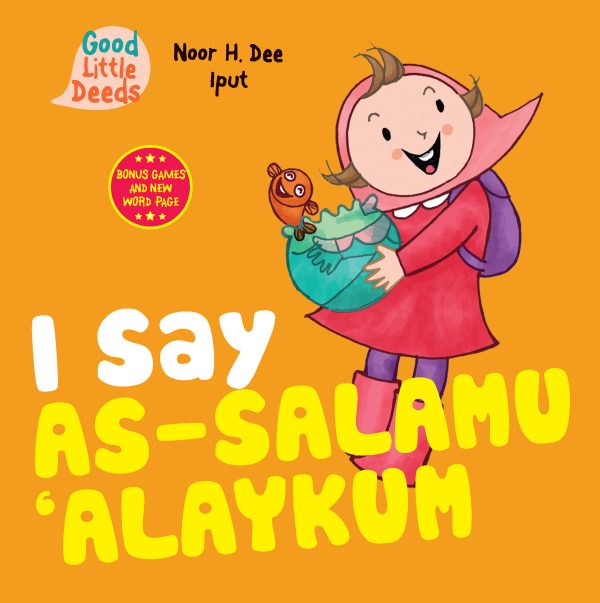
[CB]I Say As-Salamu’Alaykum
The phrase translates to “Peace be upon you”. An extended, more formal version is As-salamu ʿalaykum wa-raḥmatu -llāhi wa-barakātuhᵘ̄, meaning “May the peace, mercy, and blessings of God be upon you”.
Nabil and Noura are going to the park. Along the way Nabil greets the gardener and park ranger. Now Noura wants to say, ‘AS-SALAMU ‘ALAYKUM!’ Who, or what, will she salam?
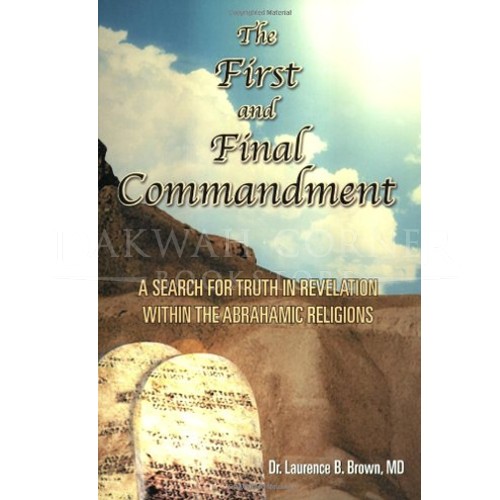
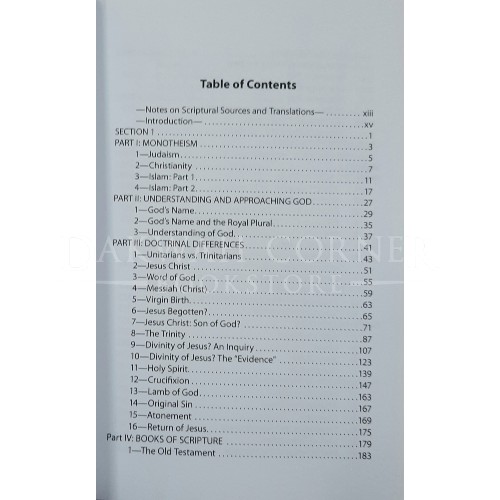
The First and Final Commandment (2nd Edition)
“A search for truth in revelation within the Abrahamic religions.”
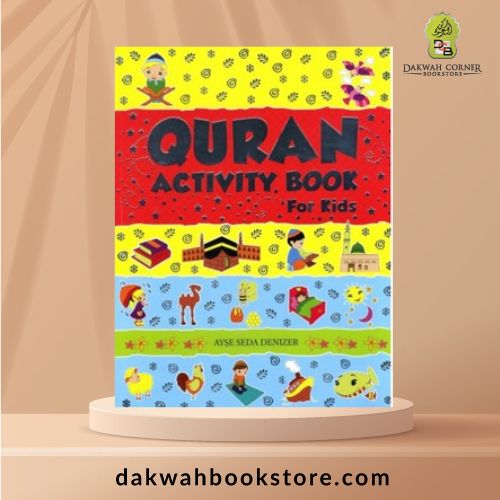
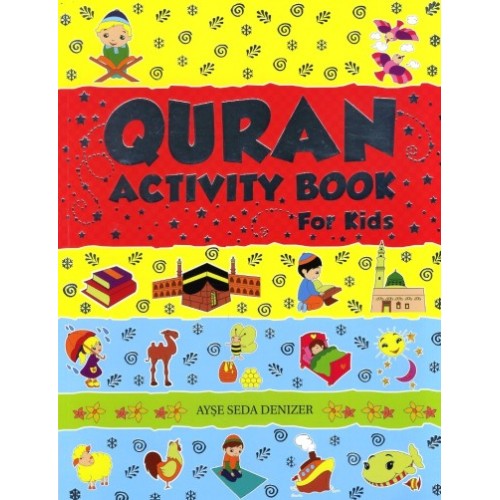
Quran Activity Book For Kids (P/B)
The Quran Activity Book for Kids is just the right book for children to learn about the Quran in a lively and entertaining way. It contains highly attractive artwork to inspire creativity; beautiful Quranic prayers to memorize and to glorify Allah and His creation; fascinating facts to provide a basic understanding of the Quran and its teachings; and some fun-filled activities at the end to help children enjoy what they have learnt so far. Comes with: * Pre-coloured colouring pages * Quranic prayers * Quran facts * A story and many activities.
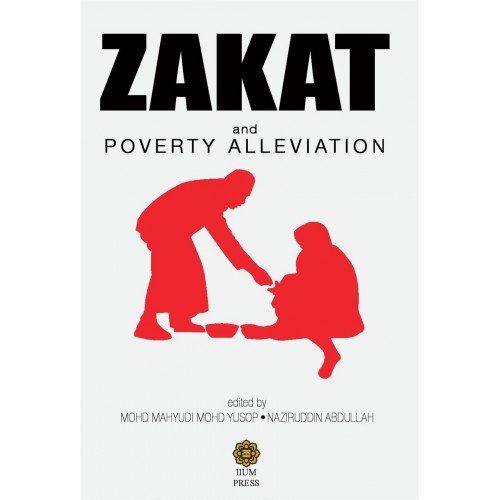
Zakat and Poverty Alleviation (P/B)
This edited book aims to raise issues pertaining to the topic of zakat and its primary goal of poverty alleviation. It portrays the dynamism of zakat by highlighting pertinent issues on the management of zakat institutions and innovative programmes that are designed as effective distribution mechanisms. Discussions include zakat payment motives, ways to measure the efficiency of zakat disbursement, economic development initiatives, housing programme, microfinancing, and actual impact on poverty alleviation. The discussions raised put emphasis on policy-orientation with dedicated sections on policy implications and recommendations. This approach is deemed necessary since it could guide the thought process of interested parties towards the creation of new ideas to actualize zakat as a very reliable tool in addressing the massive problem of poverty among Muslim communities. This special feature also significantly adds to the much-needed reference materials in courses on zakat at the intermediate level of undergraduate studies and introductory level of postgraduate programmes.
There are no reviews yet.