

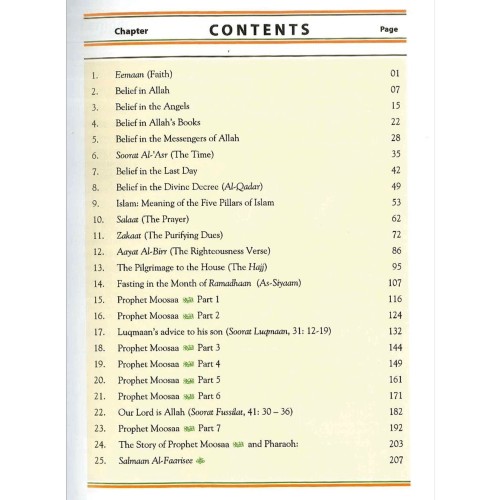
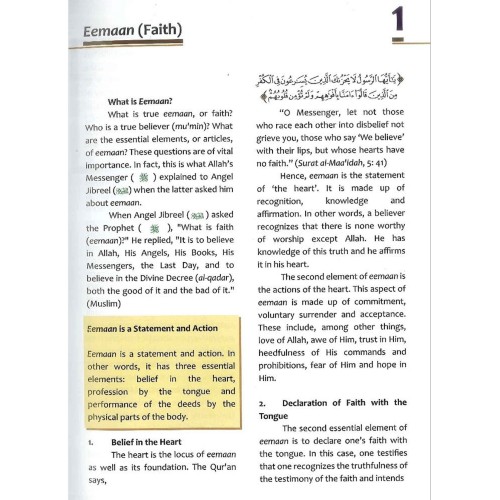
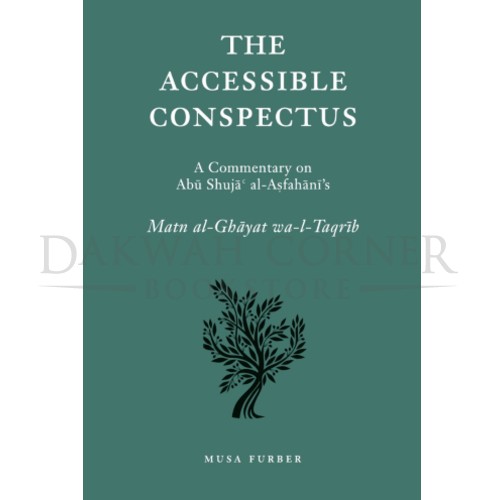
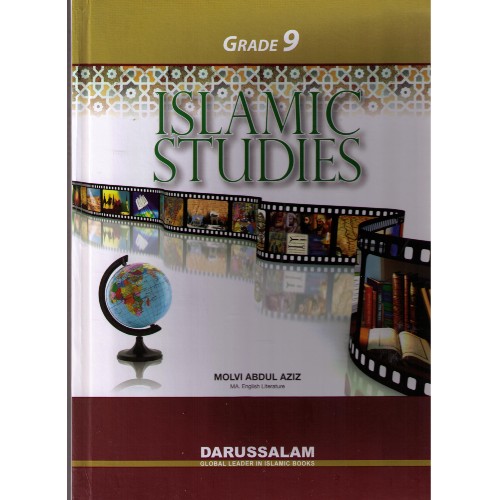
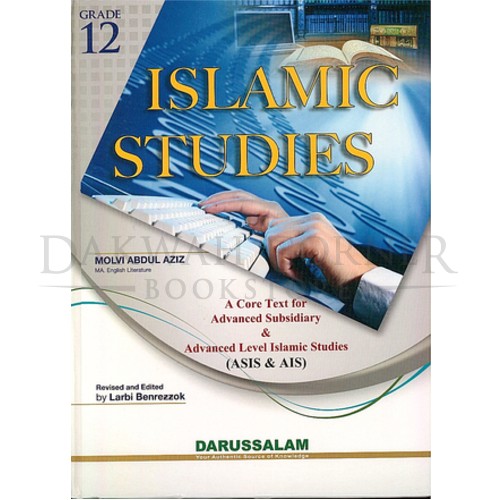
This is set of 6 books from the Islamic Education Series. Given the dire need for Islamic studies material in schools incorporating the subject in English,. Darussalam has endeavoured to publish an Islamic Studies series covering all the grades, from grade one through grade twelve. This series covers all areas of Islamic studies: tafseer, hadeeth, tawheed, fiqh, seerah, and general etiquette relating to different areas and situations. Given the importance of authentic Islamic knowledge, every effort has been made to ensure that the material presented in the series is authentic. Also, given the importance of Arabic Islamic terms, most of the terms are presented in their original Arabic script, along with the transliteration and the translation of their meanings. This also applies to supplications which have to be memorized in their Arabic version. The aim here is to help the reader read the original text and understand its meaning. Each lesson is followed by exercises covering questions about the lesson. One striking feature in the series is the colourful artwork used in it will certainly appeal to children. This is certainly bound to attract the young readers’ attention, stimulate them, amuse them as well as educate them. This series aims to acquaint the student with the teachings of Islam in every aspect: beliefs, practices and moral conduct. This series, with its unique features, certainly fills a gap in this area which has long been partially neglected. The present breath-taking work was initiated by an expert in the field of education, Maulvi Abdul Aziz, MA. English literature, who held different posts in the field including that of Senior Administrative Officer in the Department of Private Education, Ministry of Education, Dubai, UAE, from 1982 to 2002. The current project also owes its existence in its present form to a number of people who made informative suggestions, particularly Al-Arabee Ben Razzouq, College of Languages and Translation, Imam Muhammad ibn Saud University, Riyadh, who undertook the painstaking task of checking the authenticity of the material presented in the series, proofreading the text as well as adding references to certain quotations from the Qur’an and the hadeeth. Special thanks also go to Sheikh Abdul-Qawiy Luqman, Al-Madeenah University graduate, for his interesting suggestions and to Mr. Zulfiqar Mahmood who conscientiously applied his expertise in the field of graphic design to produce the series in a superb shape. We pray to Almighty Allah to reward our endeavours and to make the present series abundantly beneficial to students in all stages of education as well as to anyone who reads them. Abdul Malik Mujahid Jumaadaa ath-Thaaniyah, 1428 AH. July 2007.
Islamic Studies Grade 8 by Molvi Abdul Aziz (DARUSSALAM)
RM115.00

Frequently Bought Together
| Weight | 1.400 kg |
|---|---|
| Dimensions | 30 × 22 × 2.5 cm |
| Author | |
| Binding | Hardcover |
| ISBN | 9786035001038 |
| Pages | 344 |
| Publisher | Darussalam |
Be the first to review “Islamic Studies Grade 8 by Molvi Abdul Aziz (DARUSSALAM)” Cancel reply
You must be logged in to post a review.
You may also like…
Islamic Studies Grade 2 – Darussalam
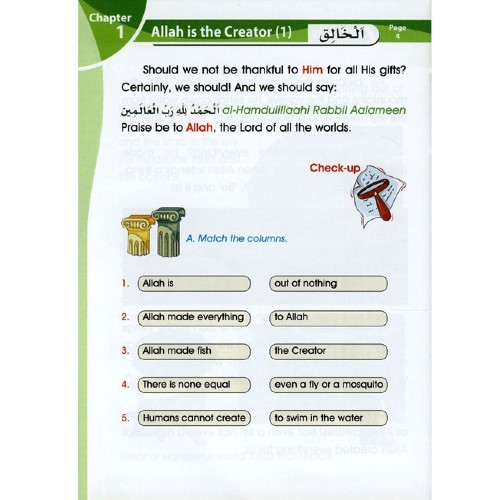
Grade 2 covers a variety of topics, including Allah as the Creator, the All Knower; the books of Allah; telling lies; the etiquette of talking; the Islamic calendar; and more. This book also contains fun activities and review sections.
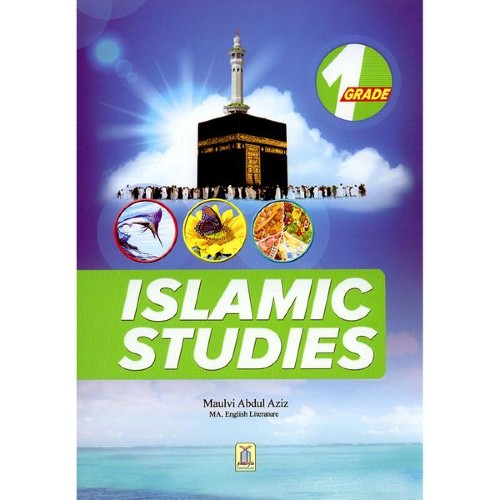
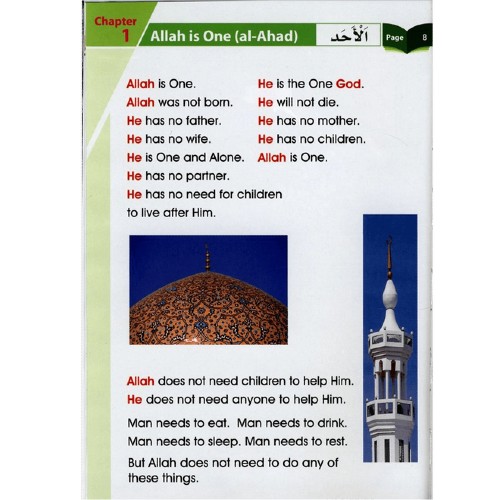
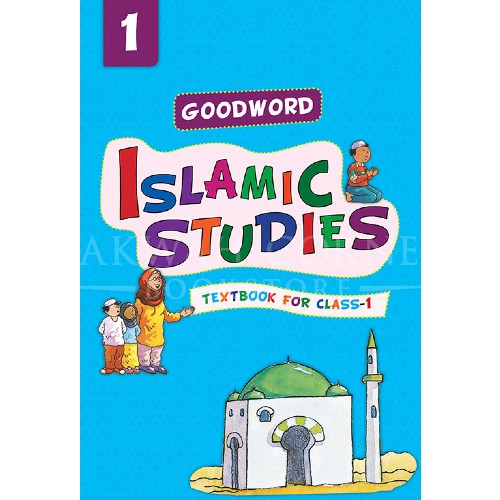
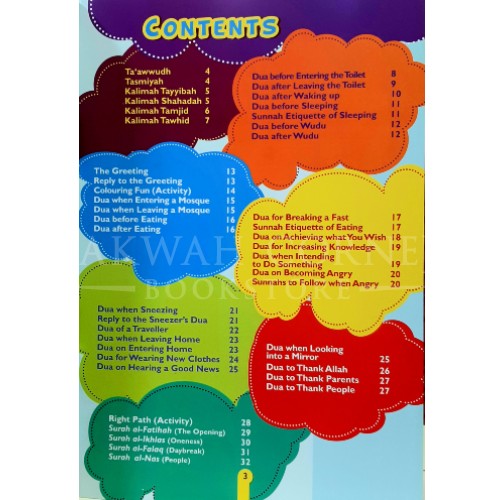
Islamic Studies Grade 1 – Darussalam
Grade 1 covers a variety of topics, including Allah as the One, the Creator, and the Giver of Life; pillars of Islam; Iman; performance of wudo; prayer; several sections about the Prophet Mohammad (s); and more. This book also contains fun activities and review sections.
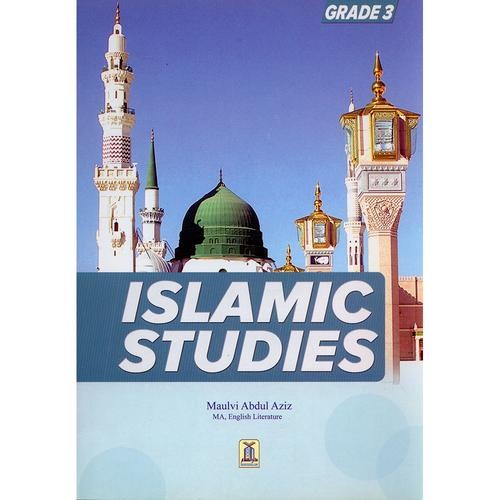
Islamic Studies Grade 3 – Darussalam
Grade 3 covers a variety of topics, including the call to prayer; lying, gossiping, and backbiting; fasting; some of the prophets; cleanliness; and more. This book also contains fun activities and review sections.
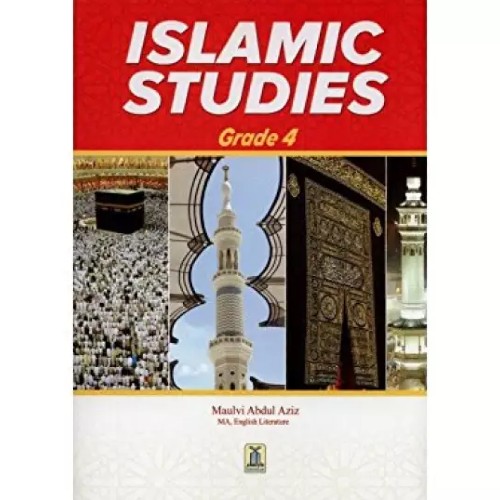
Islamic Studies Grade 4 – Darussalam
.The present series covers all areas of Islamic studies: Tafseer, Hadeeth, Tawheed, Fiqh, Seerah, and general etiquette relating to different areas and situations. Every effort has been made to ensure that the material presented in the series is authentic and most of the terms are presented in their original Arabic script, along with the transliteration and the translation of their meanings. This also applies the supplications which have to be memorized in their Arabic version. The aim re is to help the readers read the original text and understand its meaning. Each lesson is followed by exercises covering a question about the lesson.
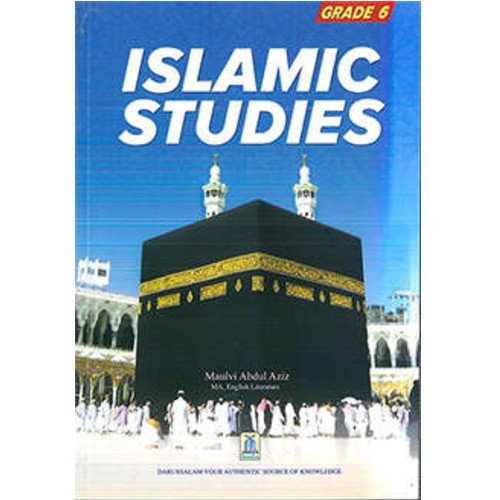
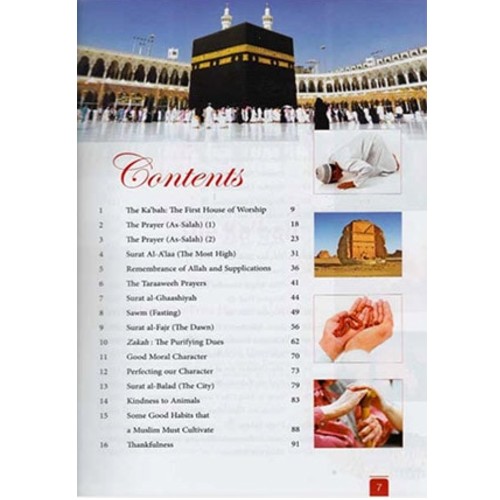
Islamic Studies Grade 6 – Darussalam
This full-color Grade 6 textbook (for the sixth grade or similar level) is part of the Islamic Education series which covers all areas of Islamic studies: Tafseer, Hadeeth, Tawheed, Fiqh, Seerah, and general etiquette relating to different areas and situations.
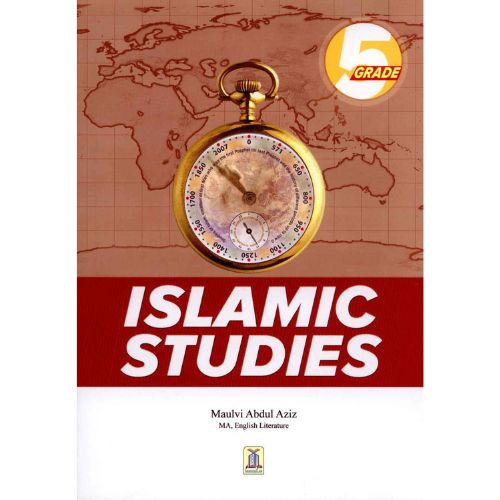
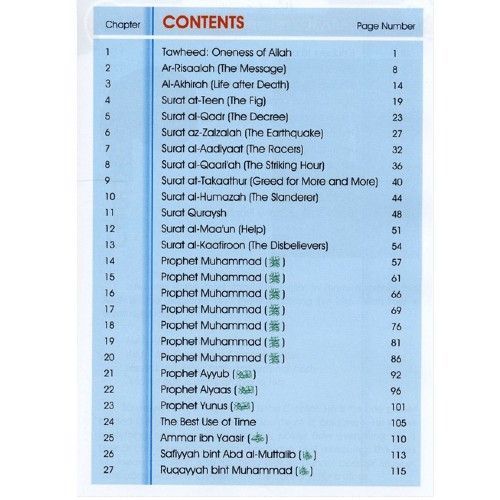
Related Products
60 Golden Hadiths for Children
This book “Sixty Golden Hadiths for Children” is specially written for youngsters. We are guided by the Prophet’s sacred example at all moments of our lives and we also have lots of guidance for our newborns. Lots of companions of young age in their boyhood were in companionship with Prophet (S) and Prophet (S) taught them about Islam, literature with love and wisdom. Under consideration, we have chosen only those golden Ahadith which are especially for educating children. These will definitely help children to make their lifestyle better.
Islamic Studies Grade 7- Darussalam
This full-color Grade 7 textbook (for the seventh grade or similar level) is part of the Islamic Education series which covers all areas of Islamic studies: Tafseer, Hadeeth, Tawheed, Fiqh, Seerah, and general etiquette relating to different areas and situations.
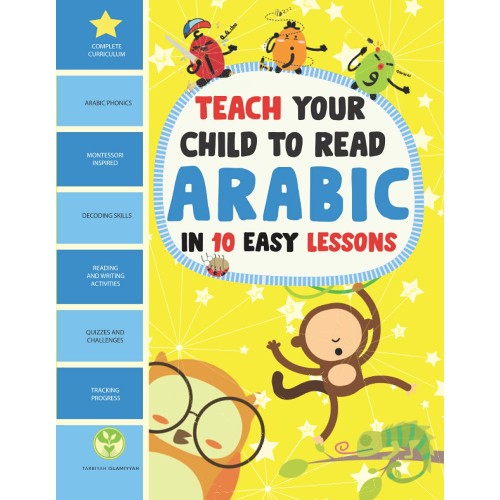
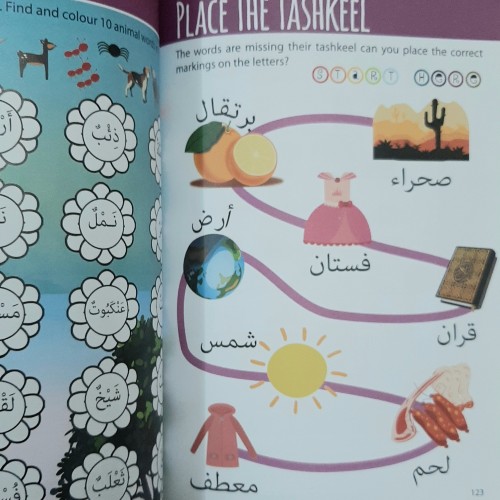
Teach Your Child To Read Arabic In 10 Easy Lessons
Welcome to the wonderful world of the Arabic language. Dive into Montessori inspired exercises, engaging activities, challenges and games in every lesson. A super-fun way to learn Arabic as a second language. An innovative visual approach combines colourful illustrations and useful Arabic vocabulary. Learn easily and systematically. Teach your child to become a reading pro. “Teach Your Child to Read Arabic in 10 Easy Lessons” provides an abundance of practice activities and exercises, giving them repeated exposure for teaching the core skills needed for reading and writing Arabic.


Islamic Studies (KG2)
Islamic Studies (KG2)
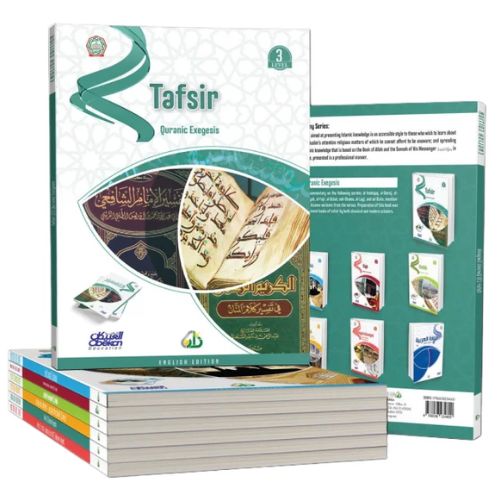
The Zad Academy Series: English Edition (6 In 1) Level 3
This edition of the Zad Academy Series is in English for Level 3 and contains the following topics.
Tarbiyah Islamiyah – Aqeedah – Fiqh – Hadith – Seerah – Tafsir
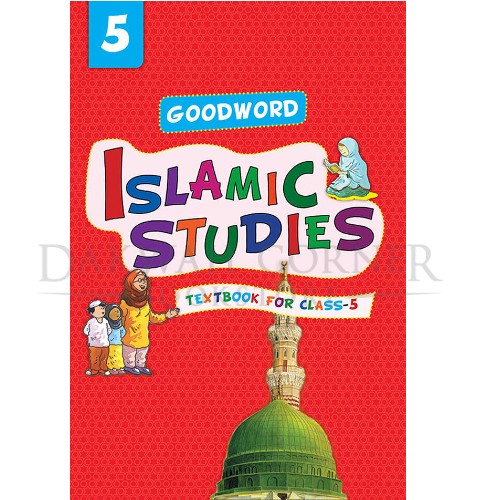

Goodword Islamic Studies Textbook for Class 5
This course has been designed to present the young students comprehensive Islamic education, comprising general Islamic knowledge based on the Quran and Hadith. Instead of teaching moral principles directly, they are taught through themes chosen from the Quran and other Islamic sources. A major portion of the course comprises the text of the Quran, which is followd by exercises to test the depth of understanding of the students. Though basically intended for use as a school text book, it is also an ideal tool for home schooling involving both the parents and the children. In this way children will nt only learn the ethical values conveyed by the message of Islam but will also be stimulated to want to know more about Islamic teachings when they grow up.
Recently Viewed
( FREE-eBook) Reliance on Allah
Dialogue is the girdle of the intelligent and the habit of the wise. Dialogue has the greatest influence on humans during interactions and is the loftiest method of enlightenment and preaching. Dialogue is like engraving; it engraves on the souls and leaves lasting impressions on the character of the audience.
After the advent of prophethood, our beloved Prophet Muhammad (Sallalahu Alayhe Wassalam)stayed in Makkah for thirteen years without engaging in physical combat with the non-believers, he did not raise a spear nor unsheathe a sword. He was persistently dialoguing with the people of Makkah for thirteen years !
Dialogue was a well established signpost, clearly seen at every stage of the life of the Prophet (Sallalahu Alayhe Wassalam) and at the different points of his call. The most beloved speech to the people and endearing to their hearts, the most easily accepted by them is that which comes in the form of a conversation in which the listener, the addressee, contributes in speech with his tongue and reasoning while employing his intellect.
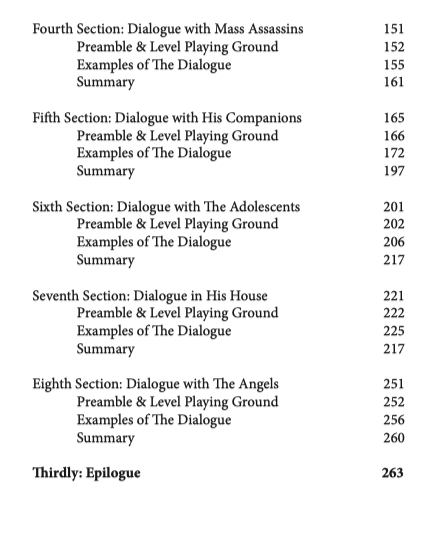
Secrets Of Dialogue and Persuasion : The Loftiest Dialogues and Most Powerful Methods Of Persuasion From The Life Of The Best Men صلى الله عليه وسلم is a study of the dialogues of our beloved Prophet Muhammad (Sallalahu Alayhe Wassalam) while inviting to the path of Allah SWT.
- How did he communicate his message to the World’s superpowers at the time, considering the and community in which he lived ?
- What responses did he receive and what lines of action did he follow?
- How did he persuade the youths and adolescents to accept his message ?
- How did he converse with his household, including the women and children ?
- What were the major elements of his dialogues that yielded the best results ?


Fiqh Course: Tahaarah, Salaah & Janaa’iz
This course was compiled for English-speaking Muslims and is especially beneficial for new Muslims. It covers tahârah (purification), salâh (prayer) and janâ‘iz (funerals). It is set out in an easy-to-understand manner, citing evidence from the Qur’an and authentic hadiths. The aim of this book is to provide the reader with a correct, yet uncomplicated guide to the performance of the aforementioned acts of worship. Allah willing, it is the first in a series which will cover all aspects of worship and Islamic jurisprudence.

The Problems of the Illegitimate Child (P/B)
This book addresses the views of the Sunni scholars regarding the importance of genealogical relationship (nasab) in Islamic family law and examines the role of legitimacy on the basis of the legal maxim “al-walad li al-firash”, evidence (al-bayyinah), and doubtful intercourse (wat’ shubhah). It also elucidates the views of the Sunni schools of law on how to establish illegitimacy. For the Sunni jurists, there are several situations that determine the illegitimacy of the child. A child is considered illegitimate if its birth is the outcome of adultery (zina) or the result of legitimate union but accompanied with imprecation (li‘an). Other circumstances include the birth of the child taking place in less than six lunar months, the father of the child being categorized as one who is incapable of begetting, or the birth as a result of marital relationship considered unlawful because of consanguinity. The book also deals comprehensively with the moral, religious, legal and other aspects of the illegitimate child and the foundling in the works of the Sunni jurists. The status and rights of the illegitimate child and the foundling in the Islamic family law of Malaysia and Brunei are also discussed by referring to some provisions from Federal Territory Act 1984 (Act 303) and Brunei law.
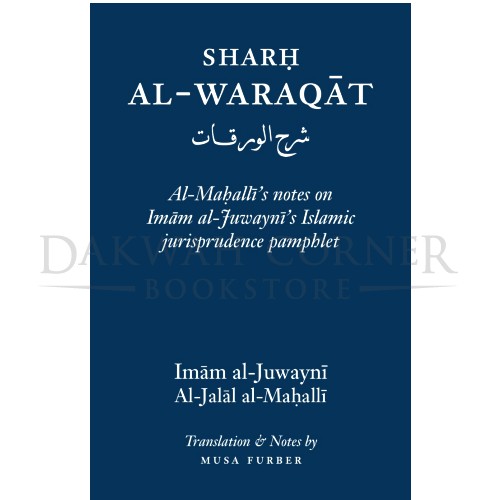
Sharh Al-Waraqat
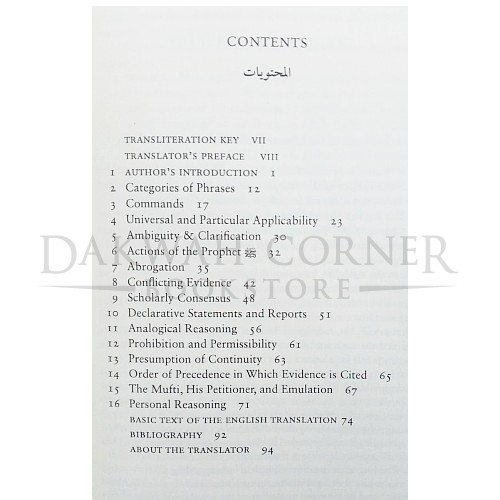
Sharḥ Al-Waraqāt: Al-Maḥalli’s notes on Imām al-Juwaynī’s Islamic jurisprudence pamphlet
Islamic jurisprudence concerns the knowledge and skills required of Muslim jurists and the etiquette they are expected to observe. These requirements and etiquette set standards for an answer being sound and acceptable to follow, and minimize the potential for errors. Just as rules of grammar protect those who follow them from mistakes in expressions, rules of logic protect those who follow them from mistakes in arguments; jurisprudence sets standards for interpreting legal texts and making legal arguments which, when followed correctly, protect from making mistakes in arriving at legal rulings. Students of jurisprudence read through a series of texts with their instructors. One of the first books of jurisprudence taught to students is the Waraqat of Imam al-Juwayni, often with a short commentary by Jalal al-Din al-Mahalli. This translation introduces these two texts to English-speaking audiences and should serve readers as an introduction to the basic topics of jurisprudence, preparing them to study more advanced material.
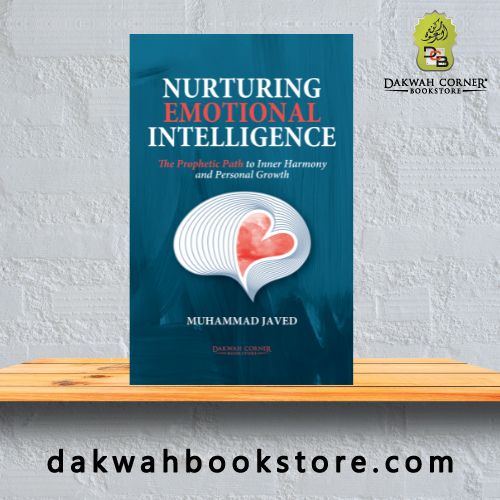
Nurturing Emotional Intelligence (New Cover)
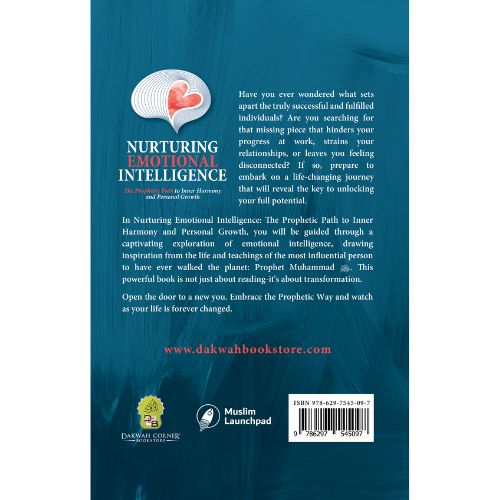
Nurturing Emotional Intelligence
Have you ever wondered what sets apart the truly successful and fulfilled individuals? Are you searching for that missing piece that hinders your progress at work, strains your relationships, or leaves you feeling disconnected? If so, prepare to embark on a life-changing journey that will reveal the key to unlocking your full potential.


Divine Speech
The Quran, the sacred scripture of Islam, is revered as the spoken word of God by approximately one-fifth of the world’s population. Since its inception, the power of the Quran has derived not only from its message, but also from the inimitable literary style and rhetorical impact that the Arabic scripture has on its audiences. Divine Speech: Exploring the Quran as Literature attempts to make some of the most recent Arabic and European-language scholarship on its literary features accessible to a wider, English-speaking audience. These features include its language and word choice, its use of figures of speech and other rhetorical devices, its manner of narrating parables and stories, and the structure, coherence, and the order of its “chapters”-aspects that typically remain mysterious to readers of English translations of the text. Divine Speech furnishes its readers with a better appreciation of the Quran from a literary perspective, and in the process stimulates interest in, and provides tools and resources for, further study of the scripture.

Prophet Muhammad: A Blessing for Mankind
Prophet Muhammad (blessings and peace of Allah be upon him) and the lessons he taught us from the continued hardships he underwent in every stage of his life are a real blessing for humankind. Being an orphan child made him compassionate to widows and orphans as well as to the poor. His multiple marriages strengthened the ties of kinship amongst the different tribes, dissolving long-standing enmity. His message and prophethood were challenged by the polytheistic society in Makkah, forcing him and his few followers to emigrate to Madinah. Despite his illiteracy and the struggles he faced, he conveyed Allah’s Book, the Noble Qur’an, to all humanity, teaching them the values and principles that are presently adopted by billions of Muslims throughout the world. In the Qur’an, Allah, the Almighty addresses the Prophet (blessings and peace of Allah be upon him), saying: {We have sent you only as a mercy to the worlds.} (Qur’an 21: 107)
There are no reviews yet.