



| Weight | 0.350 kg |
|---|---|
| Dimensions | 21.5 × 14.5 × 0.8 cm |
| Author | |
| Binding | Paperback |
| ISBN | 9789960850818 |
| Pages | 156 |
| Publisher | IIPH |
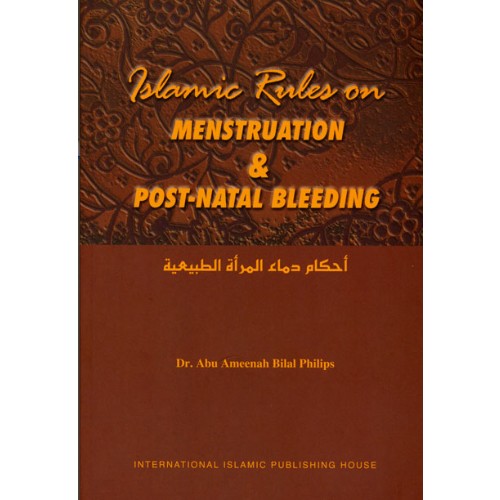
Islamic Rules On Menstruation and Post-Natal Bleeding : Revised 2nd Edition (Dr. Abu Ameenah Bilal Philips) IIPH
RM17.00
Out of Stock
Highlights:
somdn_product_page
Compare
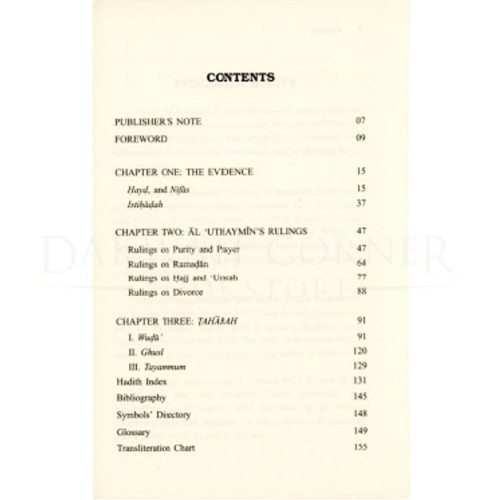
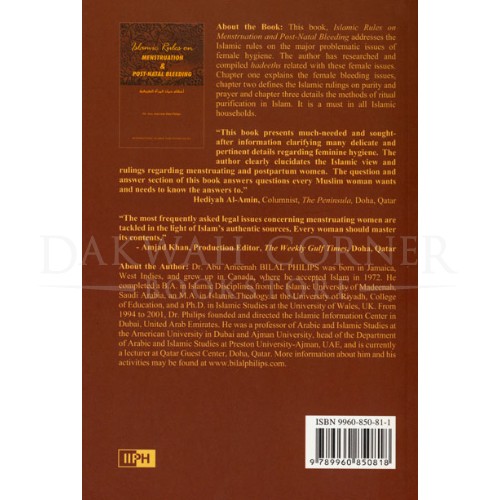
Menstruation and other forms of vaginal bleeding comprise one of the most difficult chapters of fiqh. This books seeks to make it easy, starting with the authentic evidence, along with a condensed translation of some fatwaas of leading scholars, rearranged to provide a logical flow of ideas.
SKU: SJ37
Category: Sharia, Fiqh and Jurisprudence
Additional information
Reviews (0)
Be the first to review “Islamic Rules On Menstruation and Post-Natal Bleeding : Revised 2nd Edition (Dr. Abu Ameenah Bilal Philips) IIPH” Cancel reply
You must be logged in to post a review.
Related Products

Islamic Fatawa Regarding Women (H/B)
Highlights:
Women face a lot of special problems regarding their menses, postpartum bleeding, istihada, hijab, mixing with men, rights & duties with respect to their husband, husband’s household, children, inheritance, marriage, divorce, etc
More than 350 of such problems & issues have been answered in this book by Grand Mufti of Saudi Arabia Sheikh Ibn Baz, and the eminent scholars like Sheikh Ibn Uthaimin, Sheikh Ibn Jibreen and others.
.
RM56.00


Having Fun The Halal Way Entertainment In Islam
5 ★
5 ★
1 Rating
5 ★
1
4 ★
0
3 ★
0
2 ★
0
1 ★
0
Highlights:
With the advent of technology, the entertainment industry has flourished and become immensely popular. Combine this with the exponential advances in technology, and the result is an increasing number of ways to amuse ourselves. As a result of such advances, Muslim react in a variety of manners towards entertainment. Some label entertainment as completely forbidden. This sometimes includes parents who say no to almost everything that their young ones deem to be ‘fun’, without providing them with suitable alternatives. Others, who do not want to take this extreme approach, fall into the trap of excessive use of – and even addiction to – various sources of entertainment, without any limits.
In Having Fun the Halal Way, Ismail Kamdar explores the teachings of Islam regarding entertainment. Drawing upon the Quran, the Sunnah and the understanding of the righteous scholars of Islam, he provides a detailed and balanced analysis of the topic. He not only explains the detriments of the current entertainment industry, but also suggests alternative means to have a good time with friends and family members.
RM18.00


Zakah According to the Quran & Sunnah (Darussalam)
Highlights:
Zakah, the third Pillar of Islam, is probably the first Pillar of its economic system. It represents the first and most important mechanism to implement economic justice and to provide sustenance to the economically unfortunate, two issues for which Islam is especially sensitive. These two issues are the essence of this book. This book consists of all the main issues of Zakat (i-e, Zakah on Gold, Silver, Paper Money, Livestock, Fruits, Grains, Rented Land, Buried treasures, Minerals, Trade, Shares, Stocks, and Exploited Assets etc). The main objective of this work is to serve an easy and authentic reference to the reader.
RM65.00

The Pillars of Islam Made Easy – II Salah & Its Essential Conditions (H/B)
Highlights:
Salah is one of the five pillars on which the edifice of Islam rests. Most of us feel that we already know all there is about salah – the formal prayers of a Muslim. However, very few individuals actually do justice to it or derive any worldly or spiritual benefits from it.
Salah & Its Essential Conditions is an effort to detail the essential prerequiires of salah. Moreever, it takes a detailed look at its importance along with the different types of obligatory and voluntary prayers. It alsa presents an illustrated guide to help those who wish to learn or correct the performance of their prayers.
Inshallah, all those who wish to improve their salah will find plenty of help in this book whether they are looking for information on cleanliness and purify, locating the direction of qibla, improving their congregation during salah, making up for the missed salah, or joining acongregation when the imam has already sarted the salah, or joining a congregation when the imam has already started the salah. All in all, it is a relevant handbook on what the Prophet (saw) has described as the coolness of his eyes.
RM50.00

Hajj & Umrah And Visitors (H/B)
Highlights:
Rites and Selected Etiquettes for those intending to Perfom Hajj & Umrah and Visitors In this book the author calls attention to the most important things that those who intend to perform Hajj, Umrah or Visiting the Prophets Mosque in Medinah must have as provisions. The author has made his work brief and arranged its topics according to their priorities. the author mentions a considerable number of sayings of the people of knowledge and calling the attention of the reader to some important matters.
RM45.00

The Right to Education, Work and Welfare in Islam (P/B)
Highlights:
In The Right to Education, Work and Welfare in Islam Professor M.H. Kamali develops an Islamic perspective on three connected and complementary areas of rights and liberties. He urges that education is often a necessary ingredient of professional work even more so now than in earlier times when the range and variety of specialised knowledge were relatively limited. A person who acquires education, whether generally or at advanced levels of specialisation, is more likely to stand in a better position to enter the workforce and thus to contribute to the welfare of the community.
The author commences his discussions on education, work and welfare in Islam by focusing on how each is treated in the Qur’an; and follows this by the example of the Prophet and, after him, the Pious Caliphs who gave prominence to the education and welfare needs of people at times both of scarcity and affluence. Professor Kamali then moves forward to our time and discusses the right to education, the education of children, institutionalisation of learning, academic freedom and the debate between science and religion.
The section on work elaborates on the value of work, work ethics, workers’ and employers’ rights and responsibilities, and the role and responsibility of governments.
Finally, the section on welfare focuses on the importance in Islam of caring for those who are in need and the different forms of provision that can be made available by individuals, the state and charities.
RM63.00


Fiqh Course: Tahaarah, Salaah & Janaa’iz
Highlights:
This course was compiled for English-speaking Muslims and is especially beneficial for new Muslims. It covers tahârah (purification), salâh (prayer) and janâ‘iz (funerals). It is set out in an easy-to-understand manner, citing evidence from the Qur’an and authentic hadiths. The aim of this book is to provide the reader with a correct, yet uncomplicated guide to the performance of the aforementioned acts of worship. Allah willing, it is the first in a series which will cover all aspects of worship and Islamic jurisprudence.
RM46.00

Islamic Rules of Order (P/B)
Highlights:
Organizations must have rules of order to facilitate their debate and to fill in the procedures not detailed by their constitutional documents. While most American organizations are content to operate by Robert’s Rules of Order, Muslim organizations have often wrestled with questions over whether the rules of order systemized by a Western military figure are in accord with the Qur’an and the Sunnah.
This book tackles the matter directly and takes into account the Qur’an, the sunnah, Islamic manners and the history of Islamic consultation and leadership to provide a simple, practical guide to organizational procedure that can be incorporated into the governance of Muslim organizations. The book includes advice on writing bylaws and on complying with the best practices of the U.S. Dept. of Justice in a way that is Islamically authentic, transparent, and accountable. It provides a basic starting point for any Muslim organization while allowing for flexibility so that organizations may make any variations they require within their own bylaws and constitution, so that it can accommodate differing schools of thought on Islamic law. In its discursive approach it is an essential primer for understanding the value of rules of order and the Islamic context for their application. The Islamic Rules of Order has been adopted as the rules of order of the Association of Muslims Social Scientists.
RM50.00

Shatibi’s Philosophy of Islamic Law (P/B)
Highlights:
Abu Ishaq al-Shatibi, who died in 1888, had sought an answer to the challenge posed by modernisation and change to Islamic law, by introducing maslahah, which forms the basis of his philosophy of Islamic law. In a fascinating way, the author leads us step by step to what he considers the true import of Shatibi’s views concerning jurisprudence.
RM41.00


Fiqh According To The Quran & Sunnah (2 vol)
Highlights:
The complete set, ‘Al-Lubab Fee Fiqh As-Sunnah Wal-Kitab,’ contains all of the books of Islamic Fiqh and its chapters, accompanied by evidence and is presented in a clear and simple manner, in order that they may be understood by the young and the old, without blindly following any of the schools of Jurisprudence, but rather being subject to authentic proofs and following the most authoritative opinions, without fanatical adherence to any particular group. Rather the author agrees with each group when the truth is with them and contradicts them when they veer from that which is correct.
Fiqh is to achieve access to knowledge of that which is unclear through knowledge of that which is proven, so it is more specific than mere knowledge or learning. And fiqh is knowledge of the juristic law. It is said Faquha -A man has acquired understanding and so he has become a Faqeeh (A scholar of Islamic Jurisprudence); and it is said Faqiha – He has understood it, i.e he has attained understanding of it, and it is said Tafaqqaha – he has devoted himself to the acquisition of (Islamic) Knowledge and specialized in it. Fiqh has been a subject of contention among the scholars as well as layman throughout the history of Islam.
RM180.00


The Ultimate Guide to Umrah by Darussalam
Highlights:
Based on the famous book ‘Getting the Best out of Hajj’ With special chapters on Umrah in Ramadaan & Visiting Madinah After Hajj, a Muslim considers Umrah to be the most significant worship that brings the opportunity of rewards and the blessings of visiting Ka’bah and the Prophet’s Mosque along with other sacred places one wishes to visit and try to feel the atmosphere present at the time of Allah’s Messenger (peace be upon him) and the hardships he had to bear while preaching Islam. During such a visit, a newcomer has to face many difficulties because of a lack of knowledge about the rites and places. To provide complete details about everything, a pilgrim wants to know, the first time this book has been compiled with the utmost care and research so as to make it useful in every respect.
RM55.00


Funerals Regulations and Exhortations (H/B)
Highlights:
Our soul inevitably follows a route starting from birth, passing through death, and ending with our resurrection in the next life. The inevitable journey discusses over a sequence of titles: sickness, inheritance, funerals, Life in Barzakh and so on…
RM75.00
Recently Viewed
The Life of Muhammad
Highlights:
It is vital for every single human being to study the life of the greatest man to have ever walked this earth, a man who changed the course of human history forever. No other individual has had such a lasting influence or impact in any sphere of human endeavor; be it history, culture, economics, social welfare, politics, diplomatic relations or warfare.
Today’s modern society owes a huge debt to Muhammad, the great Prophet of Islam. This brief, yet comprehensive, work covers all the main aspects of the life of the Messenger of Allah. It includes his noble qualities, his description, members of his family – such as his maternal uncles and aunts and wives, the slaves he freed, the scribes who recorded for him, his envoys who carried his Message to various kings and territories around the globe, those who proclaimed the Call to prayer, his Umrah and Hajj, his military expeditions, his manners, his miracles, his riding beasts, his weapons and the legal rulings that were unique to him.
Knowing about the Prophet Muhammad is compulsory for every Muslim. This work is an excellent primer and should be necessary reading in every Muslim home. This book is ideal as a teaching tool for Schools and Madrassahs everywhere.
The author, Imam an-Nawawi (d. 767H), was a leading personality of Islamic history. Born in Syria to a deeply religious family, he was renowned for his piety and love of Allah, the Most High. He authored many valuable works, in a variety of different sciences, which gained eminence throughout the Muslim world.
RM24.00
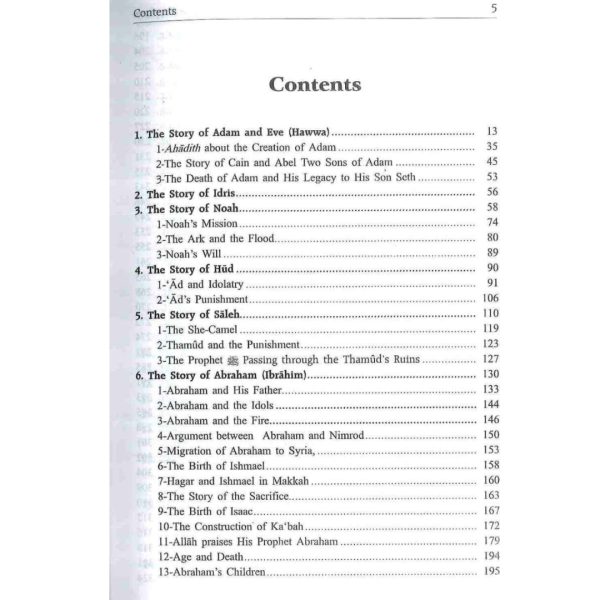
Stories of the Prophets-Darussalam (H/B)
Highlights:
In this book, the stories of the prophets have been compiled from ‘Al-Bidayah wan-Nihayah’ (The Beginning and the End) which is a great work of the famous Muslim exegete and historian Ibn Kathir and has a prominent place in the Islamic literature. The stories of the prophets and all the events in their lives have been supported by the Qur’anic Verses and the Sunnah (traditions) of the Prophet (S). Wherever it was necessary, other sources have also been reported for the sake of historical accounts, but on such places a comparative study has been made to prove the authenticity of the sources. Ibn Kathir has reproduced the views and interpretations of all the great exegetes of the Qur’an of his time. The systemic narratives of the Stories of the Prophets have been written in chronological order which renders a historical style to the book.
Allah the Most Exalted says in the Qur’an:
- “We are relating unto you the most beautiful of stories in that what We have revealed to you from the Qur’an, though before it you were from among those who were not aware of them.” (12:3)
- “We have indeed sent aforetime Messengers before you, of them there are some whose stories We have related to you, and whose stories We have not related to you…” (40:78)
- “We relate to you the important news of their story in truth…” (18:13)
- “And all that We relate to you of these stories of the Messengers, We strengthen with them your heart. Through them there come to you the truth as well as admonition and reminder to all those who believe.” (11:120)
- “There is, indeed, in their stories lessons for people endowed with understanding. It is not any invented tale, but a confirmation of what went before it, and a detailed exposition of all things, and a guide and a mercy to the people who believe.” (12:111)
- “…so relate the stories, perhaps they may reflect.” (7:176
RM85.00

Wholeness and Holiness in Education An Islamic Perspective (P/B)
Highlights:
It was initially an adaptation of Shah ‘Abdul Qadir Muhaddith Dehlawi’s translation and commentary known as Mudih al-Qur’an which according to many great ‘ulama’ is devinely inspired and accepted by all Muslims.
RM62.00
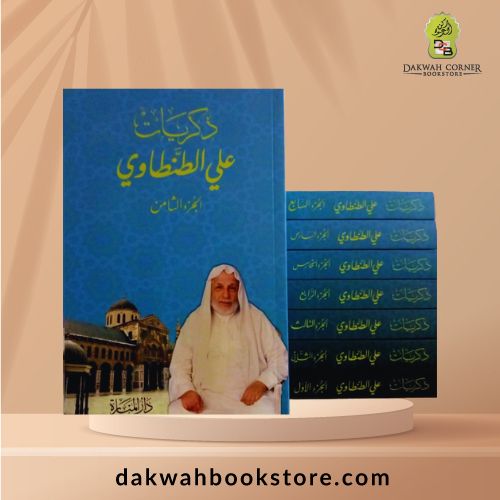
[SB] Dhikrayat Ali at-Tantawi (8 Vols) /الذكريات (بأجزائها الثمانية).. غلاف
Highlights:
413 Pages : الجزء الأول
406 Pages : الجزء الثاني
413 Pages : الجزء الثالث
408 Pages : الجزء الرابع
401 Pages : الجزء الخامس
413 Pages : الجزء السادس
412 Pages : الجزء السابع
404 Pages : الجزء الثامن
RM350.00


Islam A Total Beginners Guide – Part Three (P/B)
Highlights:
In present era we are facing lot of questions:
• What is status of women in Islam?
• Who is superior – man or women?
• What does Islam say about inter-religious marriages, man’s treatment towards his wife and privacy in homes?
• What does Islam say about dress, veil, clothing and ornaments, perfumes and the wisdom of banning gold and silk for men?
This beginner’s guide to Islam answers all such questions.
RM45.00
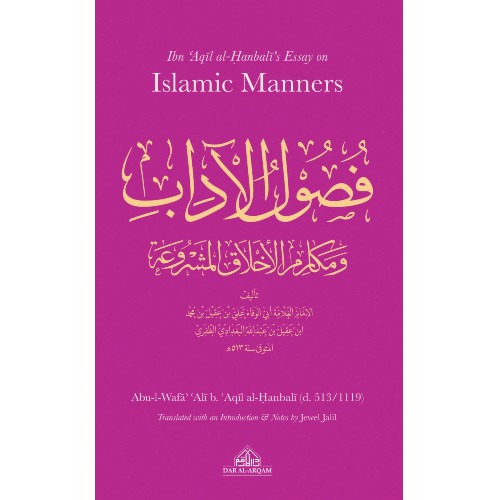
Ibn ‘Agil al-Hanbali’s Essay on Islamic Manners
Highlights:
This book is a translation of Ibn ʿAqīl al-Ḥanbalī’s (d. 513/1119) essay on Islamic manners, Fuṣul al-Adab wa Makarim al-Akhlaq al-Mashruʿah. It presents a significant number of commendable etiquettes Muslims are required to observe for everyday living and dealings. Ibn ʿAqīl’s essay is considered to be the shortest, and the earliest extant work from the Ḥanbalī school on Islamic manners.
RM35.00
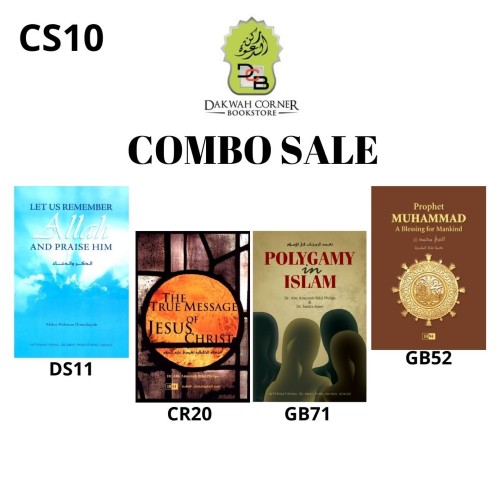
RM43.90 RM54.00
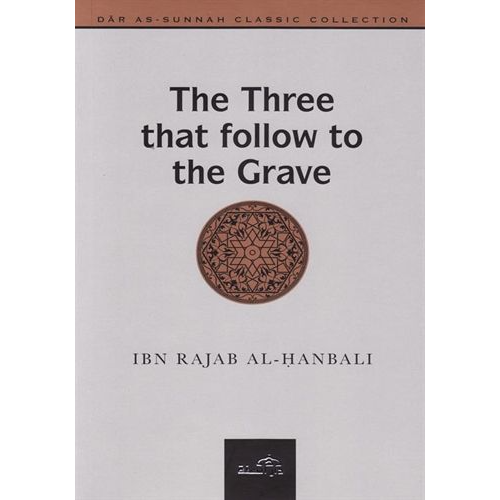
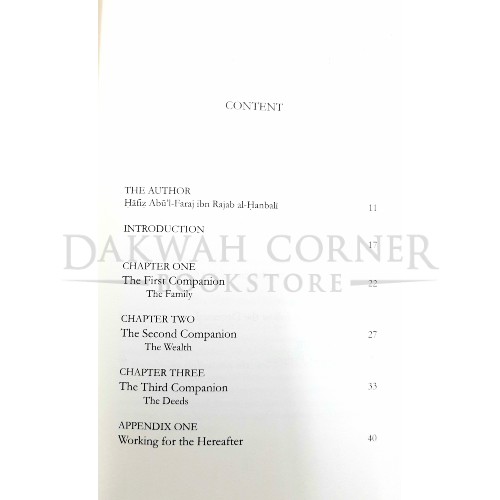
The Three that Follow to the Grave
Highlights:
“The best that a man can leave behind after his death are three things: a righteous child who makes du’a for him, an ongoing sadaqah whose rewards continue to reach him, and a knowledge that continues to be implemented after him.” – Ibn Majah, and others. Verified to be sahih by Al-Mundhiri and Al-Albani
RM40.00
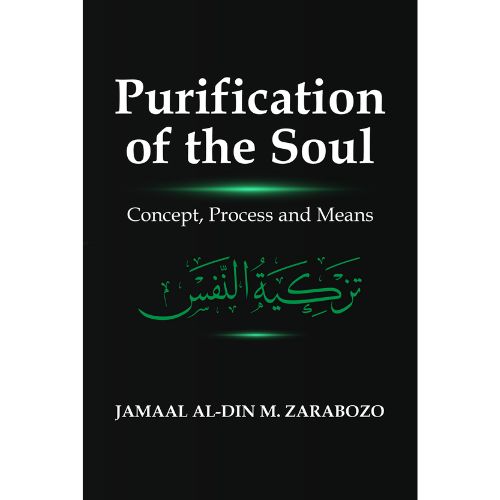
Purification of the Soul – DCB
Highlights:
For a number of reasons, this is a very important time to be writing a book of this nature. First, the concept of purification of the soul as a whole is and always will be central to the message of Islam and to the welfare of humans, both in this life and the Hereafter. Indeed, it was a main mission of the messengers and prophets themselves.
RM80.00
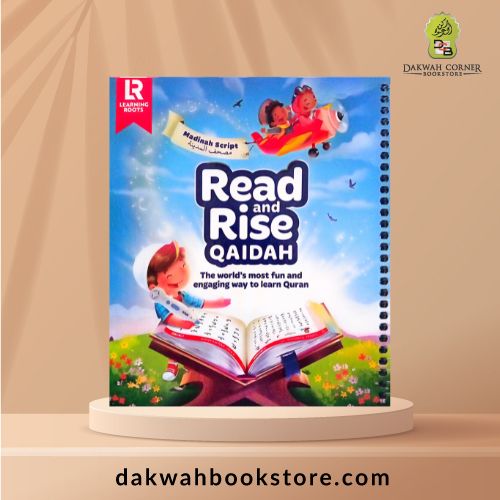
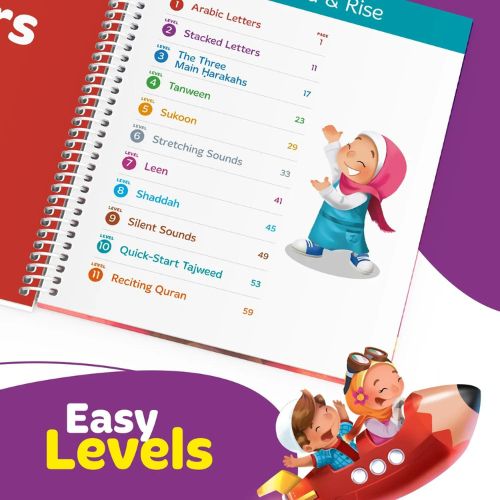
Read & Rise Qaidah (Madinah Script)
Highlights:
The fun, firm and fast way to fluent Quran recitation!
- Motivational stickers
- Compatible with Kiitab (sold separately)
- Hardback spiral bound book – lays flat
RM120.00
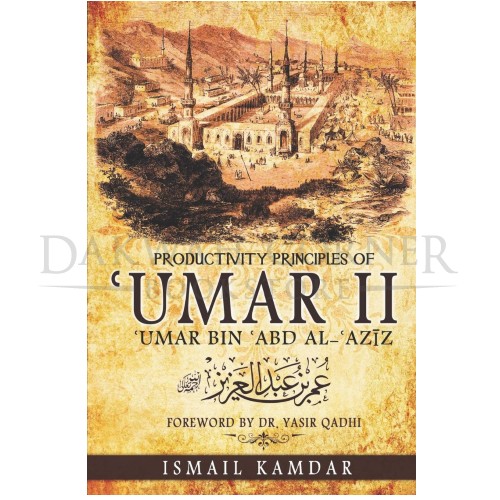
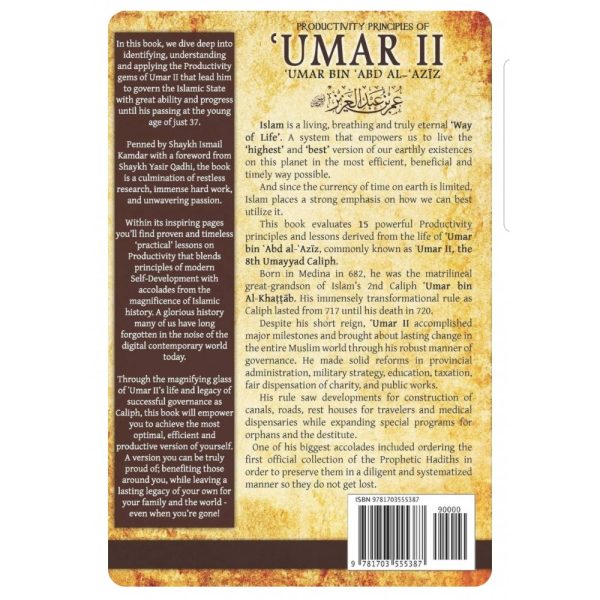
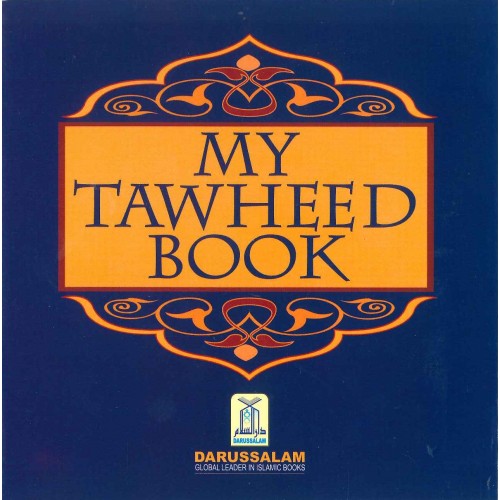
My Tawheed Book
Highlights:
A colourful and easy to understand book which teaches children the basic understanding of Tawheed.
RM15.00
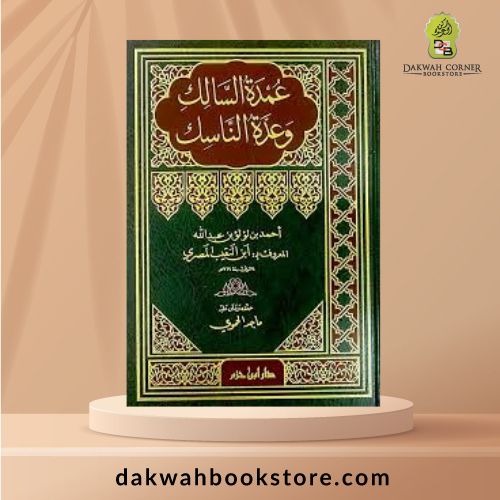
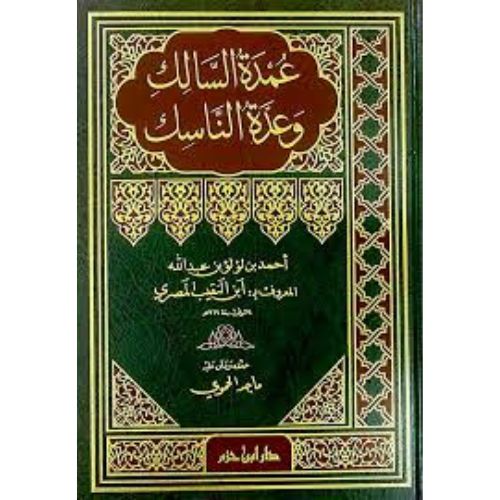
[SJ] Umdat As Salik Wa ‘Idah Al Nasik / عمدة السالك وعدة الناسك
Highlights:
“عمدة السالك” من تأليف ابن نقيب المصري، كتاب معروف في الفقه الشافعي، وهو على وجازته جامع لأبواب الفقه كلها، سهل التناول، كثير النفع، التزم مصنفه التصحيح على طريقة المتأخرين كما أشار في مقدمته.
RM65.00
There are no reviews yet.