
| Weight | 2.65 kg |
|---|---|
| Dimensions | 25.5 × 20 × 4.5 cm |
| Author | |
| Binding | Paperback |
| ISBN | 9789671222010 |
| Publisher | ISRA |
| Pages | 987 |
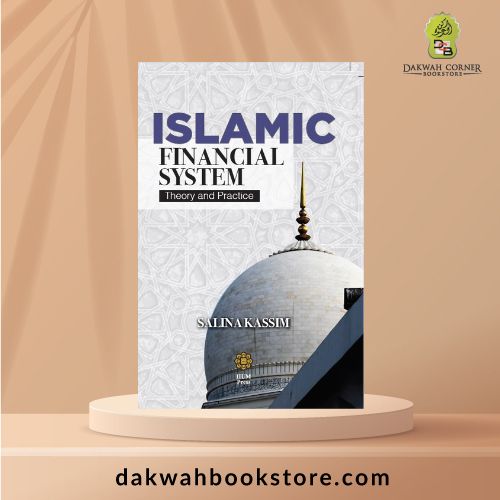
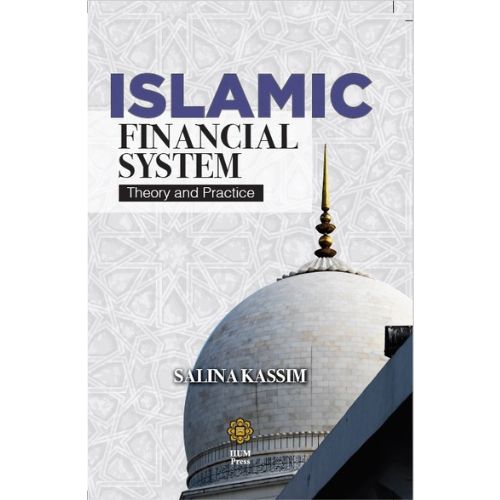
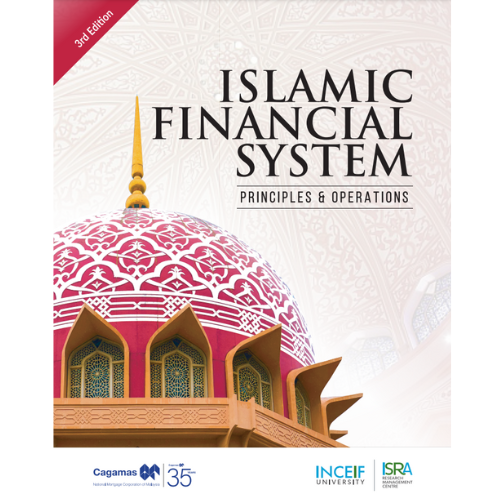
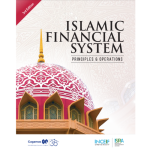
Islamic Financial System: Principles & Operations
RM180.00
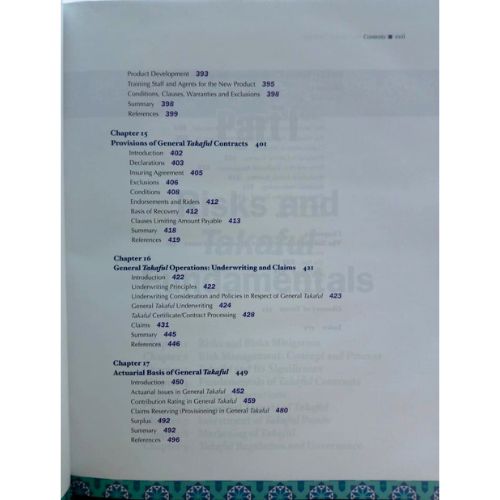
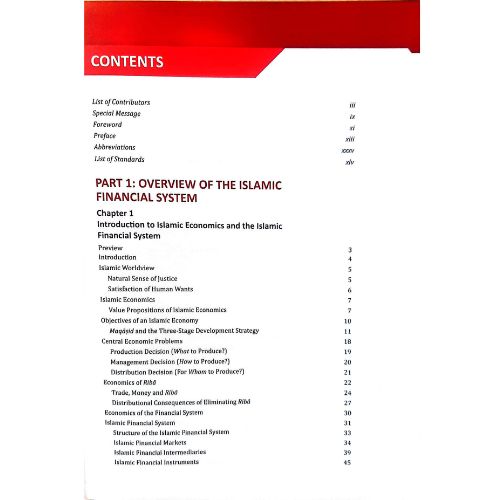
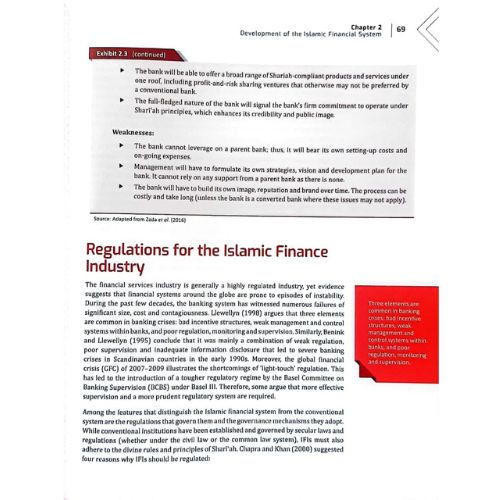
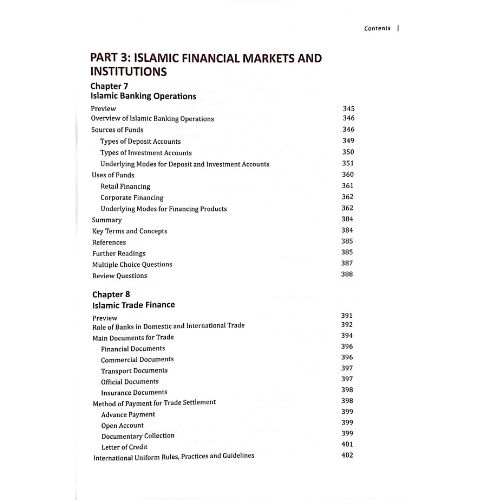
This second edition of the book marks another milestone of a collaborative effort between prominent scholars and practitioners of the Islamic finance industry. It sheds light on the front line issues faced by the Islamic finance industry with academic rigor. Each chapter in the book is complete with figures, diagrams, tables, case studies, a set of review questions and problems and a list of references for further reading. It offers invigorating discussion on a comprehensive range of topics related to Islamic finance, combining both theoretical foundations and operational aspects.
Frequently Bought Together

Be the first to review “Islamic Financial System: Principles & Operations” Cancel reply
You must be logged in to post a review.
You may also like…
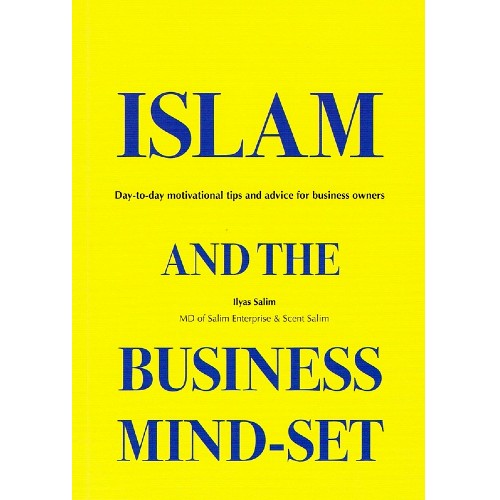
Islam And The Business Mind-Set
Written by one of the top young entrepreneurs in the North of England, Ilyas Salim is MD of Salim Enterprise, a global investment company.
From this book, you will learn how to:
- Create a business mentality
- Start a moral and ethical business
- Expand your business
- Work smarter, not harder
- Attract Barakah into your business
- Achieve not just a work/life balance, but a total life balance.
All this is within the framework of the Qur’an and Hadith and examples from the life of the Prophet Muhammad SAW.
Related Products
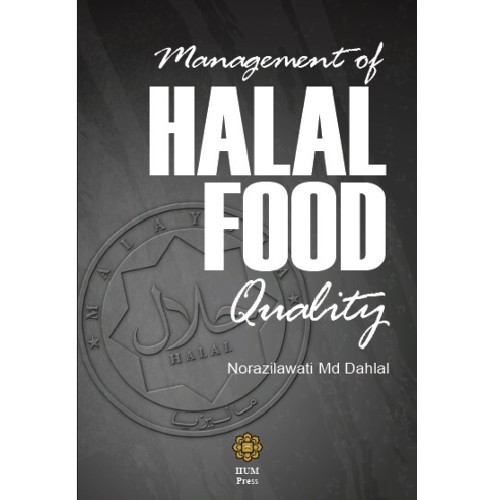
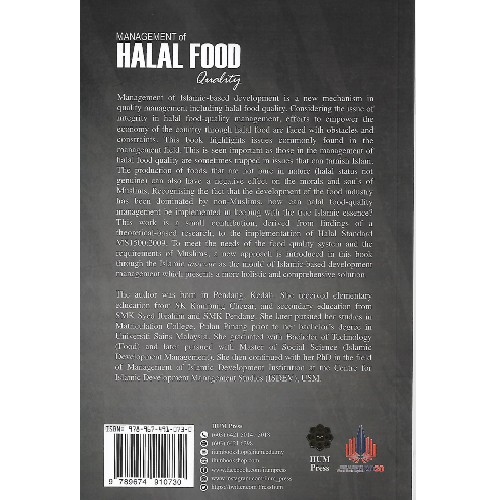
Management of Halal Food Quality
Management of Islamic-based development is a new mechanism in quality management including halal food quality. Considering the issue of integrity in halal food-quality management, efforts to empower the economy of the country through halal food are faced with obstacles and constraints. This book highlights issues commonly found in the management field. This is seen important as those in the management of halal food quality are sometimes trapped in issues that can tarnish Islam. The production of foods that are not pure in nature (halal status not genuine) can also have a negative effect on the morals and souls of Muslims.
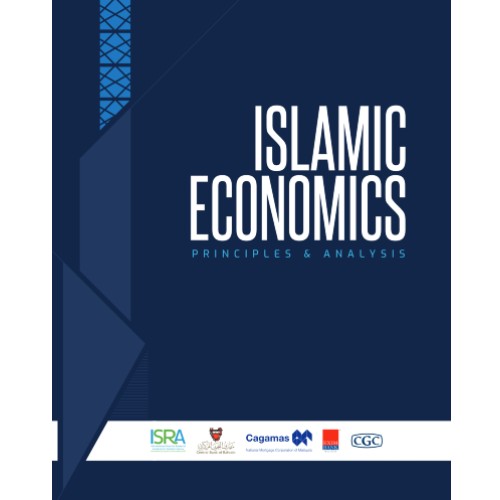
Islamic Economics : Principles & Analysis (P/B)
Economics is a social science that studies the behaviour and interactions of economic agents and analyses how economies work at the macro- and micro-levels. It studies production, distribution and consumption of goods and services, identifies economic problems and phenomena, and addresses economic questions from a positive perspective (what is) as well as a normative (how it should be) perspective. Islamic economics examines the same areas as its conventional counterpart. However, it involves the application of Sharīʿah to the different economic functions and issues. It is postulated that Islam offers a better approach compared to conventional economics in managing economic activities and solving economic and social issues.
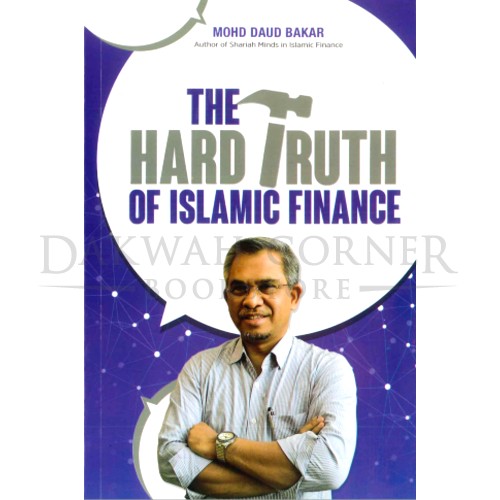
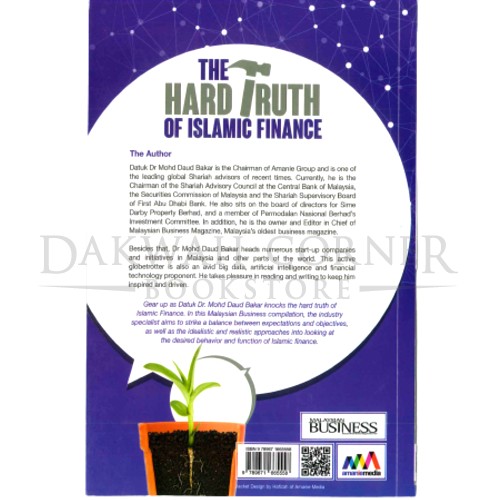
The Hard Truth of Islamic Finance
What is the book all about? It seeks to strike a balance between objectives and expectations. While expectations are easy, meeting objectives is hard.
The book also aims at unlocking the real face of Islamic finance without any make-up or cosmetic touch-up. The moment it is linked to something external and artificial, it becomes cluttered.
For all intents and purposes, every discipline has its core torso and fabric. Islamic finance should have its own ‘DNA’ and identity. The book is simply about bringing Islamic finance back to its basics. You may add on additional verticals and layers but it cant be on the expense of its core foundation.
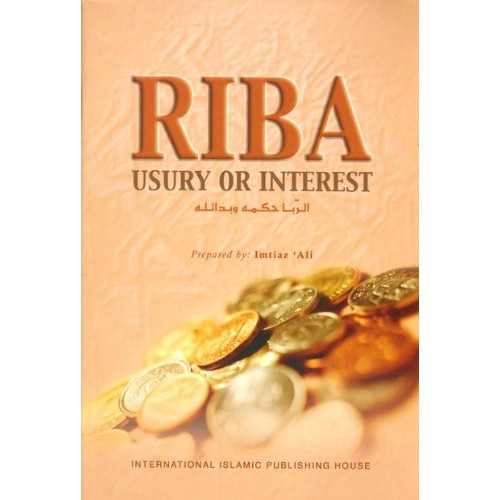
Riba: Usury or Interest
The Noble Qur’an states: {… Fear Allah, and give up what remains of your demand for usury/interest, if you are indeed believers. If you do not do so, then take notice of war from Allah and His Messenger.} (Qur’an 2: 278-279) Despite this obvious prohibition, the practice of ribâ (usury and interest) has polluted the global economy completely. This booklet explains the awful consequences of dealing in usury and interest in a summarized but convincing manner.
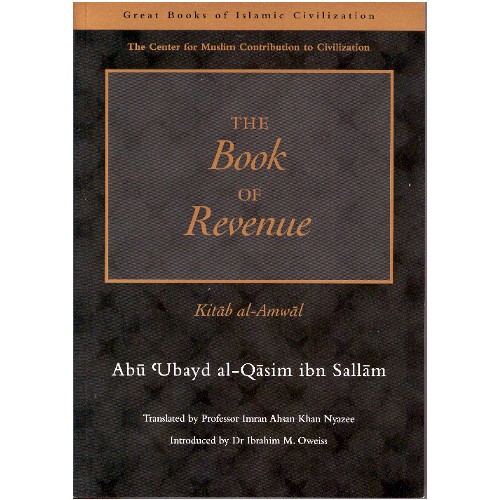
The Book Of Revenue
Kitab al-Amwal (The Book of Revenue) is the work of a brilliant legal mind. Abu Ubayd al-Qasim ibn Sallam provides us with an accurate record of legal precedents laid down in the first two centuries of Islam, in particular those pertaining to the sources of revenue and the avenues of public expenditure. The power of the book, however, lies in the method of the author and the analysis undertaken by him. He gathers together the traditions of the Prophet (pbuh), the opinions of his companions, and the views of eminent jurists, and then subjects them to legal analysis that is unparalleled in Islamic legal literature. The book is essential for every student of Islamic law, especially those who wish to master the art of interpreting and analyzing legal traditions and early precedents. In the discipline known as fiqh al-sunnah, there is no book or manual that can compete with this outstanding work.
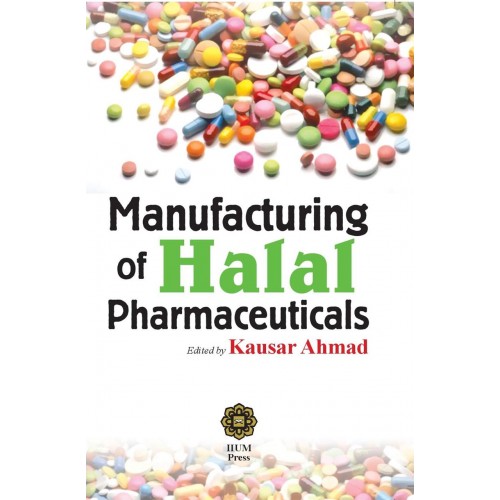
Manufacturing of Halal Pharmaceuticals (P/B)
This book aims to cover the fundamental aspects of pharmaceutical manufacturing from the Islamic worldview to inspire students that whatever they do including very mundane routine work such as checking pH can be an ‘ibādah – if they work within the sphere of Islamic teachings and in shā’ Allah all the time and effort will be rewarded by Allah SWT. The first chapter describes the Islamic perspectives towards the safeguarding of life vis-à-vis the use of medicines or pharmaceuticals and can be considered as an overview for the Islamic manufacturing practices. Although this book is about the manufacturing of pharmaceuticals, other industries may benefit from the discourse and examples given. As much as possible, processes and regulations are described in the book so that it covers the syllabus of industrial pharmacy for undergraduate use and still can be referred for postgraduate studies.
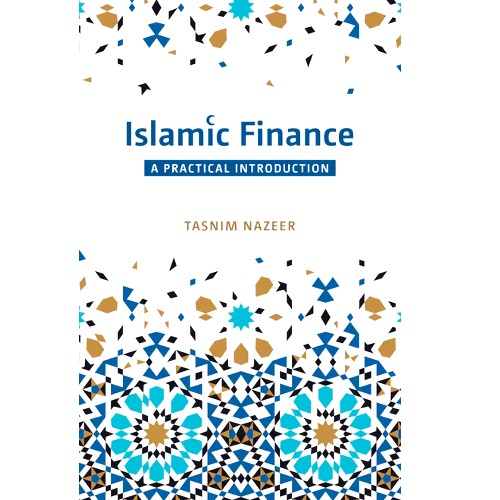
Islamic Finance : A Practical Introduction
Islamic finance and banking is governed by the tenets of Islam and is based upon the principles of the Shariah, a code of conduct for Muslims to adhere to when managing their lives, including their finances. This slim volume breaks down this code and teaches readers how it is practically applied in business, personal finances, and the global economy.
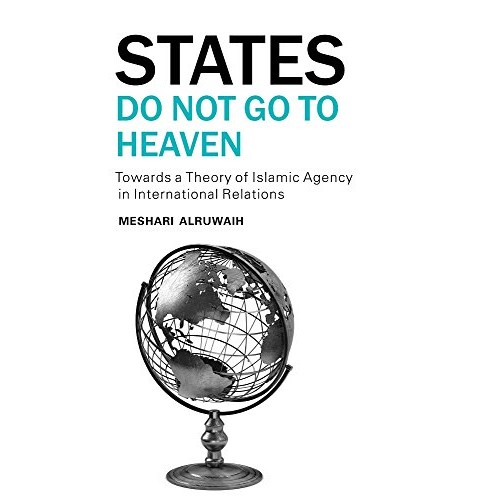
States Do Not Go to Heaven: Towards a Theory of Islamic Agency in International Relations
This book compares and contrasts Islamic world views and Western theoretical perspectives on international relations to suggest that a combination of the two could lead to a mutually beneficial redefinition of contemporary international relations utilizing Western theoretical tools and incorporating an Islamic perspective. Particular focus is given to the Islamic concept of istikhlaf as an ontological and normative foundation. The reasoning being that all man-made social arrangements on “earth”, as well as international society, should be considered a realm of istikhlaf. This allows for return to an eternal and critical first principle, linking all social roles to this principle, which is that man as designated by the Qur’an, is God’s khalifah or Vicegerent on earth. It’s a statement of great magnitude.
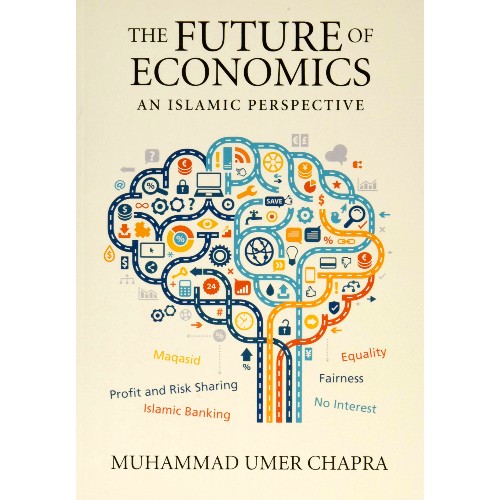
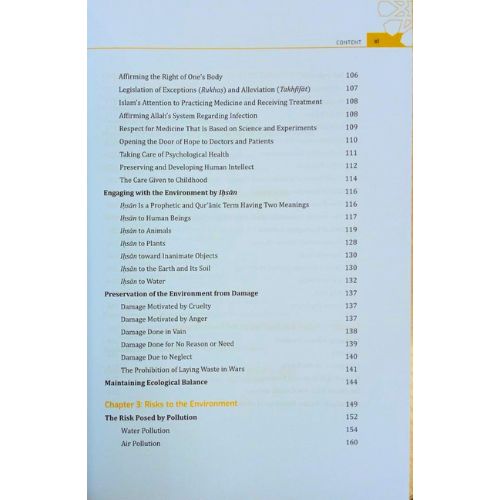
The Future of Economics An Islamic Perpective
This profound book is a powerful yet balanced critique of mainstream economics that makes a forceful plea for taking economics out of its secular and occident-centered cocoon. It presents an innovative and formidable case to re-link economics with moral and egalitarian concerns so as to harness the discipline in the service of humanity
Recently Viewed
The Purpose of Creation (P/B)
Mankind must know about the purpose of their existence, their responsibility towards their Creator, and what they must do in preparation for the Day in which they shall return to Him – this work addresses these issues aptly in the authors usual readable style.
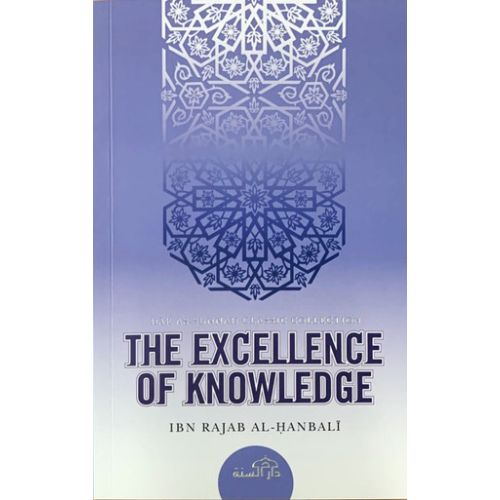
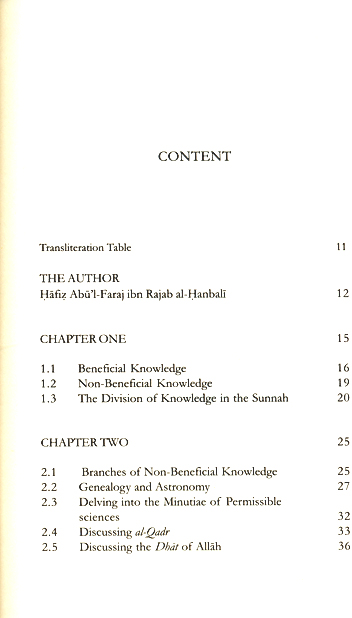
The Excellence of Knowledge (Dar as-Sunnah Publishers)
The way and wisdom of the Salaf, all goodness lies in traversing the way of the Salaf, beneficial Knowledge with regards the ‘Inner Sciences’, the foundation of knowledge and many other branches of the beneficial knowledge.
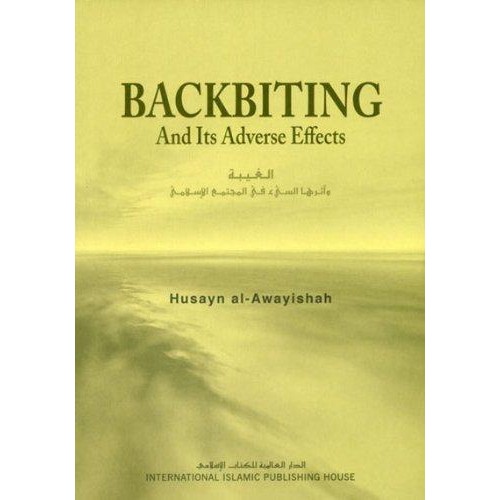
Backbiting and Its Adverse Effects
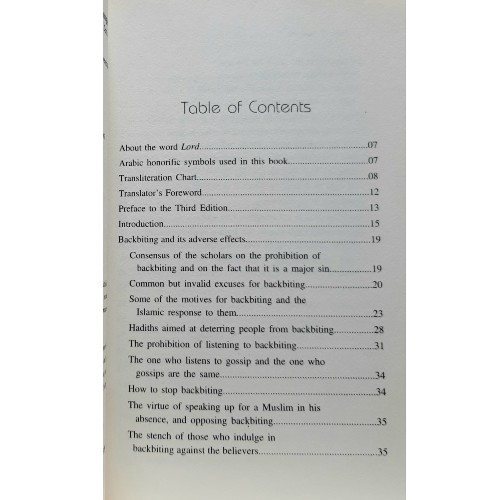
This is a revised and updated edition of Backbiting (formerly entitled Gossip and its Adverse Effects). The translator, Huda Khattab, explains: The Qur’an states: {…nor speak ill of each other behind their backs. Would any of you like to eat the flesh of his dead brother? No, you would abhor it…} (Qur’an 49: 12) We cannot escape the fact that backbiting affects us all. We have all been victims and, we must be honest, we have all been guilty of this sin. But it is not a matter to be taken lightly; backbiting can wreck lives and shatter communities. Islam is a practical faith that recognizes the human condition and offers achievable remedies to the problems that beset us. Every human society faces the problem of backbiting, and Islam shows us how to tackle it in a sensible and humane manner. Husayn al-Awayishah has researched this topic in depth, and has presented a concise guide to the evils of backbiting and what can be done about it. This book may make for uncomfortable reading, but the topic is one that every one of us has to face up to.


There are no reviews yet.