


| Weight | 0.59 kg |
|---|---|
| Product Type | Book |
| Author | |
| Publisher | Darussalam |
| ISBN | 9960740870 |
Islamic Fatawa Regarding Women (H/B)
RM56.00
Out of Stock

Highlights:
somdn_product_page
Compare
Women face a lot of special problems regarding their menses, postpartum bleeding, istihada, hijab, mixing with men, rights & duties with respect to their husband, husband’s household, children, inheritance, marriage, divorce, etc
More than 350 of such problems & issues have been answered in this book by Grand Mufti of Saudi Arabia Sheikh Ibn Baz, and the eminent scholars like Sheikh Ibn Uthaimin, Sheikh Ibn Jibreen and others.
.
Additional information
Reviews (0)
Be the first to review “Islamic Fatawa Regarding Women (H/B)” Cancel reply
You must be logged in to post a review.
Related Products


Islamic Rulings on Menstruation and Postpartum Condition
Highlights:
The birth of human being is a most amazing phenomenon. The physical cycles that the body of woman must endure in order to maintain this act of creation should be respected to the highest degree. Allah mentions that our mothers have born us with difficulty and struggle and because of this are due the highest respect. one among many of the difficulties that women must brave, are the doubts that these conditions present to the correct obervance of her religion. How is her fassting affected, how are her prayers affected, how is her ability to pursue her studies, and how are her conjugal relations affected by her ever changing physical condition in relation to her as the sole vessel of the birth of man. A really valuable publication by Darussalam for all Muslim woman to study
RM11.00

The Pillars of Islam Made Easy – II Salah & Its Essential Conditions (H/B)
Highlights:
Salah is one of the five pillars on which the edifice of Islam rests. Most of us feel that we already know all there is about salah – the formal prayers of a Muslim. However, very few individuals actually do justice to it or derive any worldly or spiritual benefits from it.
Salah & Its Essential Conditions is an effort to detail the essential prerequiires of salah. Moreever, it takes a detailed look at its importance along with the different types of obligatory and voluntary prayers. It alsa presents an illustrated guide to help those who wish to learn or correct the performance of their prayers.
Inshallah, all those who wish to improve their salah will find plenty of help in this book whether they are looking for information on cleanliness and purify, locating the direction of qibla, improving their congregation during salah, making up for the missed salah, or joining acongregation when the imam has already sarted the salah, or joining a congregation when the imam has already started the salah. All in all, it is a relevant handbook on what the Prophet (saw) has described as the coolness of his eyes.
RM50.00


Principles of Islamic Jurisprudence (2nd Revised Edition)
Highlights:
This book offers a detailed presentation of the theory of Muslim law (usul al-figh). Often regarded as the most sophisticated of the traditional Islamic disciplines, Muslim jurisprudence is concerned with the way in which the rituals and laws of religion are derived from the Qur’an and the Sunna – the precedent of the Prophet. Revelation, which is given to man to restore unity and help him achieve a just and devout order in society as well as in the soul, must be interpreted so as to render it practicable in every culture, while not betraying its spirit and immutable provisions. To achieve this, additional sources of legal authority are recognized, including consensus (ijma), analogical deduction (qiyas), public interest (maslaha) and local customary precedent (urf). In employing these, the jurist guards the five principles which it is the purpose of Islamic law to uphold, namely, the right to life, sound mind, property, lineage and religion.
RM75.00

A Guide to Male-Female Interaction
Highlights:
Are Muslim men allowed to interact with female students, and vice versa, in a virtual classroom? Can a Muslim woman pursue a professional career that necessitates her interaction with men? Is it appropriate for a woman to serve her husband’s guests? Do mixed wedding ceremonies comply with the Sharia? Read this bilingual book to find the answers and more!
RM56.00

Islamic Rules of Order (P/B)
Highlights:
Organizations must have rules of order to facilitate their debate and to fill in the procedures not detailed by their constitutional documents. While most American organizations are content to operate by Robert’s Rules of Order, Muslim organizations have often wrestled with questions over whether the rules of order systemized by a Western military figure are in accord with the Qur’an and the Sunnah.
This book tackles the matter directly and takes into account the Qur’an, the sunnah, Islamic manners and the history of Islamic consultation and leadership to provide a simple, practical guide to organizational procedure that can be incorporated into the governance of Muslim organizations. The book includes advice on writing bylaws and on complying with the best practices of the U.S. Dept. of Justice in a way that is Islamically authentic, transparent, and accountable. It provides a basic starting point for any Muslim organization while allowing for flexibility so that organizations may make any variations they require within their own bylaws and constitution, so that it can accommodate differing schools of thought on Islamic law. In its discursive approach it is an essential primer for understanding the value of rules of order and the Islamic context for their application. The Islamic Rules of Order has been adopted as the rules of order of the Association of Muslims Social Scientists.
RM50.00


Fast According to the Quran & Sunnah
Highlights:
Saum (Fast) is a third Pillar of Islam. Allah’s Messenger said, Allah says: “Every deed of the son of Adam is for him, except Saum (fasting). It is for Me and I shall reward for it.”
As the status of this act of worship is so high it is essential to learn the pilings pertaining to this month of fasting so that Muslims will know what is obligatory in order to do it, what is forbidden to avoid it, and what is permissible so that they do not unnecessarily subject themselves to any hardship by depriving themselves from it.
This book consists of all the main issues of Fast. The main objective of this work is to serve an easy and authentic reference to the reader.
RM35.00


Fiqh According To The Quran & Sunnah (2 vol)
Highlights:
The complete set, ‘Al-Lubab Fee Fiqh As-Sunnah Wal-Kitab,’ contains all of the books of Islamic Fiqh and its chapters, accompanied by evidence and is presented in a clear and simple manner, in order that they may be understood by the young and the old, without blindly following any of the schools of Jurisprudence, but rather being subject to authentic proofs and following the most authoritative opinions, without fanatical adherence to any particular group. Rather the author agrees with each group when the truth is with them and contradicts them when they veer from that which is correct.
Fiqh is to achieve access to knowledge of that which is unclear through knowledge of that which is proven, so it is more specific than mere knowledge or learning. And fiqh is knowledge of the juristic law. It is said Faquha -A man has acquired understanding and so he has become a Faqeeh (A scholar of Islamic Jurisprudence); and it is said Faqiha – He has understood it, i.e he has attained understanding of it, and it is said Tafaqqaha – he has devoted himself to the acquisition of (Islamic) Knowledge and specialized in it. Fiqh has been a subject of contention among the scholars as well as layman throughout the history of Islam.
RM180.00

Istihsan (P/B)
Highlights:
This work constitutes a critical analysis of classical and modern aspects of the concept of istihsan (juristic preference), an important principle in Islamic legal legislation throughout history. Although there has been many research works on the subject, it still requires further investigation on the role and nature of istihsan with regard to a combination of classical and modern approaches. Consisting of four chapters, the author begins by introducing some general principles of Islamic law, before discussing the history of istihsan during the time of the Prophet and his Companions. He also analyses the validity of istihsan as a source of law and discusses the differences among scholars on its method of implementation.
RM57.00

The Pillars of Islam Made Easy I- Shahadah (Testimony of Faith) & Its Essential Conditions (H/B)
Highlights:
For a Muslim, the testimony of faith is the affirmation that there is no god other than Allah and that Prophet Muhammad (saw) is His servant and messenger. This testimony is second nature to most Muslims; yet it is disappointing to note that many of them are not aware of the seven conditions attached to it.
RM40.00

The Problems of the Illegitimate Child (P/B)
Highlights:
This book addresses the views of the Sunni scholars regarding the importance of genealogical relationship (nasab) in Islamic family law and examines the role of legitimacy on the basis of the legal maxim “al-walad li al-firash”, evidence (al-bayyinah), and doubtful intercourse (wat’ shubhah). It also elucidates the views of the Sunni schools of law on how to establish illegitimacy. For the Sunni jurists, there are several situations that determine the illegitimacy of the child. A child is considered illegitimate if its birth is the outcome of adultery (zina) or the result of legitimate union but accompanied with imprecation (li‘an). Other circumstances include the birth of the child taking place in less than six lunar months, the father of the child being categorized as one who is incapable of begetting, or the birth as a result of marital relationship considered unlawful because of consanguinity. The book also deals comprehensively with the moral, religious, legal and other aspects of the illegitimate child and the foundling in the works of the Sunni jurists. The status and rights of the illegitimate child and the foundling in the Islamic family law of Malaysia and Brunei are also discussed by referring to some provisions from Federal Territory Act 1984 (Act 303) and Brunei law.
RM49.00

War and Peace in Islam : The Uses and Abuses of Jihad (P/B)
Highlights:
Written by a number of Islamic religious authorities and Muslim scholars, this work presents the views and teachings of mainstream Sunni and Shi’i Islam on the subject of jihad. It authoritatively presents jihad as it is understood by the majority of the world’s 1.7 billion Muslims in the world today, and supports this understanding with extensive detail and scholarship. No word in English evokes more fear and misunderstanding than “jihad.” To date the books that have appeared on the subject in English by Western scholars have been either openly partisan and polemical or subtly traumatized by so many acts and images of terrorism in the name of jihad and by the historical memory of nearly 1,400 years of confrontation between Islam and Christianity. Though jihad is the central concern of War and Peace in Islam: The Uses and Abuses of Jihad, the range of the essays is not confined exclusively to the study of jihad. The work is divided into three parts: War and Its Practice, Peace and Its Practice, and Beyond Peace: The Practice of Forbearance, Mercy, Compassion and Love. The book aims to reveal the real meaning of jihad and to rectify many of the misunderstandings that surround both it and Islam’s relation with the “Other.”
Reviews:
“A dynamic myth-busting clarification of the real position of mainstream orthodox Islam on the whole question of violence and jihad.” —T. J. Winter, University of Cambridge
“This is the best book on the subject in English. It will be of inestimable value.” —Shaykh Mustafa Ceric, Grand Mufti Emeritus of Bosnia
RM145.00


Fiqh Course: Tahaarah, Salaah & Janaa’iz
Highlights:
This course was compiled for English-speaking Muslims and is especially beneficial for new Muslims. It covers tahârah (purification), salâh (prayer) and janâ‘iz (funerals). It is set out in an easy-to-understand manner, citing evidence from the Qur’an and authentic hadiths. The aim of this book is to provide the reader with a correct, yet uncomplicated guide to the performance of the aforementioned acts of worship. Allah willing, it is the first in a series which will cover all aspects of worship and Islamic jurisprudence.
RM46.00
Recently Viewed


Fear The Temptations Of This Dunya This Worldly Life
Highlights:
This book covers an aspect of knowledge that is both noble and important in that it discusses abstinence of the worldly life and carries a warning from ever being infatuated with it, competing for it, or allowing it to become the main concern of oneself or an ultimate objective. Whoever finds themselves as such will be significantly harmed by it, and it will be the reason for his demise and prevention from all that is good.
RM65.00
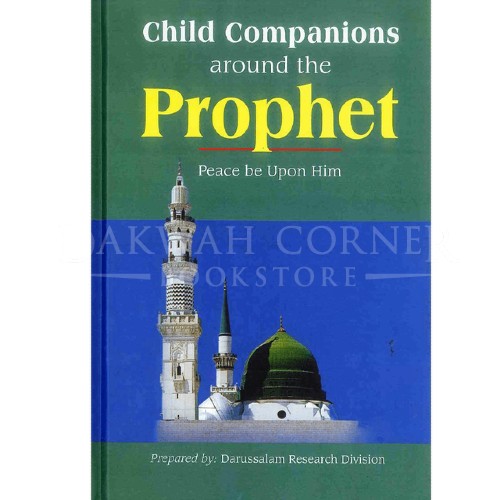
Child Companions around the Prophet pbuh (H/B)
Highlights:
Description from the publisher:
These 178 companions are those who accepted Islam in their childhood and spent it being around Prophet صلی الله علیه وآله وسلّم and getting benefits from his teachings and learning from his manners. The Prophet used to love the children and his behaviour with them is model to follow. He taught them the manners of eating, talking to theirs elders, behaving with other children, along with guiding them to the basic points of Islamic teachings.
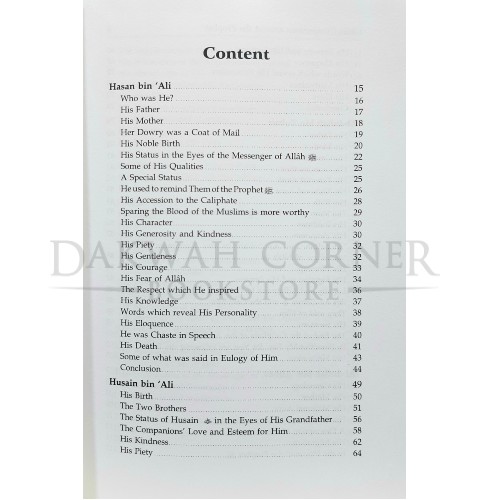
It includes the biography of the following companions:
Hasan bin ‘Ali رضی الله عنه
Husain bin ‘Ali رضی الله عنه
Abdullah bin Zoubir رضی الله عنه
Abdullah bin ‘Abbas رضی الله عنه
Abdullah bin Ja’far رضی الله عنه
Abdullah bin ‘Umar رضی الله عنه
Abdullah bin ‘Amr رضی الله عنه
Usamah bin Zaid رضی الله عنه
Anas bin Malik رضی الله عنه
Sa’eed bin Al-‘Aasرضی الله عنه
RM70.00
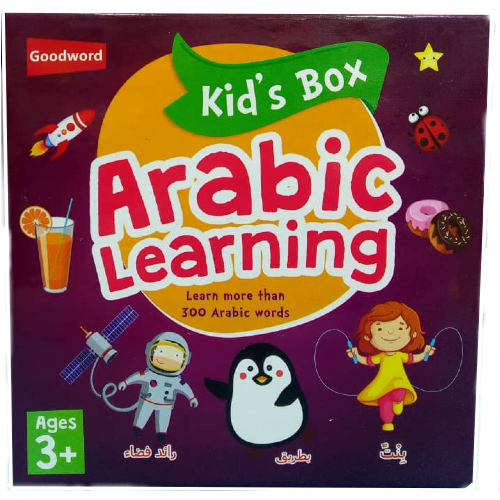
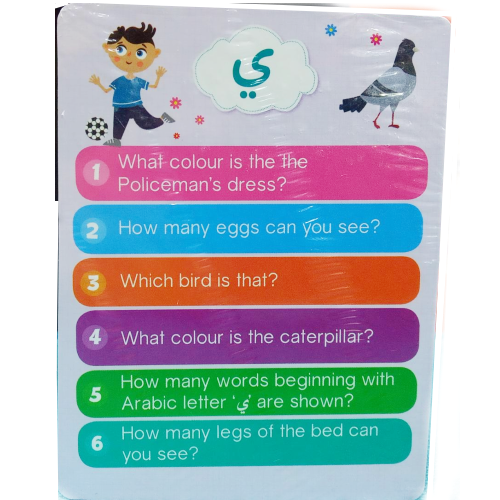
Kid’s Box: Arabic Learning
Highlights:
Learn Arabic Words & Develop Observation Skills
Perfect for encouraging children to build vocabulary and language skills, Kid’s Box: Arabic Alphabet helps children grasp basic Arabic words, their formation, meaning and usage. Children will love discovering and learning new words to build Arabic vocabulary in a fun way while playing various games.
- A card game for 2 and more players
- Suitable for children 3 years and above
- Learn more than 300 Arabic words
- Improves memory and concentration skills
- A simple, fun-filled and educational game
- Challenge your brain in just 15 minutes
- Full of fun illustrations
- A perfect boredom buster for children
- Includes words from topics such as animals, home, school, fruits, and transport.
Includes 56 double sided cards and a dice.
Suitable for 3+ years old
RM60.00
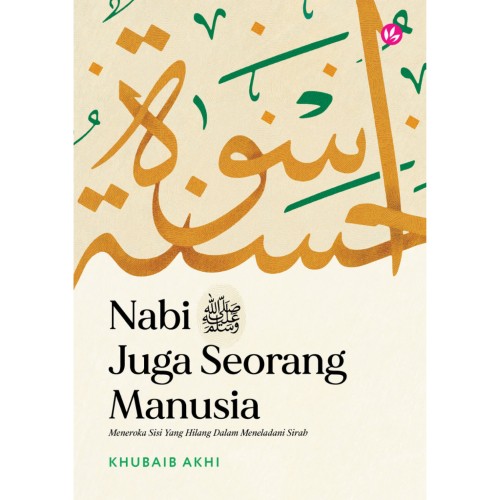

Nabi ﷺ Juga Seorang Manusia
Highlights:
Meneroka Sisi Yang Hilang Dalam Meneladani Sirah
Sisi manusiawi Nabi SAW yang selalunya tersembunyi; bagaimana jika kita berkenalan semula dengan Baginda SAW—sebagai seorang manusia?
Baginda SAW insan maksum, namun turut memiliki fitrah semula jadi seperti kita.
RM35.00
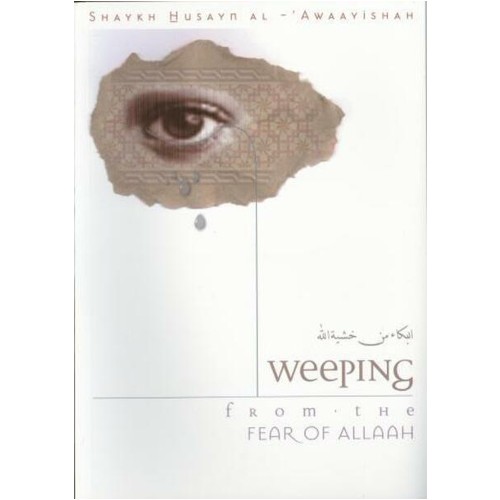
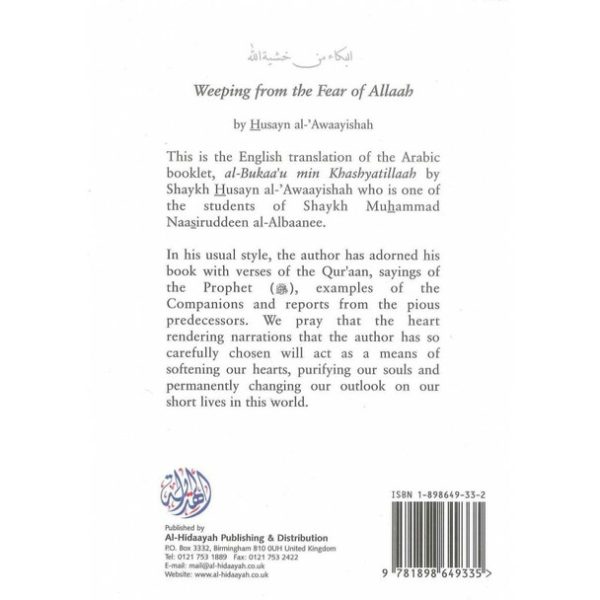
Weeping from the Fear Of Allah (Al-Hidaayah UK)
Highlights:
This is a very moving book on the topic of crying out of fear of Allaah. It is being presented at a time when crying is considered a weakness rather than a virtue – and this has lead to the hardness of the hearts. The author brings narrations from the Prophet as well as many Companions as examples of weeping from the fear of Allaah. The book also has a section containing many practical points on ways and means of developing this noble quality of weeping due to the fear of Allah.
RM29.50
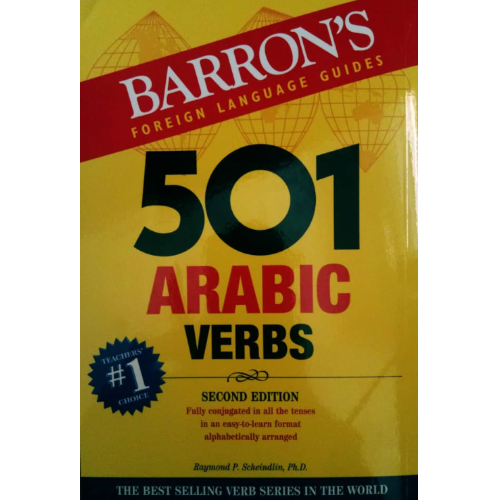
Arabic Verbs: Fully Conjugated All Forms Bilingual Edition
Highlights:
This update, easy-to-use reference book gives you:
- The 501 most common Arabic verbs in a table format
- Both the Arabic characters and their English infinitive form at the top of each page
- Exemplary essay that discusses Arabic verb formation and usage
- Common idioms with example sentences to demonstrate verb usage
- A grammar review and a pattern index
- Indexes that list verbs in both root order and strict alphabetical order
RM135.00
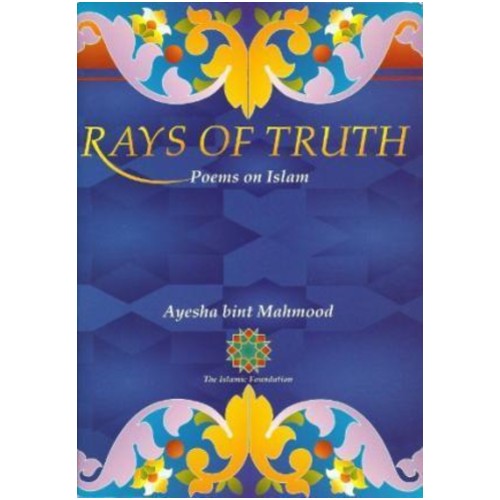
Rays of Truth : Poems on Islam
Highlights:
This collection of inspirational poems is written for young people. It is decorated with Islamic calligraphy and patterns in pastel colours.
RM16.00
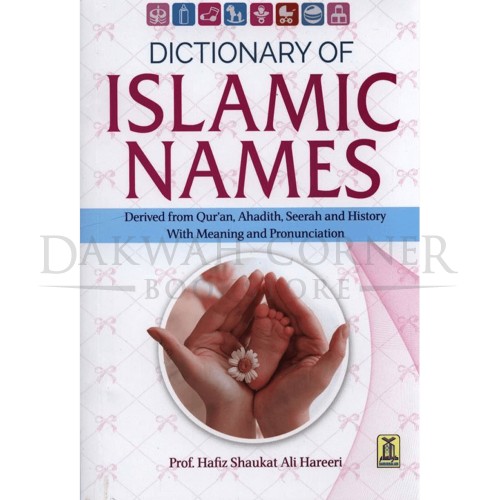
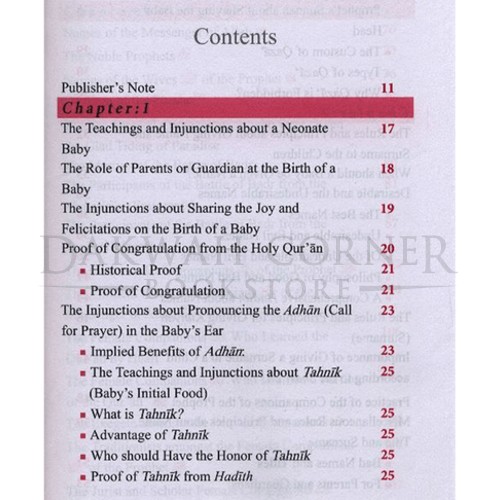
Dictionary of Islamic Names – Darussalam
Highlights:
A book of Islamic names derived from Quran, Ahadith, Seerah and history with meanings and pronnunciations.
RM40.00
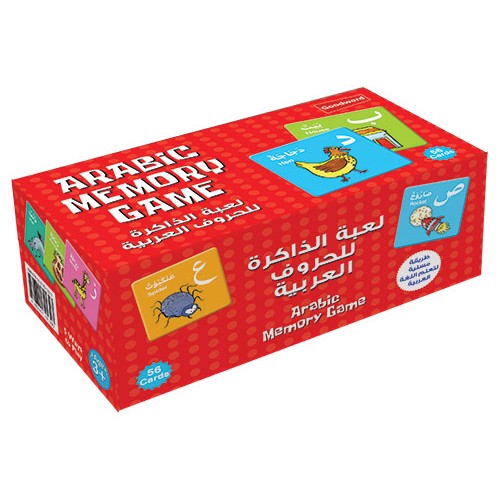
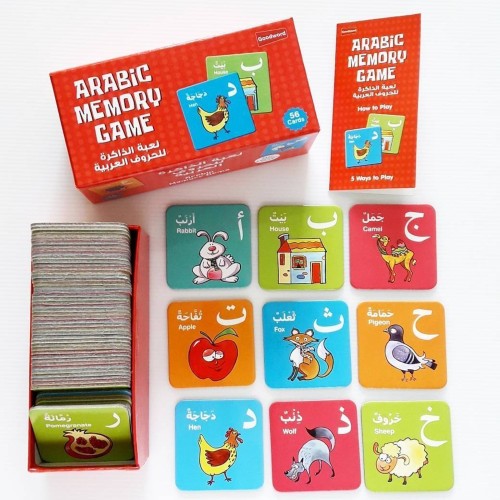
[GM] Arabic Memory Game (لعبة الذاكرة الحروف العربية)
Highlights:
Enjoy the Arabic letters. Enhance the skills of recognizing letters, and Images
- 56 Flash Cards
- 5 Ways to Play
- A Fun Way to Learn
- 3-5 Years
RM40.00
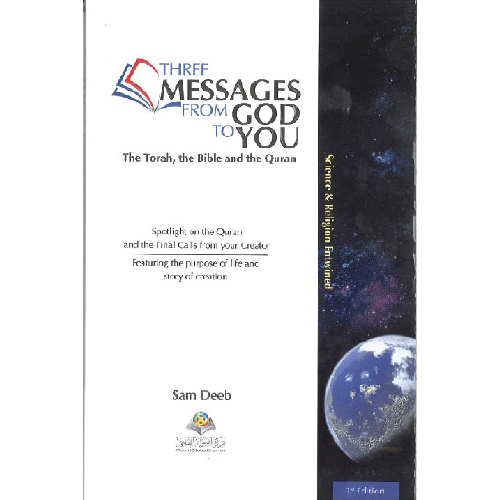
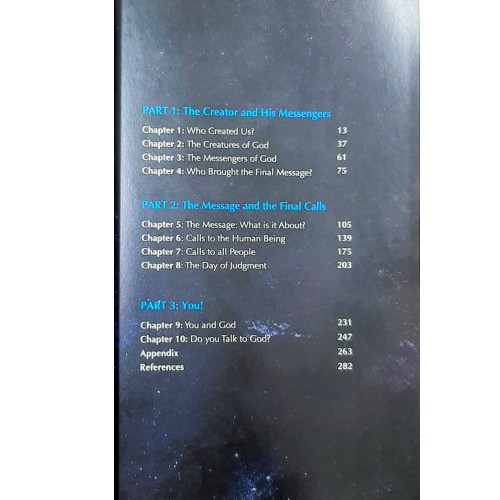
Three Messages from God to You
Highlights:
● Who created the universe? Who created us and the beings on the earth? Who gave life to billions of creatures on our plant? Is He our God? What is His name? Are there other creators than Him?
● Why do we live on the earth? What is the purpose of life? Did our creator really send us messages? What does He want to inform us? Are these messages true?
● Are the Torah, the Bible and the Quran true divine books? Are they related? Do they contain true Messages from God to us? Is there a final testament?
● Why all creatures die? Is there another life after death? Do we return to our Creator? Why?
RM25.00
There are no reviews yet.