

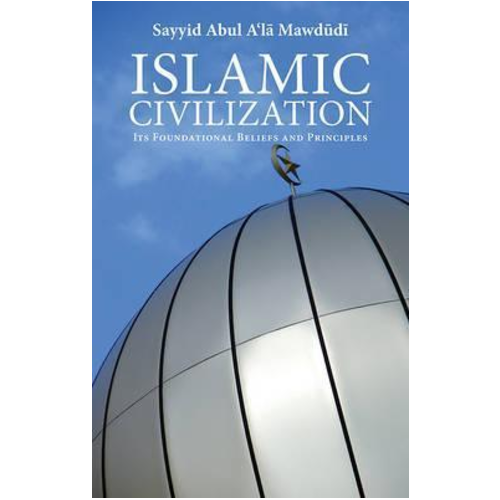
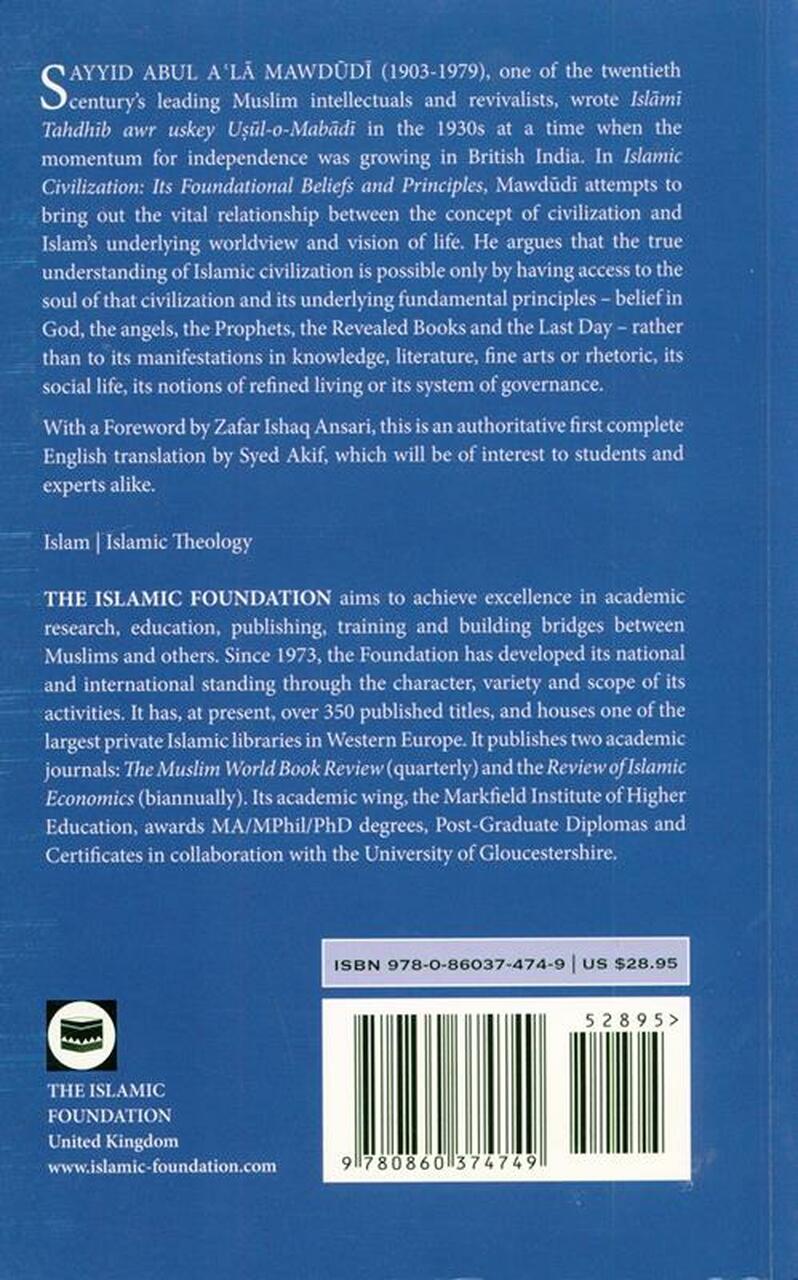
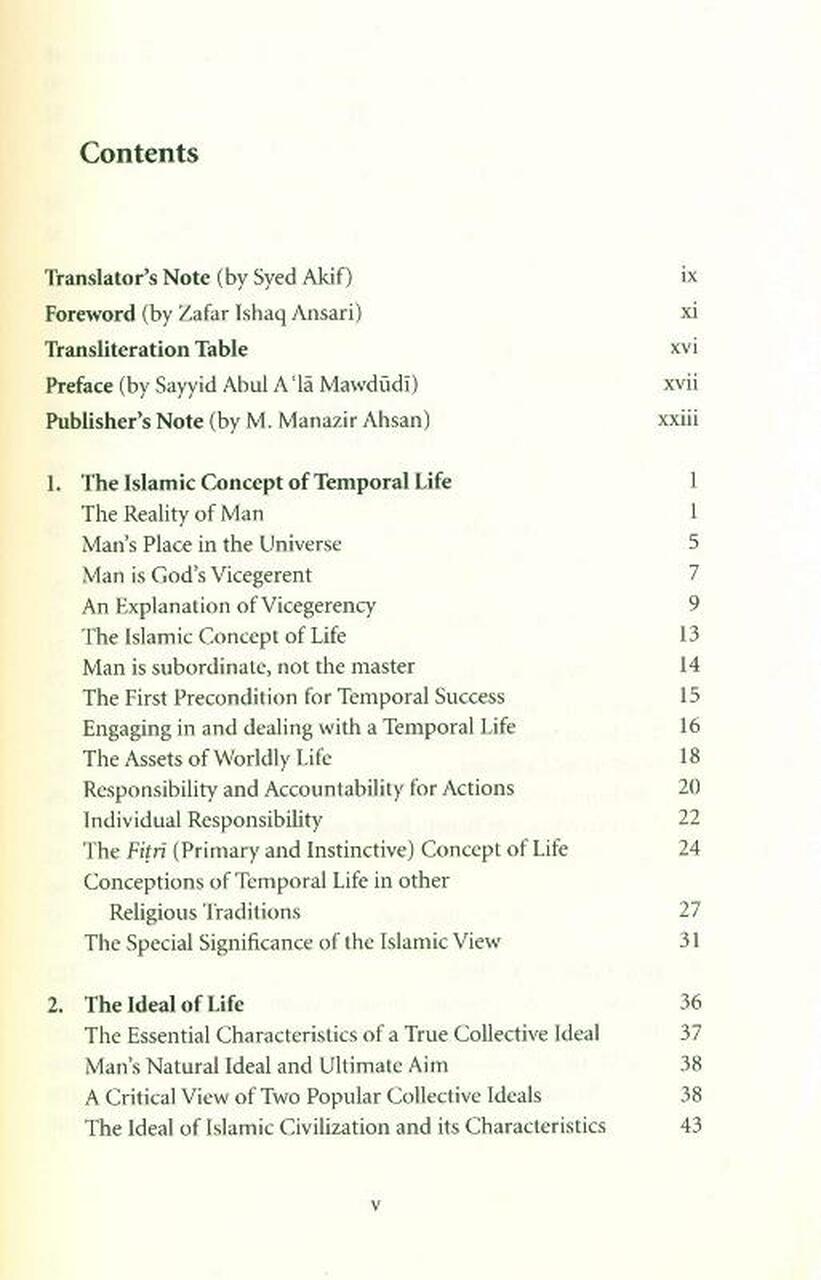
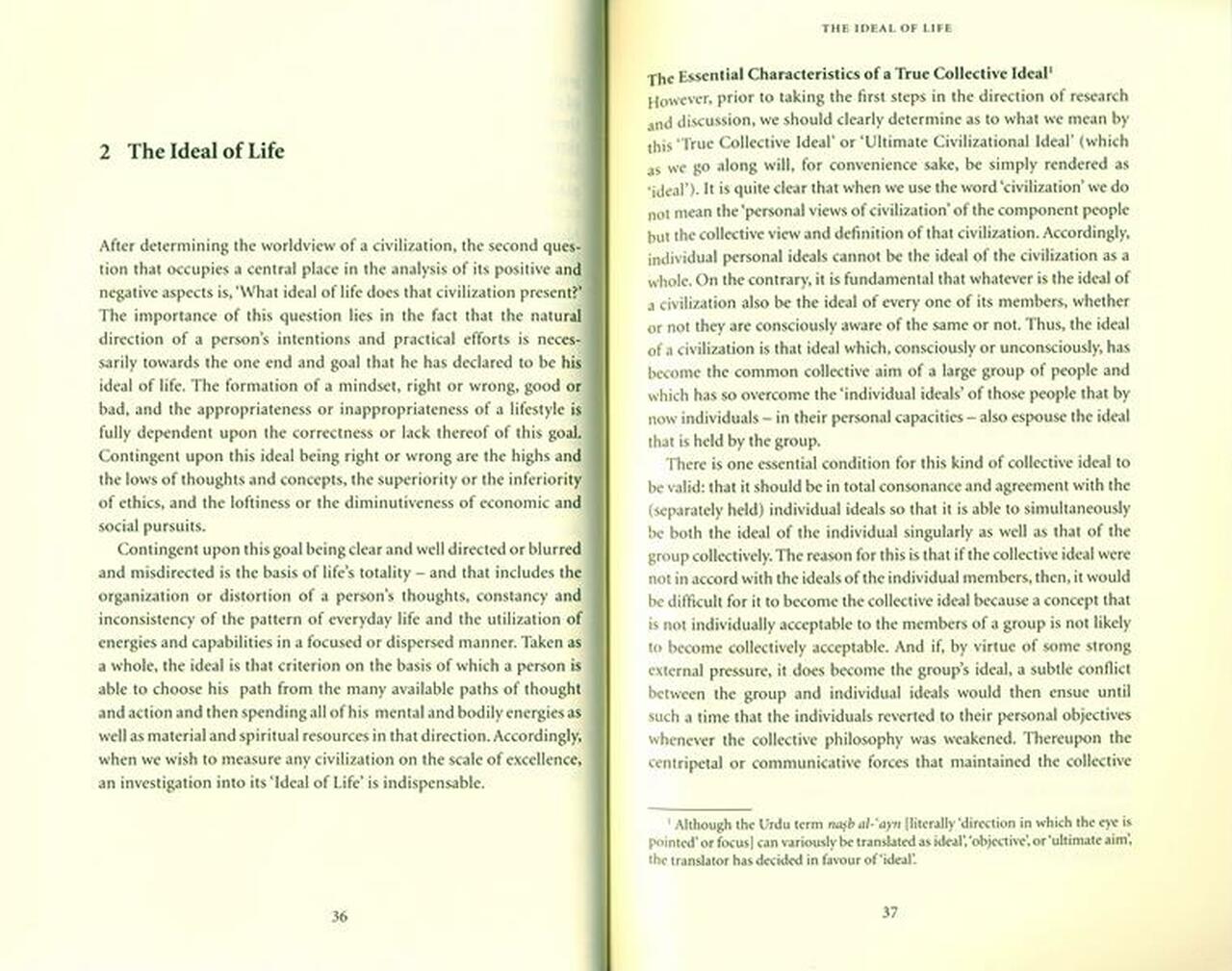
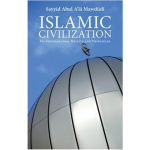
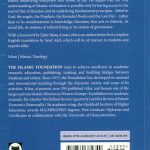
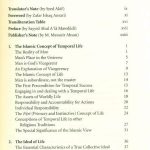
Sayyid Abul A’la Mawdudi (1903-79), one of the twentiet-century’s leading Muslim intellectuals and revivalists, wrote Islami Tahdhib awr uskey Usul-o-Mabadi in the 1930s at a time when the momentum for independence was growing in British India. In Islamic Civilization: Its Foundational Beliefs and Principles, Mawdudi attempts to bring out the vital relationship between the concept of civilization and Islam’s underlying worldview and vision of life. He argues that the true understanding of Islamic civilization is possible only by having access to the soul of that civilization and its underlying fundamental principles – belief in God, the angels, the Prophets, the Revealed Books and the Last Day – rather than to its manifestations in knowledge, literature, fine arts or rhetoric, its social life, its notions of refined living or its system of governance.
Islamic Civilization : Its Foundational Beliefs and Principles
RM112.00
| Weight | 0.370 kg |
|---|---|
| Dimensions | 21.5 × 14 × 1.5 cm |
| Author | |
| Binding | Paperback |
| ISBN | 9780860374749 |
| Pages | 260 |
| Publisher | The Islamic Foundation |
Be the first to review “Islamic Civilization : Its Foundational Beliefs and Principles” Cancel reply
You must be logged in to post a review.
Related Products
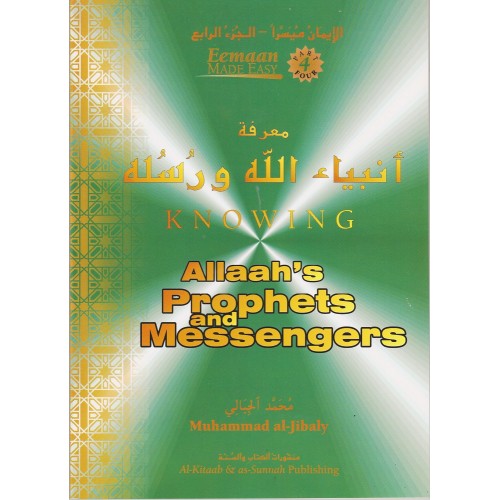
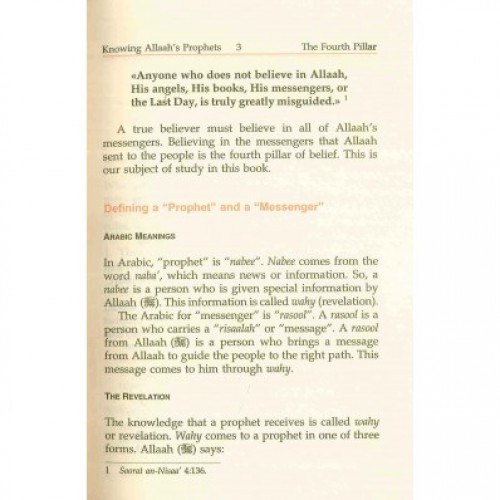
Knowing Allaah’s Prophets and Messengers (P/B) (Eeman Made Easy Series)
This is a simplified series of books dealing with the fundamental Islaamic beliefs. The material is well-founded on authentic proofs from the Qur’aan and Sunnah. The books are written in easy language, making them accessible to individuals with limited vocabulary.
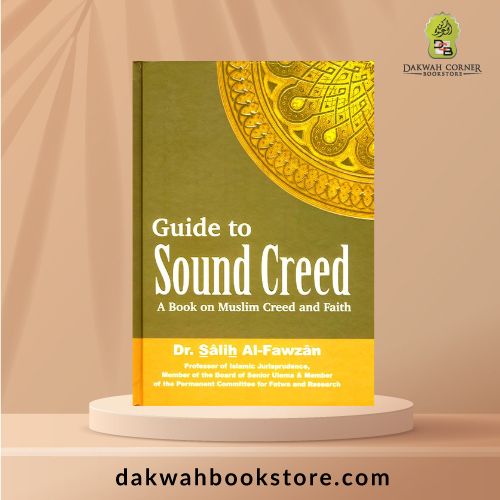
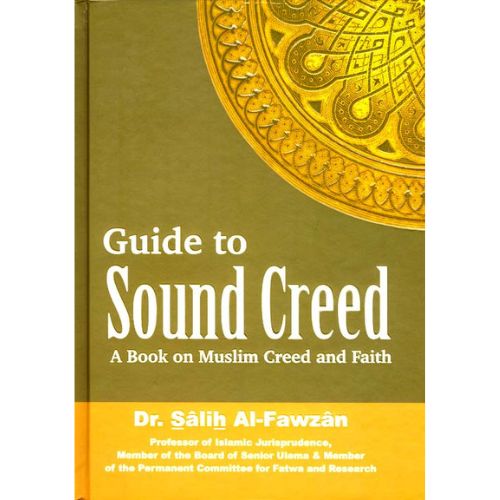
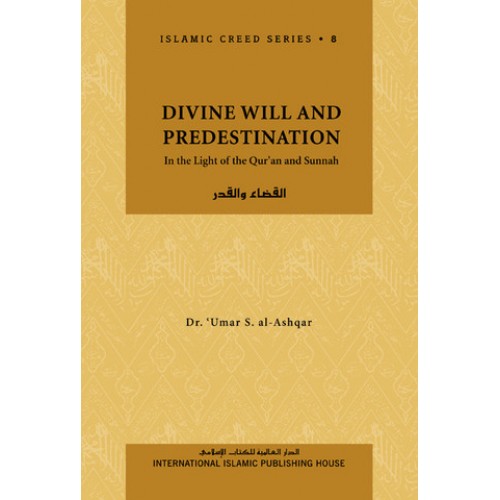
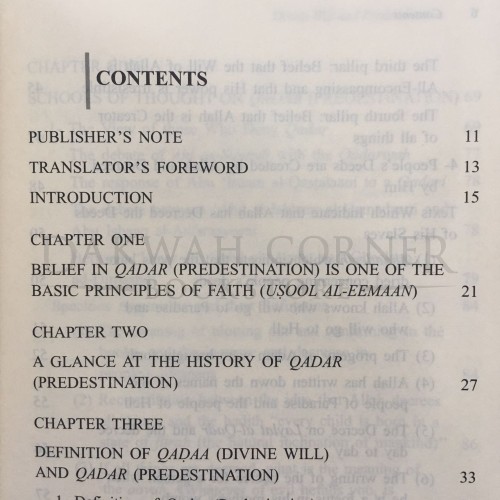
Divine Will and Predestination; Islamic Creed Series Vol. 8
The will and decree of Allah: Is this a matter which is directly relevant to the day-to-day life of the Muslim, or is it an obscure topic best left to the debates of philosophers and theologians? Does it imply that Muslims are ‘fatalists’ who see themselves as helpless in the hands of an indifferent fate? Attitudes towards divine will and predestination have always influenced Muslims’ daily activities. In this final volume of his eight-volume Islamic Creed Series, Dr. ‘Umar al-Ashqar explores this topic in depth, explaining it in clear terms for the ordinary Muslim. Drawing always on the Qur’an and the Sunnah, and on the words of the greatest scholars of Islam such as Ibn Taymiyah, he covers some of the historical debates that took place within the Ummah on this matter. The true Islamic concept of divine will and predestination is an empowering notion. While all that happens takes place within the framework of the divine will, people have freedom of choice within those parameters. This is a matter which is of interest and concern for all Muslims, one which will bring many benefits, both in this world and in the hereafter. This Islamic Creed Series of books has been translated into English by Nasiruddin al-Khattab.


The Beautiful Names and Attributes of Allah- Important Principles To Remember
The pristine beliefs of the early Muslims are preserved in this vitally important masterpiece written by one of the most outstanding scholars of our time, Shaykh Muhammad Ibn Saalih al Uthaymeen. This new revised edition by Dar-us-Salam has been printed in full color with hardback bounding for an excellent presentation.
Seven clear principles and their evidences from the Book and the Sunnah guide the reader through the confusion and false claims of the ignorant to the clarity of belief in Allah’s Names accomplished by the righteous early scholars of Islam. Principle 6 contains the shaikh’s compilation of the ninety-nine (99) names of Allah. The names have been compiled into 2 categories: first from the Book of Allah & second from the Sunnah of the Prophet (S). All the names have been printed in Arabic with transliteration and English translation. Each name is printed beautifully in a square box with 6 boxes on a page.
Seven more principles and their evidences follow, giving the reader firm understanding of the correct beliefs about Allah’s Attributes. Four more principles outline the correct approach in studying the related proofs and evidences.
All of this leads the reader into an enthralling series of refutations of the false notions of the Ash’aree sect, a text-by-text breakdown of how and why they went wrong in a careful and precise study of fifteen texts from the Book and the Sunnah. The beliefs of the Ash’aree sect are destroyed and the origins of their deviation are exposed for all to see.
‘A magnificent book a clarification of the creed of the righteous Salaf concerning the Names and Attributes great principles and collective benefits concerning the topic’ – Shaykh Ibn Baaz
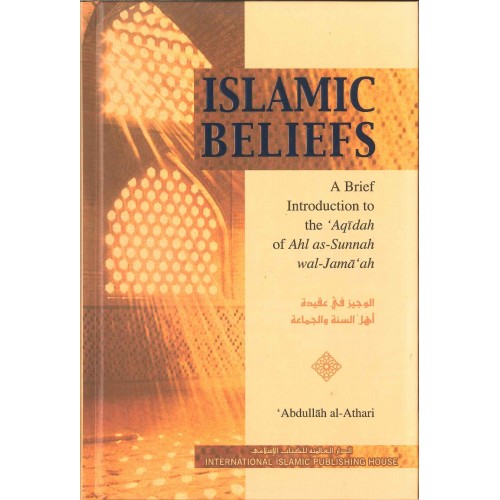
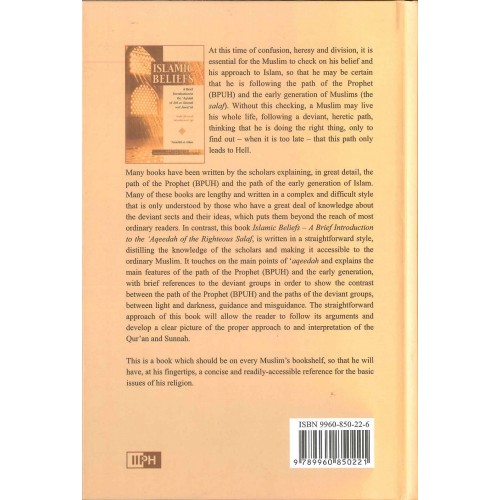
Islamic Beliefs
In this era of confusion, innovation, and division, it is essential for Muslims to monitor their beliefs and their approach to Islam, so that they may be certain that they are following the path of the Prophet (blessings and peace of Allah be upon him) and the early generation of pious Muslims (the salaf). Without careful attention, a Muslim may live his or her whole life following a deviant path filled with innovation, thinking that he or she is doing the right thing, only to find out – when it is too late – that this path only leads to hell. Islamic Beliefs: A Brief Introduction to the ‘Aqeedah of Ahl as-Sunnah wal-Jamâ‘ah is written in a straightforward style, distilling the knowledge of the scholars and making it accessible to the ordinary Muslim. It touches on the main points of ‘aqeedah (fundamental Islamic beliefs or creed) and explains the main features of the path of the Prophet (peace be upon him) and the early generation, with brief references to deviant groups in order to show the contrast between the path of the Prophet (peace be upon him) and the paths of the deviant groups, between light and darkness, guidance and misguidance. The straightforward approach of this book will allow the reader to follow its arguments and develop a clear picture of the proper approach to and interpretation of the Qur’an and the Sunnah. This is a book which should be on every Muslim’s bookshelf, so that they will have at their fingertips a concise and readily-accessible reference for the basic issues of their religion.
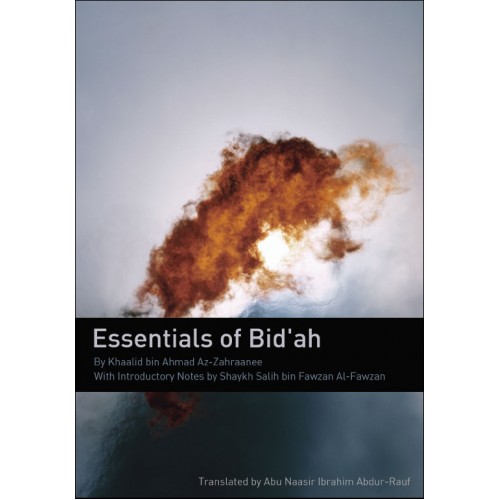
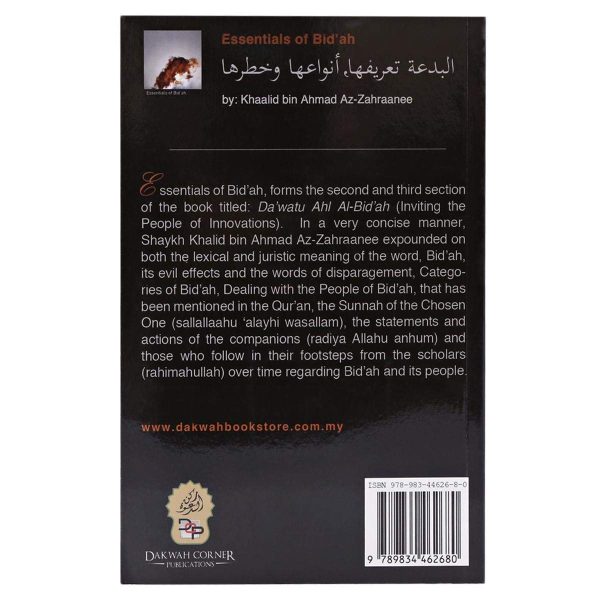
Essentials Of Bid’ah
Essentials of Bid’ah forms the second and the third section of the book titled: Da’watu Ahl-Bid’ah (Inviting the People Of Innovations). In a very concise manner Shaykh Khalid bin Ahmad Az Zahraanee expounded on both the lexical and juristic meaning of the word Bid’ah, it’s evil effects and the words of disparagement, categories of Bid’ah, dealing with the people of Bid’ah, that has been mentioned in the Qur’an, the Sunnah of the Prophet, the statements and actions of the Companions and those who follow in their footsteps from the scholars over time regarding Bid’ah and its people.
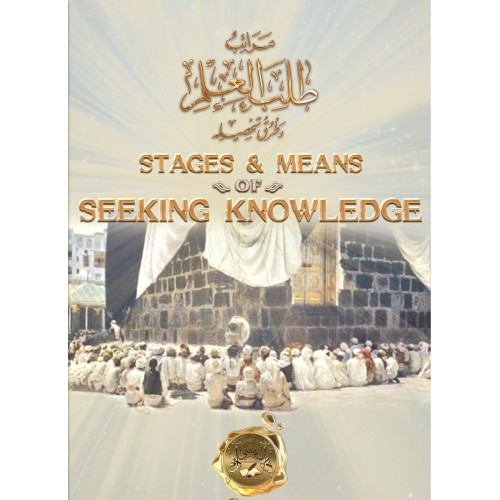
Stages & Means of Seeking Knowledge (P/B)
a small excerpt from the book:
“And those who disbelieve say: “Why is not the Quran revealed to him all at once?” Thus (it is sent down in parts), that We may strengthen your heart thereby. And We have revealed it to you gradually, in stages.”[1]”[2]
Al-Zarnooji -rahimahullah- said, “Imam Sharf ul-Din al-Uqayli – rahimahullah- used to say, “My opinion regarding learning knowledge is in agreement with what our teachers taught us. They used to teach beginners level one books because they are understandable, easy to memorize, enjoyable, and common. A beginner should not write down something he does not understand because it numbs the intelligence and is a waste of time. Instead, a beginner should focus on the task of understanding his teacher through deep thinking and repetition. Significantly, the smaller the portion in one class with repetition the more progress in understanding. A famous saying states: Memorizing two letters is better than hearing two loads, and understanding two letters is better than memorizing two loads.”[3]
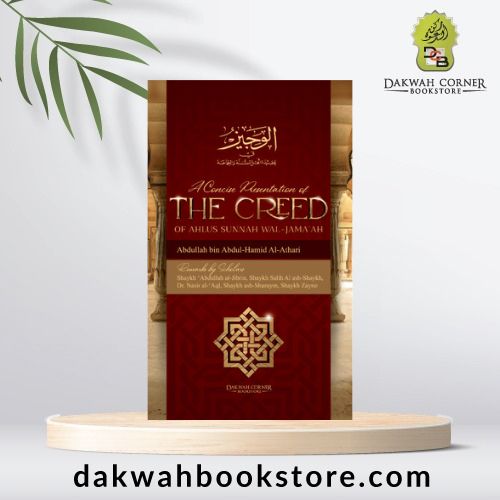
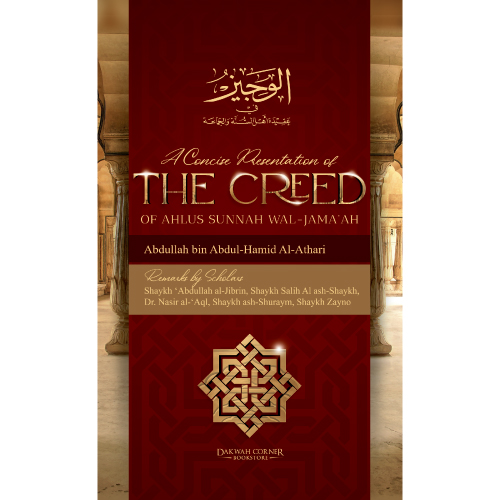
A Concise Presentation Of The Creed Of Ahlul Sunnah Wal Jama’ah
A Concise presentation of THE CREED OF AHLUS SUNNAH WAL-JAMA’AH: is an explanation on the beliefs of the Pious Predecessors of this Ummah. They include the companions, their followers and successors who have followed them in goodness and those who upheld the real and true Islam brought by the last Prophet Muhammad SAW.
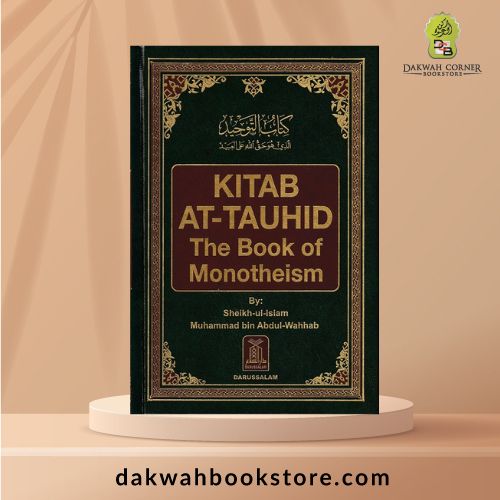
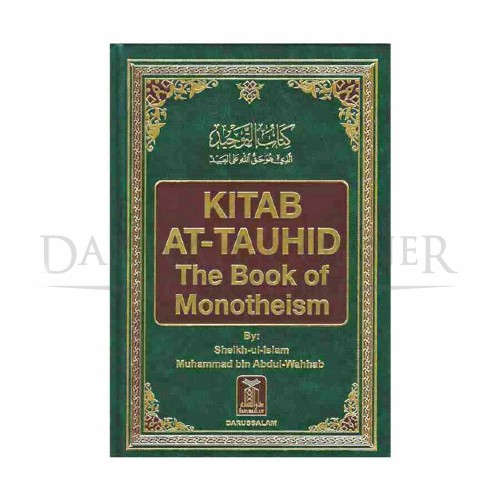
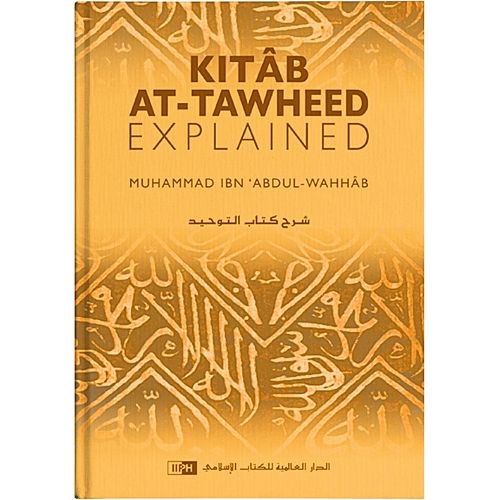
Kitab At-Tauhid The Book Of Monotheism
In this book, all the relevant Verses have been discussed reasonably, rationally and sincerely; and the essence of the Qur’an and Sunnah is placed in a very simple and appealing manner. This is the reason that the upright persons, beyond group ism and prejudices, have been adopting the correct Islamic path – the path of the Qur’an and Sunnah – under the influence of the basic facts and proofs produced herein. Kitab At- Tauhid is one of the best books on the subject of Tauhid (Monotheism) and ranks high in authenticity. Till date it has been published many times. It has been a means of guidance for millions of people throughout the world, by taking them out of the darkness of polytheism, heresy and error. If Allah wills, this book would also undoubtedly prove beneficial in all the times to come.
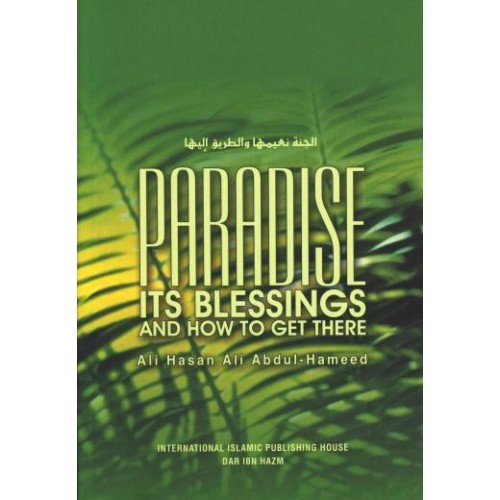
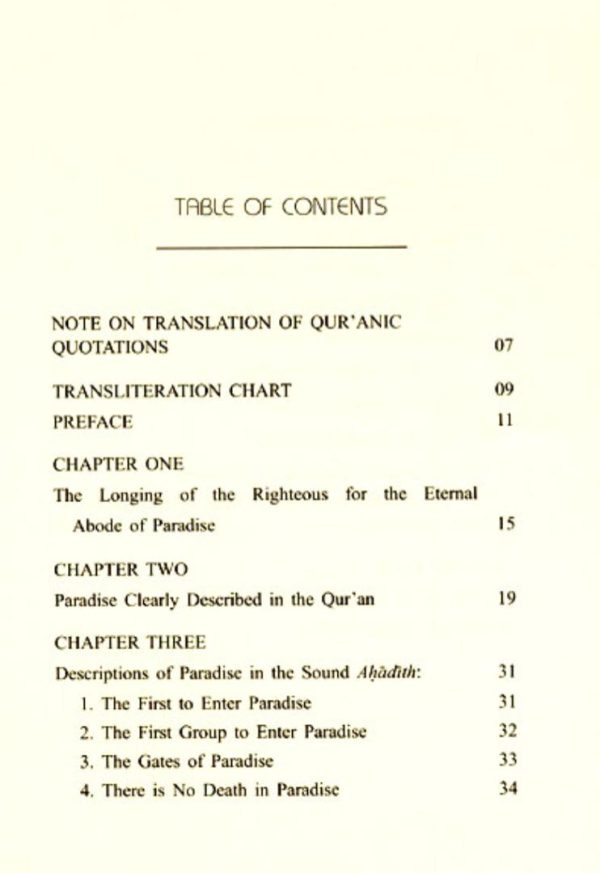
Paradise Its Blessings and How To Get There (P/B)
Paradise and its inhabitants as portrayed in the Qur’an and the Hadith, then discusses the various rewards and blessings that are promised to those who make it there. Finally, the author lists the many and myriad deeds that a Muslim can do that will help him or her to achieve the Garden of Eden.
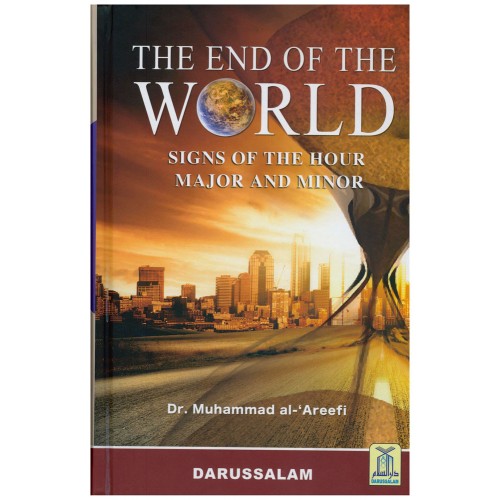
End of the World – Darussalam
In recent times things have become very confusing and we have begun to see in book stores and on websites speculations about future events, based on ayah and hadeeths which refer to these future events concerning the signs of the Hour.
Sometimes you hear about the appearance of the Mahdi, sometimes you hear that the final battle between the Good and the Evil is close at hand, other time you hear some thing happening in the East or in the West.
So, learn about the Final hour and it signs by reading this book which is backed by proofs from Quran and Hadith.
Recently Viewed
Salat Knowledge Game
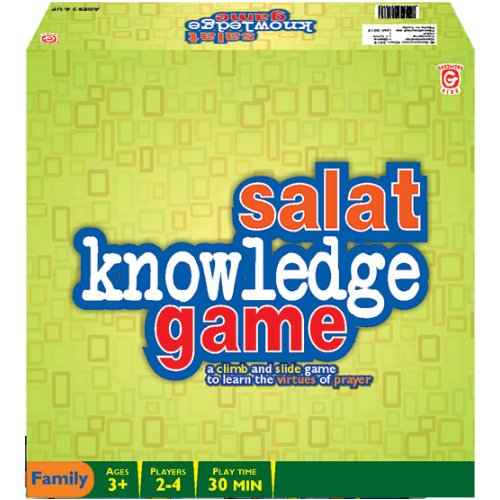
The Salat Knowledge Game is suitable for 2 to 4 players aged three and above. In this game of slides and ladders, you spin the wheel and race to the finish before your friend reaches there. Along the way you learn the meaning and message of salat, that is, the five daily prayers. If you miss a prayer, you go down through the slippery slide, but if you offer it on time and with care, you climb up the ladder. And that is not all. There are chances to win a Salat Card too. Answer the question given on the card correctly and increase your knowledge about the five daily prayers. In this way, you don’t just try to run for the finish line, but learn all about salat as well. Isn’t this a fun way to play and learn!
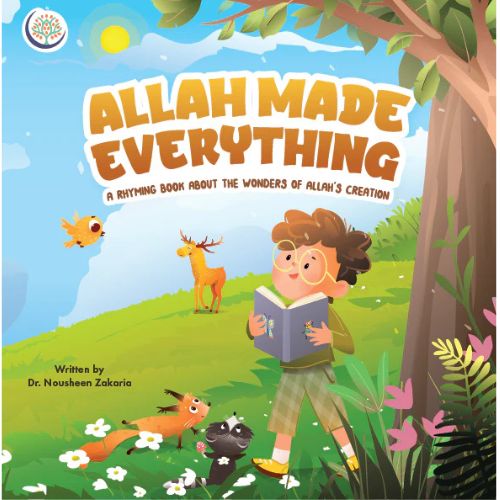
Allah Made Everything (P/B)
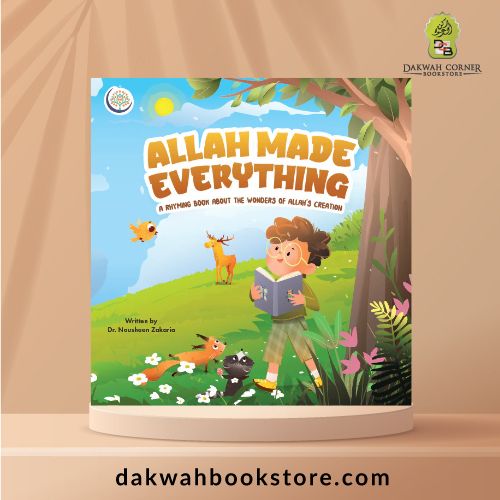
Allah Made Everything is a heartwarming rhyming journey that invites children to reflect on the wonders of creation—birds that soar, oceans that flow, mountains that rise, and families filled with love.
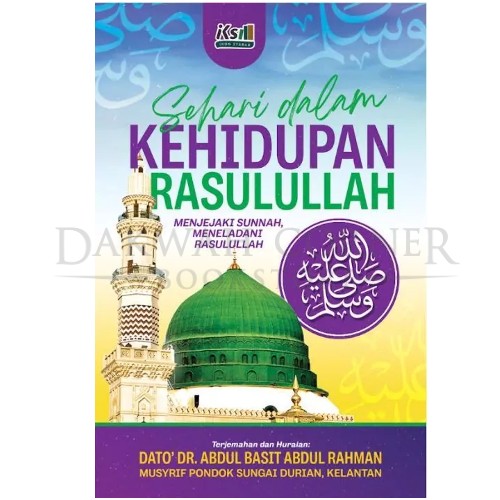
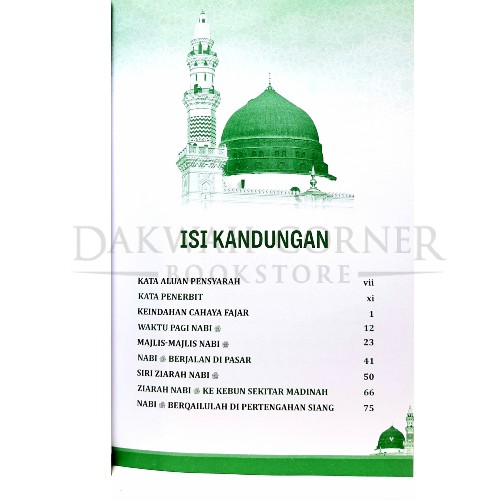
Sehari Dalam Kehidupan Rasulullah
“Dan bahawa sesungguhnya engkau ( Yakin Muhammad SAW) mempunyai akhlak yang amat mulia.”
(Surah al-Quran: 4)

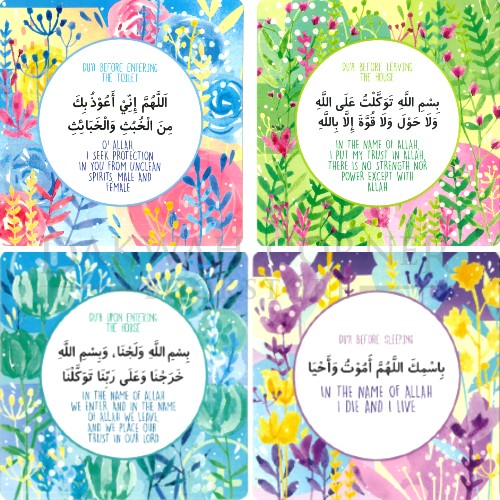
Du’a Prints
A collection of essentials du’as from authentic hadiths. Have 8 du’as in 1 set:-
- Du’a Exiting the Toilet
- Du’a Upon Entering the House
- Du’a Before Leaving the House
- Du’a Before Entering the Toilet
- Du’a Before Eating
- Du’a Before Sleeping
- Du’a in Seeking Knowledge
- Du’a After Waking Up

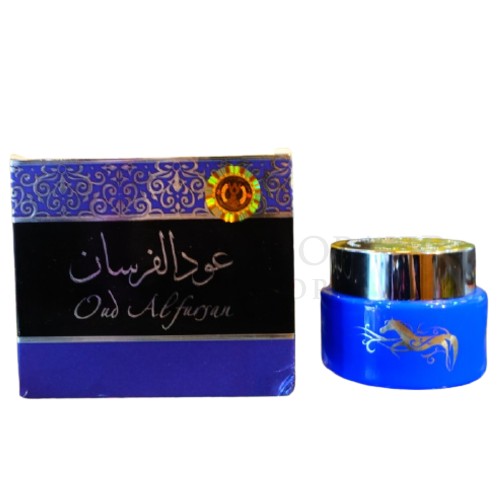
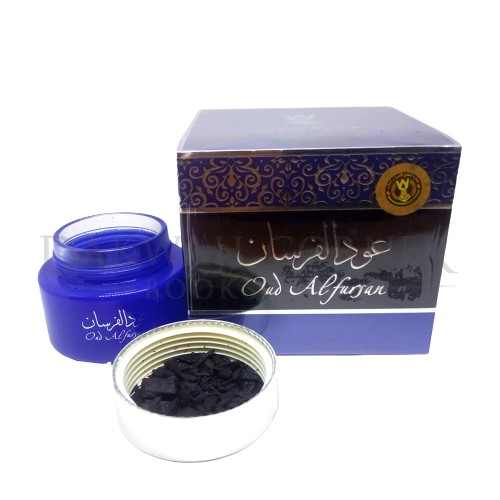
Oud Al Fursan
High-quality bukhoor burn Incense gives a fresh scent for your HOME, SHOP, or OFFICE.

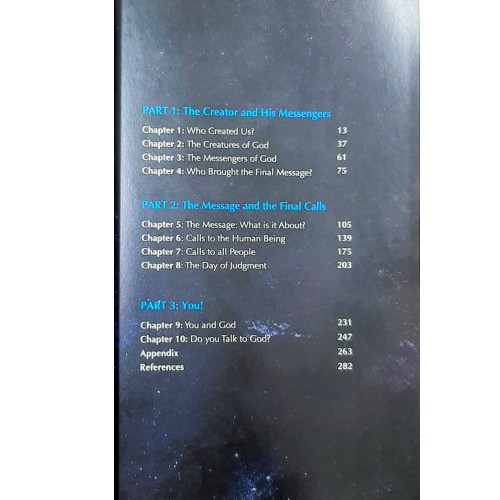
Three Messages from God to You
● Who created the universe? Who created us and the beings on the earth? Who gave life to billions of creatures on our plant? Is He our God? What is His name? Are there other creators than Him?
● Why do we live on the earth? What is the purpose of life? Did our creator really send us messages? What does He want to inform us? Are these messages true?
● Are the Torah, the Bible and the Quran true divine books? Are they related? Do they contain true Messages from God to us? Is there a final testament?
● Why all creatures die? Is there another life after death? Do we return to our Creator? Why?
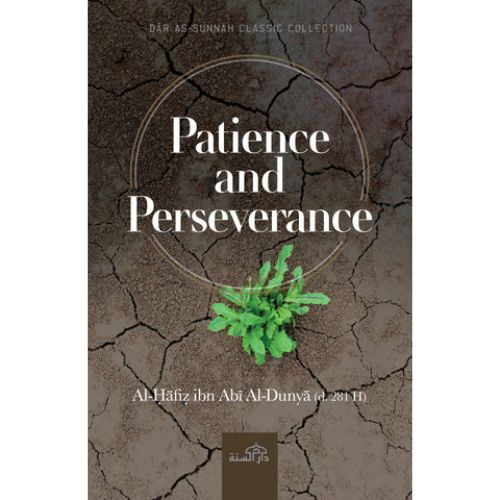
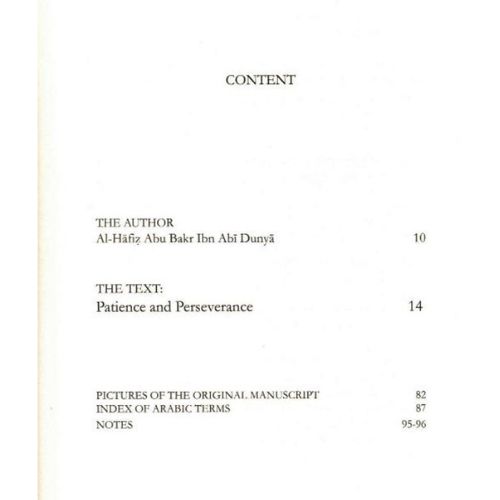
Patience and Perseverance (P/B)
Sulayman ibn Qasim said, “The reward of every deed is known except for patience, for Allah Almighty Said: ‘Indeed, those who endure patiently will be given their reward in full without limit.’ [Al-Zumar, 10]
The attribute of patience is less about the ability to sit tight and wait out any adversity or misfortune, and more about holding good etiquette and Islamic propriety while waiting. This includes persevering throughout the ordeal, not complaining about one’s condition (except to Allah) and recognising that Allah’s wisdom and decree necessitate holding good positive thoughts about Him.
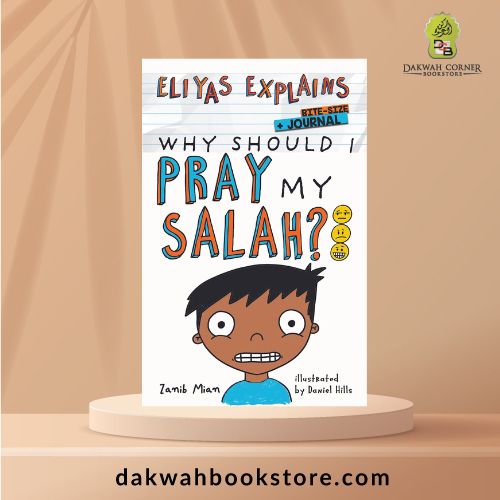

Eliyas Explains Why Should I Pray My Salah: Bitesize + Journal
For anyone who wants to pray, but isn’t motivated enough and for those who pray, but want to enjoy their salah with presence of mind and heart.
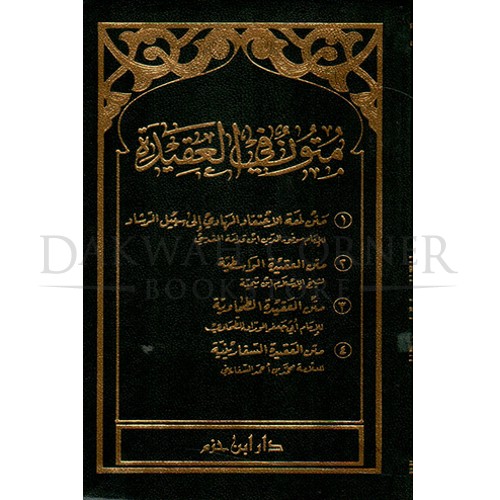
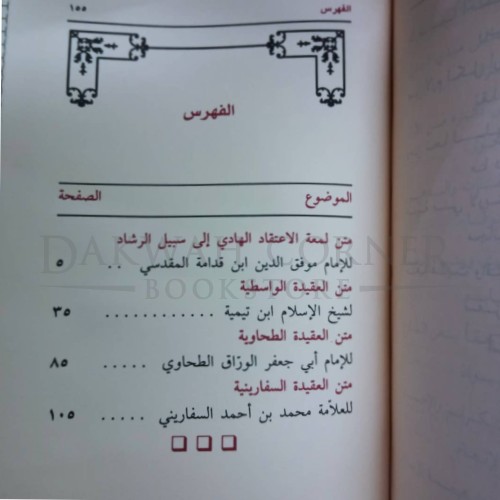
[AC] Mutunun Fi Aqeedah / متون في العقيدة
متون النحو (الآجرومية وملحة الإعراب ) لونان ـ شاموا ( 10×15 فلكسي )
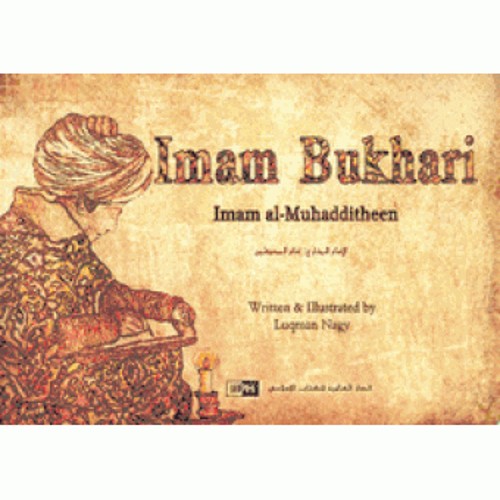
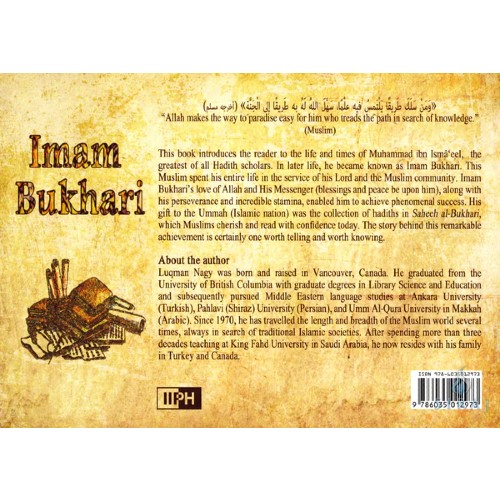
Imam Bukhari – Imam Al-Muhadditheen (IIPH)
This book, authored by Luqman Nagy, introduces the reader to the life and times of Muhammad ibn Ismâ‘eel, the greatest of all Hadith scholars. In later life, he became known as Imam Bukhari. This Muslim spent his entire life in the service of his Lord and the Muslim community. His gift to the Ummah (nation) was the collection of hadiths in Saheeh al-Bukhâri, which Muslims cherish and read with confidence today. The story behind this remarkable achievement is certainly one worth telling and worth knowing.
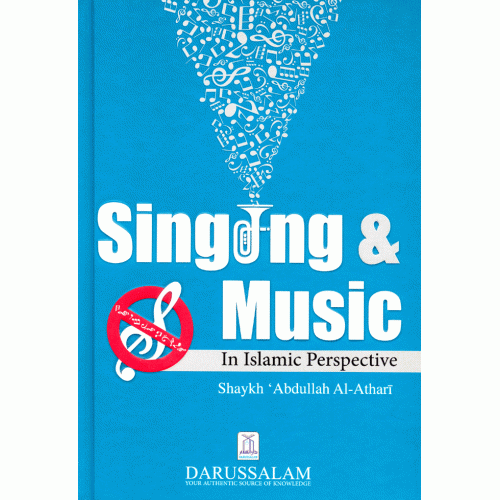
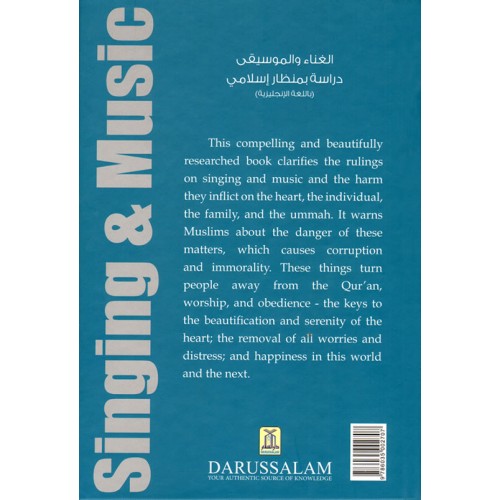
Singing and Music In Islamic Perspective (H/B)
This compelling and beautifully researched book clarifies the rulings on singing and music and the harm they inflict on the heart, the individual, the family, and the ummah. It warns Muslims about the danger of these matters, which causes corruption and immorality. These things turn people away from the Qur’an, worship, and obedience – the keys to the beautification and serenity of the heart; the removal of all worries and distress; and happiness in this world and the next.
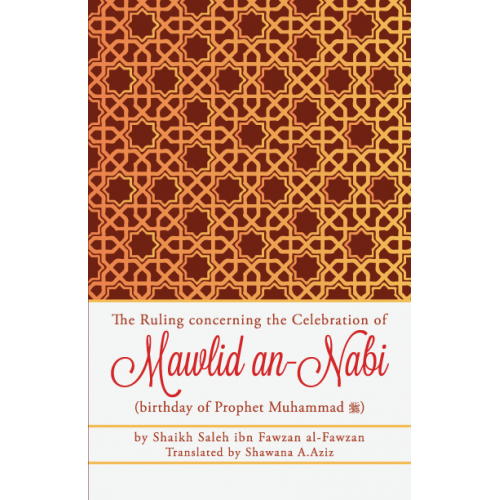
The Ruling Concerning the Celebration of Mawlid an-Nabi (2nd edition)
In this book, is an explicit CLARIFICATION of the MAJOR DOUBTS raised by the proponents of Mawlid an-Nabi, including:
- Mawlid an-Nabi is honoring the Prophet.
- Mawlid an-Nabi is celebrated by a large number of the people in many towns and cities.
- Commemorating Mawlid an-Nabi renews the memories of the Prophet.
- Celebration of Mawlid an-Nabi is cut of love for the Prophet and an expression of ones love, which is permissible.
- Mawlid an-Nabi is a Bidah Husna (good innovation) because it is a means of showing gratitude towards Allah for sending the Prophet.
- The sayings of Umar, ‘What a good Bidah is this?’
Additional quotes by Shaikh Muhammad ibn Ibraheem Aal-Shaikh have been added to further clarify these issues. The booklet also as 2 valuable appendixes:
Appendix 1: Explanation of the Hadeeth,”He, who established/initiates a Sunnah Husna in Islam.” in the word o Shaikh Saleh al-Fawzan and Shaikh Muhammad ibn al-Uthaimeen (rahimahullah)
Appendix 2: A Dialogue between Shaikh al-Albani (rahimahullah) and a proponent of Mawlid.
There are no reviews yet.