

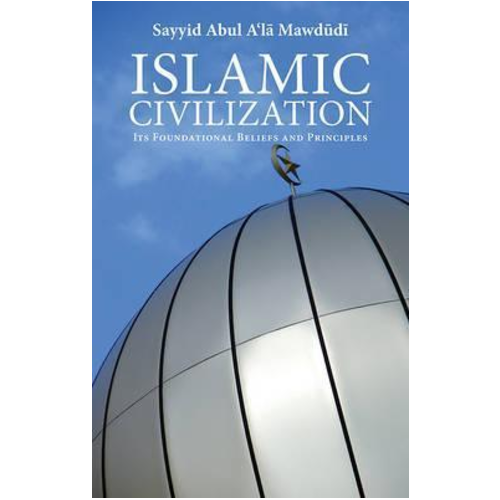
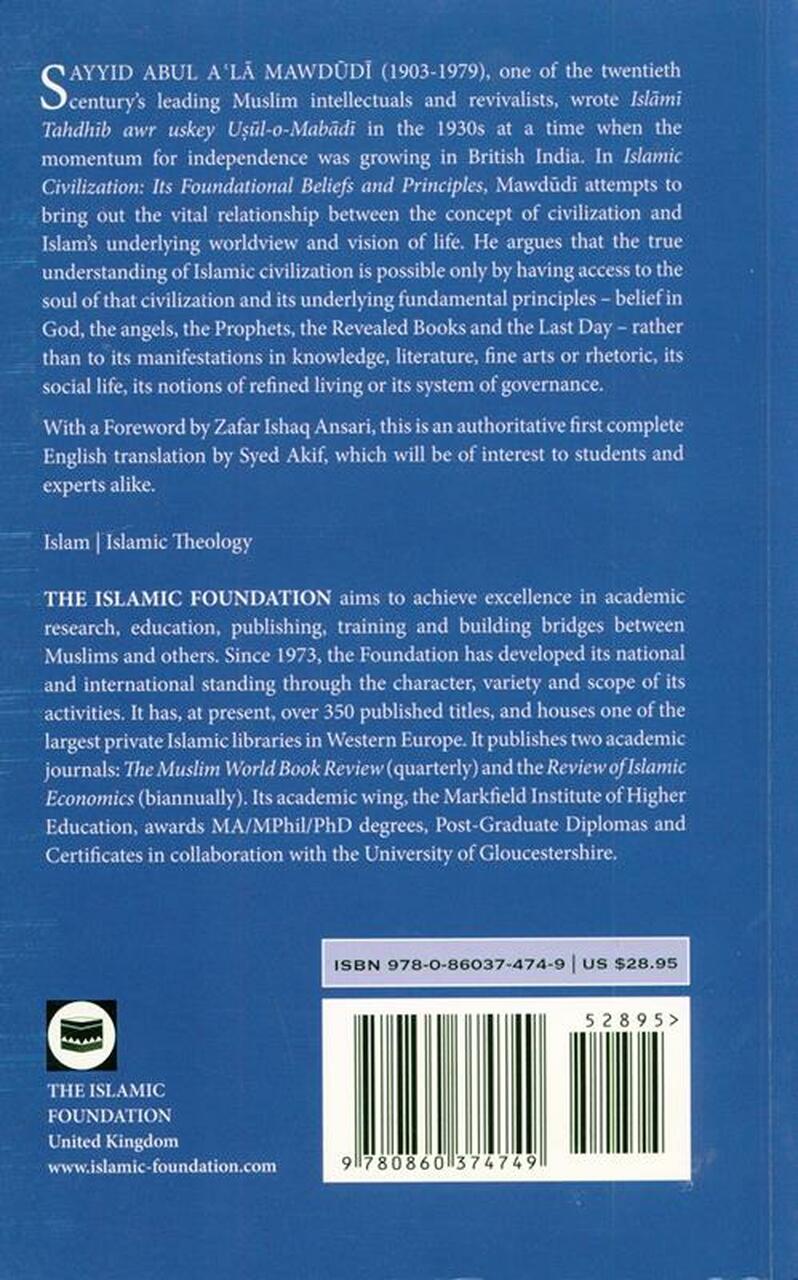
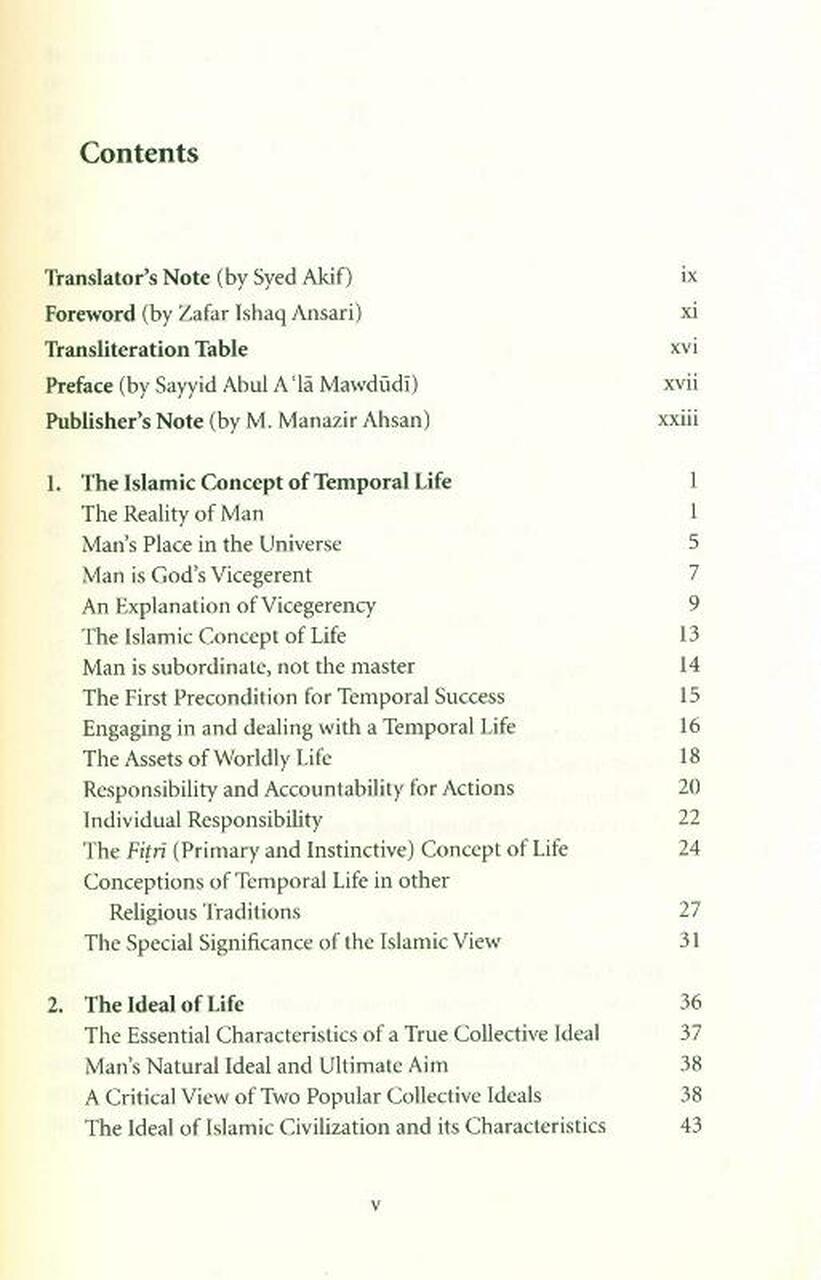
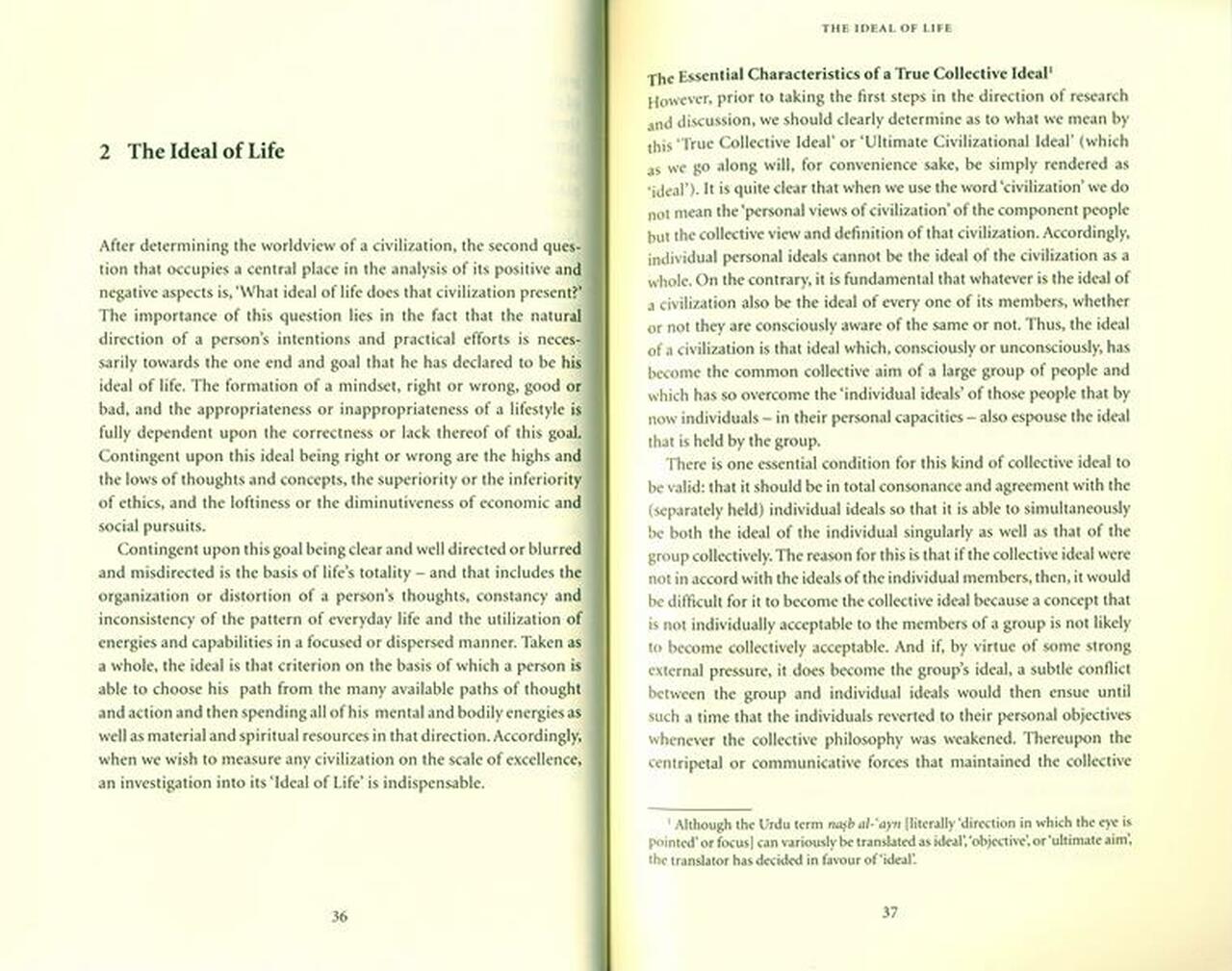
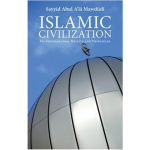
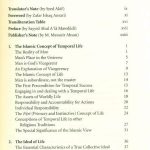
Sayyid Abul A’la Mawdudi (1903-79), one of the twentiet-century’s leading Muslim intellectuals and revivalists, wrote Islami Tahdhib awr uskey Usul-o-Mabadi in the 1930s at a time when the momentum for independence was growing in British India. In Islamic Civilization: Its Foundational Beliefs and Principles, Mawdudi attempts to bring out the vital relationship between the concept of civilization and Islam’s underlying worldview and vision of life. He argues that the true understanding of Islamic civilization is possible only by having access to the soul of that civilization and its underlying fundamental principles – belief in God, the angels, the Prophets, the Revealed Books and the Last Day – rather than to its manifestations in knowledge, literature, fine arts or rhetoric, its social life, its notions of refined living or its system of governance.
Islamic Civilization : Its Foundational Beliefs and Principles
RM112.00
| Weight | 0.370 kg |
|---|---|
| Dimensions | 21.5 × 14 × 1.5 cm |
| Author | |
| Binding | Paperback |
| ISBN | 9780860374749 |
| Pages | 260 |
| Publisher | The Islamic Foundation |
Be the first to review “Islamic Civilization : Its Foundational Beliefs and Principles” Cancel reply
You must be logged in to post a review.
Related Products
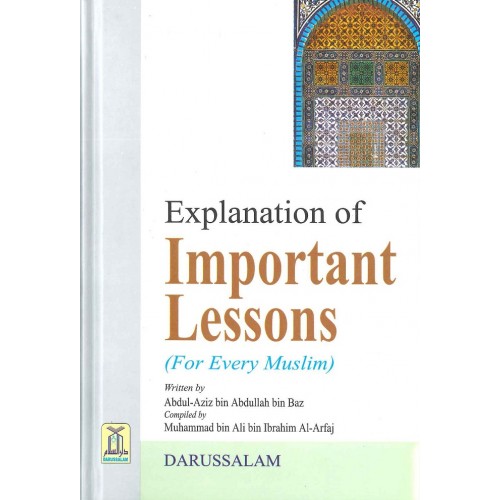
Explanation of Important Lessons (For Every Muslim) (H/B)
This book is a short work to explain what every Muslim needs to know about the religion of Islam. It covers many lessons under 18 chapters.
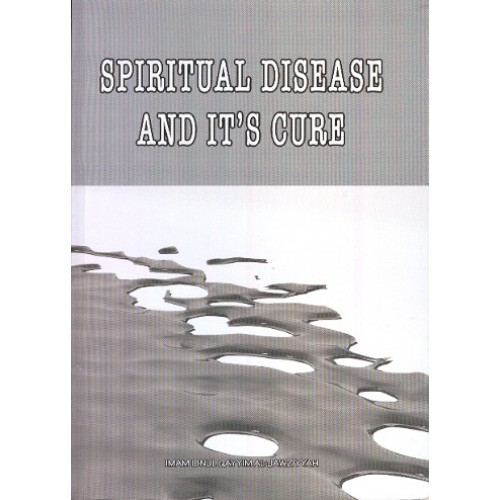
Spiritual Disease and It’s Cure
The Imam was asked a long question of which a part was – What is the opinion of the scholars regarding a man who is afflicted by a disease, and knows that if it should continue it would damage his life? The Imam Quoted the Hadith from Sahih Bukhari The prophet (S) said: ‘Allah has appointed a remedy for every disease He has sent down’ Imam Ahmad reported on the authority of Usamah bin Shareek that the ‘ Prophet (S) said Allah has not made a disease without providing a remedy for it, wih the exception of one disease, namely old age’ This Applies to the medicine for the heart, soul and body. The well being of the servant’s heart, is far more important than that of his body, for while the well being of his body enables him to lead a life that is free from illnesses in this world, that of the heart ensures him both a fortunate life in this world and eternal bliss in the next.
Imam Ibn al-Qayyim al-Jawziyya was born into a scholarly and virtuous family in 691 AH/ 1292 A.D. At that time Damascus was a centre of literature and thought. Many schools were located there and he studied and graduated under the protection, direction and sponsorship of his father. He was particularly influenced by his Shaykh and teacher Imam Ibn Taymiyyah, and also by Ibn ash-Shirazi amongst others. Ibn al-Qayyim al-Jawziyya died in the city of Damascus the year 751 AH/1350 C.E.,when he was scarcely 60 years old, and was buried at the cemetery of Bab- al-Saghir, near the grave of his father – Rahimahuma Allah.
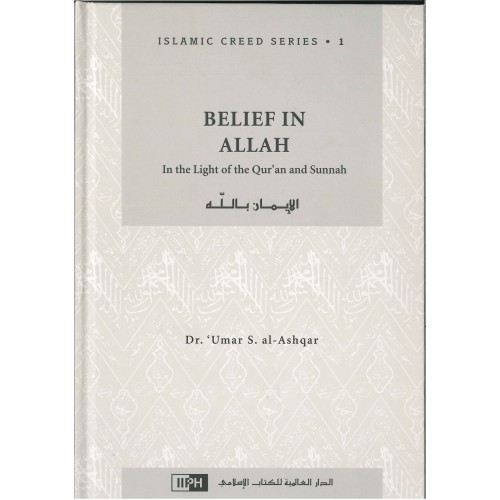
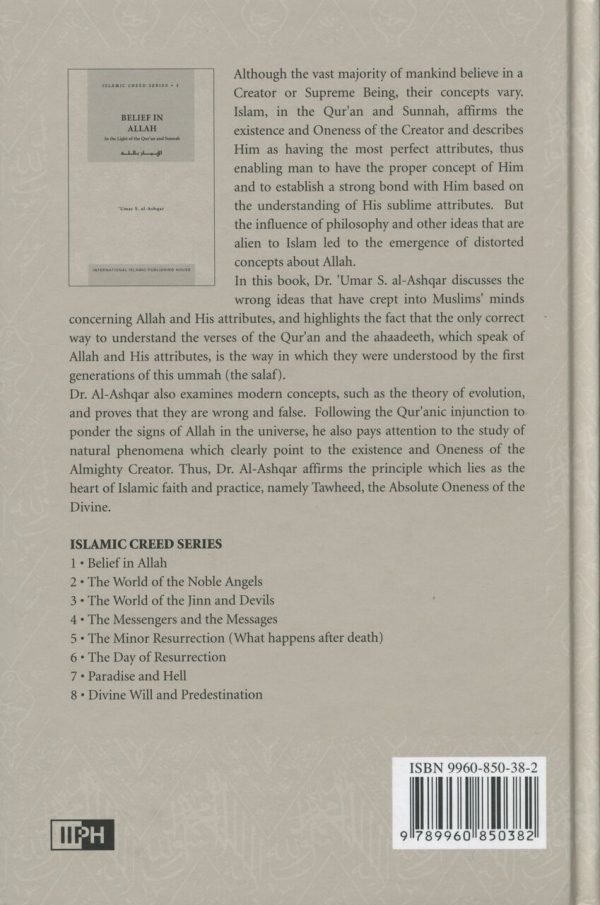
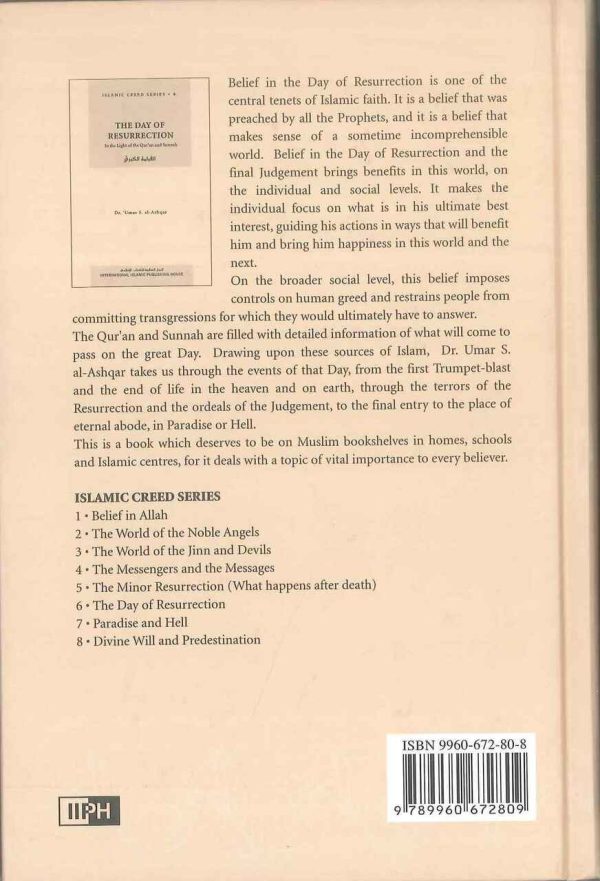
Belief In Allah – Islamic Creed Series 1
Aqidah and Creed
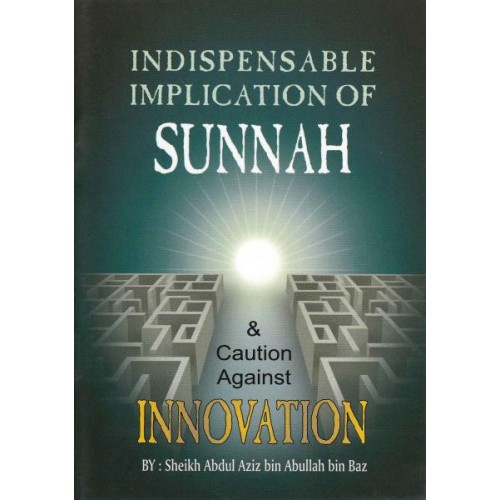
Indispensable Implication of Sunnah (P/B)
The author has discusses the topic of innovation in Islam. For example, he proves that celebrating the Prophet’s birthday is not right according to the Qur’an and Sunnah.
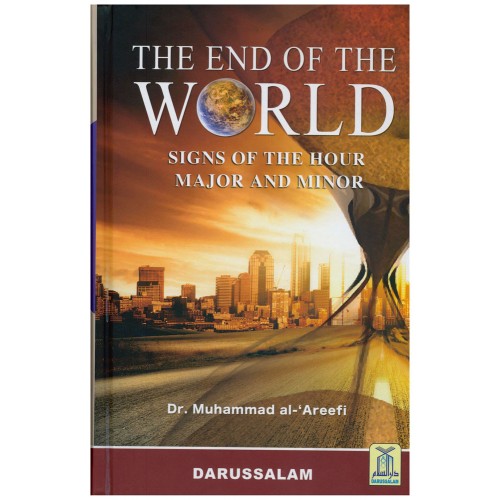
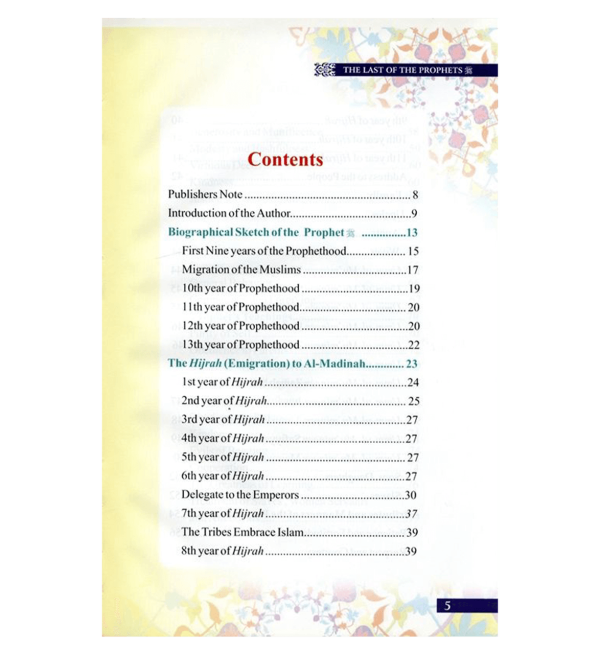
End of the World – Darussalam
In recent times things have become very confusing and we have begun to see in book stores and on websites speculations about future events, based on ayah and hadeeths which refer to these future events concerning the signs of the Hour.
Sometimes you hear about the appearance of the Mahdi, sometimes you hear that the final battle between the Good and the Evil is close at hand, other time you hear some thing happening in the East or in the West.
So, learn about the Final hour and it signs by reading this book which is backed by proofs from Quran and Hadith.
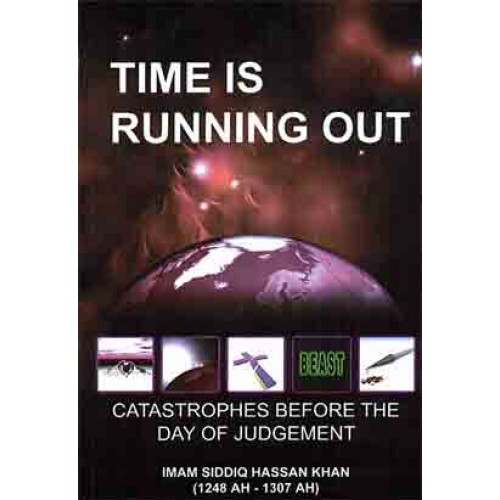
Time is Running Out (P/B)
Discusses the following topics:
- What is the Hour? When will it be? What are its signs?
- Meaning of al fitnah
- Near coming of the Hour
- Fitan affecting the Muslim Ummah
- Certain Fitan which have already passed
- Major signs before the day of judgment
- Appear of ad Dajjal
- Descent of Jesus, son of Mary
- Appearance of Gog and Magog
- Rising of the sun from the west
- Emergence of the beast from the Earth
- Ad Dukhan (The Smoke)
- The Pleasant Wind
- The Last major sign will be a fire
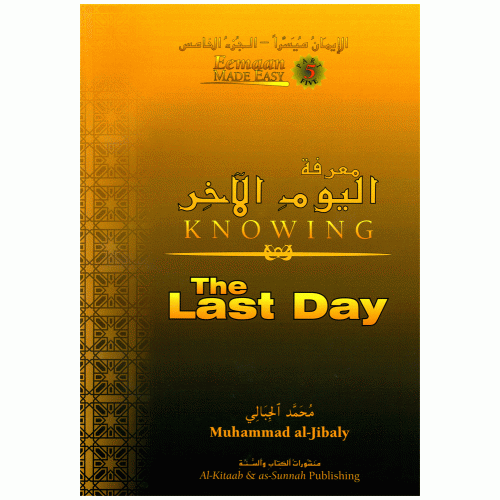
Knowing The Last Day (P/B) (Eeman Made Easy Series)
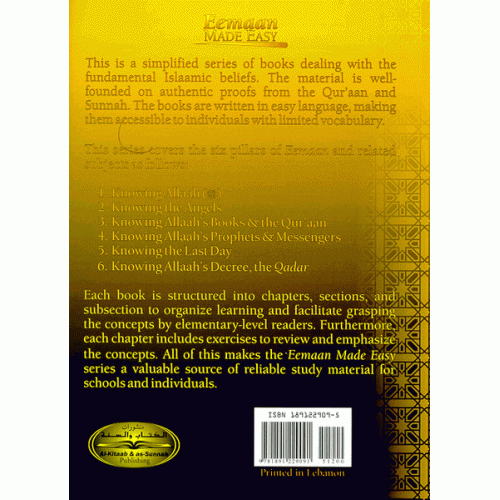
This is a simplified series of books dealing with the fundamental Islaamic beliefs. The material is well-founded on authentic proofs from the Qur’aan and Sunnah. The books are written in easy language, making them accessible to individuals with limited vocabulary.
Each book is structured into chapters, sections, and subsection to organize learning and facilitate grasping the concepts by elementary-level readers. Furthermore, each chapter includes exercises to review and emphasize these concepts. All of this makes the Eemaan Made Easy series a valuable source of reliable study material for schools and individuals.
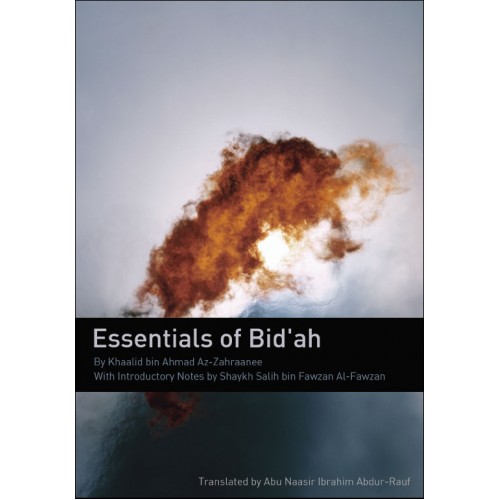
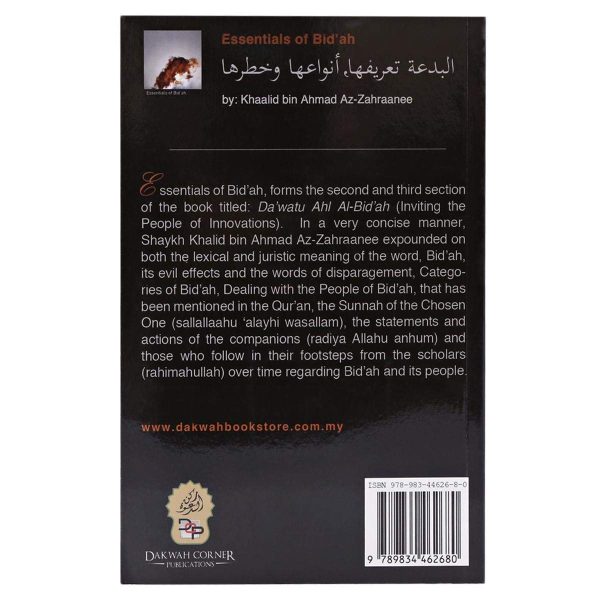
Essentials Of Bid’ah
Essentials of Bid’ah forms the second and the third section of the book titled: Da’watu Ahl-Bid’ah (Inviting the People Of Innovations). In a very concise manner Shaykh Khalid bin Ahmad Az Zahraanee expounded on both the lexical and juristic meaning of the word Bid’ah, it’s evil effects and the words of disparagement, categories of Bid’ah, dealing with the people of Bid’ah, that has been mentioned in the Qur’an, the Sunnah of the Prophet, the statements and actions of the Companions and those who follow in their footsteps from the scholars over time regarding Bid’ah and its people.
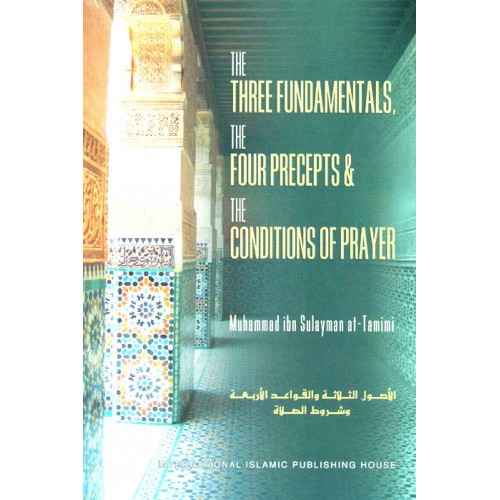
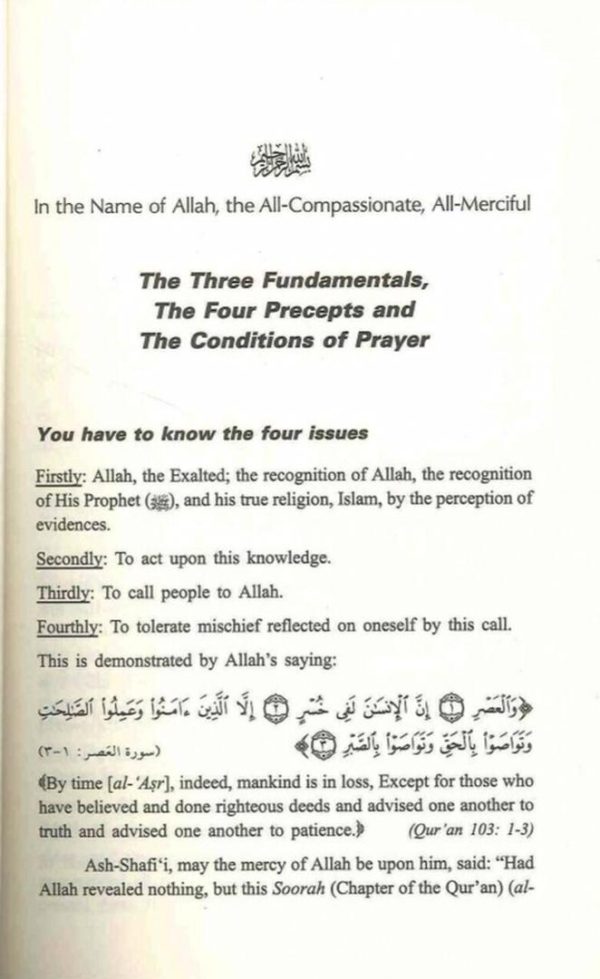
The Three Fundamentals, The Four Precepts & The Conditions Of Prayer (P/B)
(I have only created Jinn and men, but to worship me)
And the most common and lofty way of worship Allah, as we all know, is to pray. Pray, pray, pray.
But how will we react if we find out that after years and years of praying, our prayer is performed incorrectly?!?!
Some of us would be angry… actually, very very angry… while some will be dissappointed and wishing that they knew the correct way of praying earlier…
This book covers all of the guidelines of prayer, and what you need to do before, after, and during prayer, to keep you from that humiliating moment of “learning it the hard way.”
So once this book is between your hands, flip through its thin pages and earn the knowledge of your deen as you sit on the cushions of a warm, comfortable couch.

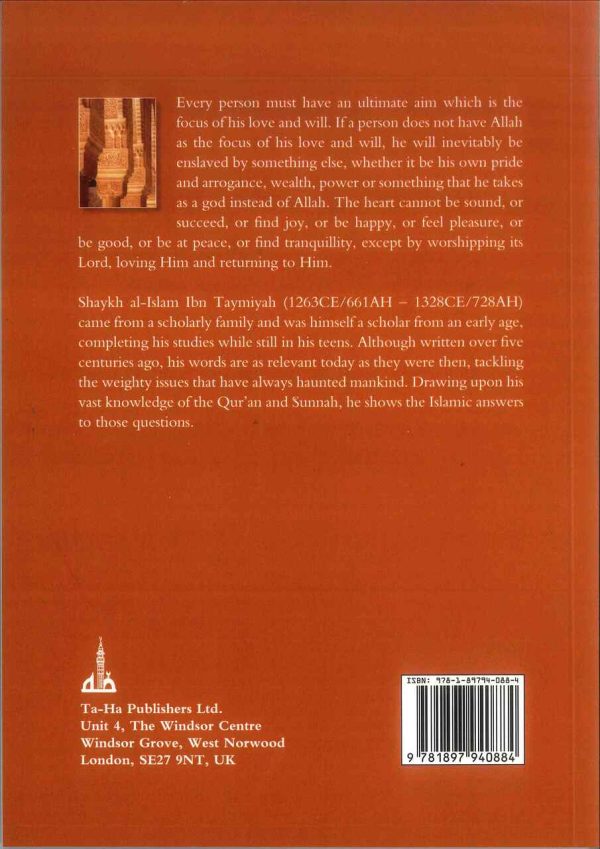
Al-‘Ubudiyyah: Being a True Slave of Allah
Shaykh Ibn Taymiyyah defines the concept of worship in Islam and explains that to be a true “slave of Allah” is a status of both virtue and nobility. The title “slave of Allaah” is one of great honor which Allah bestowed upon the best of creation, Muhammad (SAW). Ibn Taymiyyah highlights the prevalent traps which people fall into, when becoming enslaved by, or allowing their hearts to become attached to worldly objects. The emphasis is on servitude to Allah which is adorned with the true love we hold for Him in our hearts — a matter of central importance for every Muslim.
Highly Recommended for the young blooded who Want to Run before they can Walk and even the Old timers ‘Who sometimes are so comfortable Walking that they have forgotten that there is sometimes a need to run’ in the Path Towards Allah.
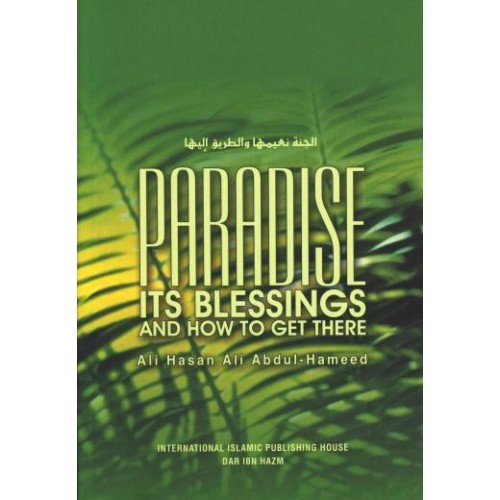
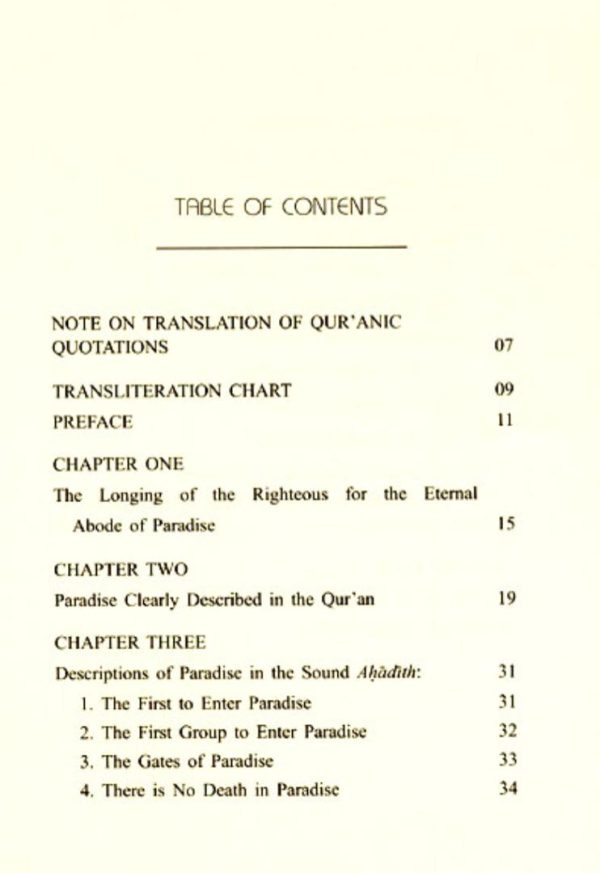
Paradise Its Blessings and How To Get There (P/B)
Paradise and its inhabitants as portrayed in the Qur’an and the Hadith, then discusses the various rewards and blessings that are promised to those who make it there. Finally, the author lists the many and myriad deeds that a Muslim can do that will help him or her to achieve the Garden of Eden.
Recently Viewed


33 Ways of Developing Al-Khushoo`: Humility and Devotion in Prayer
Shaykh Muhammad Salih al-Munajjid’s little book is perhaps one of the most widely-circulated among Muslims today. This is because the topic touches worshippers where it hurts—we know that we often lapse into an automatic sort of prayer when we lose concentration. The Shaykh points out that this loss of concentration really stems from a lack of humility and devotion—in Arabic, khushoo‘. His aim in writing this book is to help us to get back that khushoo‘. His step-by-step approach makes it simple. He gives practical advice and uses the excellent example of the prayer of the Messenger of Allah (blessings and peace be upon him) to guide us, so that as worshippers, we can truly return to a state of humility and devotion before the Lord.
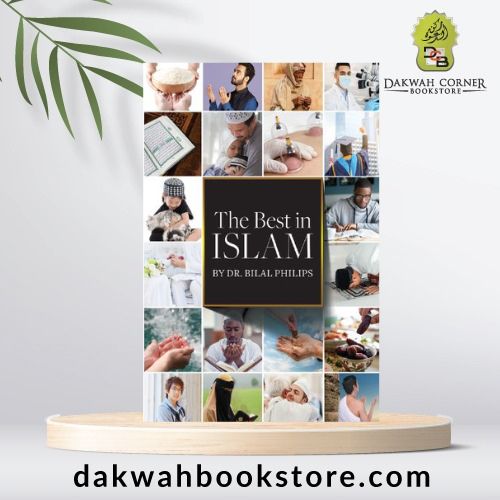

The Best in Islam
A groundbreaking, first-of-its-kind, compilation of authentic prophetic statements and Qur’anic verses that describe people, places and things using the terms of praise: “Good”, “Better” and “Best” or their equivalents like “beloved”, “more beloved” and “most beloved.” The 182 Hadeeth and Quranic verses are alphabetically grouped according to their various subject matters.
This truly unique work, originally compiled in the beginning of the 1990s, was aimed at enlightening English readers with issues which Islam considers to be the best and most pleasing to the Almighty God. Hence, readers can appreciate the higher objectives and goals of Islamic teachings, rites and rituals.
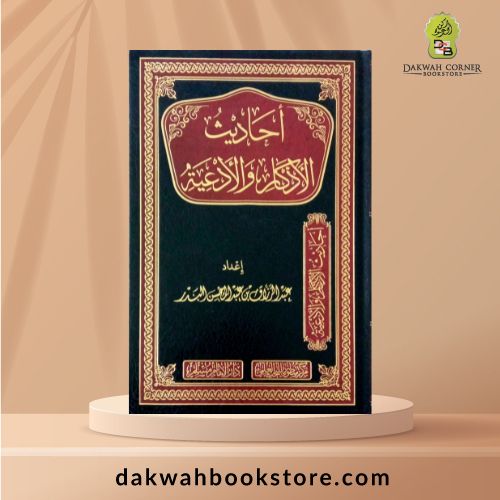
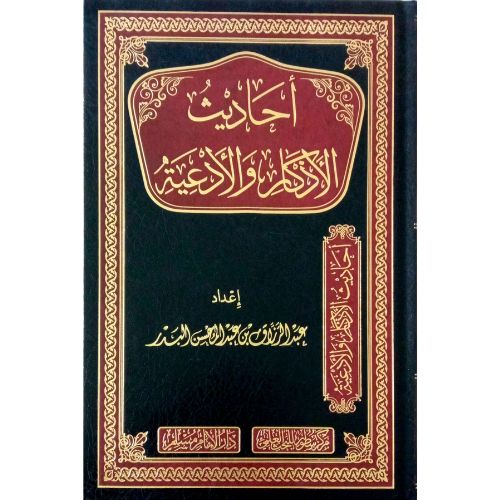
[AH] Ahadith Al Adhkar Wal Adiayah /احاديث الاذكار والادعية
مجموعة من الأحاديث وشروحها، للشيخ عبد الرزاق البدر، تتناول بشكل رئيسي موضوع الأذكار والأدعية. مفيدة جدًا للطالب، جزاه الله خيرًا.

طبعة جميلة تتضمن بعض الحركات على متنها وجميع الحركات على الحديث.
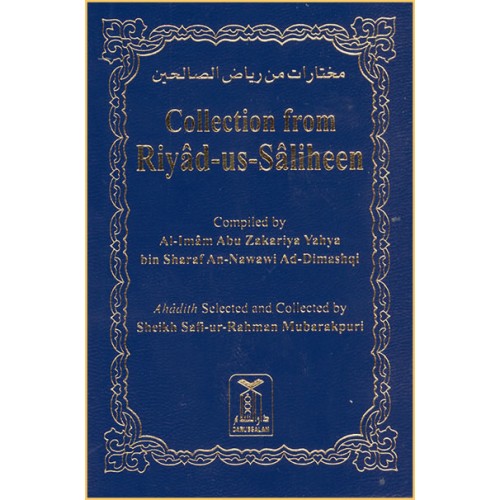
Collection from Riyad-us-Saliheen -Pocket Size (Softback)
This edition of Riyad-us-Saliheen has selected hadith from the full 2 volume edition. It has Arabic text, followed by English translation. It does not contain commentary like the larger editions.
Imam Nawawi was a great scholar of Hadith and Fiqh of his time. He compiled Riyad-us-Saliheen which acclaimed an important position in the Hadith Collections. It is an extremely popular and useful compilation of authentic hadith. Commentaries on the Ahadith were added by Hafiz Salahuddin Yusuf of Pakistan.
Keeping in view the problems of our times, we wished to print a concise volume of Riyad-us-Saliheen. For this volume, Sheikh Safi-ur-Rahman Mubarakpuri has made the selection of Ahddith.
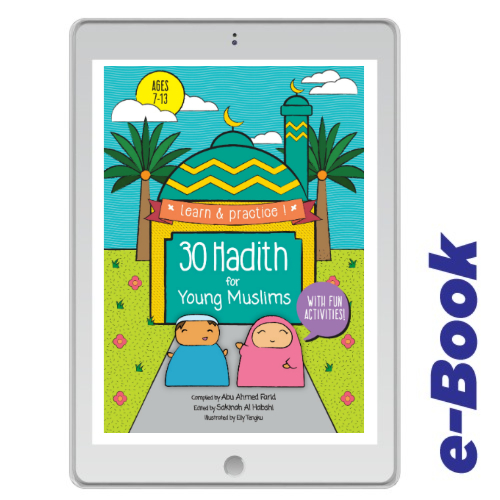
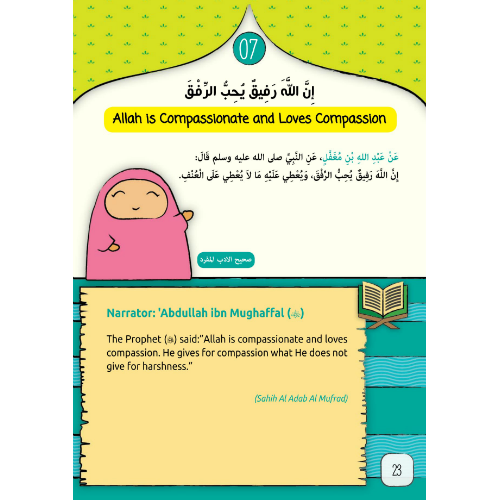
(E-Book) 30 Hadith For Young Muslims
30 Hadith for Young Muslims aims to educate children from their tender age with the sayings of our beloved Prophet Muhammad (PBUH) in a fun, colorful, and simplified modern approach.
Unique features such as lessons, discussion corners, and activities make it an ideal teaching tool for parents, teachers and educational institutions.
Its creative presentation invites readers to grasp the knowledge of the noble hadith and apply them in their lives.
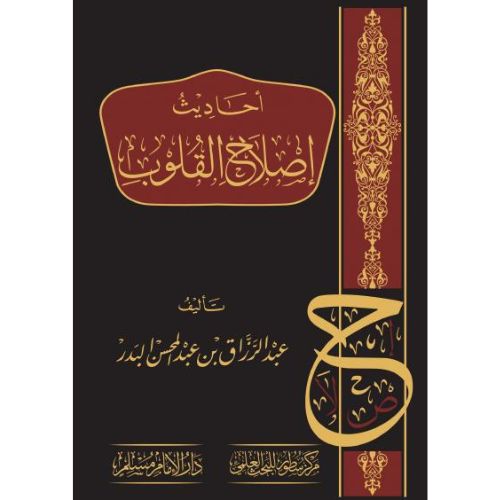
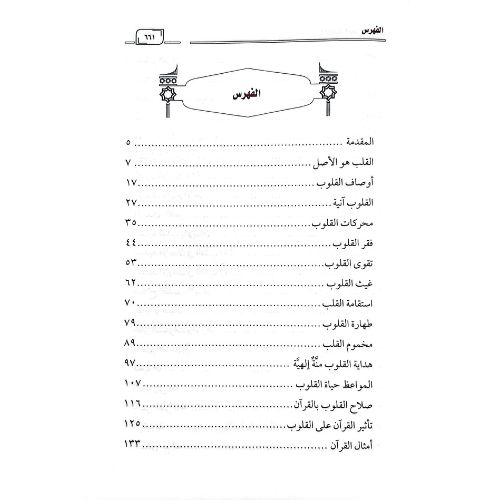
[AH] Ahadith Islah Al Qulub / أحاديث إصلاح القلوب
فإن أولى ما صرفت فيه الهمم والعزائم إصلاح القلوب وعلاجها وحفظ صحتها ودفع أسقامها وحمايتها مما يفسدها، وهو المقصود بالقصد، لعظم خطرها وشدة تأثيرها على الأبدان صلاحا أو فسادا.

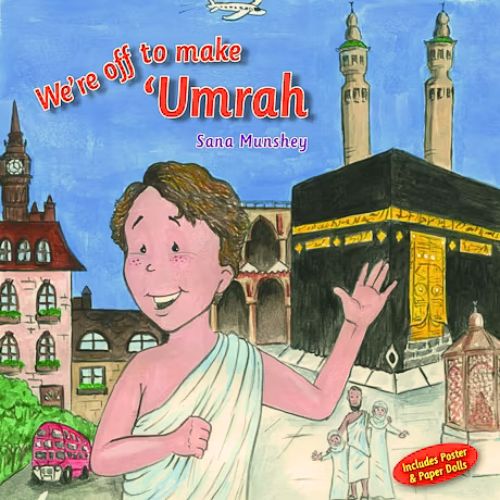
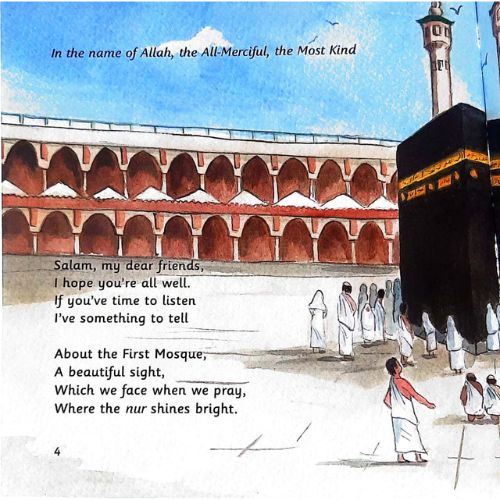
We’re Off to Make ‘Umrah (H/B)
Go on a journey of a lifetime….perform Umrah and visit Madina. Includes poster and paper dolls to enact Performing Umrah!
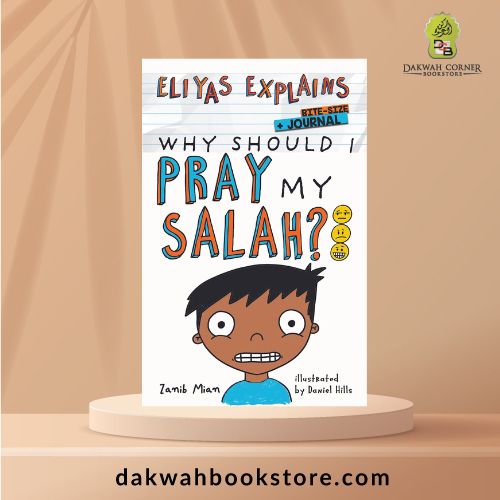
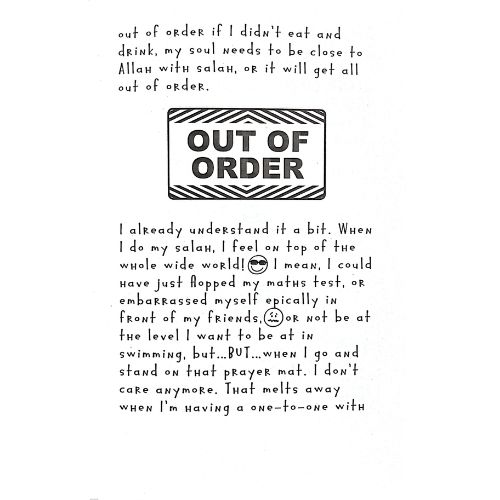
Eliyas Explains Why Should I Pray My Salah: Bitesize + Journal
For anyone who wants to pray, but isn’t motivated enough and for those who pray, but want to enjoy their salah with presence of mind and heart.
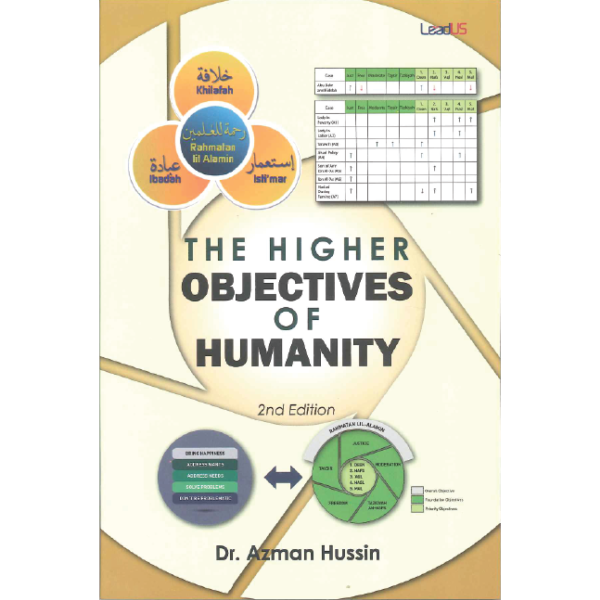
The Higher Objectives of Humanity
A video summary of this book can be found here: https://www.youtube.com/watch?v=YdNQxv_ODdc&t=26s This book discusses the why, what and how of Rahmatan lil-Alamin as the higher objective of humanity. It presents a practical understanding of the purpose of creation and humanity to improve the individual and collective well-being of Muslims and society. The intention is to re-introduce and re-emphasize the correct Islamic perspective of humanity. The first five chapters revisits the common understanding among Muslims as to why mankind is created. We show that the prevalent view that we are created to worship Allah (SWT) is incomplete. There is a higher and more noble purpose; Rahmatan lil-Alamin (mercy to the worlds). We next describe the what of Rahmatan lil-Alamin. The best role model of Rahmatan lil-Alamin is undoubtedly Prophet Muhammad (SAW), the last and final prophet and messenger, whom Allah (SWT) sent with a very clear purpose, “And We have not sent you but as a mercy to the worlds.” [21:107]. We present many examples from the history of Prophet Muhammad (SAW) and a collection of his (SAW) sayings and advice on being the best. The final chapters of the book deal with the how of Rahmatan lil-Alamin. We describe in detail how the Muslim can apply Rahmatan lil-Alamin daily in his or her life. We propose a practical model of Rahmatan lil-Alamin that we induced from the Quran. We also addressed how to apply Rahmatan lil-Alamin to a broader society by proposing a decision-making tool that can guide us as persons and as communities to make decisions that conform to the foundations and priorities of Rahmatan lil-Alamin. We present case studies from the history of the Companions using this decision-making model. This book seeks to establish a connection between Islam and civilization within a civilizational and ethical framework. We believe that a more proper and complete understanding of the Islamic view about humanity may present to us new perspectives of Islam and how Muslims should engage with fellow Muslims and people of other faiths. In fact, the implication of this new reinterpretation framework goes even further in that: any human civilization built on this framework is the most prosperous for the whole and also for the individuals in it.
There are no reviews yet.