

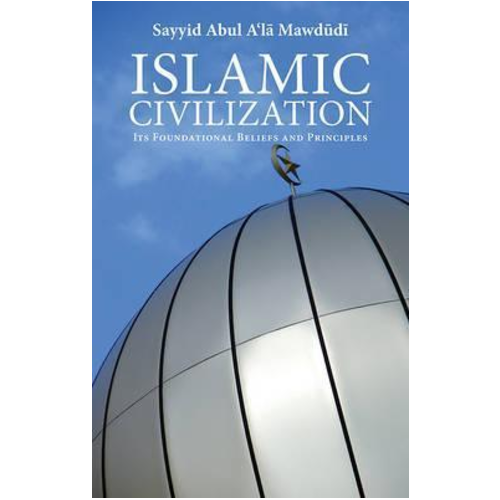
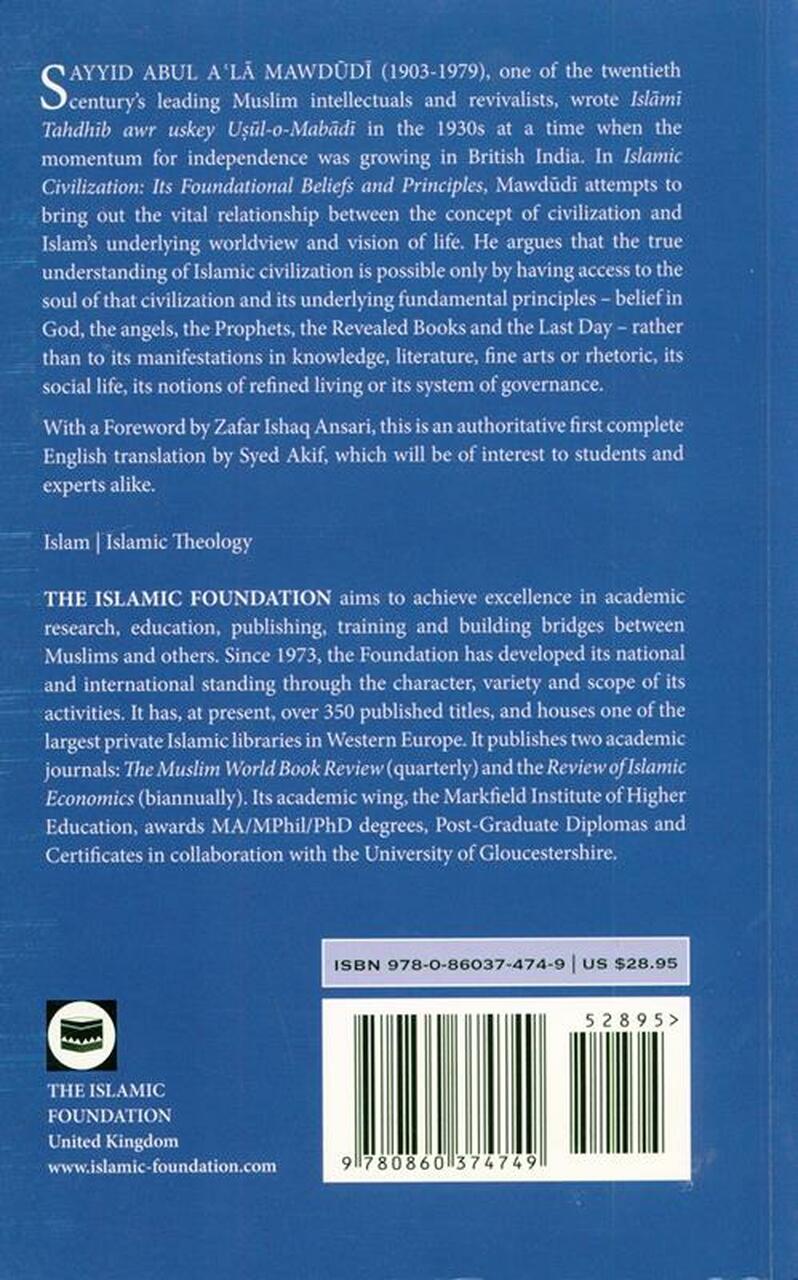
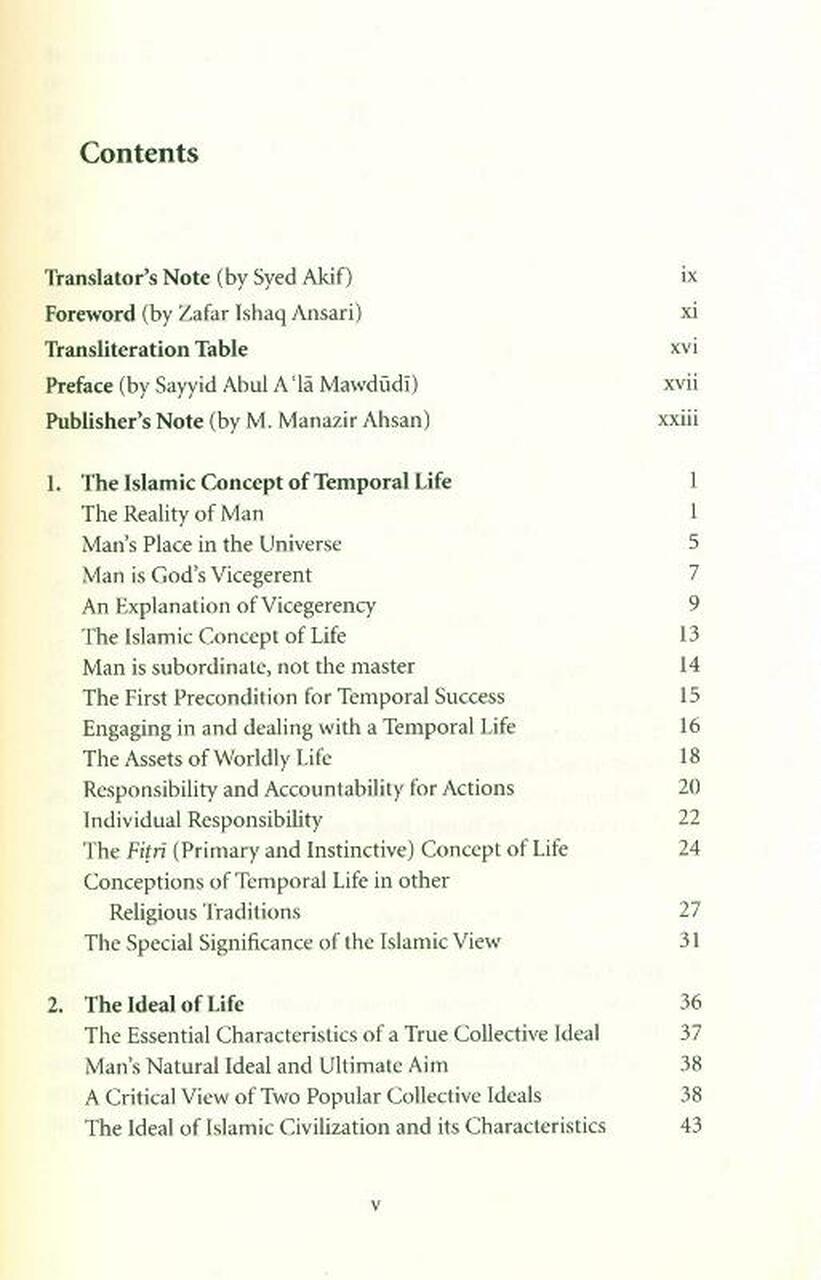
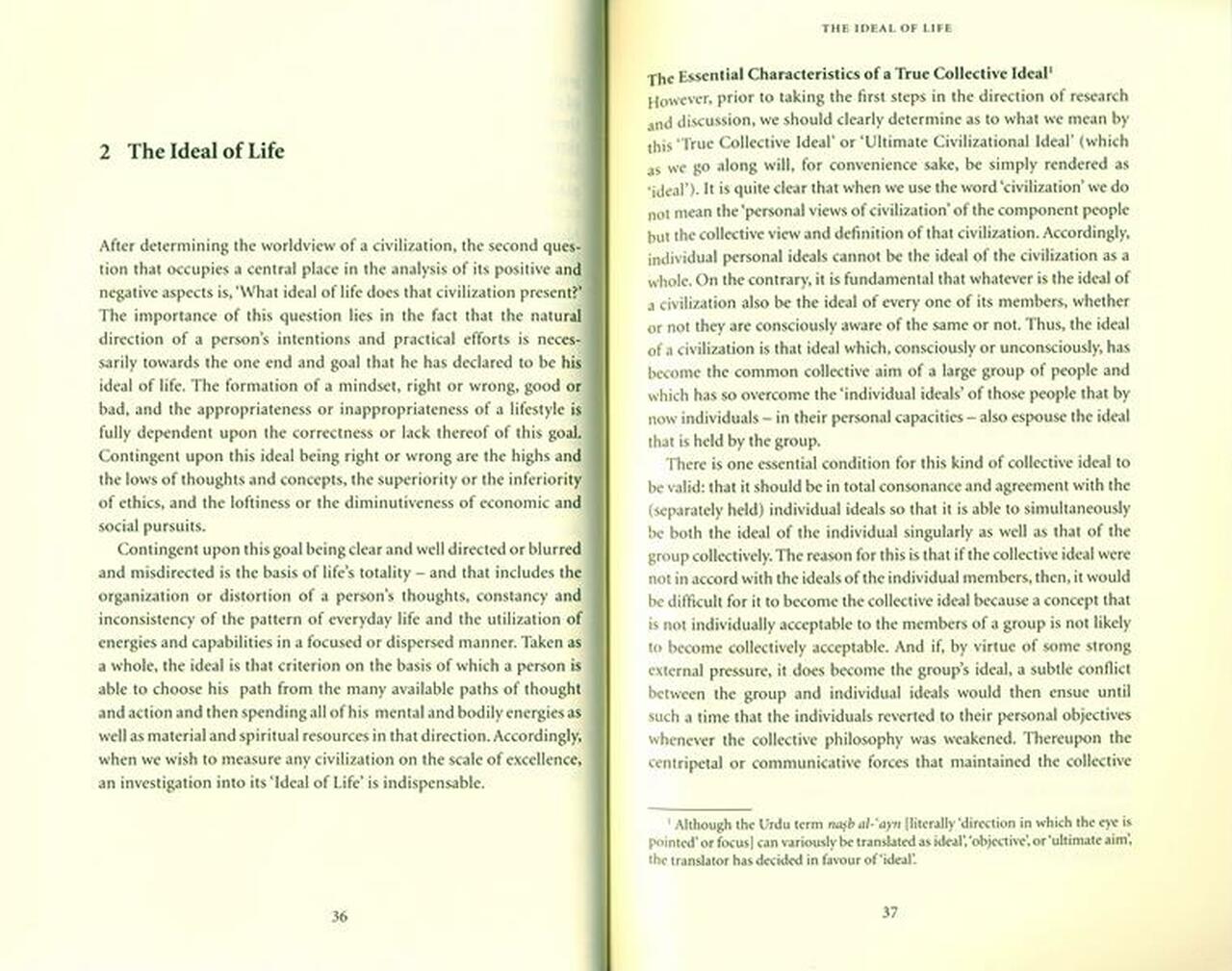
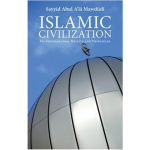
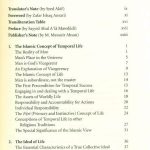
Sayyid Abul A’la Mawdudi (1903-79), one of the twentiet-century’s leading Muslim intellectuals and revivalists, wrote Islami Tahdhib awr uskey Usul-o-Mabadi in the 1930s at a time when the momentum for independence was growing in British India. In Islamic Civilization: Its Foundational Beliefs and Principles, Mawdudi attempts to bring out the vital relationship between the concept of civilization and Islam’s underlying worldview and vision of life. He argues that the true understanding of Islamic civilization is possible only by having access to the soul of that civilization and its underlying fundamental principles – belief in God, the angels, the Prophets, the Revealed Books and the Last Day – rather than to its manifestations in knowledge, literature, fine arts or rhetoric, its social life, its notions of refined living or its system of governance.
Islamic Civilization : Its Foundational Beliefs and Principles
RM112.00
| Weight | 0.370 kg |
|---|---|
| Dimensions | 21.5 × 14 × 1.5 cm |
| Author | |
| Binding | Paperback |
| ISBN | 9780860374749 |
| Pages | 260 |
| Publisher | The Islamic Foundation |
Be the first to review “Islamic Civilization : Its Foundational Beliefs and Principles” Cancel reply
You must be logged in to post a review.
Related Products
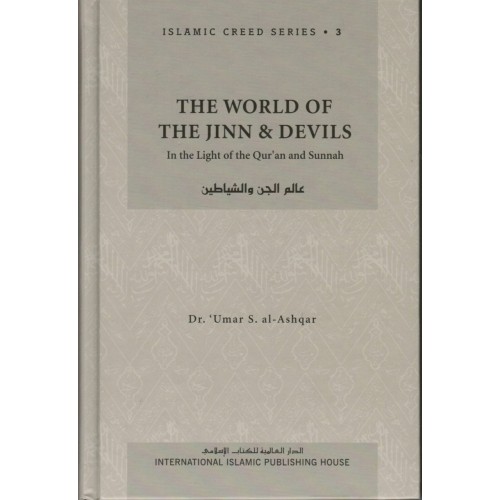
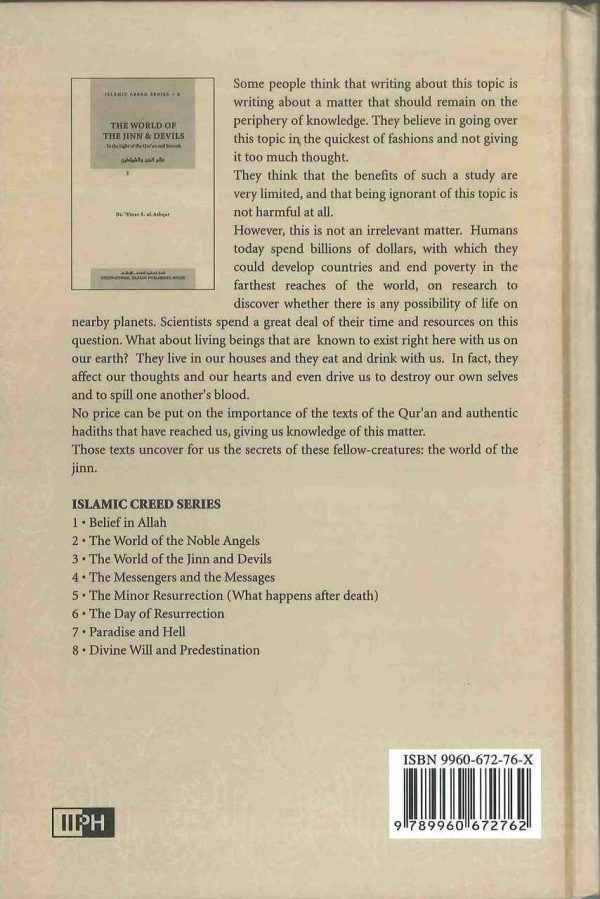
The World Of The Jinn & Devils – Islamic Creed Series 3
Aqidah and Creed
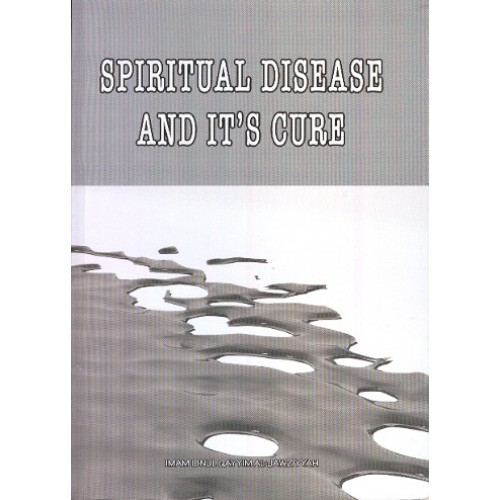
Spiritual Disease and It’s Cure
The Imam was asked a long question of which a part was – What is the opinion of the scholars regarding a man who is afflicted by a disease, and knows that if it should continue it would damage his life? The Imam Quoted the Hadith from Sahih Bukhari The prophet (S) said: ‘Allah has appointed a remedy for every disease He has sent down’ Imam Ahmad reported on the authority of Usamah bin Shareek that the ‘ Prophet (S) said Allah has not made a disease without providing a remedy for it, wih the exception of one disease, namely old age’ This Applies to the medicine for the heart, soul and body. The well being of the servant’s heart, is far more important than that of his body, for while the well being of his body enables him to lead a life that is free from illnesses in this world, that of the heart ensures him both a fortunate life in this world and eternal bliss in the next.
Imam Ibn al-Qayyim al-Jawziyya was born into a scholarly and virtuous family in 691 AH/ 1292 A.D. At that time Damascus was a centre of literature and thought. Many schools were located there and he studied and graduated under the protection, direction and sponsorship of his father. He was particularly influenced by his Shaykh and teacher Imam Ibn Taymiyyah, and also by Ibn ash-Shirazi amongst others. Ibn al-Qayyim al-Jawziyya died in the city of Damascus the year 751 AH/1350 C.E.,when he was scarcely 60 years old, and was buried at the cemetery of Bab- al-Saghir, near the grave of his father – Rahimahuma Allah.
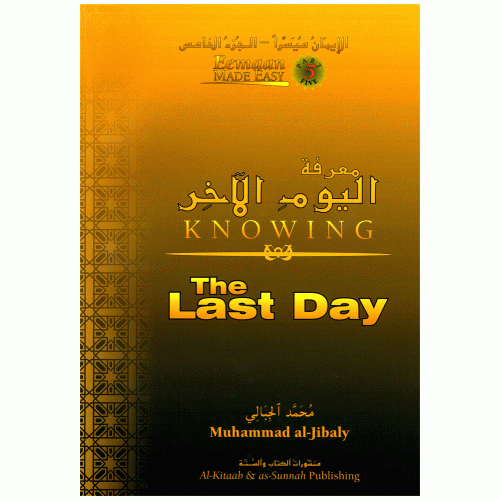
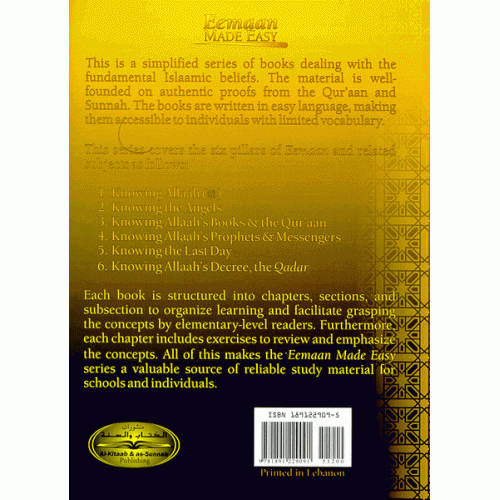
Knowing The Last Day (P/B) (Eeman Made Easy Series)
This is a simplified series of books dealing with the fundamental Islaamic beliefs. The material is well-founded on authentic proofs from the Qur’aan and Sunnah. The books are written in easy language, making them accessible to individuals with limited vocabulary.
Each book is structured into chapters, sections, and subsection to organize learning and facilitate grasping the concepts by elementary-level readers. Furthermore, each chapter includes exercises to review and emphasize these concepts. All of this makes the Eemaan Made Easy series a valuable source of reliable study material for schools and individuals.
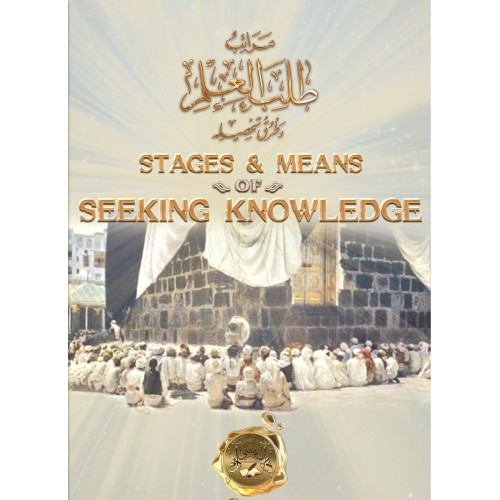
Stages & Means of Seeking Knowledge (P/B)
a small excerpt from the book:
“And those who disbelieve say: “Why is not the Quran revealed to him all at once?” Thus (it is sent down in parts), that We may strengthen your heart thereby. And We have revealed it to you gradually, in stages.”[1]”[2]
Al-Zarnooji -rahimahullah- said, “Imam Sharf ul-Din al-Uqayli – rahimahullah- used to say, “My opinion regarding learning knowledge is in agreement with what our teachers taught us. They used to teach beginners level one books because they are understandable, easy to memorize, enjoyable, and common. A beginner should not write down something he does not understand because it numbs the intelligence and is a waste of time. Instead, a beginner should focus on the task of understanding his teacher through deep thinking and repetition. Significantly, the smaller the portion in one class with repetition the more progress in understanding. A famous saying states: Memorizing two letters is better than hearing two loads, and understanding two letters is better than memorizing two loads.”[3]
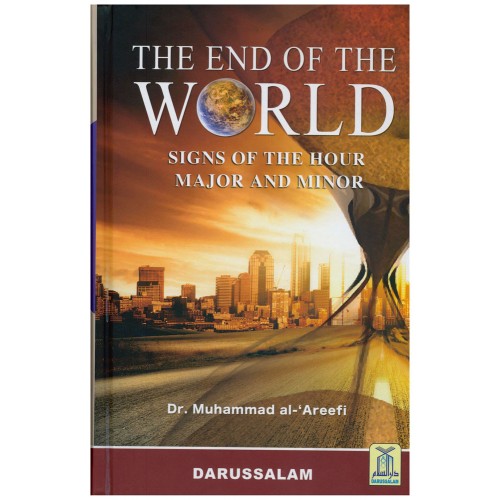
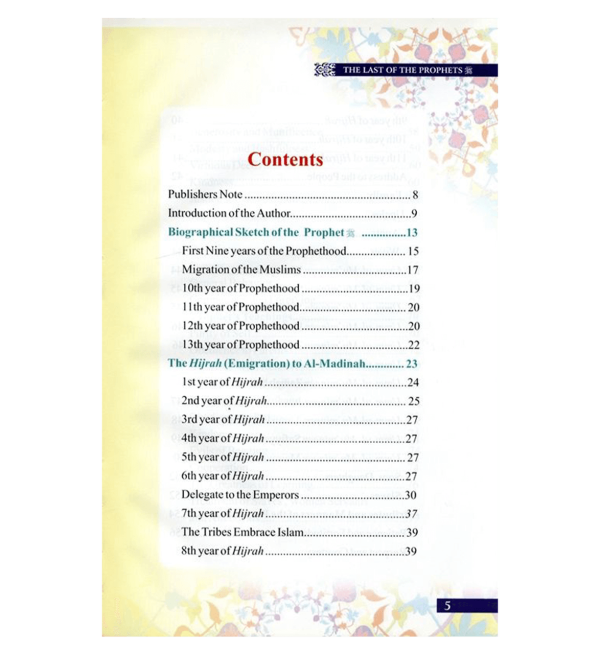
End of the World – Darussalam
In recent times things have become very confusing and we have begun to see in book stores and on websites speculations about future events, based on ayah and hadeeths which refer to these future events concerning the signs of the Hour.
Sometimes you hear about the appearance of the Mahdi, sometimes you hear that the final battle between the Good and the Evil is close at hand, other time you hear some thing happening in the East or in the West.
So, learn about the Final hour and it signs by reading this book which is backed by proofs from Quran and Hadith.
A Concise Presentation Of The Creed Of Ahlul Sunnah Wal Jama’ah
A Concise presentation of THE CREED OF AHLUS SUNNAH WAL-JAMA’AH: is an explanation on the beliefs of the Pious Predecessors of this Ummah. They include the companions, their followers and successors who have followed them in goodness and those who upheld the real and true Islam brought by the last Prophet Muhammad SAW.
Indispensable Implication of Sunnah (P/B)
The author has discusses the topic of innovation in Islam. For example, he proves that celebrating the Prophet’s birthday is not right according to the Qur’an and Sunnah.
Who Is Allah? (H/B)
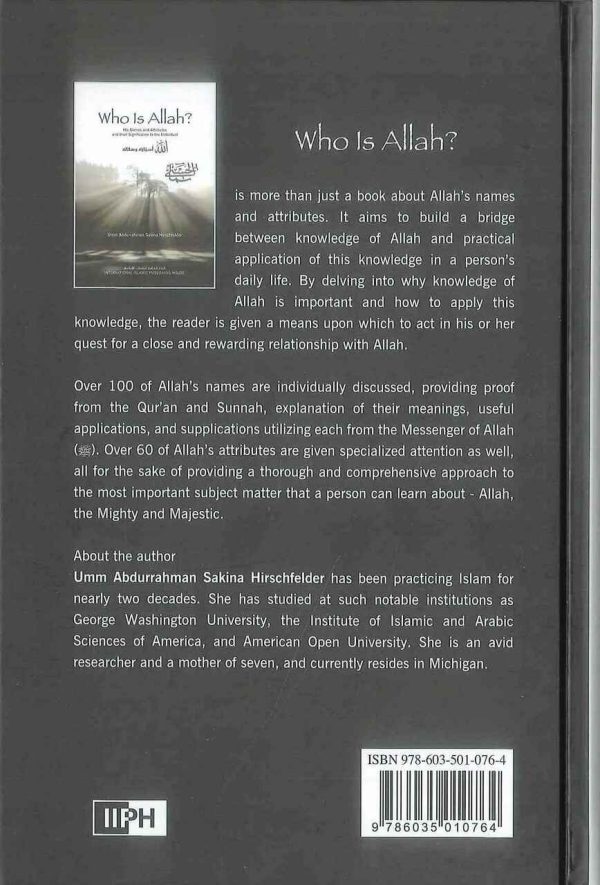
Who is Allah? is more than just a book about Allah’s names and attributes. It aims to build a bridge between knowledge of Allah and practical application of this knowledge in a person’s daily life. By delving into why knowledge of Allah is important and how to apply this knowledge, the reader is given a means upon which to act in his or her quest for a close and rewarding relationship with Allah.
Over 100 of Allah’s names are individually discussed, providing proof from the Qur’an and Sunnah, explanation of their meanings, useful applications, and supplications utilizing each from the Messenger of Allah. Over 60 of Allah’s attributes are given specialized attention as well, all for the sake of providing a thorough and comprehensive approach to the most important subject matter that a person can learn about – Allah, the Mighty and Majestic.
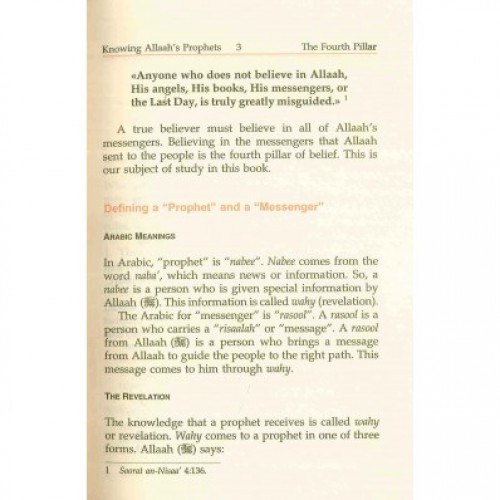
Knowing Allaah’s Prophets and Messengers (P/B) (Eeman Made Easy Series)
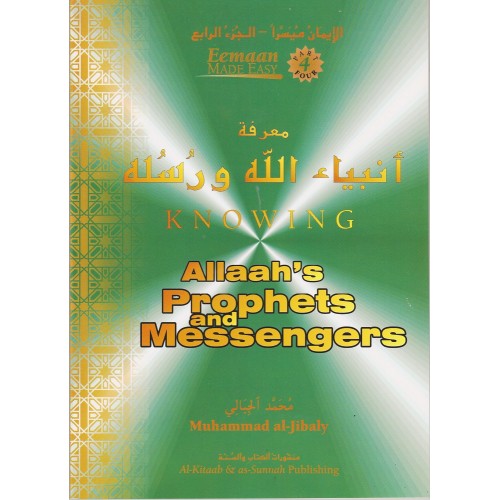
This is a simplified series of books dealing with the fundamental Islaamic beliefs. The material is well-founded on authentic proofs from the Qur’aan and Sunnah. The books are written in easy language, making them accessible to individuals with limited vocabulary.
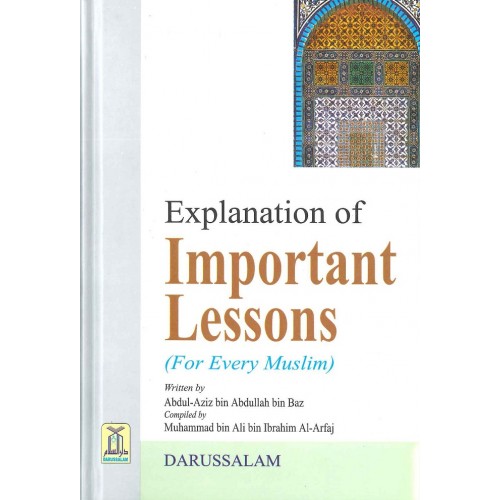
Explanation of Important Lessons (For Every Muslim) (H/B)
This book is a short work to explain what every Muslim needs to know about the religion of Islam. It covers many lessons under 18 chapters.
Recently Viewed
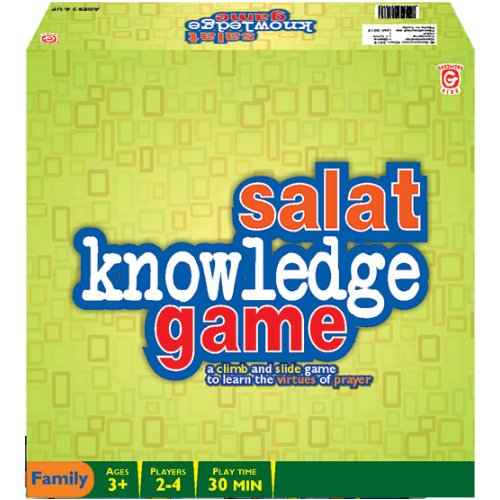
Salat Knowledge Game
The Salat Knowledge Game is suitable for 2 to 4 players aged three and above. In this game of slides and ladders, you spin the wheel and race to the finish before your friend reaches there. Along the way you learn the meaning and message of salat, that is, the five daily prayers. If you miss a prayer, you go down through the slippery slide, but if you offer it on time and with care, you climb up the ladder. And that is not all. There are chances to win a Salat Card too. Answer the question given on the card correctly and increase your knowledge about the five daily prayers. In this way, you don’t just try to run for the finish line, but learn all about salat as well. Isn’t this a fun way to play and learn!

The Middle Path of Moderration in Islam (H/B)
In The Middle Path of Moderation in Islam, leading Islamic law expert Mohammad Hashim Kamali examines the concept of wasatiyyah, or moderation, arguing that scholars, religious communities, and policy circles alike must have access to this governing principle that drives the silent majority of Muslims, rather than focusing on the extremist fringe. Kamari explores wasatiyyah in both historical/conceptual terms and in contemporary/practical terms. Tracing the definition and scope of the concept from the foundational sources of Islam, the Qu’ran and Hadith, he demonstrates that wasatiyyah has a long and well-developed history in Islamic law and applies the concept to contemporary issues of global policy, such as justice, women’s rights, environmental and financial balance, and globalization.
Framing his work as an open dialogue against a now-decades long formulation of the arguably destructive Huntingtonian “clash of civilizations” thesis as well as the public rhetoric of fear of Muslim extremism since the attacks of September 11, 2001, Kamali connects historical conceptions of wasatiyyah to the themes of state and international law, governance, and cultural maladies in the Muslim world and beyond. Both a descriptive and prescriptive meditation on a key but often neglected principle of Islam, The Middle Path of Moderation in Islam provides insight into an idea that is in the strategic interest of the West both to show and practice for themselves and to recognize in Muslim countries.
Master Tawheed in 24 Hours
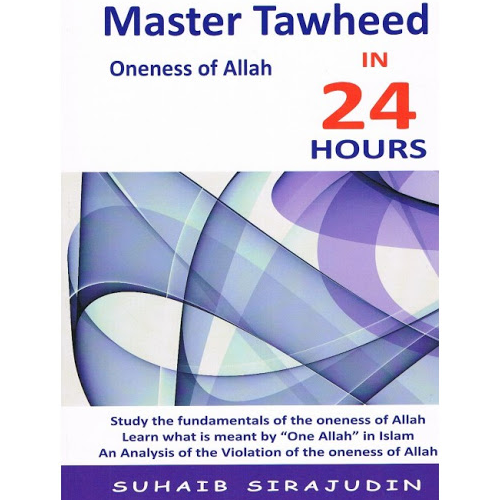
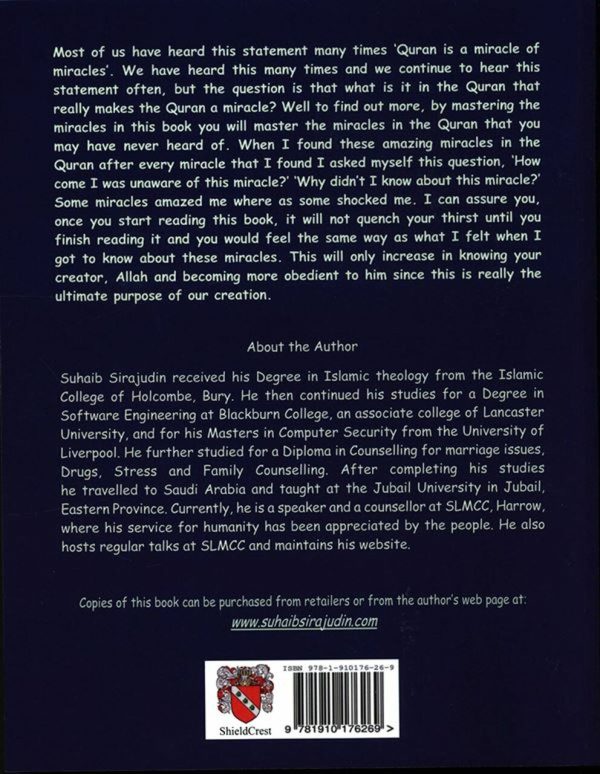
The first question we will be asked in our grave will be about our Lord. This in itself is sufficient to show you the importance of this book. The book that you are holding is nothing more than a summary of the principles of what is truly meant when we declare the oneness of God! If you master these principles, you will be protected from many doubts that may arise due to either cultural interference or ignorance. It is a manual explaining how to protect your most valuable gift The Faith.
The Ruling Concerning the Celebration of Mawlid an-Nabi (2nd edition)
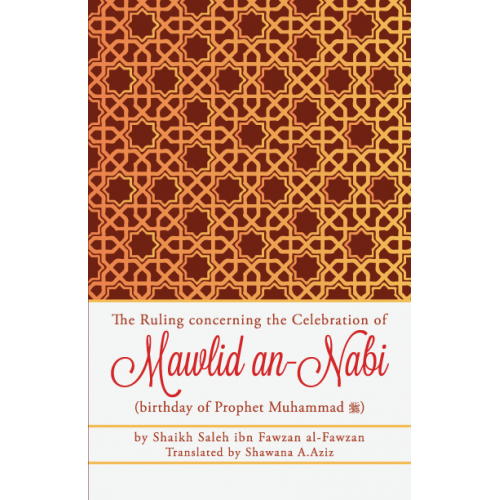
In this book, is an explicit CLARIFICATION of the MAJOR DOUBTS raised by the proponents of Mawlid an-Nabi, including:
- Mawlid an-Nabi is honoring the Prophet.
- Mawlid an-Nabi is celebrated by a large number of the people in many towns and cities.
- Commemorating Mawlid an-Nabi renews the memories of the Prophet.
- Celebration of Mawlid an-Nabi is cut of love for the Prophet and an expression of ones love, which is permissible.
- Mawlid an-Nabi is a Bidah Husna (good innovation) because it is a means of showing gratitude towards Allah for sending the Prophet.
- The sayings of Umar, ‘What a good Bidah is this?’
Additional quotes by Shaikh Muhammad ibn Ibraheem Aal-Shaikh have been added to further clarify these issues. The booklet also as 2 valuable appendixes:
Appendix 1: Explanation of the Hadeeth,”He, who established/initiates a Sunnah Husna in Islam.” in the word o Shaikh Saleh al-Fawzan and Shaikh Muhammad ibn al-Uthaimeen (rahimahullah)
Appendix 2: A Dialogue between Shaikh al-Albani (rahimahullah) and a proponent of Mawlid.

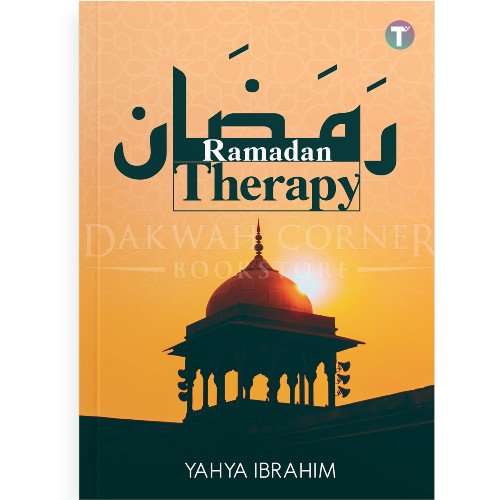
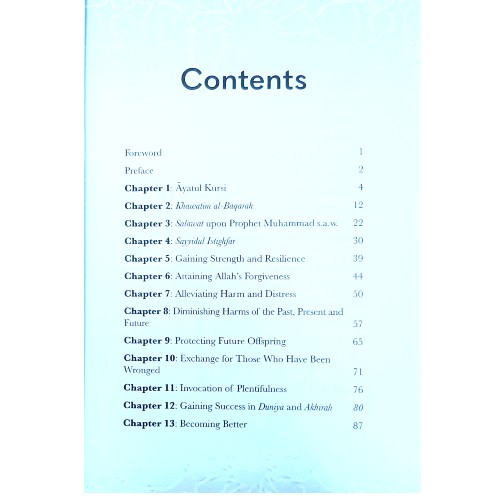
Ramadan Therapy
For every situation, Prophet Muhammad S.A.W. has prescribed various Du’a that can be read throughout Ramadan and even after it, as a form of therapy. It is with hope and faith that positive changes can come out of this beloved month of Ramadan to those who seek it.
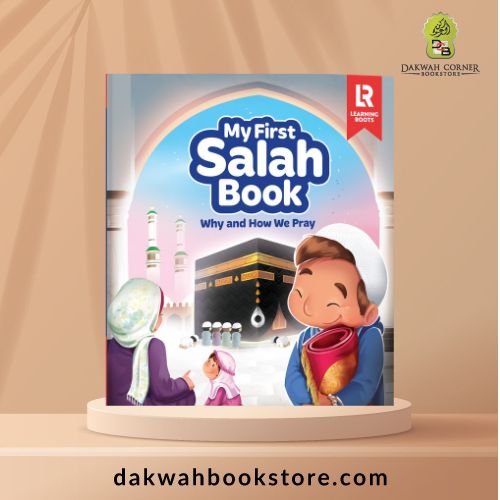
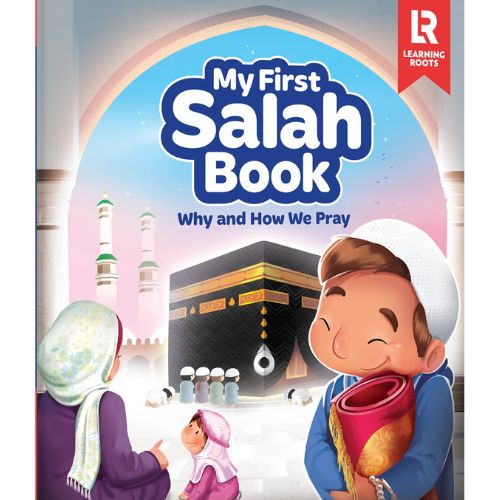
My First Salah Book: Why and How We Pray
Why We Pray: This book helps kids understand why we pray before teaching them how, making Salah more meaningful.
There are no reviews yet.