

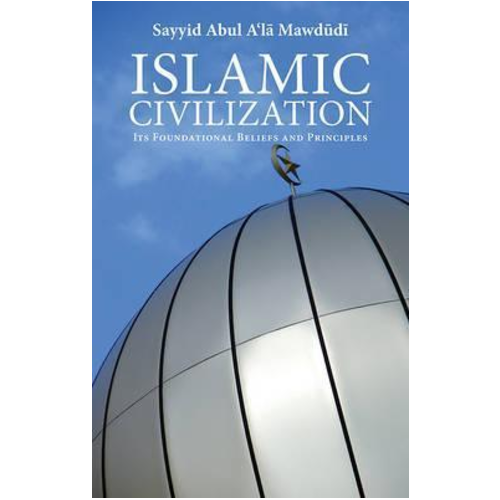
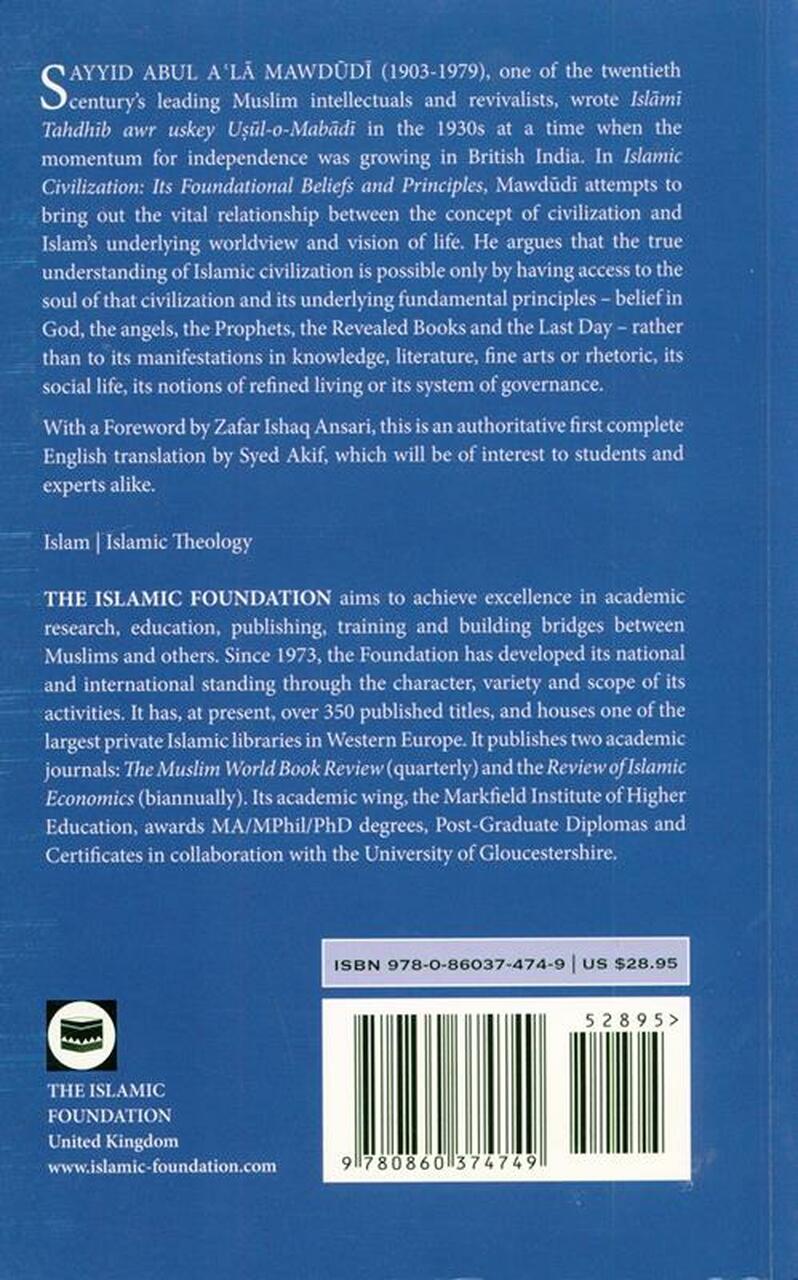
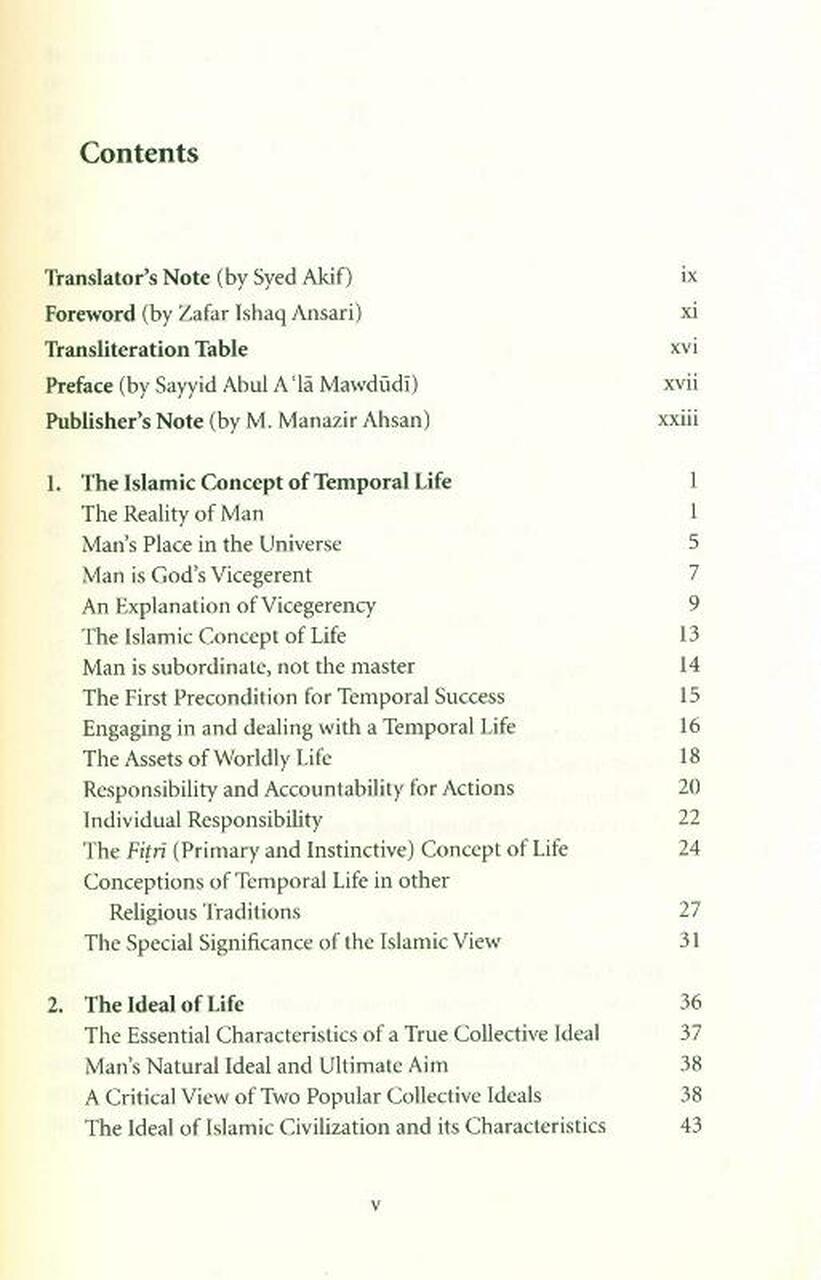
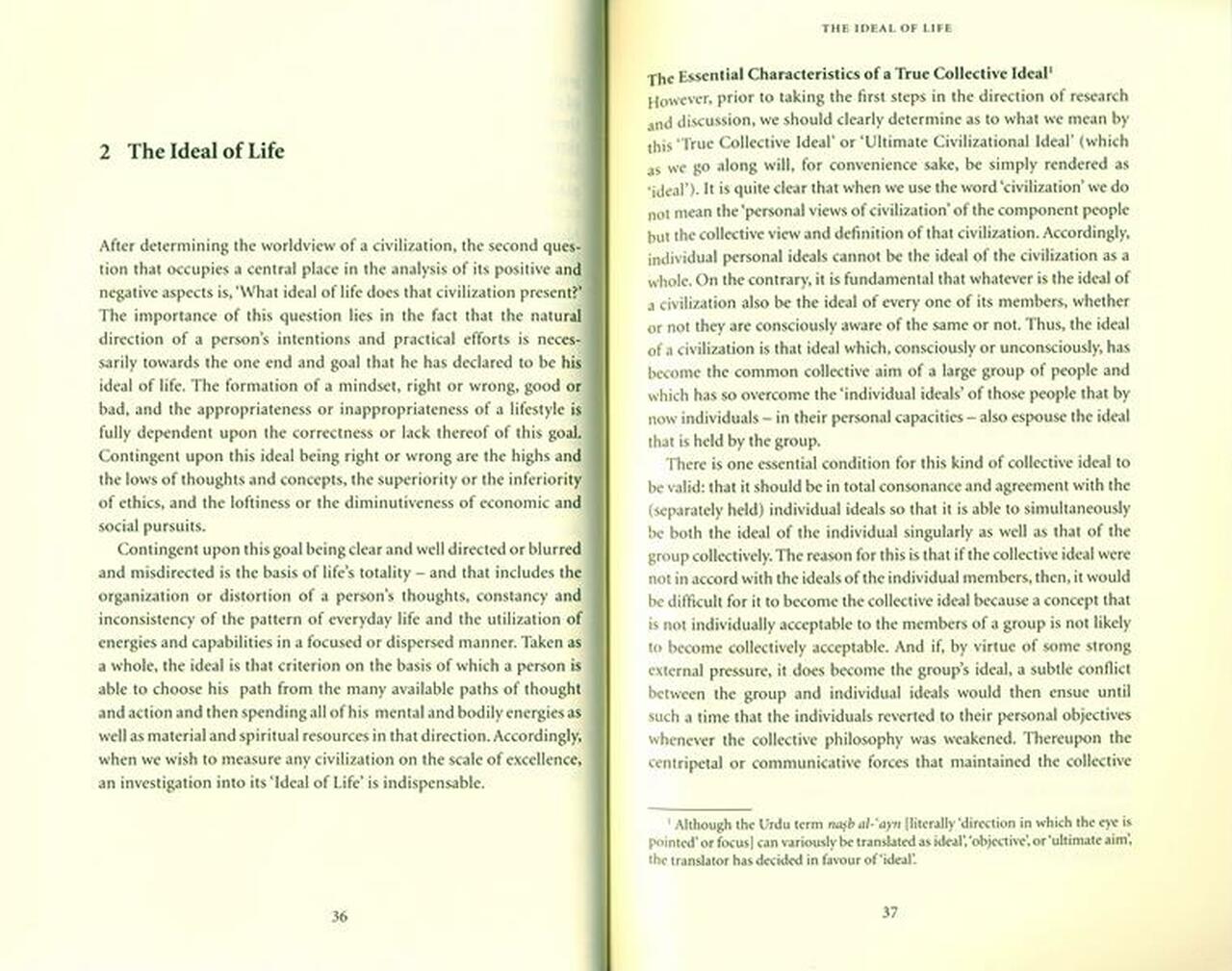
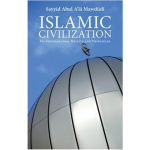
Sayyid Abul A’la Mawdudi (1903-79), one of the twentiet-century’s leading Muslim intellectuals and revivalists, wrote Islami Tahdhib awr uskey Usul-o-Mabadi in the 1930s at a time when the momentum for independence was growing in British India. In Islamic Civilization: Its Foundational Beliefs and Principles, Mawdudi attempts to bring out the vital relationship between the concept of civilization and Islam’s underlying worldview and vision of life. He argues that the true understanding of Islamic civilization is possible only by having access to the soul of that civilization and its underlying fundamental principles – belief in God, the angels, the Prophets, the Revealed Books and the Last Day – rather than to its manifestations in knowledge, literature, fine arts or rhetoric, its social life, its notions of refined living or its system of governance.
Islamic Civilization : Its Foundational Beliefs and Principles
RM112.00
| Weight | 0.370 kg |
|---|---|
| Dimensions | 21.5 × 14 × 1.5 cm |
| Author | |
| Binding | Paperback |
| ISBN | 9780860374749 |
| Pages | 260 |
| Publisher | The Islamic Foundation |
Be the first to review “Islamic Civilization : Its Foundational Beliefs and Principles” Cancel reply
You must be logged in to post a review.
Related Products
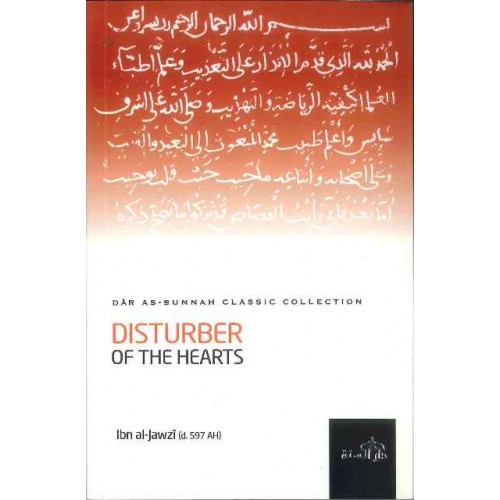
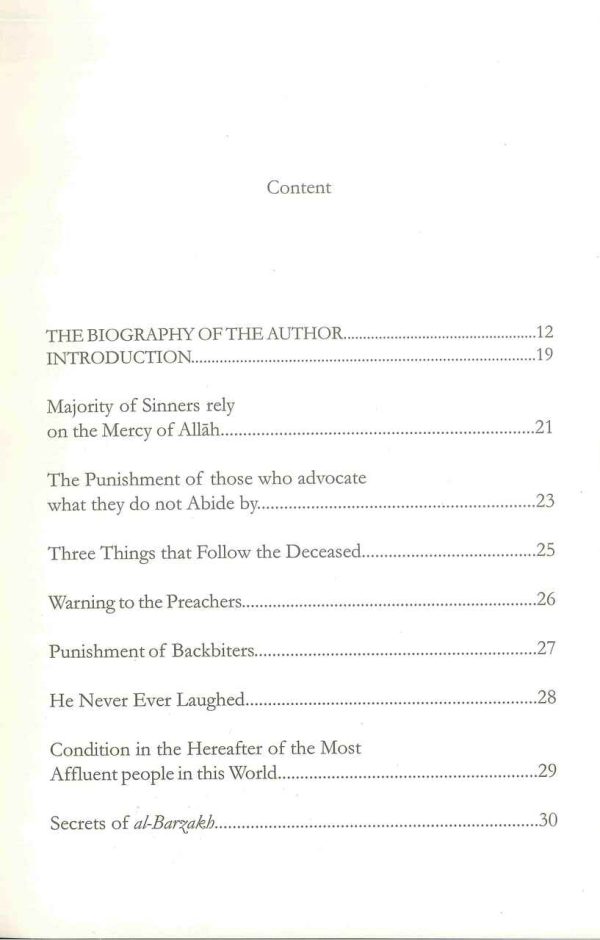
Disturber Of The Hearts
The third masterpiece in the series addresses the disturbing phenomena of unrealistic hope, lack of fear of Allah, and wishful thinking.
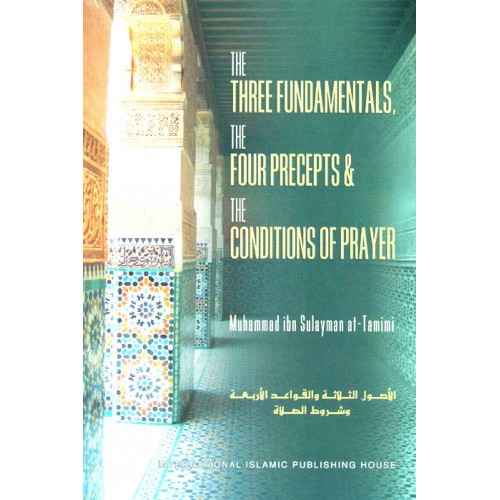
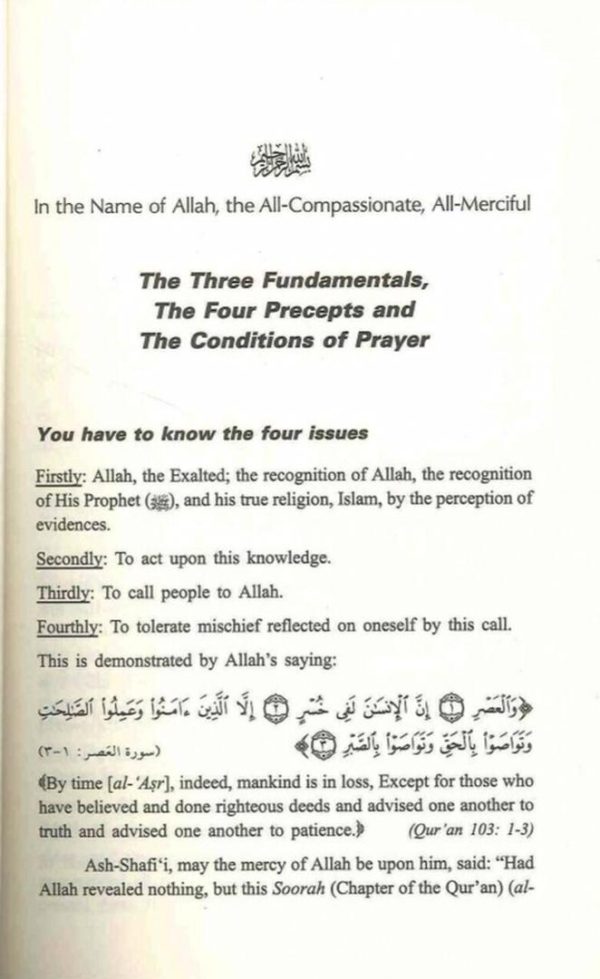
The Three Fundamentals, The Four Precepts & The Conditions Of Prayer (P/B)
(I have only created Jinn and men, but to worship me)
And the most common and lofty way of worship Allah, as we all know, is to pray. Pray, pray, pray.
But how will we react if we find out that after years and years of praying, our prayer is performed incorrectly?!?!
Some of us would be angry… actually, very very angry… while some will be dissappointed and wishing that they knew the correct way of praying earlier…
This book covers all of the guidelines of prayer, and what you need to do before, after, and during prayer, to keep you from that humiliating moment of “learning it the hard way.”
So once this book is between your hands, flip through its thin pages and earn the knowledge of your deen as you sit on the cushions of a warm, comfortable couch.
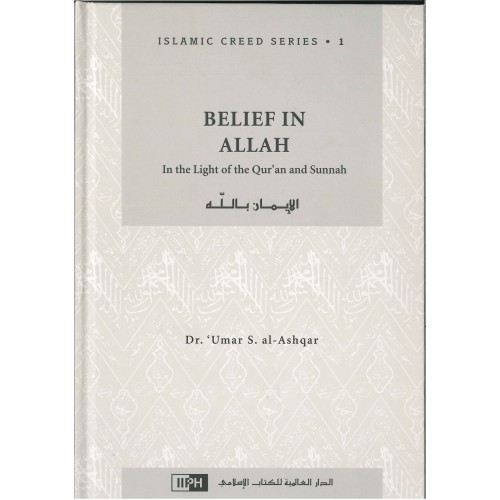
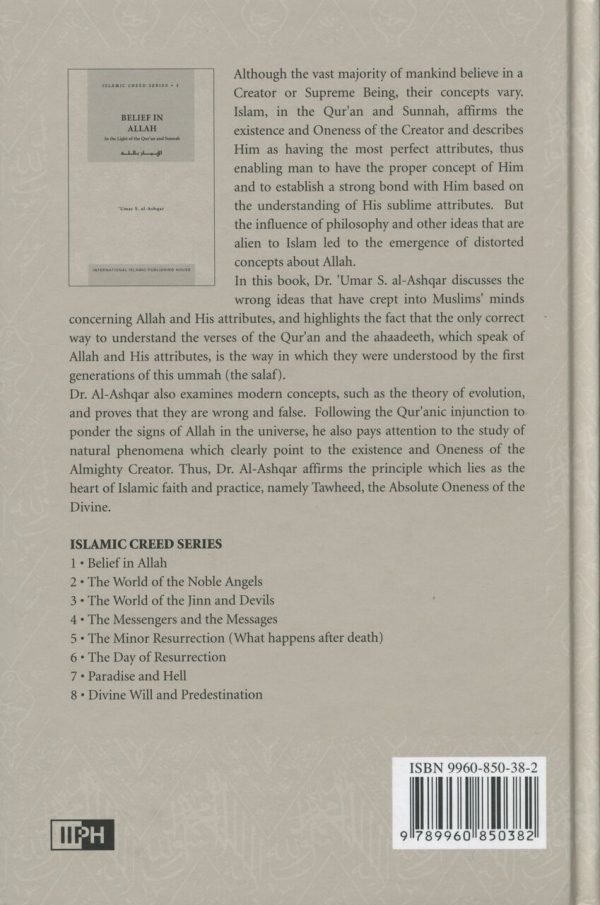
Belief In Allah – Islamic Creed Series 1
Aqidah and Creed
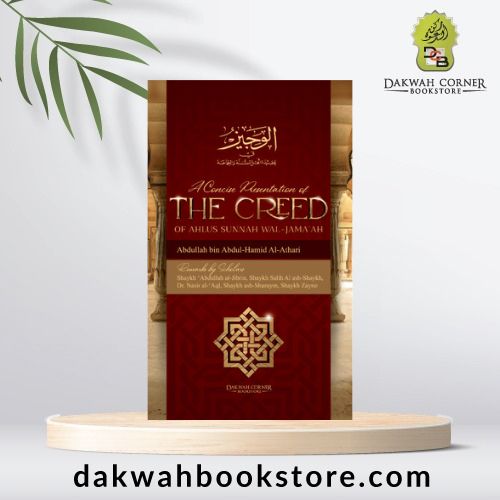
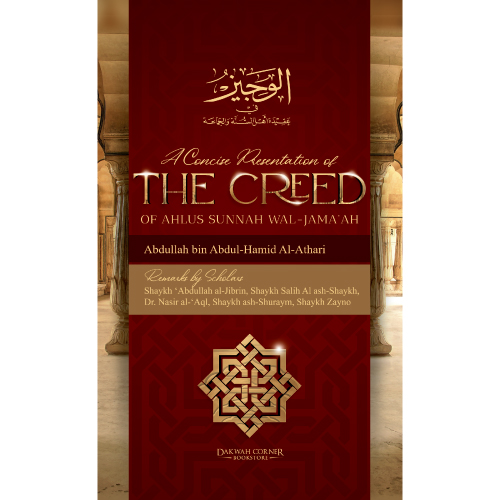
A Concise Presentation Of The Creed Of Ahlul Sunnah Wal Jama’ah
A Concise presentation of THE CREED OF AHLUS SUNNAH WAL-JAMA’AH: is an explanation on the beliefs of the Pious Predecessors of this Ummah. They include the companions, their followers and successors who have followed them in goodness and those who upheld the real and true Islam brought by the last Prophet Muhammad SAW.
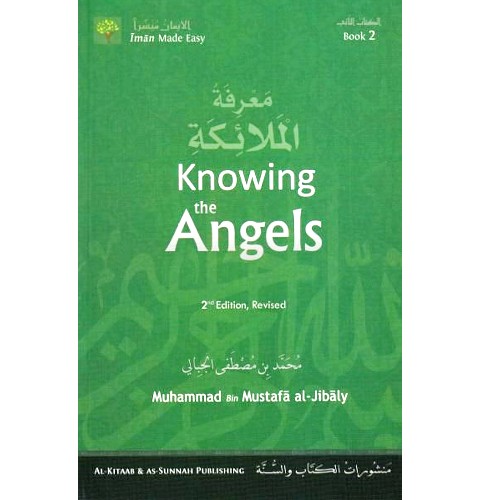
Knowing The Angles: Revised 2nd Edition (P/B) (Eeman Made Easy Series)
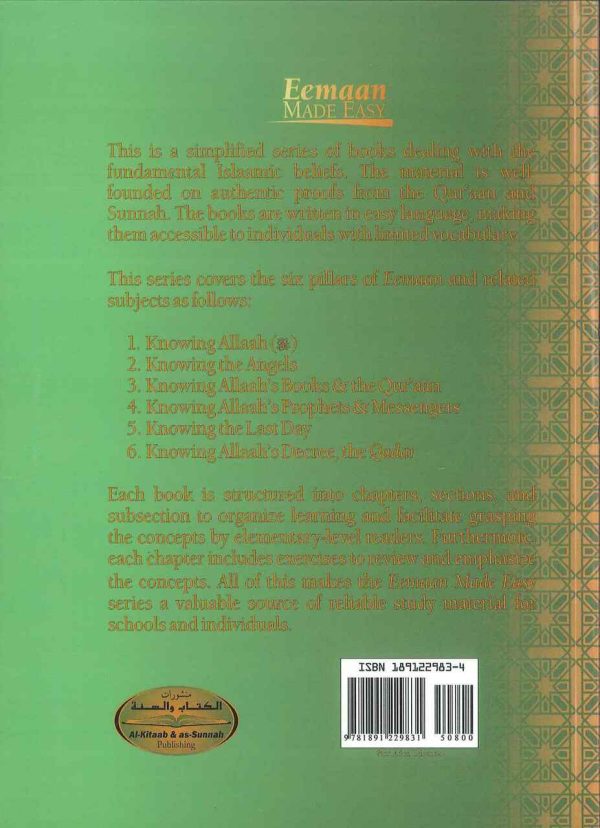
This is book regarding the Angels – Al-Malaika and is part of a simplified series of books dealing with the fundamental Islaamic beliefs – Iman. The material is well-founded on authentic proofs from the Qur’aan and Sunnah. The books are written in easy language, making them accessible to individuals with limited vocabulary.
This series covers the six pillars Imaan and related subjects in 6 books as follows:
- Knowing Allah
- Knowing the Angels
- Knowing Allah’s Books & the Qur’an
- Knowing Allah’s Prophets & Messengers
- Knowing the Last Day
- Believing in Allah’s Decree, Qadar
Each book is structured into chapters, sections, and subsection to organize learning and facilitate grasping the concepts by elementary-level readers. Furthermore each chapter includes exercises review and emphasizes the concepts. All this makes the Emaan Made Easy series a valuable source of reliable study material for schools and individuals.
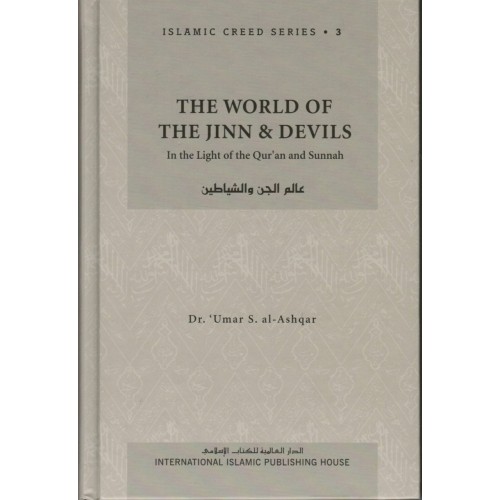
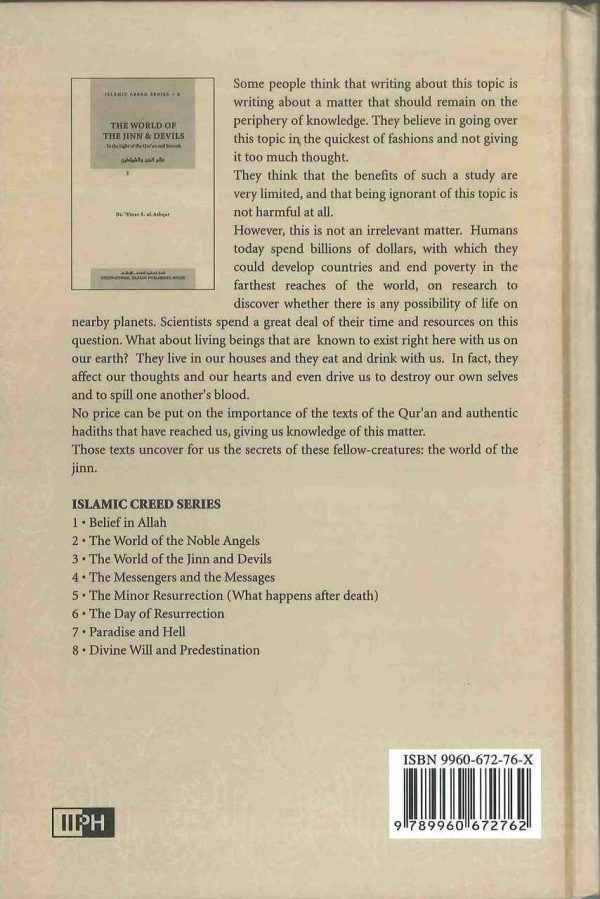
The World Of The Jinn & Devils – Islamic Creed Series 3
Aqidah and Creed
Spiritual Disease and It’s Cure
The Imam was asked a long question of which a part was – What is the opinion of the scholars regarding a man who is afflicted by a disease, and knows that if it should continue it would damage his life? The Imam Quoted the Hadith from Sahih Bukhari The prophet (S) said: ‘Allah has appointed a remedy for every disease He has sent down’ Imam Ahmad reported on the authority of Usamah bin Shareek that the ‘ Prophet (S) said Allah has not made a disease without providing a remedy for it, wih the exception of one disease, namely old age’ This Applies to the medicine for the heart, soul and body. The well being of the servant’s heart, is far more important than that of his body, for while the well being of his body enables him to lead a life that is free from illnesses in this world, that of the heart ensures him both a fortunate life in this world and eternal bliss in the next.
Imam Ibn al-Qayyim al-Jawziyya was born into a scholarly and virtuous family in 691 AH/ 1292 A.D. At that time Damascus was a centre of literature and thought. Many schools were located there and he studied and graduated under the protection, direction and sponsorship of his father. He was particularly influenced by his Shaykh and teacher Imam Ibn Taymiyyah, and also by Ibn ash-Shirazi amongst others. Ibn al-Qayyim al-Jawziyya died in the city of Damascus the year 751 AH/1350 C.E.,when he was scarcely 60 years old, and was buried at the cemetery of Bab- al-Saghir, near the grave of his father – Rahimahuma Allah.
Indispensable Implication of Sunnah (P/B)
The author has discusses the topic of innovation in Islam. For example, he proves that celebrating the Prophet’s birthday is not right according to the Qur’an and Sunnah.
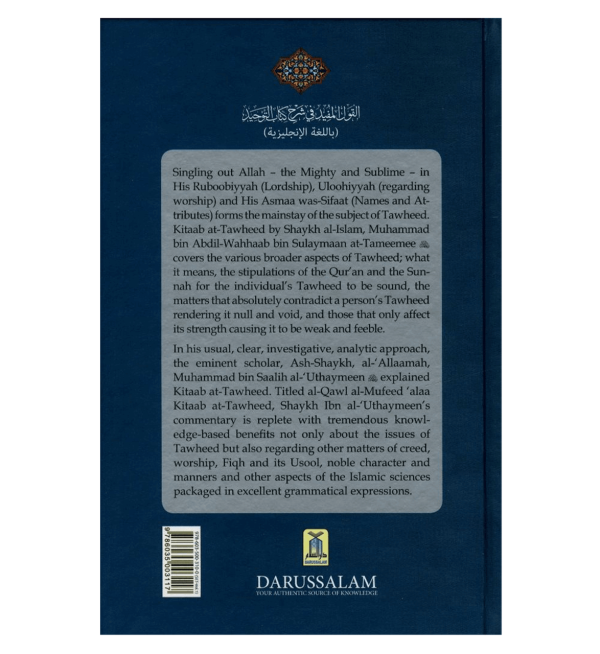
Commentary on Kitab At-Tawheed – 2 Volumes (H/B)
The title of the Arabic explanation by the shaykh is Al Qawl Al Mufeed Alaa Kitaab at-Tawheed.
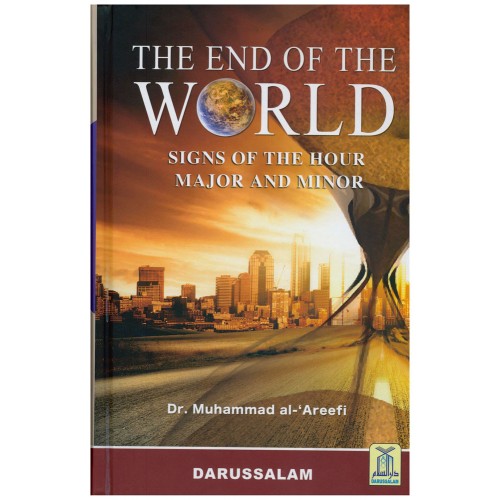
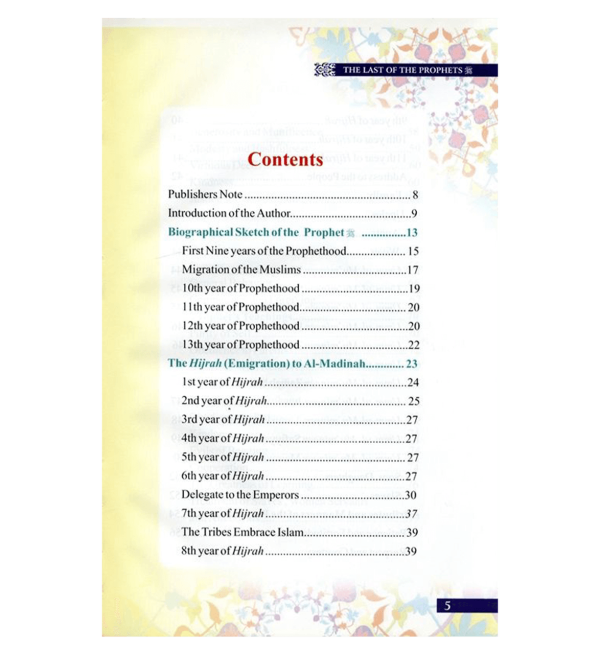
End of the World – Darussalam
In recent times things have become very confusing and we have begun to see in book stores and on websites speculations about future events, based on ayah and hadeeths which refer to these future events concerning the signs of the Hour.
Sometimes you hear about the appearance of the Mahdi, sometimes you hear that the final battle between the Good and the Evil is close at hand, other time you hear some thing happening in the East or in the West.
So, learn about the Final hour and it signs by reading this book which is backed by proofs from Quran and Hadith.
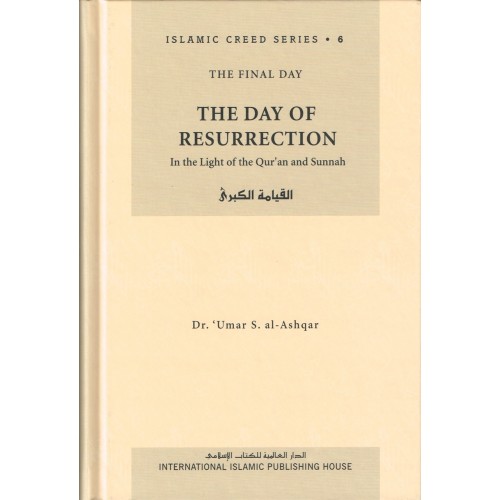
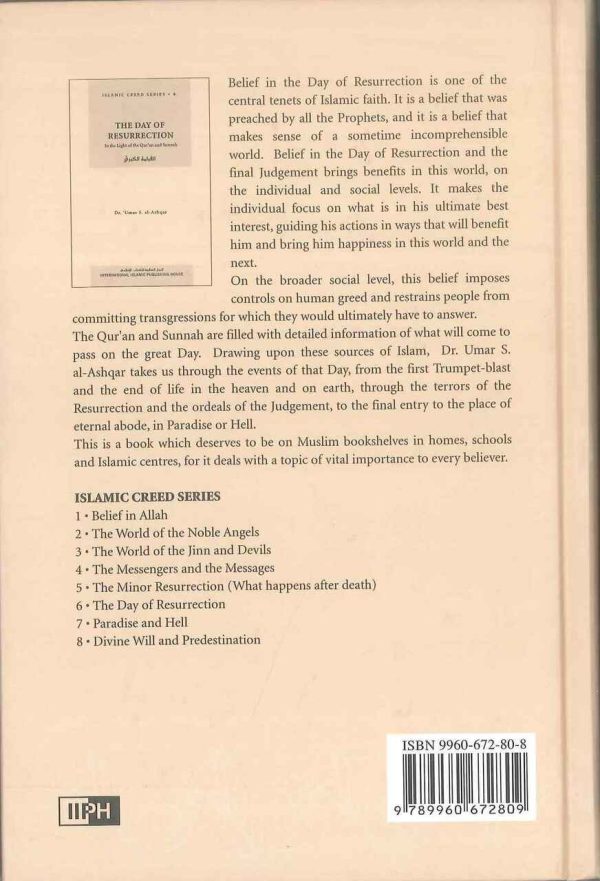
Recently Viewed


The Sources of the Qur’an
“Who is the author of the Qur’an?” On this subject scholars have flagrantly contradicted each other. This work attempts to make a critical review of the major ‘authorship’ theories by pressing into service logical arguments, historical evidence, textual analysis and scientific data. Probably, the only point of agreement about the Qur’an is that it was uttered for the first time by a man who was born in Makkah (Mecca), a city of Arabia, in the sixth century—a man by the name of Muhammad (blessings and peace be upon him). As to the source of the Qur’an, scholars are divided into three main groups: those who believe that Muhammad (blessings and peace be upon him) himself was the author; those who believe that he was not the author himself but learned it from another human author or authors; and those who believe that the Qur’an has no human author but is rather a word-for-word revelation from God. Hamza Njozi examines the three theories and comes to a firm and logical conclusion.
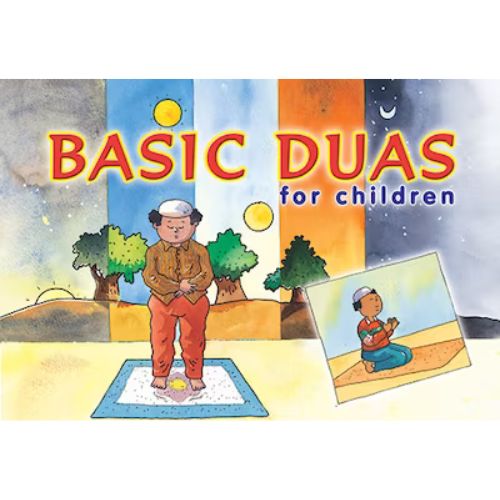
Basic Duas for Childrens


Difference Between Advising And Shaming ( Dar as-Sunnah)
[This book] beautifully illustrates the difference between advising that is encouraged and shaming that is not permitted.

The Problems of the Illegitimate Child (P/B)
This book addresses the views of the Sunni scholars regarding the importance of genealogical relationship (nasab) in Islamic family law and examines the role of legitimacy on the basis of the legal maxim “al-walad li al-firash”, evidence (al-bayyinah), and doubtful intercourse (wat’ shubhah). It also elucidates the views of the Sunni schools of law on how to establish illegitimacy. For the Sunni jurists, there are several situations that determine the illegitimacy of the child. A child is considered illegitimate if its birth is the outcome of adultery (zina) or the result of legitimate union but accompanied with imprecation (li‘an). Other circumstances include the birth of the child taking place in less than six lunar months, the father of the child being categorized as one who is incapable of begetting, or the birth as a result of marital relationship considered unlawful because of consanguinity. The book also deals comprehensively with the moral, religious, legal and other aspects of the illegitimate child and the foundling in the works of the Sunni jurists. The status and rights of the illegitimate child and the foundling in the Islamic family law of Malaysia and Brunei are also discussed by referring to some provisions from Federal Territory Act 1984 (Act 303) and Brunei law.
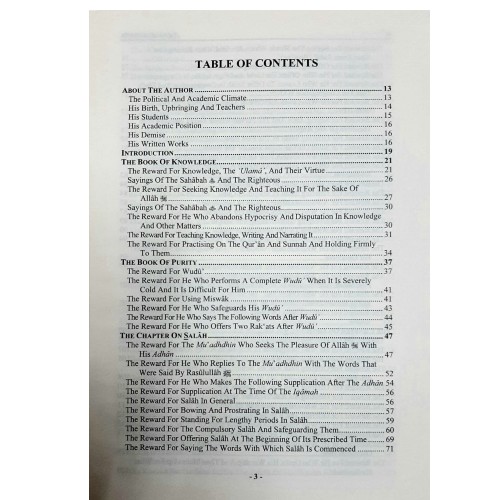

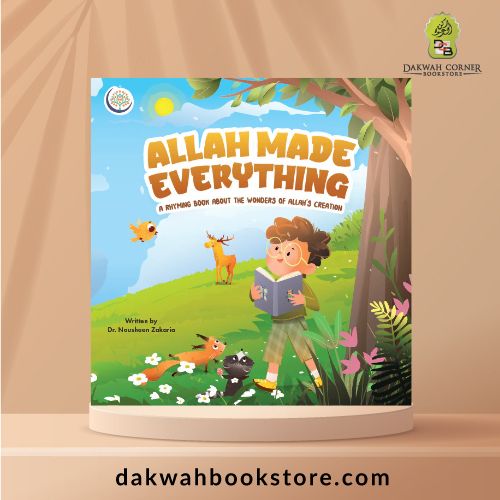
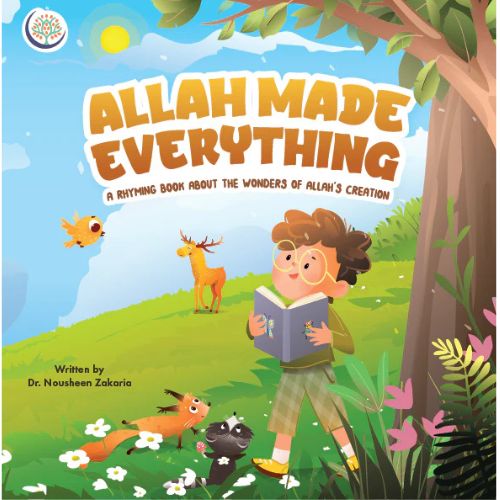
Allah Made Everything (P/B)
Allah Made Everything is a heartwarming rhyming journey that invites children to reflect on the wonders of creation—birds that soar, oceans that flow, mountains that rise, and families filled with love.
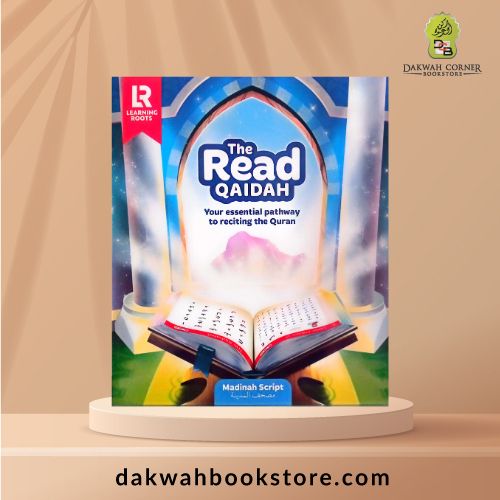
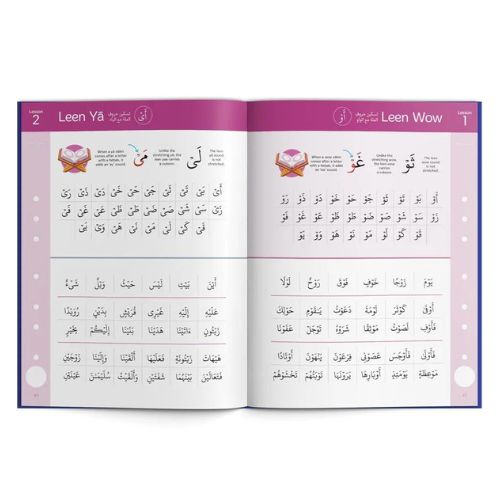
Read Qaidah (Madinah Script)
Easy progress through bitesize lessons
Read takes children step by step through letters, vowels, words and more until they’re ready for the Quran. Each line forms an easy, manageable lesson so children build momentum and progress.
- Motivational stickers
-
NOT Kiitab Compatible

Usool Al-Hadeeth (H/B)
Dr. Bilal Philips writes: “The Prophet’s sayings and actions were primarily based on revelation from Allah and, as such, must be considered a fundamental source of guidance second only to the Qur’an.” According to Dr. Philips, the Hadith, the record of these sayings and actions, plays a vital role in that it transmits revelation, tafseer (exegesis of the Qur’an), Islamic law, and the Islamic moral ideal. For instance, the Prophet’s “…character and social interactions became prime examples of moral conduct for Muslims. Consequently, the daily life of the Prophet (blessings and peace of Allah be upon him) as recorded in the hadith represents an ideal code of conduct. It is largely due to the science of hadith that the final message of Islam has been preserved in its original purity for all times.” In Usool al-Hadeeth, the reader will embark on a course of study that will, Allah willing, enable him or her to make critical and intelligent use of the body of Hadith literature in his or her daily life.
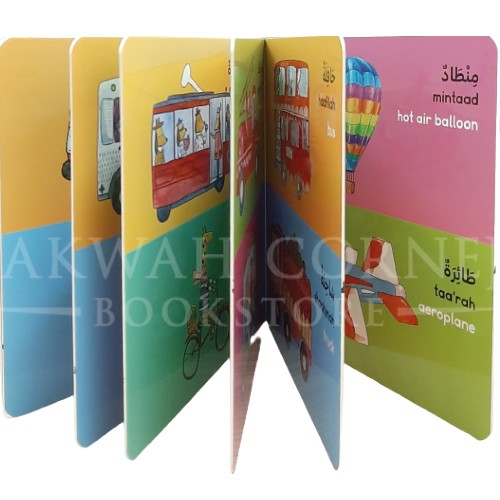
[CB] Things that Move Board Book (الاشياء التي تتحرك)
Things That Move Board Book | Arabic-English | Islamic Baby Book
There are no reviews yet.