

| Weight | 2.20 kg |
|---|---|
| Dimensions | 25.5 × 20 × 2.5 cm |
| Product Type | Book |
| Publisher | ISRA |
| Pages | 757 |
| ISBN | 9789673496525 |
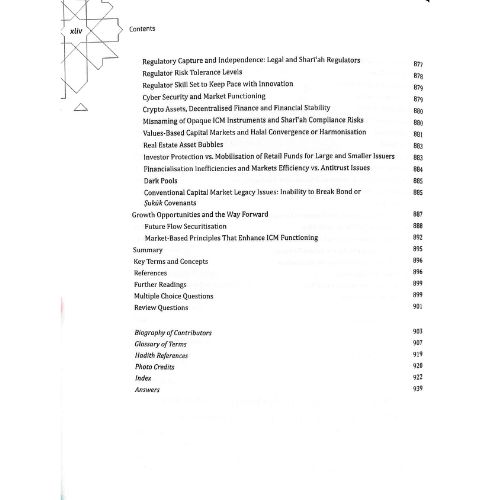
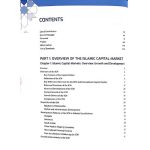
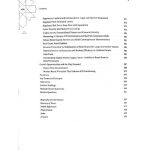
Islamic Capital Markets: Principles and Practices (P/B)
RM180.00
KEY FEATURES OF THE BOOK
* It elucidates the principles and practices of the Islamic capital market with academic rigours.
* It sheds light on the cutting-edge practical issues faced by the industry.
* Every chapter contains relevant case studies and supportive illustrations.
* Multiple Choice Questions (MCQs) and discussion questions are provided at the end each chapter.
KEY SUBJECTS
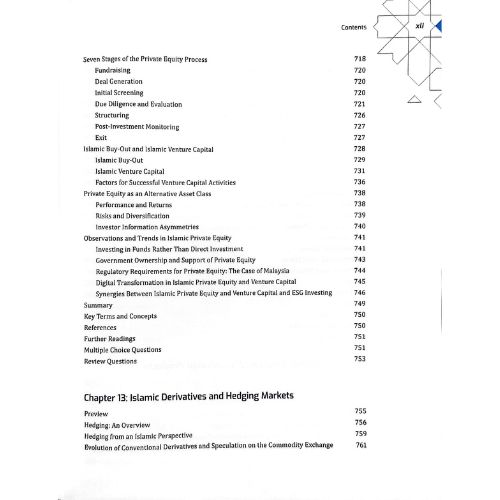
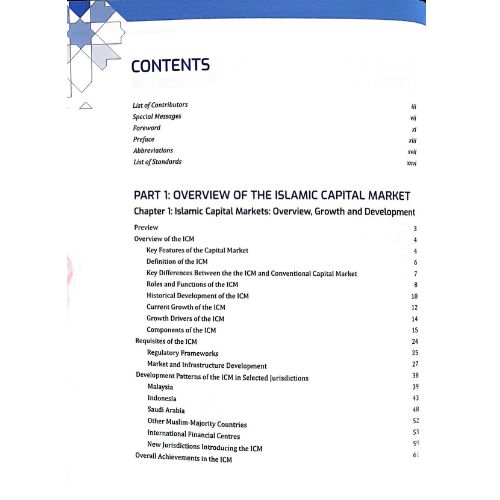
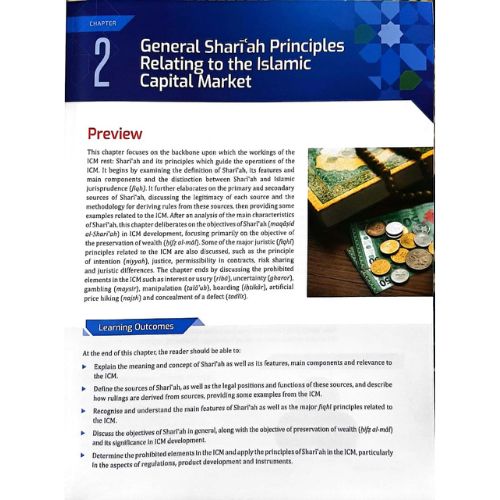
Shari’ah framework, Regulatory framework, Corporate and Shari’ah governance, Risk management, Accounting and taxation, Sukuk Islamic equity market, Islamic unit trust, REITs and ETFs, Islamic private equity and venture capital, Islamic derivatives and hedging and Islamic structured investment products.
Be the first to review “Islamic Capital Markets: Principles and Practices (P/B)” Cancel reply
You must be logged in to post a review.
Related Products
Contemporary Issues In Islamic Communication
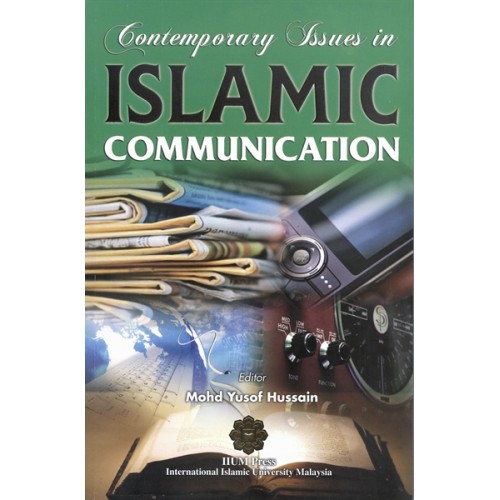
The book contains a collection of essays on issues that are of concern to Muslim media and scholars and practitioners. The issues are those that are constantly highlighted in the mass media in the Muslim world. All the issues are discussed from the Islamic perspective. The main purpose of the book is to give readers a clear understanding of how Muslims view contemporary issues that are reported and discussed in present day mass media. The book is written for students majoring in communication at the International Islamic University Malaysia. It is also useful for students taking courses on communication issues in other universities.
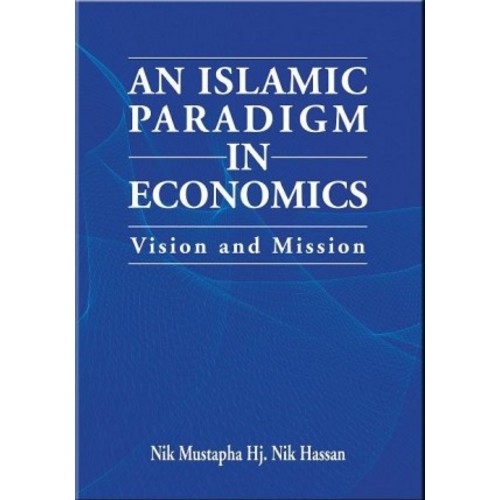
An Islamic Paradigm In Economics Vision And Mission
This book emphasises not only thoughts and theoretical concepts, but also discusses their application.
in the real world. Hence, it suggests that a holistic approach to economic development, which harmonises between material and spiritual well-being is not entirely idealistic but is, in fact, pragmatic and applicable.
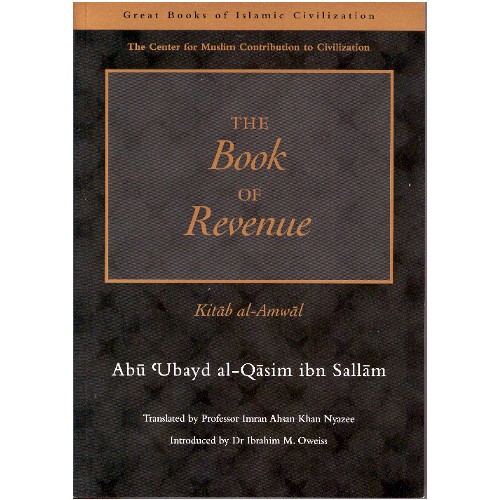
The Book Of Revenue
Kitab al-Amwal (The Book of Revenue) is the work of a brilliant legal mind. Abu Ubayd al-Qasim ibn Sallam provides us with an accurate record of legal precedents laid down in the first two centuries of Islam, in particular those pertaining to the sources of revenue and the avenues of public expenditure. The power of the book, however, lies in the method of the author and the analysis undertaken by him. He gathers together the traditions of the Prophet (pbuh), the opinions of his companions, and the views of eminent jurists, and then subjects them to legal analysis that is unparalleled in Islamic legal literature. The book is essential for every student of Islamic law, especially those who wish to master the art of interpreting and analyzing legal traditions and early precedents. In the discipline known as fiqh al-sunnah, there is no book or manual that can compete with this outstanding work.
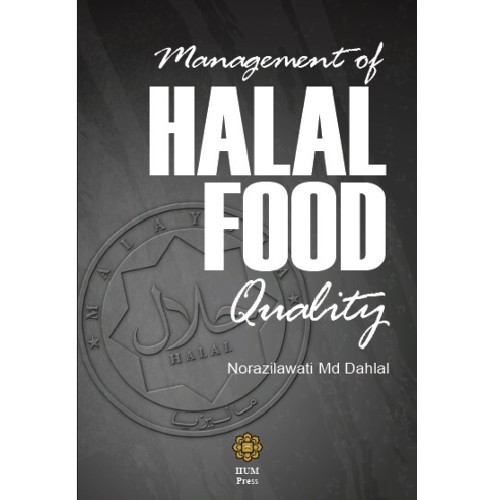
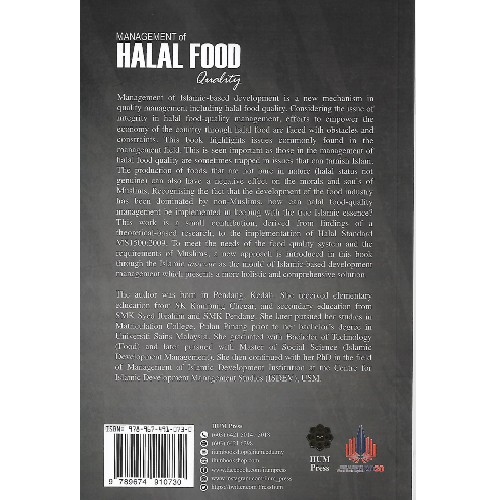
Management of Halal Food Quality
Management of Islamic-based development is a new mechanism in quality management including halal food quality. Considering the issue of integrity in halal food-quality management, efforts to empower the economy of the country through halal food are faced with obstacles and constraints. This book highlights issues commonly found in the management field. This is seen important as those in the management of halal food quality are sometimes trapped in issues that can tarnish Islam. The production of foods that are not pure in nature (halal status not genuine) can also have a negative effect on the morals and souls of Muslims.
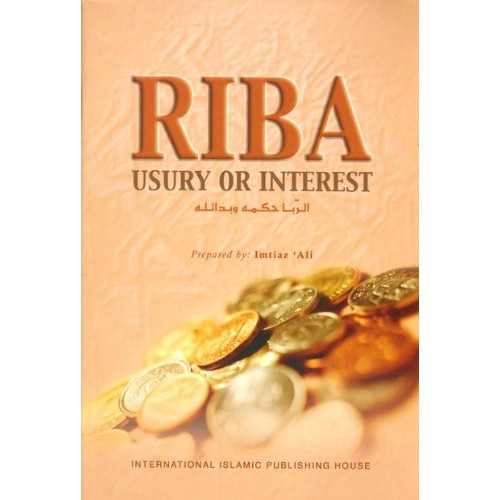
Riba: Usury or Interest
The Noble Qur’an states: {… Fear Allah, and give up what remains of your demand for usury/interest, if you are indeed believers. If you do not do so, then take notice of war from Allah and His Messenger.} (Qur’an 2: 278-279) Despite this obvious prohibition, the practice of ribâ (usury and interest) has polluted the global economy completely. This booklet explains the awful consequences of dealing in usury and interest in a summarized but convincing manner.
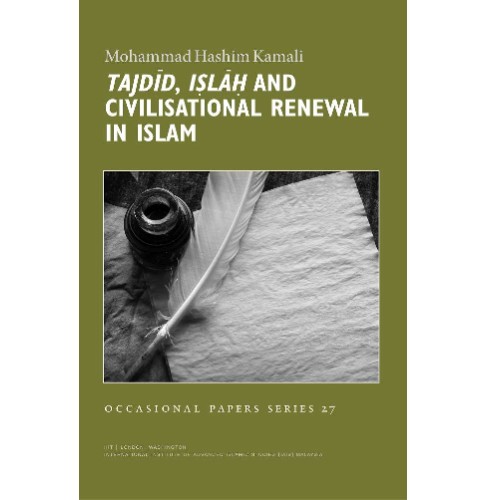
Tajdid, Islah and Civilization Renewal in Islam
The history of Islamic thought is marked by a continuous tradition of internal revitalisation and reform embedded in the principles of islah, and tajdid. The ultimate purpose has been to bring existing realities and social change in line with the transcendent and universal standard of the Qur’an and Sunnah through a process of restoration and reform. The tradition of islah-tajdid has thus consistently challenged the Muslim status quo and prompted fresh interpretation of the Qur an and Sunnah, understood and implemented through the methodologies of interpretation and ijtihad, as well as the rejection of unwarranted accretions to the original messages of Islam. The basic theme of the paper is that civilisational renewal is an integral part of Islamic thought. The paper looks into the meaning, definition and origins of tajdid and islah and their relationship with ijtihad, and how these have been manifested in the writings and contributions of the thought leaders of Islam throughout its history. It also develops tajdid-related formulas and guidelines that should lead the efforts of contemporary Muslims in forging the objectives of inter-civilisational harmony and their cooperation for the common good.
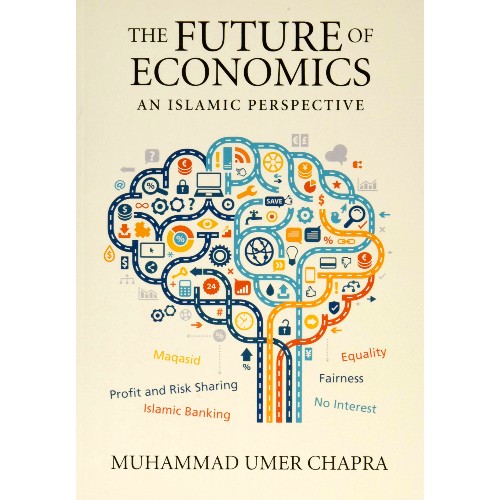
The Future of Economics An Islamic Perpective
This profound book is a powerful yet balanced critique of mainstream economics that makes a forceful plea for taking economics out of its secular and occident-centered cocoon. It presents an innovative and formidable case to re-link economics with moral and egalitarian concerns so as to harness the discipline in the service of humanity
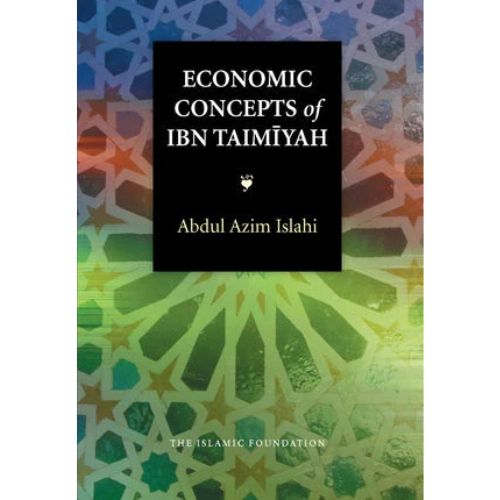
Economic concepts of Ibn Taimiyah
This valuable work presents Ibn Taimiyah’s thoughts on the concept of Islamic economics, the state in the economy, on public finance, money, interest, prices, partnership, and profit-sharing, and offers a comparison of his ideas with those of some medieval scholars in Europe, along with a study of his influence on Islamic thinkers in later periods.
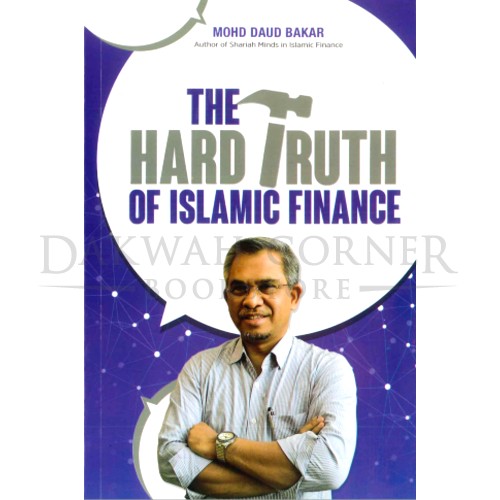
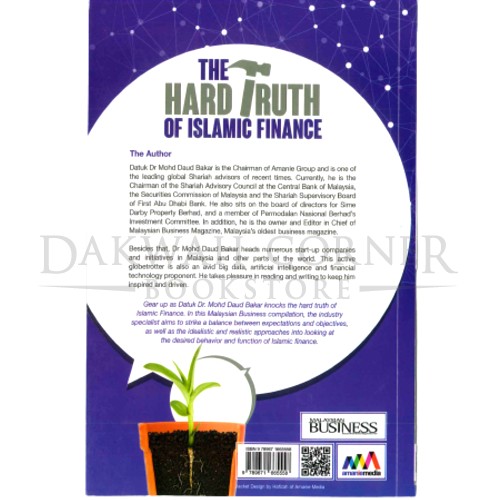
The Hard Truth of Islamic Finance
What is the book all about? It seeks to strike a balance between objectives and expectations. While expectations are easy, meeting objectives is hard.
The book also aims at unlocking the real face of Islamic finance without any make-up or cosmetic touch-up. The moment it is linked to something external and artificial, it becomes cluttered.
For all intents and purposes, every discipline has its core torso and fabric. Islamic finance should have its own ‘DNA’ and identity. The book is simply about bringing Islamic finance back to its basics. You may add on additional verticals and layers but it cant be on the expense of its core foundation.
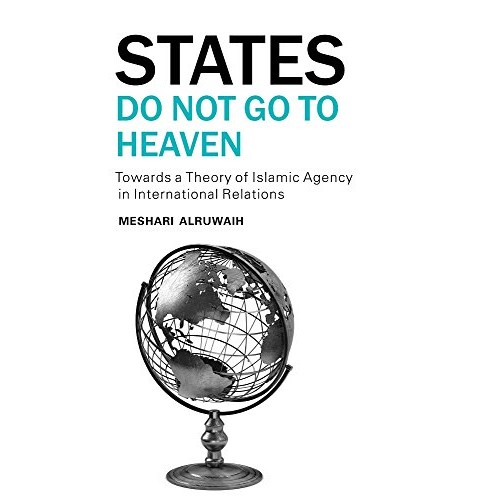
States Do Not Go to Heaven: Towards a Theory of Islamic Agency in International Relations
This book compares and contrasts Islamic world views and Western theoretical perspectives on international relations to suggest that a combination of the two could lead to a mutually beneficial redefinition of contemporary international relations utilizing Western theoretical tools and incorporating an Islamic perspective. Particular focus is given to the Islamic concept of istikhlaf as an ontological and normative foundation. The reasoning being that all man-made social arrangements on “earth”, as well as international society, should be considered a realm of istikhlaf. This allows for return to an eternal and critical first principle, linking all social roles to this principle, which is that man as designated by the Qur’an, is God’s khalifah or Vicegerent on earth. It’s a statement of great magnitude.
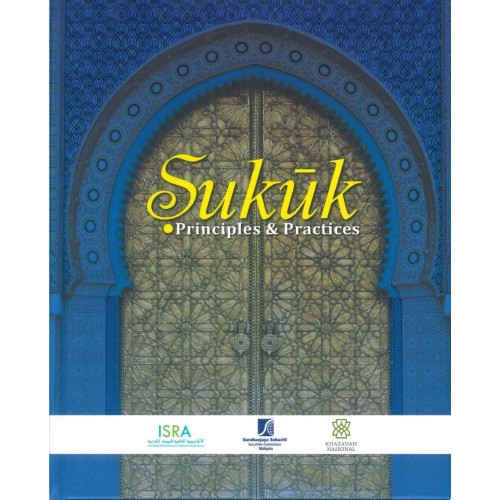
Sukuk: Principles & Practices (P/B)
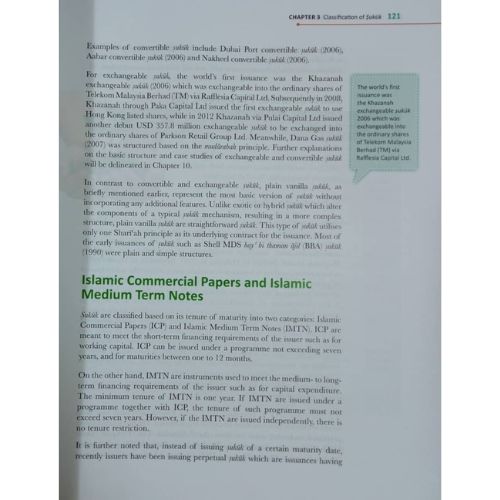
Sukuk are an important asset class which has captured the attention of a wide range of issuers and investors, regulators and sovereigns, and academics and market players. The sukuk industry has made remarkable leaps since its modern inception in the 1990s. It has grown in size and volume, evolved in structural possibilities, and successfully expanded the boundaries of the Islamic capital market to far-flung jurisdictions worldwide. Its promising future has led the International Shari’ah Research Academy for Islamic Finance (ISRA) and Securities Commission Malaysia (SC Malaysia) to collaborate to provide essential and comprehensive knowledge on this key instrument of the Islamic capital market.
Recently Viewed
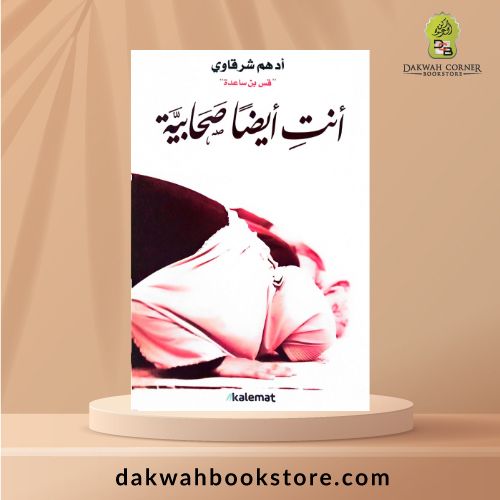
[MM] Anti Aydan Sohabiyyah / أنتِ أيضا صحابية
أنت الحضن الحنون الذي نأوي إليه هاربين من مشقة الحياة وأنت الكتف الذي لا نستغني عن الاتكاء عليه رغم رقته وأنت العكاز الذي لا نستغني عن الاستناد عليه رغم نعومته
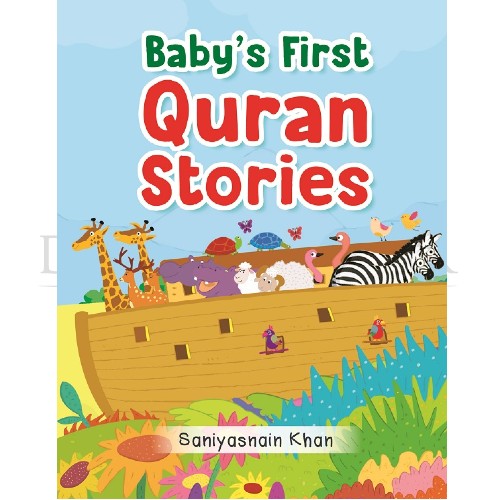
Baby’s First Quran Stories (H/B)
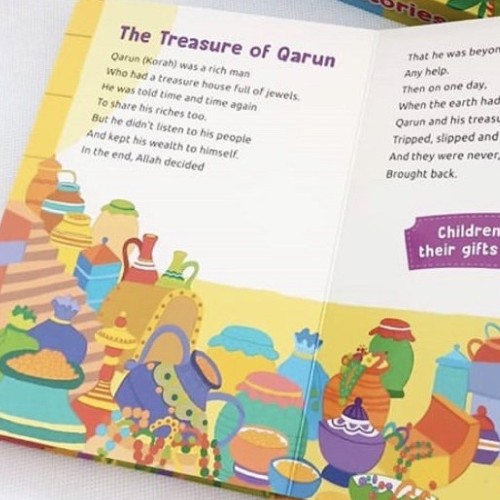
Baby’s First Quran Stories, is a wonderful way to introduce little ones to some of the Quran’s best loved stories. Each of these 20 easy-to-read stories has a moral lesson and all are accompanied by bright and colourful illustrations that will help children in a way that is meaningful and charming to remember and thank Allah. One way read the book by oneself or aloud with the whole family. As a gift, it is perfect!
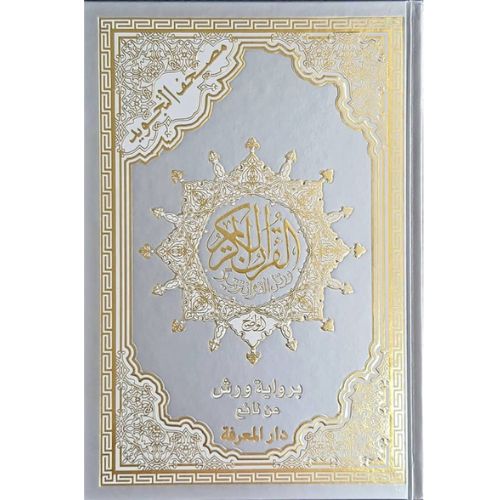
Mushaf Tajwid (Riwayat Warsh) (L)
Mushaf Al Quran Qiraat Nafi’ Riwayat Warash Warsh Warsy Tajwid Warna.
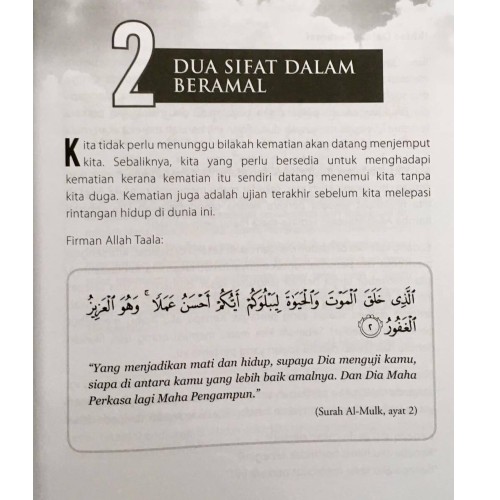
Bersedia untuk Mati (PTS)
Mengingati kematian adalah suatu yang dituntut dalam agama ini. Ia menjadikan manusia berakhlak baik dan melakukan kebaikan. Ia membuka pintu pengharapan bagi orang yang dizalimi.
Bagaimana?
Ia akan diterangkan dalam buku ini.
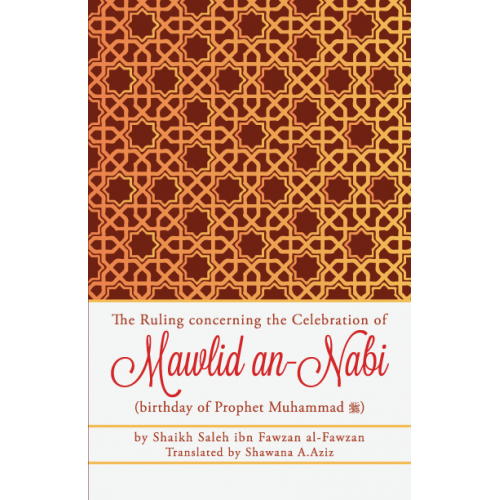
The Ruling Concerning the Celebration of Mawlid an-Nabi (2nd edition)
In this book, is an explicit CLARIFICATION of the MAJOR DOUBTS raised by the proponents of Mawlid an-Nabi, including:
- Mawlid an-Nabi is honoring the Prophet.
- Mawlid an-Nabi is celebrated by a large number of the people in many towns and cities.
- Commemorating Mawlid an-Nabi renews the memories of the Prophet.
- Celebration of Mawlid an-Nabi is cut of love for the Prophet and an expression of ones love, which is permissible.
- Mawlid an-Nabi is a Bidah Husna (good innovation) because it is a means of showing gratitude towards Allah for sending the Prophet.
- The sayings of Umar, ‘What a good Bidah is this?’
Additional quotes by Shaikh Muhammad ibn Ibraheem Aal-Shaikh have been added to further clarify these issues. The booklet also as 2 valuable appendixes:
Appendix 1: Explanation of the Hadeeth,”He, who established/initiates a Sunnah Husna in Islam.” in the word o Shaikh Saleh al-Fawzan and Shaikh Muhammad ibn al-Uthaimeen (rahimahullah)
Appendix 2: A Dialogue between Shaikh al-Albani (rahimahullah) and a proponent of Mawlid.
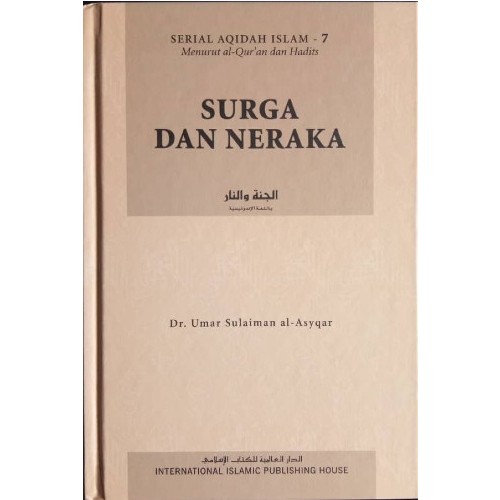
Surga Dan Neraka : Serial Aqidah Islam 7
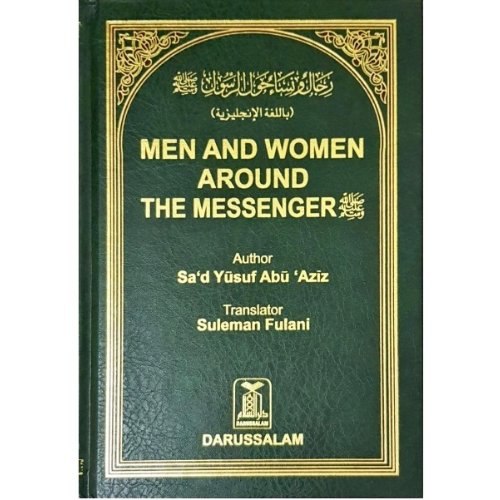
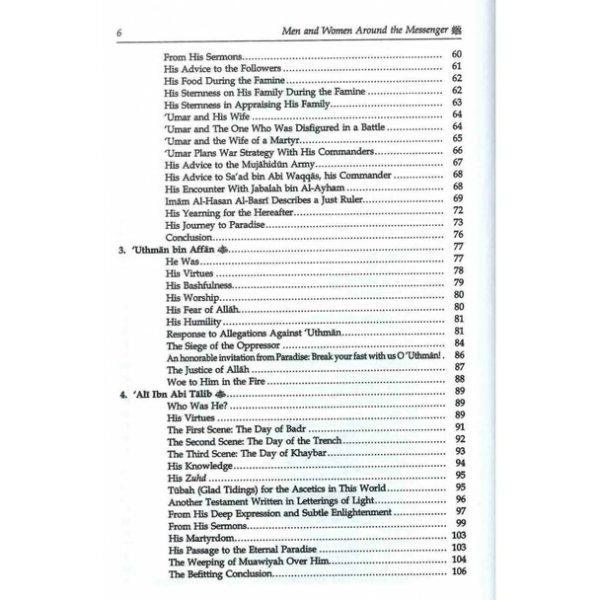
Men & Women Around The Messenger – Darussalam
The author has chosen one hundred personalities amongst the Companions. He compiled narrations, hadiths and incidences that contributed to the distinction of these individuals who have no similitude in the history of mankind after the Prophets of Allah and His Messengers. Their excellence is further clearly established from the study of these individuals, their attributes and their characters with which they were embellished. For this reason, they were from the best of people ever raised up for mankind.


There are no reviews yet.