


| Weight | 0.90 kg |
|---|---|
| Author | |
| Binding | Hardbook |
| ISBN | 9786035000376 |
| Pages | 488 |
| Publisher | Darussalam |
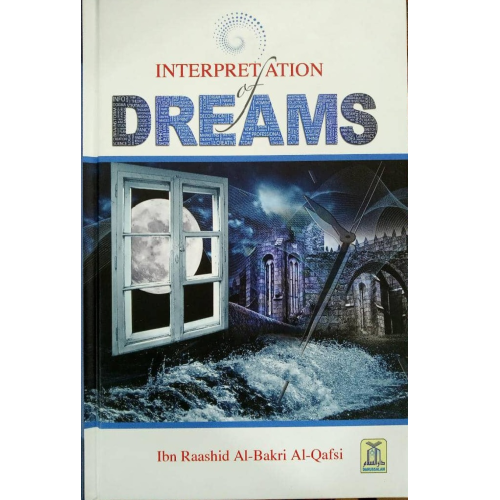
Interpretation Of Dreams
RM95.00
Hurry up, Only 1 left.

Highlights:
somdn_product_page
Compare
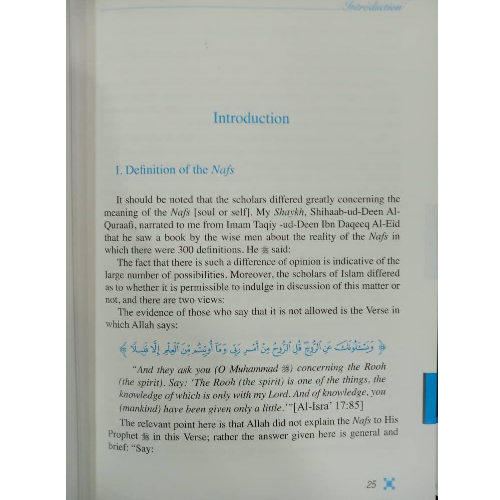
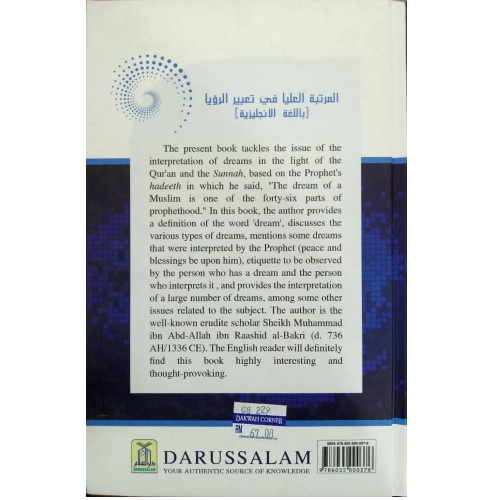
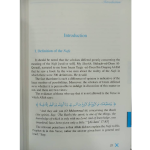
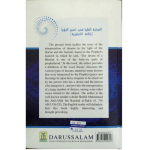
The Present book tackles the issue of the interpretation of dreams in the light of the Quran and the Sunnah, based on the Prophet’s hadeeth in which he said, “The dream of a Muslim is one of the forty-six parts of Prophet-hood. ” In this book, the author provides a definition of the word ‘dream’, discusses the various types of dreams, mention some dreams that were interpreted by the Prophet صلّی الله علیهِ وآلهِ وسلم etiquette to be observed by the person who has a dream and the person who has a dream and the person who interprets it and provides the interpretation of a large number of dreams, among some other issues related to the subject. The author is the well-known erudite scholar Sheikh Muhammad ibn Abd-Allah ibn Raashid al-Bakri (d. 736 Ah/1336 CE). The english reader will definitely find this book highly interesting and thought-provoking.
Additional information
Reviews (0)
Be the first to review “Interpretation Of Dreams” Cancel reply
You must be logged in to post a review.
Related Products

Ibn Taymeeyah’s Essay on the Jinn (P/B) ASN
Highlights:
Dr. Abu Ameenah Bilal Philips has rendered Ibn Taymiyah’s treatise, Eedaah-ud-Dalaalah fee ‘Umoom-ir-Risaalah, from volume 19 of Majmoo‘-ul-Fataawa into very readable English. This abridged and annotated translation is significant in that it is perhaps the first book available in English exclusively on the topic of spirit-possession and exorcism in Islam.
Ahmad ibn ‘Abdul-Haleem ibn Taymeeyah was bron in the town of Harran [near Edessa, in what was once Northern Iraq, but is now called Orfa and is a part of Turkey.], in the year 1263 CE. His father was a leading scholar of the Hanbalite school of Islamic law and so was his grandfather, who authored Muntaqaa al-Akhbaar, the text of ash-Shawkaanee’s Hadeeth classic Nayl al-Awtaar.
Ibn Taymeeyah mastered the various disciplines of Islamic study at an early age and read extensively the books of the various sects and religions in existence at that time. Much of his time and effort was spend defending the orthodox Islamic position against a tidal wave of deviation which had swept over the Muslim nation. Consequently, he faced many difficulties from both the prominent sectarian scholars of his time and from the authorities who supported them. His clashes with them led to his imprisonment on numerous occasions. Ibn Taymeeyah also fought, not only against internal enemies of Islaam, but also against its external enemies by both his Fatwaas (Islamic legal rulings) and his physical participation in battles. His ruling allowing the taking up arms against groups which recognized the Shahaadataan (declaration of faith) but refused to uphold some aspects of the fundamental principles of Islaam, greatly affected the resistance movement against the Tartars who had declared their acceptance of Islaam but did not rule according to divine law.
During these struggles he wrote countless books and treatises demonstrating his extensive reading and knowledge, not only of the positions of the early scholars, but also those of the legal and theological schools which had subsequently evolved. Ibn Taymeeyah also had a major effect on the open-minded schoars of his day, most of whom were from the Shaafi’ite school of law. Among the most famous of his students were IBN KATHEER, ADH-DHAHABEE and IBN AL-QAYYIM. The author died in 1328 while in prison in Damascus for his Fatwaa against undertaking journeys to visit the graves of saints [Ibn Taymeeyah’s ruling was based on the authentic statement reported by Abu Hurayrah wherein the Prophet Muhammad (sallallaahu alayhi wasallam) said, “Do not undertake a journey except to three masjids; this masjid of mine, Masjid al-Haraam (Makkah) and Masjid al-Aqsaa (Bayt al-Maqdis).” Collected by Al-Bukhaaree and Muslim]. His Fatwaa had been distorted by his enemies to say that he forbade visiting the Prophet Muhammad’s (sallallaahu alayhi wasallam) grave.
RM33.00


Weakness of Faith (IIPH)
5 ★
5 ★
1 Rating
5 ★
1
4 ★
0
3 ★
0
2 ★
0
1 ★
0
Highlights:
The phenomenon of weak faith has become very widespread among Muslims, and many people complain about the hardness of their hearts. So often we hear the words, “I feel hardness in my heart,” “I do not find any joy in worship,” “I feel that my faith has hit rock bottom,” “Reading Qur’aan does not move me,” “I fall into sin so easily.” The effects of this affliction can be seen in many people, and this problem is the cause of every disaster and adversity.
One of the most important principles which must be understood in order to treat the problem of weak faith is that faith increases and decreases, or waxes and wanes. This is one of the basic principles of the ‘aqeedah of Ahl al-Sunnah wa’l-Jamaa’ah, who say that faith is something to be spoken in words, to be believed in in the heart, and to be put into action. Faith increases with obedience and decreases with disobedience.
‘… that they may grow more in Faith along with their (present) Faith…’ [al-Fath 48:4]
‘… Which of you has had his faith increased by it? …'[al-Tawbah 9:124]. aari, Fath, 1/51).
RM13.00 – RM30.00Price range: RM13.00 through RM30.00
HardcoverPaperback
Clear

In Pursuit of Allah’s Pleasure
Highlights:
In this book the authors outlined a complete methodology for Islamic work today. From `Aqeedah to Da’wah, Jihad to Khilafah and Taqwa to Sabr (patience), they explained how all of these parts of Islam come together for the sole objective of each and every Muslim: to seek the Pleasure of Allah ( SWT ), the Irresistible. It was written in a manner portraying the true situation of the Muslims today and, coming from imprisoned scholars: a realistic portrayal.
This book is an excellent read by itself and an even better guide if used as a syllabus in learning Islam in an organised, collective manner. It is ideal as a basis for study circles and acts as a comprehensive manual. Coupled with the supplementary reading of some other books in the English language and memorisation of the Holy Quran, it can consolidate the knowledge of anyone seeking to work for Islam in this day and age.
Contents
Preface
Introduction
Part One: Our Ultimate Goal
Part Two: Our `Aqeedah
Part Three: Our Understanding
Part Four: Our Aim
Part Five: Our Path
Part Six: Our Provisions
Part Seven: Our Walaa’ (Loyalty)
Part Eight: Our ‘Adaa’ (Animosity)
Part Nine: Our Gathering
Glossary of Arabic Trems
The Twentieth Century has witnessed one of the fiercest blows inflicted upon our Ummah by our enemy: the collapse of the Khilafah. If only their conspiracy had stopped at the demise of Khilafah. But they went on to indoctrinate Muslims with strange, foreign ideas and concepts, in order to confuse our understanding of our Deen. Once we wake up and try to return to our original Deen, we will be confronted with an intellectual perplexity, in which evil and good is mixed. Hence, the truth will be ambiguous and we will go astray, and lose the true understanding of Islam.
And hold fast, all of you together, to the Rope of Allah (this Qur’an) and be not divided among yourselves.” [Surah Ale-Imran (3), Ayah 103.]
by Dr. Naahah Ibrahim, Asim Abdul Maajid and Esaam-ud-Deen Darbaalah
RM53.00

Guarding The Tongue (P/B)
Highlights:
How many people have earned the wrath of Allah as a result of misuse of their tongues? How many injuries that may never heal have been inflicted throughtt the careless slips of the tongue? The Messenger of Allah said:
“Indeed, the servant will speak words that are pleasing to Allah, due to which he will he given a condition in which Allah will raise him many levels. And indeed, the servant will speak words that are displeasing to Allah, due to which he will not he given a good condition, but (instead) be thrown into the Hellfire.”(Bukhari)
This book highlights those sins that seem so light on the tongue yet so grave on the scale and offers practical advice on how to keep the tongue in check.
RM21.00


Hell-Fire Its Torments and Denizens
Highlights:
In all the divine revelations there is a constant warning that wrongdoers may end up in Hell-fire, though Allah’s kindness and mercy are extended to many people. Reading about the Hell-fire enables one to know it, fear it, and try utmost to keep oneself away from it through correct beliefs and good deeds. The more one knows about Hell-fire, the more he or she strives to be saved from its reach. Relying on statements from the Holy Qur’an and the Hadith, this book enables the reader to have a realistic picture of Hell-fire’s torments. It may be enough to know that it is a raging fire, but detailed knowledge of it, as displayed in this book, will strengthen a person’s belief and eventually, Allah willing, make him or her seek for and remain steadfast on the path to salvation. This is an indispensable book for believers and non-believers alike. Hell-fire: Its Torments and Denizens is an abridged, summarized version of Siddiq Hasan Khan’s book about the Hell-fire.
RM12.00

Let Us Be Muslims (P/B)
Highlights:
LET US BE MUSLIMS is a new edited English version of Sayyid Mawdudi’s Urdu Khutubat. It is no ordinary book, says Khurram Murad in his long Introduction, for it has stirred more hearts and impelled more lives to change their course than any of his more erudite works. In these Friday congregational addresses, Sayyid Mawdudi expounds such familiar themes as Iman, Islam, the Prayer, Fasting, Almsgiving, Pilgrimage and Jihad. But, in an unusually beautiful, powerfully reasoned, eloquent and passionate, and yet simple and lucid style,
“Sayyid Abul A’la Al-Mawdudui (1903-1979), one of the chief architects of contemporary Islamic resurgence, was the an outstanding Islamic thinker and writer of his time. He devoted his life to expound the meaning and message of Islam and to organise a collective movement to establish the Islamic Order. In this struggle, he had to pass through all kinds of sufferings.
Between 1948-67, he spent a total of five years in different prisons of Pakistan. In 1953, he was also sentenced to death by a Martial Law court for writing a ‘seditious’ pamphlet, this sentence being later commuted to life imprisonment. In 1941, he founded Jama’at-I Islami, of which he remained Amir, until 1972 and which is one of the most prominent Islamic movements of our day. He authored more than one hundred works on Islam, both scholarly and popular, and his writings have been translated into forty languages.”
RM70.00

In Search of God (P/B)
Highlights:
Some thinkers has said, ‘A smattering of knowledge turns people away from God. Grater knowledge brings them back to Him’. The author concludes in this book by examining various theories that the choice humanity have is not between the universe with God and the universe with God and the universe without God. The real option is between the universe with God and no universe at all. Therefore humanity is compelled to opt for the proposition the universe with God. Hence it is logical to say I exist, therefore, God exists.
RM11.00

Polygamy in Islam (P/B)
Highlights:
Polygamy is the Muslim practice most frequently and severely maligned by Westerners and modernist Muslims. This book can be read with profit by all unprejudiced readers who wish to know its justification and rationale.
One of the greatest contrasts between Islam and the West is their conflicting concepts of relations between the sexes. Indeed, the very first question a Muslim convert is confronted with by an American or European is ‘Why does Islam allow four wives?’ This book…replies straightforwardly to that question and much more.
The authors describe all the most important characteristics of marriage in Islam, pointing out that the Western notions of sex equality and romantic premarital ‘love’ are not necessary in Islamic marriage based on piety and the commitment on the part of both parents to win the pleasure of Almighty Allah.’
This book contains basic guides for anyone interested in understanding the rights and obligations of males and females in Islamic plural marriage. The guidelines have been drawn from the Quran, Hadith and opinions of Islamic scholars.
RM20.00

Journey to Islam: Diary of a German Diplomat 1951-2000 (The Islamic Foundation)
Highlights:
A lengthy process, rich in remarkable and thought-provoking events, including compelling encounters with Islamic philosophy, led the author to embrace Islam. His experiences since that time – such as his pilgrimages to Makkah – further deepened his understanding of, and identification with, this “fastest growing religion in Europe.” This “Diary” is, however, much more than a recorded soliloquy. It is a lively introduction to Islam as such – developed in the spiritual confrontation of a Muslim intellectual of European background with the ideology and value system of post-industrial western society.
RM25.00

Dreams of the Prophets and the Righteous
Highlights:
Originally written in Arabic by Abdul Mun’im al Hashmi. It is like an encyclopedia of dreams. It tells us how we should behave on seeing a dream and how they may be interpreted. There are dreams of the Prophets and the Righteous men, and the dreams of the Prophet and his Sahabah. Some dreams of non-Muslims also find place in this book. The author also informs as to what various things like animals, birds and certain chapters of the Qur’an would mean if seen in a dream.
RM35.00

Treatment of Magic, Evil Eye & Satan’s Touch (P/B)
Highlights:
A detailed treatise on the authentic treatments for afflictions of magic, evil eye and possession based on the Islamic teachings of the Qur’an and Sunnah of Muhammad.
RM65.00


Islam A Total Beginners Guide – Part Three (P/B)
Highlights:
In present era we are facing lot of questions:
• What is status of women in Islam?
• Who is superior – man or women?
• What does Islam say about inter-religious marriages, man’s treatment towards his wife and privacy in homes?
• What does Islam say about dress, veil, clothing and ornaments, perfumes and the wisdom of banning gold and silk for men?
This beginner’s guide to Islam answers all such questions.
RM45.00
Recently Viewed

Indispensable Implication of Sunnah (P/B)
5 ★
5 ★
1 Rating
5 ★
1
4 ★
0
3 ★
0
2 ★
0
1 ★
0
Highlights:
The author has discusses the topic of innovation in Islam. For example, he proves that celebrating the Prophet’s birthday is not right according to the Qur’an and Sunnah.
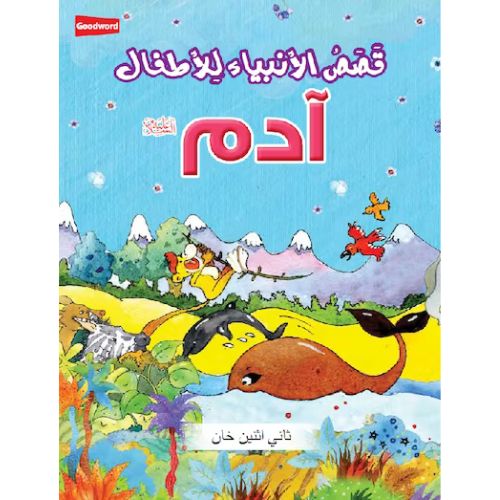
The Prophet Adam (Arabic)
Highlights:
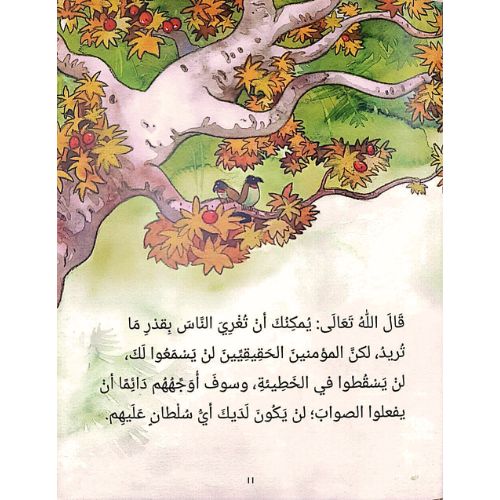
Quran Stories for Kids series provides an ideal first introduction to the Quran, its stories and people for little ones. Each attractive book retells one complete story from the Quran. Written in simple and easy-to-read narrative, with child-friendly illustrations on every page, will surely capture children’s attention and hold their interest. This appealing story about the Prophet Adam, impresses upon young children the need to treat every human being with love and respect.
RM10.00
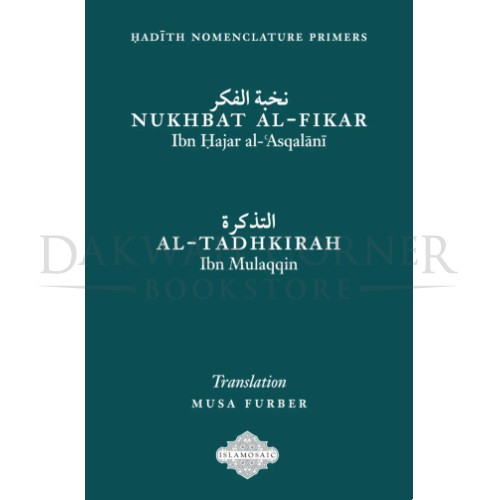
Hadith Nomenclature Primers
Highlights:
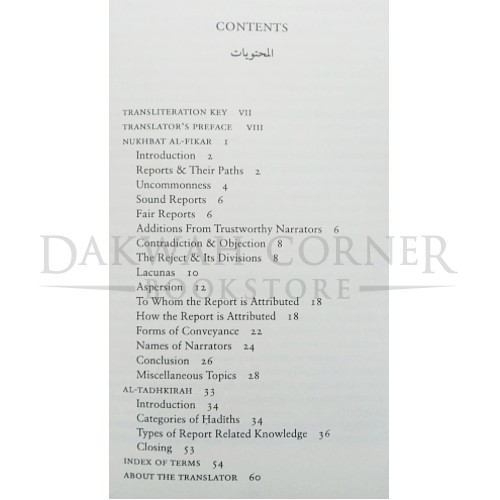
This volume presents two primers on the discipline of hadith nomenclature (mustalah al-hadith) and the authentication of transmitted reports. They are Nukhbat al-fikar (“Chosen Thoughts on the Nomenclature of Hadith Experts”) by Ibn Hajar al-‘Asqalani (773-835AH); and Al-Tadhkirah (“The Memorandum”) by Ibn al-Mulaqqin (723-804AH). These primers were written to facilitate speedy mastery of the discipline’s core material. Although the primers focus on definitions, they also include methods for addressing problems specific to the topic. Students would often commit a primer to memory while studying it with a living master who would explain its content in detail and demonstrate its application. It is through this interaction between students and instructors that Islamic education transmits both knowledge and skills across generations. In translation, these primers are ideal for English-speaking instructors looking for a primary text covering the subject’s core concepts. The translations will also benefit students looking to review their lessons or to prepare themselves for more advanced studies.
RM34.00
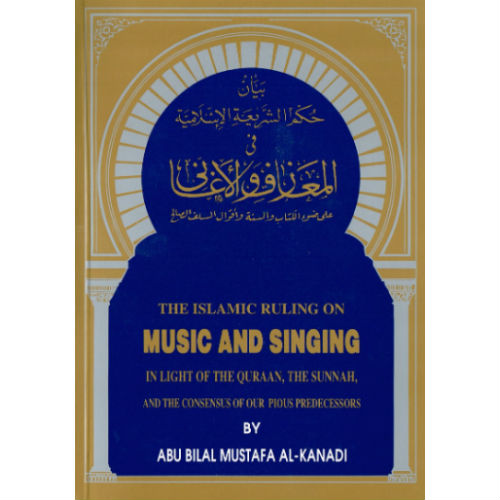
The Islamic Ruling on Music and Singing (P/B)
Highlights:
The legality of music and singing in the Islamic shari’ah (the divinely-revealed law) is an issue which is hotly debated among individuals and scholars in Islamic societies of our present day. Arriving at the correct view requires unbiased, scholarly research of the available literature which must be supported by authentic, decisive proof.
RM11.00
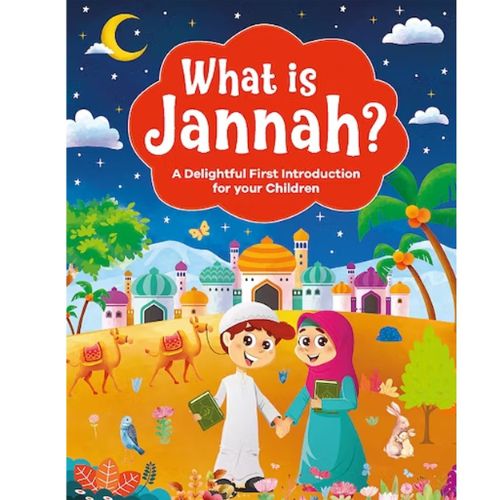
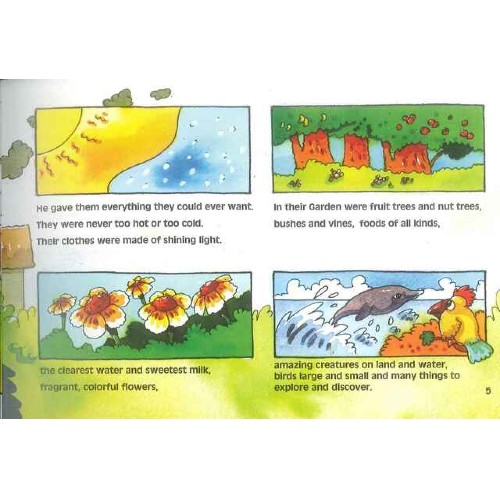
What is Jannah? (P/B)
Highlights:
This book is designed to help parents and teachers in their efforts to encourage young children to ask questions and to assist them in exploring answers together. It makes the sharing of a basic knowledge of Islam simple, clear and enjoyable. This lays the foundation on which greater understanding can be built and learning enriched as young students grow older. And, whatever our age, reviewing the basic in this way can be very beneficial, in that it re-kindles our awareness and glad acceptance of the beautiful message and wondrous knowledge of Islam: we are then the better able share our renewed enthusiasm with others. May you benefit greatly from reading this book.
RM15.00
Christianity & Islam
Highlights:
The Bible is the basis for the teachings of Christianity, and the Quran.
RM14.00
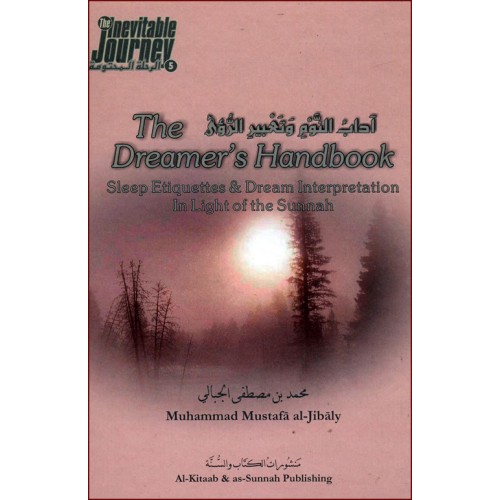
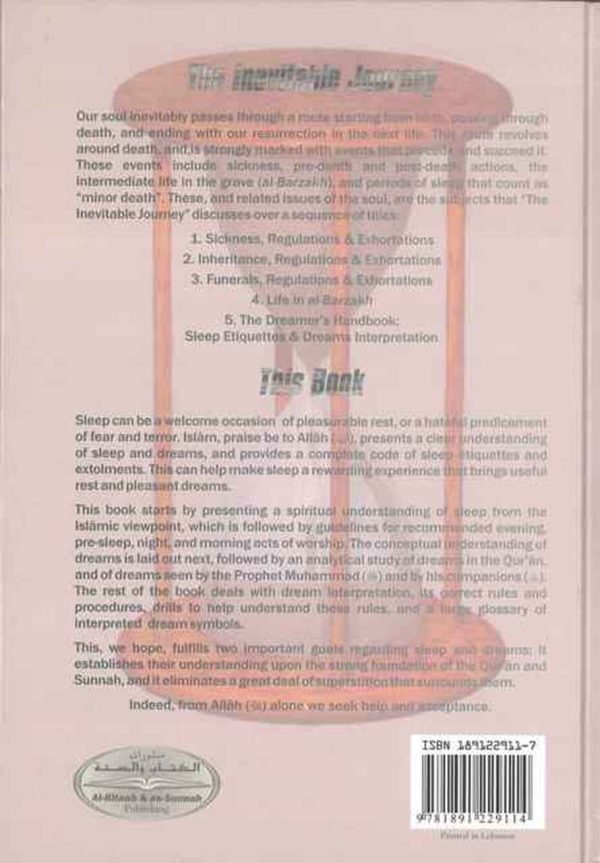
The Dreamer’s Handbook (H/B)
Highlights:
This book starts by presenting a spiritual understanding of sleep from the Islamic viewpoint, which is followed by guidelines for recommended evening, pre-sleep, night, and morning acts of worship. The conceptual understanding of dreams is laid out next, followed by an analytical study of dreams in the Quran, and of dreams seen by the Prophet Muhammad (PBUH) and by his companions (R). The rest of the book deals with dream interpretation, its correct rules and procedures, drills to help understand these rules, and a large glossary of interpreted dream symbols. This, we hope, fulfills two important goals regarding sleep and dreams: It establishes their understanding upon the strong foundation of the Quran and Sunnah, and it eliminates a great deal of superstition that surrounds them. Indeed, from Allah (SWT) alone we seek help and acceptance.
RM68.00
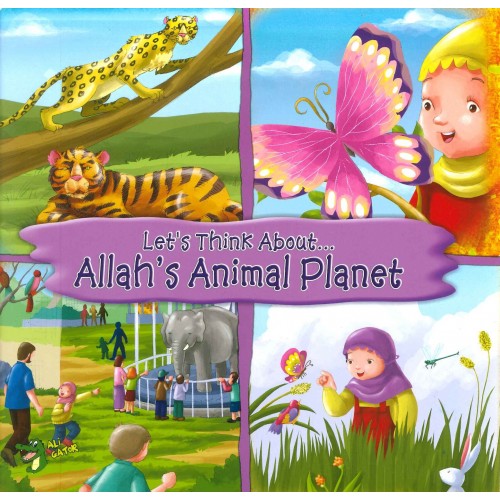
Let’s Think About Allah’s Animal Planet
Highlights:
Let’s Think About… is a series that gets children thinking about the wonders of Allah’s creations.
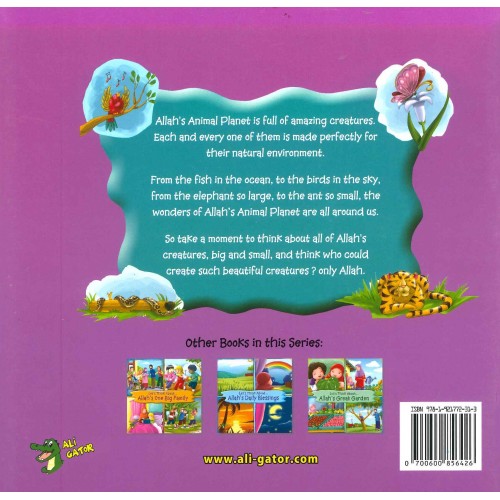
Allah’s Animal Planet is full of amazing creatures. Each and every one of the them is made perfectly for their natural environment.
From the fish in the ocean, to the birds in the sky, from the elephant so large to the ant so small, the wonders of Allah’s Animal Planet are all around us.
So take a moment to think about all of Allah’s creatures, big and small, and think who could create such beautiful creatures ? only Allah.
Four new easy to read titles from Ali Gator with vibrant colours that will grab the attention of young inquisitive minds.
The notes to teachers and parents section provides a list of points to consider and questions to ask as you read along. This allows for the young readers to receive the maximum benefit from the books, whilst enjoying them.
Full Color
RM20.00
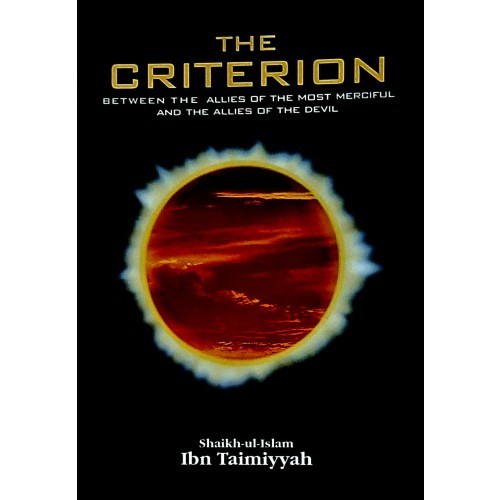
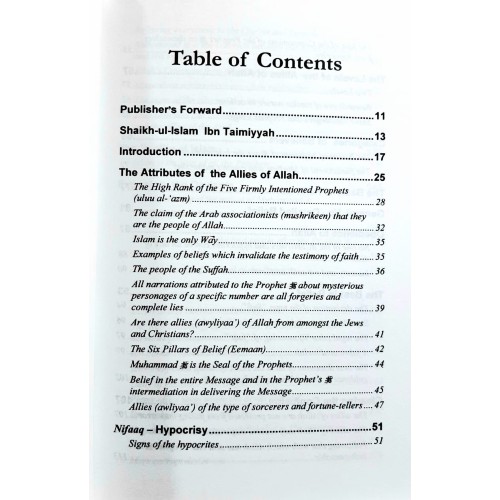
The Criterion (P/B)
Highlights:
The Criterion Between the Allies of the Most Merciful and the Allies of the Devil
RM31.00

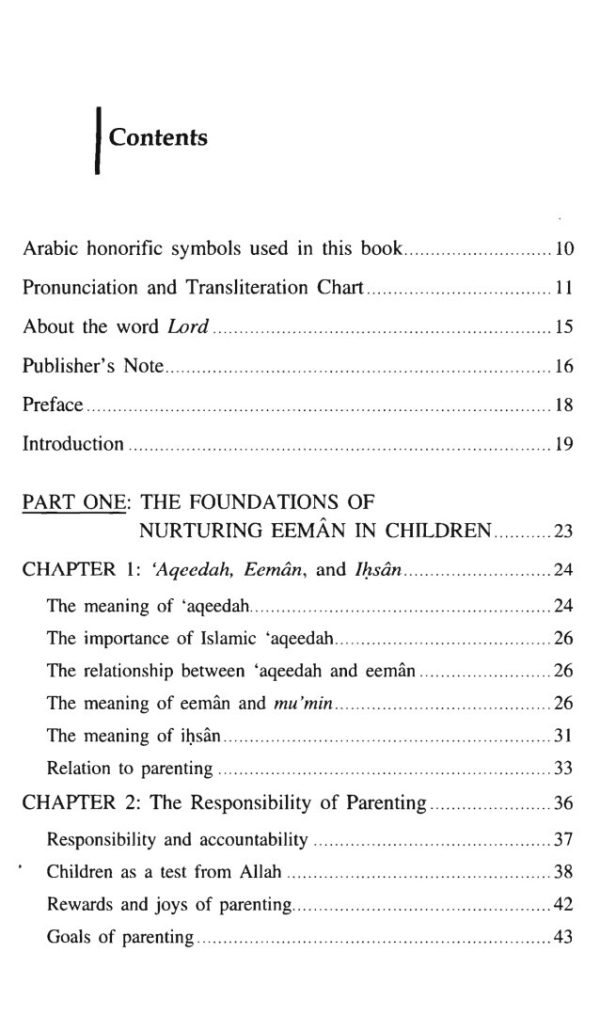
Nurturing Eeman In Children (H/B)
Highlights:
A plethora of parenting books on the market these days covers every aspect of dealing with your children. From the terrible twos to the troublesome teens, you will have no problem finding multitudes of books claiming to point you in the right direction when it comes to raising a child. Whether you’re aiming to raise a baby Einstein, or just looking for some hints on how to handle an unruly tyke or teen, you will no doubt find plenty of advice. Nurturing Eemân in Children, however, addresses an aspect of child-rearing that is vitally important and is not touched upon in the mainstream selections that we are so familiar with. In her book, Dr. Aisha (Hamdan) Utz clearly and in no uncertain terms explains the importance of instilling in our children a strong connection to their Creator and a love for the religion that He has chosen for us and for them. From this book, you will learn the what, the why, and the how of raising a righteous Muslim child.
RM60.00
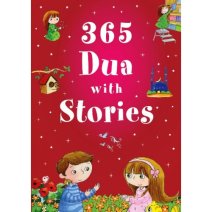
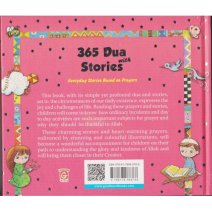
365 Dua with Stories (H/B)
Highlights:
This book, with its simple yet profound dua and stories, set in the circumstances of our daily existence, expresses the joy and challenges of life. Reading these prayers and stories, children will come to know how ordinary incidents and day to day activities are such important subjects for prayer and why they should be thankful to Allah.
These charming stories and heart-warming prayers, enlivened by stunning and colourful illustrations, will become a wonderful accompaniment for children on their path to understanding the glory and kindness of Allah and will bring them closer to their Creator.
By Ali Kara Cam and Hasibe Sahin
RM75.00
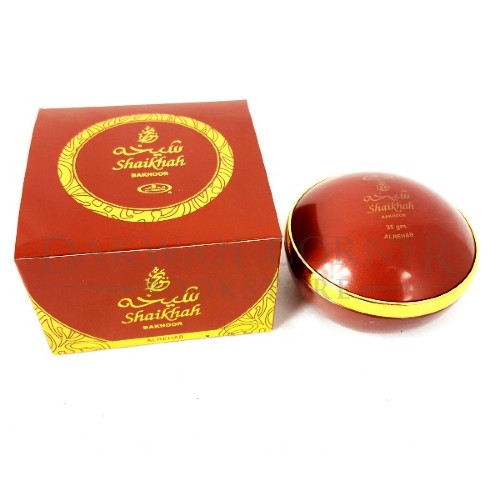

Shaikhah Bakhoor (35g)
Highlights:
Bakhoor can used during special occasions such as weddings, or simply for relaxing purposes and gives a fresh scent for your home, shop, or office..
RM40.00
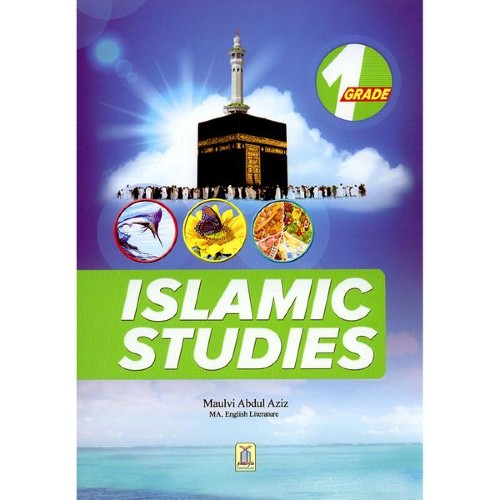
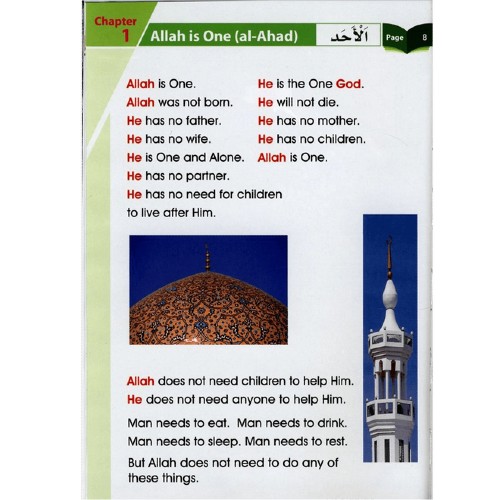
Islamic Studies Grade 1 – Darussalam
Highlights:
Grade 1 covers a variety of topics, including Allah as the One, the Creator, and the Giver of Life; pillars of Islam; Iman; performance of wudo; prayer; several sections about the Prophet Mohammad (s); and more. This book also contains fun activities and review sections.
RM100.00
There are no reviews yet.