

| Weight | 0.230 kg |
|---|---|
| Dimensions | 17 × 24 × 1 cm |
| Author | |
| ISBN | 978-603-501-297-3 |
| Pages | 105 |
| Product Type | Book |
| Publisher | IIPH |
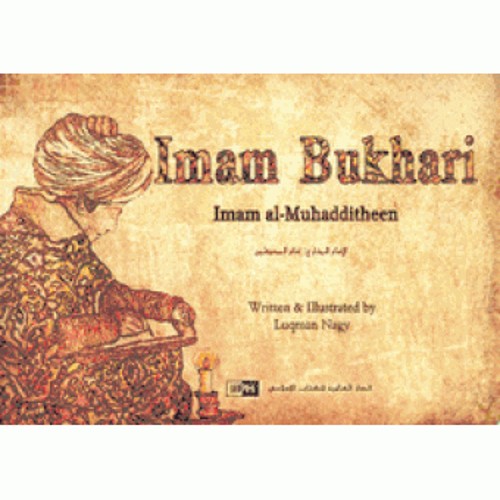
Imam Bukhari – Imam Al-Muhadditheen (IIPH)
RM54.00
Hurry up, Only 1 left.

Highlights:
somdn_product_page
Compare
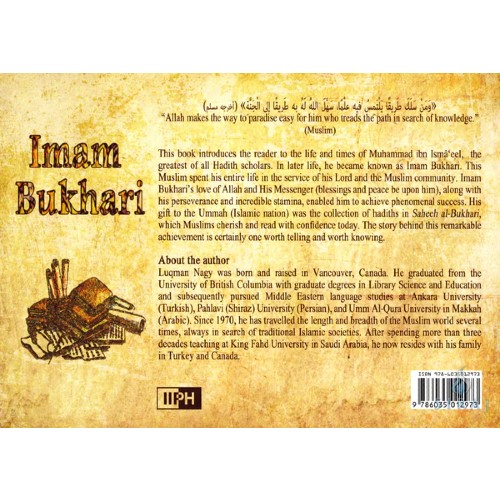
This book, authored by Luqman Nagy, introduces the reader to the life and times of Muhammad ibn Ismâ‘eel, the greatest of all Hadith scholars. In later life, he became known as Imam Bukhari. This Muslim spent his entire life in the service of his Lord and the Muslim community. His gift to the Ummah (nation) was the collection of hadiths in Saheeh al-Bukhâri, which Muslims cherish and read with confidence today. The story behind this remarkable achievement is certainly one worth telling and worth knowing.
Additional information
Reviews (0)
Be the first to review “Imam Bukhari – Imam Al-Muhadditheen (IIPH)” Cancel reply
You must be logged in to post a review.
Related Products
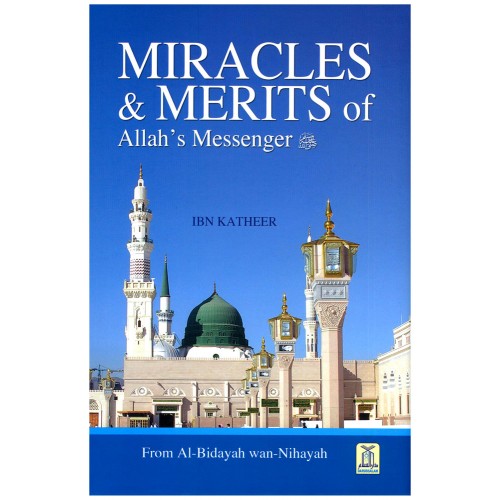
Miracles & Merits of Allah’s Messenger: from Al-Bidayah Wan-nihayah
Highlights:
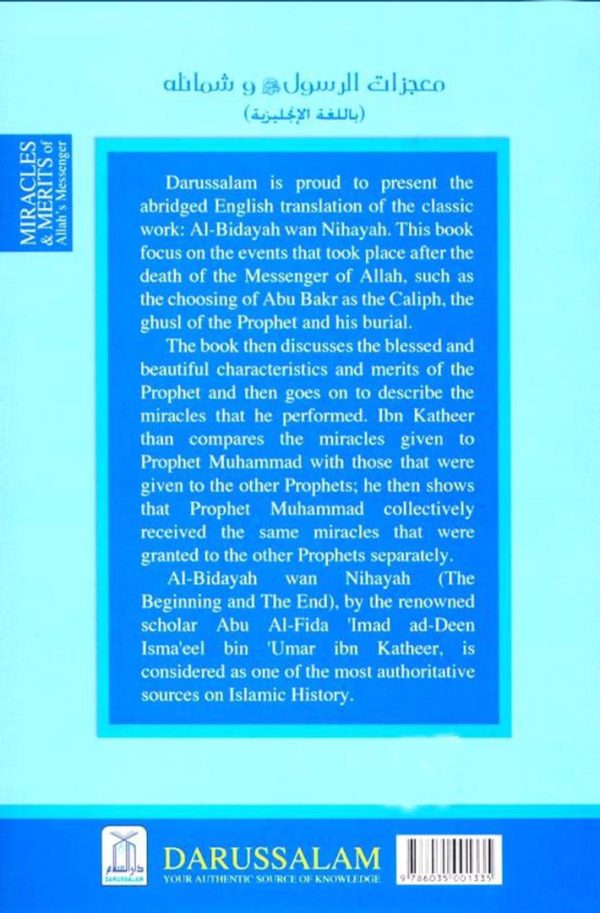
Miracles & Merits of Allah’s Messenger By Ibn Katheer The book then discusses the blessed and beautiful characteristics and merits of the Prophet and then goes on to describe the miracles that he performed. Ibn Katheer than compares the miracles given to Prophet Muhammad with those that were given to the other Prophets; he then shows that Prophet Muhammad collectively received the same miracles that were granted to the other Prophets separately. AI-Bidayah wan Nihayah (The Beginning and The End), by the renowned scholar Abu Al-Fida ‘Imad ad-Deen Isma’eel bin ‘Umar ibn Katheer, is considered as one of the most authoritative sources on Islamic History.
RM60.00
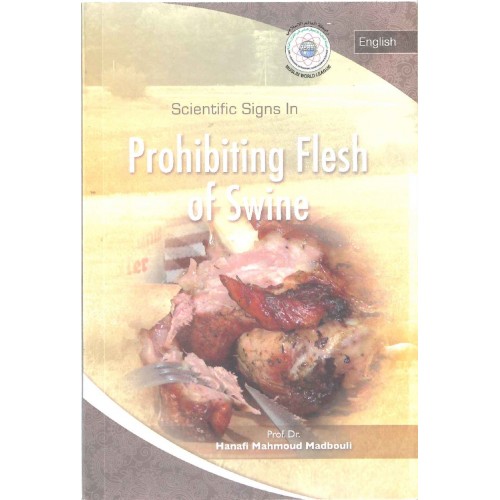
Scientific Signs In Prohibiting Flesh of Swine (P/B)
Highlights:
Scientific Signs In Prohibiting Flesh of Swine
RM5.00 RM15.00
Islam and The World (IIPH)
Highlights:
Despite the world’s tremendous advances in the fields of science and technology, almost all communities have been led into the wilderness of fear, greed, loneliness and spiritual despair. Professor Nadwi explicitly asserts that the achievements of science and technology did not match humanity’s moral or spiritual aspirations. Should a corresponding improvement is attained in human behaviour by applying the teachings of Islam, such as advances would have conferred benefits on all parties.
RM31.00
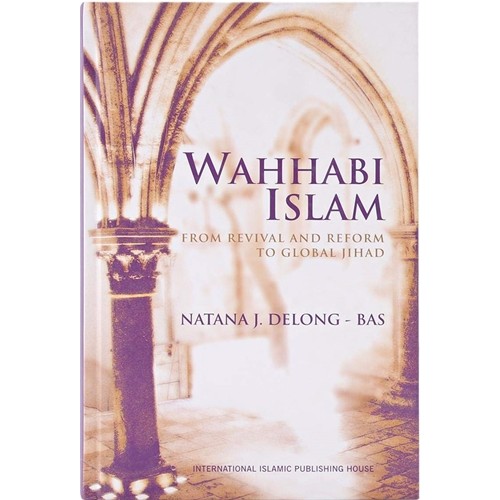
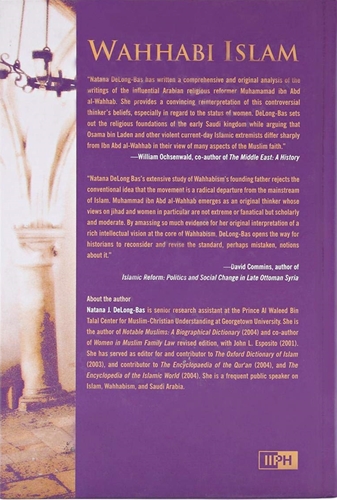
Wahhabi Islam From Revival And Reform To Global Jihad
Highlights:
Until September 11, 2001 few Westerners had ever heard of “Wahhabism.” Now most of us recognize the word as describing an austere and puritanical type of Islam, mentioned frequently in connection with Osama bin Laden and Saudi Arabia and often named as the inspiration behind the 9/11 terror attacks. The word “Wahhabi” stems from the name of the founder of this system of thought, Muhammad Ibn Abd al-Wahhab (1702-1791), companion and religious adviser to Muhammad Ibn Saud, founder of the House of Saud. In this book Natana DeLong-Bas offers an in-depth study of the written works of al-Wahhab. She focuses on four areas: theology, legal theory, proselytizing through education and jihad, and law on women. Through a close reading of al-Wahhab’s texts she demonstrates that many aspects of 20th- and 21st-century Wahhabi extremism do not have their origins in his writings. Examples of this extremism include the emphasis on jihad, martyrdom and militancy, and misogyny. The strict division of the world into dar al-Islam and dar al-kufr, according to which only Wahhabi adherents are considered to be true Muslims and all others are non-Muslims who must be fought, is entirely absent from al-Wahhab’s work. Instead, argues DeLong-Bas, all of these themes were only added to Wahhabi teachings in the 19th century following armed engagement with the Ottoman Empire. DeLong-Bas’s study fills an enormous gap in the literature about Wahhabism by returning to the original writings of the founder of the movement. She debunks the common journalistic portrayal of Muhammad Ibn Abd al-Wahhab as an illiterate, rural bumpkin with no scholarly formation. Her revisionist reading of al-Wahhab’s thought will be controversial but impossible to ignore. The book will be essential reading for students and scholars of Islam as well as for those interested in the background of this dangerous modern ideology.
RM91.00
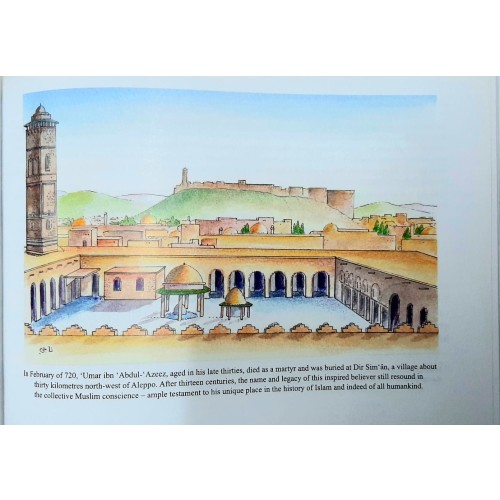
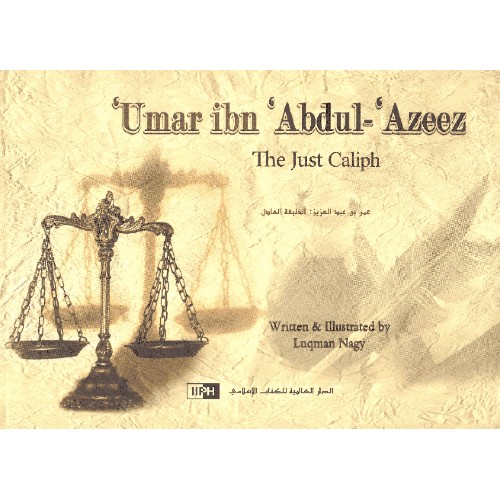
Umar ibn Abdul-Azeez The Just Caliph (IIPH)
Highlights:
This book, written by Luqman Nagy, highlights the life and times of ‘Umar ibn ‘Abdul-‘Azeez, a truly exceptional Muslim ruler who, during his twenty-nine months in office, governed the Ummah totally in accordance with the Qur’an and the Sunnah. His sincere devotion to the religion of Islam enabled ‘Umar ibn ‘Abdul-‘Azeez to bring prosperity and contentment not only to the Ummah but to all those residing within the Umayyad state.
RM54.00
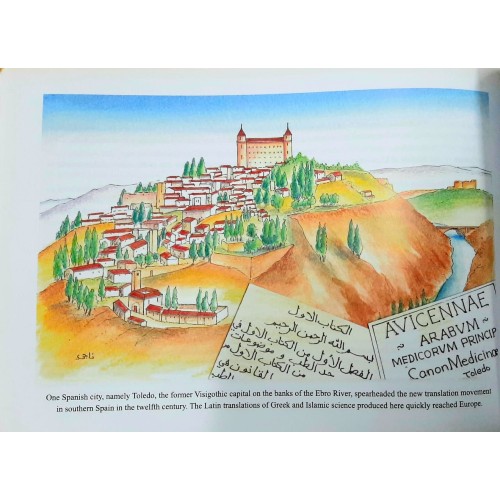
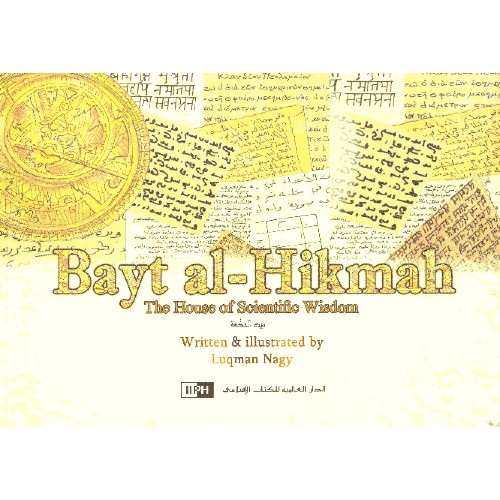
Bayt al-Hikmah The House of Scientific Wisdom (IIPH)
Highlights:
This book, authored by Luqman Nagy, is an introduction to the history and legacy of the great translation movement that began at the Bayt al-Hikmah in ninth century Abbasid Baghdad and culminated centuries later in Spain, with teams of Muslim, Christian and Jewish scholars translating works of Greek and Islamic science from Arabic into Latin. These translations became the first scientific textbooks to be used at many European universities. This wealth of knowledge that was made available in Latin helped initiate the Renaissance, or ‘rebirth’ of learning in the West.
RM54.00
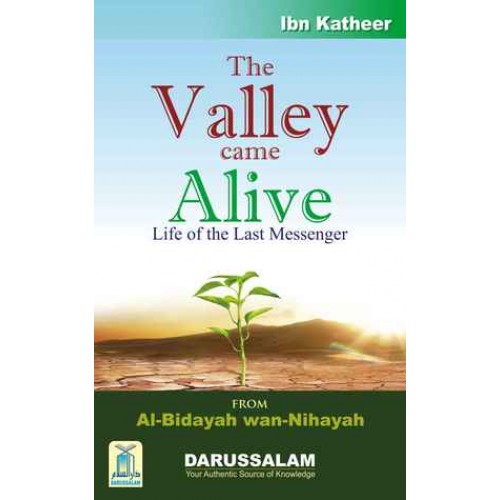
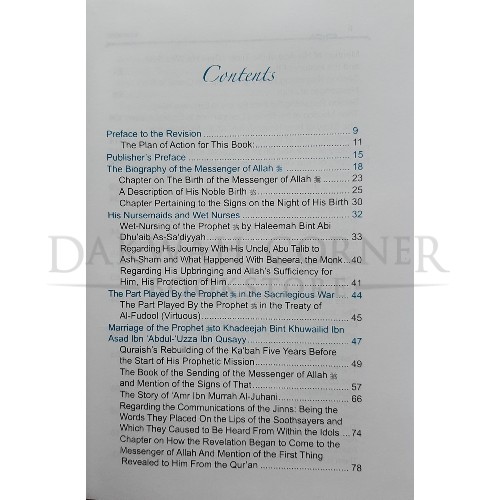
The Valley Came Alive (H/B)
Highlights:
Darussalam is proud to present the abridged English translation of the classic work: Al-Bidayah wan Nihayah, focusing exclusively on the life of Prophet Muhammad (peace be upon him). This volume contains a detail account of the life and times of the Messenger of Allah taken from a number of historical and traditional sources. The book reports the events of his blessed life, his battles, military campaigns, the delegations that met him, and sheds light upon the unique exemplary qualities, virtues and signs of his Messengership that make him a guide and role-model for all of humanity until the end of time.
A1-Bidayah wan Nihayah (The Beginning and The End) by the renowned scholar Abu Al-Fida ‘Imad ad-Deen lsma’eel bin ‘Umar ibn Katheer, is considered one of the most authoritative sources on Islamic history.
RM60.00
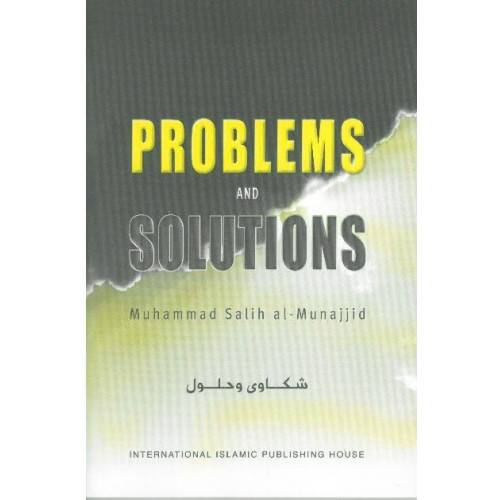

Problems and Solutions (IIPH)
Highlights:
What should I do if I miss the fajr prayer? What are the consequences of excessive laughter? How should I deal with insinuating thoughts from Satan? How can I control my bad temper? What is so bad about staying up late night after night? Drawing on the great guidance of the Qur’an and the Sunnah, Shaykh Muhammad Sâlih al-Munajjid answers these questions and more, giving informative explanations and practical solutions to help you improve in your worship and in your performance of everyday activities.
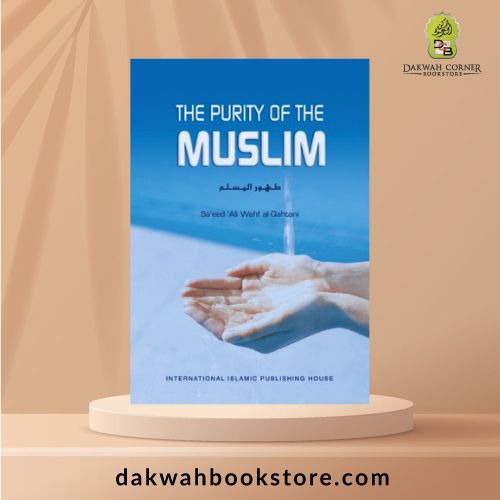
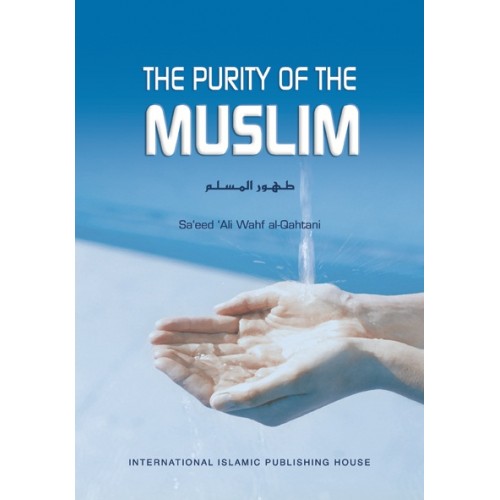
The Purity of Muslim (P/B)
Highlights:
According to a well-known hadith, cleanliness and purity are half of the faith. It is obligatory for a Muslim to be clean and in a state of purity in order to offer formal prayer and recite the Quran by way of ablution, a ritual shower, or dry ablution. Purity and cleanliness encompass both physical and spiritual aspects. Physical impurities can be removed by clean, pure water or dry, clean earth or stone, and this is a beginning step for spiritual cleanliness. In the Purity of the Muslim, Saeed al-Qahtani explains in a clear and comprehensive manner the types of various impurities and the ways to attain purity and cleanliness according to the teachings of the Quran and of the final prophet, Muhammad (blessings and peace of Allah be upon him).
RM15.00
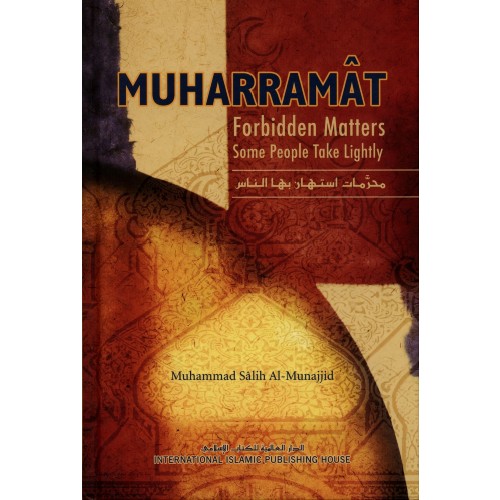
Muharramat: Forbidden Matters Some People Take Lightly
5 ★
5 ★
1 Rating
5 ★
1
4 ★
0
3 ★
0
2 ★
0
1 ★
0
Highlights:
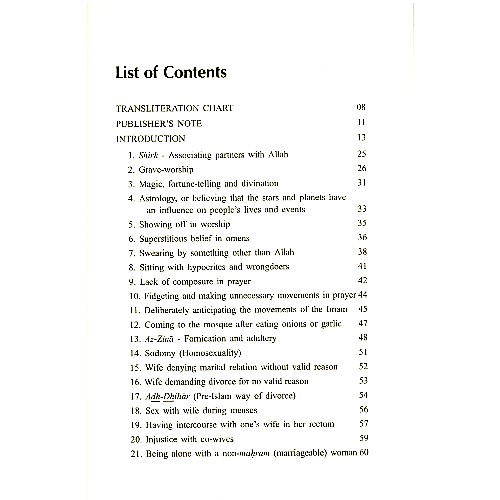
Some Muslims who are either ignorant or of weak faith still commit many acts which Allah never allowed. Ignorance is not an excuse for doing something wrong or illegal, hence it is important to make an effort to learn what these muharramât or forbidden acts are, in order to avoid ever committing them. The author, Shaykh Muhammad Sâlih al-Munajjid, explains many of the forbidden acts that have to do with calling on human beings and things other than Allah, worshipping the dead and circumambulating their graves, invoking prophets and the dead, magic, fortune-telling, believing in the power of astrologists and planets and other acts that go against the Islamic creed of monotheism (tawheed). As such, this book of prohibitions regarding beliefs and acts of worship is a helpful resource for Muslims, if they are really practicing Islam and want to avoid committing great sins.
RM11.00 – RM27.00Price range: RM11.00 through RM27.00
HardcoverPaperback
Clear
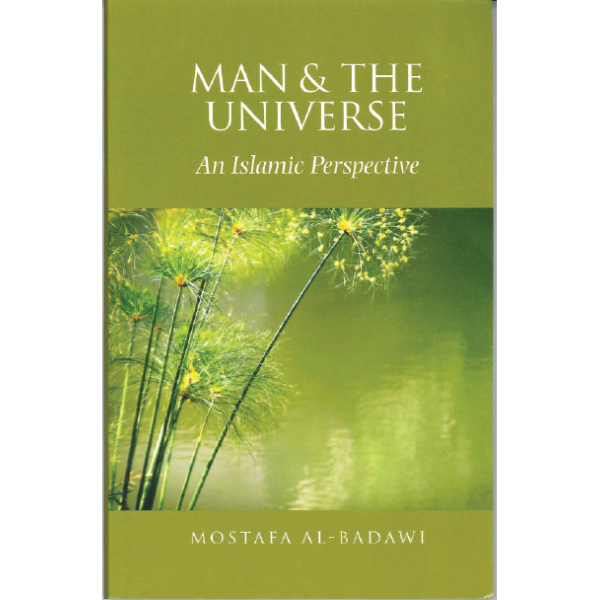
Man & The Universe An Islamic Perspective – Awakening
Highlights:
The author presents a penetrating diagnosis of the illnesses of humanity today, together with a fascinating overview of the Islamic metaphysics, unearthing its spiritual and moral values and its timeless relevance and applicability. Man and universe is a compelling and urgently needed piece of writing about what we human beings are, where we stand, and what we can do about it.
RM65.00
Recently Viewed

Islamic Rules of Order (P/B)
Highlights:
Organizations must have rules of order to facilitate their debate and to fill in the procedures not detailed by their constitutional documents. While most American organizations are content to operate by Robert’s Rules of Order, Muslim organizations have often wrestled with questions over whether the rules of order systemized by a Western military figure are in accord with the Qur’an and the Sunnah.
This book tackles the matter directly and takes into account the Qur’an, the sunnah, Islamic manners and the history of Islamic consultation and leadership to provide a simple, practical guide to organizational procedure that can be incorporated into the governance of Muslim organizations. The book includes advice on writing bylaws and on complying with the best practices of the U.S. Dept. of Justice in a way that is Islamically authentic, transparent, and accountable. It provides a basic starting point for any Muslim organization while allowing for flexibility so that organizations may make any variations they require within their own bylaws and constitution, so that it can accommodate differing schools of thought on Islamic law. In its discursive approach it is an essential primer for understanding the value of rules of order and the Islamic context for their application. The Islamic Rules of Order has been adopted as the rules of order of the Association of Muslims Social Scientists.
RM50.00
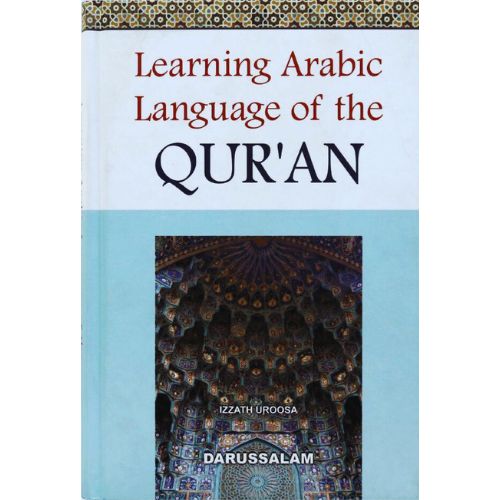
Learning Arabic Language Of The Qur’an
Highlights:
Other components that make this book attractive and useful are the simplicity of the language used, and its clarity and effectiveness of expression in achieving its objective. This book can be used by students of different ages whose intention is to learn Arabic with an eye toward proper understanding of the Qur’an.
The author has profound knowledge of both the Arabic and English languages. She also possesses a deep insight into Qur’anic expressions. She studied Arabic in Saudi Arabia and in India. This comprehensive book is the result of her diligence and commitment to learning and teaching the Qur’anic Arabic.
May Allah reward her for this valuable service to the understanding of the Qur’an and make it popular among the students and the academic world at large.
Prof. Mohsin Usmani Nadwi, Professor of Arabic and Dean at English and Foreign languages University (formerly CIEFL) Hyderabad, India.
RM90.00
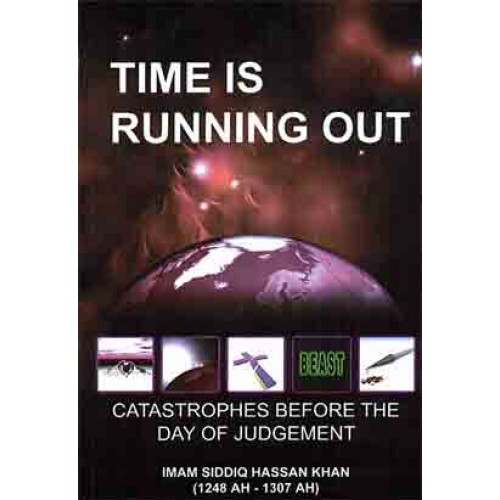
Time is Running Out (P/B)
Highlights:
Discusses the following topics:
- What is the Hour? When will it be? What are its signs?
- Meaning of al fitnah
- Near coming of the Hour
- Fitan affecting the Muslim Ummah
- Certain Fitan which have already passed
- Major signs before the day of judgment
- Appear of ad Dajjal
- Descent of Jesus, son of Mary
- Appearance of Gog and Magog
- Rising of the sun from the west
- Emergence of the beast from the Earth
- Ad Dukhan (The Smoke)
- The Pleasant Wind
- The Last major sign will be a fire
RM46.00

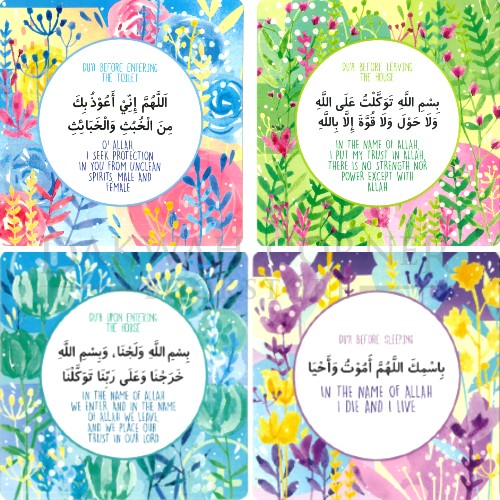
Du’a Prints
Highlights:
A collection of essentials du’as from authentic hadiths. Have 8 du’as in 1 set:-
- Du’a Exiting the Toilet
- Du’a Upon Entering the House
- Du’a Before Leaving the House
- Du’a Before Entering the Toilet
- Du’a Before Eating
- Du’a Before Sleeping
- Du’a in Seeking Knowledge
- Du’a After Waking Up
RM30.00
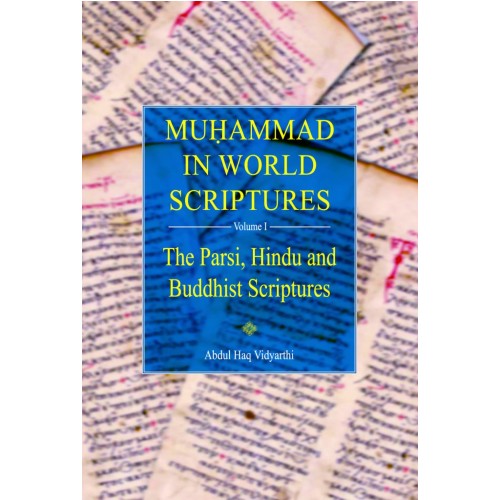
Muhammad in World Scriptures: Volume I (IBT)
Highlights:
This is the first volume of the series on the Prophet Muhammad as found in world scriptures. The author, a scholar of the Vedas and comparative religion, argues that numerous prophecies of the coming of the Holy Prophet are found in the Parsi (Zoroastrian), Hindu and Buddhist scriptures. He attempts to illuminate these prophecies and explains the rationale of his conclusions.
RM34.00


33 Ways of Developing Al-Khushoo`: Humility and Devotion in Prayer
5 ★
5 ★
1 Rating
5 ★
1
4 ★
0
3 ★
0
2 ★
0
1 ★
0
Highlights:
Shaykh Muhammad Salih al-Munajjid’s little book is perhaps one of the most widely-circulated among Muslims today. This is because the topic touches worshippers where it hurts—we know that we often lapse into an automatic sort of prayer when we lose concentration. The Shaykh points out that this loss of concentration really stems from a lack of humility and devotion—in Arabic, khushoo‘. His aim in writing this book is to help us to get back that khushoo‘. His step-by-step approach makes it simple. He gives practical advice and uses the excellent example of the prayer of the Messenger of Allah (blessings and peace be upon him) to guide us, so that as worshippers, we can truly return to a state of humility and devotion before the Lord.
RM15.00
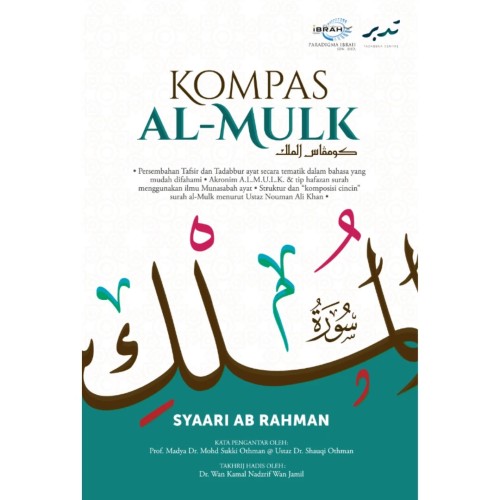
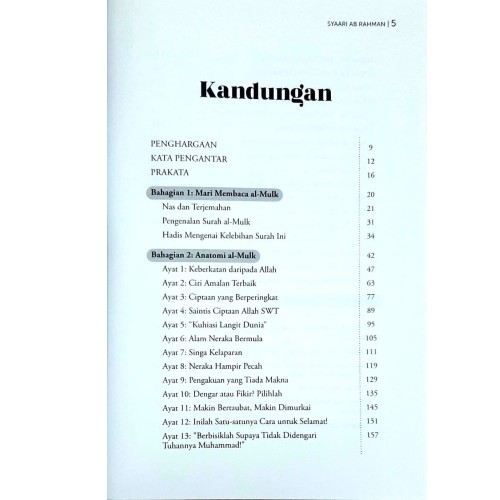
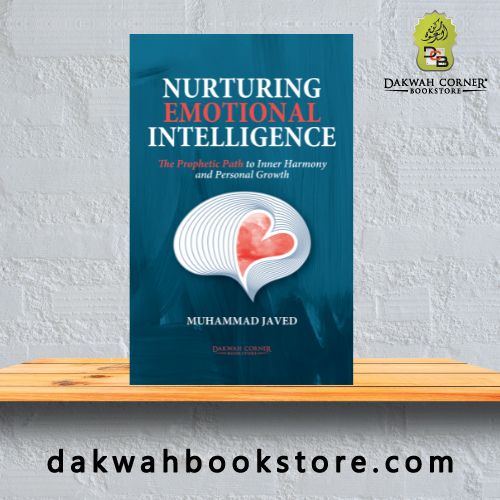
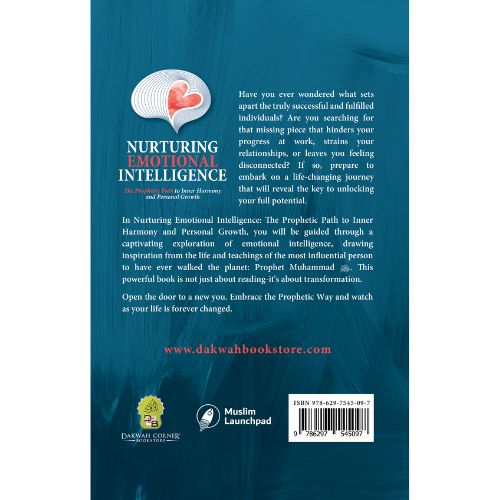
Nurturing Emotional Intelligence (New Cover)
Highlights:
Nurturing Emotional Intelligence
Have you ever wondered what sets apart the truly successful and fulfilled individuals? Are you searching for that missing piece that hinders your progress at work, strains your relationships, or leaves you feeling disconnected? If so, prepare to embark on a life-changing journey that will reveal the key to unlocking your full potential.
RM60.00
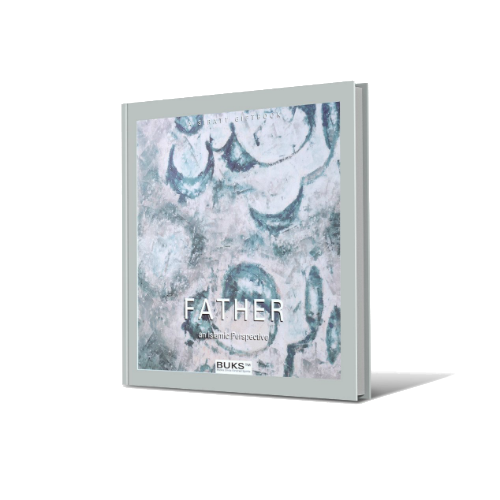
FATHER
Highlights:
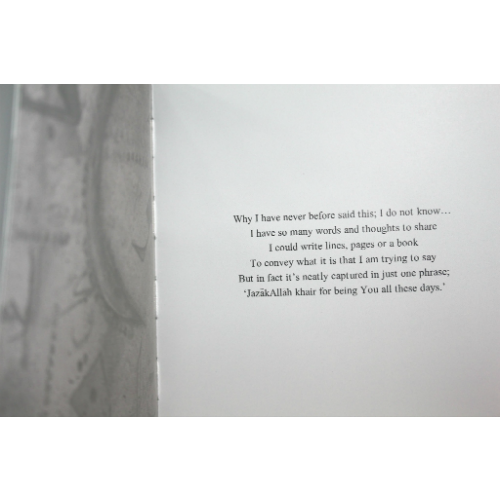
Father The perfect gift to give a loved one or indeed to educate oneself as to the significance Islam places on this important relationship through relevant Qur’anic Ayah, Hadith, and Islamic Poetry.
Example Quotes from GiftBook: .
And your Lord has decreed that you worship none but Him. And that you be dutiful to your parents. And if one of them or both of them attain old age in your life, say not to them a word of disrespect, nor shout at them, but address them in terms of honour. And, lower to them (out of kindness), the wing of submission through mercy, and say, My Lord! Bestow on them Your Mercy, as they cherished me and brought me up when I was small.
[Q17:23-24]
Protecting me from all the dangers that be That was your fatherly duty, But the time you invested in advising me Is more than anyone afforded me. Your strength was not in brawn but in diplomacy, I always felt safe in your company. You were the glue that kept everyone together, InshaAllah in Paradise we’ll live happily forever.
Ideal gifts to convey what we sometimes find difficult to say through relevant Qur’anic Ayah, Hadith, and Islamic Poetry.
RM36.00
![[FT] Kifaah Din / كفاح دين](https://shop.dakwahbookstore.com/wp-content/uploads/2024/08/website-500x500-35-150x150.jpg)
There are no reviews yet.