


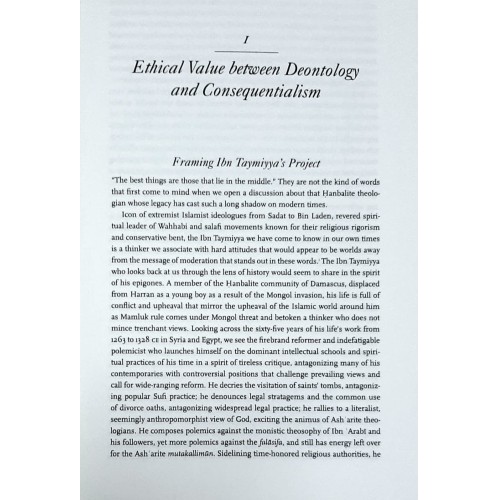
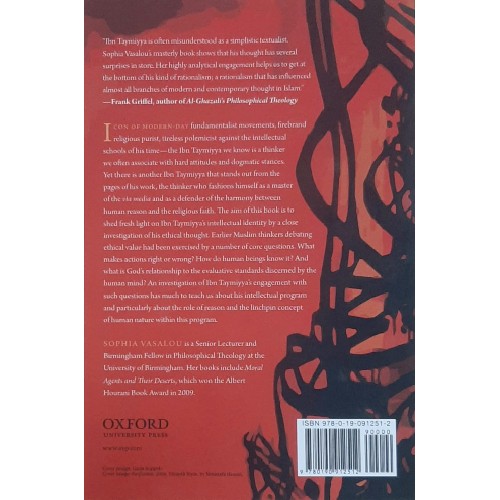
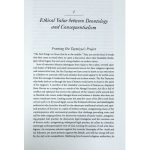
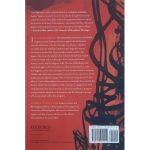
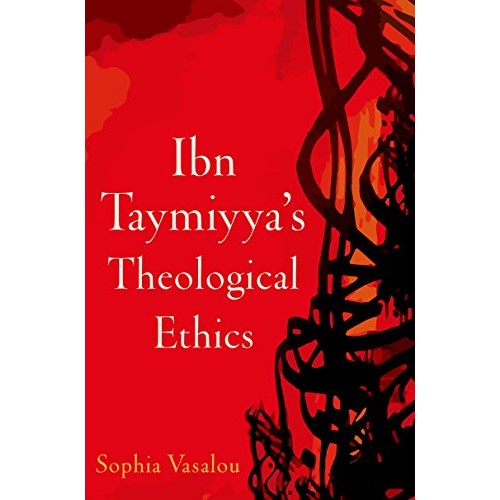
Icon of modern-day: fundamentalist movements, firebrand religious purist, tireless polemicist against the intellectual schools of his time-the Ibn Taymiyya we know is a thinker we often associate with hard attitudes and dogmatic stances. Yet there is another Ibn Taymiyya that stands out from the pages of his work, the thinker who fashions himself as a master of the via media and as a defender of the harmony between human reason and the religious faith. The aim of this book is to shed fresh light on Ibn Taymiyya’s intellectual identity by a close investigation of his ethical thought. Earlier Muslim thinkers debating ethical value had been exercised by a number of core questions. What makes actions right or wrong? How do human beings know it? And what is God’s relationship to the evaluative standards discerned by the human mind? An investigation of Ibn Taymiyya’s engagement with such questions has much to teach us about his intellectual program and particularly about the role of reason and the linchpin concept of human nature (fitra) within this program. It also has much to teach us about Ibn Taymiyya’s relationship to the intellectual landscape of his time, bringing us up against a rich tapestry of ethical discussions unfolding within theology, philosophy and legal theory in the classical period. At the same time, a close reading of Ibn Taymiyya’s ethics invites us to confront not only the content of his thought but its form, and more particularly those features of his writing that fracture our efforts to unify his thought.
Ibn Taymiyya’s Theological Ethics
RM160.00
Frequently Bought Together
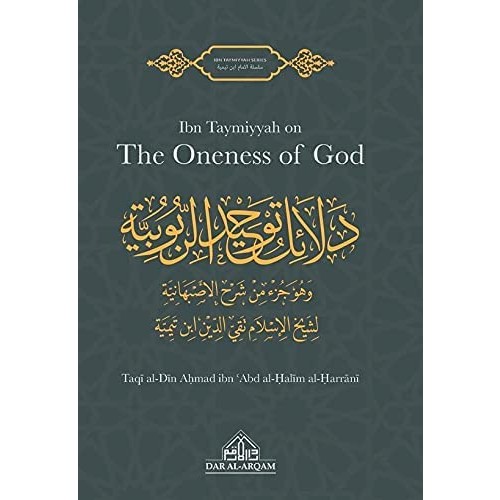
Ibn Taymiyyah on The Oneness of God
| Weight | 0.75 kg |
|---|---|
| Dimensions | 23.5 × 15.5 × 2 cm |
| Author | |
| Binding | Paperback |
| ISBN | 978-0-19-091251-2 |
| Pages | 342 |
| Publisher | OXFORD University Press |
Be the first to review “Ibn Taymiyya’s Theological Ethics” Cancel reply
You must be logged in to post a review.
You may also like…

Ibn Taymiyyah on The Oneness of God
This book is the first in an envisioned series of translations from Ibn Taymiyyah’s theological works that cover a wide range of topics from the evidence of God’s perfection to the signs of Prophethood, and from the meaning of God’s creative agency to the compatibility of divine predestination with human moral agency.
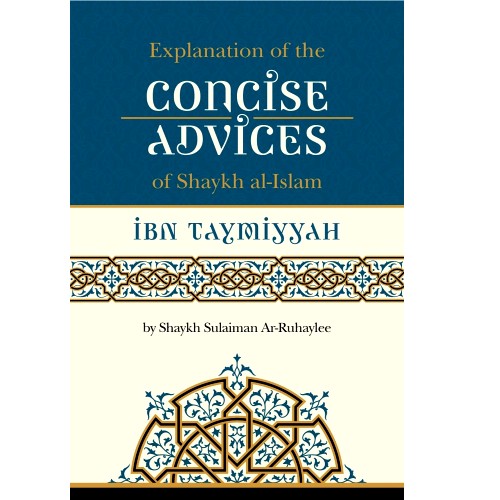
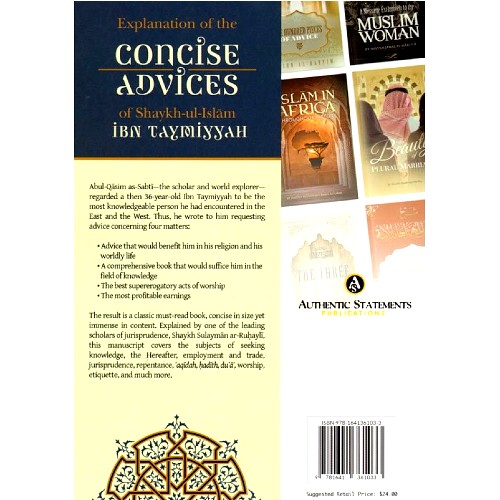
Explanation of the Concise Advices of Ibn Taymiyyah
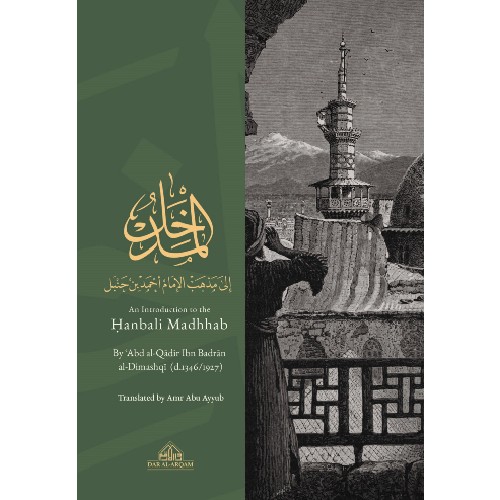
An Introduction to the Hanbali Madhhab (P/B) – Dar al-Arqam
A complete translation of Ibn Badran’s masterpiece, al-Madkhal ila Madhhab al-Imam Ahmad ibn Hanbal.
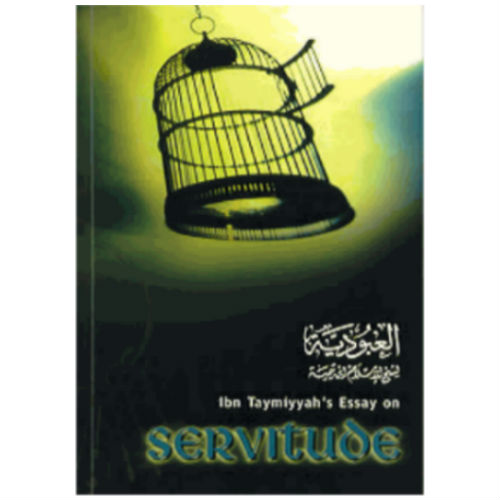
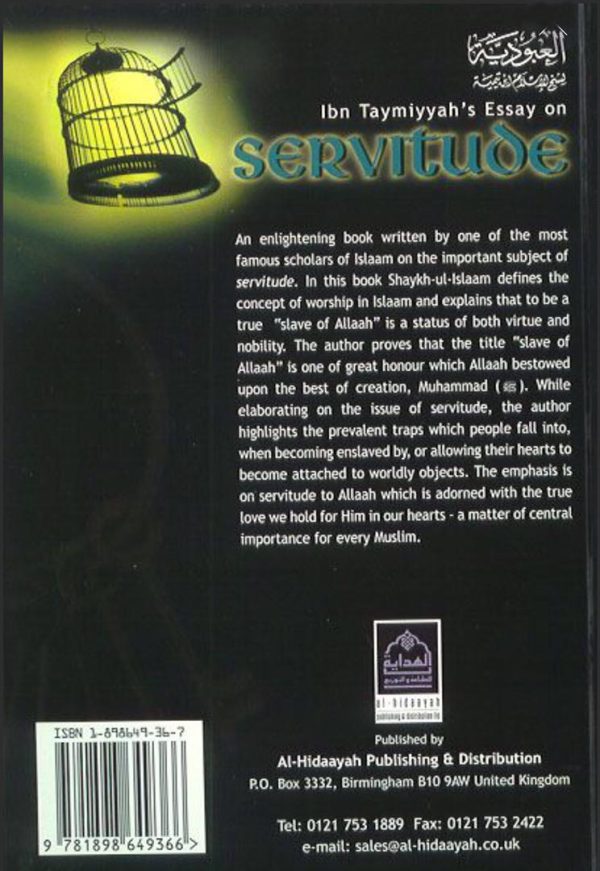
Ibn Taymiyyah’s Essay on Servitude
“An enlightening book written by one of the most famous scholars of Islaam on the important subject of servitude. In this book, Shaykh Ibn Taymiyyah defines the concept of worship in Islaam and explains that to be a true “slave of Allaah” is a status of both virtue and nobility. The author proves that the title “slave of Allaah” is one of great honor which Allaah bestowed upon the best of creation, Muhammad (pbuh). While elaborating on the issue of servitude, the author highlights the prevalent traps which people fall into, when becoming enslaved by, or allowing their hearts to become attached to worldly objects. The emphasis is on servitude to Allaah which is adorned with the true love we hold for Him in our hearts — a matter of central importance for every Muslim.
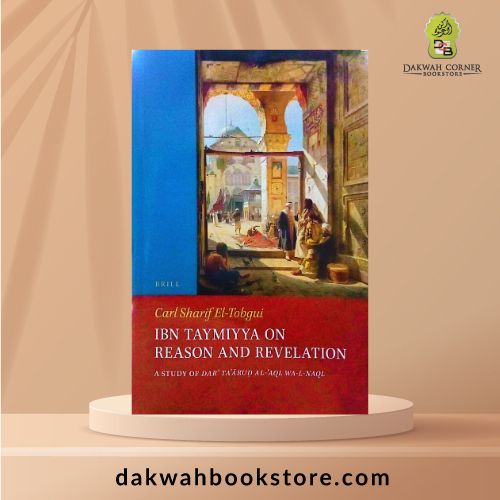
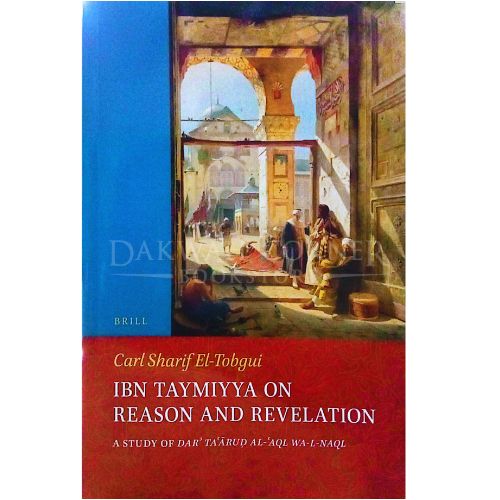
Ibn Taymiyya On Reason And Revelation: A Study of Dar’ Ta Arud Al-‘aql Wa-l-naql
In Ibn Taymiyya on Reason and Revelation, Carl Sharif El-Tobgui offers the first comprehensive study of Ibn Taymiyya’s ten-volume magnum opus, Darʾ taʿāruḍ al-ʿaql wa-l-naql (Refutation of the conflict of reason and revelation). In his colossal riposte to the Muslim philosophers and rationalist theologians, the towering Ḥanbalī polymath rejects the call to prioritize reason over revelation in cases of alleged conflict, interrogating instead the very conception of rationality that classical Muslims had inherited from the Greeks. In its place, he endeavors to articulate a reconstituted “pure reason” that is both truly universal and in full harmony with authentic revelation. Based on a line-by-line reading of the entire Darʾ taʿāruḍ, El-Tobgui’s study carefully elucidates the “philosophy of Ibn Taymiyya” as it emerges from the multifaceted ontological, epistemological, and linguistic reforms that Ibn Taymiyya carries out in this pivotal work.
Related Products

Preservation of Health in Islamic Law (P/B)
Preservation of health (hifz al-sihhah) is the most important branch of Islamic medicine since it is primarily concerned with the prevention of illness rather than cure. This book represents one of the few attempts to introduce the role of Islamic medicine, although Chapter One provides information about a historical background of the preservation of helath in Islam, its aim is to provide fresh ant timely overview of the major aspects of legal, ritual and spiritual structures of teh Islamic law (shariah). These include the laws related to Ibadah, Islamic family laws, foods and drinks as well as environmental laws, for maintaning and preserving human health. Findings indicated that prevention of any diseases from Islamic medical law presentive cannot attain any real success unless it emanates from an Islamic fundamental teaching, namely: the pillars of Islam. Iman and observance of the Islamic rituals such as Salah, zakah, Sawm and Hajj, have played an important role in shaping the attitude, behavior and model personality of the Muslim, in boosting the spiritual motivation or attitude change, and in disseminating the message of prevention. This indicates that bodily and spiritual health goes hand in hand and that pyscho-spritual balance and health is a primary consideration whereas physical health is a secondary one.

The Pillars of Islam Made Easy – II Salah & Its Essential Conditions (H/B)
Salah is one of the five pillars on which the edifice of Islam rests. Most of us feel that we already know all there is about salah – the formal prayers of a Muslim. However, very few individuals actually do justice to it or derive any worldly or spiritual benefits from it.
Salah & Its Essential Conditions is an effort to detail the essential prerequiires of salah. Moreever, it takes a detailed look at its importance along with the different types of obligatory and voluntary prayers. It alsa presents an illustrated guide to help those who wish to learn or correct the performance of their prayers.
Inshallah, all those who wish to improve their salah will find plenty of help in this book whether they are looking for information on cleanliness and purify, locating the direction of qibla, improving their congregation during salah, making up for the missed salah, or joining acongregation when the imam has already sarted the salah, or joining a congregation when the imam has already started the salah. All in all, it is a relevant handbook on what the Prophet (saw) has described as the coolness of his eyes.

Shatibi’s Philosophy of Islamic Law (P/B)
Abu Ishaq al-Shatibi, who died in 1888, had sought an answer to the challenge posed by modernisation and change to Islamic law, by introducing maslahah, which forms the basis of his philosophy of Islamic law. In a fascinating way, the author leads us step by step to what he considers the true import of Shatibi’s views concerning jurisprudence.


Principles of Islamic Jurisprudence (2nd Revised Edition)
This book offers a detailed presentation of the theory of Muslim law (usul al-figh). Often regarded as the most sophisticated of the traditional Islamic disciplines, Muslim jurisprudence is concerned with the way in which the rituals and laws of religion are derived from the Qur’an and the Sunna – the precedent of the Prophet. Revelation, which is given to man to restore unity and help him achieve a just and devout order in society as well as in the soul, must be interpreted so as to render it practicable in every culture, while not betraying its spirit and immutable provisions. To achieve this, additional sources of legal authority are recognized, including consensus (ijma), analogical deduction (qiyas), public interest (maslaha) and local customary precedent (urf). In employing these, the jurist guards the five principles which it is the purpose of Islamic law to uphold, namely, the right to life, sound mind, property, lineage and religion.


Zakah According to the Quran & Sunnah (Darussalam)
Zakah, the third Pillar of Islam, is probably the first Pillar of its economic system. It represents the first and most important mechanism to implement economic justice and to provide sustenance to the economically unfortunate, two issues for which Islam is especially sensitive. These two issues are the essence of this book. This book consists of all the main issues of Zakat (i-e, Zakah on Gold, Silver, Paper Money, Livestock, Fruits, Grains, Rented Land, Buried treasures, Minerals, Trade, Shares, Stocks, and Exploited Assets etc). The main objective of this work is to serve an easy and authentic reference to the reader.


Getting the Best Out of Hajj
The book provides a realistic view of Hajj as it is today, with detailed explanations of all the rites. It provides Figh related issues about Hajj, Salah and personal behaviour according to the Quran and Sunnah, to enable you to obtain the best value for your time spent in the holy cities. It also provides information and suggestions about planning for the journey, what to expect and how to survive, so you can depart with full confidence. This is a must have for all those planning to go on Hajj!


Islamic Rulings on Menstruation and Postpartum Condition
The birth of human being is a most amazing phenomenon. The physical cycles that the body of woman must endure in order to maintain this act of creation should be respected to the highest degree. Allah mentions that our mothers have born us with difficulty and struggle and because of this are due the highest respect. one among many of the difficulties that women must brave, are the doubts that these conditions present to the correct obervance of her religion. How is her fassting affected, how are her prayers affected, how is her ability to pursue her studies, and how are her conjugal relations affected by her ever changing physical condition in relation to her as the sole vessel of the birth of man. A really valuable publication by Darussalam for all Muslim woman to study


Having Fun The Halal Way Entertainment In Islam
With the advent of technology, the entertainment industry has flourished and become immensely popular. Combine this with the exponential advances in technology, and the result is an increasing number of ways to amuse ourselves. As a result of such advances, Muslim react in a variety of manners towards entertainment. Some label entertainment as completely forbidden. This sometimes includes parents who say no to almost everything that their young ones deem to be ‘fun’, without providing them with suitable alternatives. Others, who do not want to take this extreme approach, fall into the trap of excessive use of – and even addiction to – various sources of entertainment, without any limits.
In Having Fun the Halal Way, Ismail Kamdar explores the teachings of Islam regarding entertainment. Drawing upon the Quran, the Sunnah and the understanding of the righteous scholars of Islam, he provides a detailed and balanced analysis of the topic. He not only explains the detriments of the current entertainment industry, but also suggests alternative means to have a good time with friends and family members.


Remembrance & Prayer: The way of Prophet Muhammad s.a.w
Remembrance and Prayer: The Way of Prophet Muhammad, was one of the first works of Shaykh al Ghazali’s to be translated into English. The book describes in vivid prose how the Prophet, upon him be peace, used to remember Allah and pray to Him. Not only are the exquisitely beautiful, deeply moving and penetrating words of the Prophet given in the English translation, but in the original Arabic as well, thus allowing those desirous of memorizing Arabic access to the original texts. The intimate relationship with Allah, which was the hallmark of the Prophet’s life, becomes clear and vivid. The book’s contents are immensely relevant. to the life and concerns of modern man, whose life has been made barren by the present secularist machinery.

War and Peace in Islam : The Uses and Abuses of Jihad (P/B)
Written by a number of Islamic religious authorities and Muslim scholars, this work presents the views and teachings of mainstream Sunni and Shi’i Islam on the subject of jihad. It authoritatively presents jihad as it is understood by the majority of the world’s 1.7 billion Muslims in the world today, and supports this understanding with extensive detail and scholarship. No word in English evokes more fear and misunderstanding than “jihad.” To date the books that have appeared on the subject in English by Western scholars have been either openly partisan and polemical or subtly traumatized by so many acts and images of terrorism in the name of jihad and by the historical memory of nearly 1,400 years of confrontation between Islam and Christianity. Though jihad is the central concern of War and Peace in Islam: The Uses and Abuses of Jihad, the range of the essays is not confined exclusively to the study of jihad. The work is divided into three parts: War and Its Practice, Peace and Its Practice, and Beyond Peace: The Practice of Forbearance, Mercy, Compassion and Love. The book aims to reveal the real meaning of jihad and to rectify many of the misunderstandings that surround both it and Islam’s relation with the “Other.”
Reviews:
“A dynamic myth-busting clarification of the real position of mainstream orthodox Islam on the whole question of violence and jihad.” —T. J. Winter, University of Cambridge
“This is the best book on the subject in English. It will be of inestimable value.” —Shaykh Mustafa Ceric, Grand Mufti Emeritus of Bosnia

A Guide to Male-Female Interaction
Are Muslim men allowed to interact with female students, and vice versa, in a virtual classroom? Can a Muslim woman pursue a professional career that necessitates her interaction with men? Is it appropriate for a woman to serve her husband’s guests? Do mixed wedding ceremonies comply with the Sharia? Read this bilingual book to find the answers and more!

Islamic Fatawa Regarding Women (H/B)
Women face a lot of special problems regarding their menses, postpartum bleeding, istihada, hijab, mixing with men, rights & duties with respect to their husband, husband’s household, children, inheritance, marriage, divorce, etc
More than 350 of such problems & issues have been answered in this book by Grand Mufti of Saudi Arabia Sheikh Ibn Baz, and the eminent scholars like Sheikh Ibn Uthaimin, Sheikh Ibn Jibreen and others.
.
Recently Viewed

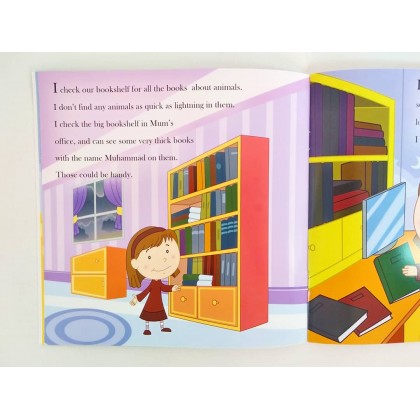
Faatimah & Ahmed An Extraordinary Journey
Faatimah and Ahmed are watching the lightning during a storm. There is an animal that is named after the Arabic word for lightning – Al Buraq. Faatimah wants to know more about it! Join Faatimah and Ahmed as they discover more about Buraaq, and the extraordinary journey Prophet Muhammad SAW went on.
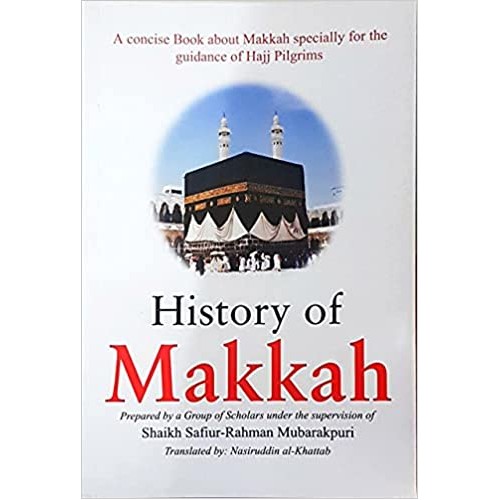
History of Makkah – Darussalam
This book…
- Mentions the different aspects of Makkah, and records the most important historical events that have direct effect on the establishment and sacredness of Makkah as well as its religious weight.
- Highlights the sites that are highly important whenever Makkah is mentioned like the Black Stone, Zamzarn Well and others.
- Designates a great part of the book speaking about the Holy Ka’bah and the Holy Mosque updating the extensions and the improvements, that have taken place from the time of Muhammad (S) to the Saudi era.
- At the end of the book there is a complete appendix about Hajj and its rites.

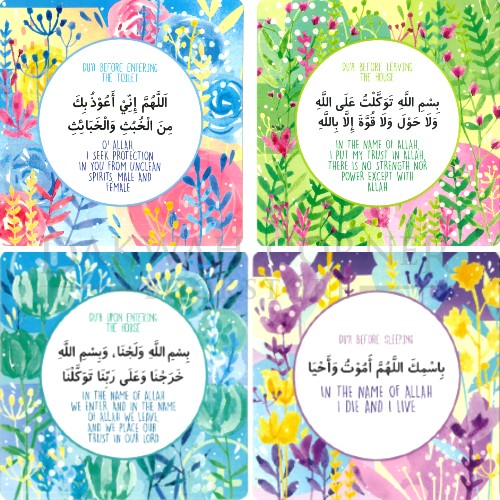
Du’a Prints
A collection of essentials du’as from authentic hadiths. Have 8 du’as in 1 set:-
- Du’a Exiting the Toilet
- Du’a Upon Entering the House
- Du’a Before Leaving the House
- Du’a Before Entering the Toilet
- Du’a Before Eating
- Du’a Before Sleeping
- Du’a in Seeking Knowledge
- Du’a After Waking Up
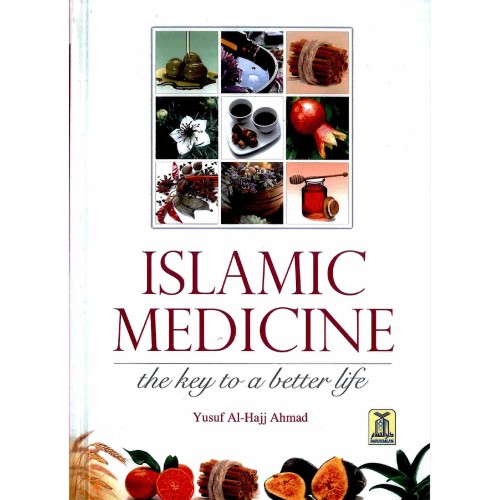
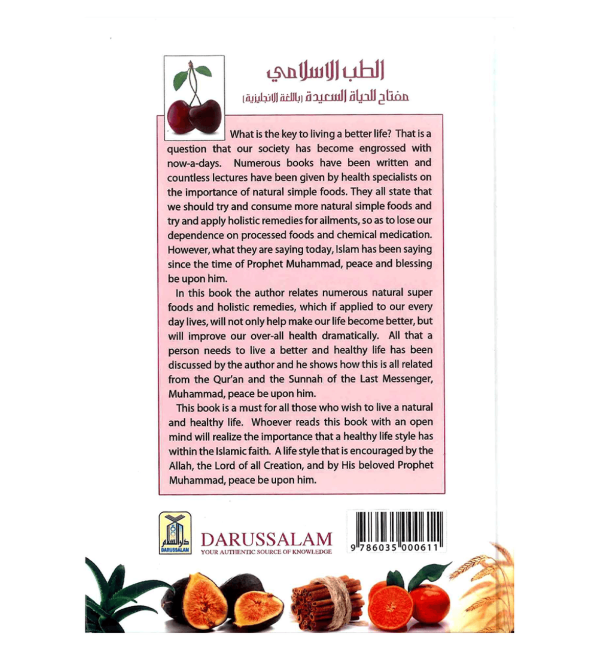
Islamic Medicine – The Key To A Better Life (H/B)
In this book the author relates numerous natural super foods and holistic remedies, which if applied to our every day lives, will not only help make our life become better, but will improve our over-all health dramatically. All that a person needs to live a better and healthy life has been discussed by the author and he shows how this is all related from the Qur’an and the Sunnah of the Last Messenger, Muhammad (peace be upon him).
This book is a must for all those who wish to live a natural and healthy life. Whoever reads this book with an open mind will realize the importance that a healthy life style has within the Islamic faith. A life style that is encouraged by the Allah, the Lord of all Creation, and by His beloved Prophet Muhammad (peace be upon him).
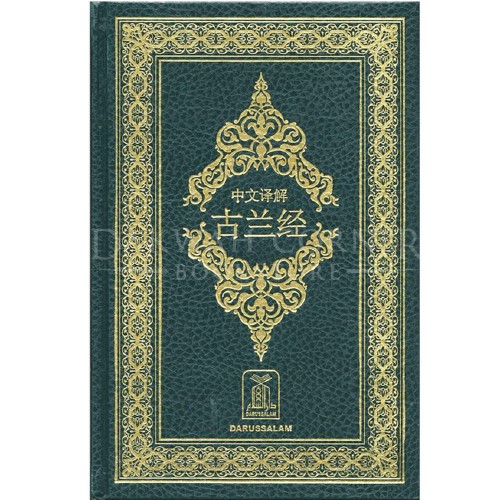
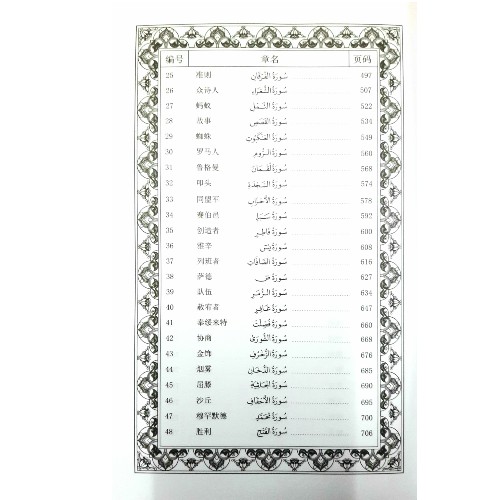
Qur’an Chinese Translation
Quran in Chinese Language (Arabic To Chinese Translation)
The Noble Quran in Chinese Language (Arabic Text with Chinese Translation and little Commentary)
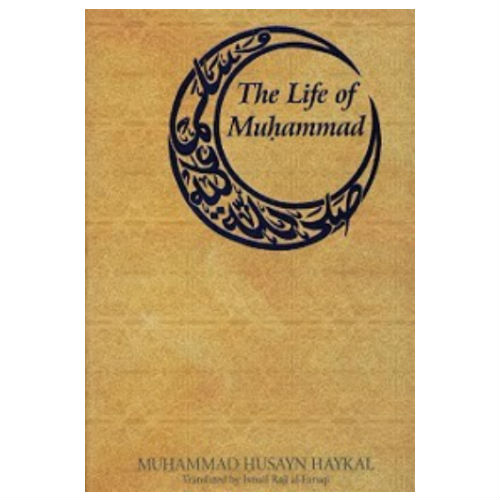
The Life of Muhammad
This biography of Prophet Muhammad, peace and blessings be upon him, is the first written by a contemporary Muslim scholar. It includes complete coverage of the Prophet’s life, a detailed analysis of pre-Islamic Arabia, the situational context of revelation and a comparative study of the basics of Islamic and western civilizations. The author, Muhammad Husayn Haykal, is well known to the Arabic readers. His other works include The Life of Abu Bakr, The Life of Umar al-Faruq and The Home of Revelation. The translator, Ismail Raji al-Faruqi, was an authority on Islam and comparative religion.
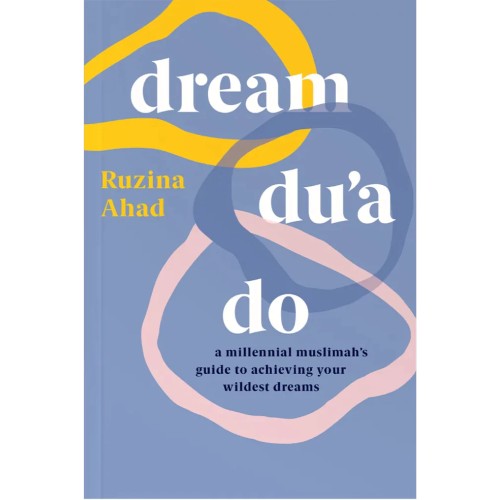
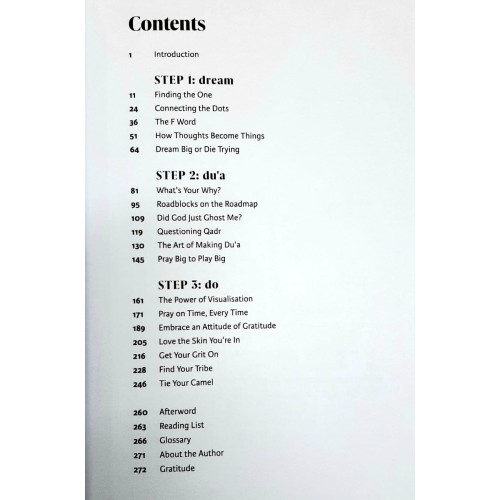
Dream Du’a Do by Ruzina Ahad
Dream Du’a Do is the ultimate survival guide for the Millennial Muslimah. Packed with humour, honesty and heartfelt advice, this sunny book offers strategies for Muslim women to not just survive in today’s world, but to thrive. As a young British Bengali woman, Ruzina shares the ups and downs of her own journey and explains how she gained the confidence and clarity to achieve her dreams. Using the latest research in neuroscience, positive psychology, and inspiring examples of Muslim women, this refreshingly engaging how-to guide will encourage you to
- Figure out your wildest ambitions by having the courage to DREAM
- Inspire you to rely on the transformational power of prayers through DU’A
- Empower you to go out to DO whatever it is you need to live your life to the full.
By the end of Dream Du’a Do, you will know exactly what you want out of this life, why you want it, how to achieve it!
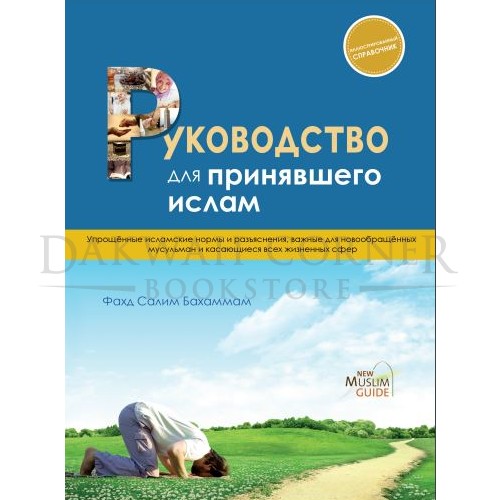
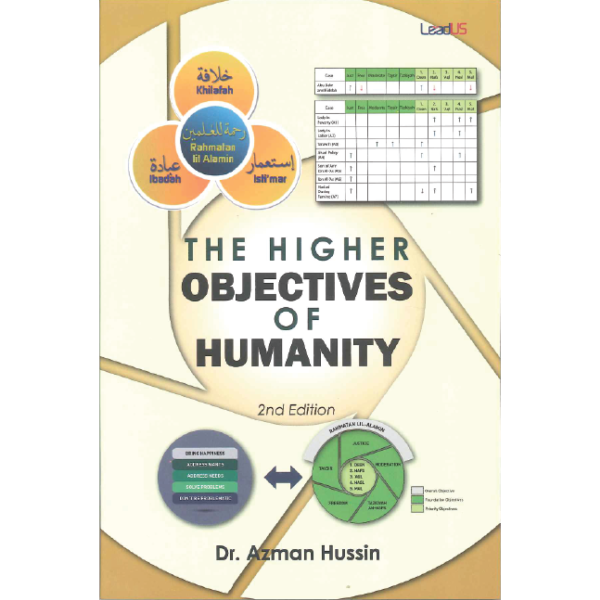
The Higher Objectives of Humanity
A video summary of this book can be found here: https://www.youtube.com/watch?v=YdNQxv_ODdc&t=26s This book discusses the why, what and how of Rahmatan lil-Alamin as the higher objective of humanity. It presents a practical understanding of the purpose of creation and humanity to improve the individual and collective well-being of Muslims and society. The intention is to re-introduce and re-emphasize the correct Islamic perspective of humanity. The first five chapters revisits the common understanding among Muslims as to why mankind is created. We show that the prevalent view that we are created to worship Allah (SWT) is incomplete. There is a higher and more noble purpose; Rahmatan lil-Alamin (mercy to the worlds). We next describe the what of Rahmatan lil-Alamin. The best role model of Rahmatan lil-Alamin is undoubtedly Prophet Muhammad (SAW), the last and final prophet and messenger, whom Allah (SWT) sent with a very clear purpose, “And We have not sent you but as a mercy to the worlds.” [21:107]. We present many examples from the history of Prophet Muhammad (SAW) and a collection of his (SAW) sayings and advice on being the best. The final chapters of the book deal with the how of Rahmatan lil-Alamin. We describe in detail how the Muslim can apply Rahmatan lil-Alamin daily in his or her life. We propose a practical model of Rahmatan lil-Alamin that we induced from the Quran. We also addressed how to apply Rahmatan lil-Alamin to a broader society by proposing a decision-making tool that can guide us as persons and as communities to make decisions that conform to the foundations and priorities of Rahmatan lil-Alamin. We present case studies from the history of the Companions using this decision-making model. This book seeks to establish a connection between Islam and civilization within a civilizational and ethical framework. We believe that a more proper and complete understanding of the Islamic view about humanity may present to us new perspectives of Islam and how Muslims should engage with fellow Muslims and people of other faiths. In fact, the implication of this new reinterpretation framework goes even further in that: any human civilization built on this framework is the most prosperous for the whole and also for the individuals in it.
There are no reviews yet.