


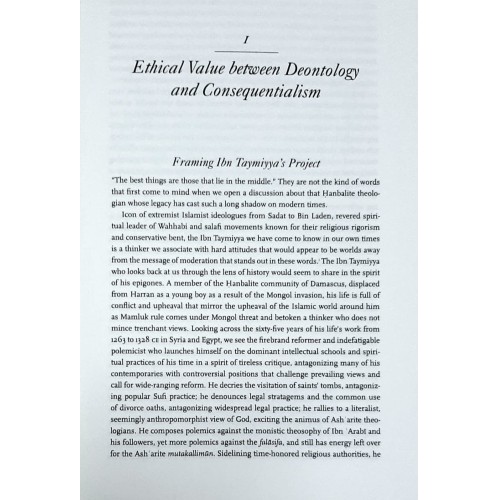
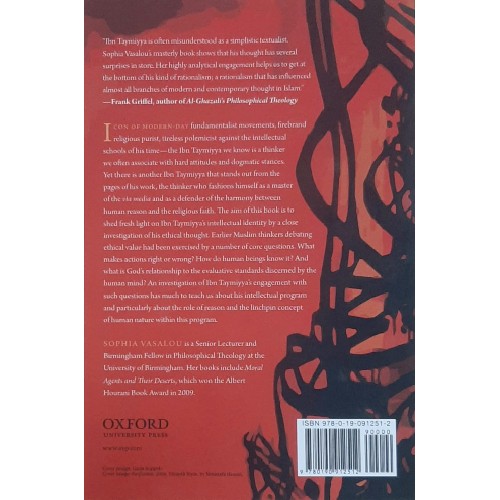

Icon of modern-day: fundamentalist movements, firebrand religious purist, tireless polemicist against the intellectual schools of his time-the Ibn Taymiyya we know is a thinker we often associate with hard attitudes and dogmatic stances. Yet there is another Ibn Taymiyya that stands out from the pages of his work, the thinker who fashions himself as a master of the via media and as a defender of the harmony between human reason and the religious faith. The aim of this book is to shed fresh light on Ibn Taymiyya’s intellectual identity by a close investigation of his ethical thought. Earlier Muslim thinkers debating ethical value had been exercised by a number of core questions. What makes actions right or wrong? How do human beings know it? And what is God’s relationship to the evaluative standards discerned by the human mind? An investigation of Ibn Taymiyya’s engagement with such questions has much to teach us about his intellectual program and particularly about the role of reason and the linchpin concept of human nature (fitra) within this program. It also has much to teach us about Ibn Taymiyya’s relationship to the intellectual landscape of his time, bringing us up against a rich tapestry of ethical discussions unfolding within theology, philosophy and legal theory in the classical period. At the same time, a close reading of Ibn Taymiyya’s ethics invites us to confront not only the content of his thought but its form, and more particularly those features of his writing that fracture our efforts to unify his thought.
Ibn Taymiyya’s Theological Ethics
RM160.00
Frequently Bought Together
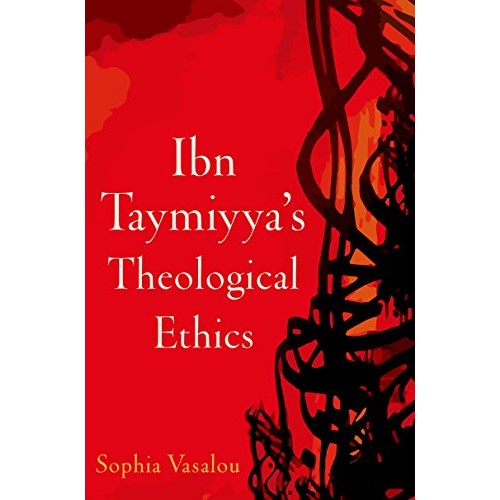
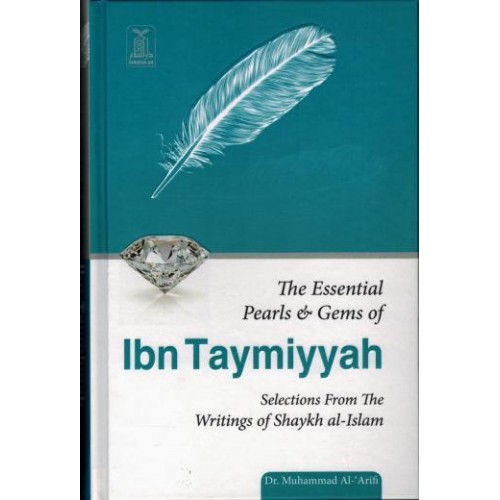
Ibn Taymiyyah on The Oneness of God
| Weight | 0.75 kg |
|---|---|
| Dimensions | 23.5 × 15.5 × 2 cm |
| Author | |
| Binding | Paperback |
| ISBN | 978-0-19-091251-2 |
| Pages | 342 |
| Publisher | OXFORD University Press |
Be the first to review “Ibn Taymiyya’s Theological Ethics” Cancel reply
You must be logged in to post a review.
You may also like…

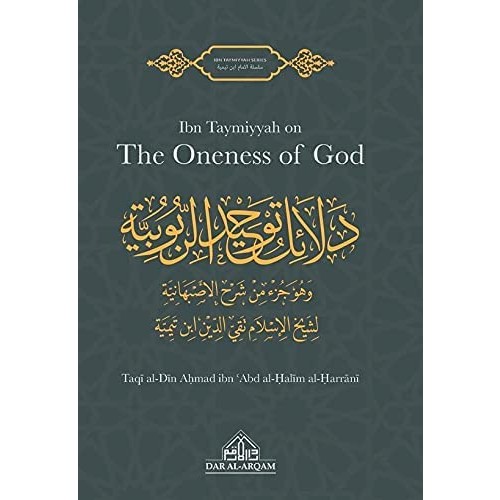
Ibn Taymiyyah on The Oneness of God
This book is the first in an envisioned series of translations from Ibn Taymiyyah’s theological works that cover a wide range of topics from the evidence of God’s perfection to the signs of Prophethood, and from the meaning of God’s creative agency to the compatibility of divine predestination with human moral agency.
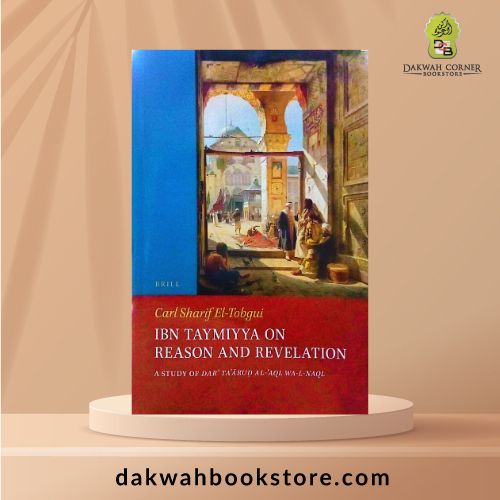
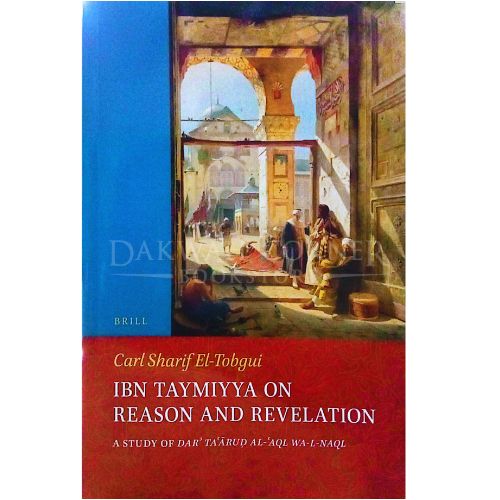
Ibn Taymiyya On Reason And Revelation: A Study of Dar’ Ta Arud Al-‘aql Wa-l-naql
In Ibn Taymiyya on Reason and Revelation, Carl Sharif El-Tobgui offers the first comprehensive study of Ibn Taymiyya’s ten-volume magnum opus, Darʾ taʿāruḍ al-ʿaql wa-l-naql (Refutation of the conflict of reason and revelation). In his colossal riposte to the Muslim philosophers and rationalist theologians, the towering Ḥanbalī polymath rejects the call to prioritize reason over revelation in cases of alleged conflict, interrogating instead the very conception of rationality that classical Muslims had inherited from the Greeks. In its place, he endeavors to articulate a reconstituted “pure reason” that is both truly universal and in full harmony with authentic revelation. Based on a line-by-line reading of the entire Darʾ taʿāruḍ, El-Tobgui’s study carefully elucidates the “philosophy of Ibn Taymiyya” as it emerges from the multifaceted ontological, epistemological, and linguistic reforms that Ibn Taymiyya carries out in this pivotal work.
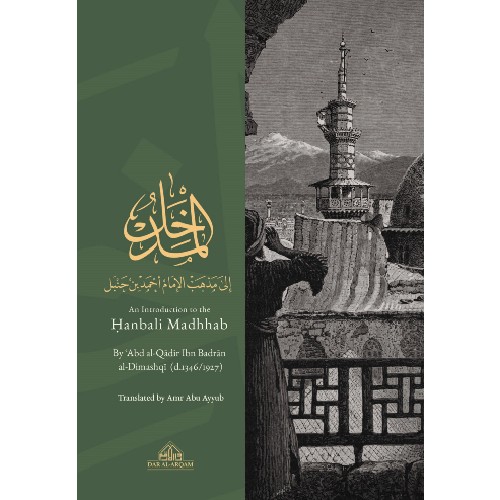
An Introduction to the Hanbali Madhhab (P/B) – Dar al-Arqam
A complete translation of Ibn Badran’s masterpiece, al-Madkhal ila Madhhab al-Imam Ahmad ibn Hanbal.
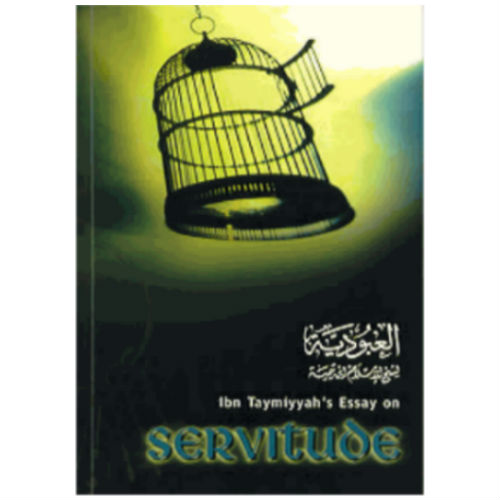
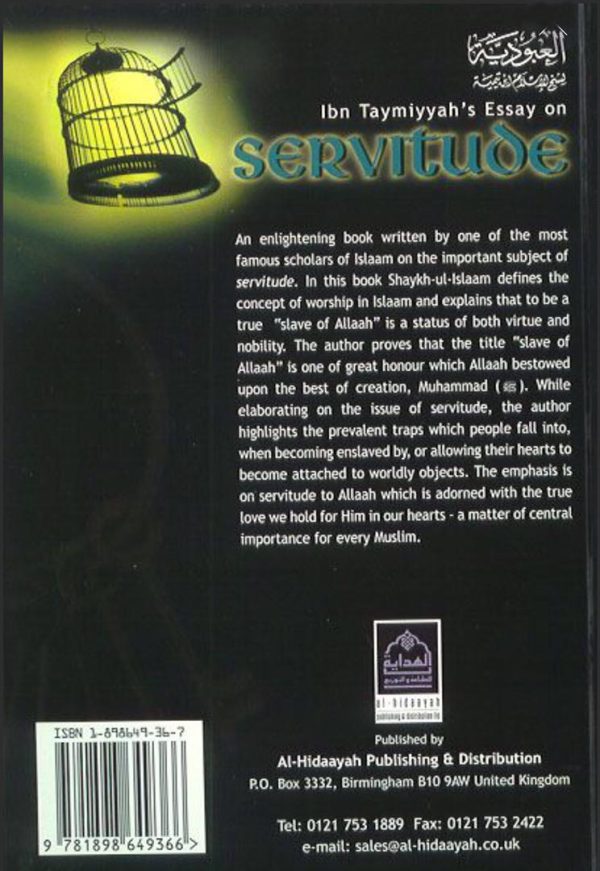
Ibn Taymiyyah’s Essay on Servitude
“An enlightening book written by one of the most famous scholars of Islaam on the important subject of servitude. In this book, Shaykh Ibn Taymiyyah defines the concept of worship in Islaam and explains that to be a true “slave of Allaah” is a status of both virtue and nobility. The author proves that the title “slave of Allaah” is one of great honor which Allaah bestowed upon the best of creation, Muhammad (pbuh). While elaborating on the issue of servitude, the author highlights the prevalent traps which people fall into, when becoming enslaved by, or allowing their hearts to become attached to worldly objects. The emphasis is on servitude to Allaah which is adorned with the true love we hold for Him in our hearts — a matter of central importance for every Muslim.
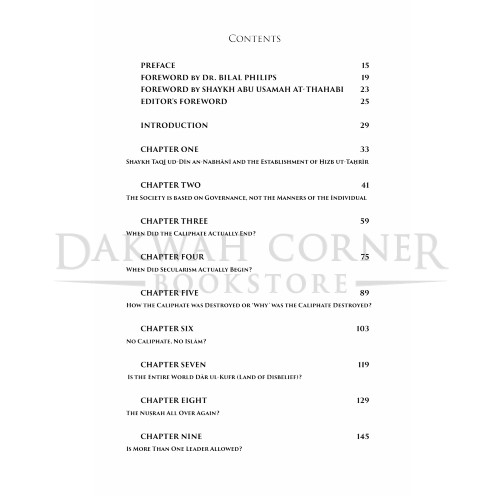
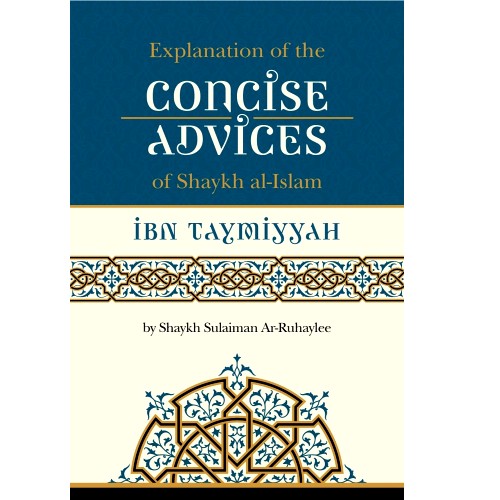
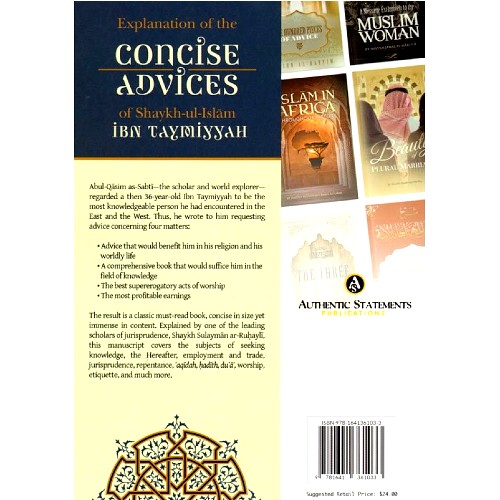
Explanation of the Concise Advices of Ibn Taymiyyah
Related Products


Getting the Best Out of Hajj
The book provides a realistic view of Hajj as it is today, with detailed explanations of all the rites. It provides Figh related issues about Hajj, Salah and personal behaviour according to the Quran and Sunnah, to enable you to obtain the best value for your time spent in the holy cities. It also provides information and suggestions about planning for the journey, what to expect and how to survive, so you can depart with full confidence. This is a must have for all those planning to go on Hajj!


The Ultimate Guide to Umrah by Darussalam


Fiqh Course: Tahaarah, Salaah & Janaa’iz
This course was compiled for English-speaking Muslims and is especially beneficial for new Muslims. It covers tahârah (purification), salâh (prayer) and janâ‘iz (funerals). It is set out in an easy-to-understand manner, citing evidence from the Qur’an and authentic hadiths. The aim of this book is to provide the reader with a correct, yet uncomplicated guide to the performance of the aforementioned acts of worship. Allah willing, it is the first in a series which will cover all aspects of worship and Islamic jurisprudence.


Zakah According to the Quran & Sunnah (Darussalam)
Zakah, the third Pillar of Islam, is probably the first Pillar of its economic system. It represents the first and most important mechanism to implement economic justice and to provide sustenance to the economically unfortunate, two issues for which Islam is especially sensitive. These two issues are the essence of this book. This book consists of all the main issues of Zakat (i-e, Zakah on Gold, Silver, Paper Money, Livestock, Fruits, Grains, Rented Land, Buried treasures, Minerals, Trade, Shares, Stocks, and Exploited Assets etc). The main objective of this work is to serve an easy and authentic reference to the reader.


Should A Muslim Follow A Particular Madhhab?
In this book, the author has widely described the main principle of Taqleed. He says that Allah and Prophet Mohammed (SAW) has not ordered us to follow any opinions and interpretations. So there’s a possibility of being correct or incorrect in the opinions because there are many issues on which the Imams had different views and they explain them according to their own reasons and speculations, but the real and true Islam is based on the book (Quran) and Prophet’s Sunnah.
Allah says: “But no, by your Lord, they can have no Faith until they make you judge in all disputed matters between them, and find in themselves no resistance against your decision, and accept them with full submission.” And the prophet said: “I leave you with two things as long as you hold them tightly, you never go astray: they are the book of Allah and my Sunnah.” In this sense, the author has described the difference between different Madhahib (madhabs/mazhabs), and their views and urged to follow only the Quran and Sunnah.

Istihsan (P/B)
This work constitutes a critical analysis of classical and modern aspects of the concept of istihsan (juristic preference), an important principle in Islamic legal legislation throughout history. Although there has been many research works on the subject, it still requires further investigation on the role and nature of istihsan with regard to a combination of classical and modern approaches. Consisting of four chapters, the author begins by introducing some general principles of Islamic law, before discussing the history of istihsan during the time of the Prophet and his Companions. He also analyses the validity of istihsan as a source of law and discusses the differences among scholars on its method of implementation.


Remembrance & Prayer: The way of Prophet Muhammad s.a.w
Remembrance and Prayer: The Way of Prophet Muhammad, was one of the first works of Shaykh al Ghazali’s to be translated into English. The book describes in vivid prose how the Prophet, upon him be peace, used to remember Allah and pray to Him. Not only are the exquisitely beautiful, deeply moving and penetrating words of the Prophet given in the English translation, but in the original Arabic as well, thus allowing those desirous of memorizing Arabic access to the original texts. The intimate relationship with Allah, which was the hallmark of the Prophet’s life, becomes clear and vivid. The book’s contents are immensely relevant. to the life and concerns of modern man, whose life has been made barren by the present secularist machinery.

Islamic Rules of Order (P/B)
Organizations must have rules of order to facilitate their debate and to fill in the procedures not detailed by their constitutional documents. While most American organizations are content to operate by Robert’s Rules of Order, Muslim organizations have often wrestled with questions over whether the rules of order systemized by a Western military figure are in accord with the Qur’an and the Sunnah.
This book tackles the matter directly and takes into account the Qur’an, the sunnah, Islamic manners and the history of Islamic consultation and leadership to provide a simple, practical guide to organizational procedure that can be incorporated into the governance of Muslim organizations. The book includes advice on writing bylaws and on complying with the best practices of the U.S. Dept. of Justice in a way that is Islamically authentic, transparent, and accountable. It provides a basic starting point for any Muslim organization while allowing for flexibility so that organizations may make any variations they require within their own bylaws and constitution, so that it can accommodate differing schools of thought on Islamic law. In its discursive approach it is an essential primer for understanding the value of rules of order and the Islamic context for their application. The Islamic Rules of Order has been adopted as the rules of order of the Association of Muslims Social Scientists.

Preservation of Health in Islamic Law (P/B)
Preservation of health (hifz al-sihhah) is the most important branch of Islamic medicine since it is primarily concerned with the prevention of illness rather than cure. This book represents one of the few attempts to introduce the role of Islamic medicine, although Chapter One provides information about a historical background of the preservation of helath in Islam, its aim is to provide fresh ant timely overview of the major aspects of legal, ritual and spiritual structures of teh Islamic law (shariah). These include the laws related to Ibadah, Islamic family laws, foods and drinks as well as environmental laws, for maintaning and preserving human health. Findings indicated that prevention of any diseases from Islamic medical law presentive cannot attain any real success unless it emanates from an Islamic fundamental teaching, namely: the pillars of Islam. Iman and observance of the Islamic rituals such as Salah, zakah, Sawm and Hajj, have played an important role in shaping the attitude, behavior and model personality of the Muslim, in boosting the spiritual motivation or attitude change, and in disseminating the message of prevention. This indicates that bodily and spiritual health goes hand in hand and that pyscho-spritual balance and health is a primary consideration whereas physical health is a secondary one.


Hajj & Umrah (Pocket Guide) – English Version
A useful pocket guide that includes the rites of Umrah,Hajj, and visiting Madinah.


Fiqh According To The Quran & Sunnah (2 vol)
The complete set, ‘Al-Lubab Fee Fiqh As-Sunnah Wal-Kitab,’ contains all of the books of Islamic Fiqh and its chapters, accompanied by evidence and is presented in a clear and simple manner, in order that they may be understood by the young and the old, without blindly following any of the schools of Jurisprudence, but rather being subject to authentic proofs and following the most authoritative opinions, without fanatical adherence to any particular group. Rather the author agrees with each group when the truth is with them and contradicts them when they veer from that which is correct.
Fiqh is to achieve access to knowledge of that which is unclear through knowledge of that which is proven, so it is more specific than mere knowledge or learning. And fiqh is knowledge of the juristic law. It is said Faquha -A man has acquired understanding and so he has become a Faqeeh (A scholar of Islamic Jurisprudence); and it is said Faqiha – He has understood it, i.e he has attained understanding of it, and it is said Tafaqqaha – he has devoted himself to the acquisition of (Islamic) Knowledge and specialized in it. Fiqh has been a subject of contention among the scholars as well as layman throughout the history of Islam.

Worship In Islam: An In-depth Study of Ibadah, Salah and Sawm (P/B)
Worship in Islam is in-depth study of the nature and significance of Islamic spirituality by Abul A‘la Mawdudi (1903–79), one of the leading Muslim intellectuals of the twentieth century, with special reference to the concepts of God’s Oneness (tawhid), the finality of Prophethood (risalah) and the Islamic system of worship (‘ibadah) with a focus upon prayer (salah) and fasting (sawm) and their role in the development of the Islamic personality and Islam’s social order. The distinguishing feature of Mawdudi’s approach is his elaboration of the social dimension of worship, which extends the traditional approach found in Islamic jurisprudence, with its focus upon ritual and self-purification, to consider worship’s transformative role in social life. Presenting a holistic view of the Islamic system, Mawdudi highlights Islam’s social, economic and political dimensions, which he argues has the capacity to resolve emergent issues and problems that humankind faces.
This historic text should be of wider interest to both students and specialists in contemporary Islamic thought, and includes an introduction by Professor Anis Ahmad.
Edited and translated into accessible English by Ahmad Imam Shafaq Hashemi, this book is an authoritative compilation by a leading Islamic twentieth-century revivalist on the central matter of worship’s role in Islam.
Recently Viewed
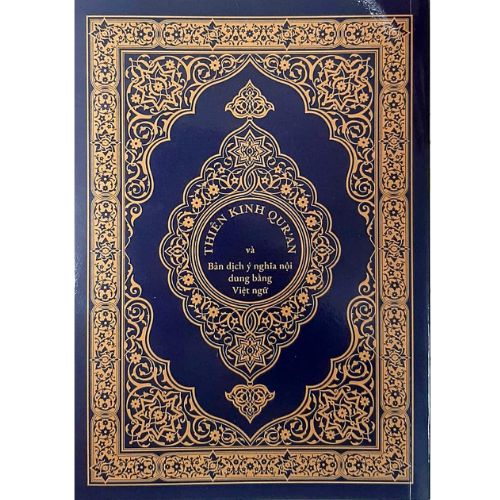
Quran Translation Vietnamese
The Noble Quran in Vietnamese Language (Arabic Text with Vietnamese Translation)
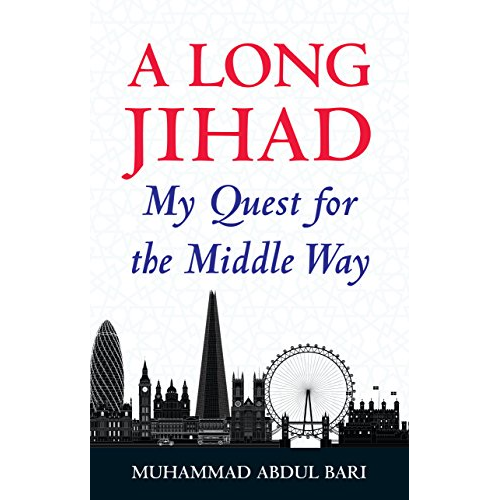
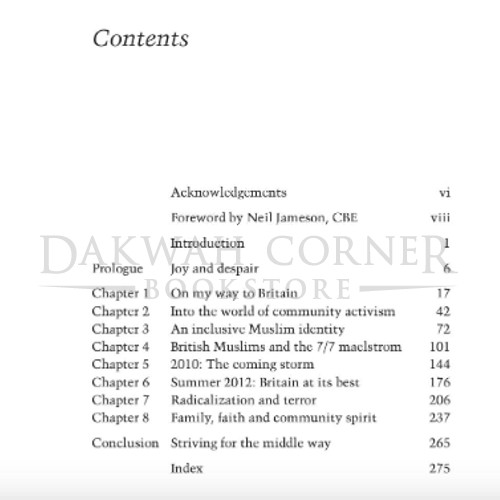
A Long Jihad : My Quest For The Middle Way
In this memoir, Dr Muhammad Abdul Bari asks us to look beyond the extremism and violence that all too often defines the Muslim community toward those, like himself, navigating a middle-way life.
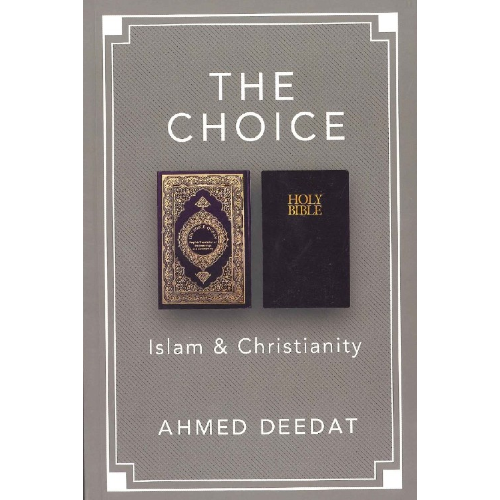
The Choice : Islam & Christianity (Revised Edition)
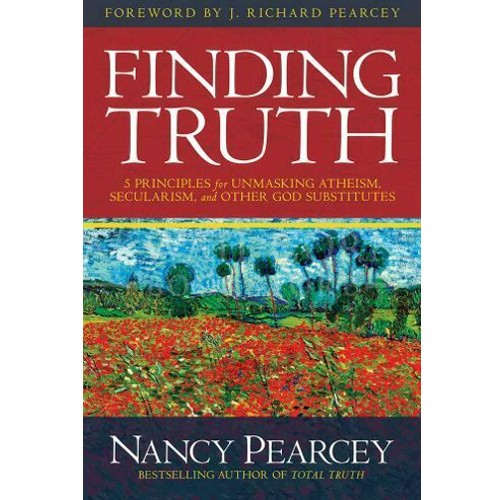
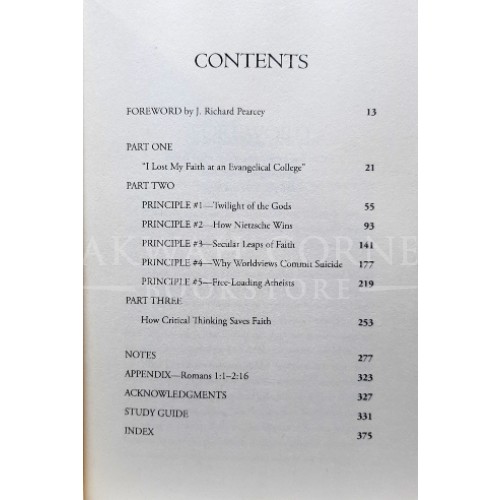
Finding Truth: 5 Principles for Unmasking Atheism, Secularism, and Other God Substitutes
“If I’d read this book as a young man, I would have been challenged to re-examine my views much earlier.”
– J. Warner Wallace

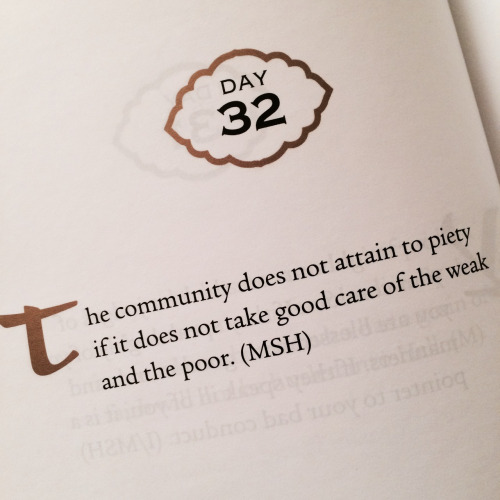
Daily Wisdom: Sayings of the Prophet Muhammad (H/B)
This beautiful presentation of the Prophet Muhammad’s (s) teachings engages the reader in a moment of daily reflection. With 365 traditions covering the whole year, this is a must for every home. Apart from setting out the Islamic worldview, as reflected in the Prophet’s sayings, it is hoped that this work will serve as a useful volume for reflection, for soul-searching and for self -development as a single hadith appears on each of its pages, it has been designed to engage readers in a few moments of daily self-reflection throughout the year.
Abdur Raheem Kidwai is Professor of English at the Aligarh Muslim University in India and the well-known author of many works on the Qur’an and Islam.

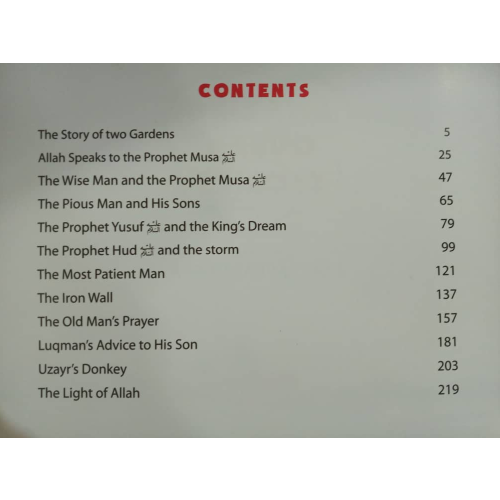
Amazing Quran Stories (H/B)
These are some of the best-loved tales from the Quran. Especially chosen for the very young , they provide a foundation on which to build a growing knowledge of the scriptures. This is story-telling at its best, with the meaning and message expressed in the simplest of words. Colourful, child-friendly illustrations complement the text and bring the stories vividly to life.
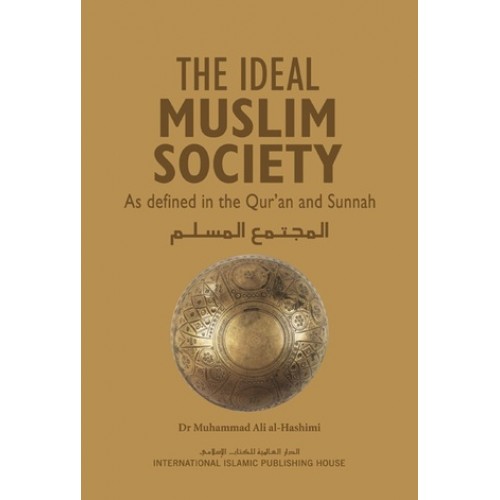
Ideal Muslim Society
From the translator, Nasiruddin al-Khattab: In a world plagued with wars, racism, political turmoil, economic downturns and social anguish, many people are looking for an alternative in which justice, freedom, decency and common sense will prevail. Such societies have existed in the past, in the golden eras of Islamic civilization, and we have the hope that, if Allah wills, such a society may appear again. In The Ideal Muslim Society, Dr. Muhammad ‘Ali al-Hashimi gives us a detailed picture of what this society would look like. Drawing on his extensive research of Islamic history and contrasting the ideal with the sorry state of affairs in human societies today, he explores the religious, political, economic, social and other facets of this ideal society, illustrating everything from the responsibilities of those in authority to the interactions between individuals on the humblest levels. For those who are longing to see a better world, this book offers practical ideas and hope.

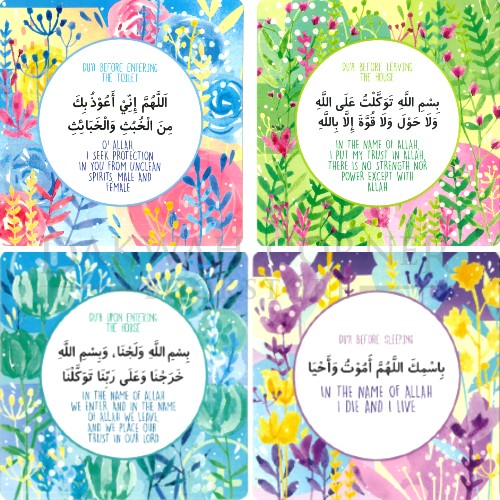
Du’a Prints
A collection of essentials du’as from authentic hadiths. Have 8 du’as in 1 set:-
- Du’a Exiting the Toilet
- Du’a Upon Entering the House
- Du’a Before Leaving the House
- Du’a Before Entering the Toilet
- Du’a Before Eating
- Du’a Before Sleeping
- Du’a in Seeking Knowledge
- Du’a After Waking Up
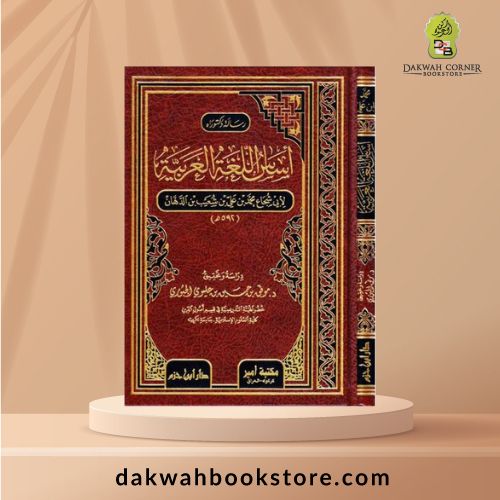
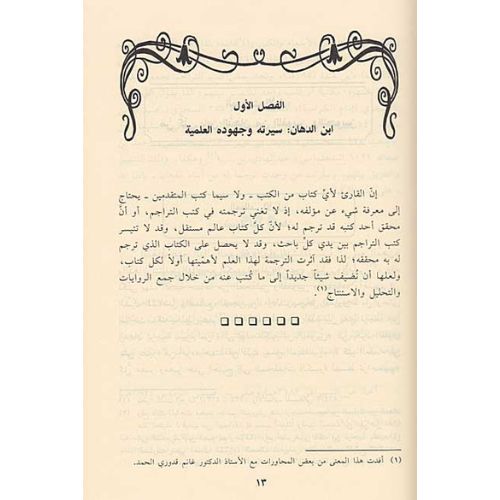
[AR] Asas al-Lughah al-Arabiyah – اساس اللغة العربية
إن كتاب أساس اللغة العربية لابن الدهان من أهم الكتب التي تتحدث عن أصل اللغة العربية و جذورها . و لما كانت اللّغة العربية لغة القرآن الكريم و لغة أهل الجنة ، كان لها أهمية فريدة تحثّ على الغوص في تاريخها و جذورها . هذا الكتاب لابن الدهان رحمه الله و طيب ثراه و قام بتحقيقه الدكتور موفق حسين الجبوري .
There are no reviews yet.