


This is a treatise we have written concerning humility (Khushu’) and the hearts meekness and breaking (inkisar) before the Lord. The basic meaning of Khushu’, is the softness of the heart, its being gentle, still, submissive, broken, and yearning. When the heart is humble, so too is the hearing, seeing, heard, and face; indeed all the limbs and their actions are humbled, even speech. This is why the Prophet (saw) would say in his bowing (ruku), “My hearing, sight, bones, and marrow are humbled to You,” another narration has, “and whatever my foot carries.” One of the Salaf saw a man fidgeting in his prayer and remarked, ‘If the heart of this person was humble, so too would his limbs be.’ The source of the Khushu, that takes place in the heart is the gnosis of Allah’s greatness, magnificence, and perfection. The more gnosis a person has of Allah, the more Khushu’ he has. The greatest action of worship which manifests the Khushu, of the body to Allah is the prayer (Salaah). Allah has praised those who have Khushu’ in the prayer.
Humility in Prayer (P/B) Dar as-Sunnah Publishers
RM49.00
| Weight | 0.15 kg |
|---|---|
| Author | |
| Publisher | Dar us-Sunnah Publishers |
| Pages | 93 |
| ISBN | 9781904336211 |
Be the first to review “Humility in Prayer (P/B) Dar as-Sunnah Publishers” Cancel reply
You must be logged in to post a review.
Related Products
Governing Yourself and Your Family
The subject matter of this work has preoccupied and continues to preoccupy the minds of our Nation?s members; yet in spite of this preoccupation, many people lack a correct understanding regarding it. Because the issues that fall under the subject matter of this work are so important, I decided to write this work, through which I hope to make plain the way to live and act according to what Allah has revealed.
Contrary to what some may think, this work is relevant not just to leaders, but to every individual as well. Each and every human being is a leader and chief of sorts, for just as a ruler is responsible for the welfare of his state and citizens, each one of us is responsible for his flock ? the members of his family and, more importantly, his own self?
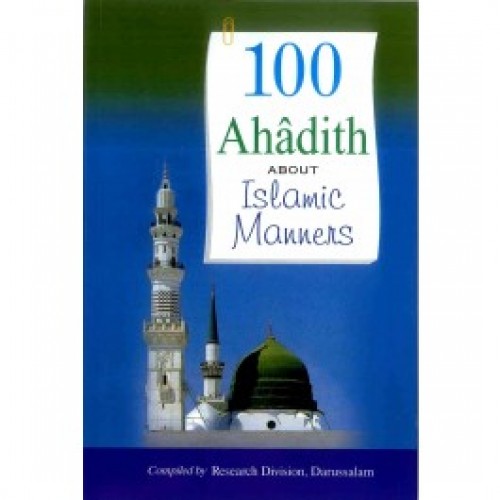
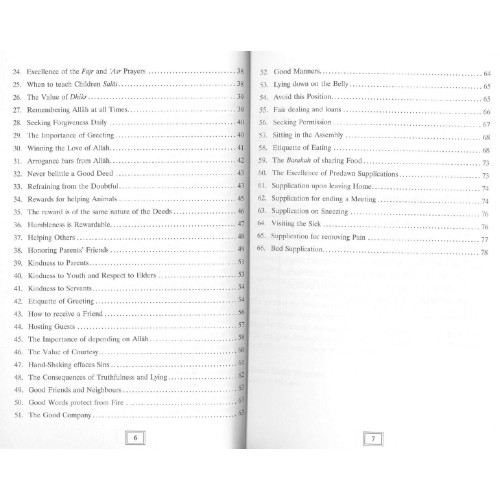
100 Ahadith about Islamic Manners
An extract of 100 Ahadith from famous collections of Ahadith (Sahih Al Bukhari, Sahih Muslim, At-Tirmidhi, Riyad-us-saliheen and others). The distinguishing feature of this book is the selection of its chapters that persuade the good morals and behaviour.
A moral and spiritual revolution begins to happen in the mind and conduct of the readers as their study progresses. We hope that this selection of Ahadith will initiate the readers to follow Islamic teachings throughout their life.
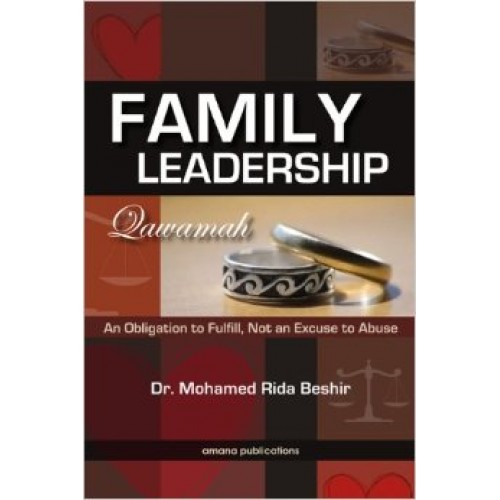
Family Leadership – Qawamah
This book discusses in details family leadership (Qawamah) in Islam and the many misconceptions that arise around this concept. It provides a detailed analysis on the subject from a variety of available literature and emphasizes that it is primarily an obligation to be fulfilled on part of the husband toward his family. It also provides many practical examples on the appropriate use of Qawamah as well as its inappropriate use.
“….an extremely valuable springboard for further discussion and consideration of a most timely topic that affects every Muslim family in North America. As a Muslim with a doctorate in clinical psychology, it is my professional recommendation that every mosque and Islamic center in North America should use Dr. Beshir’s new book to lead in-depth study and discussion sessions about the role of family leadership within Islam.” – Jerald F. Dirks, M.Div., Psy.D.
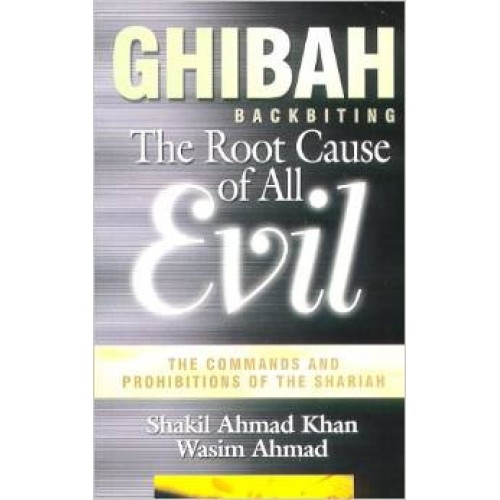
Ghibah (Backbiting) : The Root Cause of All Evil : The Commands and Prohibitions of the Shariah
Islam is a religion of peace, love, and compassion. Lies, suspicion, backbiting, slander, vain talk — all these are anathema to Islam. Indeed, such negative activity sows the seeds of enmity among the people and ultimately brings about the downfall of society. Backbiting (ghibah) in particular, according to the Qur’an, is not just a common social evil, but rather an abhorrent act, a major sin — the equivalent of eating one’s brother’s flesh.
Numerous ahadith of the Prophet Muhammed (pbuh) also underscore the complete futility, extreme loathsomeness and grave consequences of the deliberate misrepresentation of others. Backbiting, by the unanimous rulings of religious scholars (ijma) is forbidden, so that anyone who indulges in it is guilty of serious wrongdoing. Yet people have no qualms about engaging in this practice, flouting all prohibitions and strict commands.
Drawing upon important source material on the subjects of backbiting, false accusation (bhutan), and related issues, this book highlights the need to keep our society free of his ignoble malaise. To this end, it elucidates the relevant commands and prohibitions of the Shari’ah, so as to create in the minds of its readers a deep awareness of the sinfulness and ill effects of calumny.
By Shakil Ahmad Khan and Wasim Ahmad
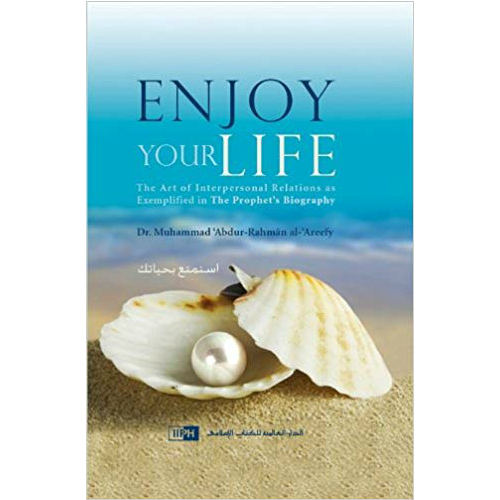
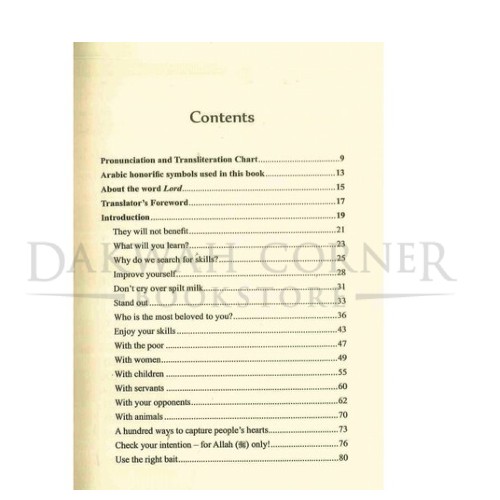
Enjoy Your Life (B/W) – IIPH
Enjoy Your Life! Enjoy Your Life: The Art of Interpersonal Relations as Exemplified in The Prophet’s Biography is a comprehensive guide towards improving interpersonal skills and hence, enjoying life. The author, Dr. Muhammad ‘Abdur-Rahmân al-‘Areefy, writes: An enjoyable life entails learning and practicing multiple skills; the few who truly apply them savour the success that comes with it. Of course, atop the list of the successful is the chief of humanity, Muhammad (blessings and peace be upon him). His entire life was an ocean of pearls that I have scattered throughout the pages of this book.
Enjoy Your Life! is not the product of an effort of a month or a year. Rather, it has resulted from the research that I devoted myself to for twenty years. I inscribed it with my tears, pouring my soul and squeezing my memories into it. I penned down various incidents involving the joy of our eyes – our first teacher, Muhammad (blessings and peace be upon him). I highlighted his exceptional talents; his skills in dealing with people and enjoying his life. Enjoy Your Life! contains personal memories, real-life experiences, and incidents that I have publicised for the first time – praying that Allah, the Exalted, makes them a source of benefit for you.
Enjoy Your Life! contains words that are straight from my heart, hoping to find a place in yours. It is the dearest and most beloved of my books. I ask Allah, the Exalted, to benefit others with it, make this effort solely for His sake, and amply reward all those who have contributed to spread it.
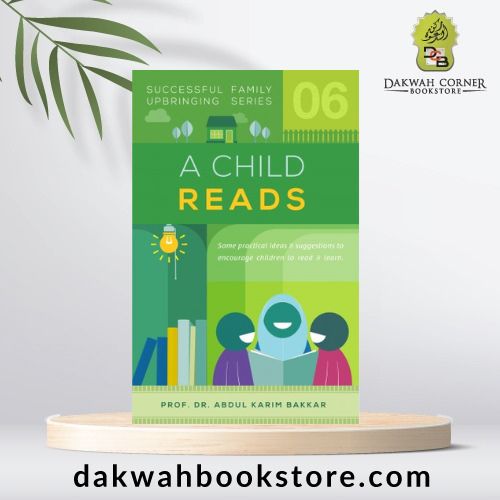
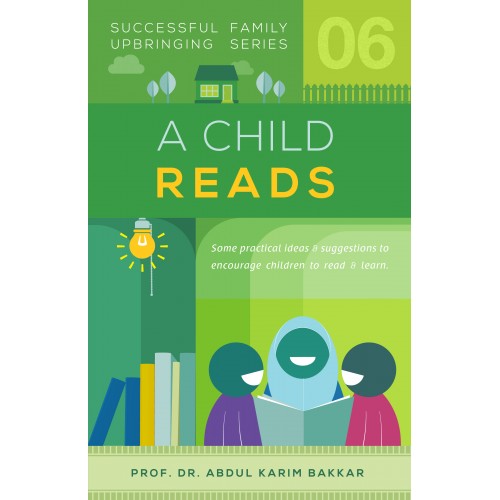
A Child Reads (Successful Family Upbringing Series-06)
A Child Reads (Successful Family Upbringing Series-06)
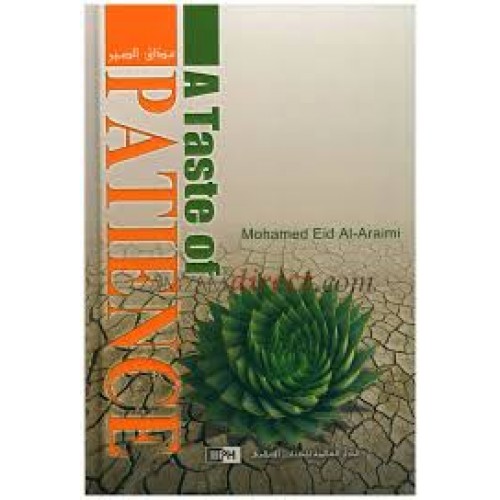
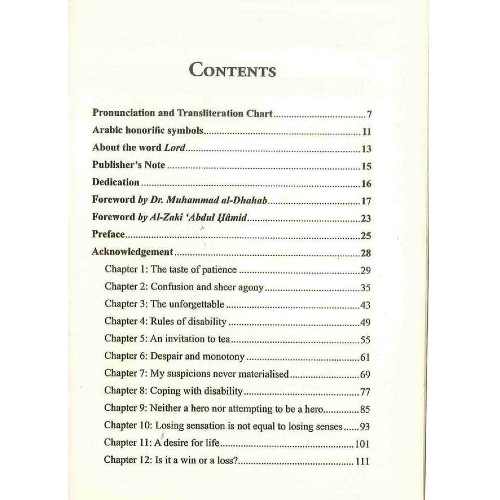
A Taste of Patience
The writer is a survivor of an accident that altered his life. He is a man who managed to overcome adversity and transform bitterness into personal success, as his literary gains outweighed his physical restrictions. Where his physical condition limited his movements, his creative writing opened up a new horizon that enabled him to freely interact with his readers.
This is a real-life account of how a human being can overcome obstacles, giving effect to the epithet: ‘What does not kill me makes me stronger.’ The autobiography defines patience in two ways: first, as a bitter experience and then second, as the ability to tolerate and turn one’s misfortune into investment. The accident that the writer suffered has paralysed his body, but at the same time it has unleashed his writing talents. (Yousef el-Sharoni, Egypt)


33 Ways of Developing Al-Khushoo`: Humility and Devotion in Prayer
Shaykh Muhammad Salih al-Munajjid’s little book is perhaps one of the most widely-circulated among Muslims today. This is because the topic touches worshippers where it hurts—we know that we often lapse into an automatic sort of prayer when we lose concentration. The Shaykh points out that this loss of concentration really stems from a lack of humility and devotion—in Arabic, khushoo‘. His aim in writing this book is to help us to get back that khushoo‘. His step-by-step approach makes it simple. He gives practical advice and uses the excellent example of the prayer of the Messenger of Allah (blessings and peace be upon him) to guide us, so that as worshippers, we can truly return to a state of humility and devotion before the Lord.
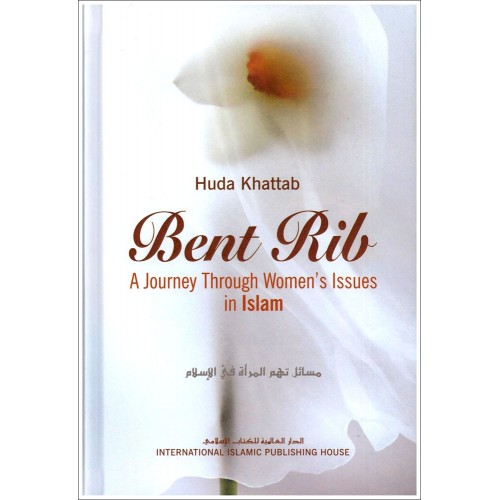
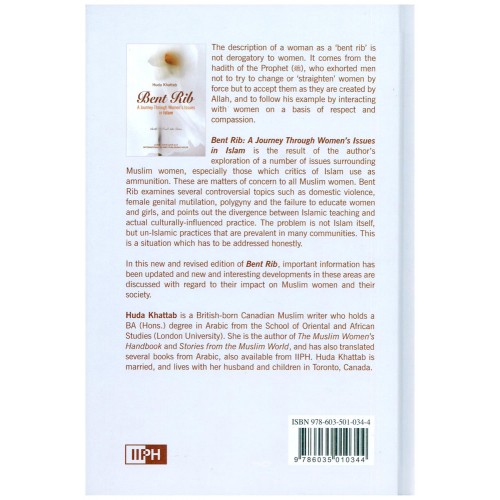
Bent Rib: A Journey Through Women’s Issues in Islam (H/B)
This book examines the role of women in Islam, their education and marriage, and several controversial topics such as domestic violence, female genital mutilation and polygyny. It addresses honestly the divergence between Islamic teaching and actual culturally-influenced practices.
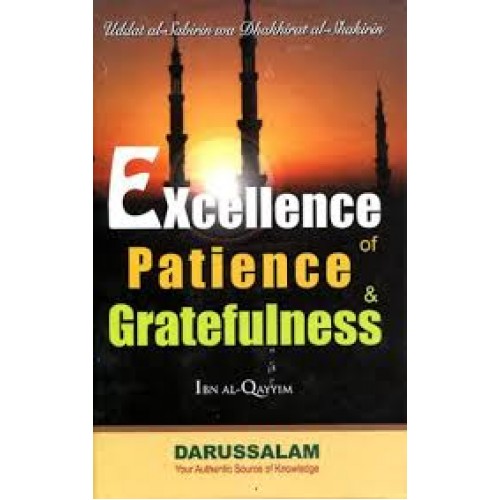
Excellence of Patience & Gratefulness
This book is written to highlight the necessity and the pressing need to pursue these two qualities and to illustrate that happiness in this world and the Hereafter is dependent on them. It is intended to be a comprehensive, extensive and useful book.
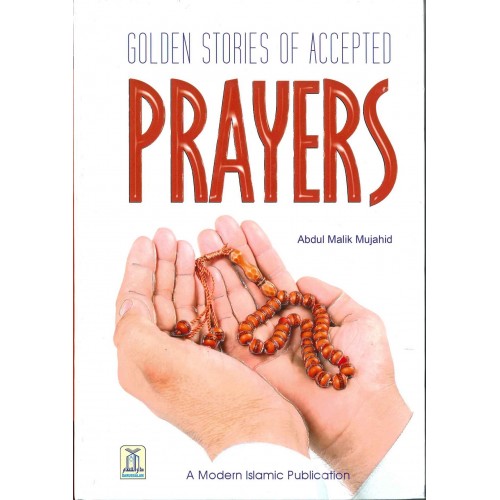
Golden Stories of Accepted Prayers
What are invocations? In a real sense these are requests which come from the bottom of our hearts to Allah Almighty. Allah is always ready and happy to receive prayers from anyone at any time.
If you’re facing any difficulties or trouble you should immediately turn to Allah for help. The best invocations are those narrated by the Prophet (S). If you don’t speak Arabic, you can pray in your mother tongue.
When we pray we should feel assured that Allah will accept our requests. We should do so with complete sincerity and devotion.
Prayers can be made at any time, but there is a greater possibility our prayers will be accepted if we do so at specific times.
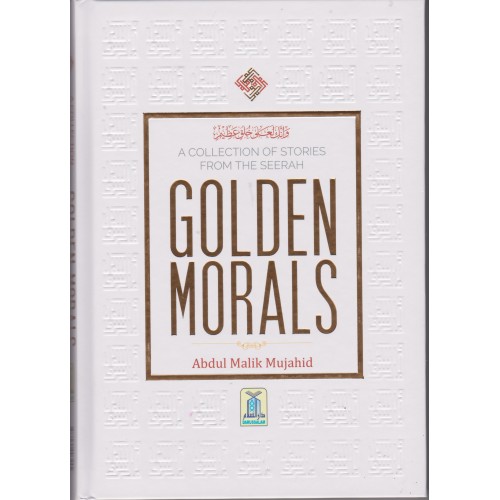
Golden Morals (A Collection Of Stories From The Seerah) (H/B)
The Seerah of the Prophet (PBUH) is an everlasting topic. The Muslims are never fed up with its fragrance. It has been a topic for writing sine centuries and it will be a topic for writing till the Day of Judgment. Every author shows his love and affection for the Messenger of Allah in his own style and he tries to highlight every aspect of his life. No doubt, thousands of books have been written on the Seerah of the Messenger in different languages from the ancient.
Recently Viewed
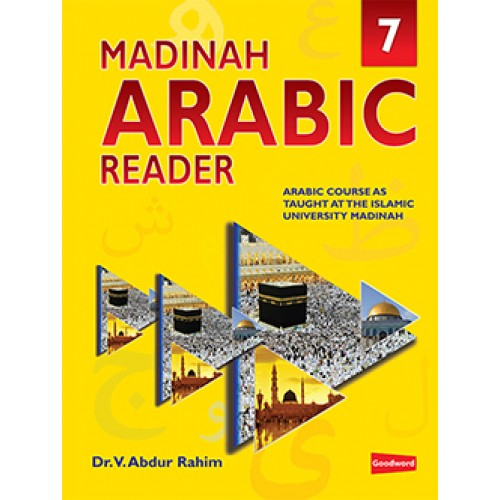
Madinah Arabic Reader (Book 7)
Professor Abdur Rahim, Director of the Translation Centre of the King Fahd Quran Printing Complex and former Professor of Arabic at the Islamic University of Madinah, Saudi Arabia, has authored texts designed to impart a knowledge of classical Arabic through applied grammar. Each lesson, based on a conversation, illustrates distinctive language patterns. These patterns are elucidated by a variety of helpful exercises. The vocabulary ranges from classical and Quranic Arabic to modern Arabic. This series of books is currently being utilized at various schools to prepare students for the University of London (UK) GCE O-Level and A-Level examinations.
Arabic Writing Book 4
This series is perfect for your children to practice their Arabic writing skills. These books will bring out the latent calligraphers in them.
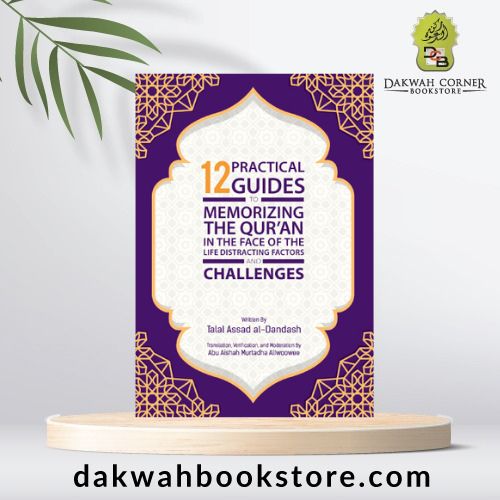
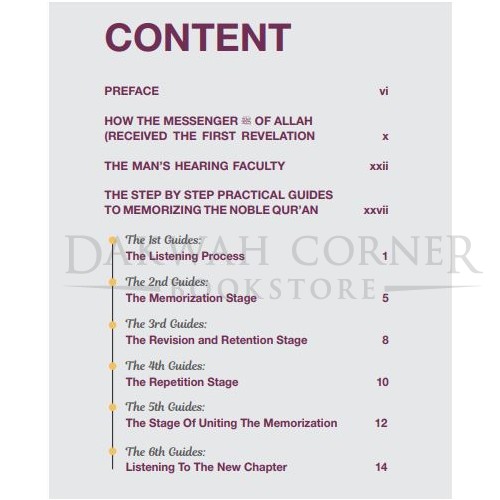
12 Practical Guides to Memorizing the Qur’an (DCB)

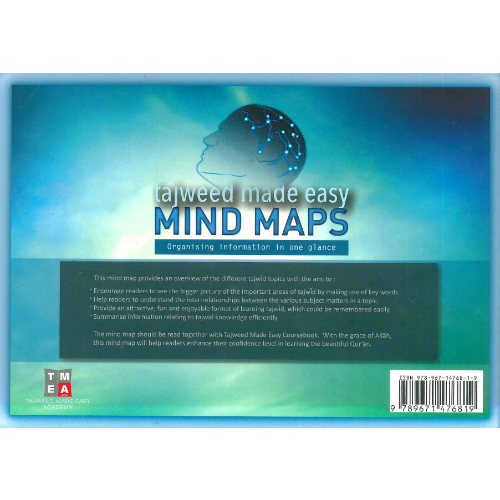
Tajweed Made Easy Mind Maps
This mind map provides an overview of the different tajwid topics with the aim to:
- Encourage readers to see the bigger picture of the important areas of tajwid by making use of key words.
- Help readers to understand the inter-relationships between the various subject matters in a topic.
- Provide an attractive, fun and enjoyable format of learning tajwid, which could be remembered easily.
- Summarise information relating to tajwid knowledge efficiently.

The Right to Education, Work and Welfare in Islam (P/B)
In The Right to Education, Work and Welfare in Islam Professor M.H. Kamali develops an Islamic perspective on three connected and complementary areas of rights and liberties. He urges that education is often a necessary ingredient of professional work even more so now than in earlier times when the range and variety of specialised knowledge were relatively limited. A person who acquires education, whether generally or at advanced levels of specialisation, is more likely to stand in a better position to enter the workforce and thus to contribute to the welfare of the community.
The author commences his discussions on education, work and welfare in Islam by focusing on how each is treated in the Qur’an; and follows this by the example of the Prophet and, after him, the Pious Caliphs who gave prominence to the education and welfare needs of people at times both of scarcity and affluence. Professor Kamali then moves forward to our time and discusses the right to education, the education of children, institutionalisation of learning, academic freedom and the debate between science and religion.
The section on work elaborates on the value of work, work ethics, workers’ and employers’ rights and responsibilities, and the role and responsibility of governments.
Finally, the section on welfare focuses on the importance in Islam of caring for those who are in need and the different forms of provision that can be made available by individuals, the state and charities.
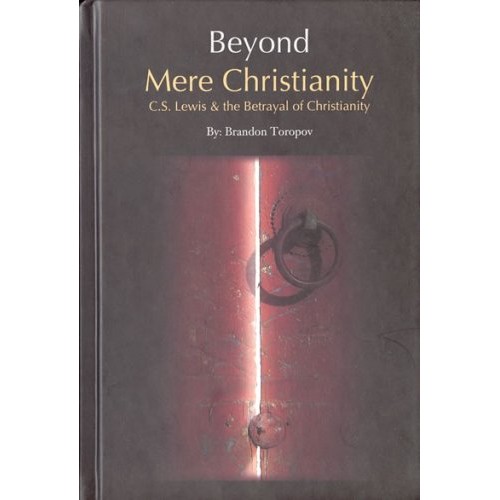
Beyond Mere Christianity (H/B)
The book is called Beyond Mere Christianity for two reasons. First, in response to C.S. Lewis’ influential 1952 work, Mere Christianity, which stands as a masterpiece of Christian apologetics. The second reason, perhaps less obvious, is that a case can be made, based on current, responsible Gospel scholarship, that Jesus was calling his people to the Salvation that lies beyond the worship of the merely created, the Salvation that relies instead on the direct worship of the Creator. I believe emphatically that the authentic words of Jesus invite us to move beyond what is conventionally understood as Christianity for this Salvation.
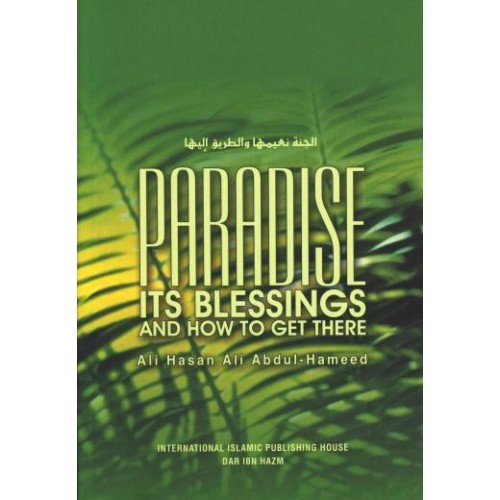
Paradise Its Blessings and How To Get There (P/B)
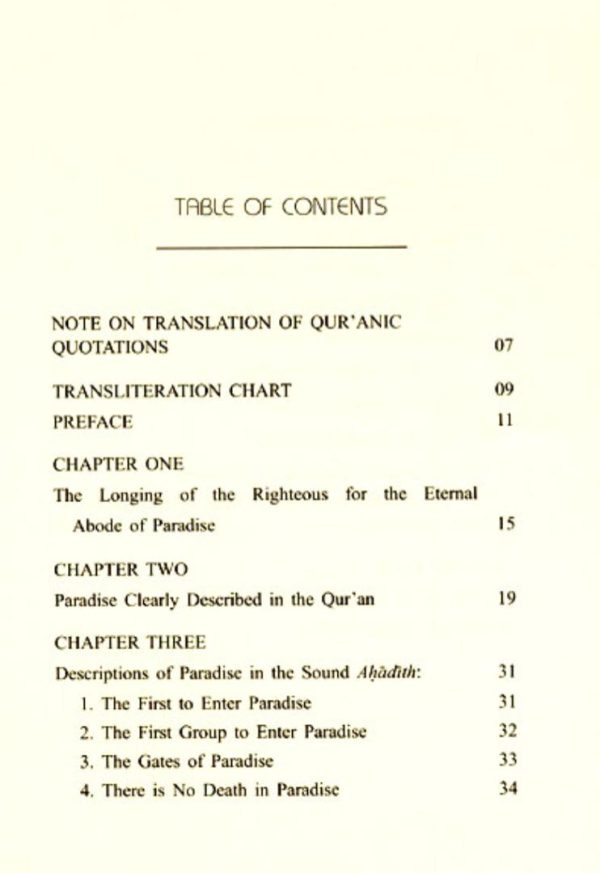
Paradise and its inhabitants as portrayed in the Qur’an and the Hadith, then discusses the various rewards and blessings that are promised to those who make it there. Finally, the author lists the many and myriad deeds that a Muslim can do that will help him or her to achieve the Garden of Eden.
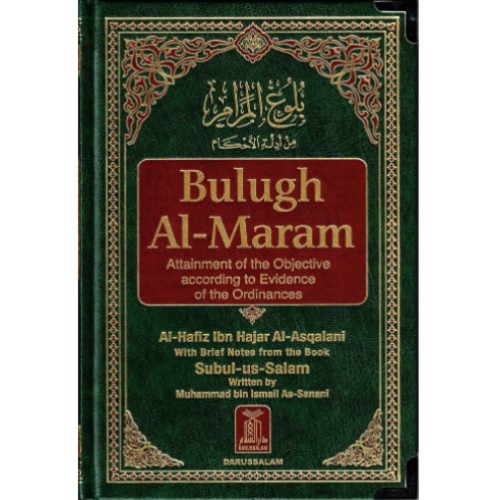
Bulugh Al-Maram (Attainment of the Objective)
Bulugh Al-Maram is based upon the Ahadith of our Prophet which have been the sources of Islamic Jurisprudence. Al-Hafiz Ibn Hajar Al-Asqalani (Hijrah 777-853) has recorded the true significance of the Ahadith and their origins & also made a comparison of the versions, if the sources are more than one
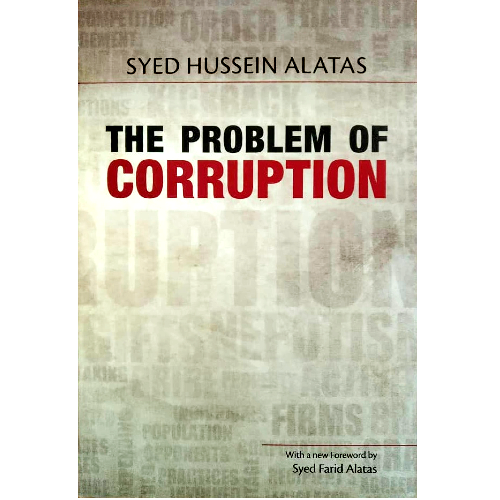
The Problem Of Corruption (P/B) (IBT)
“Corruption is a disease that can sweep through society like a tidal wave, leaving in its wake a trail of negligence, lethargy, inefficiency and callous disregard of man’s inhumanity to man. What is it like to live inside such a society? Why has it taken such strong root in so many countries? Is there no sense of outrage and shame against such a phenomenon among our elite? What can be done to stem the tide? Is it corruption as it is known in the West? These disturbing questions and more are answered in this book. Corruption in all its forms, bribery nepotism, and extortion, is shown for what it is – a major cause of the dehumanization and victimization of innocent people. The corrupt have no aspirations for the betterment of their societies. For this reason, all decent people must be gravely concerned with the problem and nurture the next generation to confront the corrupt and disrupt their way of life.”

The Lost Kingdom (P/B)
The Lost Kingdom is the story of wild lions who long ago adopted a very different way of life – that of domestic cats. Many of them forgot their history and their great past, until one day… Meet Layth, an intelligent and courageous cub seeking truth and adventure. He and his friends decide to dig up the past and begin to question why their fellow lions behave the way they do. They begin to address the problems that have been buried deeply for too long. Soon, Layth and his friends have a mystery on their paws – will they be able to solve it before they are caught, or will they be stopped before they can even begin? Generating enthusiasm and providing food for thought for young minds, The Lost Kingdom is an interesting fable of adventure, courage, and chivalry in the face of severe hardships.
For ages 7-12
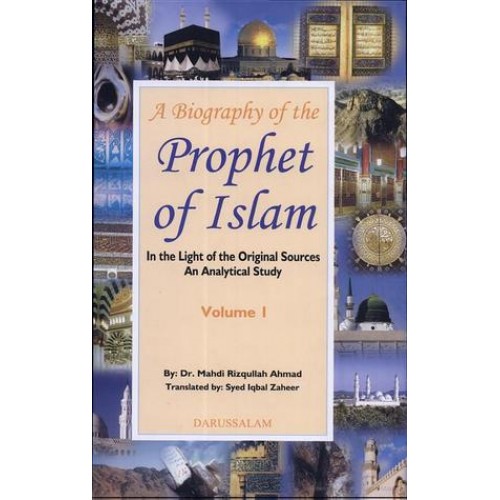
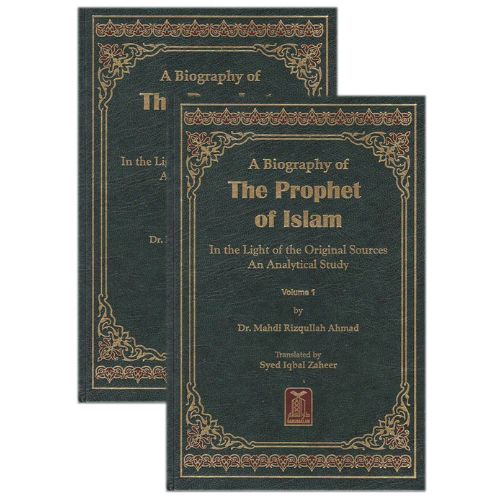
A Biography of the Prophet of Islam : In the Light of the Original Sources An Analytical Study (2 Volumes)
This work on the life history of the Prophet (Sallalahu Ale Wasalam) stands out from other works in quite a few ways. First, every detail mentioned has been traced back to original sources, whose authenticity has been discussed extensively in the footnotes. Second, the events of the Prophet’s life have been related to modern times and lessons drawn for the benefit of those who happen to face similar situations in their struggle to spread the Prophetic message.
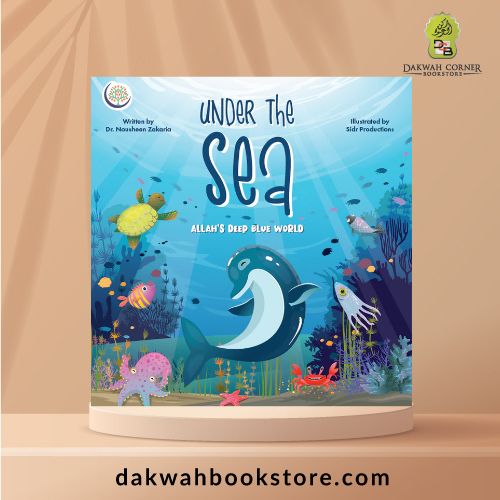
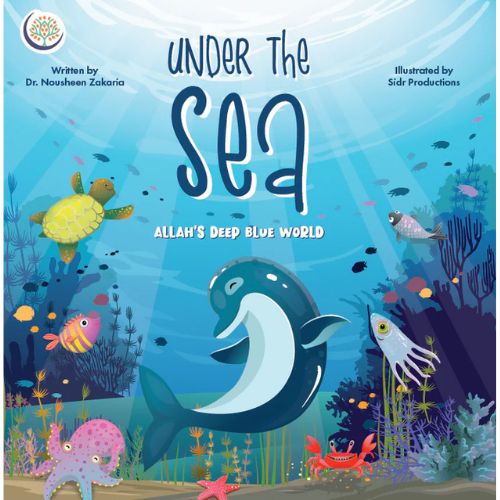
Under The Sea (P/B)
Dive beneath the ocean waves and discover a world full of Allah’s wonders—colorful fish, mighty whales, gentle turtles, playful dolphins, and more! Through captivating rhymes and vibrant illustrations, children learn how every creature is cared for by Allah, the Most Merciful, who provides for them in the deepest waters. With Qur’anic reminders and heartwarming reflections, this book inspires gratitude, trust, and awe, showing little readers that just as Allah looks after all sea creatures, He is always looking after them too.
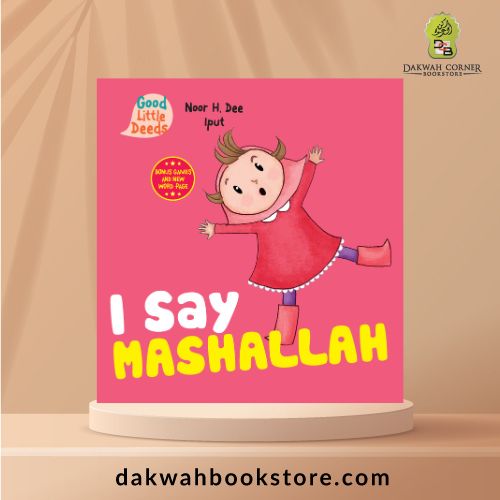
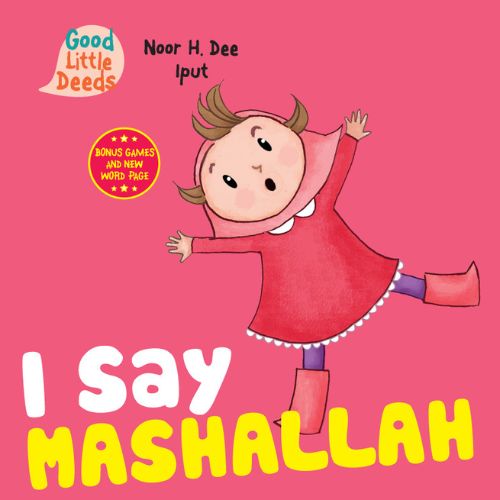
[CB]I Say Mashallah
Mashallah (مَا شَٓاءَ ٱللَّٰهُ) is an Arabic phrase meaning “God has willed it” or “What Allah has willed,” used to express admiration, appreciation, or gratitude for a person or event
Nabil and Noura have gone camping with their dad. WOW, the view is beautiful. When looking at beautiful things their dad tells them to say, ‘MASHALLAH!’
There are no reviews yet.