

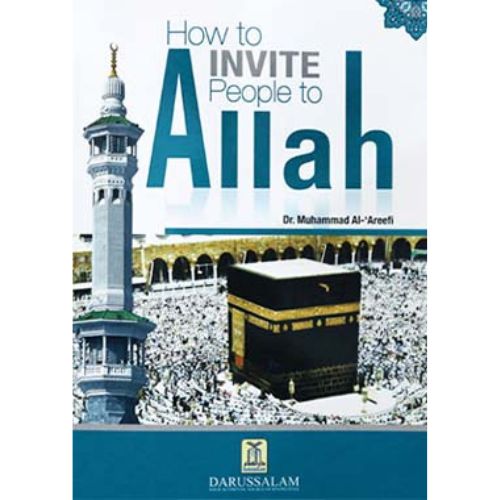
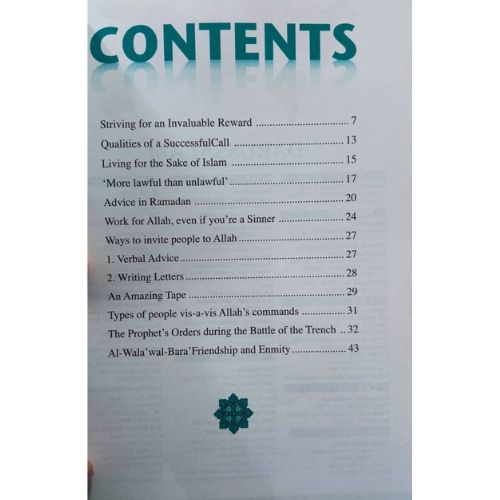
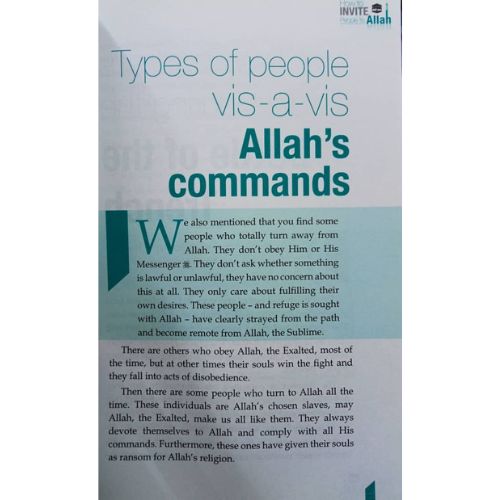
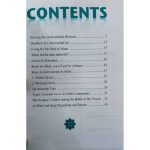
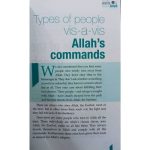
Inviting people to Allah is one of the fundamental elements of Muslim faith. This brief booklet by Dr Muhammad Al-Areefi elaborates the importance of ‘Dah’wa’ and provides answer to some key questions. Why is it important to invite people to the faith of Allah? How can sinners be involved in tackling evil and promoting good? What are the attributes of a sound preacher and how he should invite people to Allah?
How to invite people to Allah (Darussalam)
RM17.00
Hurry up, Only 2 left.

Additional information
| Weight | 0.1 kg |
|---|---|
| Dimensions | 21 × 14 × 0.5 cm |
| Author | |
| Binding | Paperback |
| ISBN | 9786035002127 |
| Pages | 47 |
| Publisher | Darussalam |
Reviews (0)
Be the first to review “How to invite people to Allah (Darussalam)” Cancel reply
You must be logged in to post a review.
Related Products


Provisions of the Afterlife Which Lie Within Prophetic Guidance (H/B – DKI
Highlights:
Written originally by Ibn Qayyim Al-Jauziyyah is one of the important resources of knowledge for those who seek to know the Seerah of their Prophet (P.B.U.H) as well as the Fiqh learned from it. This is a book that is unique in that it explains the Sunnah through the Seerah and the Seerah through the Sunnah. It is a profound classic work containing thousands of pages written by Imam ibn al-Qayyam while on the Hajj journey, Pilgrimage, from Damascus to Makkah. Despite its being written from memory, the several thousand incidents, Hadiths, Ayat (verses of the Quran), Fiqh benefits, as well as names of the companions associated with them, were remarkably close to the truth with marginal errors.
However, those who know the status, level of knowledge ad Ta’hqiq that Imam ibn al-Qayyim had will not be surprised to know this fact. Still, it is amazing how Ibn Al-Qayyim was able to write this vast volume while traveling to Hajj (Pilgrimage), especially since he was away from the resources of knowledge and was enduring the hardships of travel. It is a blessing from Allah (S.A.T) that it was possible for him to do so. Note: As with Many English Translations this work appears to be slightly abridged but it seems to cover most of the subjects Note : With the Lack of English works covering Hanbali Fiqh , This Books would be the nearest alternative. Although not a Specifically Fiqh Book, Ibn Qayyim’s views which are based on Hanbali Fiqh are quoted throughout.
RM130.00

Means of Steadfastness in Islam
Highlights:
Steadfastness and patient perseverance in Allah’s religion is a basic requirement that should be met by every sincere Muslim who wants to stick to the Straight Path with understanding and determination. Muslims today face many temptations and distractions. Those who consciously seek the means of steadfastness will succeed and those who are negligent will, sadly, suffer the doubts and confusion which are more severe now than ever before. Happy are those who seek the way out and join the righteous, dedicated Muslims, and who spare no effort to learn their religion and remain steadfast. This valuable book deals with all these issues and points out the means of steadfastness that every Muslim should learn and practice. The author also discusses common worldly distractions and explains how to deal with them.
RM11.00

Muslim Unification at Time of Crisis
Highlights:
This book authored by one of the great scholars of our time is an advice to the people of Ahulul ?Sunnah wal-Jamaah to unify and be merciful to each other, and cooperate upon righteousness and taqwa.
RM24.00

Guarding The Tongue (P/B)
Highlights:
How many people have earned the wrath of Allah as a result of misuse of their tongues? How many injuries that may never heal have been inflicted throughtt the careless slips of the tongue? The Messenger of Allah said:
“Indeed, the servant will speak words that are pleasing to Allah, due to which he will he given a condition in which Allah will raise him many levels. And indeed, the servant will speak words that are displeasing to Allah, due to which he will not he given a good condition, but (instead) be thrown into the Hellfire.”(Bukhari)
This book highlights those sins that seem so light on the tongue yet so grave on the scale and offers practical advice on how to keep the tongue in check.
RM21.00

Wholeness and Holiness in Education An Islamic Perspective (P/B)
Highlights:
It was initially an adaptation of Shah ‘Abdul Qadir Muhaddith Dehlawi’s translation and commentary known as Mudih al-Qur’an which according to many great ‘ulama’ is devinely inspired and accepted by all Muslims.
RM62.00

Kindness to Parents
Highlights:
Kindness to Parents is a very enlightening booklet by Abdul Malik Al-Qasim. He has collected several stories and narrations that demonstrate the Birr (being dutiful) and kindness to our righteous Salaf towards their parents’ needs and necessities, in obedience to Allah’s worship in sincerity. He refers from the Noble Qur’an that a man is never allowed to say ‘Uff” (fie) if he smells a bad order coming from his parents or one of them.
The author has exposed shortcomings and errors of many among us who don not preserve the rights of their parents.
RM17.00

In Pursuit of Allah’s Pleasure
Highlights:
In this book the authors outlined a complete methodology for Islamic work today. From `Aqeedah to Da’wah, Jihad to Khilafah and Taqwa to Sabr (patience), they explained how all of these parts of Islam come together for the sole objective of each and every Muslim: to seek the Pleasure of Allah ( SWT ), the Irresistible. It was written in a manner portraying the true situation of the Muslims today and, coming from imprisoned scholars: a realistic portrayal.
This book is an excellent read by itself and an even better guide if used as a syllabus in learning Islam in an organised, collective manner. It is ideal as a basis for study circles and acts as a comprehensive manual. Coupled with the supplementary reading of some other books in the English language and memorisation of the Holy Quran, it can consolidate the knowledge of anyone seeking to work for Islam in this day and age.
Contents
Preface
Introduction
Part One: Our Ultimate Goal
Part Two: Our `Aqeedah
Part Three: Our Understanding
Part Four: Our Aim
Part Five: Our Path
Part Six: Our Provisions
Part Seven: Our Walaa’ (Loyalty)
Part Eight: Our ‘Adaa’ (Animosity)
Part Nine: Our Gathering
Glossary of Arabic Trems
The Twentieth Century has witnessed one of the fiercest blows inflicted upon our Ummah by our enemy: the collapse of the Khilafah. If only their conspiracy had stopped at the demise of Khilafah. But they went on to indoctrinate Muslims with strange, foreign ideas and concepts, in order to confuse our understanding of our Deen. Once we wake up and try to return to our original Deen, we will be confronted with an intellectual perplexity, in which evil and good is mixed. Hence, the truth will be ambiguous and we will go astray, and lose the true understanding of Islam.
And hold fast, all of you together, to the Rope of Allah (this Qur’an) and be not divided among yourselves.” [Surah Ale-Imran (3), Ayah 103.]
by Dr. Naahah Ibrahim, Asim Abdul Maajid and Esaam-ud-Deen Darbaalah
RM53.00

Ibn Taymeeyah’s Essay on the Jinn (P/B) ASN
Highlights:
Dr. Abu Ameenah Bilal Philips has rendered Ibn Taymiyah’s treatise, Eedaah-ud-Dalaalah fee ‘Umoom-ir-Risaalah, from volume 19 of Majmoo‘-ul-Fataawa into very readable English. This abridged and annotated translation is significant in that it is perhaps the first book available in English exclusively on the topic of spirit-possession and exorcism in Islam.
Ahmad ibn ‘Abdul-Haleem ibn Taymeeyah was bron in the town of Harran [near Edessa, in what was once Northern Iraq, but is now called Orfa and is a part of Turkey.], in the year 1263 CE. His father was a leading scholar of the Hanbalite school of Islamic law and so was his grandfather, who authored Muntaqaa al-Akhbaar, the text of ash-Shawkaanee’s Hadeeth classic Nayl al-Awtaar.
Ibn Taymeeyah mastered the various disciplines of Islamic study at an early age and read extensively the books of the various sects and religions in existence at that time. Much of his time and effort was spend defending the orthodox Islamic position against a tidal wave of deviation which had swept over the Muslim nation. Consequently, he faced many difficulties from both the prominent sectarian scholars of his time and from the authorities who supported them. His clashes with them led to his imprisonment on numerous occasions. Ibn Taymeeyah also fought, not only against internal enemies of Islaam, but also against its external enemies by both his Fatwaas (Islamic legal rulings) and his physical participation in battles. His ruling allowing the taking up arms against groups which recognized the Shahaadataan (declaration of faith) but refused to uphold some aspects of the fundamental principles of Islaam, greatly affected the resistance movement against the Tartars who had declared their acceptance of Islaam but did not rule according to divine law.
During these struggles he wrote countless books and treatises demonstrating his extensive reading and knowledge, not only of the positions of the early scholars, but also those of the legal and theological schools which had subsequently evolved. Ibn Taymeeyah also had a major effect on the open-minded schoars of his day, most of whom were from the Shaafi’ite school of law. Among the most famous of his students were IBN KATHEER, ADH-DHAHABEE and IBN AL-QAYYIM. The author died in 1328 while in prison in Damascus for his Fatwaa against undertaking journeys to visit the graves of saints [Ibn Taymeeyah’s ruling was based on the authentic statement reported by Abu Hurayrah wherein the Prophet Muhammad (sallallaahu alayhi wasallam) said, “Do not undertake a journey except to three masjids; this masjid of mine, Masjid al-Haraam (Makkah) and Masjid al-Aqsaa (Bayt al-Maqdis).” Collected by Al-Bukhaaree and Muslim]. His Fatwaa had been distorted by his enemies to say that he forbade visiting the Prophet Muhammad’s (sallallaahu alayhi wasallam) grave.
RM33.00

Fundamentals of Islam (P/B)
Highlights:
Fundamentals of Islam is a revised English edition of the critically acclaimed Khutubah (original written in Urdu). It consist of Friday congregational addresses, in them he expounds familiar themes; like Iman, Islam, the Prayer, Fasting, Alms-giving, Pilgrimage and Jihad.
RM38.00


Islam A Total Beginners Guide – Part Two (P/B)
Highlights:
In present era we are facing lot of questions:
• What is status of women in Islam?
• Who is superior – man or women?
• What does Islam say about inter-religious marriages, man’s treatment towards his wife and privacy in homes?
• What does Islam say about dress, veil, clothing and ornaments, perfumes and the wisdom of banning gold and silk for men?
This beginner’s guide to Islam answers all such questions.
RM35.00


A Guide to Salah (Prayer) (P/B)
5 ★
5 ★
1 Rating
5 ★
1
4 ★
0
3 ★
0
2 ★
0
1 ★
0
Highlights:
This book is the result of direct research into the Sunnah of Prophet Muhammad saw and makes numerous references to the original sources. It contains all the essential details of salah without being too bulky or complicated, thus making it an ideal reference book either at home or while travelling.
A clear and concise explanation on how to pray. Also gives a detailed description of the preliminaries to salah, and different types of salah, with easy-to-follow illustrations.
RM16.00


Recently Viewed


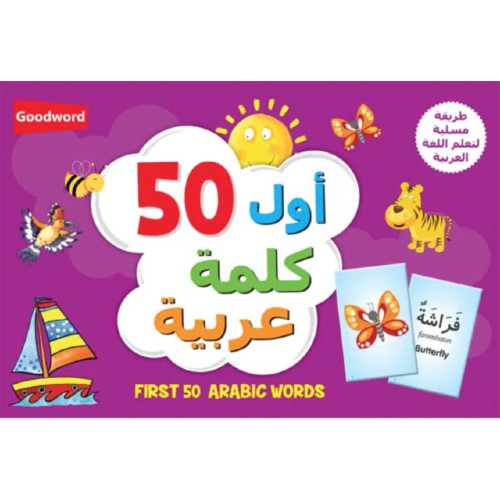

[GM] First 50 Arabic Words (أول ٥٠ كلمة عربية)
Highlights:
Enjoy the Arabic letters. Enhance the skills of recognizing letters, and Images
- 50 Flash Cards
- 10 Ways to Play
- A Fun Way to Learn
- 3-5 Years
RM38.00

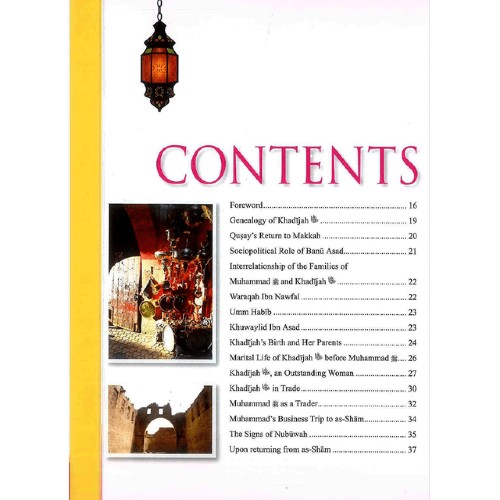
Golden Stories of Sayyida Khadijah (H/B)
Highlights:
Sayyida Khadijah (Ra) the first wife of Prophet Mohammed (SAW), The Mother of the Believers. She was a shining example to all Muslim men and women. Even during the pre-Islamic times, she was known as Taahirah – the pure and righteous one.
This book includes authentic accounts highlighting her intelligence, commitment to the deen, sincere belief in Allah swt, and her perseverance during the most difficult circumstances. It transports the reader back in time to the very beginning of Islam, providing deep insights into her life and the lives of her children and grandchildren.
This book is a wonderful, well-researched edition to the body of biographical work encompassing the live of the Prophet (saw), his family, companions and followers.
RM60.00
The Rulings Of The Two Eids
Highlights:
Islam the religion revealed by Allah the All-Merciful did not ignore the human need for entertainment and allowed pleasure. The Two Eids are two occasions on which people show and feel happiness. After performing Hajj, the Muslim enjoys the Eid festival and eats his sacrifice meat. After Ramadan, the breakfast (Fitr) festival is another occasion for happiness, love and entertainment.
RM13.00
Bearing True Witness
Highlights:
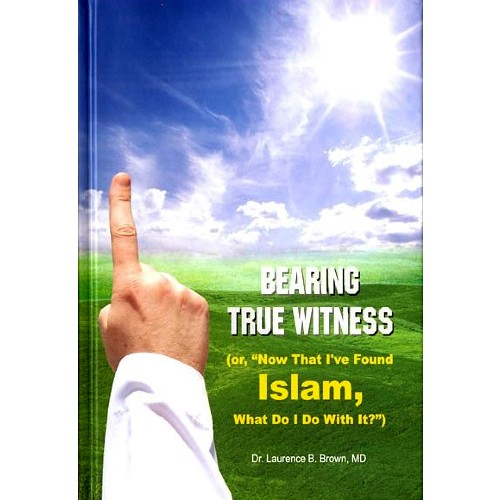
Bearing True Witness (Or, “Now that I’ve Found Islam, What Do I Do With It?”)
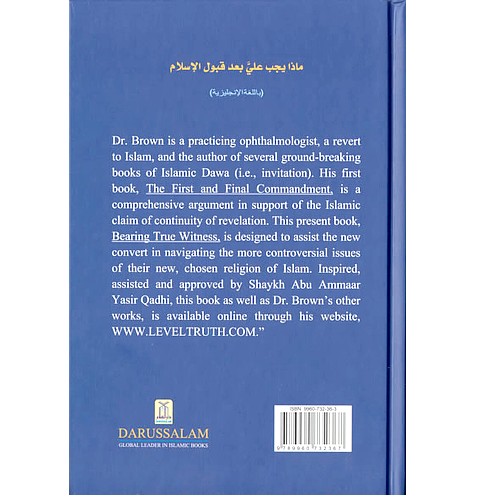
Dr. Brown is a practicing ophthalmologist, a revert to Islam, and the author of several ground-breaking books of Islamic Dawa (i.e., invitation). His first book, The First and Final Commandment, is a comprehensive argument in support of the Islamic claim of continuity of revelation. This present book, Bearing True Witness, is designed to assist the new convert in navigating the more controversial issues of their new, chosen religion of Islam.
RM35.00
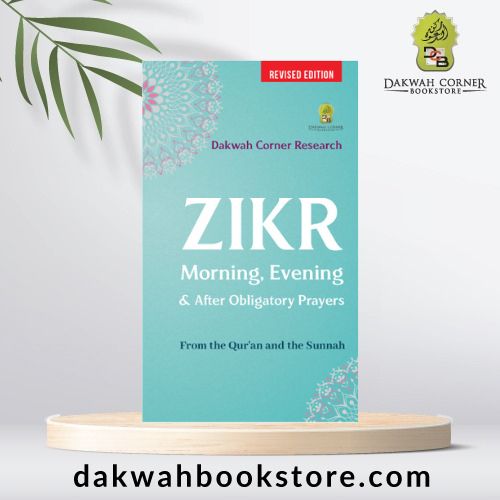
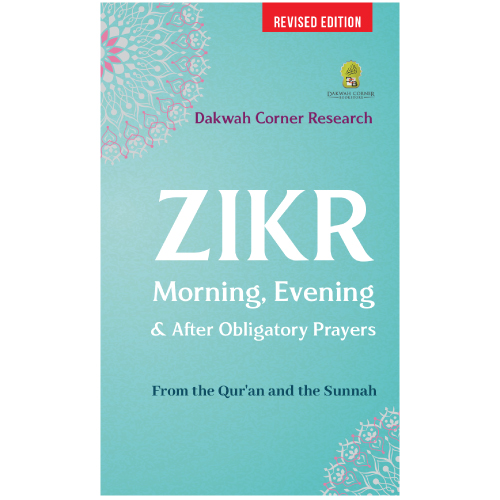
Zikr Morning, Evening & After Obligatory Prayers (Pocket Size) (REVISED)
5 ★
5 ★
1 Rating
5 ★
1
4 ★
0
3 ★
0
2 ★
0
1 ★
0
RM10.00
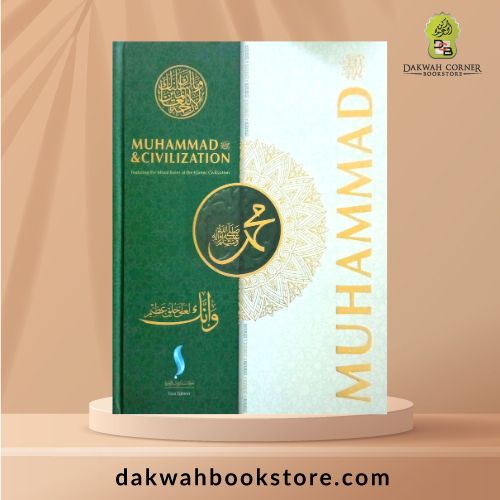
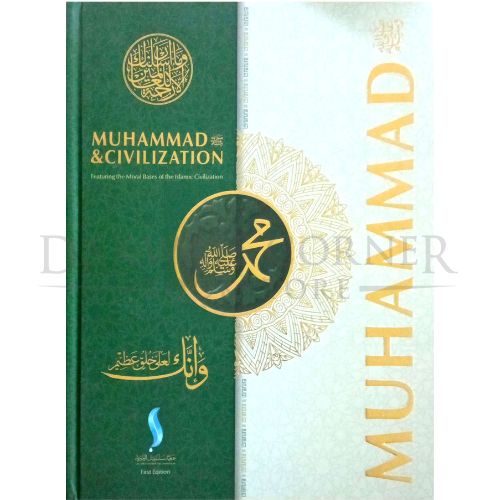
Muhammad & Civilization (H/B)
Highlights:
“My choice of Muhammad to lead the list of the world’s most influential persons may surprise some readers and may be questioned by others, but he was the only man in history who was supremely successful on both the religious and secular levels.”
– Michael H. Hart
Author of “The 100: A Ranking of the Most Influential Persons in History”
“If the grandeur of the aim, the smallness of the means, the immensity of the result are the three measures of a man’s genius, who would dare humanly compare a great man of modern history with Muhammad?”
– Alphonse de Lamartine
A French poet, writer and politician.
Author of “Histoire de la Turquie”
RM200.00
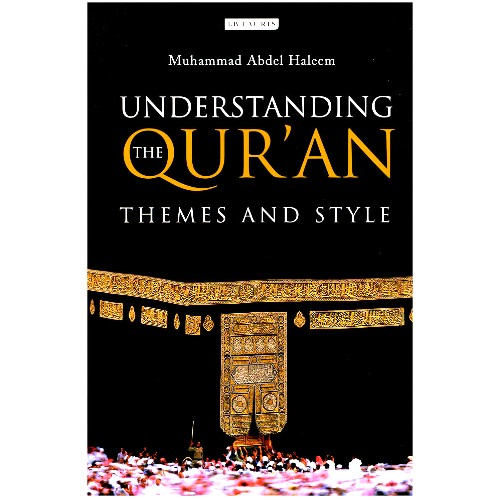
Understanding the Qur’an Themes and Style
Highlights:
The tenets of Islam cannot be grasped without a proper understanding of the Qur’an. In this book, Muhammad Abdel Haleem examines its recurrent themes and for the first time sets them in the context of the Qur’an’s linguistic style. Haleem examines the background to the development of the surahs (chapters) and the ayahs (verses) and the construction of the Qur’an itself.
RM95.00
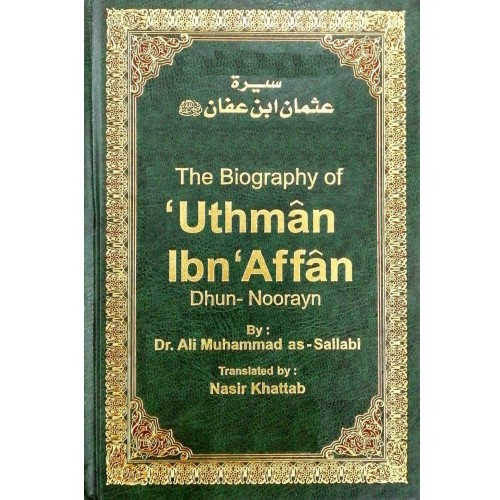
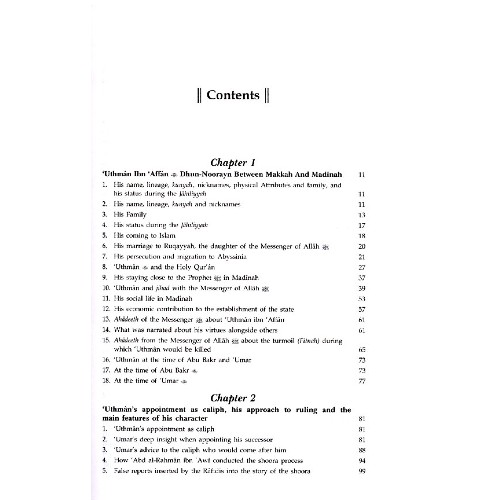
The Biography of `Uthman Ibn `Affan Dhun-Noorayn (Darussalam)
Highlights:
In this book, Dr. As-Sallabi presents the life of the third caliph of Islam, `Uthman ibn `Affan, and highlights his great achievements, as well the issues and turmoil that he faced due to the hypocrisy movement that plagued the Muslim society. He also addresses the misrepresentations of `Uthmaan, fabricated by his enemies and detractors and perpetuated, inadvertently or otherwise, by writers and historians, as well as the activities of the hypocrites and the effort they put into fabricating these lies and causing division in the Ummah, the effects of which Muslims are still suffering today.
RM57.00
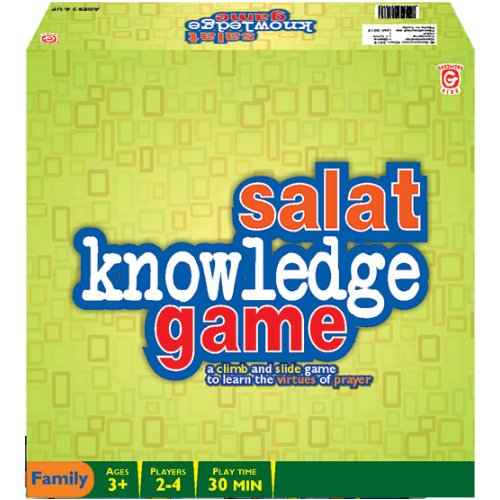
Salat Knowledge Game
Highlights:
The Salat Knowledge Game is suitable for 2 to 4 players aged three and above. In this game of slides and ladders, you spin the wheel and race to the finish before your friend reaches there. Along the way you learn the meaning and message of salat, that is, the five daily prayers. If you miss a prayer, you go down through the slippery slide, but if you offer it on time and with care, you climb up the ladder. And that is not all. There are chances to win a Salat Card too. Answer the question given on the card correctly and increase your knowledge about the five daily prayers. In this way, you don’t just try to run for the finish line, but learn all about salat as well. Isn’t this a fun way to play and learn!
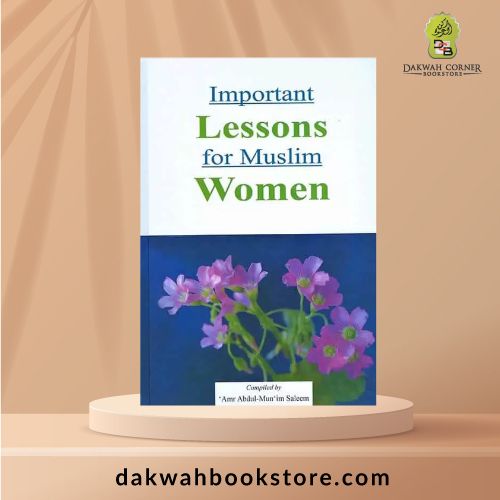
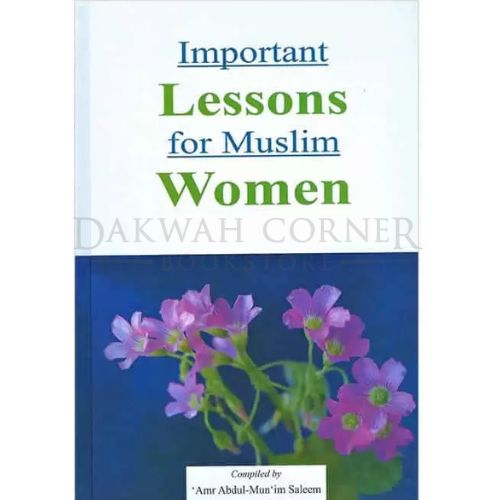
Important Lessons for Muslim Women (H/B)
Highlights:
Seeking knowledge is a duty upon every Muslim, male or female. The type of knowledge that each individual must learn varies according to the needs.
Women also need knowledge to fulfil their duties in accordance with the teachings of Islam, but they find it difficult to seek the knowledge because of moral conditions and modesty restrictions.
This book is published for the same purpose of providing knowledge to women as regards matters of faith, acts of worship, details about purification, problems of marriage and divorce, and other important issues that relate to women.
RM85.00
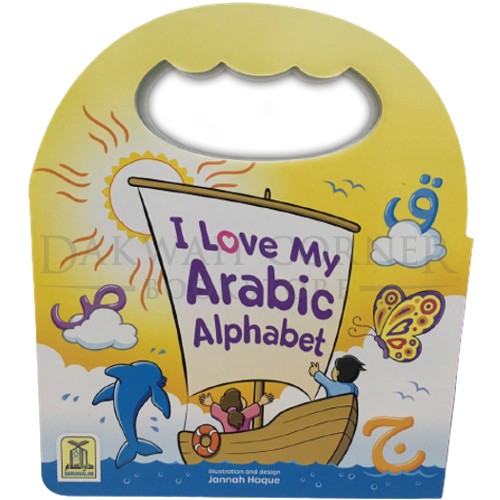
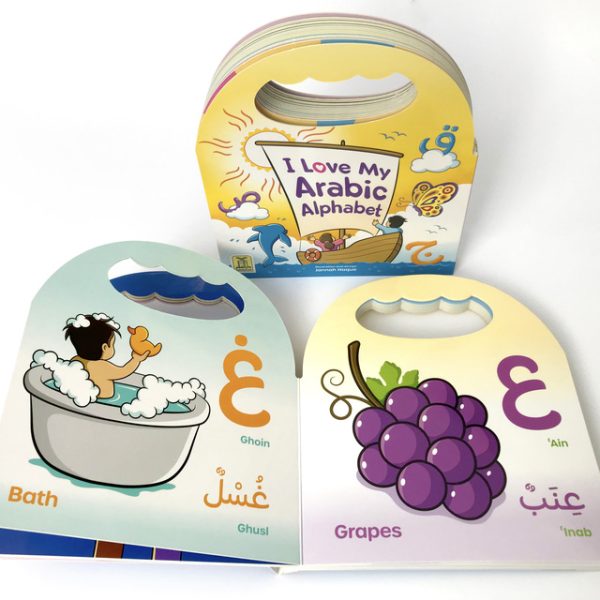
I Love My Arabic Alphabet (without Eyes)
Highlights:
I Love My Arabic Alphabet
Create a Fun and Loving Connection
Get your child excited and engaged with this colourful and charming alphabet book with bold, friendly illustrations and carefully selected simple words from the Quran. Give your child an early start in recognising and loving Arabic letters and words while building a strong spiritual connection that will last a lifetime.
RM40.00
There are no reviews yet.