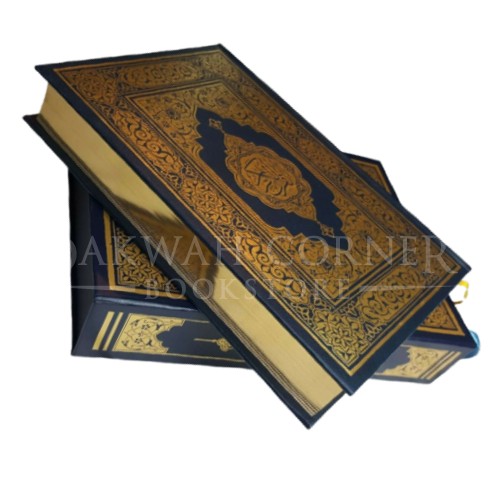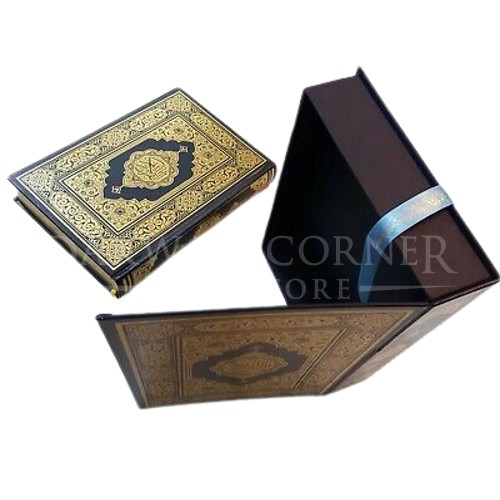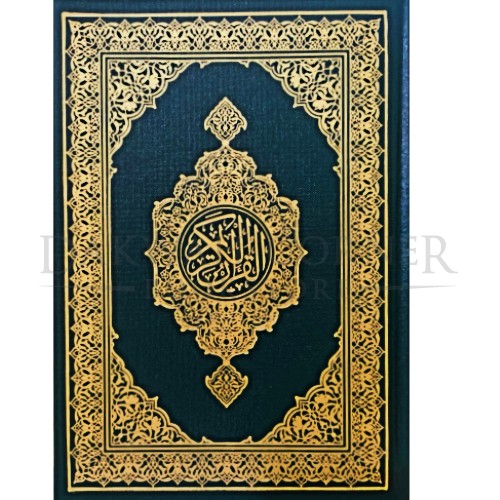
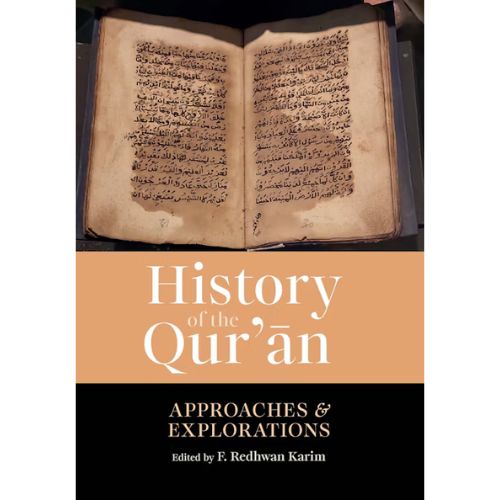
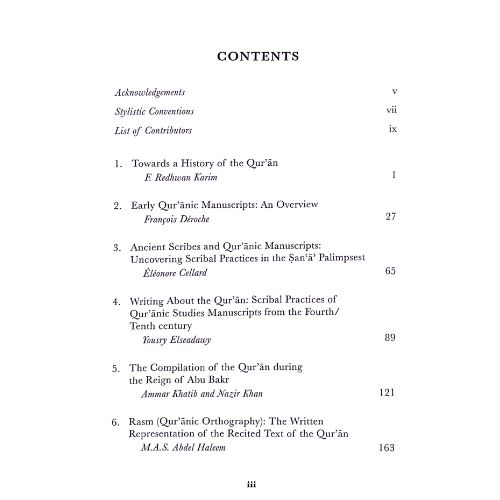
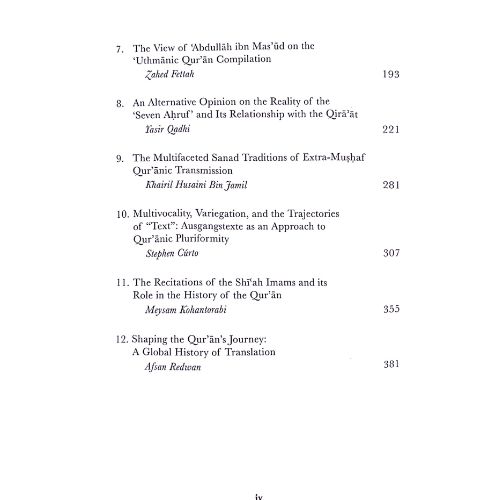
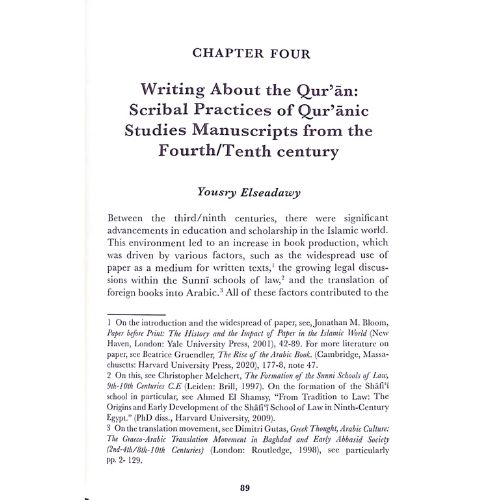
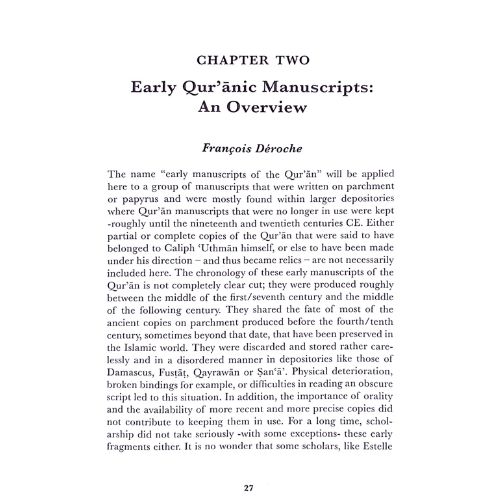
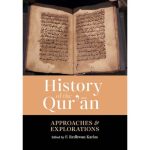
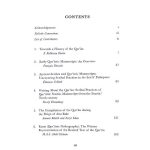
The Qur’ān is the sacred religious book of Muslims around the world. Yet its history, from its inception in seventh-century Arabia to its transmission in the modern world, remains understudied. The twelve chapters in this book address this lacuna by examining multifaceted stages in the Qur’ān’s history and transmission through a broad range of methodological and theoretical approaches. The volume examines the earliest material evidence of the Qur’ān through its manuscript tradition and explores their content and form. This includes a focus on the Qur’ān’s unique orthography and insights into the Sanaa manuscripts. Additionally, this work provides new insights by broaching upon critical moments in the Qur’ān’s history, such as the codification of Abu Bakr.
A crucial component of the book deals with approaches to the variant readings of the Qur’ān, understood as being sanctioned through narrations on the aḥruf. It explores fresh insights into how Muslim scholars theorised such variances and the way they related them to the qira’āt, including how they approached the variant codices of prominent companions. Furthermore, this work explores understudied non-Qur’ānic transmissions of the Qur’ān alongside the historical development of Qur’ān translations. This volume advances the field of Qur’ānic studies and Qur’ānic history.
The book features contributions from F. Redhwan Karim, François Déroche, Éléonore Cellard, Yousry Elseadawy, Nazir Khan, Ammar Khatib, M.A.S Abdel Haleem, Zahed Fettah, Yasir Qadhi, Khairil Husaini Bin Jamil, Stephen Cúrto, Meysam Kohantorabi and Afsan Redwan.
History of the Qur’an: Approaches and Explorations (P/B)
RM114.00
Frequently Bought Together
| Weight | 0.85 kg |
|---|---|
| Dimensions | 15 × 2.5 × 21 cm |
| Author | |
| Binding | Paperback |
| Pages | 415 |
| ISBN | 9781847742346 |
| Publisher | KUBE Publishing |
Be the first to review “History of the Qur’an: Approaches and Explorations (P/B)” Cancel reply
You must be logged in to post a review.
You may also like…
The Qur’an and Its Study
A contemporary exploration of Qur’anic studies, analysing the various approaches to the Qur’an taken by leading scholars through the centuries.
Variant Readings Of The Qur’an: A Critical Study Of Their Historical And Linguistic Origins – IIIT
This fascinating and important book attempts to investigate the nature of the seven Ahruf in which the Qur’an has been revealed and the reason for the variations in readings among the Qurraa of the Quran. It studies, examines, and discusses:
- The revelation of the Qur’an in the seven ahruf concluding that they represent seven linguistical ways of recitation
- The compilation of the Quran during the lifetime of the Prophet and the preservation of the Quran in the memories of the Companions as well as in written form, the compilation during the time of Abu Bakr, and the further compilation during the time of Uthman
- The problem of naskh to demonstrate the completeness and trustworthiness of the Quran and that no verses are missing or were read and abrogated by naskh al-tilawah either with or without hukm
- The Uthmanic masahif and their relation to the seven ahruf
- The language of the Quran and whether it includes one, several, or all the dialects of the Arabs
- The origin of the qiraat and conditions governing accepted readings
- Ikhtiyar (i.e., the selection of one reading rather than another) and the rules governing the Qurraa’ who selected a reading.
The Quran: Basic Teachings
An anthology of selections from the Quran in contemporary English on topics ranging from Tawhid to politics, economics and the mission of the Ummah.succeeds in its goal of presenting the basic ideas of the Quran in a clear, systematic way for the general reader.
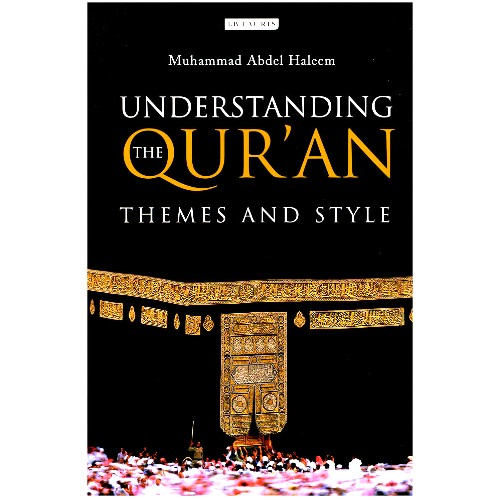
Understanding the Qur’an Themes and Style
The tenets of Islam cannot be grasped without a proper understanding of the Qur’an. In this book, Muhammad Abdel Haleem examines its recurrent themes and for the first time sets them in the context of the Qur’an’s linguistic style. Haleem examines the background to the development of the surahs (chapters) and the ayahs (verses) and the construction of the Qur’an itself.
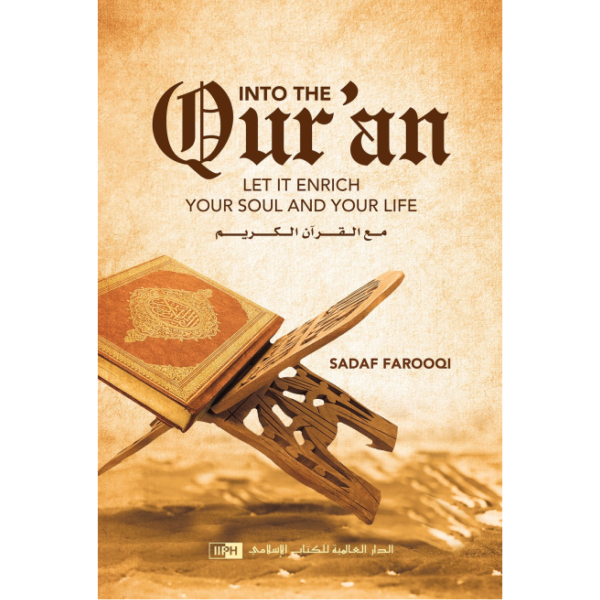
Into The Qur’an Let It Enrich Your Soul and Your Life
Do you want to improve the quality of your relationship with the Qur’an? If yes, then this book is definitely for you! Beautifully written, straight from the author’s heart, Into the Qur’an offers comprehensive and inspiring reminders about commandments from the Qur’an and the Hadith, in a way that you can apply to everyday life. Sadaf Farooqi urges you to study the Qur’an and then implement its teachings, regardless of personal whims and desires or traditional customs and practices.
Related Products
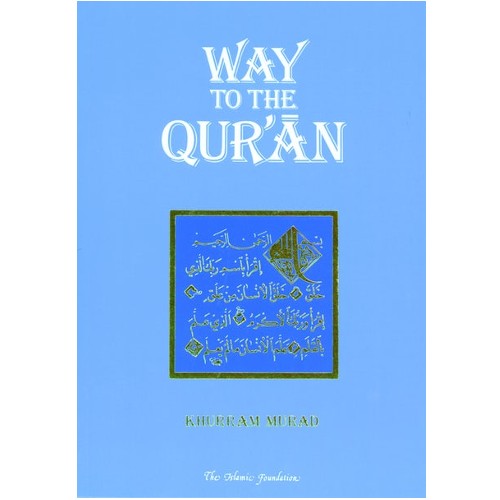
Way To The Quran
An authoritative and accessible study guide that covers what the Book means to the believers and sets out the essential prerequisites of body, mind, and heart that serve to light up the inner life with the Qur’anic worldview; the etiquette of reciting, reading, and understanding the Qur’an; how to study the Qur’an collectively; and how to live by its teachings.
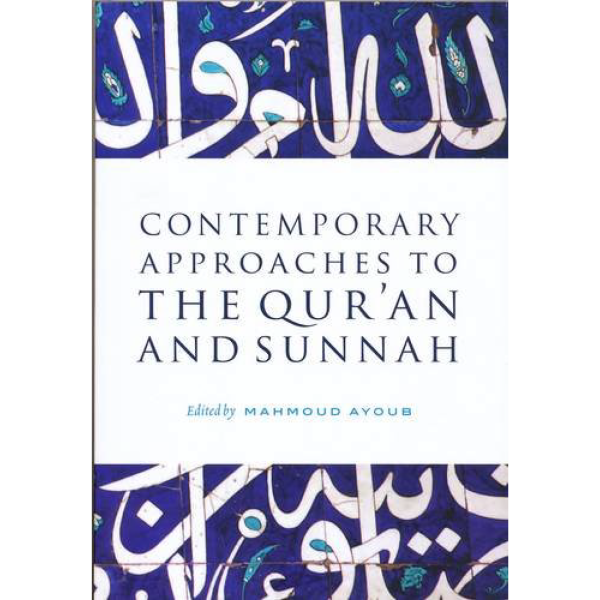
Contemporary Approaches to The Qur’an
The Qur’an and Sunnah are the two primary sources of Muslim faith, life, law and morality. The Qur’an is for Muslims the foundation of their faith and the Sunnah is the framework of their morality. Together they constitute the two sources of the law (Shari ah) of God, a guide to prosperity and happiness in this life and to the bliss of the hereafter. Although the Qur’an and Sunnah are materially and formally two independent sources, they are inextricably bound in a dynamic relationship. The rulings and precepts (ahkam) of the Qur’an constitute the law (shar ) of God. They are supplemented by the precepts of the authentic Sunnah, which possess authority second only to the precepts of the Qur’an. The Qur’an commands Muslims, Whatever the Messenger gives you, that you must take, and whatever he forbids you, you must desist therefrom…. (59:7).
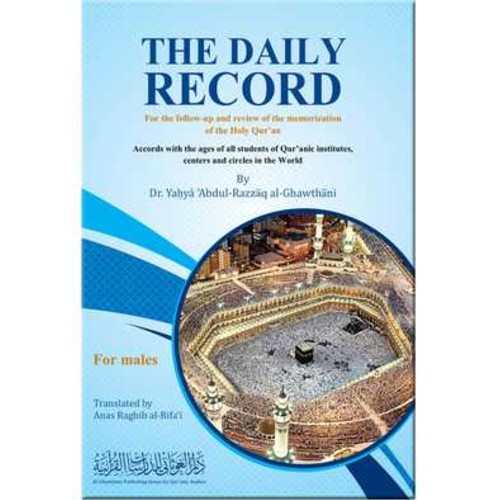
The Daily Record (For Male)
The Daily Record for Following up on Memorizing the Holy Quran
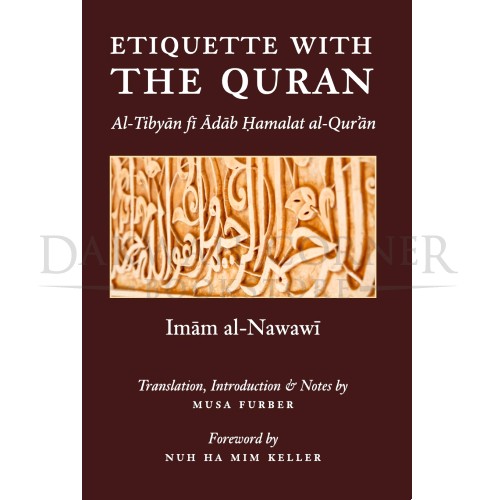
Etiquette With The Quran (Islamosaic)
An enduring classic work on the etiquette that a Muslim must or should have with regard to handling and reciting the Quran (the Muslim scripture). The topics this volume raises include: ritual cleanliness, opportune times for recitation, the etiquette that students have with their teachers (and that teachers must have with their students), and variety of other issues that every Muslim should know and frequently ask about.
He present works was designed and written to explain to men and women how best to benefit from the Book of Allah. The blessing of the Quran is that whoever recites it as it should be recited is changed by it, and brought by imperceptible degrees to see why everything is the way it is. The seed of this knowledge is a humble intention to draw nearer to the Divine, the soil in which it takes root are reverence, awe, and love, ant its fruit is this world and the next. It is well known to everyone conversant wuth the Islamic disciplines that the learning of many thins does not teach wisdom, and that traditional books do not reveal their secrets or bestow their benefits to those without the key to them.
This key is adab, the “the right way of doing things,” rendered in the title as “etiquette.”… Books, especially sacred ones, give their knowledge to those of adab, and Westerns who know something about the sciences of Islam have been waiting for a book like this in English for a long time.
-From the Foreword by
Nuh Ha Mim Keller
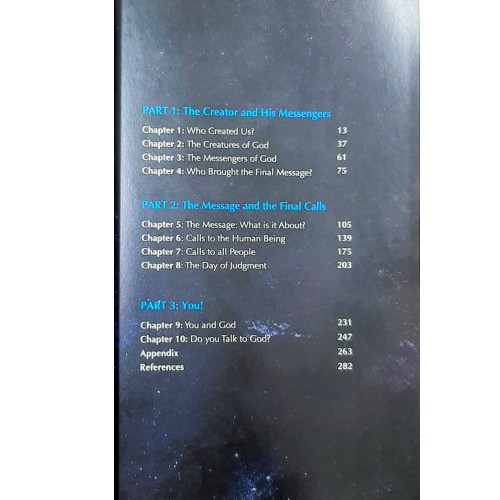
Three Messages from God to You
● Who created the universe? Who created us and the beings on the earth? Who gave life to billions of creatures on our plant? Is He our God? What is His name? Are there other creators than Him?
● Why do we live on the earth? What is the purpose of life? Did our creator really send us messages? What does He want to inform us? Are these messages true?
● Are the Torah, the Bible and the Quran true divine books? Are they related? Do they contain true Messages from God to us? Is there a final testament?
● Why all creatures die? Is there another life after death? Do we return to our Creator? Why?
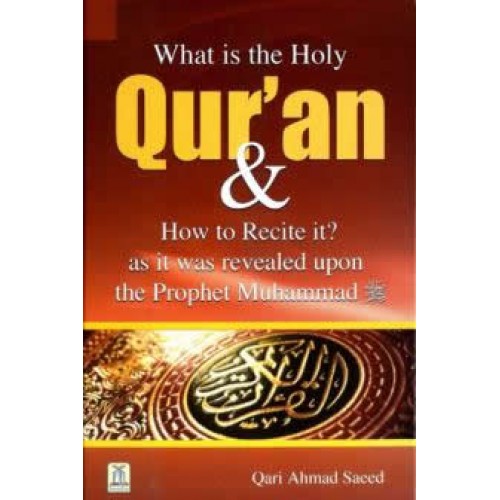
What is the Holy Quran & How to Recite it? (H/B)
This book guides readers to pronunciate the Arabic alphabet from their correct point of articulations. It also guides them to recite the Holy Qur’an according to the laws and principles of the art of recitation and intonation.
The correct pronunciation of the Arabic words and alphabet was difficult to some extent for the people living in the West as compared to those of East. So they need some more efforts to solve this problem and to make it easy for them.
By the grace of Allah, this book will do the job successfully and in a very convenient way.
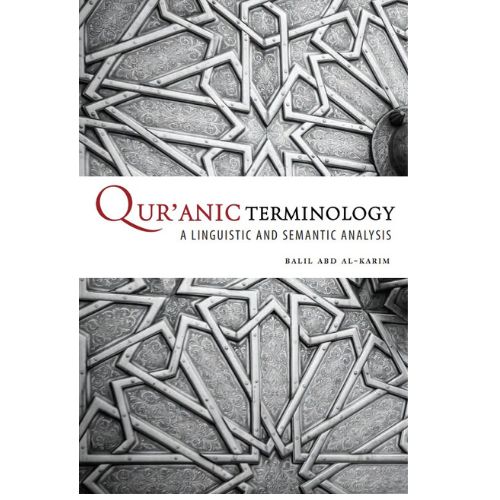
Qur’anic Terminology a Linguistic and Semantic Analysis (IIIT)
There is no way to understand the Qur’an properly, or to elucidate as accurately as possible the meaning of its verses, without studying Qur’anic terminology and concepts. Taken together these sum up the universal truth of the Faith (the great moral code), not only animating the text and giving it incredible life, precision, and flexibility, but also enriching the communication of the Qur’anic message through their beautiful and comprehensive nature.
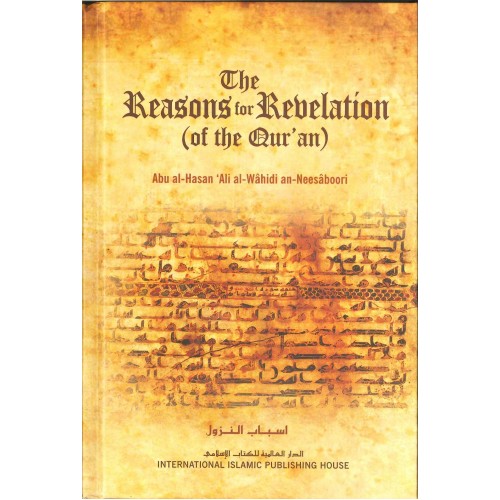
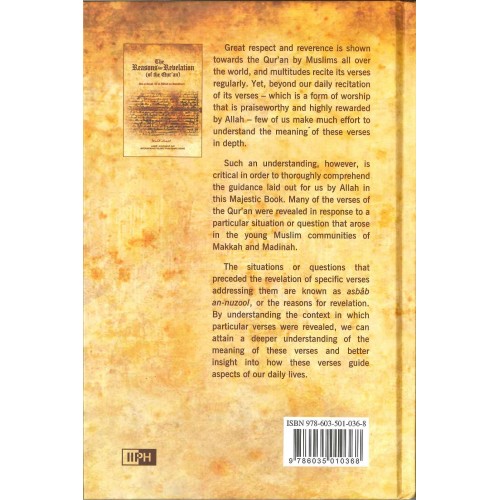
The Reasons for the Revelation (IIPH)
Have you ever wondered in what circumstances a particular verse or Soorah was revealed? In this translation of the great work ‘Asbaab an-Nuzool’ by the great Muslim scholar Ali ibn Ahmad an-Neesaboori, you may well find the answer. This first volume covers the first four sections of the Qur’an, from Sorrah al-Fatihah to verse 22 of Soorah an-Nisa. The publication of this book reflects our continuing effort to bring to the English speaking Muslims works previously only available to Arab speakers.
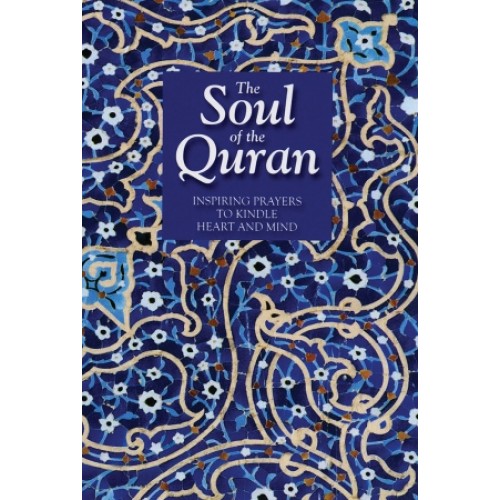
The Soul of the Quran (P/B)
This book is a unique collection of prayers and verses distilled from the Sacred Book. It contains one hundred and fifty four passages of exquisite beauty, majestic prose and breadth of vision. Lucid in style and rich in spiritual wisdom, they have been judiciously selected to inspire and uplift the soul.
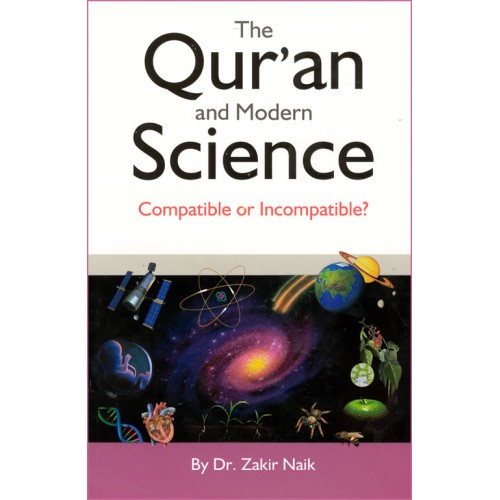
The Quran & Modern Science: Compatible or Incompatible? (P/B)
Ever since the dawn of human life on this planet, Man has always sought to understand Nature, his own place in the scheme of Creation and the purpose of Life itself. In this seek for Truth, spanning many centuries and diverse civilizations, the course of history has been determined to a large extent by organizing religion which has shaped human life. While some religions have been based on books as claimed by their adherents to be divinely inspired, others have relied only on human experience.
The main source of the Islamic faith, Al-Qur’an, is a book believed by Muslims, to be of fully Divine origin. It is also believed by Muslims that it contains Divine guidance for all humankind. As the message of Quran is believed to be for all times, it should be relevant to every age. Does the Qur’an pass this test? I intend to give an objective analysis of the Muslim belief in this booklet regarding the Divine origin of the Qur’an, in the light of established scientific discoveries.
In the history of world civilization there was a time when ‘miracles’, or what was perceived to be a miracle, took precedence over human reason and logic. But how do we define the term ‘miracle’? A miracle is anything that takes place out of the normal course of life and for which humankind has no explanation. Though, we must be careful before we accept something as a miracle. An article in `The Times of India’, Mumbai, in 1993 reported that ‘a saint’ by the name ‘Baba Pilot’ claimed to have stayed continuously submerged under water in a tank for three consecutive days and nights.
But he refused the reporters to examine the base of the tank of water where he claimed to have performed this ‘miraculous’ feat. He argued by asking as to how one could examine the womb of a mother that gives birth to a child. The `Baba’ was hiding something and it was considered to be a gimmick simply to gain publicity.
Certainly, no contemporary man with even the slightest inkling towards rational thinking would accept such a ‘miracle’. We would have to accept Mr. P.C. Sorcar, the world famous magician known for his ingenious magical tricks and illusions, as the best god-man if such false miracles are the tests of divinity.
A book, claiming Divine origin, is in effect, claiming to be a miracle. Such a claim should be easily verifiable in any age, as per the standards of that age. It is believed by the Muslims that the Quran is the last and final revelation of God, the miracle of miracles revealed as a mercy to humankind. Both Quran and science are related. Let us therefore scrutinize the veracity of this belief.
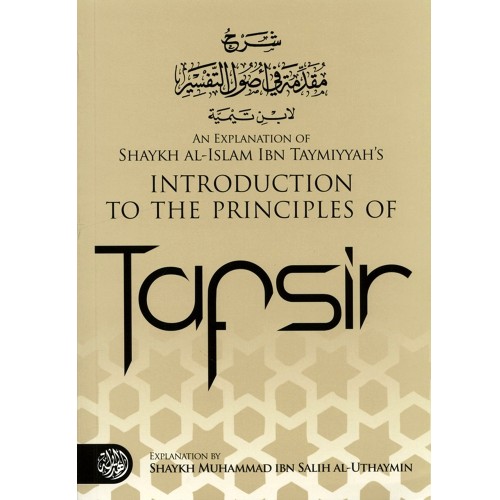
Introduction to the Principles of Tafsir
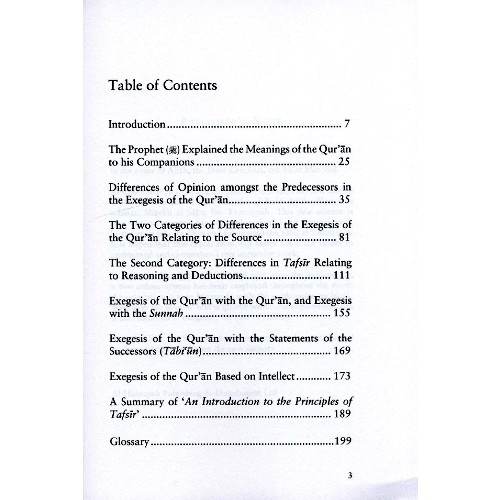
The Quran is the greatest miracle for mankind, yet how many of us truly understand its beautiful message and the sciences that surround it? This book is one of the many written on this topic. In it, the renowned author Shaykh al-Islam Ibn Taymiyyah outlines the principles employed by the scholars in understanding the verses of the Qur’an. What makes this book unique is the fact that it is combined with Shaykh Ibn Uthayman’s detailed explanation of the original text. So, the reader benefits from both the original work and the detailed explanation of the work, all in an easy to follow, smooth, accessible format.
Recently Viewed
The Imam and The Atheist – Claritas
Social media has ushered in an era of hyper-individualism, where ethics change as frequently as Twitter’s top tags. Even though Islam is still the world’s fastest-growing religion, countless people refute their faith every day — citing Darwinism or the inexplicable suffering of the human spirit.
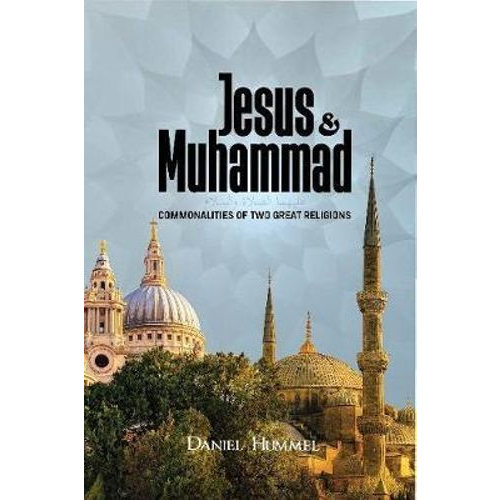
Jesus and Muhammad : Commonalities of Two Great Religions
Jesus and Muhammad lived in different times and in different contexts. An absolute comparison of the careers of these two men is not a satisfactory method in understanding the similarities and differences between their teachings. This book approaches this topic from a different perspective. The time that Muhammad preached in Mecca is compared to the time Jesus spent preaching throughout Palestine. This improves the similarities in contexts between them and makes a comparison more valid. The number of similarities outweighs the number of differences when looking at the four books of the Gospel and the chapters of the Qur’an revealed in Mecca. On issues related to prayer, the Oneness of God, charity, the Hereafter and forgiveness the teachings in these two books are practically the same. A number of core theological issues surfaced in the Book of John do clash with Qur anic teachings about the person of Jesus. These differences and the possible reasons for them are explored in this book. The conclusion of this book is that Muslims and Christians have more shared values and even theological similarities than differences. It is recommended that Muslims and Christians should spend more time understanding these commonalities.”
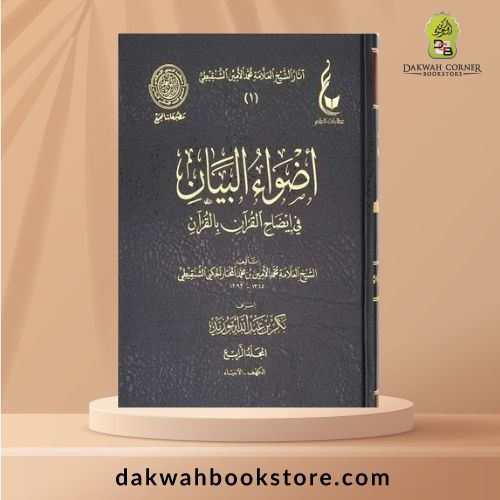
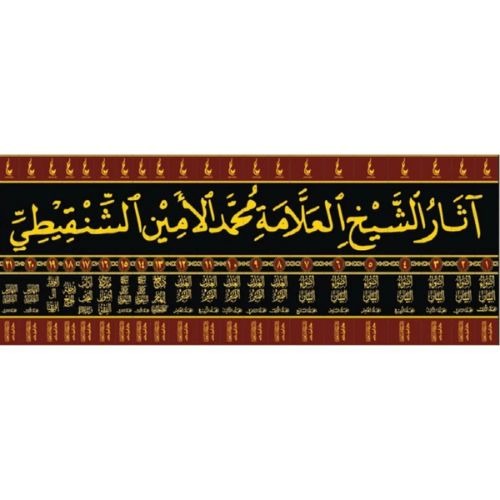
[AEC] Athar Muhammad Amin Al Shanqiti 21 Volآثار الشيخ العلامة محمد الأمين الشنقيطي 21 مجلدات
يُعدُّ الشَّيخُ العلَّامة محمَّد الأمين الشِّنقيطي من العُلماء الرَّبانيِّين، الذين خَلَّفوا للأمة تُراثًا زاخرًا، وعِلمًا نافعًا
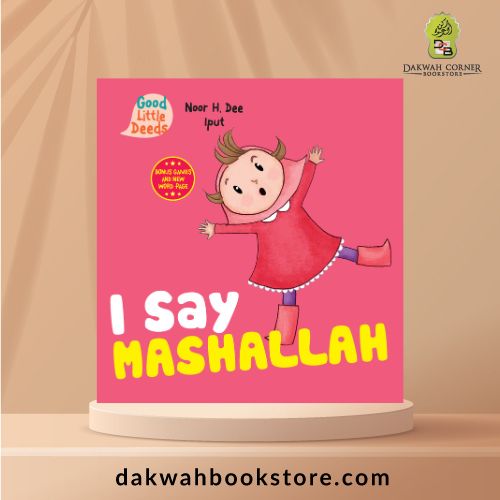
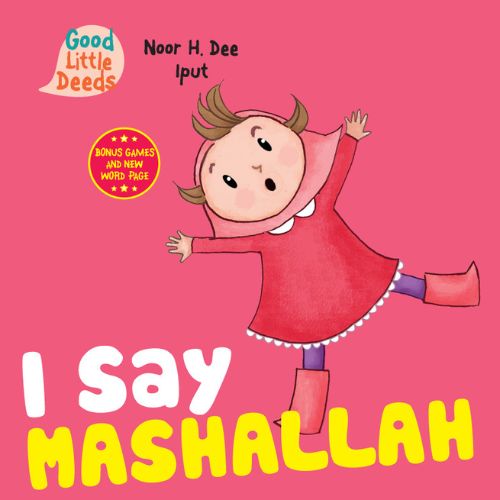
[CB]I Say Mashallah
Mashallah (مَا شَٓاءَ ٱللَّٰهُ) is an Arabic phrase meaning “God has willed it” or “What Allah has willed,” used to express admiration, appreciation, or gratitude for a person or event
Nabil and Noura have gone camping with their dad. WOW, the view is beautiful. When looking at beautiful things their dad tells them to say, ‘MASHALLAH!’
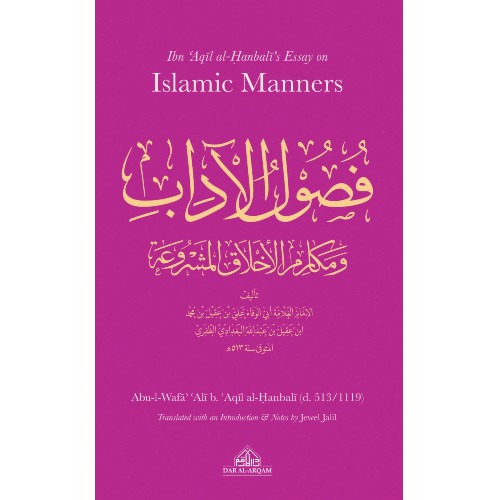
Ibn ‘Agil al-Hanbali’s Essay on Islamic Manners
This book is a translation of Ibn ʿAqīl al-Ḥanbalī’s (d. 513/1119) essay on Islamic manners, Fuṣul al-Adab wa Makarim al-Akhlaq al-Mashruʿah. It presents a significant number of commendable etiquettes Muslims are required to observe for everyday living and dealings. Ibn ʿAqīl’s essay is considered to be the shortest, and the earliest extant work from the Ḥanbalī school on Islamic manners.


There are no reviews yet.