

![[QQ] Mualimu Suari (معالم السور)](https://shop.dakwahbookstore.com/wp-content/uploads/2021/08/QQ62-F1-x500.jpg)
| Weight | 0.190 kg |
|---|---|
| Dimensions | 24 × 17 cm |
| Binding | Paperback |
| ISBN | 9789960740492 |
| Pages | 64 |
| Publisher | Darussalam |
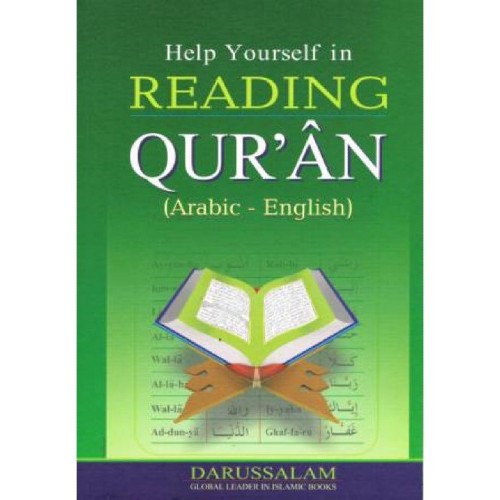
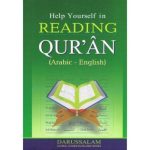
Help Yourself In Reading Qur’an
RM25.00
Hurry up, Only 2 left.

Highlights:
somdn_product_page
Compare
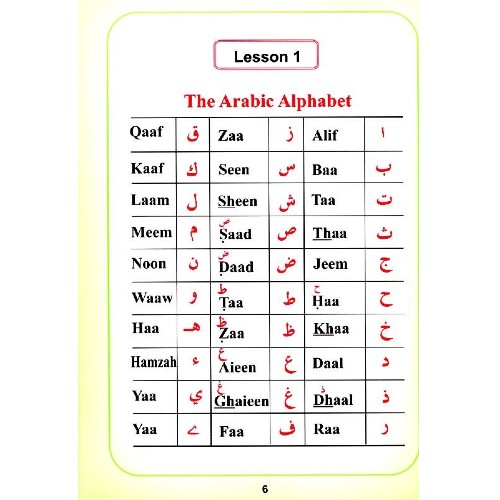
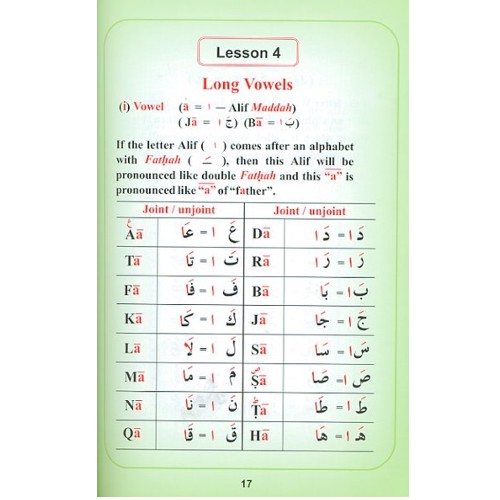
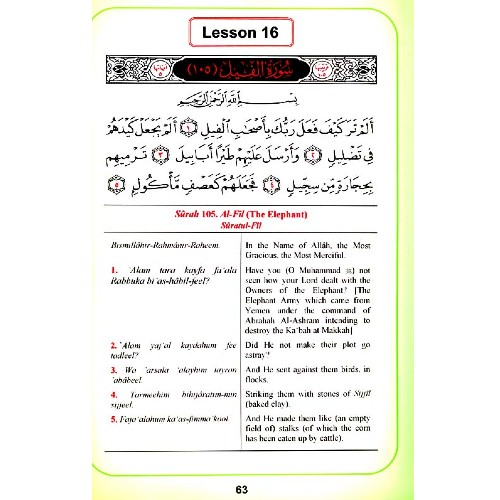
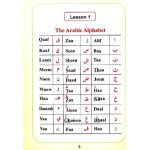
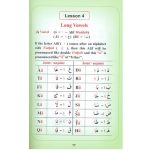
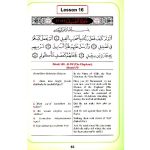
It is a guide for learning to read the Arabic of the Qur’an in a simple way through transliteration without a teacher. After mastering this guide , one will be able to read Qur’an without any difficulty. Insha-Allah.
Additional information
Reviews (0)
Be the first to review “Help Yourself In Reading Qur’an” Cancel reply
You must be logged in to post a review.
Related Products
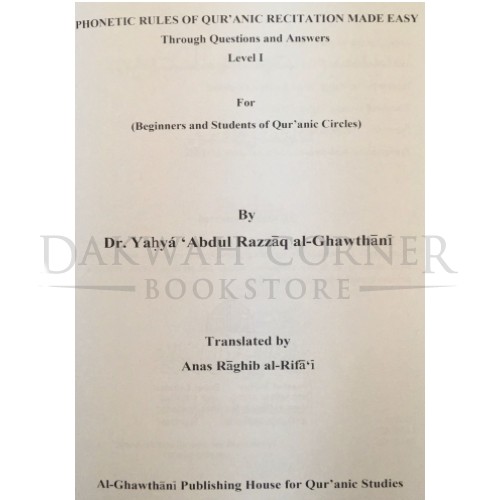
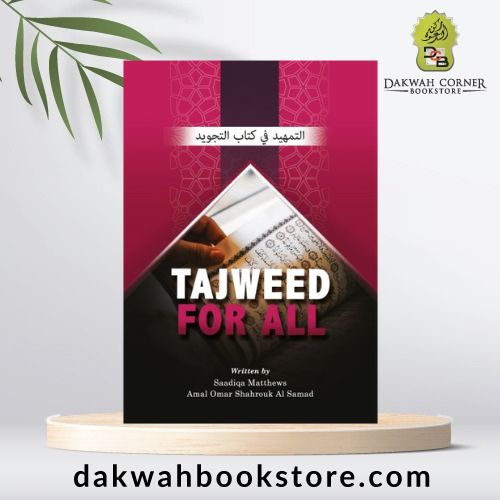
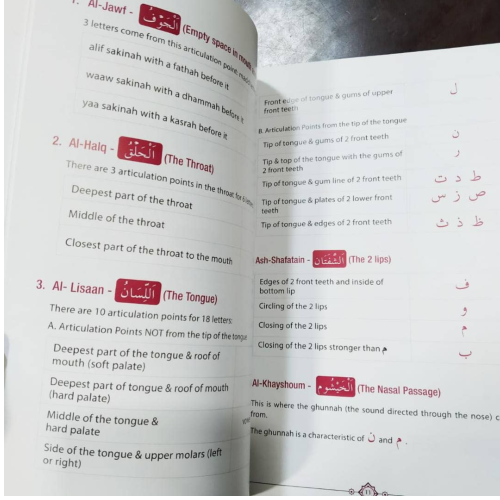
Tajweed For All (Revised Edition)
5 ★
5 ★
1 Rating
5 ★
1
4 ★
0
3 ★
0
2 ★
0
1 ★
0
Highlights:
Note: Revised Version – thicker than previous version (Art Paper)
RM23.00
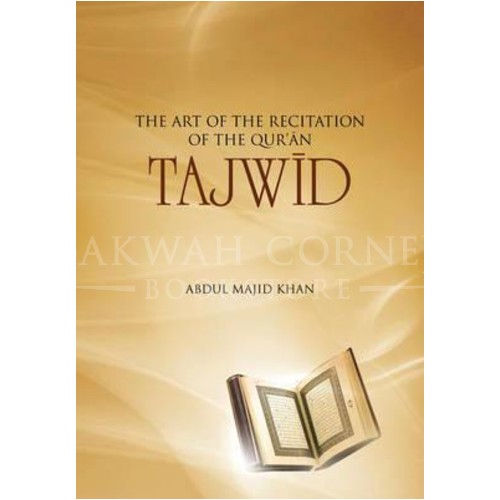
Tajwid : The Art of the Recitation of the Qur’an
Highlights:
This book on the art of the recitation of the Holy Qur’an is easy to follow with its simple yet detailed presentation of subjects. It is accessible for beginners who have had little exposure to Tajwid. It does not require any knowledge of Arabic grammar or understanding of the Arabic language. It provides both the young and adult English speaking Muslims with the best organization and presentation of the art of Tajwid. The Art of the Recitation of the Qur’an can be used for self-study or with the guidance of a teacher at Islamic schools and colleges as well as theology faculties. This book is primarily intended for the English speaking audience. The explanations in this work are augmented by figures, charts, tables, and examples for full and easy comprehension by English speaking Muslims. Readers will also find a Glossary of Arabic and Phonetic terms extremely helpful in learning the rules of Tajwid.
RM65.00

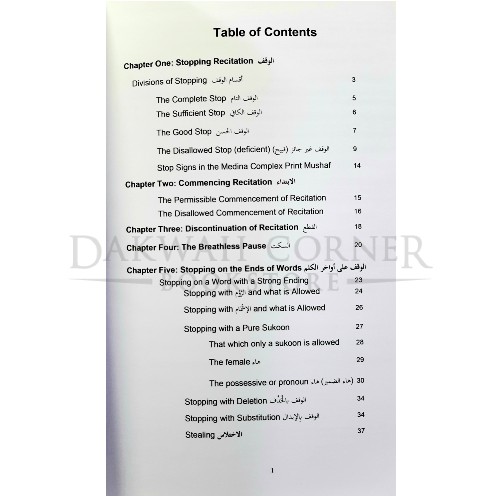
Tajweed Rules of the Quran (Part Three)
Highlights:
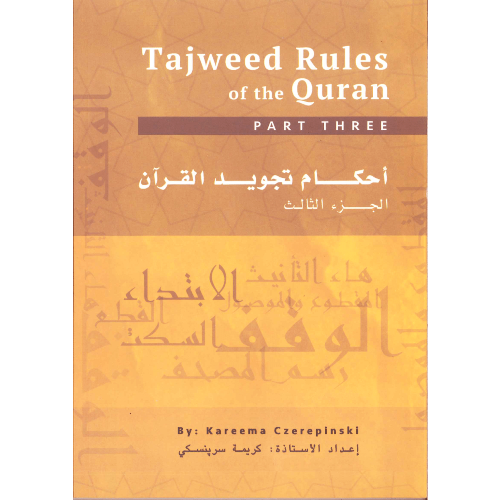
This is the third and final part of a three part series in English on the rules of tajweed the Qur’an for the recitation of Hafs from ‘Aasim by the way of Ash-Shaatibiyyah. These books are meant as a guide for non-Arabs with a good grasp of English for studying tajweed of the Glorious Qur’an. This final book explains the stop and start when reading the Glorious Qur’an, and gives details as to what kind of stop is allowed, what kind is preferred, and what kind of stop is forbidden. Stopping on the ends of words with strong endings (consonants) and rules for what is allowed on the last letter of the word is described, including ar-room (الروم) and al-ishmaam (الإشمام). Stopping on the ends of words with weak endings (words ending in the alif, ya’ or wow) and different rules and explanations for these type of words is clarified. One important aspect of Qur’an recitation is knowing and understanding which word combinations are written together and which separately in different parts of the Qur’an as well as in which places of the Qur’an are some words are written the female haa (هاء), and in which places they are written with the taa (تاء). This part lays out the different places in the Qur’an these occurrences take place, so the reader knows how he/she can stop on these words. The words that are read in a special way, or have two allowed ways for the reading of Hafs from ‘Aasim by the way of Ash-Shaatibiyyah are detailed in this book. The history of the writing of the Glorious Qur’an (رسم) and the general rules for the writing of the Qur’an are laid out in the last chapter of this part. This last part of the three parts on tajweed is for students who have studied and mastered the other two parts, or have studied everything covered in the first two parts. The explanations of the different subjects are in English, and the Arabic terms are translated. The goal is always to assist the students in understanding and to encourage them to learn the Arabic terms and definitions. The three parts of this series on tajweed rules of the Glorious Qur’an should facilitate non-Arabic speaking students of the Qur’an whether they are in a classroom with an Arabic medium for teaching or English. With this third part completed, insha’ Allah the non-Arab English speaking student of the Qur’an will find a complete curriculum and explanation of the tajweed rules for the recitation of Hafs ‘an ‘Aasim from the way of Ash-Shatibiyyah in any classroom or study situation that he/she may find themselves in. These three parts are only guidance; the real goal is reciting and applying all the different rules correction which can only be done by reciting to and being corrected by a qualified teacher of the Qur’an.
RM30.00
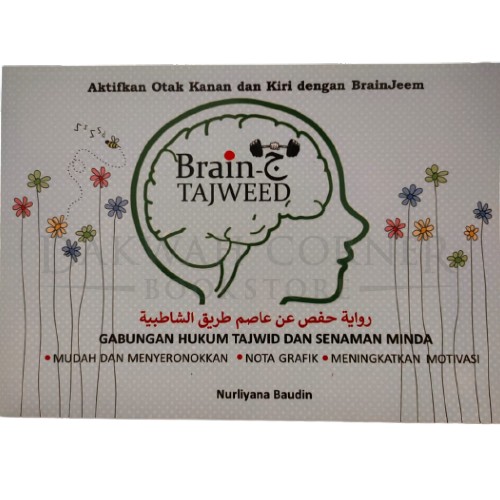
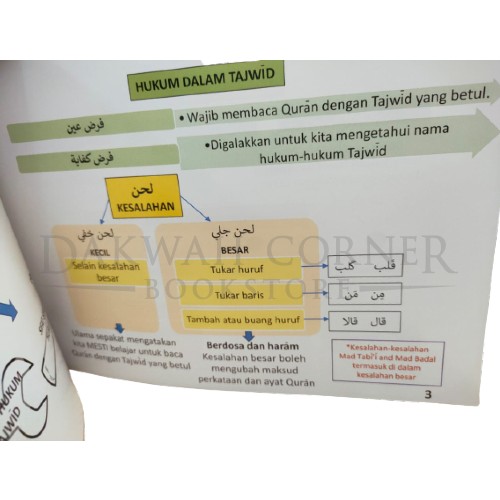
BrainJeem Tajweed – Gabungan Hukum Tajwid dan Senaman Minda
Highlights:
BrainJeem Tajwid merupakan pembelajaran kreatif dalam mengenalpasti hukum-hukum Tajwid dengan mudah dan menyeronokkan. Gabungan bunyi dan brain-gym akan mengaktifkan otak kiri dan kanan anda dan membantu anda kekal fokus dan bertenaga. Inovasi BrainJeem Tajweed berfungsi sebagai pembakar semangat supaya kita cintakan ilmu Tajwid dan seronok mendalami Quran.
RM30.00

Starting from Scratch – Tajweed Made Easy
Highlights:
Holy Quran and Quranic Sciences
RM10.00
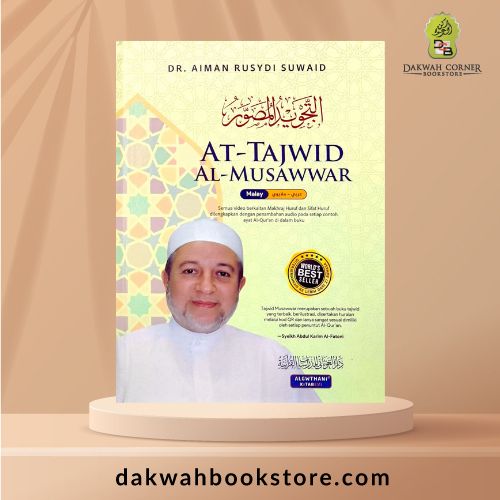
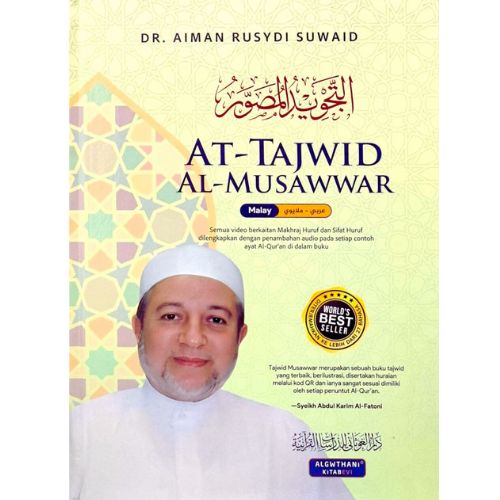
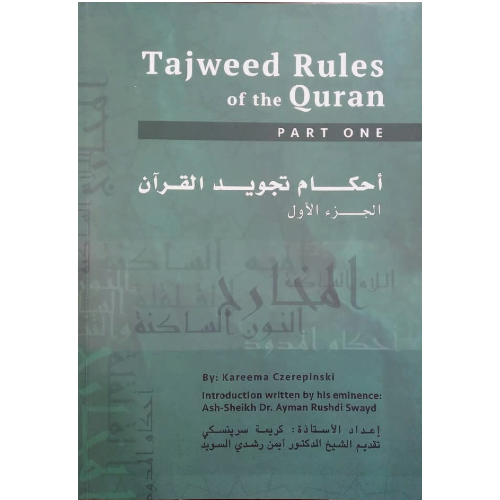
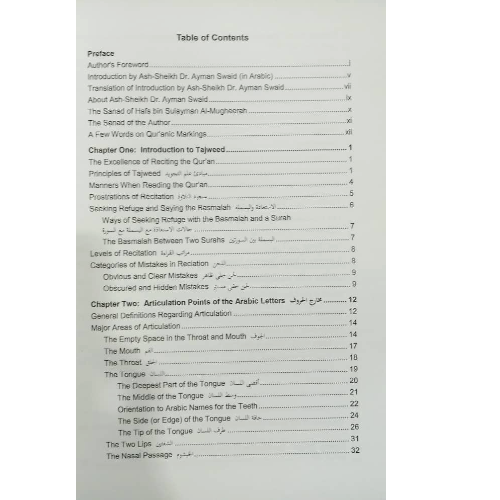
Tajweed Rules of the Quran (Part One)
Highlights:
This is a guide for studying tajweed. The student who uses this book is expected to have a basic grasp of Arabic before starting this course. The student should know all the Arabic letters and vowels and be able to read at an elementary level.
This book is either for an English-speaking student studying the Qur’an in an Arabic environment, but needing explanation of the Arabic terms in English, or a student studying the explanations of tajweed in English, but learning the basic concepts in Arabic so they may integrate into the Arabic terms and definitions throughout the book, since the science of tajweed is an Arabic science. This book explains the articulation points of the Arabic letters, the rules of noon saakinah, meem saakinah, and lam saakinah. It explains all of the different lengths (mudood), and how voweled, and non-voweled letters are formed. The qalaqah mechanism is explained in the last chapter. Terms are introduced in Arabic, and the translated into English. Explanations are done in English, but with integration of Arabic terms, as they are learned.
A student of the Qur’an cannot expert to learn tajweed simply by studying this book. The learning of proper Qur’anic recitation can only be done by listening to a qualified Qur’an teacher recite, then reciting to them and receiving corrections from the teacher.
RM30.00
RM55.00 – RM120.00Price range: RM55.00 through RM120.00
Recently Viewed
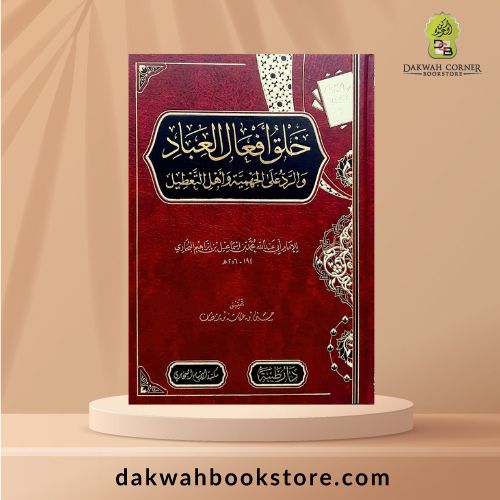
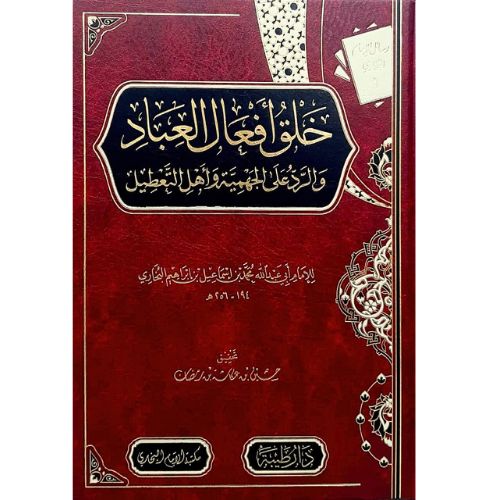
[AC] Khalqu Afali Ibadi / خلق أفعال العباد
Highlights:
بدأ الكتاب بذكر أقاويل أهل السنة في الجهمية وتكفير من يقول بقولها
تناول في الباب الثاني الكلام في مسألة خلق الأفعال، وأثبت أن أفعال العباد مخلوقة، وقام بالرد على الجهمية في هذا
يعد الكتاب أصلًا من الأصول التي احتفظت لنا بجملة كبيرة من أقاويل أئمة السلف من الصحابة والتابعين في فرقة الجهمية ومن قال بقولها، وبيَّن لنا الكتاب كذلك الطريقة المثلى في الرد على أهل البدعة.
يلاحظ كذلك كثرة تعليقات المصنف على ما يورده من نصوص، وأنه لم يكتف بسرد النصوص فحسب، بل كانت له كذلك ردود على الشبهات التي يلقيها الجهمية
RM125.00
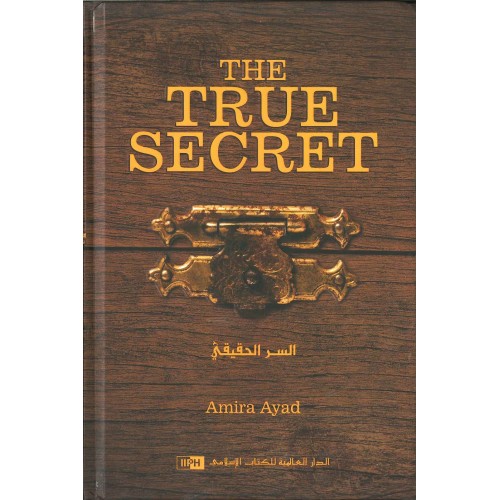
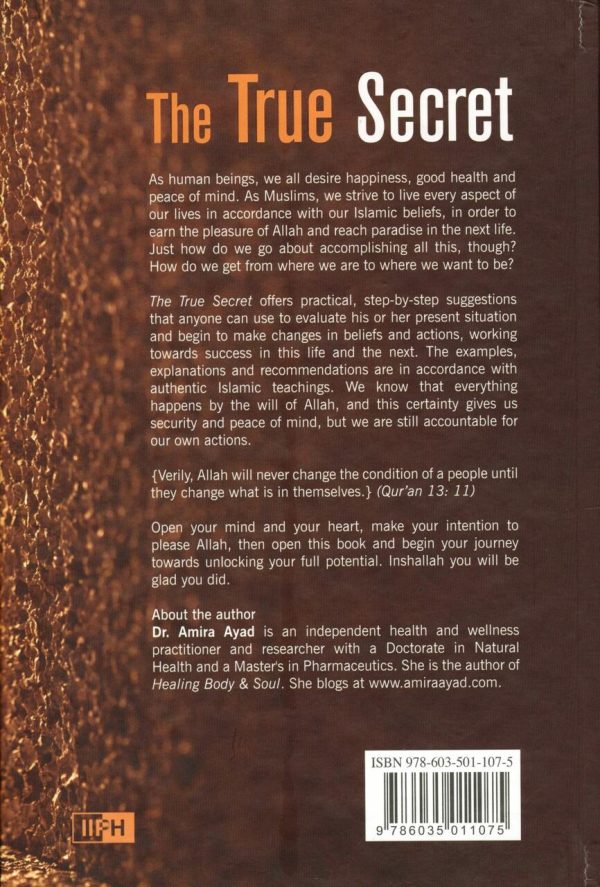
The True Secret
Highlights:
As Human Beings, We all desire happiness, success, health, and peace of mind.
The True Secret offers practical step-by-step program that you could use to evaluate your situation and begin to make changes in beliefs and actions, working towards success in this life and the next. The examples, tools, and explanations are in accordance with authentic Islamic teachings and yet, still, not surprisingly, in accordance with the latest scientific researches and recommendations.
We know that every thing happens with God’s will, and this gives us security and peace of mind, but still we know that we are accountable for our actions:
“Verily, God will never change the condition of a people until they change what is in themselves” (Qur’an, 13: 11)
RM57.00
[AH] Aḥādīth al-Īmān / أحاديث الإيمان
Highlights:
أحاديث الإيمان هي الأحاديث النبوية التي تتناول موضوع الإيمان وأركانه وأحكامه، وتشمل الأحاديث التي تتحدث عن أركان الإيمان الستة، وعن شعب الإيمان، وعن علاقة الإيمان بالعمل، وعن زيادته ونقصه.
RM60.00
Blissful Marriage (DCB)
Highlights:
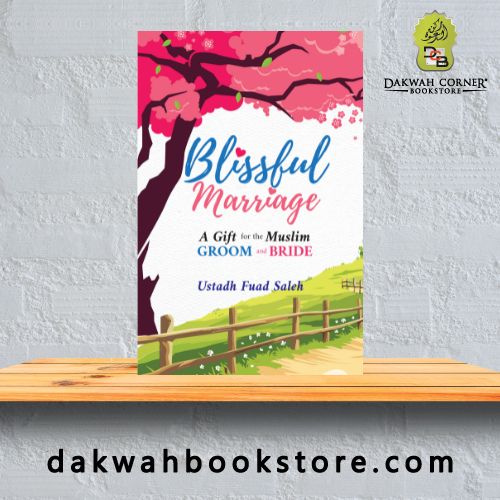
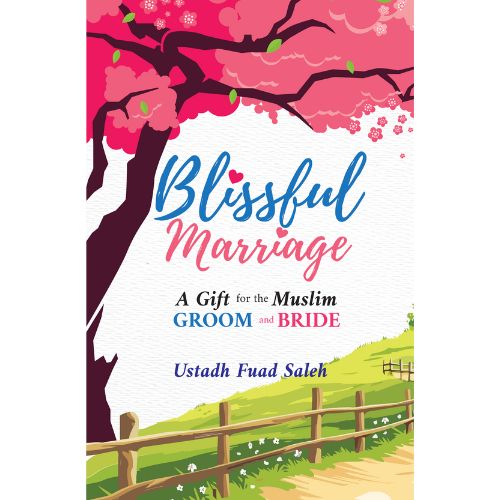
Marriage is one of the most significant events in a person’s life. For it to succeed and flourish, it must be built on solid foundations, rooted in Islamic teachings—not on wishful thinking or emotional impulse.
RM60.00

Stop Worrying Relax & Be Happy
Highlights:
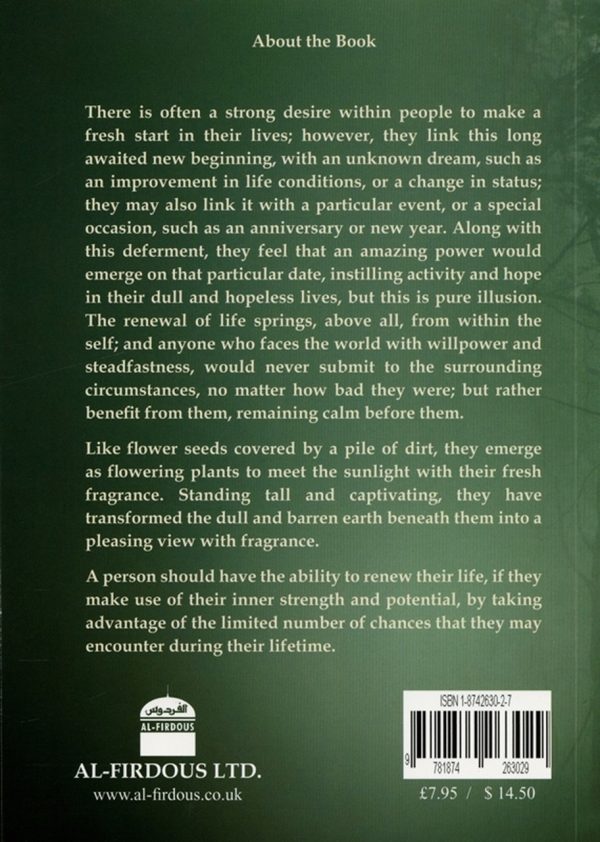
This book, by the noted Egyptian scholar of recent times, discusses:
- Renew your life!
- Living according to one’s daily commitments
- Firmness, lassitute, and deception
- Worries and venoms
- How to eliminate the causes of worry
- Knowledge produced by action
- Make lemonade out of lemons
- Purity of Secrecy and Publicity
- and much more!
RM46.00
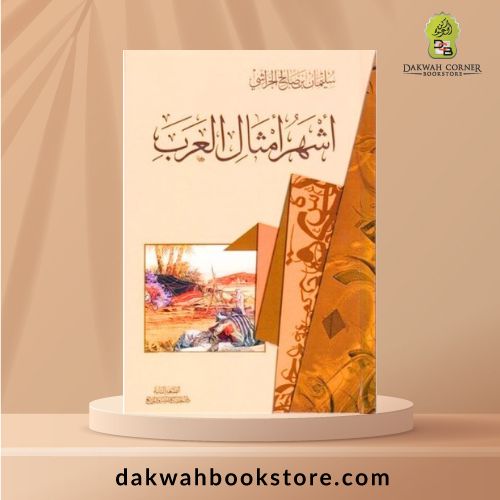
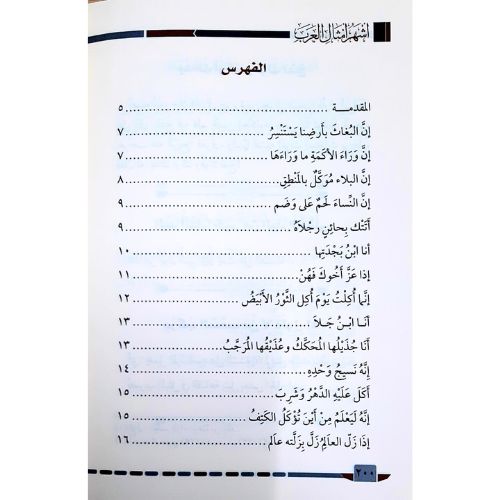
[MM] Ashhar Amthal Al Arab (اشهر امثال العرب)
Highlights:
قال المؤلف: سميت هذه الأوراق “الرجل النبيل” لأنه عليه الصلاة و السلام أنبل رجل عرفته البشرية، ولأن النبل ظاهر في تفاصيل حياته، في رضاه وغضبه، في حزنه وفرحه، قبل نبوته وبعدها، فهو بحق الرجل النبيل
RM45.00
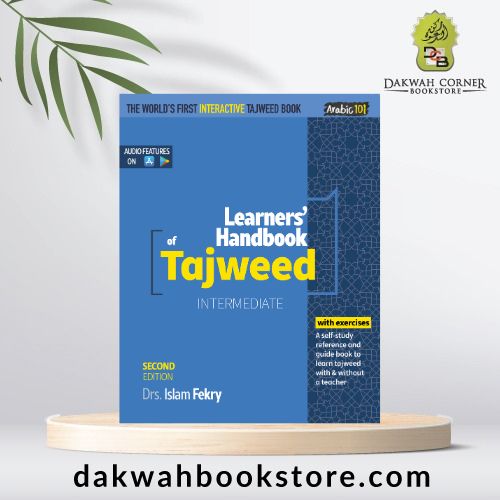
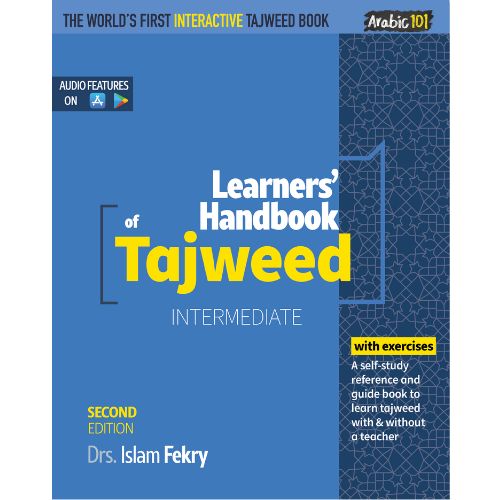
Learners Handbook Tajweed (Intermediate) – Second Edition (Arabic 101 Series)
Highlights:
Learners’ Handbook of Tajweed
Intermediate
Learners’ Handbook of Tajweed is designed as a self-study handbook, yet it is equally suitable for classroom settings. It stands as the world’s first Tajweed book that goes beyond presenting just rules; it is an interactive experience that will change the way you think about learning Tajweed. This book has been uniquely designed to offer an unparalleled learning experience that seamlessly blends enjoyment with information.
RM55.00
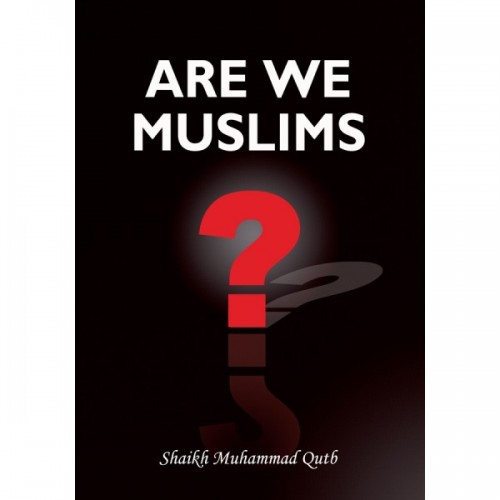
Are We Muslims (Al-Firdous LTD)
Highlights:
An important work by Sheikh Muhammad Qutb about the true meaning of being a Muslim, questioning whether the life we are living today as a nation of Muslims is truly the Islamic life taught by the Qur’an and Sunnah.
RM45.00
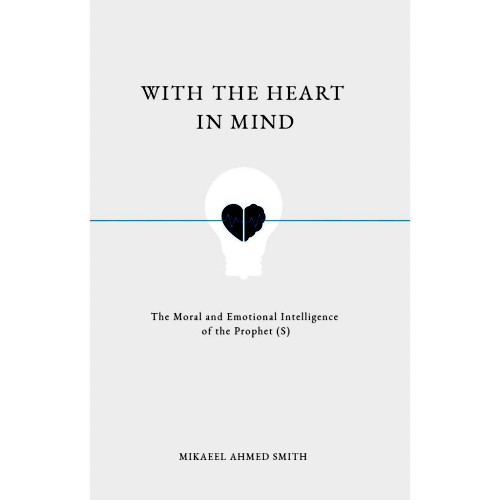
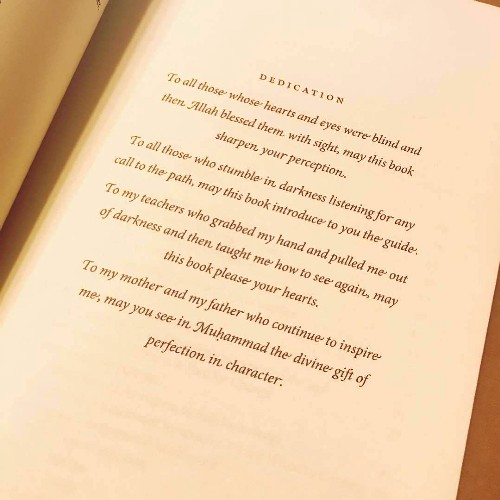
With the Heart in Mind (TERTIB)
Highlights:
The Moral and Emotional Intelligence of the Prophet s.a.w.
This work is an inquiry into the nature of the intellect and how classical Islamic theologians understood the nature and function of the intellect.
With the Heart in Mind asks readers to consider an alternative understanding of intelligence in which the primary function of the intellect is to know God and lead others to Him as well. The author suggests that by studying the Emotional Intelligence of the Prophet Muhammad (S), we improve the quality of our relationships with the people around us and we, like the Prophet (S), can become catalysts for change around us. Emotional Intelligence within the author’s model of intelligence is a tool by which the message of God is transferred to humanity. With the Heart in Mind reminds us that “To be loved by people is half of intelligence.”
RM95.00
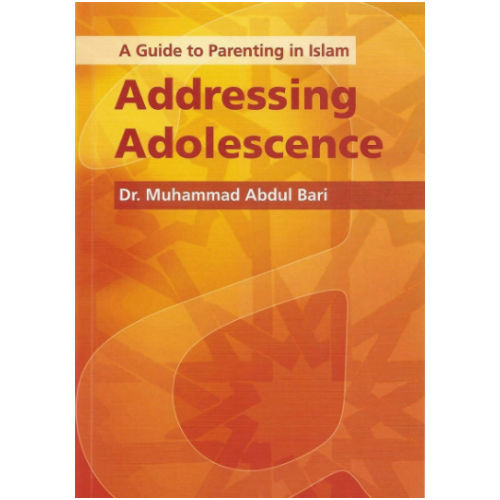
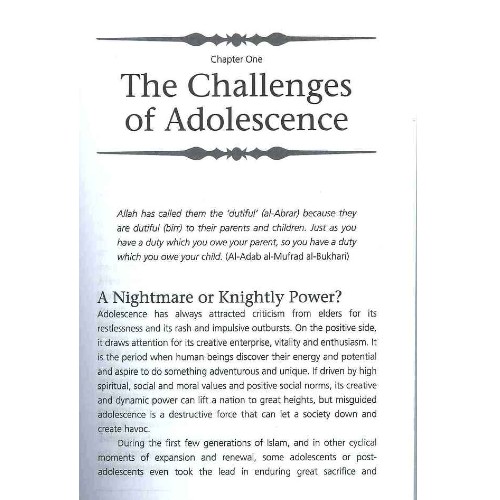
A Guide to Parenting in Islam: Addressing Adolescence
4 ★
4 ★
1 Rating
5 ★
0
4 ★
1
3 ★
0
2 ★
0
1 ★
0
Highlights:
| Addressing Adolescence is a parent-to-parent handbook outlining how to tackle the challenges of parenting adolescents within an Islamic ethos in a pluralist society.
It covers: |
RM45.00
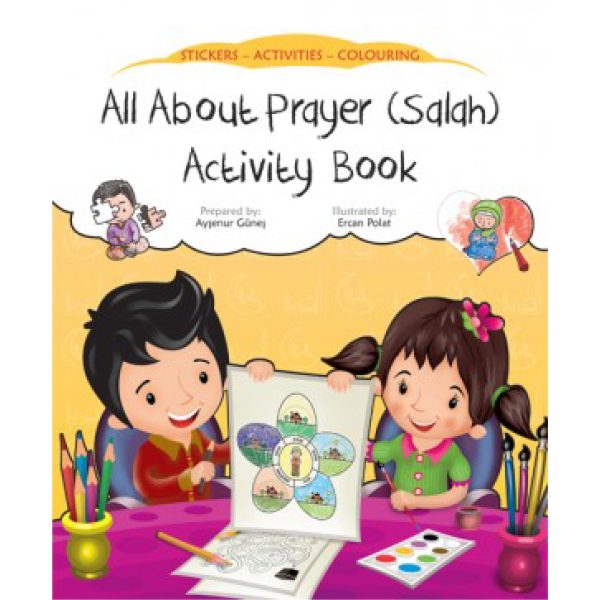
(READY STOCK✅) All About Prayer (Salah) Activity Book
Highlights:
Find out about the Muslim prayer with this fun sticker activity book. Features dot-to-dot drawings, coloring fun, puzzles to solve and over 60 stickers to stick.
Introduces children to the way Muslims prepare for prayer and the main parts involved in performing it, including calling adhan, facing the Kaaba and reciting words from the Qur’an.
RM22.00
There are no reviews yet.