

![[QQ] Mualimu Suari (معالم السور)](https://shop.dakwahbookstore.com/wp-content/uploads/2021/08/QQ62-F1-x500.jpg)
| Weight | 0.190 kg |
|---|---|
| Dimensions | 24 × 17 cm |
| Binding | Paperback |
| ISBN | 9789960740492 |
| Pages | 64 |
| Publisher | Darussalam |
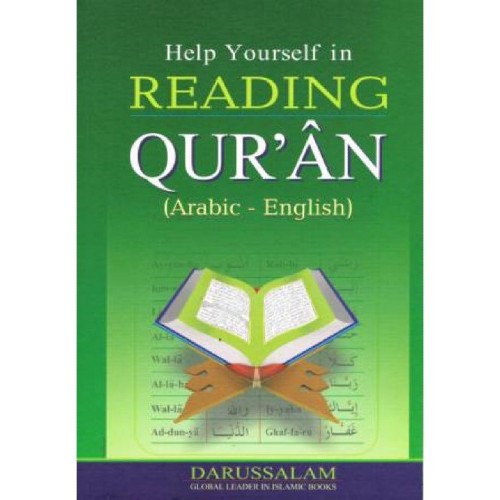
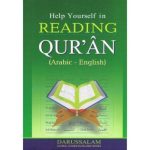
Help Yourself In Reading Qur’an
RM25.00
Hurry up, Only 2 left.

Highlights:
somdn_product_page
Compare
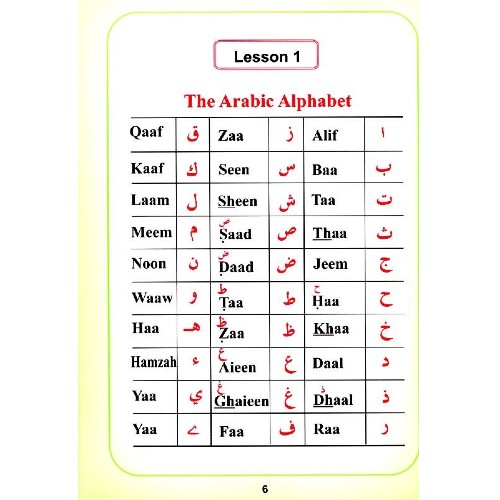
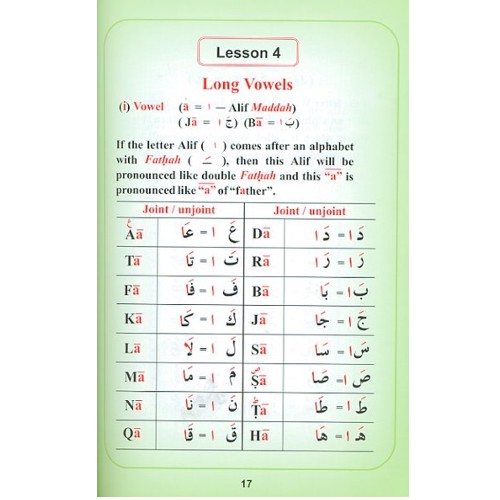
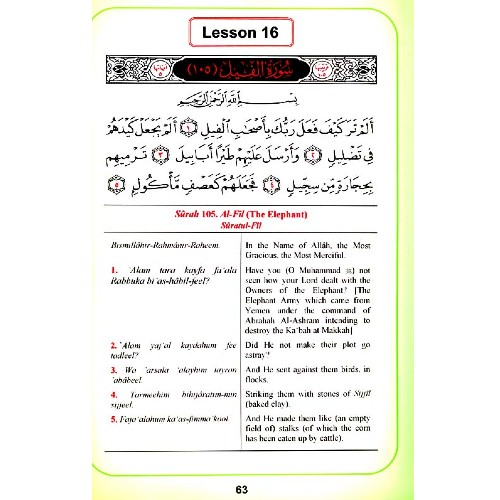
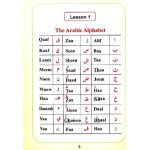
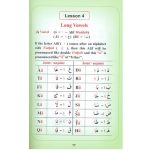
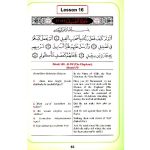
It is a guide for learning to read the Arabic of the Qur’an in a simple way through transliteration without a teacher. After mastering this guide , one will be able to read Qur’an without any difficulty. Insha-Allah.
Additional information
Reviews (0)
Be the first to review “Help Yourself In Reading Qur’an” Cancel reply
You must be logged in to post a review.
Related Products
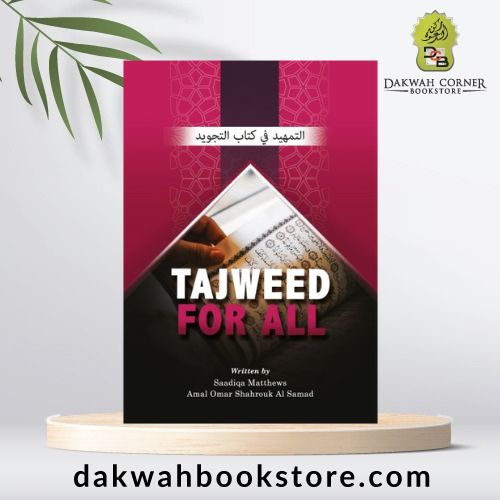
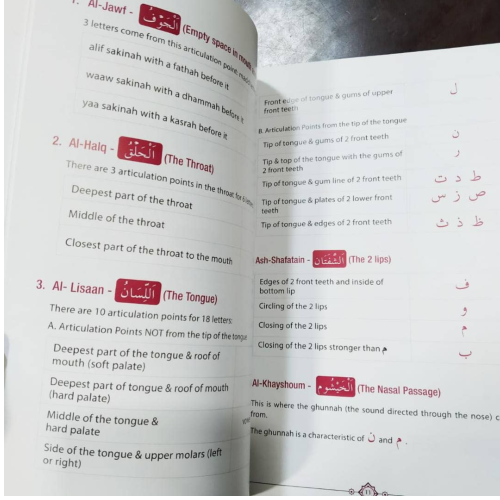
Tajweed For All (Revised Edition)
5 ★
5 ★
1 Rating
5 ★
1
4 ★
0
3 ★
0
2 ★
0
1 ★
0
Highlights:
Note: Revised Version – thicker than previous version (Art Paper)
RM23.00
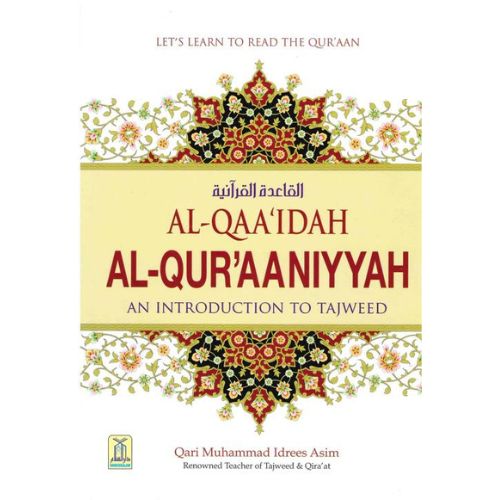
Al-Qaa’idah Al-Qur’aaniyah (An Introduction to Tajweed)
Highlights:
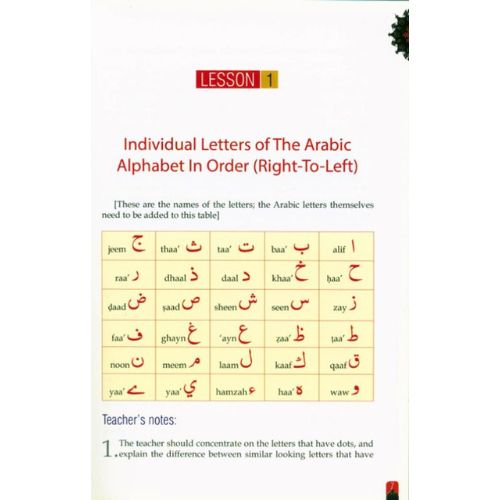
Learning to read the Qur’an properly is one of the many obligatory duties of a Muslim. Recitation gets better and more beautiful as one continues to read the Qur’an, meticulously following the rules and techniques Qur’anic recitation (tajweed).
If you want to learn the art of Qur’anic recitation in the most beautiful and sublime manner, then this is the book for you. Al-Qaaidah Al Quraaniyyah is a good book to learn tajweed easily with lessons, extensive notes, and exercises for the English-speaking students.
RM30.00
Learn to Read the Holy Qur’an in 7 Days (Alpha Mahmoud Bah)
Highlights:
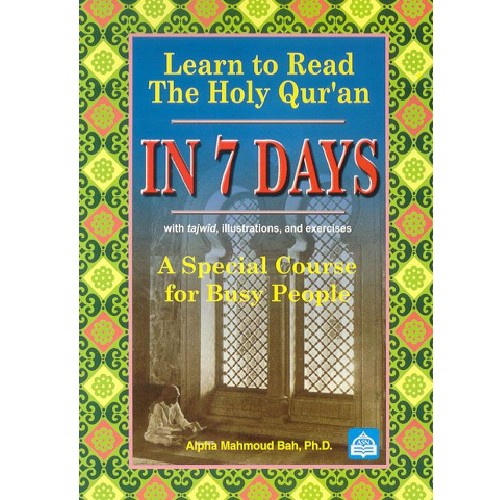
If you are a university student, a businessperson, a homemaker, or any busy adult desiring to learn to read the Holy Qur’an, then this guidebook is exactly what you need. With it, you can study alone or with help of an aid.
RM23.00

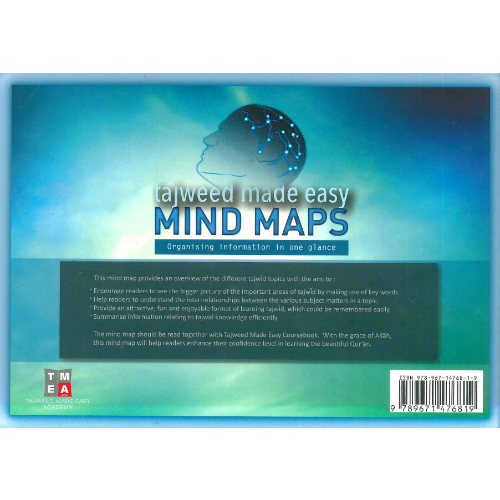
Tajweed Made Easy Mind Maps
Highlights:
This mind map provides an overview of the different tajwid topics with the aim to:
- Encourage readers to see the bigger picture of the important areas of tajwid by making use of key words.
- Help readers to understand the inter-relationships between the various subject matters in a topic.
- Provide an attractive, fun and enjoyable format of learning tajwid, which could be remembered easily.
- Summarise information relating to tajwid knowledge efficiently.
RM25.00
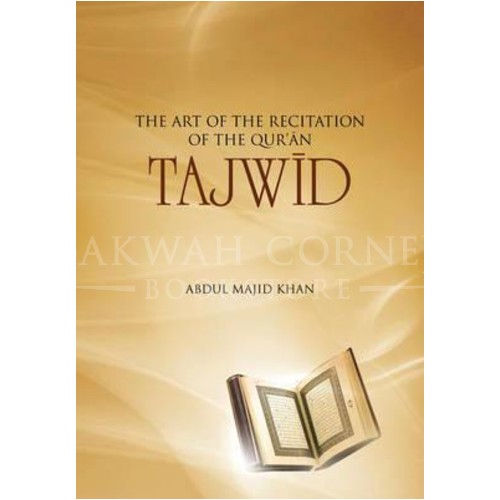
Tajwid : The Art of the Recitation of the Qur’an
Highlights:
This book on the art of the recitation of the Holy Qur’an is easy to follow with its simple yet detailed presentation of subjects. It is accessible for beginners who have had little exposure to Tajwid. It does not require any knowledge of Arabic grammar or understanding of the Arabic language. It provides both the young and adult English speaking Muslims with the best organization and presentation of the art of Tajwid. The Art of the Recitation of the Qur’an can be used for self-study or with the guidance of a teacher at Islamic schools and colleges as well as theology faculties. This book is primarily intended for the English speaking audience. The explanations in this work are augmented by figures, charts, tables, and examples for full and easy comprehension by English speaking Muslims. Readers will also find a Glossary of Arabic and Phonetic terms extremely helpful in learning the rules of Tajwid.
RM65.00
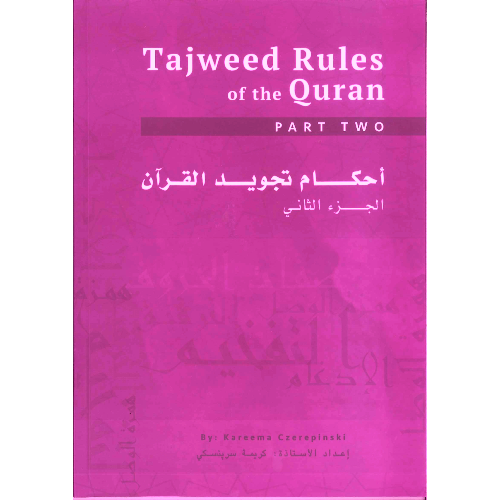
Tajweed Rules of the Quran (Part Two)
Highlights:
By Allah’s grace, this is the second part of a three part book on the rules of tajweed of the Qur’an, for the recitation of Hafs from ‘Aasim by the way of Ash-Shaatibiyyah. It is is intended to be a guide for nom-Arabs with a good grasp in English in studying tajweed.
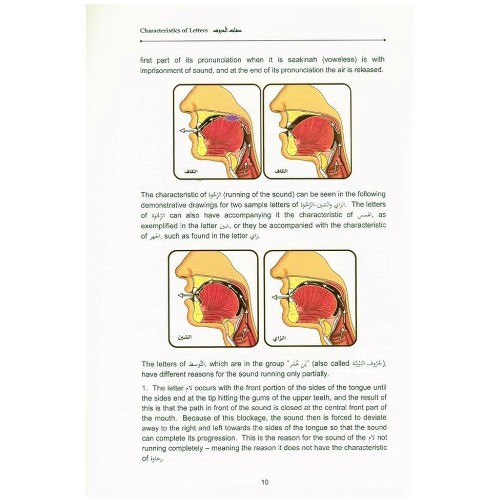
This book explains the concept of the accent (an-nabr) in the recitation of the Glourious Qur’an and the conditions of its use, it is also defines and explains the important chapter on the characteristics of the letter, velarization and attenuation (tafkheem and tarqeeq) are covered in this part, as well as the concept of the two alike, the two similar, the two close, and the two far and the rules for merging (idghaam) and clarity (ith-haar) in these different relationships. A brief introductory to grammar term is made in this book to assist the student in understanding the last chapter, that of the connecting hamzah (hamzah al-wasl).
The explanation of the different subject are in English, and the Arabic terms are translated. This is to assist the student in understanding and encourage them to learn the Arabic definitions and terms. This book should facilitate non-Arabs studying tajweed in a classroom with explanations taught in Arabic or in English.
This book cannot replace the importance of reciting to and being corrected by a trained teacher of tajweed, instead it is a guide and an aid in understanding the concepts of tajweed, the application can only be refined by recitation and correction.
RM26.00
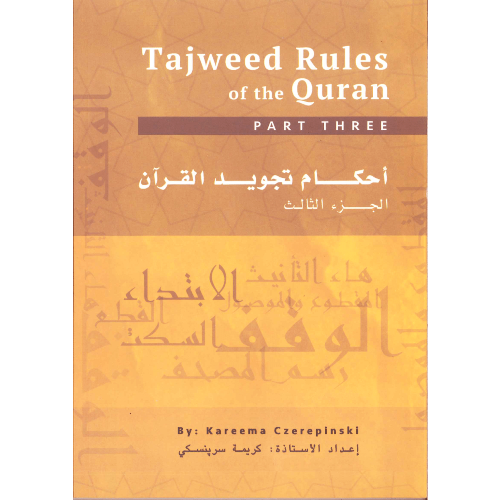
Tajweed Rules of the Quran (Part Three)
Highlights:
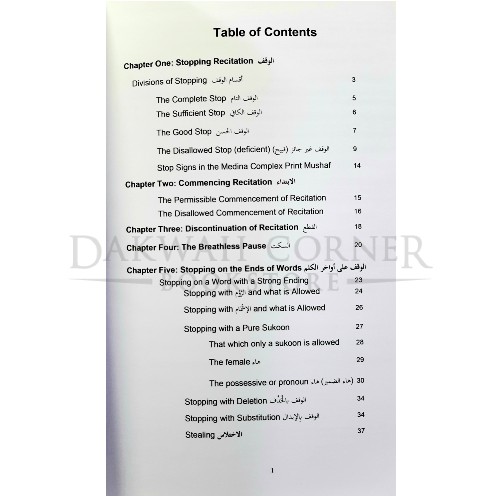
This is the third and final part of a three part series in English on the rules of tajweed the Qur’an for the recitation of Hafs from ‘Aasim by the way of Ash-Shaatibiyyah. These books are meant as a guide for non-Arabs with a good grasp of English for studying tajweed of the Glorious Qur’an. This final book explains the stop and start when reading the Glorious Qur’an, and gives details as to what kind of stop is allowed, what kind is preferred, and what kind of stop is forbidden. Stopping on the ends of words with strong endings (consonants) and rules for what is allowed on the last letter of the word is described, including ar-room (الروم) and al-ishmaam (الإشمام). Stopping on the ends of words with weak endings (words ending in the alif, ya’ or wow) and different rules and explanations for these type of words is clarified. One important aspect of Qur’an recitation is knowing and understanding which word combinations are written together and which separately in different parts of the Qur’an as well as in which places of the Qur’an are some words are written the female haa (هاء), and in which places they are written with the taa (تاء). This part lays out the different places in the Qur’an these occurrences take place, so the reader knows how he/she can stop on these words. The words that are read in a special way, or have two allowed ways for the reading of Hafs from ‘Aasim by the way of Ash-Shaatibiyyah are detailed in this book. The history of the writing of the Glorious Qur’an (رسم) and the general rules for the writing of the Qur’an are laid out in the last chapter of this part. This last part of the three parts on tajweed is for students who have studied and mastered the other two parts, or have studied everything covered in the first two parts. The explanations of the different subjects are in English, and the Arabic terms are translated. The goal is always to assist the students in understanding and to encourage them to learn the Arabic terms and definitions. The three parts of this series on tajweed rules of the Glorious Qur’an should facilitate non-Arabic speaking students of the Qur’an whether they are in a classroom with an Arabic medium for teaching or English. With this third part completed, insha’ Allah the non-Arab English speaking student of the Qur’an will find a complete curriculum and explanation of the tajweed rules for the recitation of Hafs ‘an ‘Aasim from the way of Ash-Shatibiyyah in any classroom or study situation that he/she may find themselves in. These three parts are only guidance; the real goal is reciting and applying all the different rules correction which can only be done by reciting to and being corrected by a qualified teacher of the Qur’an.
RM30.00
Recently Viewed

Smaller Signs of the Day
Highlights:
The Day of Judgment in sure to come, but when it will be, it is a matter known only to Allah the Great.
But the Prophet Muhammad (S) has told us about some signs that indicate that the Day is coming nearer and nearer. Such signs are of three types: The first type of signs have already come to pass. The second type of signs are those that appear gradually with the passage of time. The third type is of the signs that appear just very near to the Day- these are called the Greater Signs of the Day. In this book we have dealt with the first two types of the signs that are known to be the Smaller Signs of the Day.
RM19.00
RM21.00
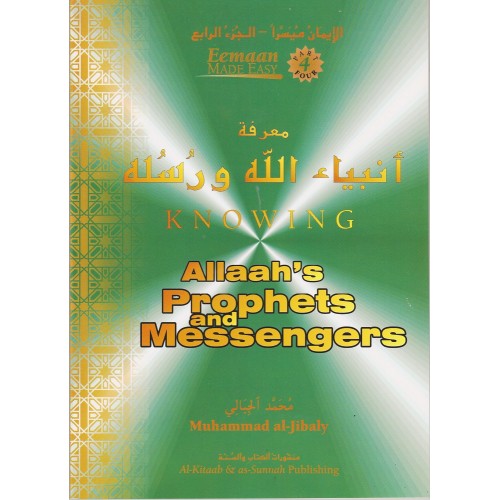
Knowing Allaah’s Prophets and Messengers (P/B) (Eeman Made Easy Series)
Highlights:
This is a simplified series of books dealing with the fundamental Islaamic beliefs. The material is well-founded on authentic proofs from the Qur’aan and Sunnah. The books are written in easy language, making them accessible to individuals with limited vocabulary.
RM45.00
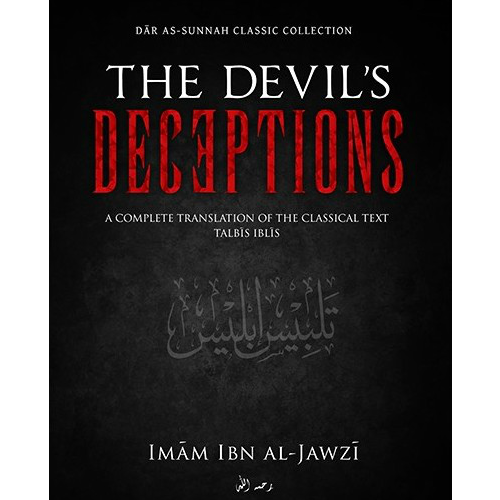
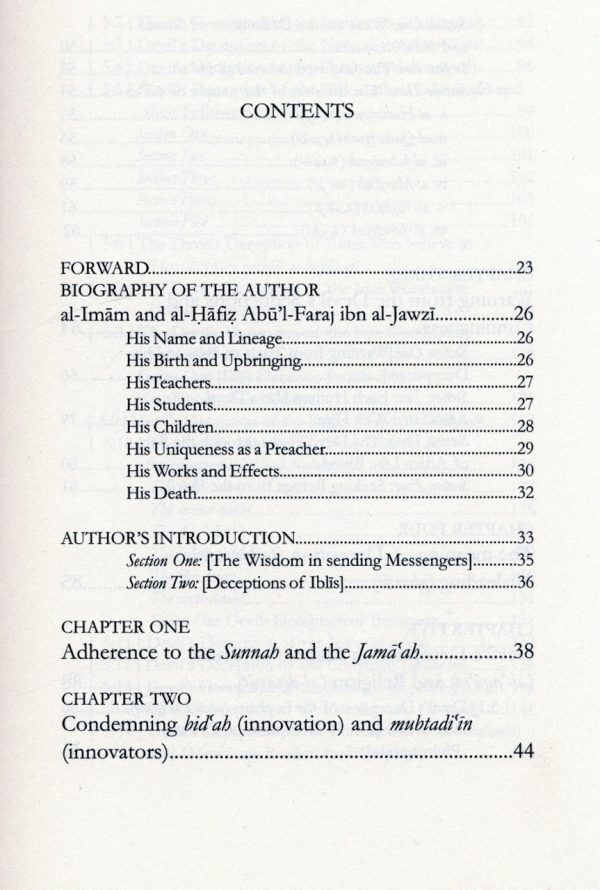
The Devil’s Deceptions
Highlights:
Imam Ibn Al-Jawzi It is from enmity and hopelessness of the devil that his endeavour to misguide mankind from the Path of Allah will persist. This misguidance takes many shades and forms; be it from planting seeds of doubt, or giving rise to deviant ideas antithetical to the sacred teachings of Islam, and essentially becoming entangled within regressive intellectual and rhetorical discourses.
The Ummah has suffered varying levels of deviation, some of which remain prevalent today, while more continue to be uncovered – and such is the impact of delusive plottings of the devil and his allies. This book is the sixth instalment from Dar as-Sunnah of the illustrious Imam, Abu’l-Faraj Ibn Jawzi. Being a complete translation of his well-known and prized work, Ibn Jawzi enumerates within it, many of the mechanisms and modus operandi used by the devil in deceiving and leading mankind away from the Straight Path.
It is of particular value and importance because only by unearthing and accentuating some of the traps of the devil, can mankind avoid them as well as navigate others away from falling prey to his harm. Speaking about the devil and his plotting, the author wrote that, “he was only able to do so while creeping during the night of ignorance. Had the dawn of knowledge shone on him, he would have been exposed.
Thus I decided to warn from his plots… for identifying evil is a form of warning from it.” This translation of Tablees Iblees will provide important analysis in developing self-awareness and critical thinking to ward off many deceptions of the devil, which have plagued mankind from the time of Adam. For such reasons alone, this work is a valuable addition to the scholarly discourse it presents to the English speaking world.
RM220.00
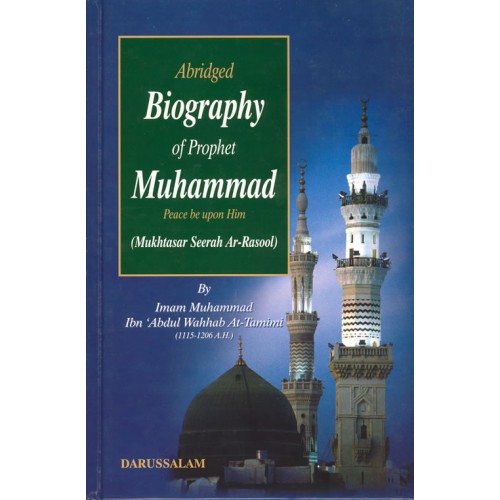
Abridged Biography of Prophet Muhammad
Highlights:
Seerah and Biographies
RM39.00


Principles of Islamic Jurisprudence (2nd Revised Edition)
Highlights:
This book offers a detailed presentation of the theory of Muslim law (usul al-figh). Often regarded as the most sophisticated of the traditional Islamic disciplines, Muslim jurisprudence is concerned with the way in which the rituals and laws of religion are derived from the Qur’an and the Sunna – the precedent of the Prophet. Revelation, which is given to man to restore unity and help him achieve a just and devout order in society as well as in the soul, must be interpreted so as to render it practicable in every culture, while not betraying its spirit and immutable provisions. To achieve this, additional sources of legal authority are recognized, including consensus (ijma), analogical deduction (qiyas), public interest (maslaha) and local customary precedent (urf). In employing these, the jurist guards the five principles which it is the purpose of Islamic law to uphold, namely, the right to life, sound mind, property, lineage and religion.
RM75.00
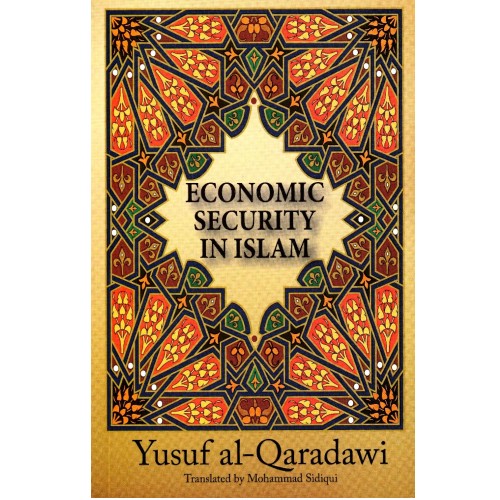
Economic Security In Islam
Highlights:
This book is an English rendering of a popular Arabic book entitled Mushkala al-Faqr wa Kaifa ‘Aljiha al-Islam by the renowned Muslim Scholar ‘Yusuf al-Qaradawi. The author depicts the basic principles of the Islamic Economic System in the light of the Holy Qur’an and the Sunnah.
RM26.00
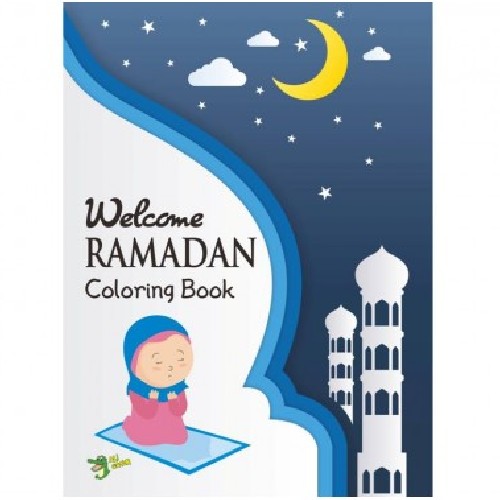
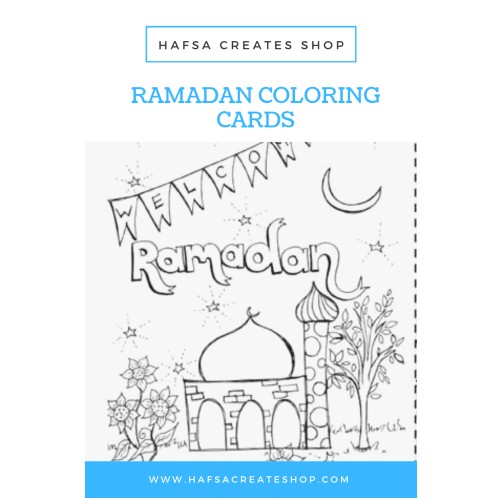
Welcome Ramadan Coloring Book
Highlights:
Color and learn about the important things in Ramadan.
Children love to color in, so why not let get them coloring in and learning about Ramadan at the same time.
Encourage your children to practice what they learn, and watch their love for Ramadan grow.
But a copy for family or friends and spread the love for Ramadan.
RM16.00
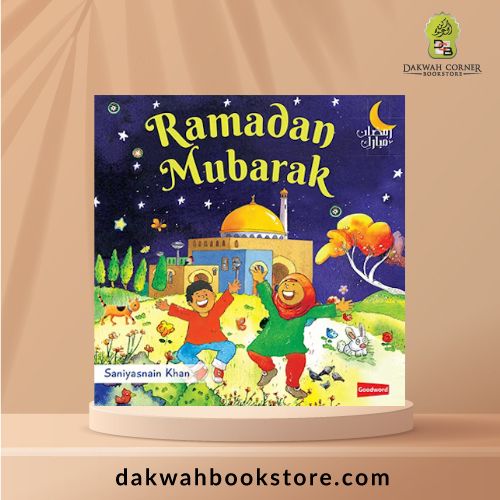
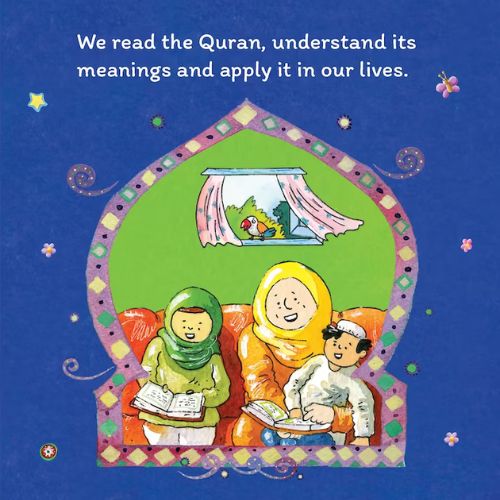
Ramadan Mubarak (Board Book)
Highlights:
The doors of the Paradise are open in Ramadan We fast, pray and read the Quran during Ramadan The fasting person learns patience and self-discipline We develop a sense of compassion and sympathy We try to do good deeds and maintain good habits In the end, we celebrate Eid ul Fitr with a big feast.
RM20.00
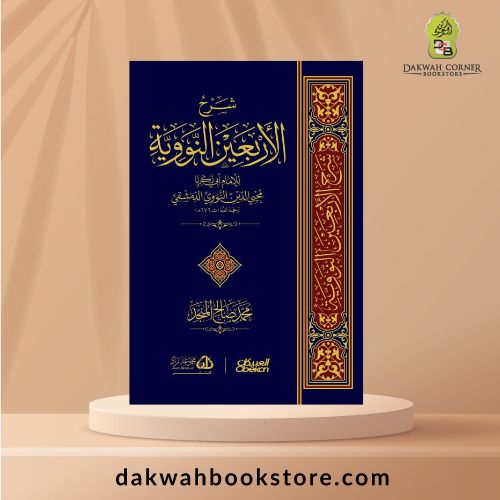
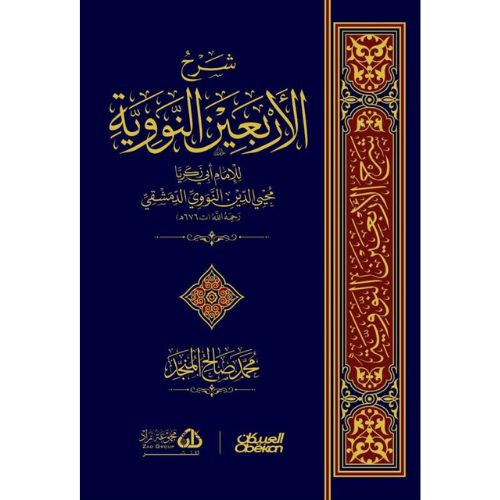
[HH] Sharh Al Arbain An Nawawiah / شرح الاربعين النووية
Highlights:
شرح الأربعين النووية للإمام النووي – رحمه الله -، وهو متن مشهور، اشتمل على اثنين
وأربعين حديثًا في فنون العلم المختلفة، فكل حديث منها قاعدة عظيمة من قواعد الدين
RM50.00
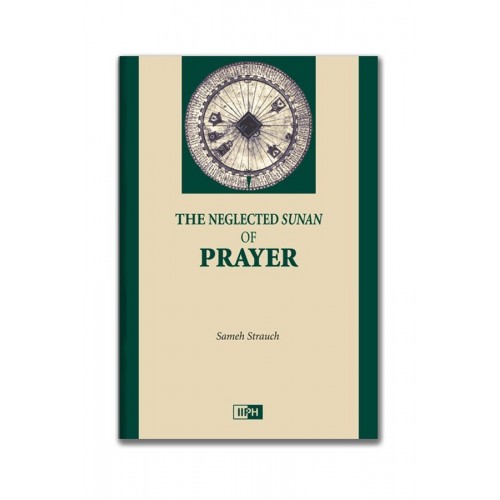
The Neglected Sunan of Prayer
Highlights:
The Prophet said: “Whoever performed a good sunnah in Islam will have the reward of it and the reward of those who perform it after him.” (Narrated by Imam Muslim) and he said: “Pray as you have seen me praying.” (Narrated by Bukhari and Ahmad)
It is with such ahaadeeth in mind that Sameh Strauch, the author, has attempted to bring to the attention of the English-speaking Muslims some of the sunan relating to prayer which, regrettably, are rarely or never performed in our time, in the hope that it will inspire the readers to revive them.
RM10.00
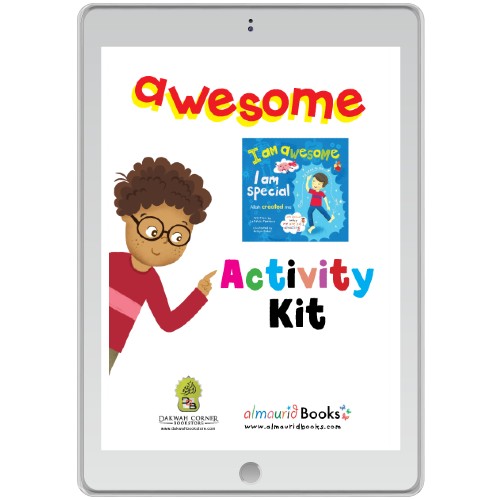
Activity Kit by I Am Awesome book
Highlights:
An activity Kit is free to download. You can purchase a physical book HERE without this activity kit.
RM0.00
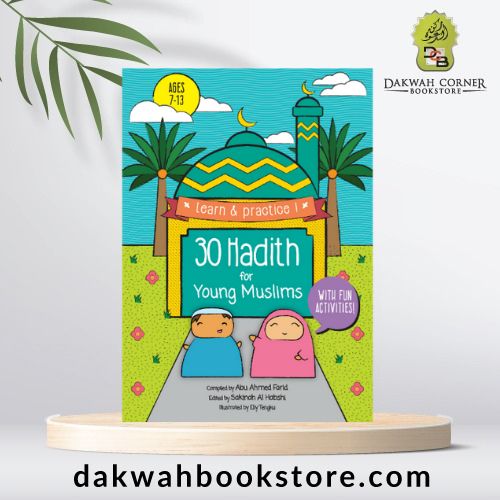
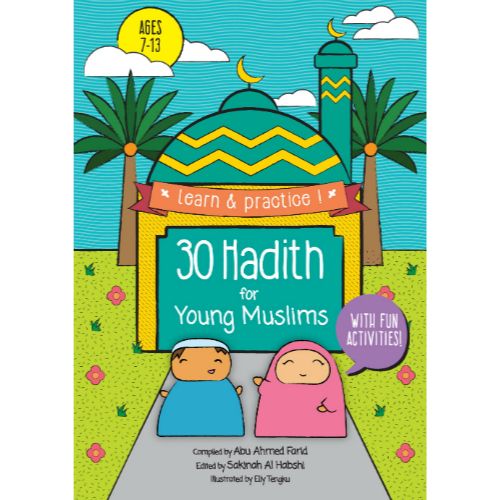
30 Hadith For Young Muslims
5 ★
5 ★
3 Ratings
5 ★
3
4 ★
0
3 ★
0
2 ★
0
1 ★
0
Highlights:
30 Hadith for Youn Muslims aims to educate children from their tender age with the sayings of our beloved Prophet Muhammad (PBUH) in a fun, colorful, and simplified modern approach.
Unique features such as lessons, discussion corners, and activities make it an ideal teaching tool for parents, teachers and educational institutions.
Its creative presentation invites readers to grasp the knowledge of the noble hadith and apply them in their lives.
RM21.00
There are no reviews yet.