

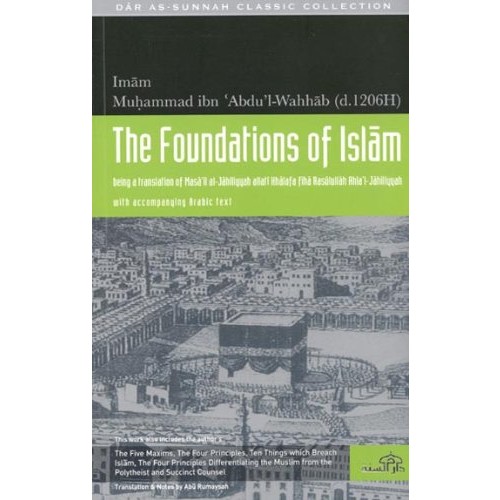
![[QQ] Mualimu Suari (معالم السور)](https://shop.dakwahbookstore.com/wp-content/uploads/2021/08/QQ62-F1-x500.jpg)
| Weight | 0.190 kg |
|---|---|
| Dimensions | 24 × 17 cm |
| Binding | Paperback |
| ISBN | 9789960740492 |
| Pages | 64 |
| Publisher | Darussalam |
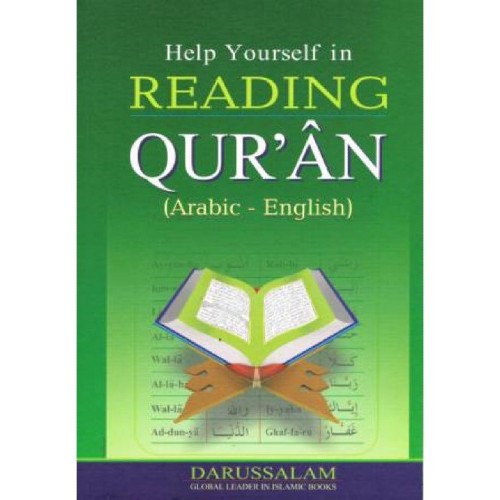
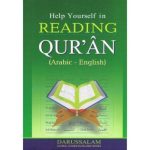
Help Yourself In Reading Qur’an
RM25.00
Hurry up, Only 2 left.

Highlights:
somdn_product_page
Compare
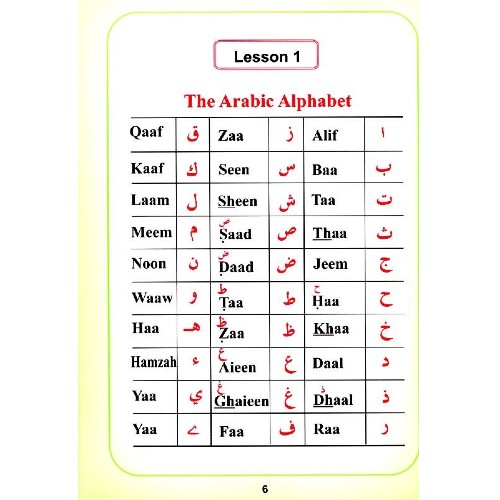
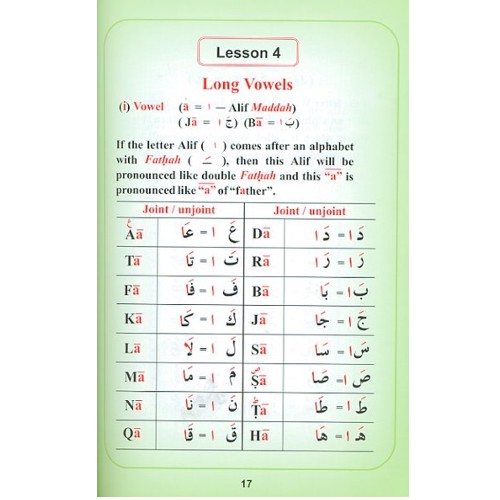
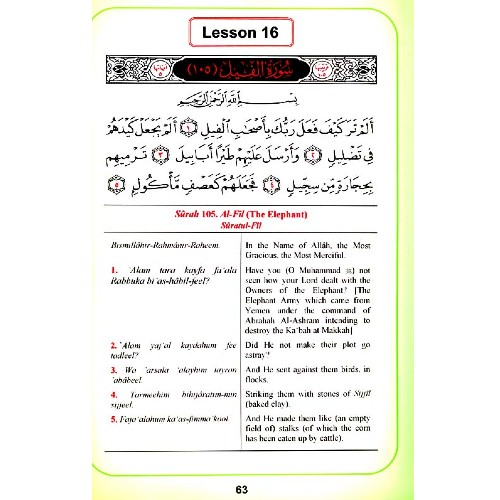
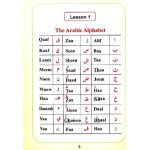
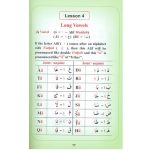
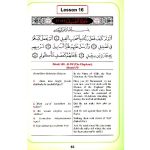
It is a guide for learning to read the Arabic of the Qur’an in a simple way through transliteration without a teacher. After mastering this guide , one will be able to read Qur’an without any difficulty. Insha-Allah.
Additional information
Reviews (0)
Be the first to review “Help Yourself In Reading Qur’an” Cancel reply
You must be logged in to post a review.
Related Products
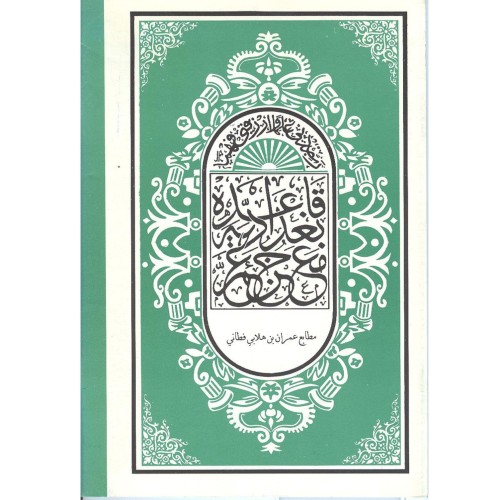
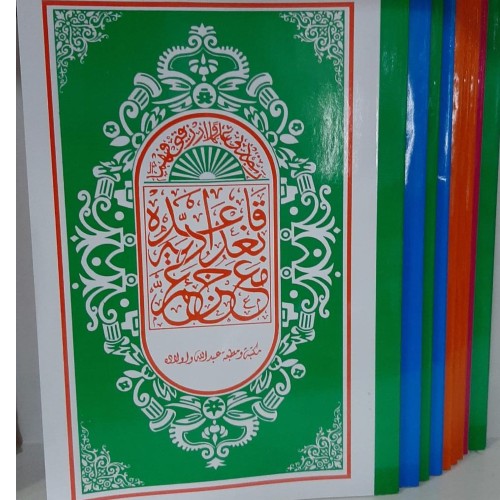
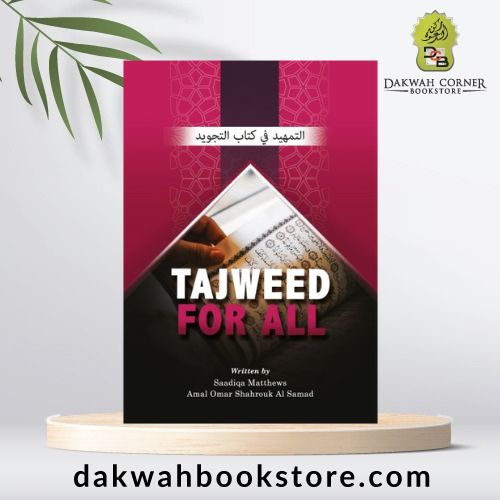
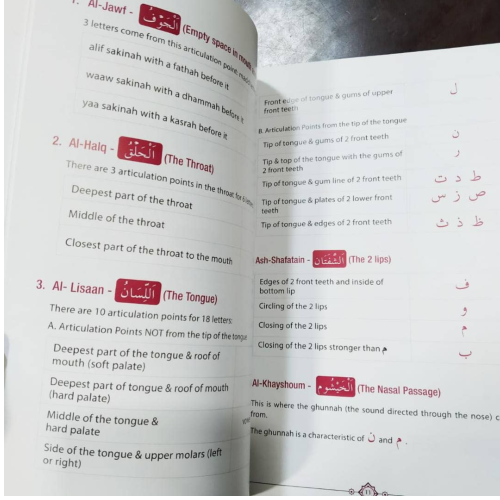
Tajweed For All (Revised Edition)
5 ★
5 ★
1 Rating
5 ★
1
4 ★
0
3 ★
0
2 ★
0
1 ★
0
Highlights:
Note: Revised Version – thicker than previous version (Art Paper)
RM23.00
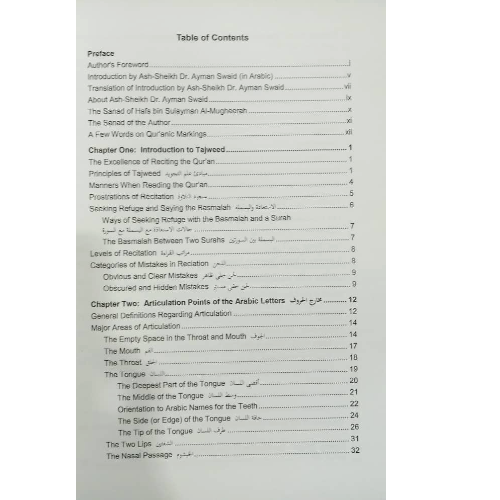
Tajweed Rules of the Quran (Part One)
Highlights:
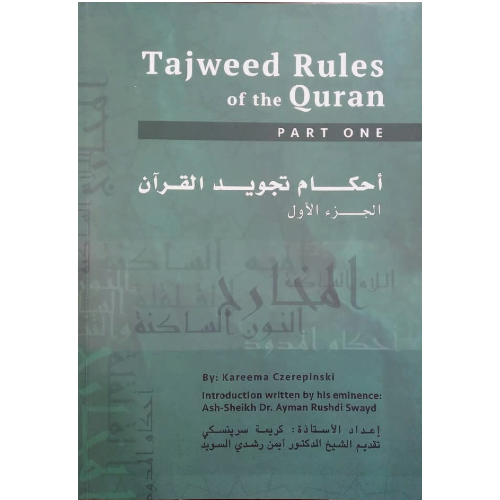
This is a guide for studying tajweed. The student who uses this book is expected to have a basic grasp of Arabic before starting this course. The student should know all the Arabic letters and vowels and be able to read at an elementary level.
This book is either for an English-speaking student studying the Qur’an in an Arabic environment, but needing explanation of the Arabic terms in English, or a student studying the explanations of tajweed in English, but learning the basic concepts in Arabic so they may integrate into the Arabic terms and definitions throughout the book, since the science of tajweed is an Arabic science. This book explains the articulation points of the Arabic letters, the rules of noon saakinah, meem saakinah, and lam saakinah. It explains all of the different lengths (mudood), and how voweled, and non-voweled letters are formed. The qalaqah mechanism is explained in the last chapter. Terms are introduced in Arabic, and the translated into English. Explanations are done in English, but with integration of Arabic terms, as they are learned.
A student of the Qur’an cannot expert to learn tajweed simply by studying this book. The learning of proper Qur’anic recitation can only be done by listening to a qualified Qur’an teacher recite, then reciting to them and receiving corrections from the teacher.
RM30.00

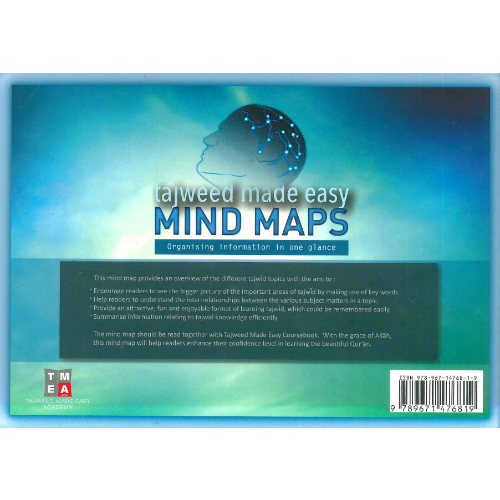
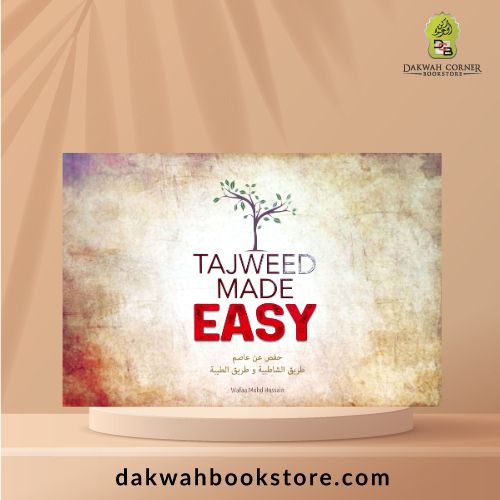
Tajweed Made Easy Mind Maps
Highlights:
This mind map provides an overview of the different tajwid topics with the aim to:
- Encourage readers to see the bigger picture of the important areas of tajwid by making use of key words.
- Help readers to understand the inter-relationships between the various subject matters in a topic.
- Provide an attractive, fun and enjoyable format of learning tajwid, which could be remembered easily.
- Summarise information relating to tajwid knowledge efficiently.
RM25.00
RM55.00 – RM120.00Price range: RM55.00 through RM120.00
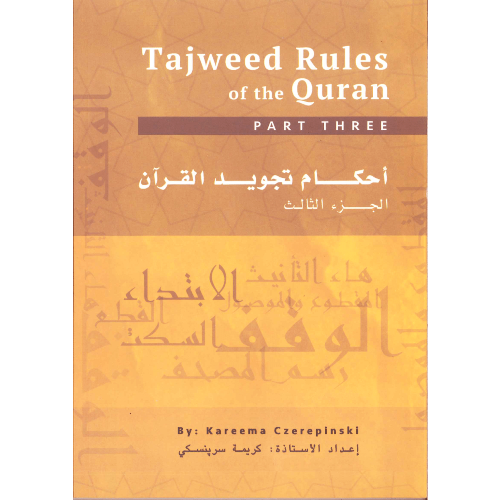
Tajweed Rules of the Quran (Part Three)
Highlights:
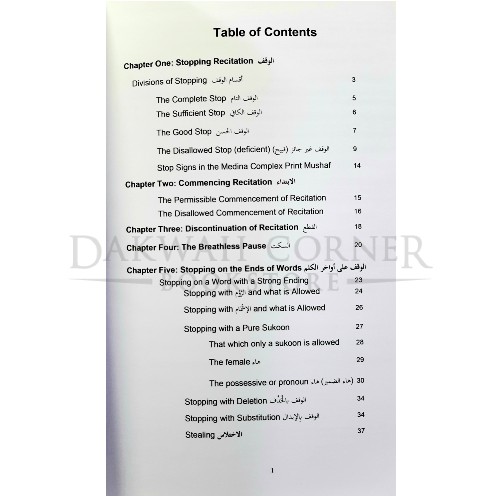
This is the third and final part of a three part series in English on the rules of tajweed the Qur’an for the recitation of Hafs from ‘Aasim by the way of Ash-Shaatibiyyah. These books are meant as a guide for non-Arabs with a good grasp of English for studying tajweed of the Glorious Qur’an. This final book explains the stop and start when reading the Glorious Qur’an, and gives details as to what kind of stop is allowed, what kind is preferred, and what kind of stop is forbidden. Stopping on the ends of words with strong endings (consonants) and rules for what is allowed on the last letter of the word is described, including ar-room (الروم) and al-ishmaam (الإشمام). Stopping on the ends of words with weak endings (words ending in the alif, ya’ or wow) and different rules and explanations for these type of words is clarified. One important aspect of Qur’an recitation is knowing and understanding which word combinations are written together and which separately in different parts of the Qur’an as well as in which places of the Qur’an are some words are written the female haa (هاء), and in which places they are written with the taa (تاء). This part lays out the different places in the Qur’an these occurrences take place, so the reader knows how he/she can stop on these words. The words that are read in a special way, or have two allowed ways for the reading of Hafs from ‘Aasim by the way of Ash-Shaatibiyyah are detailed in this book. The history of the writing of the Glorious Qur’an (رسم) and the general rules for the writing of the Qur’an are laid out in the last chapter of this part. This last part of the three parts on tajweed is for students who have studied and mastered the other two parts, or have studied everything covered in the first two parts. The explanations of the different subjects are in English, and the Arabic terms are translated. The goal is always to assist the students in understanding and to encourage them to learn the Arabic terms and definitions. The three parts of this series on tajweed rules of the Glorious Qur’an should facilitate non-Arabic speaking students of the Qur’an whether they are in a classroom with an Arabic medium for teaching or English. With this third part completed, insha’ Allah the non-Arab English speaking student of the Qur’an will find a complete curriculum and explanation of the tajweed rules for the recitation of Hafs ‘an ‘Aasim from the way of Ash-Shatibiyyah in any classroom or study situation that he/she may find themselves in. These three parts are only guidance; the real goal is reciting and applying all the different rules correction which can only be done by reciting to and being corrected by a qualified teacher of the Qur’an.
RM30.00

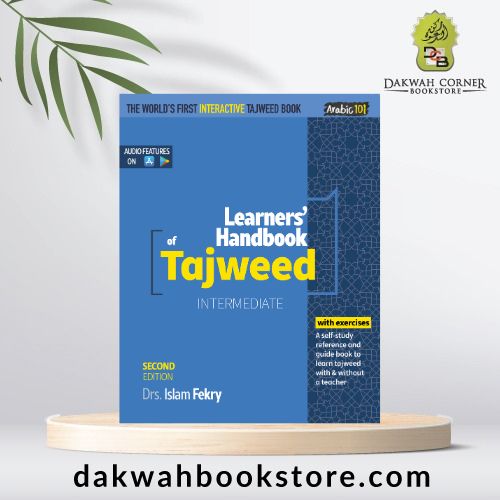
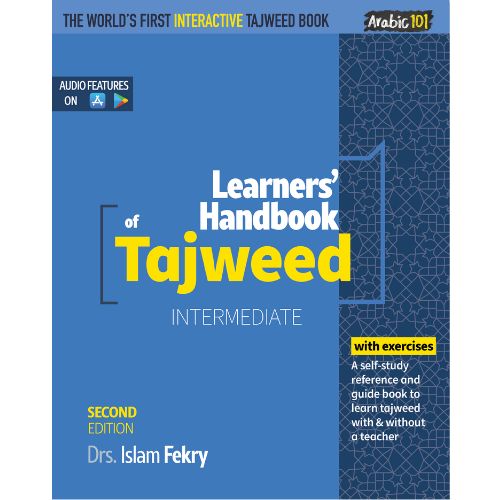
Learners Handbook Tajweed (Intermediate) – Second Edition (Arabic 101 Series)
Highlights:
Learners’ Handbook of Tajweed
Intermediate
Learners’ Handbook of Tajweed is designed as a self-study handbook, yet it is equally suitable for classroom settings. It stands as the world’s first Tajweed book that goes beyond presenting just rules; it is an interactive experience that will change the way you think about learning Tajweed. This book has been uniquely designed to offer an unparalleled learning experience that seamlessly blends enjoyment with information.
RM55.00
Recently Viewed
[AC] Kitab Alruh 2 Vol / كتاب الروح 2 مجلد
Highlights:
كتاب يطرح فيه المؤلف مسألة الروح لم ترد في غيره من كتب السلف، فيه معلومات معرفية عن النفس والروح والفرق بينهما، وعلاقة الروح بالجسد، ومصيرها بعد الموت. وذلك استنادا إلى الكتاب والسنة مؤيدا بالحجة والبرهان النقليين والعقليين والمنطقيين
RM170.00
I Only Worship Allah
Highlights:
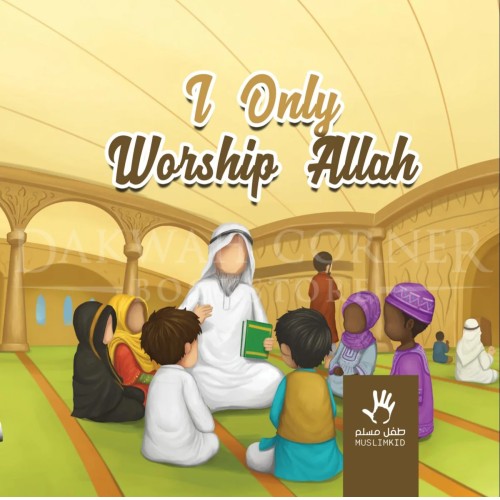
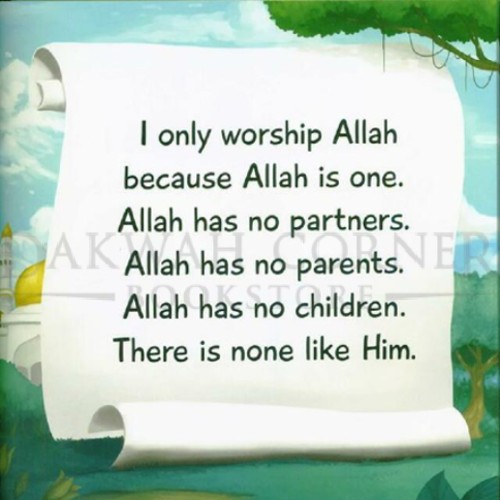
Discover a selection of captivating illustrations, accompanied by basic, but important concepts for young Muslim children. I Only Worship Allah is the second in a series of five books on Aqeedah for children. This hardcover, 68-page book, explains who our Lord is in a fun and easy-to-understand way. This book has been specially designed to help encourage independence and learning in children.
The characters in the book are expressionless to help develop young and curious imaginations.
RM50.00

In Pursuit of Allah’s Pleasure
Highlights:
In this book the authors outlined a complete methodology for Islamic work today. From `Aqeedah to Da’wah, Jihad to Khilafah and Taqwa to Sabr (patience), they explained how all of these parts of Islam come together for the sole objective of each and every Muslim: to seek the Pleasure of Allah ( SWT ), the Irresistible. It was written in a manner portraying the true situation of the Muslims today and, coming from imprisoned scholars: a realistic portrayal.
This book is an excellent read by itself and an even better guide if used as a syllabus in learning Islam in an organised, collective manner. It is ideal as a basis for study circles and acts as a comprehensive manual. Coupled with the supplementary reading of some other books in the English language and memorisation of the Holy Quran, it can consolidate the knowledge of anyone seeking to work for Islam in this day and age.
Contents
Preface
Introduction
Part One: Our Ultimate Goal
Part Two: Our `Aqeedah
Part Three: Our Understanding
Part Four: Our Aim
Part Five: Our Path
Part Six: Our Provisions
Part Seven: Our Walaa’ (Loyalty)
Part Eight: Our ‘Adaa’ (Animosity)
Part Nine: Our Gathering
Glossary of Arabic Trems
The Twentieth Century has witnessed one of the fiercest blows inflicted upon our Ummah by our enemy: the collapse of the Khilafah. If only their conspiracy had stopped at the demise of Khilafah. But they went on to indoctrinate Muslims with strange, foreign ideas and concepts, in order to confuse our understanding of our Deen. Once we wake up and try to return to our original Deen, we will be confronted with an intellectual perplexity, in which evil and good is mixed. Hence, the truth will be ambiguous and we will go astray, and lose the true understanding of Islam.
And hold fast, all of you together, to the Rope of Allah (this Qur’an) and be not divided among yourselves.” [Surah Ale-Imran (3), Ayah 103.]
by Dr. Naahah Ibrahim, Asim Abdul Maajid and Esaam-ud-Deen Darbaalah
RM53.00
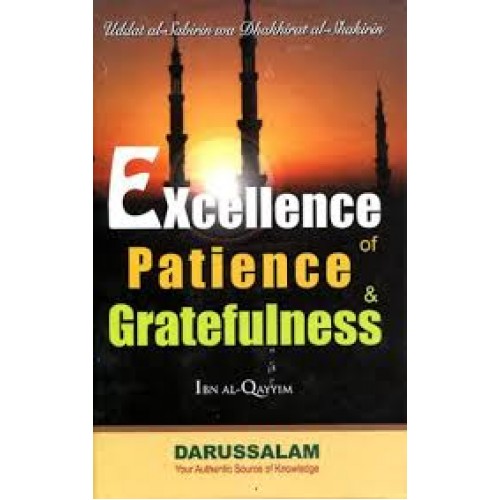
Excellence of Patience & Gratefulness
5 ★
5 ★
1 Rating
5 ★
1
4 ★
0
3 ★
0
2 ★
0
1 ★
0
Highlights:
This book is written to highlight the necessity and the pressing need to pursue these two qualities and to illustrate that happiness in this world and the Hereafter is dependent on them. It is intended to be a comprehensive, extensive and useful book.
RM65.00
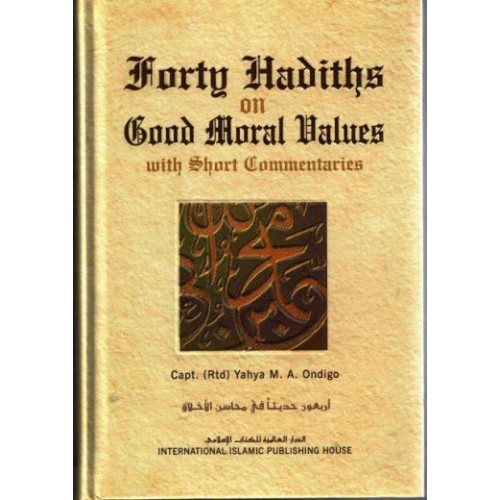
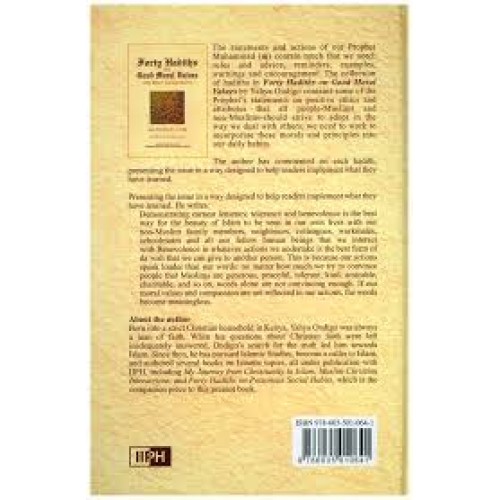
Forty Hadiths On Good Moral Values (H/B)
Highlights:
The statements and actions of our Prophet Muhammad (s) contain much that we need: rules and advice, reminders, examples, warnings and encouragement. The collection of hadiths in Forty Hadiths on Good Moral
Values by Yahya Ondigo contains some of the Prophet?s statements on positive ethics and attributes that all people-Muslims and non-Muslims-should strive to adopt in the way we deal with others; we need to work to incorporate these morals and principles into our daily habits.
RM65.00
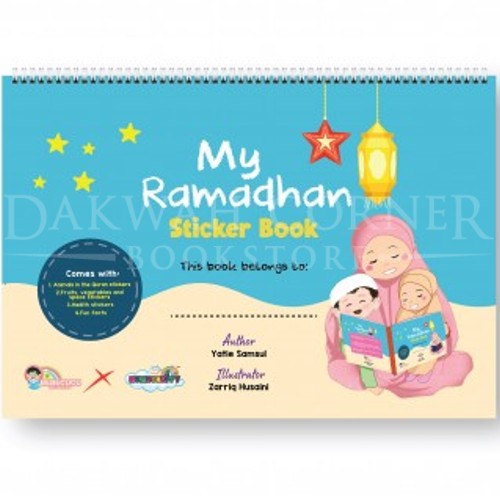
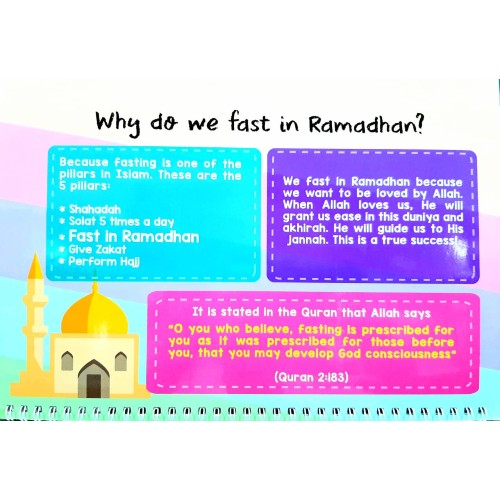
My Ramadhan Sticker Book
Highlights:
- Encourage your children to fast, pray and do good deeds during this holy month.
- By sticking the stickers, it will facilitate your children to see what they have done throughout the day and see their improvement day by day.
- Playing with stickers requires careful handling and helps to increase focus!
RM29.00
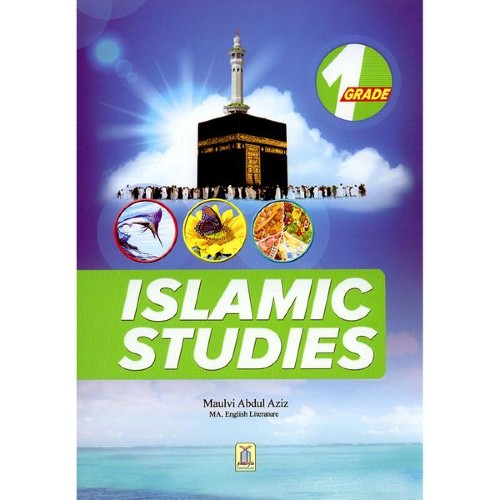
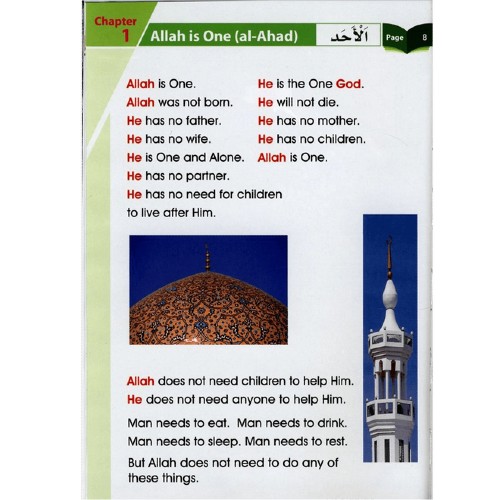
Islamic Studies Grade 1 – Darussalam
Highlights:
Grade 1 covers a variety of topics, including Allah as the One, the Creator, and the Giver of Life; pillars of Islam; Iman; performance of wudo; prayer; several sections about the Prophet Mohammad (s); and more. This book also contains fun activities and review sections.
RM100.00
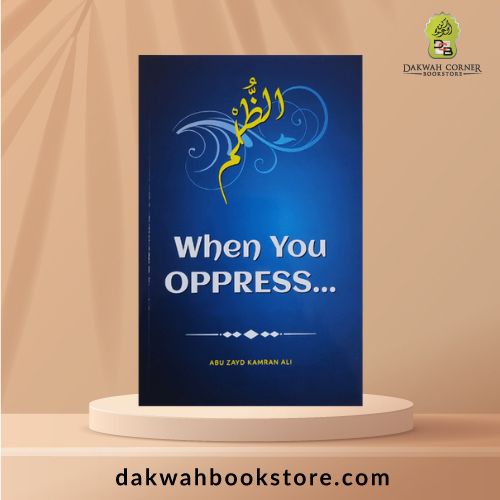
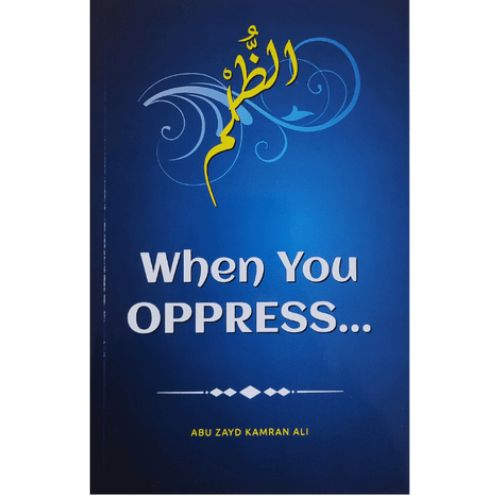
When You Oppress
Highlights:
A concise book mainly focusing on key issues like abuse, brutality, cruelty, discrimination, exploitation, harm, inequity, injustice, mistreatment, oppression, prejudice, transgression, unfairness, and wrongdoing.
RM36.00
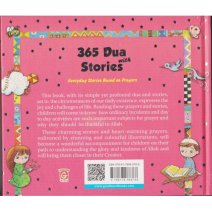
365 Dua with Stories (H/B)
Highlights:
This book, with its simple yet profound dua and stories, set in the circumstances of our daily existence, expresses the joy and challenges of life. Reading these prayers and stories, children will come to know how ordinary incidents and day to day activities are such important subjects for prayer and why they should be thankful to Allah.
These charming stories and heart-warming prayers, enlivened by stunning and colourful illustrations, will become a wonderful accompaniment for children on their path to understanding the glory and kindness of Allah and will bring them closer to their Creator.
By Ali Kara Cam and Hasibe Sahin
RM75.00
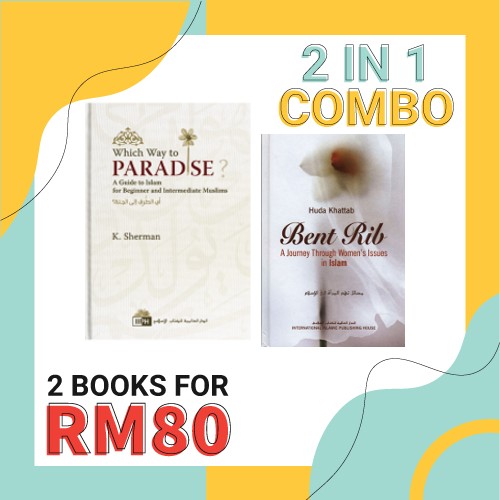
2IN1 Combo P04
Highlights:
1. Bent Rib: A Journey Through Women’s Issues In Islam (176 pages)
2. Which Way to Paradise? (256 pages)
RM73.00 RM86.00
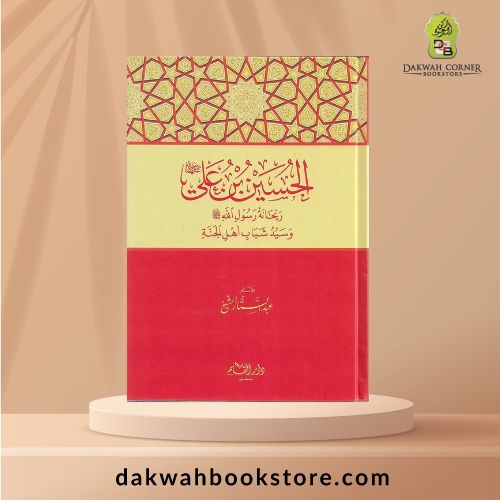
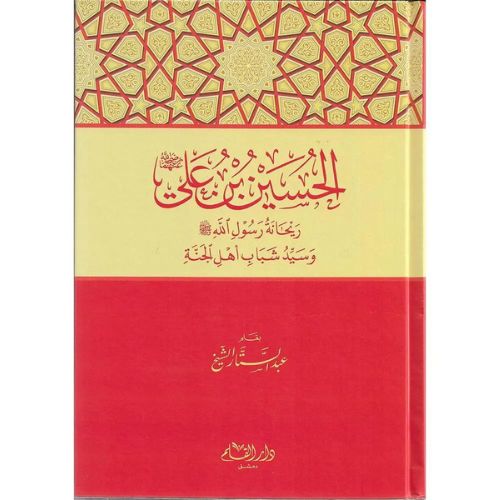
[SB] Al Hussein bin Ali R.A / الحسين بن علي رضي االله عنهما ريحانة رسول االله صلى االله عليه وسلم وسيد
Highlights:
عنوان الكتاب : الحسين بن علي : ريحانة رسول الله صلى الله عليه وسلم وسيد شباب أهل الجنة
RM135.00
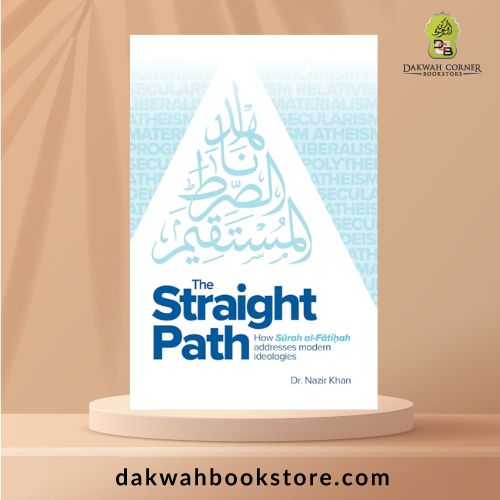
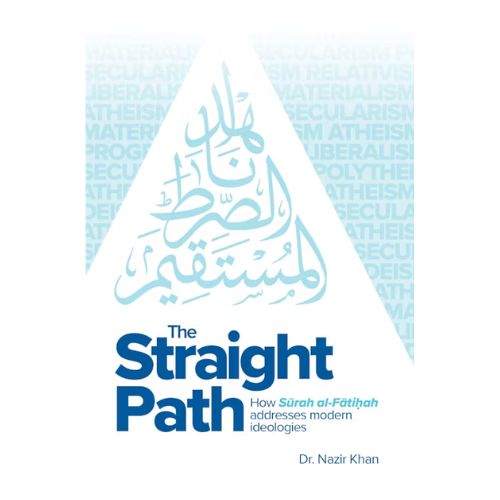
The Straight Path (H/B) – Kube
Highlights:
The Straight Path offers a bold perspective, showing how Surah al-Fatiha directly challenges the dominant ideologies of our time, ideologies that underpin the confusion, injustice, and even atrocities we see today. Nowhere is this failure more evident than in the genocide in Gaza, a grim example of the ethical collapse of secular modernity.
RM85.00
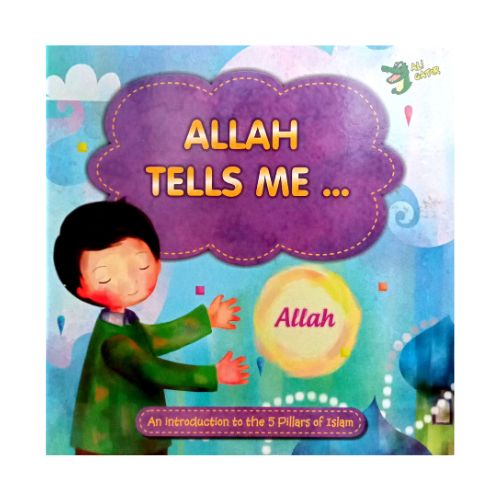
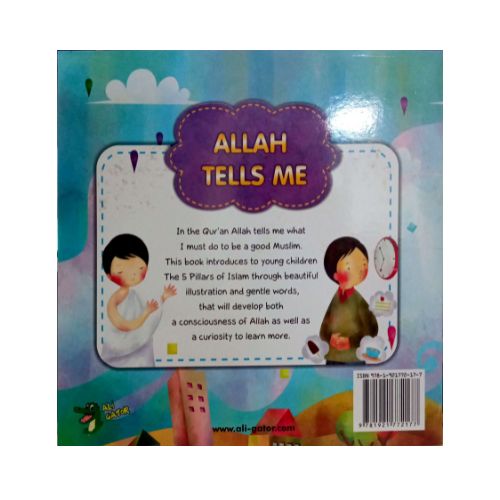
Allah Tell Me – Ali Gator
Highlights:
In the Quran Allah Tells Me what I must do to be a good Muslim.
In Sha Allah (God Willing) this book inspires young hearts to learn & love Allah.
Full Color
RM22.00
There are no reviews yet.