





| Weight | 0.11 kg |
|---|---|
| Dimensions | 17 × 10 × 0.6 cm |
| Product Type | Book |
| Author | |
| Pages | 110 |
| ISBN | 9789671256565 |
| Publisher | DCP |
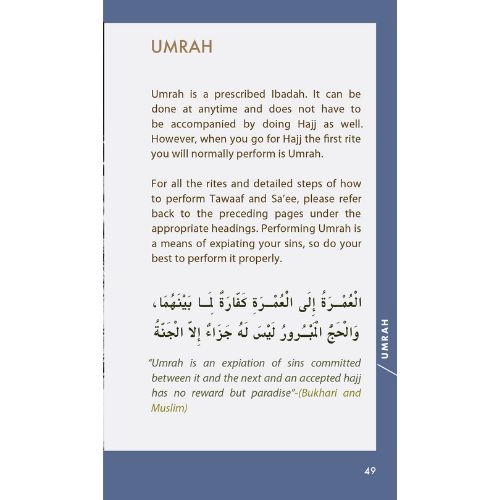
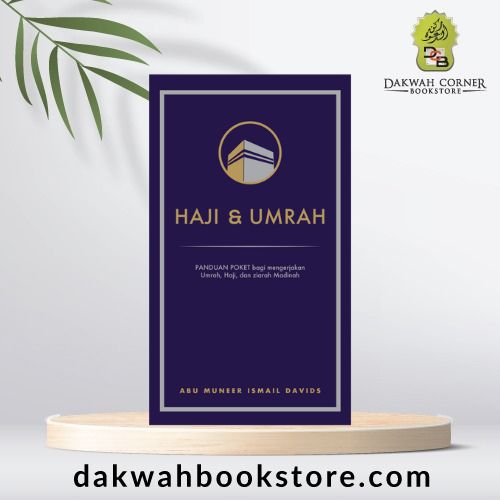
Hajj & Umrah (Pocket Guide) – English Version
Previous product
Hadith Course
RM27.00
5 ★
5 ★
2 Ratings
5 ★
2
4 ★
0
3 ★
0
2 ★
0
1 ★
0
RM14.00
In Stock

Highlights:
somdn_product_page
Compare
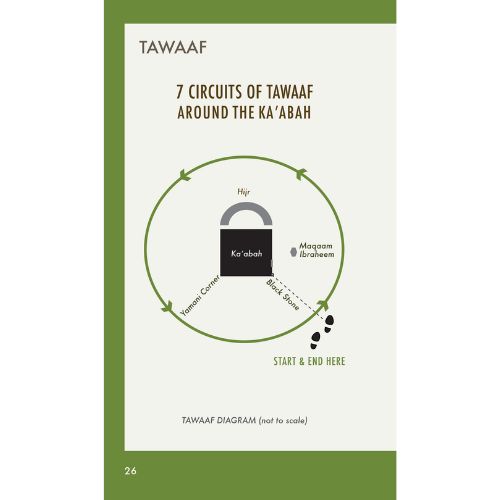
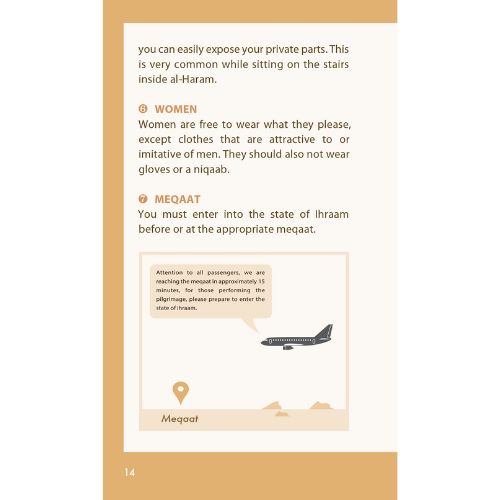
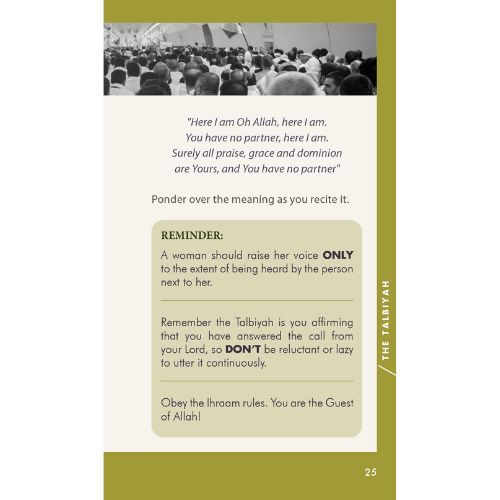
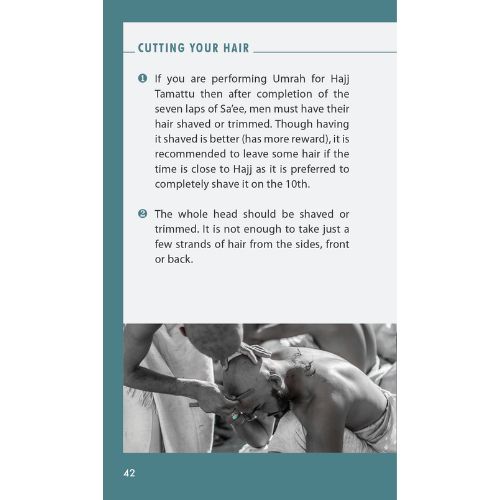
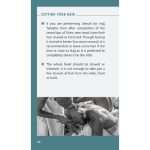
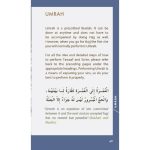
A useful pocket guide that includes the rites of Umrah,Hajj, and visiting Madinah.
SKU: SJ119
Categories: Best Seller, Dakwah Corner, Sharia, Fiqh and Jurisprudence
Brand: Dakwah Corner Bookstore (M) Sdn Bhd™ (DCB)
Frequently Bought Together

Hajj & Umrah (Pocket Guide) - English Version
5 ★
5 ★
2 Ratings
5 ★
2
4 ★
0
3 ★
0
2 ★
0
1 ★
0
1 Item
RM14.00
2 Add-Ons
RM59.00
Total
RM73.00
Additional information
Reviews (2)
5 ★
2 Ratings
5 ★
2
4 ★
0
3 ★
0
2 ★
0
1 ★
0
Add a review Cancel reply
You must be logged in to post a review.
Related Products


Fiqh Course: Tahaarah, Salaah & Janaa’iz
Highlights:
This course was compiled for English-speaking Muslims and is especially beneficial for new Muslims. It covers tahârah (purification), salâh (prayer) and janâ‘iz (funerals). It is set out in an easy-to-understand manner, citing evidence from the Qur’an and authentic hadiths. The aim of this book is to provide the reader with a correct, yet uncomplicated guide to the performance of the aforementioned acts of worship. Allah willing, it is the first in a series which will cover all aspects of worship and Islamic jurisprudence.
RM46.00

Islamic Rules of Order (P/B)
Highlights:
Organizations must have rules of order to facilitate their debate and to fill in the procedures not detailed by their constitutional documents. While most American organizations are content to operate by Robert’s Rules of Order, Muslim organizations have often wrestled with questions over whether the rules of order systemized by a Western military figure are in accord with the Qur’an and the Sunnah.
This book tackles the matter directly and takes into account the Qur’an, the sunnah, Islamic manners and the history of Islamic consultation and leadership to provide a simple, practical guide to organizational procedure that can be incorporated into the governance of Muslim organizations. The book includes advice on writing bylaws and on complying with the best practices of the U.S. Dept. of Justice in a way that is Islamically authentic, transparent, and accountable. It provides a basic starting point for any Muslim organization while allowing for flexibility so that organizations may make any variations they require within their own bylaws and constitution, so that it can accommodate differing schools of thought on Islamic law. In its discursive approach it is an essential primer for understanding the value of rules of order and the Islamic context for their application. The Islamic Rules of Order has been adopted as the rules of order of the Association of Muslims Social Scientists.
RM50.00

The Pillars of Islam Made Easy – II Salah & Its Essential Conditions (H/B)
Highlights:
Salah is one of the five pillars on which the edifice of Islam rests. Most of us feel that we already know all there is about salah – the formal prayers of a Muslim. However, very few individuals actually do justice to it or derive any worldly or spiritual benefits from it.
Salah & Its Essential Conditions is an effort to detail the essential prerequiires of salah. Moreever, it takes a detailed look at its importance along with the different types of obligatory and voluntary prayers. It alsa presents an illustrated guide to help those who wish to learn or correct the performance of their prayers.
Inshallah, all those who wish to improve their salah will find plenty of help in this book whether they are looking for information on cleanliness and purify, locating the direction of qibla, improving their congregation during salah, making up for the missed salah, or joining acongregation when the imam has already sarted the salah, or joining a congregation when the imam has already started the salah. All in all, it is a relevant handbook on what the Prophet (saw) has described as the coolness of his eyes.
RM50.00

The Pillars of Islam Made Easy I- Shahadah (Testimony of Faith) & Its Essential Conditions (H/B)
Highlights:
For a Muslim, the testimony of faith is the affirmation that there is no god other than Allah and that Prophet Muhammad (saw) is His servant and messenger. This testimony is second nature to most Muslims; yet it is disappointing to note that many of them are not aware of the seven conditions attached to it.
RM40.00


Ibn Ashur Treatise on Maqasid al-Shariah (P/B)
Highlights:
Ibn Khaldun, the fourteenth century Arab historiographer and historian, is viewed as a founder of modern historiography, sociology and economics. He lived during a turbulent part of history, and out of his experiences, he ?conceived and created a philosophy of history that was undoubtedly the greatest work ever created by a man of intelligence…?. This work tells of the period of unrest in Ibn Khaldun?s life marked by political rivalries. It is during this turbulent period which provided him with the opportunity to write the Muqaddimah (or Prolegomena), earning him an immortal place among historians, sociologists and philosophe
RM72.00


Fast According to the Quran & Sunnah
Highlights:
Saum (Fast) is a third Pillar of Islam. Allah’s Messenger said, Allah says: “Every deed of the son of Adam is for him, except Saum (fasting). It is for Me and I shall reward for it.”
As the status of this act of worship is so high it is essential to learn the pilings pertaining to this month of fasting so that Muslims will know what is obligatory in order to do it, what is forbidden to avoid it, and what is permissible so that they do not unnecessarily subject themselves to any hardship by depriving themselves from it.
This book consists of all the main issues of Fast. The main objective of this work is to serve an easy and authentic reference to the reader.
RM35.00


Getting the Best Out of Hajj
Highlights:
The book provides a realistic view of Hajj as it is today, with detailed explanations of all the rites. It provides Figh related issues about Hajj, Salah and personal behaviour according to the Quran and Sunnah, to enable you to obtain the best value for your time spent in the holy cities. It also provides information and suggestions about planning for the journey, what to expect and how to survive, so you can depart with full confidence. This is a must have for all those planning to go on Hajj!
RM75.00

The Right to Education, Work and Welfare in Islam (P/B)
Highlights:
In The Right to Education, Work and Welfare in Islam Professor M.H. Kamali develops an Islamic perspective on three connected and complementary areas of rights and liberties. He urges that education is often a necessary ingredient of professional work even more so now than in earlier times when the range and variety of specialised knowledge were relatively limited. A person who acquires education, whether generally or at advanced levels of specialisation, is more likely to stand in a better position to enter the workforce and thus to contribute to the welfare of the community.
The author commences his discussions on education, work and welfare in Islam by focusing on how each is treated in the Qur’an; and follows this by the example of the Prophet and, after him, the Pious Caliphs who gave prominence to the education and welfare needs of people at times both of scarcity and affluence. Professor Kamali then moves forward to our time and discusses the right to education, the education of children, institutionalisation of learning, academic freedom and the debate between science and religion.
The section on work elaborates on the value of work, work ethics, workers’ and employers’ rights and responsibilities, and the role and responsibility of governments.
Finally, the section on welfare focuses on the importance in Islam of caring for those who are in need and the different forms of provision that can be made available by individuals, the state and charities.
RM63.00

War and Peace in Islam : The Uses and Abuses of Jihad (P/B)
Highlights:
Written by a number of Islamic religious authorities and Muslim scholars, this work presents the views and teachings of mainstream Sunni and Shi’i Islam on the subject of jihad. It authoritatively presents jihad as it is understood by the majority of the world’s 1.7 billion Muslims in the world today, and supports this understanding with extensive detail and scholarship. No word in English evokes more fear and misunderstanding than “jihad.” To date the books that have appeared on the subject in English by Western scholars have been either openly partisan and polemical or subtly traumatized by so many acts and images of terrorism in the name of jihad and by the historical memory of nearly 1,400 years of confrontation between Islam and Christianity. Though jihad is the central concern of War and Peace in Islam: The Uses and Abuses of Jihad, the range of the essays is not confined exclusively to the study of jihad. The work is divided into three parts: War and Its Practice, Peace and Its Practice, and Beyond Peace: The Practice of Forbearance, Mercy, Compassion and Love. The book aims to reveal the real meaning of jihad and to rectify many of the misunderstandings that surround both it and Islam’s relation with the “Other.”
Reviews:
“A dynamic myth-busting clarification of the real position of mainstream orthodox Islam on the whole question of violence and jihad.” —T. J. Winter, University of Cambridge
“This is the best book on the subject in English. It will be of inestimable value.” —Shaykh Mustafa Ceric, Grand Mufti Emeritus of Bosnia
RM145.00

Islamic Fatawa Regarding Women (H/B)
Highlights:
Women face a lot of special problems regarding their menses, postpartum bleeding, istihada, hijab, mixing with men, rights & duties with respect to their husband, husband’s household, children, inheritance, marriage, divorce, etc
More than 350 of such problems & issues have been answered in this book by Grand Mufti of Saudi Arabia Sheikh Ibn Baz, and the eminent scholars like Sheikh Ibn Uthaimin, Sheikh Ibn Jibreen and others.
.
RM56.00


Common Mistakes Regarding Prayer – IIPH
Highlights:
Formal prayer (salat) is the second pillar of Islam, and the most important of a Muslim’s acts of worship. Prophet Muhammad (PBUH) said: “The first of one’s actions for which a slave of Allah will be held accountable on the Day of Judgment will be one’s prayers. If they are correct and accounted for, then he (or she) will have succeeded (gained paradise); and if they are lacking, then he (or she) will have failed (lost paradise). If there is something defective in his (or her) obligatory prayers, the Lord will say: ‘See if my slave has any supererogatory prayers with which that which was defective in his (or her) obligatory prayers may be completed. Then the rest of his (or her) deeds will be judged in like manner.” (At-Tirmidhi and others) Shaykh Mashhur Hasan Salman has compiled a list of the most common errors that we make when we pray, discussing and explaining each one. This book is a valuable aid to Muslims hoping to perfect their prayers, so that their prayers may be free of defects and acceptable to Allah. This new and revised edition of the English translation of his work presents the text in a fluent, highly readable style.
RM38.00


Should A Muslim Follow A Particular Madhhab?
Highlights:
In this book, the author has widely described the main principle of Taqleed. He says that Allah and Prophet Mohammed (SAW) has not ordered us to follow any opinions and interpretations. So there’s a possibility of being correct or incorrect in the opinions because there are many issues on which the Imams had different views and they explain them according to their own reasons and speculations, but the real and true Islam is based on the book (Quran) and Prophet’s Sunnah.
Allah says: “But no, by your Lord, they can have no Faith until they make you judge in all disputed matters between them, and find in themselves no resistance against your decision, and accept them with full submission.” And the prophet said: “I leave you with two things as long as you hold them tightly, you never go astray: they are the book of Allah and my Sunnah.” In this sense, the author has described the difference between different Madhahib (madhabs/mazhabs), and their views and urged to follow only the Quran and Sunnah.
RM11.00
Recently Viewed
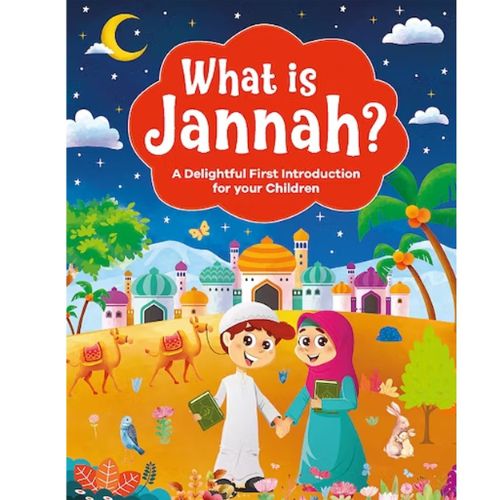
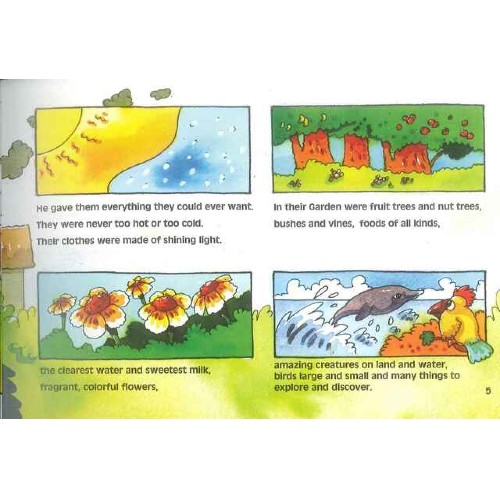
What is Jannah? (P/B)
Highlights:
This book is designed to help parents and teachers in their efforts to encourage young children to ask questions and to assist them in exploring answers together. It makes the sharing of a basic knowledge of Islam simple, clear and enjoyable. This lays the foundation on which greater understanding can be built and learning enriched as young students grow older. And, whatever our age, reviewing the basic in this way can be very beneficial, in that it re-kindles our awareness and glad acceptance of the beautiful message and wondrous knowledge of Islam: we are then the better able share our renewed enthusiasm with others. May you benefit greatly from reading this book.
RM15.00
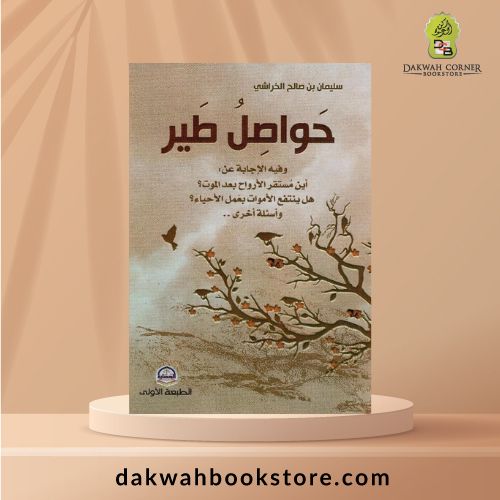
[APT] Hawasil Tayr/ حواصل طير
Highlights:
حواصل طير وفيه الاجابة عن:اين مستقر الارواح بعد الموت
RM30.00
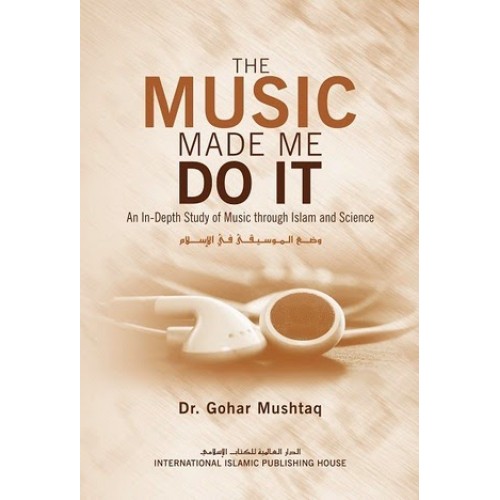
The Music Made Me Do It (H/B)
Highlights:
By Dr. Gohar Mushtaq
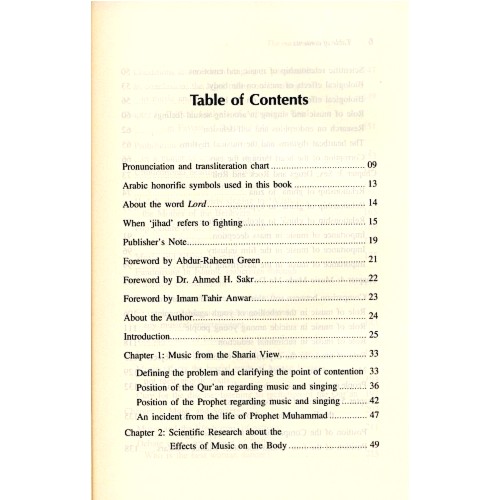
Is the issue of music a controversial one in Islam? With the prevalence of computers and various electronic devices today, music and singing seem to be everywhere, and contemporary Muslims may be confused about their status in Islamic teachings. The Music Made Me Do It: An In-Depth Study of Music through Islam and Science examines this topic in light of authentic Islamic sources, in order to clarify the prohibitions and allowances regarding music and singing. In addition, the author describes the social, psychological and physical effects of music on individuals, citing well-documented contemporary research in the fields of medical and behavioural sciences.
The interweaving of the two perspectives makes this book a valuable asset for anyone interested in exploring this pertinent Islamic issue.
RM50.00
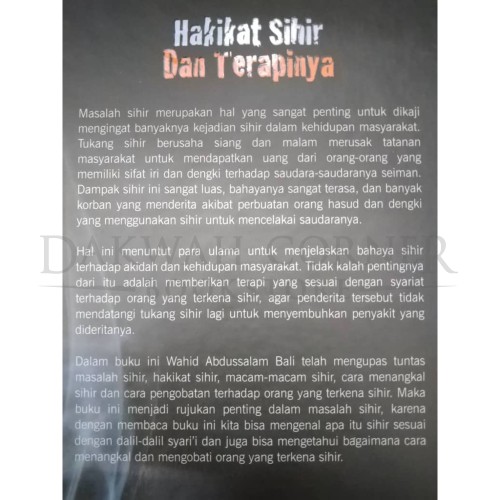
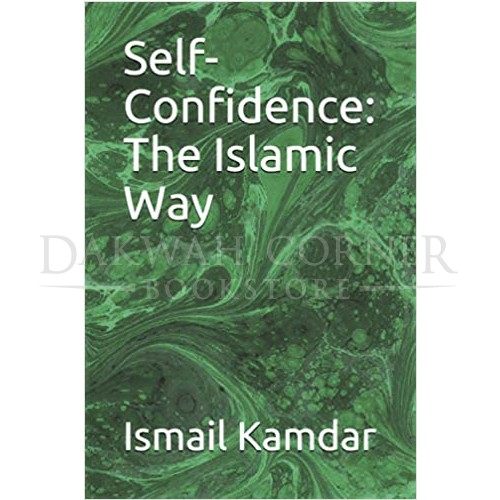
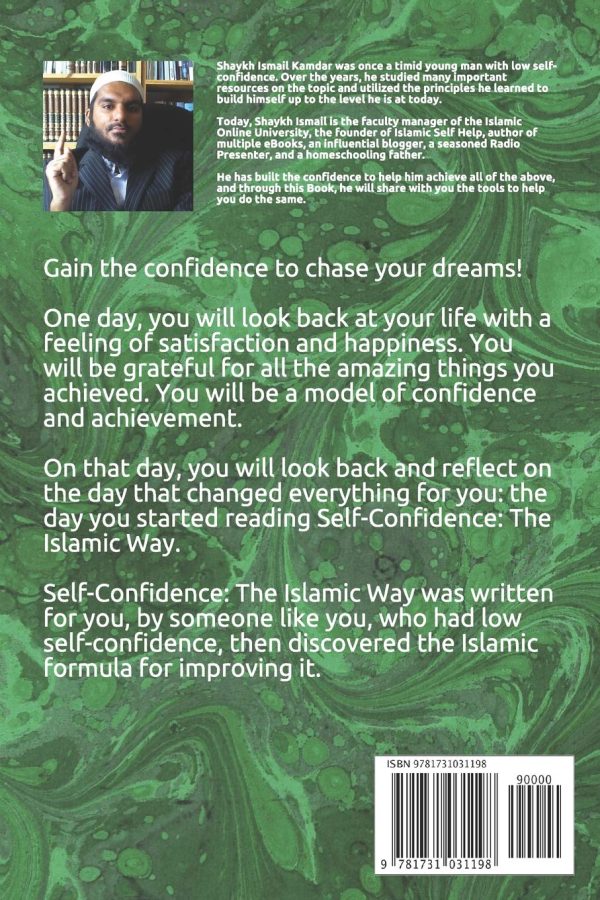


Principles of Islamic Jurisprudence (2nd Revised Edition)
Highlights:
This book offers a detailed presentation of the theory of Muslim law (usul al-figh). Often regarded as the most sophisticated of the traditional Islamic disciplines, Muslim jurisprudence is concerned with the way in which the rituals and laws of religion are derived from the Qur’an and the Sunna – the precedent of the Prophet. Revelation, which is given to man to restore unity and help him achieve a just and devout order in society as well as in the soul, must be interpreted so as to render it practicable in every culture, while not betraying its spirit and immutable provisions. To achieve this, additional sources of legal authority are recognized, including consensus (ijma), analogical deduction (qiyas), public interest (maslaha) and local customary precedent (urf). In employing these, the jurist guards the five principles which it is the purpose of Islamic law to uphold, namely, the right to life, sound mind, property, lineage and religion.
RM75.00
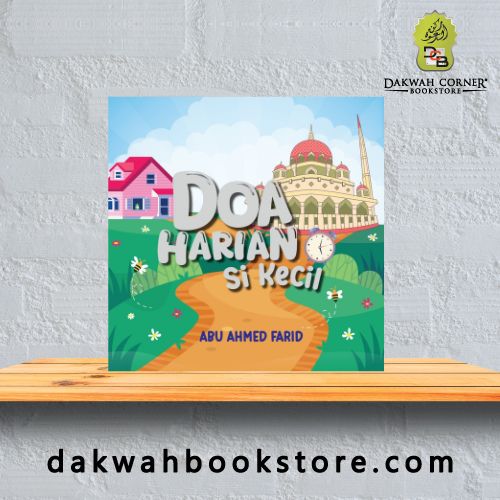
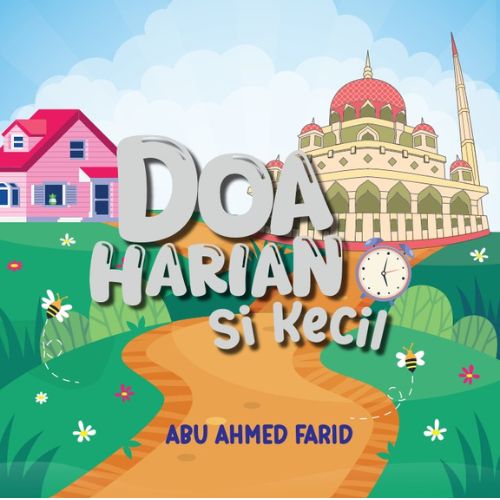
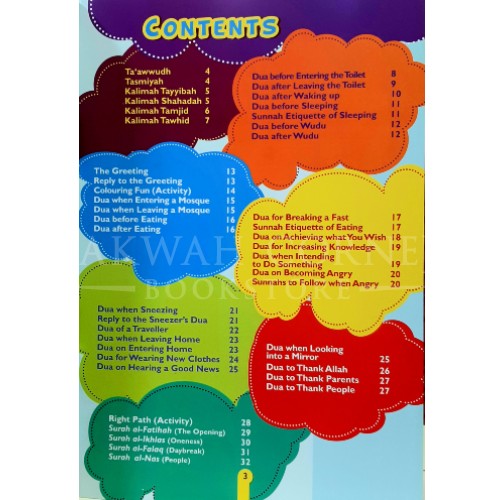
Doa Harian Si Kecil (DCB)
Highlights:
Mudah-mudahan Doa Harian Si Kecil dapat menguatkan iman kita dan membantu kita sentiasa mengingati Allah.
RM20.00
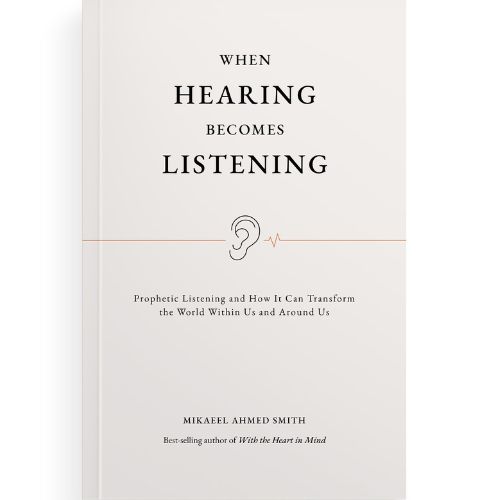
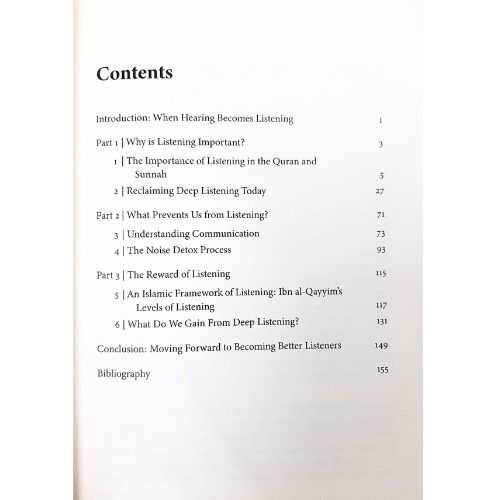
When Hearing Becomes Listening
Highlights:
This book picks up where With the Heart in Mind stopped, diving deeper into the primary tool that enabled the Prophet (s.a.w.) to be so influential and leave such a profound impact on the people around him. The premise is simple. If you wish to be listened to like the Prophet (s.a.w.), you must first learn to listen like the Prophet (s.a.w.).
RM95.00
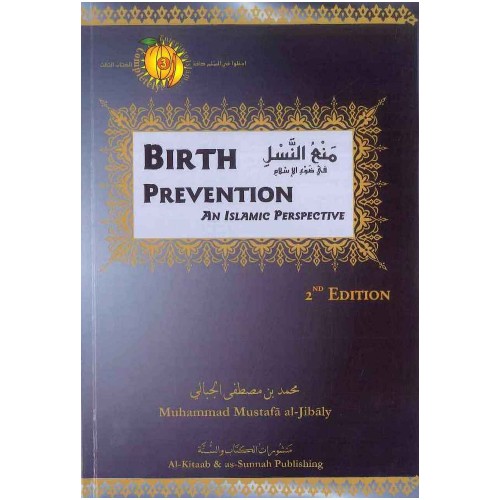
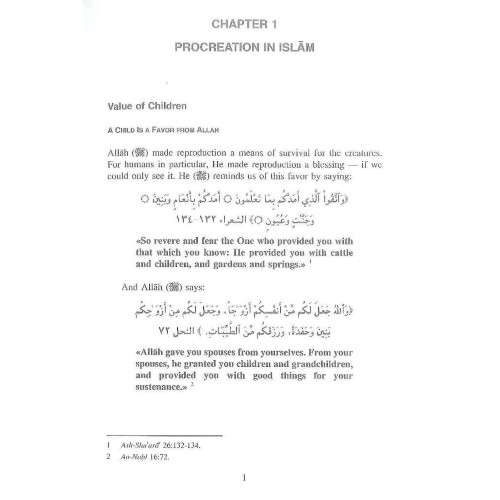
Birth Prevention an Islamic Perspective
Highlights:
The purpose of this series, enter in to islam completely, is to present some unduly belittled issues, prove their value, and discuss their regulations. This book presents a comprehensive Islamic understanding of birth prevention and other related issues. It first establishes the Islamic view of procreations. This is followed by an overview of birth prevention methods, old and modern
RM26.00
Islamic Economics : Principles & Analysis (P/B)
Highlights:
Economics is a social science that studies the behaviour and interactions of economic agents and analyses how economies work at the macro- and micro-levels. It studies production, distribution and consumption of goods and services, identifies economic problems and phenomena, and addresses economic questions from a positive perspective (what is) as well as a normative (how it should be) perspective. Islamic economics examines the same areas as its conventional counterpart. However, it involves the application of Sharīʿah to the different economic functions and issues. It is postulated that Islam offers a better approach compared to conventional economics in managing economic activities and solving economic and social issues.
RM180.00
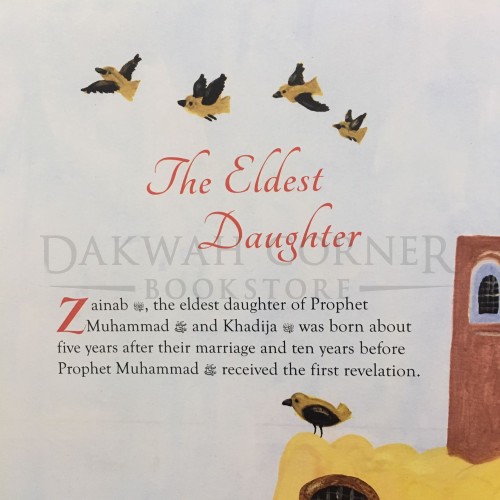
Zainab: Daughter of the Prophet
Highlights:
“Zainab (ra), the eldest daughter of Prophet Muhammad saw and Khadija (ra) was born about five years after their marriage…”
RM11.00
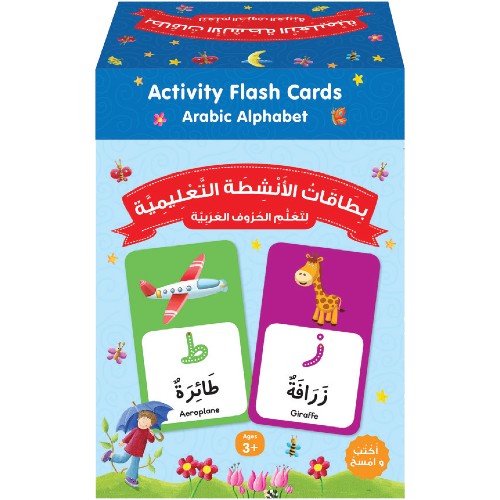
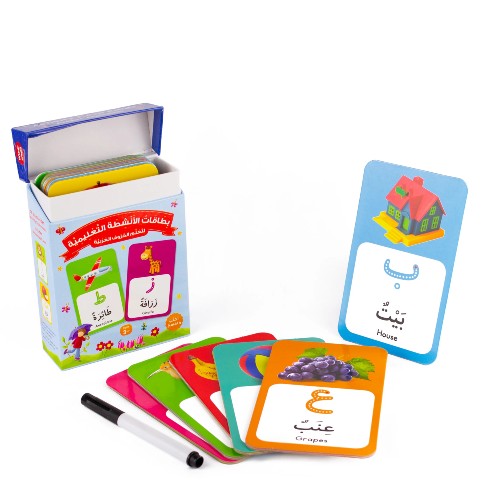
[GM] Activity Flash Cards Arabic Alphabet
Highlights:
28 double-sided cards help to teach both the alphabet and words!
Ages 3+
RM50.00
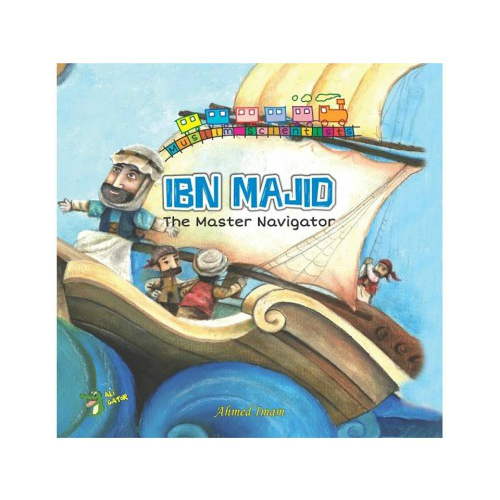
Ibn Majid – The Master Navigator (The Muslim Scientists Series)
Highlights:
The Muslim Scientists series introduces children to great scientist, scholars & adventurers from the Golden Age of Islam.
When Ibn Majid created the compass, he was wanted by all the great explorers of that time, he became known as “The Master Navigator”
Full Colour
24 pages
EVERY HOME & SCHOOL LIBRARY MUST HAVE THIS SERIES AS PART OF THEIR ISLAMIC COLLECTION
RM22.00
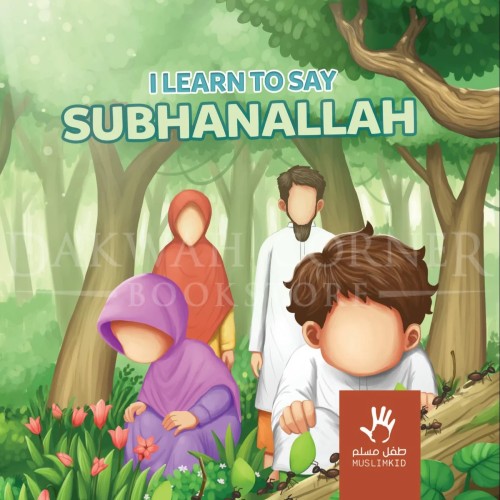
I Learn To Say Subhanallah
Highlights:
Discover a selection of captivating illustrations, accompanied by basic, but important concepts for young Muslim children. I Learn to Say SubhanAllah is the second issue of the “I Learn to Say” series. Throughout this second issue your child will learn when to say SubhanAllah through a beautiful story about Muhammad and Zaynab. This hardcover, 60-page book explains when and why we say SubhanAllah in a fun way. Take your time to read this story with your child, and nurture in them the importance of saying SubhanAllah. The characters in the book are expressionless to help develop young and curious imaginations.
RM50.00
au.mu.smj –
Great book! Very details and easy to use. MashaAllah. May Allah reward you! I bought this for my hajj in 2018. I had bought a few handbooks to help my preparations and be accessible for use during the hajj. This was the one I used throughout my hajj …pages so easy to turn, all the information is explained in simplistic terms which is what one needs during the intensity of hajj, and has useful safety and travel tips to for hajj
Jazaka-Allah Khair
kfl141121 (verified owner) –
Great customer service – shipping was fast! The book itself is very comprehensive and the definitive guide for going to Umrah/Hajj. A must have for any Muslim