


| Weight | 0.13 kg |
|---|---|
| Dimensions | 21.5 × 14 × 0.6 cm |
| Author | Ibn Mulaqqin, Imam Al-Hafiz Ibn Hajar Al-'Asqalani RA, Musa Furber |
| Binding | Paperback |
| ISBN | 9780985884062 |
| Pages | 59 |
| Year of publication | 2015 |
| Publisher | Islamosaic |
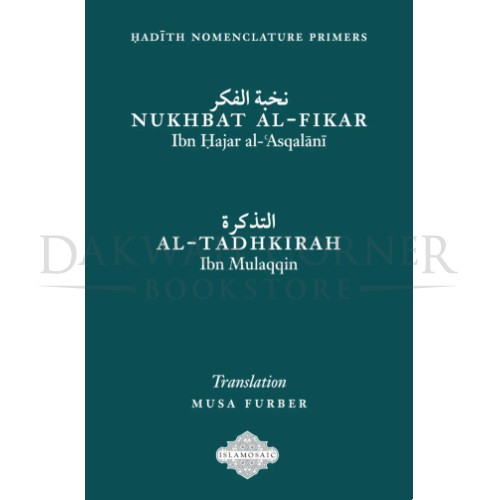
Hadith Nomenclature Primers
Previous product
Sharh Al-Waraqat
RM42.00
Next product
The Ultimate Conspectus
RM55.00
RM34.00
Out of Stock
Highlights:
somdn_product_page
Compare
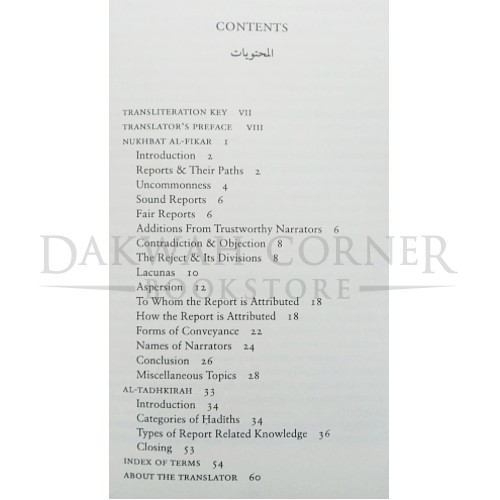
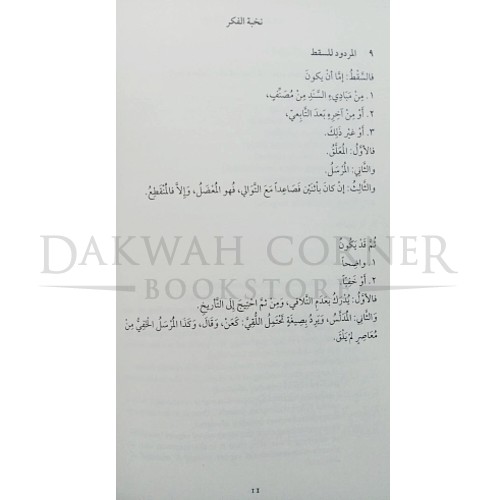
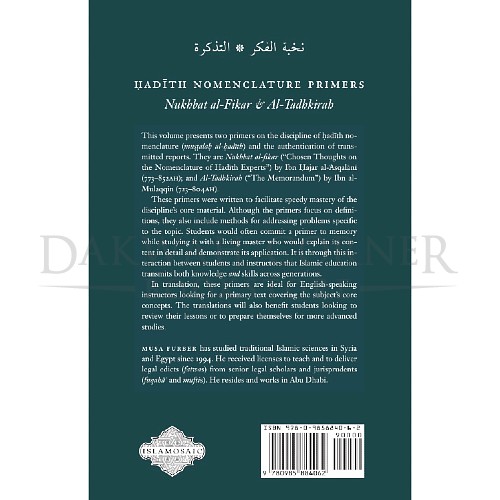
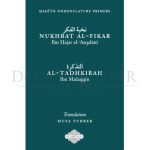
This volume presents two primers on the discipline of hadith nomenclature (mustalah al-hadith) and the authentication of transmitted reports. They are Nukhbat al-fikar (“Chosen Thoughts on the Nomenclature of Hadith Experts”) by Ibn Hajar al-‘Asqalani (773-835AH); and Al-Tadhkirah (“The Memorandum”) by Ibn al-Mulaqqin (723-804AH). These primers were written to facilitate speedy mastery of the discipline’s core material. Although the primers focus on definitions, they also include methods for addressing problems specific to the topic. Students would often commit a primer to memory while studying it with a living master who would explain its content in detail and demonstrate its application. It is through this interaction between students and instructors that Islamic education transmits both knowledge and skills across generations. In translation, these primers are ideal for English-speaking instructors looking for a primary text covering the subject’s core concepts. The translations will also benefit students looking to review their lessons or to prepare themselves for more advanced studies.
SKU: HH40
Categories: Books Of Hadith, Noble Hadith and Hadith Sciences
Additional information
Reviews (0)
Be the first to review “Hadith Nomenclature Primers” Cancel reply
You must be logged in to post a review.
Related Products
An Nawawi’s 40 Hadith (Revise Edition)
5 ★
5 ★
1 Rating
5 ★
1
4 ★
0
3 ★
0
2 ★
0
1 ★
0
Highlights:
Edition Revised and Improved
Imam Nawawi had a very short life of 44 years, but even during this short period, he wrote a large number of books on various subjects. Nearly every work is a masterpiece and a treasure of knowledge. Hundreds of thousands of people have benefited from these works. Among the prestigious works of Imam Nawawi is the compilation of the ” 40 Hadith ” which is what you have in your hands right now. These selected 40 Hadith comprises the essential fundamental concepts of Islam, which in turn construct the minimum level of required revealed knowledge for every single Muslims.
RM16.00
Forty Hadith on Islam (P/B)
Highlights:
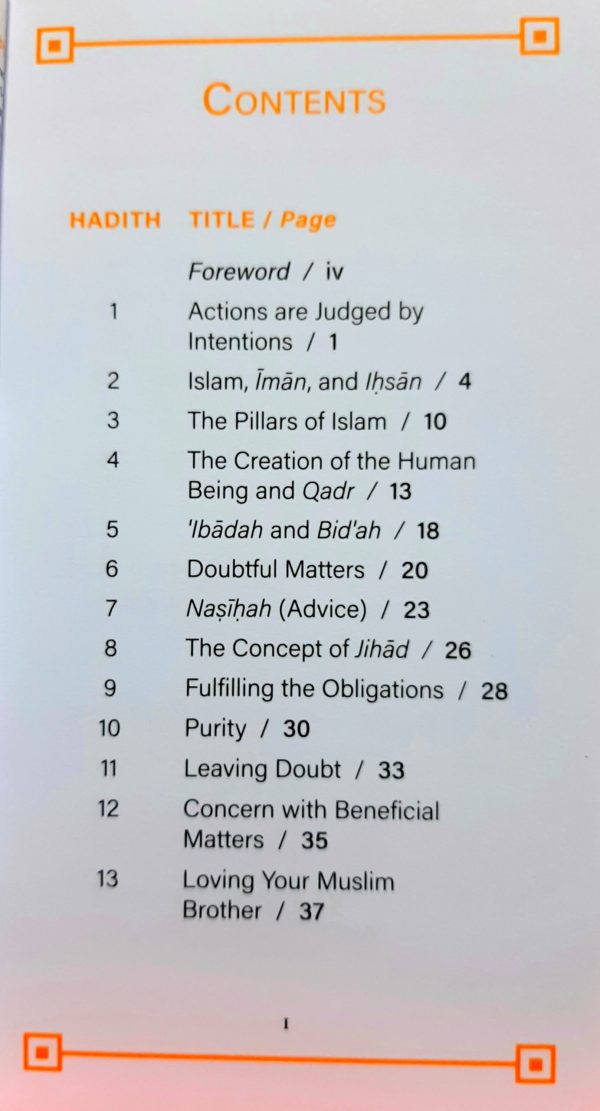
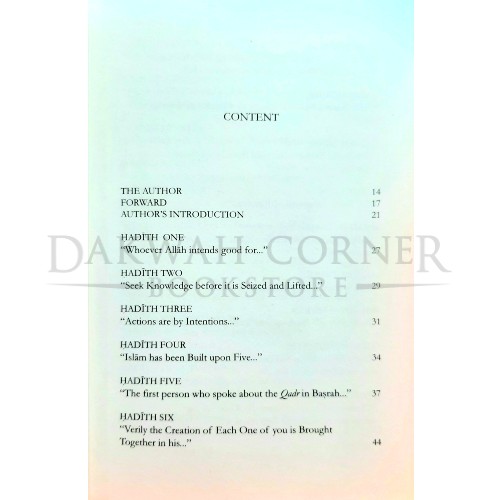
This work covers, the Islamic creed, Pillars of Islam, Lawful & Unlawful, Piety and Righteousness, with commentary of Imam al-Ajurri. Anumber of scholars throughout Muslim history have penned their respective compilation of Forty Hadith books. Imam al-Ajurri’s kitab ularba` in Hadithan is among the earliest. It is a highly regarded text for Muslims to study and memorise, for it addresses fundamental aspects of religion, with particular focus on Creed, Pillars of Islam, the Halal and Haram as well as Piety and righteousness.
RM55.00
Authority of The Sunnah the Key to Paradise
Highlights:
Allah Most High Said, “And whatever the Messenger has given you, take it; and what he has forbidden you, refrain from it.” [Al-Hashr (59):7]
The Prophet said, “I have not left out anything of which Allah, The Most High has Commanded you with except I have apprised you of it. Likewise, I have not left out anything of which Allah has Prohibited you from it, except I have apprised you of it…” [Al Bayhaqi, 7/76 & others]
Together with the Qur’an, the Sunnah is the pivotal foundation and primary source of the Islamic faith. Following both of them is mandated by Allah Himself and obligated upon Muslims to adhere and live accordingly. Muslim theology is established upon them and remains defective and incomplete should either be forsaken for they both explain and interpret each other.
During his time, Imam al-Suyuṭi felt a genuine need to pen this compelling book in confuting those who either rejected the Sunnah altogether or did not grant it the status and respect it deserves in the religion. He primarily compiled from the works of Imam Al-Bayhaqi elucidating the position of Imam Shafi’i, and firmly laid out the arguments supporting the Sunnah of the Prophet by outlining its critical importance, its authority, and implication to one’s life.
Salvation, therefore, lies in embracing the Sunnah fully, for indeed it is the key to facilitating our worldly lives and thereafter, unlocking the doors of Paradise, as Shadh ibn Yaḥya said perfectly, “There is no better way to Paradise than the way of those who have followed the Sunnah.”
RM60.00
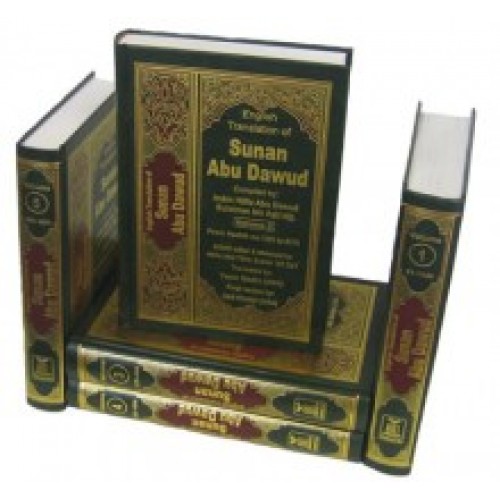
Sunan Abu Dawud (5 Volumes) H/B
Highlights:
New edition of Sunan Abu Dawood in 5 volumes by Dar-us-Salam with commentary after each hadith. Unlike other prints, this edition has crisp and clear printing in deluxe 6×9″ bounding. Like the other translations of the six books of hadith, Dar-us-Salam Publications, has taken great care in correct translation, simple and clear modern English language, and high quality publishing.
Ahadith in the book are followed by comments to explain issues and to help readers derive lessons. To aid readers further, Dar-us-Salam, has added several features like section on how to benefit from Sunan Abi Dawud, about the Arabic and technical terms used, information about the hadith compilations and a glossary of Islamic terms in the last volume.
Each hadith is also followed by its status in regards to the authenticity. The status is explained more in detail in the Arabic text. The chain is also complete in the Arabic text while it is removed from the English to reduce the length and not being of much benefit to the English readers.
RM315.00
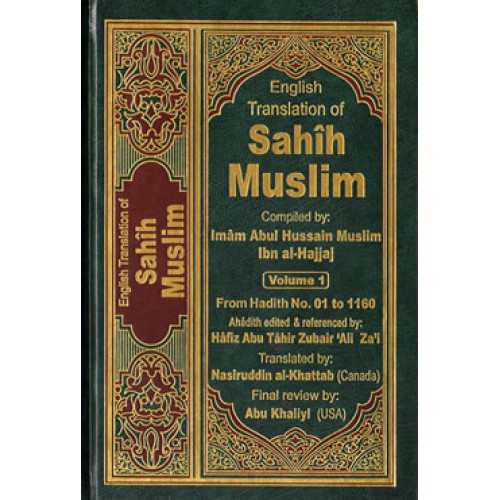
Sahih Muslim (7 Volumes)
Highlights:
The authentic hadith collections of Bukhari and Muslim are excellent in respect to both chain of transmissions and the texts as well as their general utility in that they gave guidance in almost all walks of life. The collections won the praise and acclaim of of Hadith scholars so much that they themselves produced works containing the same Ahadith as found in the collection of both Bukhari and Muslim but with their own independent chains consisting of a lesser # of sub-narrators and called their works Mustakhraj.
Imam Muslim is one of the foremost preservers of ahadith of the Prophet. His book comes second only to Sahih al Bukhari in terms of authenticity according to majority of scholars. It is considered to be better than Sahih Bukhari in terms of organization and repetition according to some scholars of Islam. It is the second in the collection of 6 books called “Sihah Sittah” or “6 most authentic books”. Imam Muslim took painstaking efforts in preserving the words/actions/sayings & approvals of the Prophet. He has mostly used 4-5 narrators in the chain of transmission although there are a couple of hadith containing 3 narrators. Imam Muslim was a very good student of Imam Bukhari and some of his Shuyukhs, although he did not narrate from Imam Bukhari too much, thus reducing the # of narrators.
RM405.00

Usool Al-Hadeeth (H/B)
Highlights:
Dr. Bilal Philips writes: “The Prophet’s sayings and actions were primarily based on revelation from Allah and, as such, must be considered a fundamental source of guidance second only to the Qur’an.” According to Dr. Philips, the Hadith, the record of these sayings and actions, plays a vital role in that it transmits revelation, tafseer (exegesis of the Qur’an), Islamic law, and the Islamic moral ideal. For instance, the Prophet’s “…character and social interactions became prime examples of moral conduct for Muslims. Consequently, the daily life of the Prophet (blessings and peace of Allah be upon him) as recorded in the hadith represents an ideal code of conduct. It is largely due to the science of hadith that the final message of Islam has been preserved in its original purity for all times.” In Usool al-Hadeeth, the reader will embark on a course of study that will, Allah willing, enable him or her to make critical and intelligent use of the body of Hadith literature in his or her daily life.
RM50.00


Understanding Ramadan
Highlights:
This book covers important aspects regarding Ramadan. The book is a collection of Ahadith from Sahih Al-Bukhari, with guided translations. The topics which are covered are Fasting, Salat at-Tarawih, Lailat Al-Qadr and Itikaf. Also, the section of two Eid Prayers and the chapter on Sadaqat Al-Fitr are included for the thematic purpose. This book is a must-read for all.
RM20.00
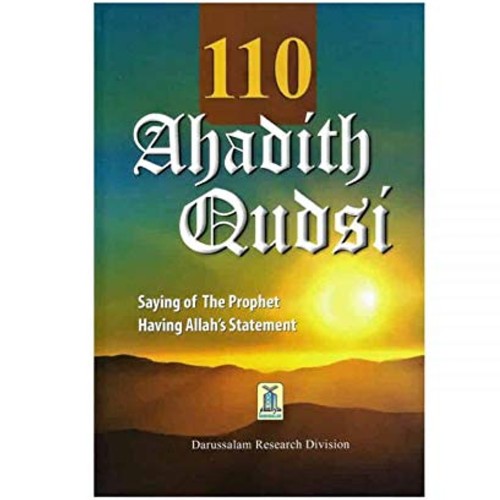
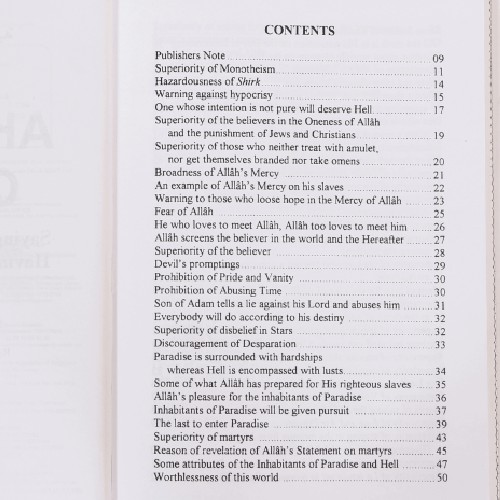
110 Ahadith Qudsi (3rd Edition)
Highlights:
Ahadith are the sayingd, deeds and approvals of the Prophet SAW under Divine guidance and are generally traced back to the Prophet SAW as regards their authority. But some Ahadith hold a distinct place and are termed as Ahadith Qudsi (Sacres Ahadith) and the authority in these Ahadith is attributed to Allah through the Prophet SAW. It is a collection of 110 such Ahadith relating to the important aspects of daily life so that the readers may get benefited from it for the success in this life as well as in the Hereafter.
RM35.00
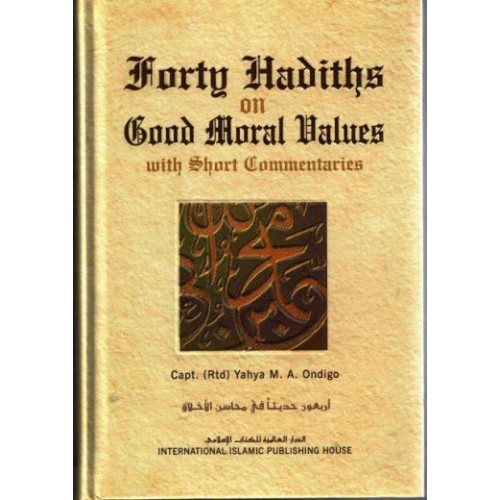
Forty Hadiths On Good Moral Values (H/B)
Highlights:
The statements and actions of our Prophet Muhammad (s) contain much that we need: rules and advice, reminders, examples, warnings and encouragement. The collection of hadiths in Forty Hadiths on Good Moral
Values by Yahya Ondigo contains some of the Prophet?s statements on positive ethics and attributes that all people-Muslims and non-Muslims-should strive to adopt in the way we deal with others; we need to work to incorporate these morals and principles into our daily habits.
RM65.00
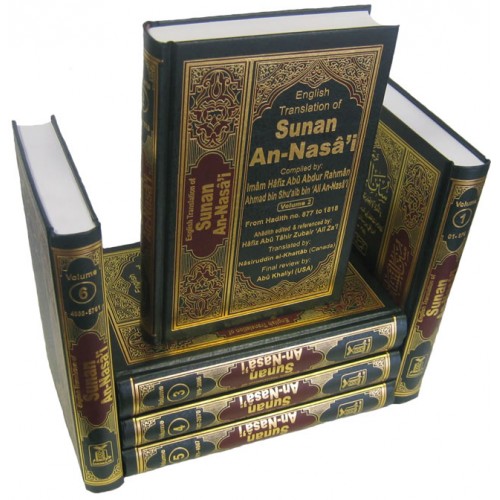
Sunan An-Nasa’i (6 Vol) (H/B)
Highlights:
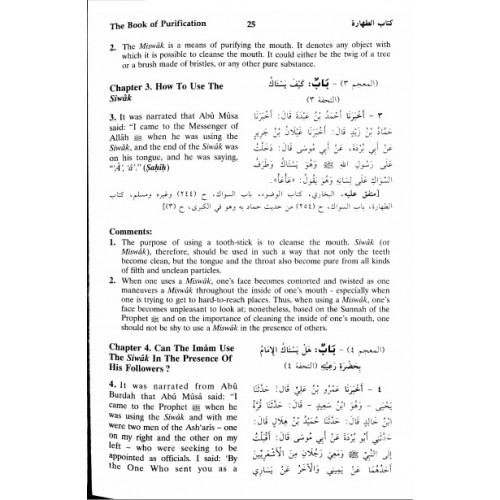
Sunan An-Nasai has the fewest weak ahadith after the two Sahih collections. This Sunan is one of the six is al-Mujtaba or as-Sunan as-Sughara, which is a synopsis of a large collection of ahadith which he considered to be fairly reliable. In the smaller collection, only those ahadith which he considered to be reliable have been included.
It was compiled by the great scholar of hadith, Abu Abdur-Rahman Ahmad bin Shu’aib bin Bahr An-Nasae (Nasa’ of Khurasan) (214-303AH). Imam An-Nesai, like other great scholars of hadith traveled to Baghdad, Ash-Sham, Egypt, Mecca, and many other cities to seek knowledge. He received the praises of many scholars including Ad-Daraqutni who said about him: “He is given preference over all others who are mentioned with this knowledge from the people of his time”. Some scholars consider his compilation to have the least number of defective or weak narrations among the four Sunan. This great book of his contains 5761 ahadith, making it as an invaluable addition to anyone’s library.
RM460.00
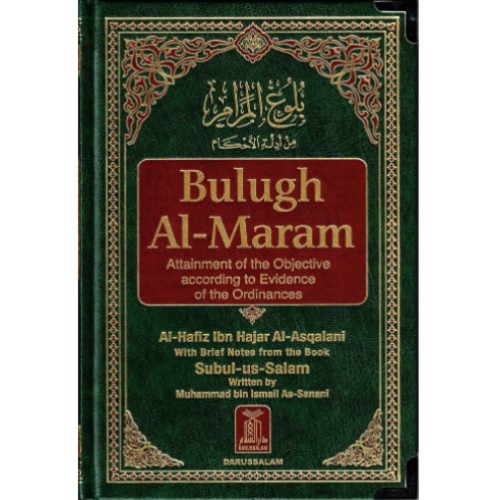
Bulugh Al-Maram (Attainment of the Objective)
Highlights:
Bulugh Al-Maram is based upon the Ahadith of our Prophet which have been the sources of Islamic Jurisprudence. Al-Hafiz Ibn Hajar Al-Asqalani (Hijrah 777-853) has recorded the true significance of the Ahadith and their origins & also made a comparison of the versions, if the sources are more than one
RM80.00
Recently Viewed
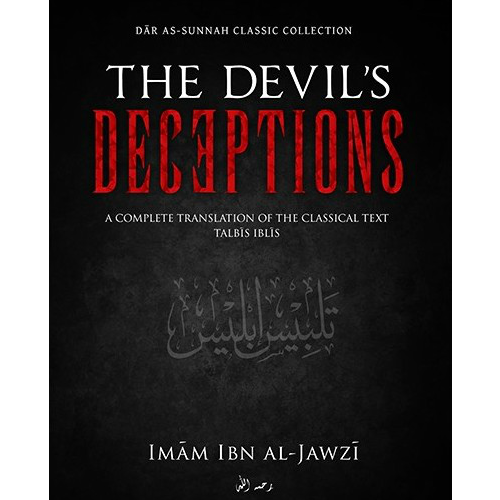
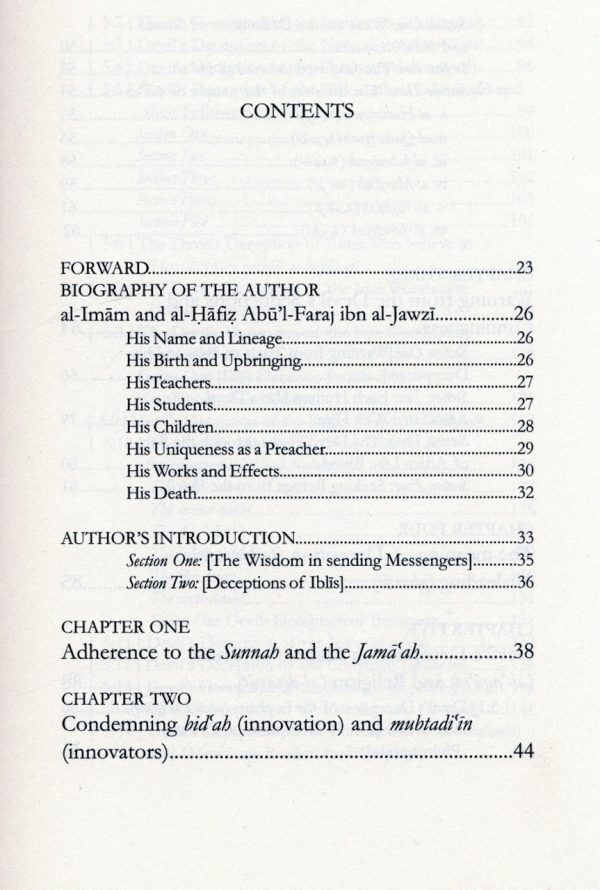
The Devil’s Deceptions
Highlights:
Imam Ibn Al-Jawzi It is from enmity and hopelessness of the devil that his endeavour to misguide mankind from the Path of Allah will persist. This misguidance takes many shades and forms; be it from planting seeds of doubt, or giving rise to deviant ideas antithetical to the sacred teachings of Islam, and essentially becoming entangled within regressive intellectual and rhetorical discourses.
The Ummah has suffered varying levels of deviation, some of which remain prevalent today, while more continue to be uncovered – and such is the impact of delusive plottings of the devil and his allies. This book is the sixth instalment from Dar as-Sunnah of the illustrious Imam, Abu’l-Faraj Ibn Jawzi. Being a complete translation of his well-known and prized work, Ibn Jawzi enumerates within it, many of the mechanisms and modus operandi used by the devil in deceiving and leading mankind away from the Straight Path.
It is of particular value and importance because only by unearthing and accentuating some of the traps of the devil, can mankind avoid them as well as navigate others away from falling prey to his harm. Speaking about the devil and his plotting, the author wrote that, “he was only able to do so while creeping during the night of ignorance. Had the dawn of knowledge shone on him, he would have been exposed.
Thus I decided to warn from his plots… for identifying evil is a form of warning from it.” This translation of Tablees Iblees will provide important analysis in developing self-awareness and critical thinking to ward off many deceptions of the devil, which have plagued mankind from the time of Adam. For such reasons alone, this work is a valuable addition to the scholarly discourse it presents to the English speaking world.
RM220.00
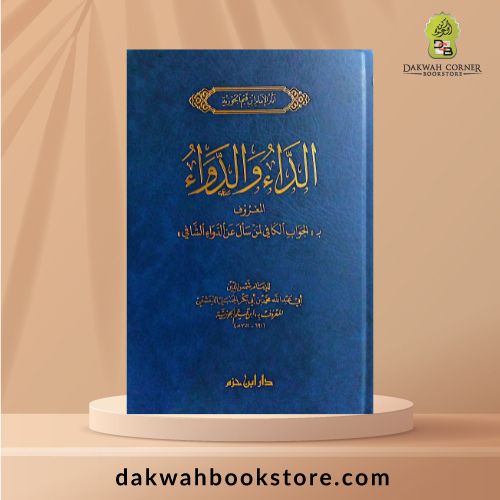
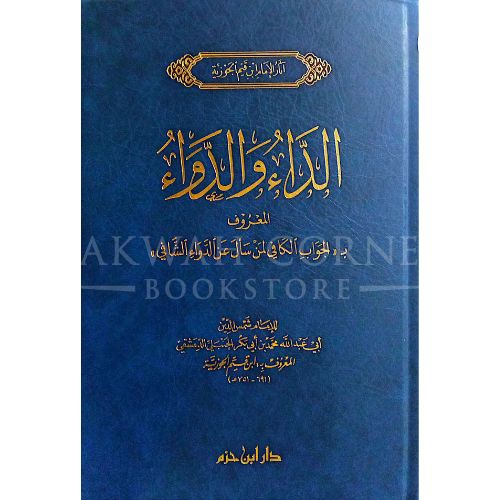
[MM] Adda Waddawa (Dar Ibn Hazm) / الداء والدواء
Highlights:
الداء والدواء
المعروف
بـ « الجَوابِ الكَا فِي لِمَنْ سَأَلَ عَن الدَّوَاءِ الشَّافِي
للإمام شمس الدين أبي عبد الله محمد بن أبي بكر الجنب لي الدمشقي المعروف به ابن قيم الجوزية
( ٦٩١ – ٥٧٥١ )
RM55.00
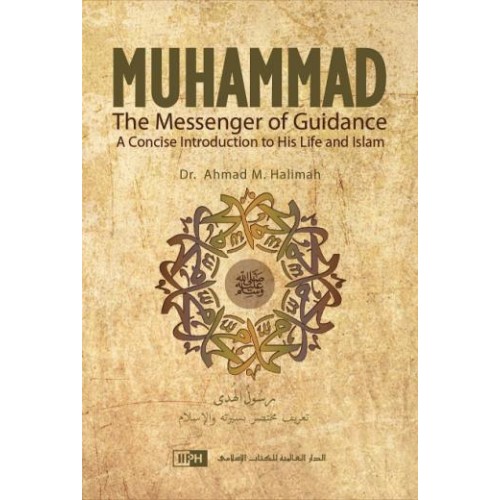
Muhammad The Messenger of Guidance (H/B)
Highlights:
Muhammad (blessings and peace be upon him), the Messenger of Guidance: A Concise Introduction to His Life and Islam is an excellent resource for both Muslims and non-Muslims. In Part One, the author succinctly summarises the life of Prophet Muhammad (blessings and peace be upon him), using authentic reports from his Companions to paint a beautiful portrait of his qualities and characteristics. In addition, he examines and explains the basic pillars of faith and worship in Islam, and then goes on to discuss issues that are relevant to the Muslim nation today.
Part Two brings together a wide selection of sound hadiths, or sayings of the Prophet (blessings and peace be upon him). The author has carefully chosen these to cover a broad variety of topics, thus creating a useful reference that is easy to follow and comprehend.
This book provides the reader with an academic perspective on Islam, which is supported by modern, eloquent translations of the original textual sources: the Qur’an and the Sunnah of the Prophet Blessings and peace be upon him. It is an excellent resource for both the casual and the academic reader.
RM58.00
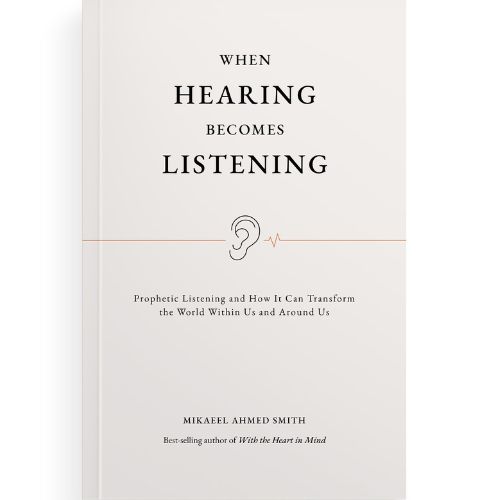
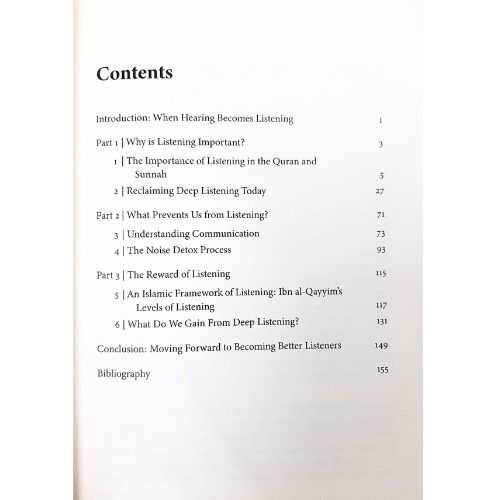
When Hearing Becomes Listening
Highlights:
This book picks up where With the Heart in Mind stopped, diving deeper into the primary tool that enabled the Prophet (s.a.w.) to be so influential and leave such a profound impact on the people around him. The premise is simple. If you wish to be listened to like the Prophet (s.a.w.), you must first learn to listen like the Prophet (s.a.w.).
RM95.00

Let Us Be Muslims (P/B)
Highlights:
LET US BE MUSLIMS is a new edited English version of Sayyid Mawdudi’s Urdu Khutubat. It is no ordinary book, says Khurram Murad in his long Introduction, for it has stirred more hearts and impelled more lives to change their course than any of his more erudite works. In these Friday congregational addresses, Sayyid Mawdudi expounds such familiar themes as Iman, Islam, the Prayer, Fasting, Almsgiving, Pilgrimage and Jihad. But, in an unusually beautiful, powerfully reasoned, eloquent and passionate, and yet simple and lucid style,
“Sayyid Abul A’la Al-Mawdudui (1903-1979), one of the chief architects of contemporary Islamic resurgence, was the an outstanding Islamic thinker and writer of his time. He devoted his life to expound the meaning and message of Islam and to organise a collective movement to establish the Islamic Order. In this struggle, he had to pass through all kinds of sufferings.
Between 1948-67, he spent a total of five years in different prisons of Pakistan. In 1953, he was also sentenced to death by a Martial Law court for writing a ‘seditious’ pamphlet, this sentence being later commuted to life imprisonment. In 1941, he founded Jama’at-I Islami, of which he remained Amir, until 1972 and which is one of the most prominent Islamic movements of our day. He authored more than one hundred works on Islam, both scholarly and popular, and his writings have been translated into forty languages.”
RM70.00
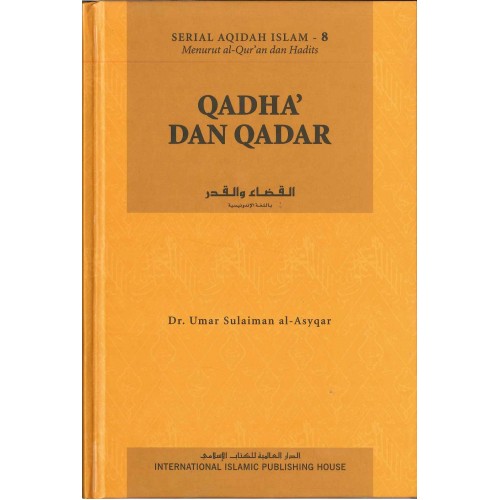
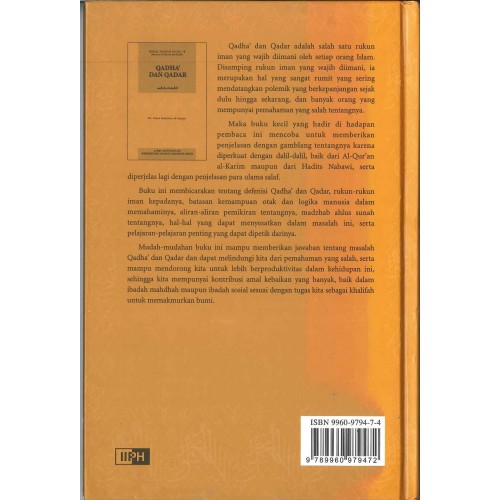
Qadha Dan Qadar ; Serial Aqidah Islam – 8
Highlights:
Qadha’ dan Qadar: menurut al-Qurán dan hadits – Serial Aqidah Islam 8/ Dr. Umar Sulaiman al-Asyqar. Selain merupakan salah satu rukun iman yang wajib diyakini oleh setiap muslim, Qadha’ dan Qadar merupakan hal yang sangat rumit yang sering mendatangkan polemik berkepanjangan sejak dulu hingga sekarang, dan banyak orang yang mempunyai pemahaman yang salah terhadapnya. Buku ini memberikan penjelasan dengan jelas dan gamblang tentangnya, dan diperkuat dengan dalil-dalil dari Al-Qur’an dan hadits-hadits nabawi, serta diperjelas lagi dengan perkataan para ulama salaf. Di dalam buku ini dibahas definisi Qadha’ dan Qadar, rukun iman kepadanya, batasan kemampuan akal manusia dalam memahaminya, aliran-aliran pemikiran tentangnya, dan pendapat ahlus sunnah dalam masalah ini.
RM40.00
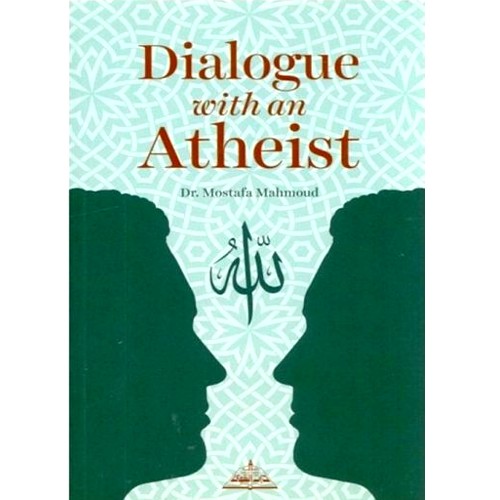
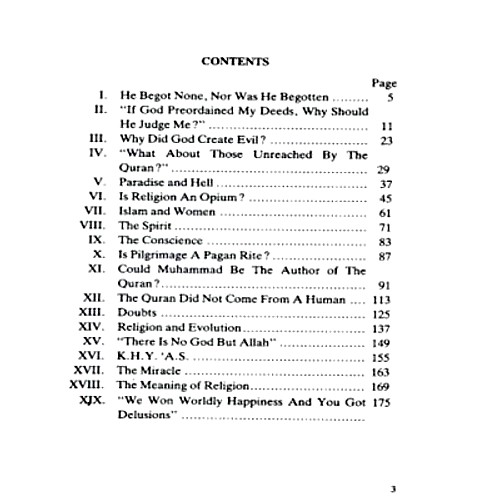
Dialogue with an Atheist
Highlights:
Problems such as the proof of the existence of God, why God created evil, Paradise and Hell, and could the Prophet Muhammad be the author of the Qur’an are tackled both clearly and logically.
RM42.00
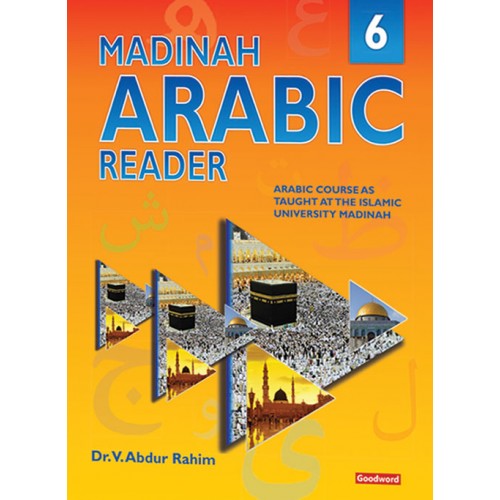
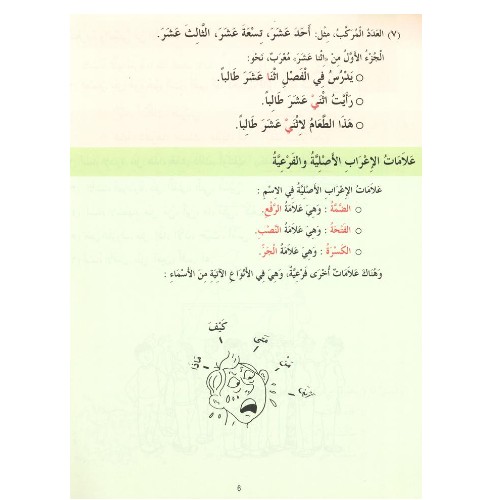
Madinah Arabic Reader (Book 6)
Highlights:
Professor Abdur Rahim, Director of the Translation Centre of the King Fahd Quran Printing Complex and former Professor of Arabic at the Islamic University of Madinah, Saudi Arabia, has authored texts designed to impart a knowledge of classical Arabic through applied grammar. Each lesson, based on a conversation, illustrates distinctive language patterns. These patterns are elucidated by a variety of helpful exercises. The vocabulary ranges from classical and Quranic Arabic to modern Arabic. This series of books is currently being utilized at various schools to prepare students for the University of London (UK) GCE O-Level and A-Level examinations.
RM30.00
There are no reviews yet.