


| Weight | 0.25 kg |
|---|---|
| Dimensions | 21 × 14.5 × 0.5 cm |
| Author | |
| Binding | Paperback |
| ISBN | 9789960897523 |
| Pages | 55 |
| Publisher | Darussalam |
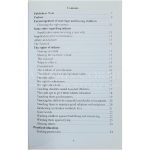
Guidelines For Raising Children
RM12.00
Hurry up, Only 1 left.

Highlights:
somdn_product_page
Compare
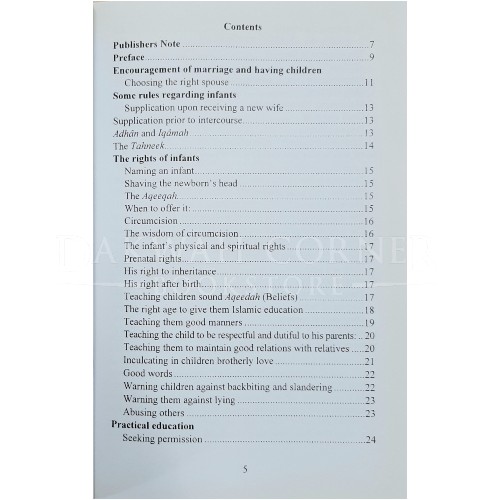
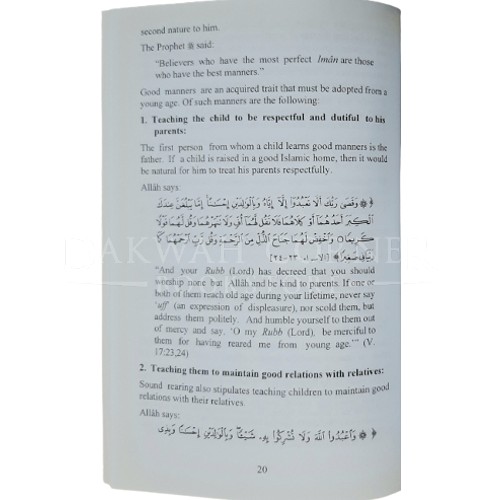
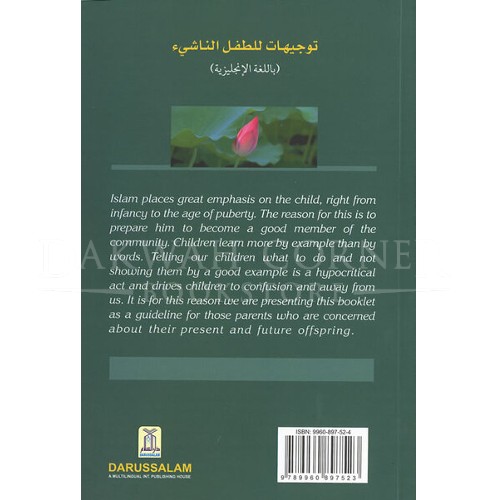
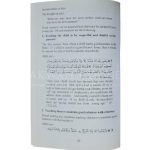
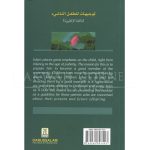
Islam places great emphasis on the child, right from infancy to the age of puberty. The reason for this is to prepare him to become a good member of the community. Children learn more by example than by words. Telling our children what to do and not showing them by a good example is a hypocritical act and drives children to confusion and away from us. It is for this reason we are presenting this booklet as a guideline for those parents who are concerned about their present and future offspring.
Frequently Bought Together
1 Item
RM12.00
1 Add-Ons
RM225.00
Total
RM237.00
Additional information
Reviews (0)
Be the first to review “Guidelines For Raising Children” Cancel reply
You must be logged in to post a review.
You may also like…
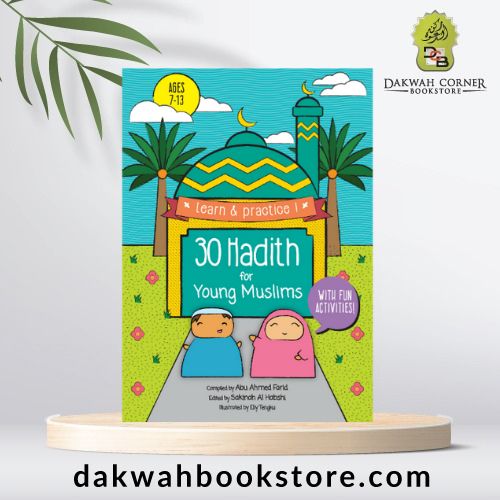
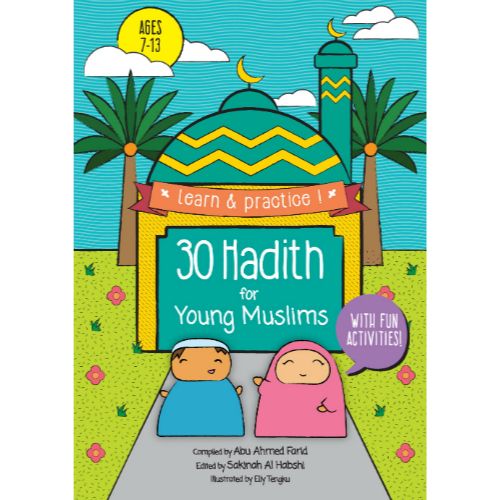
30 Hadith For Young Muslims
5 ★
5 ★
3 Ratings
5 ★
3
4 ★
0
3 ★
0
2 ★
0
1 ★
0
Highlights:
30 Hadith for Youn Muslims aims to educate children from their tender age with the sayings of our beloved Prophet Muhammad (PBUH) in a fun, colorful, and simplified modern approach.
Unique features such as lessons, discussion corners, and activities make it an ideal teaching tool for parents, teachers and educational institutions.
Its creative presentation invites readers to grasp the knowledge of the noble hadith and apply them in their lives.
RM21.00
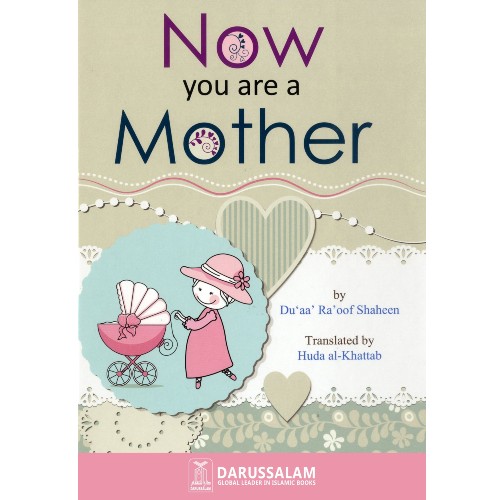
Now You Are A Mother (H/B)
Highlights:
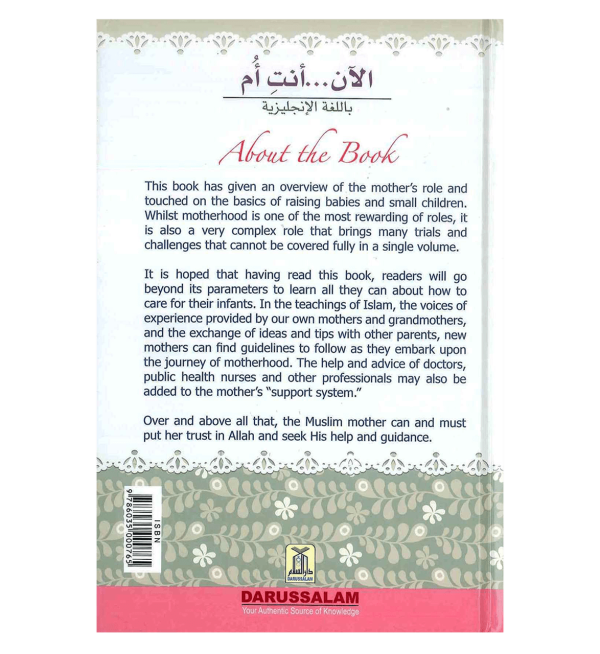
This book has given an overview of the mother’s role and touched on the basics of raising babies and small children. Whilst motherhood is one of the most rewarding of roles, it is also a very complex role that brings many trials and challenges that cannot be covered fully in a single volume.
It is a very good preparation guide for expectant/expecting mothers who are pregnant/in pregnancy as it will teach many useful practical tidbits on how to prepare and what to expect. It is also a very good parenting guide book for concerned fathers/husbands who will also have take care of their children.
It is hoped that having read this book, readers will go beyond its parameters to learn all they can about how to care for their infants. In the teachings of Islam, the voices of experience provided by our own mothers and grandmothers, and the exchange of ideas and tips with other parents, new mothers can find guidelines to follow as they embark upon the journey of motherhood. The help and advice of doctors, public health nurses and other professionals may also be added to the mother’s “support system.”
Over and above all that, the Muslim mother can and must put her trust in Allah and seek His help and guidance.
RM60.00
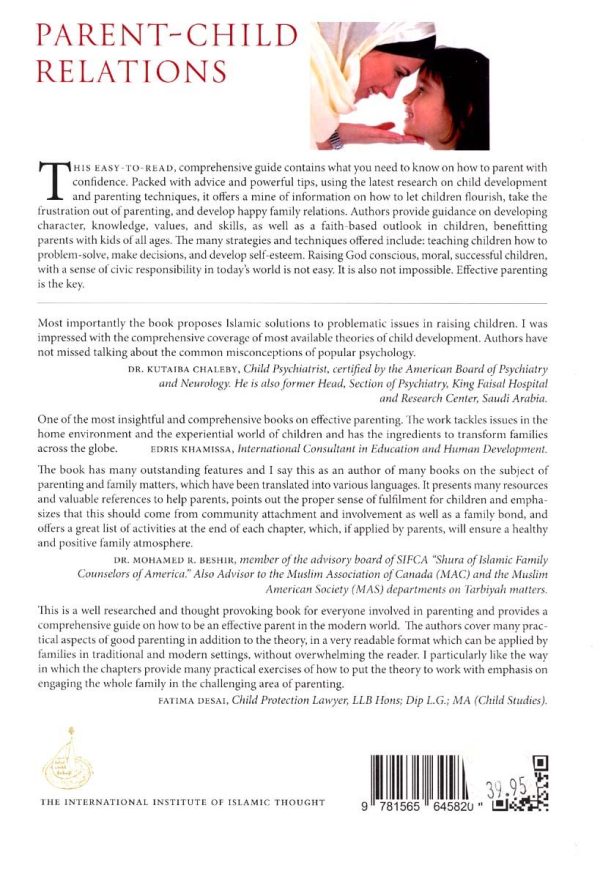
Parent-Child Relations A Guide To Raising Children (IIIT)
Highlights:
Raising God-conscious, moral, successful children with a sense of civic responsibility in today’s world is not easy. It is also not impossible. Effective parenting is the key. As parents struggle to raise successful children, they need knowledge and skills to communicate wisely with their children and create happy, loving family relationships and homes. Central to this knowledge is teaching children about Islam, the Qur’an, the lives of the prophets, and Muslim history.
This parenting series is dedicated to families wishing to raise their children to become men and women of caliber, possessing values and qualities of righteousness, honesty, courage, compassion, creativity, and faith, as well as strength of mind and a sense of responsible independence.
RM225.00
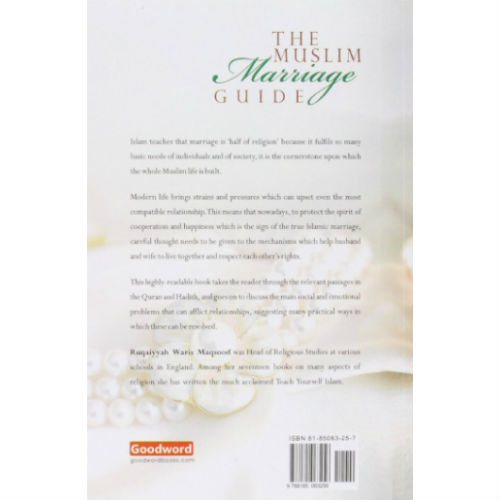
The Muslim Marriage Guide (P/B)
Highlights:
A much needed manual, this marvelous book that draws from Islamic sources to provide practical advice for a Muslim couple. Far from the sociological analysis or list of rules that fill other books about Islamic marriage, this book draws from the wisdom of the Sunnah to show how to love your partner in this life and prepare each other for the next. Written with plenty of real life experience (and even humor) from Muslims living in the West, the author balances the issues of male-female differences, respect for each others rights and needs and raising God-conscious children. A must read for anyone interested in marriage.
Modern life brings strains and pressures which can upset even the most compatible relationship. This means that nowadays, to protect the spirit of cooperation and happiness which is the sign of the true Islamic marriage, careful thought needs to be given to the mechanisms which help husband and wife to live together and respect each others rights.
This highly readable book takes the reader through the relevant passages in the Quran and Hadith (Islamic sources), and goes on to discuss the main social and economic problems that can afflict relationships, suggesting many practical ways in which these can be resolved.
RM25.00
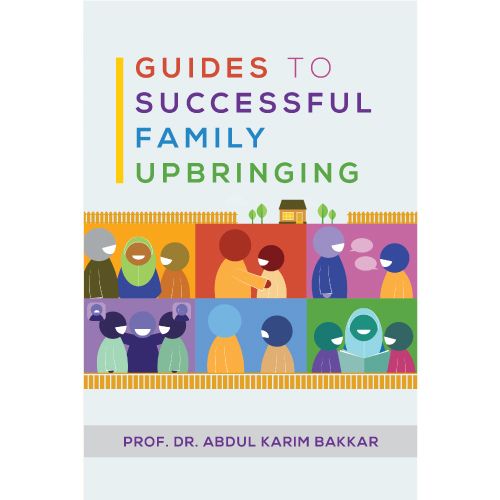
Guides to Successful Family Upbringing (Book 01-06)
Highlights:
This book aims to correctly guide its readers on how to build a family which is hoped by everyone, a home reigning in an atmosphere of peace, solidarity, tranquility, and righteousness. It also aims to help parents raise a successful generation that participates in the reformation and construction of the world according to the objectives of The Creator. Readers will be given a host of correct approaches, methods, and tools so our fragile proud (ie. children) will be equipped with skills in tackling challenges that have already become a normal part of modern life.
RM85.00
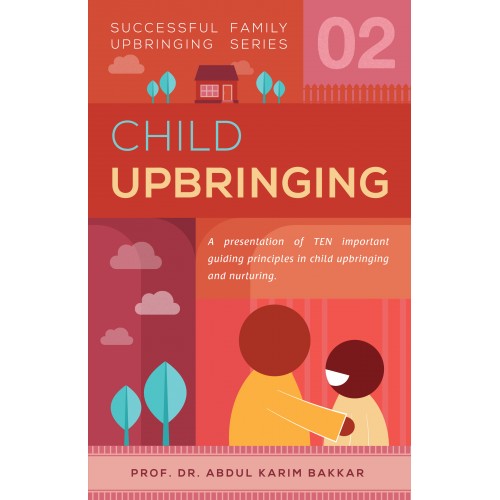
Child Upbringing (Successful Family Upbringing Series-02)
Highlights:
A presentation of ten important guiding principles in child upbringing and nurturing.
RM15.00
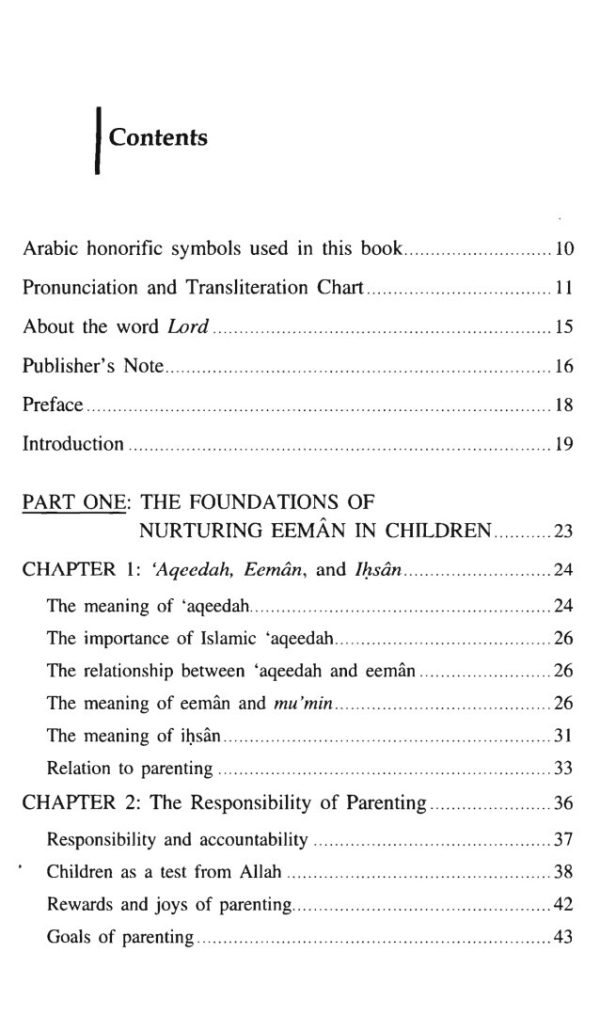
Nurturing Eeman In Children (H/B)
Highlights:
A plethora of parenting books on the market these days covers every aspect of dealing with your children. From the terrible twos to the troublesome teens, you will have no problem finding multitudes of books claiming to point you in the right direction when it comes to raising a child. Whether you’re aiming to raise a baby Einstein, or just looking for some hints on how to handle an unruly tyke or teen, you will no doubt find plenty of advice. Nurturing Eemân in Children, however, addresses an aspect of child-rearing that is vitally important and is not touched upon in the mainstream selections that we are so familiar with. In her book, Dr. Aisha (Hamdan) Utz clearly and in no uncertain terms explains the importance of instilling in our children a strong connection to their Creator and a love for the religion that He has chosen for us and for them. From this book, you will learn the what, the why, and the how of raising a righteous Muslim child.
RM60.00
Related Products

Lawful Wives or Unlawful Girlfriends
Highlights:
In the Name of Allah, the Most Beneficent, the Most Merciful
Allah (SWT) says: (If you fear that you will not be able to deal justly with the orphans, marry women of your choice, two or three or four; but if you fear that you shall not be able to deal justly (with them), then only one or (the captives or the slaves) that your right hands possess. That will be more suitable to prevent you from doing injustice) (An-Nisa’: 3).
Praise be to Allah (SWT) who has prescribed for His Servants a religion (Islam) that is beneficial to them in this world and the Hereafter, and Peace and Blessing be upon His Messengers and Prophets who were guided by His Guidance and conveyed His Religion. The last and seal of His Messengers was Muhammad Ibn Abdillah (SAW). He (SAW) was the best to advise his Ummah and convey the True Message, by words, deeds and his character. He (SAW) was the best model and example for the believers.
RM42.00

New Directions in Islamic Education : Pedagogy and Identity Formation (P/B)
Highlights:
New Directions in Islamic Education explores the relationship between pedagogy and the formation of religious identities within Islamic education settings that are based in minority and majority Muslim contexts. Based on empirical research, the book engages critically with the philosophical, theological and cultural dynamics that inform Muslim educational thought and practice. The book offers an integrated model of Islamic education that identifies the heart of the Islamic educational imagination as tarbiyah, a transformative process of becoming. Overall, this book seeks to ground the theory and practice of Islamic education within the experience of the educator and the learner, and it synthesises the spiritual foundations of Islam with the tradition of critical reflection within the classical Muslim educational heritage. This ground breaking and wide-ranging work should be of interest not only to Muslim educators and education specialists, but also to social scientists, theologians and policy makers.
RM120.00

Fundamentals of Islam (P/B)
Highlights:
Fundamentals of Islam is a revised English edition of the critically acclaimed Khutubah (original written in Urdu). It consist of Friday congregational addresses, in them he expounds familiar themes; like Iman, Islam, the Prayer, Fasting, Alms-giving, Pilgrimage and Jihad.
RM38.00

In Pursuit of Allah’s Pleasure
Highlights:
In this book the authors outlined a complete methodology for Islamic work today. From `Aqeedah to Da’wah, Jihad to Khilafah and Taqwa to Sabr (patience), they explained how all of these parts of Islam come together for the sole objective of each and every Muslim: to seek the Pleasure of Allah ( SWT ), the Irresistible. It was written in a manner portraying the true situation of the Muslims today and, coming from imprisoned scholars: a realistic portrayal.
This book is an excellent read by itself and an even better guide if used as a syllabus in learning Islam in an organised, collective manner. It is ideal as a basis for study circles and acts as a comprehensive manual. Coupled with the supplementary reading of some other books in the English language and memorisation of the Holy Quran, it can consolidate the knowledge of anyone seeking to work for Islam in this day and age.
Contents
Preface
Introduction
Part One: Our Ultimate Goal
Part Two: Our `Aqeedah
Part Three: Our Understanding
Part Four: Our Aim
Part Five: Our Path
Part Six: Our Provisions
Part Seven: Our Walaa’ (Loyalty)
Part Eight: Our ‘Adaa’ (Animosity)
Part Nine: Our Gathering
Glossary of Arabic Trems
The Twentieth Century has witnessed one of the fiercest blows inflicted upon our Ummah by our enemy: the collapse of the Khilafah. If only their conspiracy had stopped at the demise of Khilafah. But they went on to indoctrinate Muslims with strange, foreign ideas and concepts, in order to confuse our understanding of our Deen. Once we wake up and try to return to our original Deen, we will be confronted with an intellectual perplexity, in which evil and good is mixed. Hence, the truth will be ambiguous and we will go astray, and lose the true understanding of Islam.
And hold fast, all of you together, to the Rope of Allah (this Qur’an) and be not divided among yourselves.” [Surah Ale-Imran (3), Ayah 103.]
by Dr. Naahah Ibrahim, Asim Abdul Maajid and Esaam-ud-Deen Darbaalah
RM53.00


A Brief Illustrated Guide to Understanding Islam (P/B)
Highlights:
Discusses some evidence for the truth of Islam, the scientific miracles in the Holy Qur’an, and the great challenge to produce a single chapter like the chapters of the Holy Qur’an.
RM15.00

Journey to Islam: Diary of a German Diplomat 1951-2000 (The Islamic Foundation)
Highlights:
A lengthy process, rich in remarkable and thought-provoking events, including compelling encounters with Islamic philosophy, led the author to embrace Islam. His experiences since that time – such as his pilgrimages to Makkah – further deepened his understanding of, and identification with, this “fastest growing religion in Europe.” This “Diary” is, however, much more than a recorded soliloquy. It is a lively introduction to Islam as such – developed in the spiritual confrontation of a Muslim intellectual of European background with the ideology and value system of post-industrial western society.
RM25.00

Ibn Taymeeyah’s Essay on the Jinn (P/B) ASN
Highlights:
Dr. Abu Ameenah Bilal Philips has rendered Ibn Taymiyah’s treatise, Eedaah-ud-Dalaalah fee ‘Umoom-ir-Risaalah, from volume 19 of Majmoo‘-ul-Fataawa into very readable English. This abridged and annotated translation is significant in that it is perhaps the first book available in English exclusively on the topic of spirit-possession and exorcism in Islam.
Ahmad ibn ‘Abdul-Haleem ibn Taymeeyah was bron in the town of Harran [near Edessa, in what was once Northern Iraq, but is now called Orfa and is a part of Turkey.], in the year 1263 CE. His father was a leading scholar of the Hanbalite school of Islamic law and so was his grandfather, who authored Muntaqaa al-Akhbaar, the text of ash-Shawkaanee’s Hadeeth classic Nayl al-Awtaar.
Ibn Taymeeyah mastered the various disciplines of Islamic study at an early age and read extensively the books of the various sects and religions in existence at that time. Much of his time and effort was spend defending the orthodox Islamic position against a tidal wave of deviation which had swept over the Muslim nation. Consequently, he faced many difficulties from both the prominent sectarian scholars of his time and from the authorities who supported them. His clashes with them led to his imprisonment on numerous occasions. Ibn Taymeeyah also fought, not only against internal enemies of Islaam, but also against its external enemies by both his Fatwaas (Islamic legal rulings) and his physical participation in battles. His ruling allowing the taking up arms against groups which recognized the Shahaadataan (declaration of faith) but refused to uphold some aspects of the fundamental principles of Islaam, greatly affected the resistance movement against the Tartars who had declared their acceptance of Islaam but did not rule according to divine law.
During these struggles he wrote countless books and treatises demonstrating his extensive reading and knowledge, not only of the positions of the early scholars, but also those of the legal and theological schools which had subsequently evolved. Ibn Taymeeyah also had a major effect on the open-minded schoars of his day, most of whom were from the Shaafi’ite school of law. Among the most famous of his students were IBN KATHEER, ADH-DHAHABEE and IBN AL-QAYYIM. The author died in 1328 while in prison in Damascus for his Fatwaa against undertaking journeys to visit the graves of saints [Ibn Taymeeyah’s ruling was based on the authentic statement reported by Abu Hurayrah wherein the Prophet Muhammad (sallallaahu alayhi wasallam) said, “Do not undertake a journey except to three masjids; this masjid of mine, Masjid al-Haraam (Makkah) and Masjid al-Aqsaa (Bayt al-Maqdis).” Collected by Al-Bukhaaree and Muslim]. His Fatwaa had been distorted by his enemies to say that he forbade visiting the Prophet Muhammad’s (sallallaahu alayhi wasallam) grave.
RM33.00

Polygamy in Islam (P/B)
Highlights:
Polygamy is the Muslim practice most frequently and severely maligned by Westerners and modernist Muslims. This book can be read with profit by all unprejudiced readers who wish to know its justification and rationale.
One of the greatest contrasts between Islam and the West is their conflicting concepts of relations between the sexes. Indeed, the very first question a Muslim convert is confronted with by an American or European is ‘Why does Islam allow four wives?’ This book…replies straightforwardly to that question and much more.
The authors describe all the most important characteristics of marriage in Islam, pointing out that the Western notions of sex equality and romantic premarital ‘love’ are not necessary in Islamic marriage based on piety and the commitment on the part of both parents to win the pleasure of Almighty Allah.’
This book contains basic guides for anyone interested in understanding the rights and obligations of males and females in Islamic plural marriage. The guidelines have been drawn from the Quran, Hadith and opinions of Islamic scholars.
RM20.00

When Wings Expand (P/B)
Highlights:
Writing on the pages of her journal, Nur, a teenage girl in Canada, charts the onset and advance of her mother’s cancer. Nur watches her mother’s body begin to shrink and her mood begin to darken. And when family and friends begin to encroach, Nur must face the prospect of her mother’s looming death.
RM40.00

Kindness to Parents
Highlights:
Kindness to Parents is a very enlightening booklet by Abdul Malik Al-Qasim. He has collected several stories and narrations that demonstrate the Birr (being dutiful) and kindness to our righteous Salaf towards their parents’ needs and necessities, in obedience to Allah’s worship in sincerity. He refers from the Noble Qur’an that a man is never allowed to say ‘Uff” (fie) if he smells a bad order coming from his parents or one of them.
The author has exposed shortcomings and errors of many among us who don not preserve the rights of their parents.
RM17.00


A Guide to Salah (Prayer) (P/B)
5 ★
5 ★
1 Rating
5 ★
1
4 ★
0
3 ★
0
2 ★
0
1 ★
0
Highlights:
This book is the result of direct research into the Sunnah of Prophet Muhammad saw and makes numerous references to the original sources. It contains all the essential details of salah without being too bulky or complicated, thus making it an ideal reference book either at home or while travelling.
A clear and concise explanation on how to pray. Also gives a detailed description of the preliminaries to salah, and different types of salah, with easy-to-follow illustrations.
RM16.00


Islam A Total Beginners Guide – Part Three (P/B)
Highlights:
In present era we are facing lot of questions:
• What is status of women in Islam?
• Who is superior – man or women?
• What does Islam say about inter-religious marriages, man’s treatment towards his wife and privacy in homes?
• What does Islam say about dress, veil, clothing and ornaments, perfumes and the wisdom of banning gold and silk for men?
This beginner’s guide to Islam answers all such questions.
RM45.00
Recently Viewed
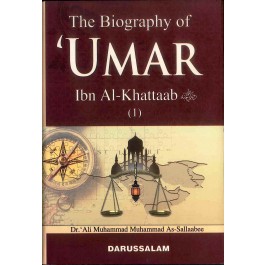
The Biography Of ‘Umar (2 Volumes) – Darussalam
Highlights:
This book describes, among other things, the principles based upon which ‘Umar ibn al-khattab governed the Muslims during his caliphate; among those principles were mutual consultation, justice, equality among people, and honoring of freedoms.
With the turn of every page, the reader will come to appreciate the fact that Umar was exceptional in his faith, distinguished in his knowledge, profoundly wise in his thinking, remarkable in his eloquence, noble in his manners and great in the contributions he made to this nation.
RM112.00
The Muslim Marriage Guide (P/B)
Highlights:
A much needed manual, this marvelous book that draws from Islamic sources to provide practical advice for a Muslim couple. Far from the sociological analysis or list of rules that fill other books about Islamic marriage, this book draws from the wisdom of the Sunnah to show how to love your partner in this life and prepare each other for the next. Written with plenty of real life experience (and even humor) from Muslims living in the West, the author balances the issues of male-female differences, respect for each others rights and needs and raising God-conscious children. A must read for anyone interested in marriage.
Modern life brings strains and pressures which can upset even the most compatible relationship. This means that nowadays, to protect the spirit of cooperation and happiness which is the sign of the true Islamic marriage, careful thought needs to be given to the mechanisms which help husband and wife to live together and respect each others rights.
This highly readable book takes the reader through the relevant passages in the Quran and Hadith (Islamic sources), and goes on to discuss the main social and economic problems that can afflict relationships, suggesting many practical ways in which these can be resolved.
RM25.00
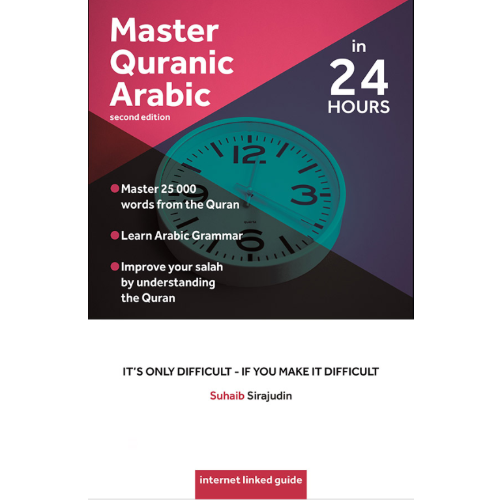
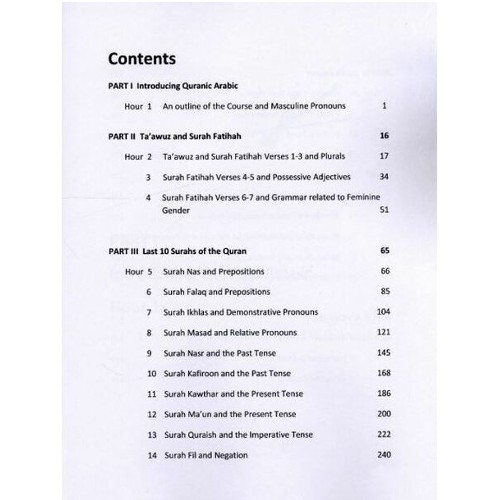
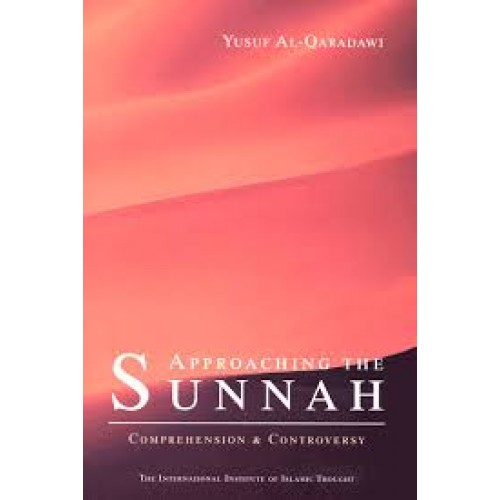
Approaching the Sunnah: Comprehension & Controversy (P/B)
Highlights:
The Sunnah still provides the stable moral framework – the grammar – that enables Muslims, by formal rules and inward sense, to know right from wrong. However, separation from the mainstream of life puts the Sunnah in danger of becoming rigid – an archaism. Addressing that danger, this book explains how the Sunnah can function as the grammar of a living, adaptive language, capable of guiding (and not shying from) the mainstream.
The first chapter sets out the qualities that characterize authentic application of the Sunnah: universality, coherence (so that different spheres of human responsibility are not split), compassionate realism, moderation, and humility. The second explains standards and procedures for determining the Sunnah in the fields of jurisprudence and moral instruction. The third chapter illustrates through detailed examples common errors in understanding the Sunnah – reading hadiths singly without sufficient context, confusing legal and moral injunctions, means and ends, figurative and literal meanings…–and it proposes remedies for these errors.
YUSUF AL-QARADAWI is one of the Islamic world’s most widely respected and prolific scholars. His works have remained popular over many decades. Among the best known of his books to appear in English is The Lawful and the Prohibited in Islam (first edition 1994).
RM75.00
Muhammad His Character and Conduct
Highlights:
Seerah and Biographies
RM96.00

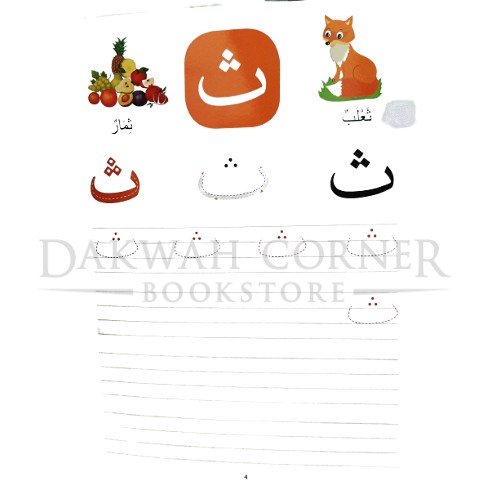
Wipe-Clean Arabic Alphabet P/B
Highlights:
Wipe and Clean Arabic Alphabet introduces children to Arabic alphabet in a very clear, fun and engaging manner. Wipe and clean book is a perfect way to build your child’s early Arabic alphabet recognition and writing skills. Your little one will love discovering Arabic letters and write and wipe them again and again until they feel confident to write them alone.
RM15.00
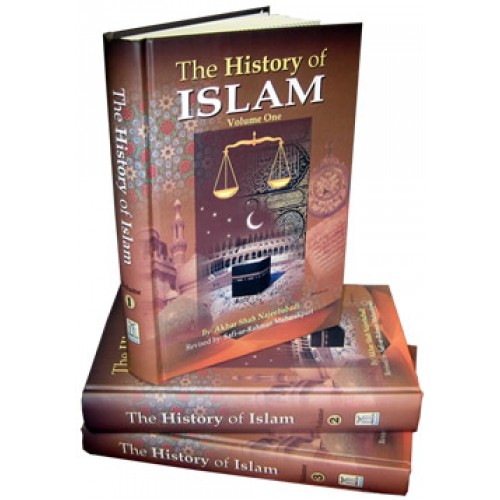
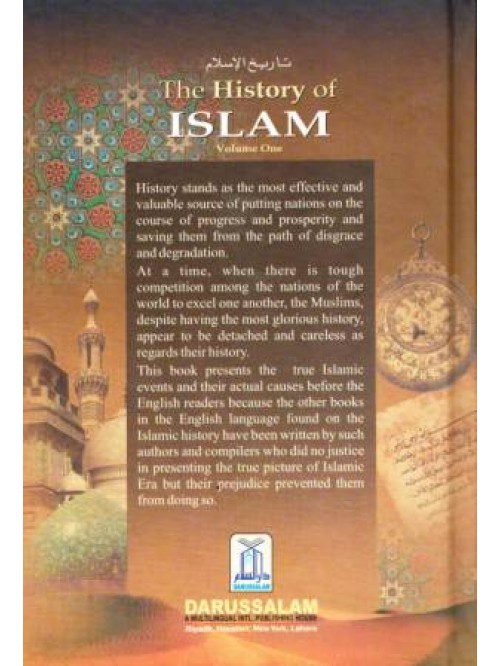
The History of Islam 3 Vol (H/B)
Highlights:
History stands as the most effective and valuable source of putting nation on the course of progress and prosperity and saving them from the path of disgrace and degradation.
At a time, when there is tough competition among the nations of the world to excel one another, the Muslim, despite having the most glorious history, appear to be detached and careless as regards their history.
This book presents the true Islamic events and their actual causes before the English readers because the other books in the English language found on the Islamic history have been written by such authors and compilers who did no justice in presenting the true picture of Islamic Era but their prejudice prevented them from doing so.
RM250.00
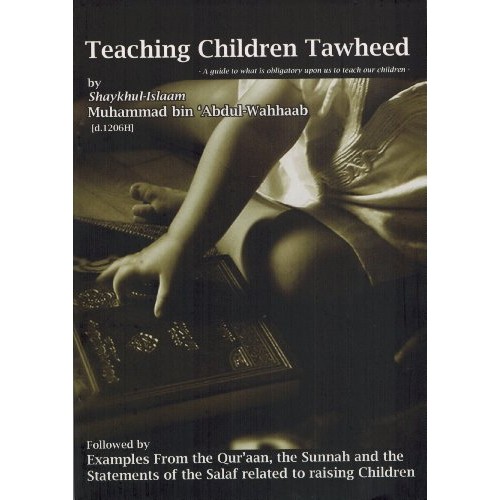
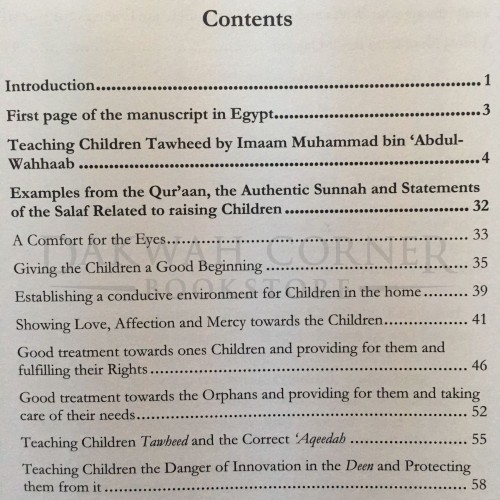
Teaching Children Tawheed (P/B)
Highlights:
The noble Imam, Shaykh Muhammad bin ‘Abdul-Wahhab said:
“So this beneficial treatise is in regards to what is obligatory upon the human being to teach the children, before teaching them the Qur’an, so he becomes a person who is complete, upon the fitrah of Islam, and a good, firm muwwahid (person of Tawheed) upon the path of Eman (true, correct faith).”
RM65.00

A Guide to Male-Female Interaction
Highlights:
Are Muslim men allowed to interact with female students, and vice versa, in a virtual classroom? Can a Muslim woman pursue a professional career that necessitates her interaction with men? Is it appropriate for a woman to serve her husband’s guests? Do mixed wedding ceremonies comply with the Sharia? Read this bilingual book to find the answers and more!
RM56.00
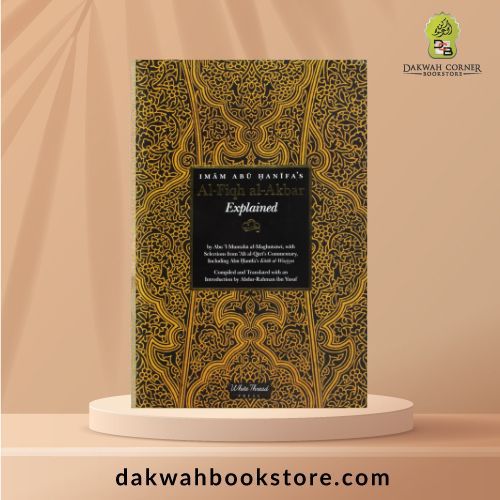
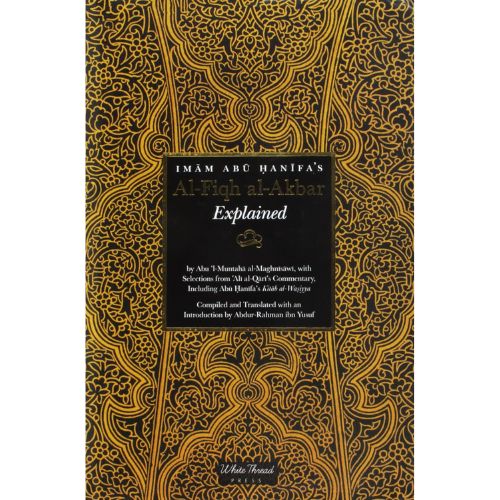
Al-Fiqh Al-Akbar Explained
Highlights:
Al-Fiqh al-Akbar is one of the earliest texts written on Islamic creed and one of the surviving works of Abu Hanifa, the Great Imam of jurisprudence and theology.
RM110.00
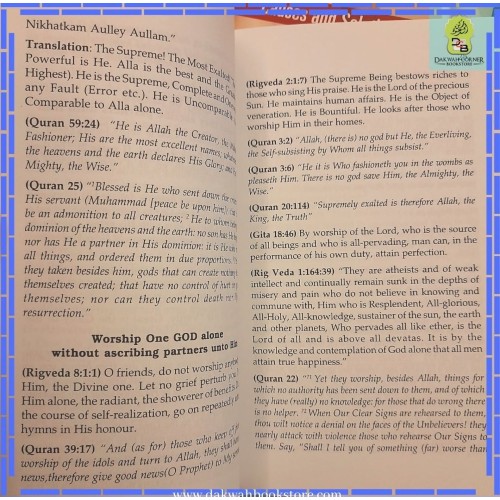
Hadith Nomenclature Primers
Highlights:
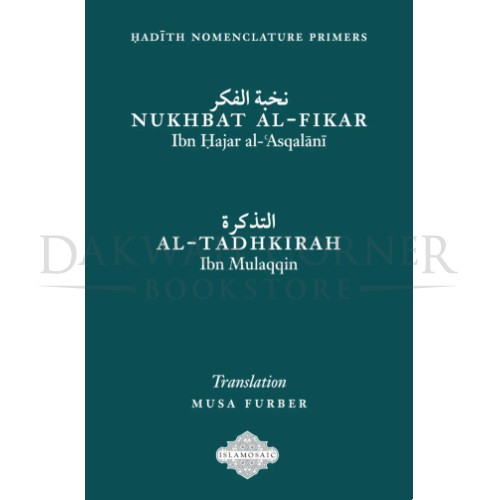
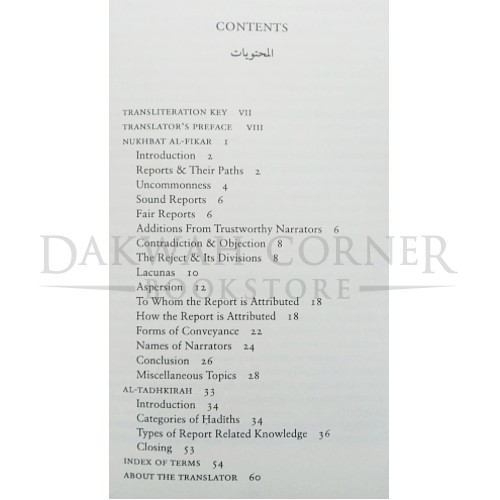
This volume presents two primers on the discipline of hadith nomenclature (mustalah al-hadith) and the authentication of transmitted reports. They are Nukhbat al-fikar (“Chosen Thoughts on the Nomenclature of Hadith Experts”) by Ibn Hajar al-‘Asqalani (773-835AH); and Al-Tadhkirah (“The Memorandum”) by Ibn al-Mulaqqin (723-804AH). These primers were written to facilitate speedy mastery of the discipline’s core material. Although the primers focus on definitions, they also include methods for addressing problems specific to the topic. Students would often commit a primer to memory while studying it with a living master who would explain its content in detail and demonstrate its application. It is through this interaction between students and instructors that Islamic education transmits both knowledge and skills across generations. In translation, these primers are ideal for English-speaking instructors looking for a primary text covering the subject’s core concepts. The translations will also benefit students looking to review their lessons or to prepare themselves for more advanced studies.
RM34.00
30 Cara Untuk Memperoleh Kebahagiaan
Highlights:
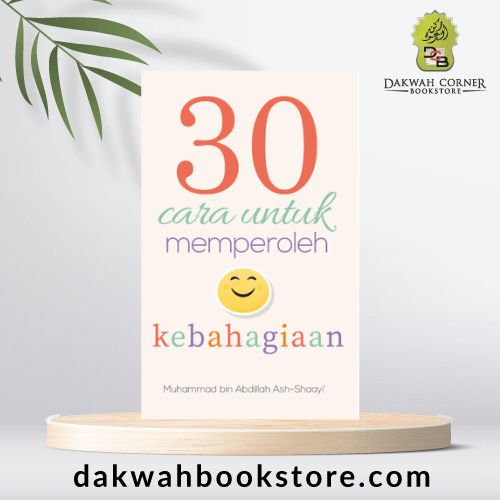
Buku yang hebat ini adalah panduan bogi semua masyarakat Islam terutamanya dalam kehidupan seharian kita kerana ia menyajikan cara-cara menghadapi kitaran hidup seharian, menerima masa lalu dan bersiap menghadapi hari esok berdasarkan pengajaran Al-Quran & Sunnah.
RM10.00 RM15.00
There are no reviews yet.