


| Weight | 0.29 kg |
|---|---|
| Product Type | Book |
| Author | |
| Publisher | The Islamic Foundation UK |
| Pages | 162 |
| ISBN | 0860375404 |
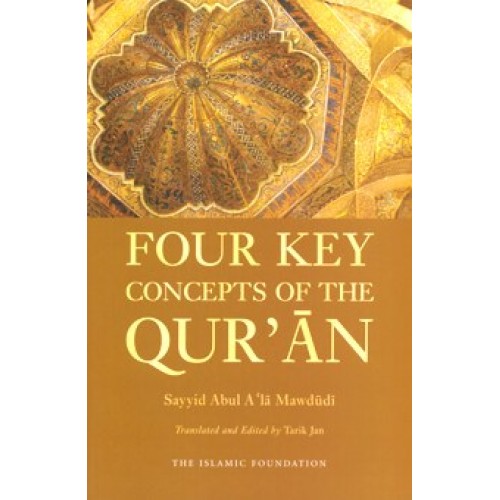
Four Key Concept of the Qur’an
RM46.00
Hurry up, Only 1 left.
Highlights:
somdn_product_page
Compare
Four Key concepts oF the Qur’An elucidates these basic Qur’anic concepts Ilah, Rabb, Ibadah and Din in order to bring out fully the Islamic way of life, as distinct from other perspectives. This elaboration goes a long way in developing a sound understanding of the Qur’an. It also explains the man-God relationship in Islam, guiding Muslims on how to lead their lives in total surrender to Allah.
SKU: QQ86
Categories: Holy Quran and Quranic Sciences, Quranic Science/ Related
Additional information
Reviews (0)
Be the first to review “Four Key Concept of the Qur’an” Cancel reply
You must be logged in to post a review.
Related Products
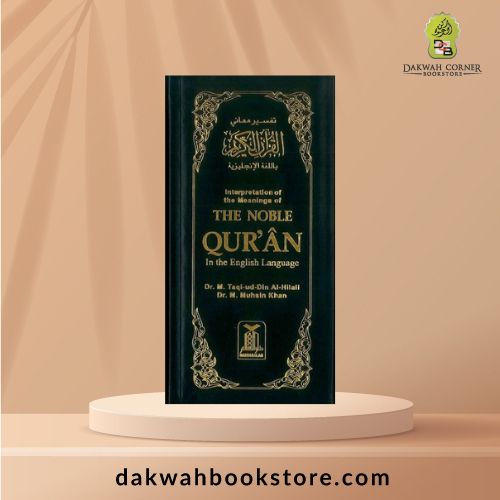
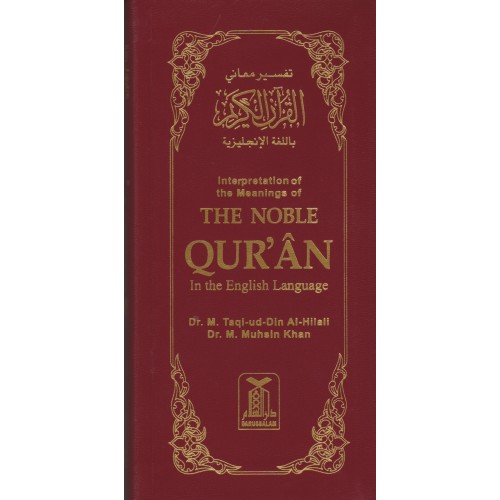
The Noble Quran (Tall Version English Text Only) (RANDOM COLOR)
Highlights:
Interpretion of the meanings of The Noble Quran in the English Language.
RM60.00

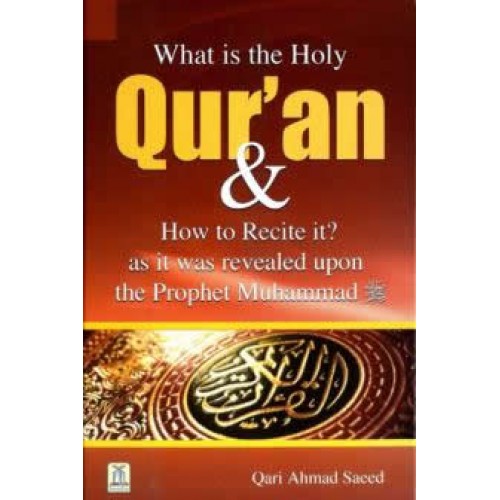
What is the Holy Quran & How to Recite it? (H/B)
Highlights:
This book guides readers to pronunciate the Arabic alphabet from their correct point of articulations. It also guides them to recite the Holy Qur’an according to the laws and principles of the art of recitation and intonation.
The correct pronunciation of the Arabic words and alphabet was difficult to some extent for the people living in the West as compared to those of East. So they need some more efforts to solve this problem and to make it easy for them.
By the grace of Allah, this book will do the job successfully and in a very convenient way.
RM46.00
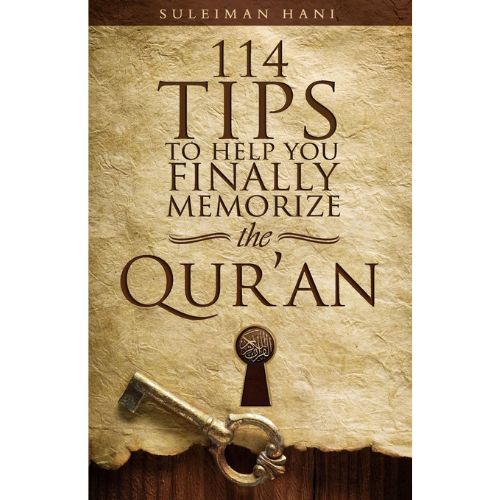
114 Tips to Help You Finally Memorize The Qur’an (P/B)
5 ★
5 ★
1 Rating
5 ★
1
4 ★
0
3 ★
0
2 ★
0
1 ★
0
Highlights:
“114 Tips to Help You Finally Memorize the Qur’an is a concise book that aims to equip readers of all backgrounds with the information and techniques necessary in order to begin, continue with, and complete the memorization of the Qur’an, eliminating thereby the common excuse and reasons for not memorizing.”
RM80.00
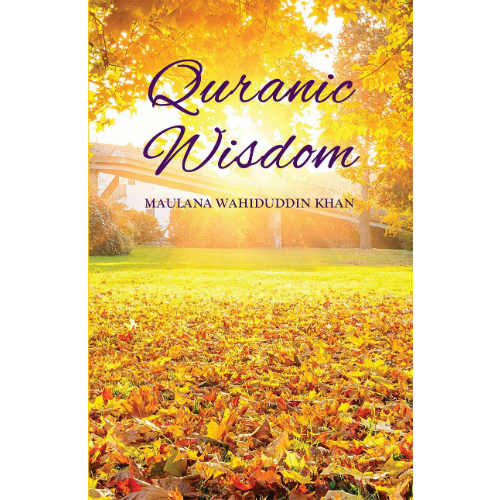
Quranic Wisdom
Highlights:
According to the Quran, a person’s life has been divided into two phases: the pre-death period and the post-death period.
The present life is only temporary and is meant as a test. Depending upon our performance in this test, we shall be judged in the eternal life after death. The Quran aims to make one aware of this reality and help one lead one’s life in this world in such a way that one is rewarded with Paradise in the life Hereafter
RM20.00
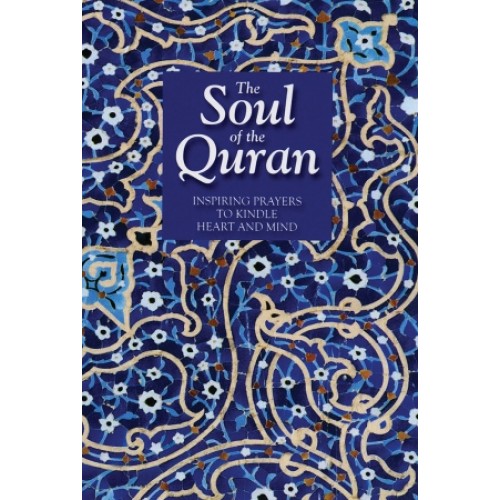
The Soul of the Quran (P/B)
Highlights:
This book is a unique collection of prayers and verses distilled from the Sacred Book. It contains one hundred and fifty four passages of exquisite beauty, majestic prose and breadth of vision. Lucid in style and rich in spiritual wisdom, they have been judiciously selected to inspire and uplift the soul.
RM14.00


The Sources of the Qur’an
Highlights:
“Who is the author of the Qur’an?” On this subject scholars have flagrantly contradicted each other. This work attempts to make a critical review of the major ‘authorship’ theories by pressing into service logical arguments, historical evidence, textual analysis and scientific data. Probably, the only point of agreement about the Qur’an is that it was uttered for the first time by a man who was born in Makkah (Mecca), a city of Arabia, in the sixth century—a man by the name of Muhammad (blessings and peace be upon him). As to the source of the Qur’an, scholars are divided into three main groups: those who believe that Muhammad (blessings and peace be upon him) himself was the author; those who believe that he was not the author himself but learned it from another human author or authors; and those who believe that the Qur’an has no human author but is rather a word-for-word revelation from God. Hamza Njozi examines the three theories and comes to a firm and logical conclusion.
RM14.00
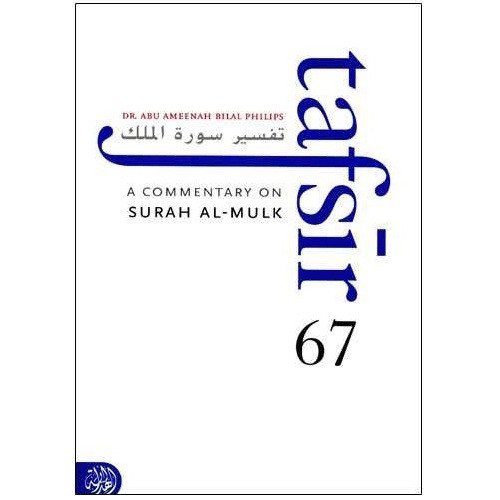
Tafsir 67 : A Commentary on Surah al Mulk (P/B)
Highlights:
The beauty of the Qur’an is such that its miracles cannot truly be understood until one contemplates every verse of every surah; this alone makes tafsir one of the most amazing sciences of Islam. Surah Al-Mulk is a chapter of the Quran which would be recited every night by the Prophet (peace be upon him), in its midst are deep meanings which highlight the purpose of our creation, as well as entailing the message of Islam. In this book, the author takes the reader on a wonderful journey through the gardens of the first surah in the 29th Juzz of the Qur’an.
About the Author: Dr. Philips was born in 1947 in Jamaica, but grew up in Canada, where he converted to Islam in 1972. He completed a diploma in Arabic language and a B.A. degree in 1979 from the College of Islamic Disciplines at the Islamic University of Madinah, an Islamic university in Saudi Arabia. At the University of Riyadh College of Education he completed his M.A. in Islamic Theology in 1985, and in 1994 he completed his Ph.D in Islamic Theology in the department of Islamic studies at the University of Wales. He later taught Islamic education and Arabic language in private schools in Riyadh for over ten years. Because of his opposition to Saudi Arabia’s position in the Gulf War, he had to leave the country and for three years he lectured M.Ed. students in the Islamic Studies department of Shariff Kabunsuan College (SKC) in Cotabato City, Mindanao, the Philippines. Islamic Information Center Since 1994, he has founded and directed the Islamic Information Center (which is now known as Discover Islam) in Dubai, United Arab Emirates, and is known as a prolific speaker and author on topics relating to Islam, including audio lectures and books. Presently, he is a lecturer of Arabic language and Islamic Studies at the American University in Dubai and ‘Ajman University in Ajman, United Arab Emirates. He frequently appears at the Islamic Research Foundation in Mumbai, India, on lecture tours. He has also founded the Distance Learning Program called Islamic Online University, which offers a four year degree in Islamic Studies plus a variety of short courses. Dr. Philips is something of a pioneer as a person of Western origin achieving the status of a scholar of Islam inside the tradition.
RM63.00
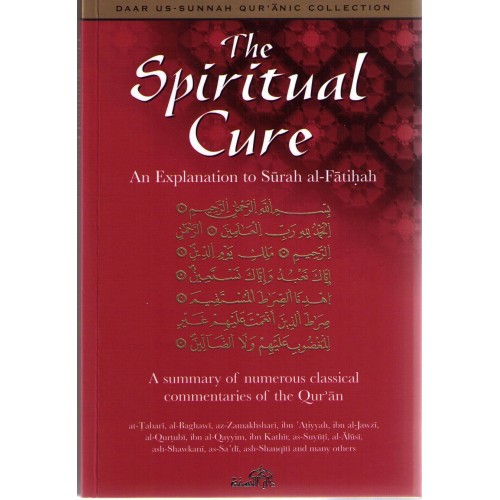
The Spiritual Cure An Explanation to Surah al-Fatihah (P/B)
Highlights:
Surah al Fatiha is the greatest chapter of the Qur’an, its like is not found in the rest of the Book or in the previous scriptures. It is a
Light that was granted to Prophet Muhammad (S) which had not been granted to any other Prophet or Messenger before him; indeed
some of the Salaf stated that when this chapter was revealed, Shaytãn l let out a great cry of lament.
It holds a central position in the daily Prayer hence the daily life of the Muslim.
The underlying theme, of al-Fatiha is one of contemplation and serenity; pondering the Names and Attributes of Allah, pondering the creation , and acknowledging that He Alone deserves praise and Worship, that He Alone should be asked for help, that He Alone Should be feared and hoped in, that He Alone should be invoked, that there is indeed a Day of Judgment, and that guidance has come to us and we are required to follow it.
It calls us to carefully scrutinise our relationship with our Lord: are we living according to the dictates of ‘none has the right to be worshipped save of Allah’ or not? This opening chapter, despite its brevity, calls man to fulfil the rights of Tawhid, the right that Allah has over us to worship Him Alone without any partner
A Summary of numerous Classical Commentaries of the Qur’an
at-Tabari, al-Baghawi, Az-Zamakhshari, ibn Atityyah, Ibn Jawzi, Al-Qurtubi, Ibn Qayyim, Ibn Kathir, as-Suyuti, Alusi, ash-Shawkani, as-Sa’di, ash-Shaqiti and many Others
RM73.00
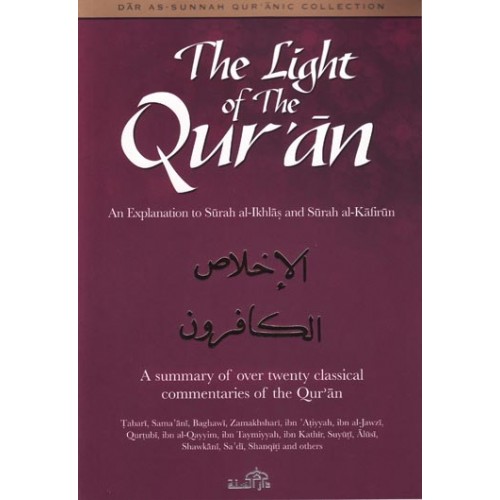
The Light of The Qur’an
Highlights:
The Prophet peace and blessings of Allah be upon him, passed by a person reciting Surah Al – Kafirun and remarked, “He has been saved from shirk”. He passed by another reciting Surah Al – Ikhlas and remarked. Paradise has become obligatory for him. Reported by Muslim.
These two chapters have both been given the title Al-Ikhlas, or purity of faith, because they deal with the topic of Tawhid in all its various aspects. Al – Ikhlas concentrates on the pure, essential faith in Allah that all mankind is required to have. Al – Kafirun deals with purity of deed and disavowal of disbelief and paganism. Both chapters lay out the parameters of mans relationship with his/her lord and creator, as well as his/her relationship those around him/her.
Pure, unblemished monotheism combined with sincerity in belief and deed defines the relationship with Allah. Hi is one and only true God, unique, without peer, equal or opposite, and nothing is like on to him. He is the one who stands in need of nothing whereas everything is in dire need of him.
Maintaining the essential Muslim identity and character defines the relationship between the Muslim and his fellow man. The Muslim is unambiguous about his religion, truthful and upright in speech, deed and his dealings with those around him. Hi is proud of his faith and has unshakable conviction in it. He loves his lord, his Messenger and the Muslims and is loyal to them. Because of this, the dearest thing to him is his religion and he will not compromise it, pleasing Allah comes before pleasing the people.
The prophet would frequently recite these two chapters in prayer because of the commonality of their theme and to stress that success is achieved, in this life and the next, by internalising their message and living by it.
RM41.00
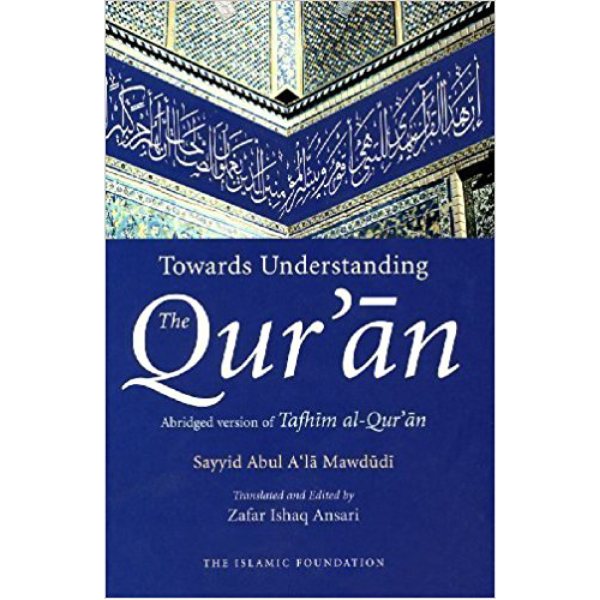
Towards Understanding The Quran : English/Arabic Edition (with commentary in English) (H/B)
Highlights:
Towards Understanding The Qur’an Abridged version is a fresh English rendering of Tafhim al-Qur’an, Sayyid Mawdudi’s monumental and masterly Urdu translation of the Qur’an and a selection of his commentary. Here is a work with a difference, by a scholar of an entirely different sort. An immense wealth of profound understanding of the Qur’an is here, a vast treasure of knowledge and deep insight, and a valuable exposition of some social, political, economic and legal teachings of the Qur’an. But what makes this work unique is that it presents the Qur’an as a book to be lived by, a mission to be lived for, and a duty that the reader can no longer evade or postpone. This rare quality is imparted not only by the depth of his scholarship and style of exposition but also because Sayyid Mawdudi lived by what he expounded as his life abundantly proves. Despite being an abridged version it endeavors to answer many contemporary questions and makes the Qur’an fully relevant to the concerns of our day, yet it loses nothing of its timelessness nor sacrifices any of the traditional understanding. It demonstrates the unity and coherence of the Qur’an by centering everything in it on its message, like pearls hung upon a single thread. A Glossary, Biographical Notes, and General and Subject Indexes add to the understanding of the Qur’an. To sum up: in this work, Sayyid Mawdudi is offering us what we need most to understand and live by the Qur’an.
RM120.00

Starting from Scratch – Tajweed Made Easy
Highlights:
Holy Quran and Quranic Sciences
RM10.00
Recently Viewed

Goodword Islamic Studies Textbook for Class 8
Highlights:
This course has been designed to present the young students comprehensive Islamic education, comprising general Islamic knowledge based on the Quran and Hadith. Instead of teaching moral principles directly, they are taught through themes chosen from the Quran and other Islamic sources. A major portion of the course comprises the text of the Quran, which is followed by exercises to test the depth of understanding of the students. Though basically intended for use as a school text book, it is also an ideal tool for home schooling involving both the parents and the children. In this way children will nt only learn the ethical values conveyed by the message of Islam but will also be stimulated to want to know more about Islamic teachings when they grow up..
RM17.00

Goodword Islamic Studies Textbook for Class 7
Highlights:
This course has been designed to present the young students comprehensive Islamic education, comprising general Islamic knowledge based on the Quran and Hadith. Instead of teaching moral principles directly, they are taught through themes chosen from the Quran and other Islamic sources. A major portion of the course comprises the text of the Quran, which is followed by exercises to test the depth of understanding of the students. Though basically intended for use as a school text book, it is also an ideal tool for home schooling involving both the parents and the children. In this way children will nt only learn the ethical values conveyed by the message of Islam but will also be stimulated to want to know more about Islamic teachings when they grow up..
RM17.00
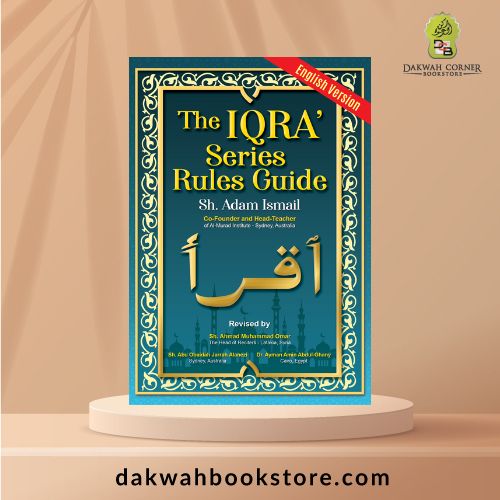
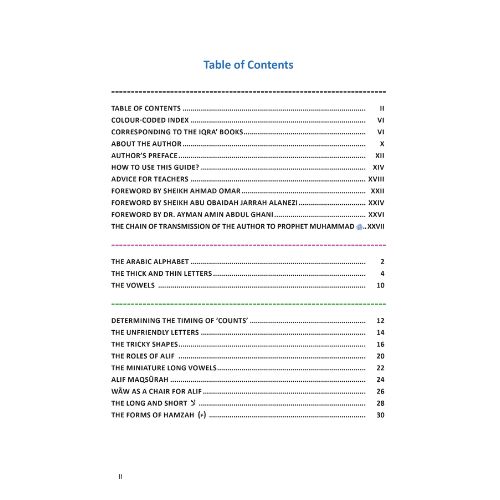
The Iqra’ Series Rules Guide
Highlights:
- This guide is a must for anyone studying or teaching from the IQRA’ Series! Aimed at children and adults to be used by schools, mosques and learning centres.
- This guide contains all the Tajwīd rules needed throughout the IQRA’ series. It introduces each rule based on the same structure and patterns of the IQRA’ Series.
- This guide has been designed to make it as easy as possible to achieve a beautiful and elegant recitation, whilst also having a firm grasp of all the required theory.
RM30.00
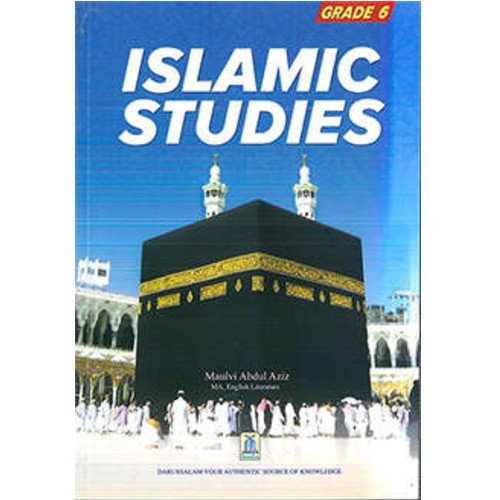
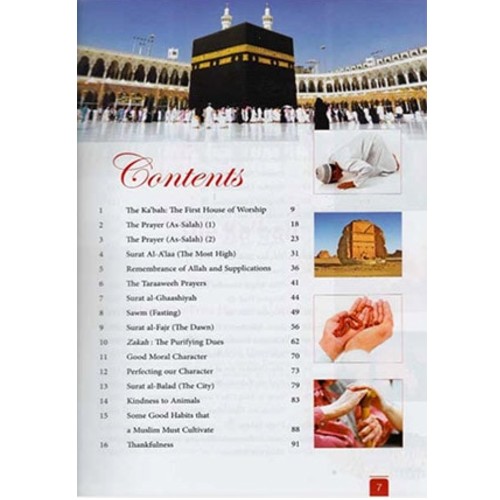
Islamic Studies Grade 6 – Darussalam
Highlights:
This full-color Grade 6 textbook (for the sixth grade or similar level) is part of the Islamic Education series which covers all areas of Islamic studies: Tafseer, Hadeeth, Tawheed, Fiqh, Seerah, and general etiquette relating to different areas and situations.
RM120.00
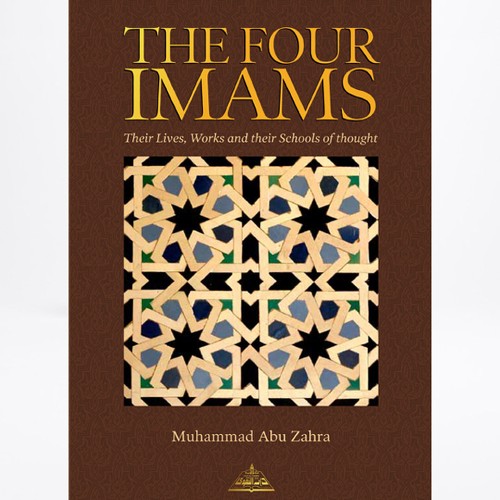
The Four Imams
Highlights:
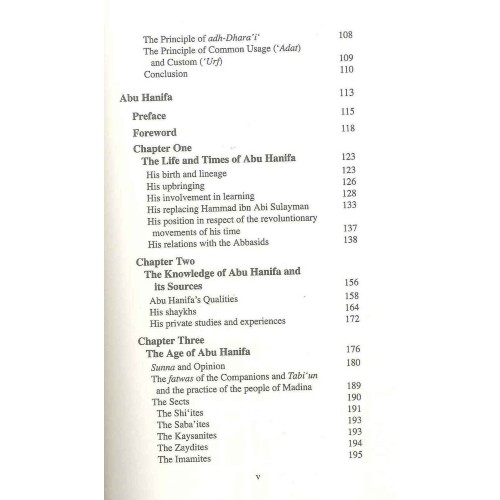
The Four Imams – Their Lives, Works And Their Schools Of Thought.
This book is a compilation of four books which deal with the lives and works of the four imams who founded the four great canonical schools of thought of Islamic fiqh; Imam Abu Hanifah, Imam al-Shafi’i, Imam Malik Ibn Anas & Imam Ahmad Ibn Hanbal. The book was originally written in Arabic by the great Egyptian scholar and theologian Muhammad Abu Zahra and is presented in English for the first time.
RM200.00
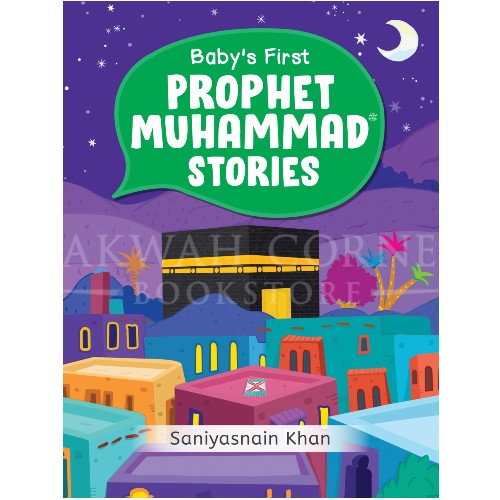
Baby’s First Prophet Muhammad Stories (H/B)
Highlights:
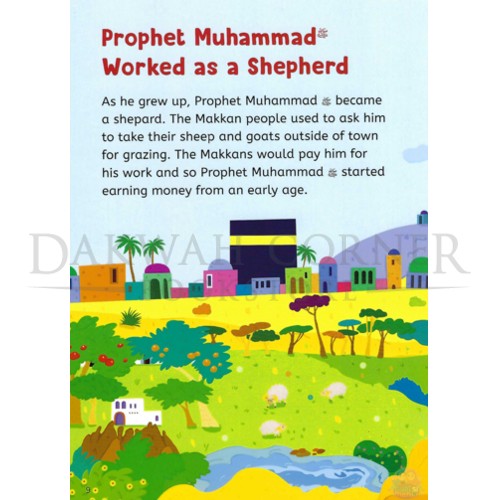
Baby’s First Prophet Muhammad Stories is a wonderful way to introduce your little ones to some of the best loved stories from the life of the Prophet Muhammad. These 20 easy-to-read stories, each accompanied with morals or prayers, are brought beautifully to life with bright, colourful illustrations, making the life of the Prophet more meaningful to young minds.
RM60.00
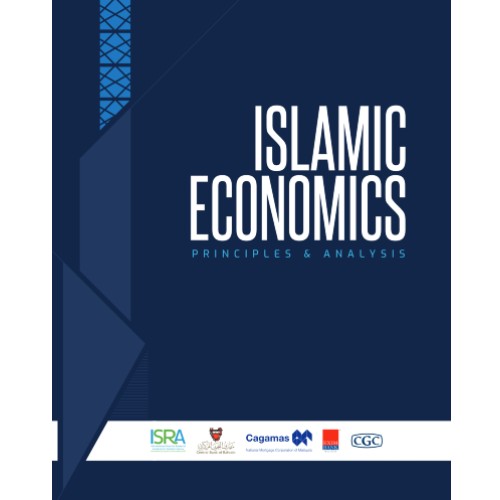
Islamic Economics : Principles & Analysis (P/B)
Highlights:
Economics is a social science that studies the behaviour and interactions of economic agents and analyses how economies work at the macro- and micro-levels. It studies production, distribution and consumption of goods and services, identifies economic problems and phenomena, and addresses economic questions from a positive perspective (what is) as well as a normative (how it should be) perspective. Islamic economics examines the same areas as its conventional counterpart. However, it involves the application of Sharīʿah to the different economic functions and issues. It is postulated that Islam offers a better approach compared to conventional economics in managing economic activities and solving economic and social issues.
RM180.00
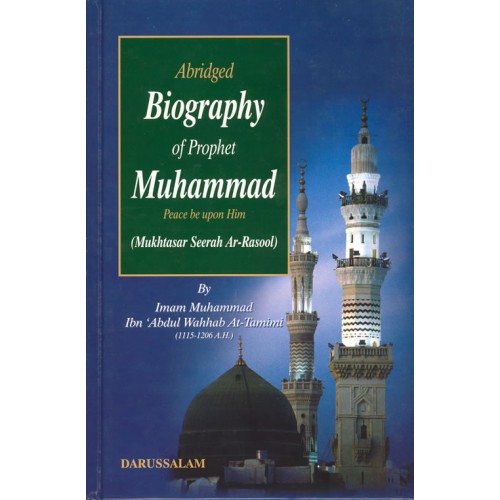
Abridged Biography of Prophet Muhammad
Highlights:
Seerah and Biographies
RM39.00


In Pursuit of Allah’s Pleasure
Highlights:
In this book the authors outlined a complete methodology for Islamic work today. From `Aqeedah to Da’wah, Jihad to Khilafah and Taqwa to Sabr (patience), they explained how all of these parts of Islam come together for the sole objective of each and every Muslim: to seek the Pleasure of Allah ( SWT ), the Irresistible. It was written in a manner portraying the true situation of the Muslims today and, coming from imprisoned scholars: a realistic portrayal.
This book is an excellent read by itself and an even better guide if used as a syllabus in learning Islam in an organised, collective manner. It is ideal as a basis for study circles and acts as a comprehensive manual. Coupled with the supplementary reading of some other books in the English language and memorisation of the Holy Quran, it can consolidate the knowledge of anyone seeking to work for Islam in this day and age.
Contents
Preface
Introduction
Part One: Our Ultimate Goal
Part Two: Our `Aqeedah
Part Three: Our Understanding
Part Four: Our Aim
Part Five: Our Path
Part Six: Our Provisions
Part Seven: Our Walaa’ (Loyalty)
Part Eight: Our ‘Adaa’ (Animosity)
Part Nine: Our Gathering
Glossary of Arabic Trems
The Twentieth Century has witnessed one of the fiercest blows inflicted upon our Ummah by our enemy: the collapse of the Khilafah. If only their conspiracy had stopped at the demise of Khilafah. But they went on to indoctrinate Muslims with strange, foreign ideas and concepts, in order to confuse our understanding of our Deen. Once we wake up and try to return to our original Deen, we will be confronted with an intellectual perplexity, in which evil and good is mixed. Hence, the truth will be ambiguous and we will go astray, and lose the true understanding of Islam.
And hold fast, all of you together, to the Rope of Allah (this Qur’an) and be not divided among yourselves.” [Surah Ale-Imran (3), Ayah 103.]
by Dr. Naahah Ibrahim, Asim Abdul Maajid and Esaam-ud-Deen Darbaalah
RM53.00
Losing My Religion: A Call For Help (P/B)
Highlights:
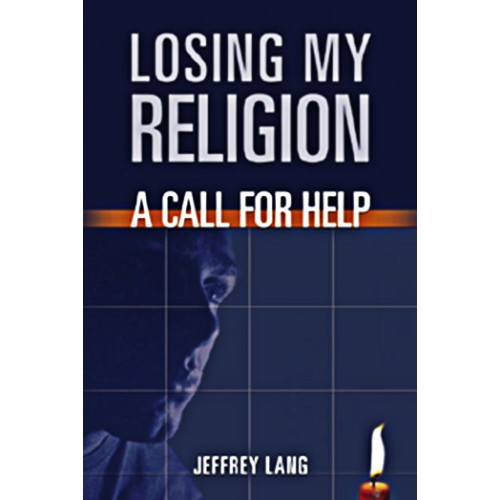
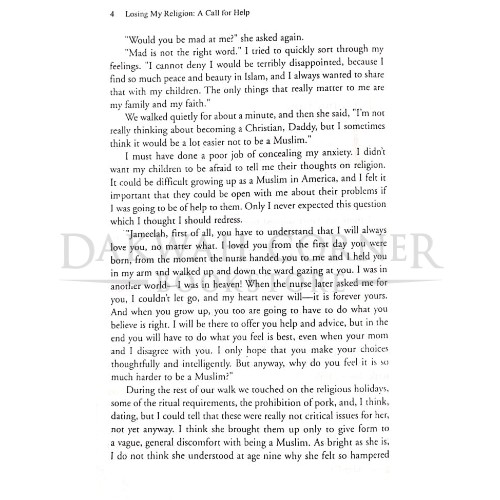
“Crucial to the vitality of any religious community is its ability to attract and engage descendants and converts. By this measure, notwithstanding the proliferation of mosques and Islamic organizations, the Muslim community in America is not doing at all well.” This rather sober assessment motivates Dr. Lang to address, in this book, the alienation from the Mosque of the great majority of America’s homegrown Muslims. In Losing My Religion: A Call For Help, the author comes to terms with many of the queries put to him by Americans of Muslim parentage and converts to Islam since the publication of his book Even Angels Ask in 1977. Lang asserts that to effectively respond to the general malaise of American-born Muslims, the Islamic establishment in America needs to be willing to listen to the doubts and complaints of the disaffected. This entails engaging in open discussions on issues with which many in the Muslim community will be uncomfortable, but Lang avers that such open dialogue will be of more benefit to young American Muslims struggling with their faiths than the covert and uniformed discussions that often take place or no discussion at all. For this reason, Lang feels it is important and beneficial “to be candid and objective and not evade controversy, for to inadequately state the case for or against a specific position, especially when it challenges convention, only serves to further alienate the sceptical.” In addition to examining questions of theodicy, hadith authenticity, and moot practices within the American Muslim community, the author includes many testimonials and inquiries that make this book informative. Dr. Lang is Professor of Mathematics at The University of Kansas, Lawrence, Kansas. He is the author of two best selling works: Struggling to Surrender and Even Angels Ask: A Journey to Islam in America. Both books have been translated into other languages.
RM115.00
There are no reviews yet.