



![[AUH] Mustalah Al-Hadith / مصطلح الحديث](https://shop.dakwahbookstore.com/wp-content/uploads/2025/04/website-500x500-50.jpg)
![[ASJ] Fiqh Al Ad'iah Wal Azkar / فقه الأدعية والأذكار](https://shop.dakwahbookstore.com/wp-content/uploads/2025/05/website-500x500-12.jpg)
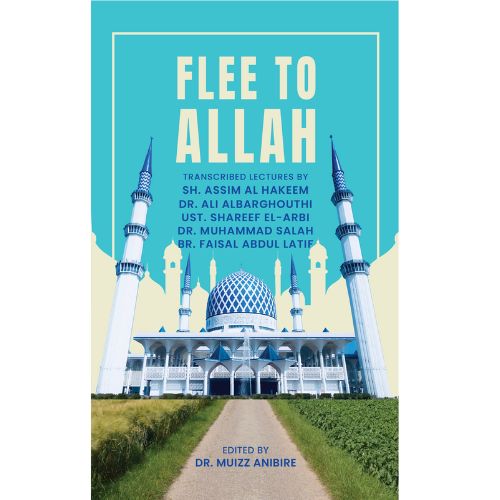
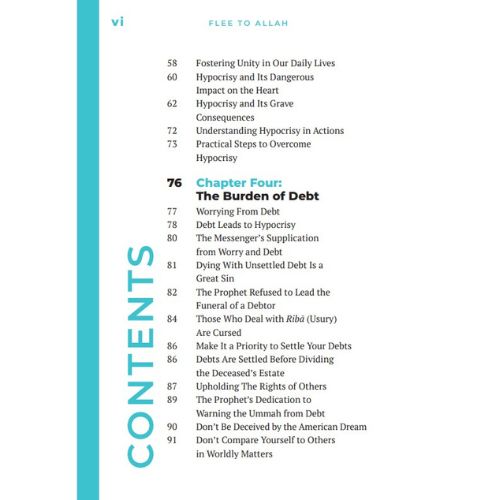
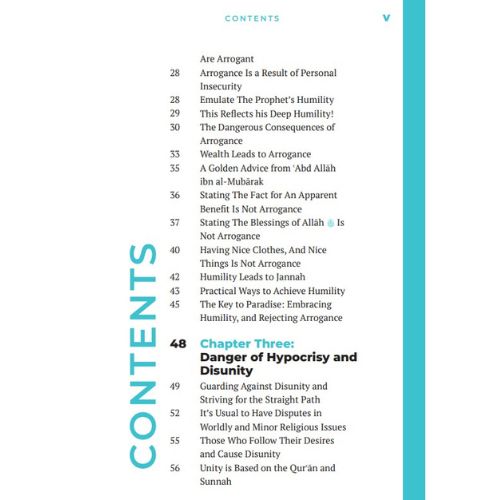
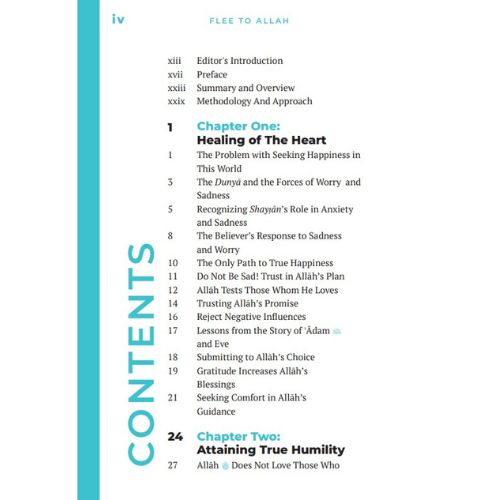
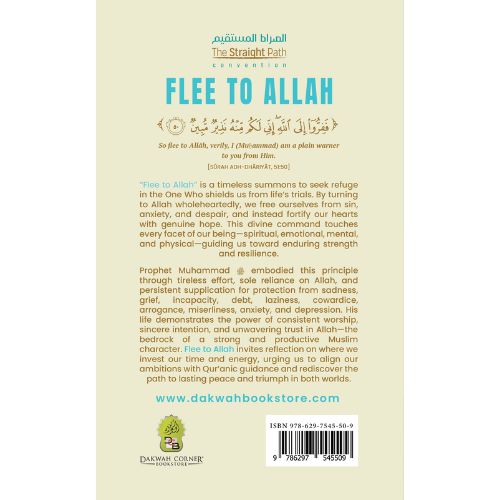
Prophet Muhammad embodied this principle through tireless effort, sole reliance on Allah, and persistent supplication for protection from sadness, grief, incapacity, debt, laziness, cowardice, arrogance, miserliness, anxiety, and depression. His life demonstrates the power of consistent worship, sincere intention, and unwavering trust in Allah—the bedrock of a strong and productive Muslim character. Flee to Allah invites reflection on where we invest our time and energy, urging us to align our ambitions with Qur’anic guidance and rediscover the path to lasting peace and triumph in both worlds.
Flee To Allah
RM50.00
Hurry up, Only 4 left.

Highlights:
somdn_product_page
Compare
“Flee to Allah” is a timeless summons to seek refuge in the One Who shields us from life’s trials. By turning to Allah wholeheartedly, we free ourselves from sin, anxiety, and despair, and instead fortify our hearts with genuine hope. This divine command touches every facet of our being—spiritual, emotional, mental, and physical—guiding us toward enduring strength and resilience.
SKU: MM407
Categories: Dakwah Corner, Motivational & Manners
Brand: Dakwah Corner Bookstore (M) Sdn Bhd™ (DCB)
Frequently Bought Together

1 Item
RM50.00
2 Add-Ons
RM126.00
Total
RM176.00
Additional information
| Weight | 0.5 kg |
|---|---|
| Dimensions | 22 × 14 × 1.5 cm |
| Edited By | |
| Author | Dr. Muhammad Salah, Br. Faisal Abdul Latif, Dr. Ali Albarghouthi, Sheikh Assim Al-Hakeem, Ust. Shareef El-Arbi |
| Pages | 240 |
| Binding | Paperback |
| Year of publication | 2025 |
| Edition | 1st Edition |
| ISBN | 9786297545509 |
| Publisher | Dakwah Corner Bookstore |
Reviews (0)
Be the first to review “Flee To Allah” Cancel reply
You must be logged in to post a review.
Related Products
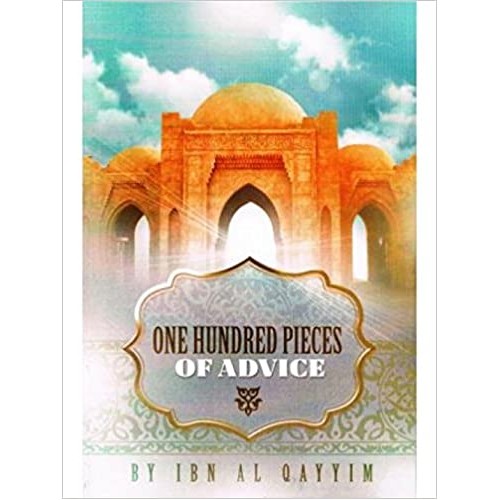
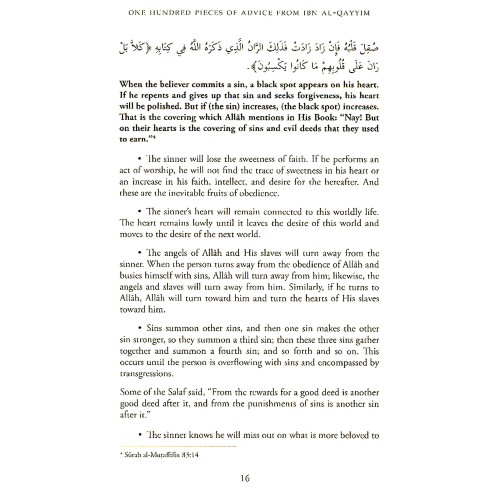
One Hundred Pieces of Advice
3 ★
3 ★
1 Rating
5 ★
0
4 ★
0
3 ★
1
2 ★
0
1 ★
0
Highlights:
One hundred treasured advices extracted from the writings of the illustrious scholar, Imām Ibn al-Qayyim (may Allāh have mercy upon him): Ten ways to acquire Allāh’s love Ten ways to be patient and avoid sins Ten ways to be patient during a calamity Ten benefits to lowering your gaze Ten ways sins are expiated Ten barriers between the slave and his Lord Ten reasons knowledge is not put into action Ten ways to open your heart Ten ways to protect against envy Ten ways to protect against the plots of the Shayṭān
RM48.00
30 Ways To Attain Happiness (3rd Edition)
5 ★
5 ★
1 Rating
5 ★
1
4 ★
0
3 ★
0
2 ★
0
1 ★
0
Highlights:
This great book is guidance for all especially the Muslims society in our daily life as it present the ways of dealing with the daily life cycle, accepting the pasts and bracing for tomorrows based on the teaching of the Qur’an and Sunnah
RM15.00
Family Leadership – Qawamah
5 ★
5 ★
2 Ratings
5 ★
2
4 ★
0
3 ★
0
2 ★
0
1 ★
0
Highlights:
This book discusses in details family leadership (Qawamah) in Islam and the many misconceptions that arise around this concept. It provides a detailed analysis on the subject from a variety of available literature and emphasizes that it is primarily an obligation to be fulfilled on part of the husband toward his family. It also provides many practical examples on the appropriate use of Qawamah as well as its inappropriate use.
“….an extremely valuable springboard for further discussion and consideration of a most timely topic that affects every Muslim family in North America. As a Muslim with a doctorate in clinical psychology, it is my professional recommendation that every mosque and Islamic center in North America should use Dr. Beshir’s new book to lead in-depth study and discussion sessions about the role of family leadership within Islam.” – Jerald F. Dirks, M.Div., Psy.D.
RM75.00
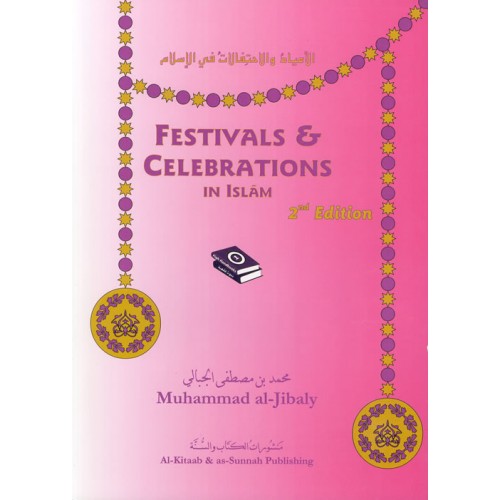
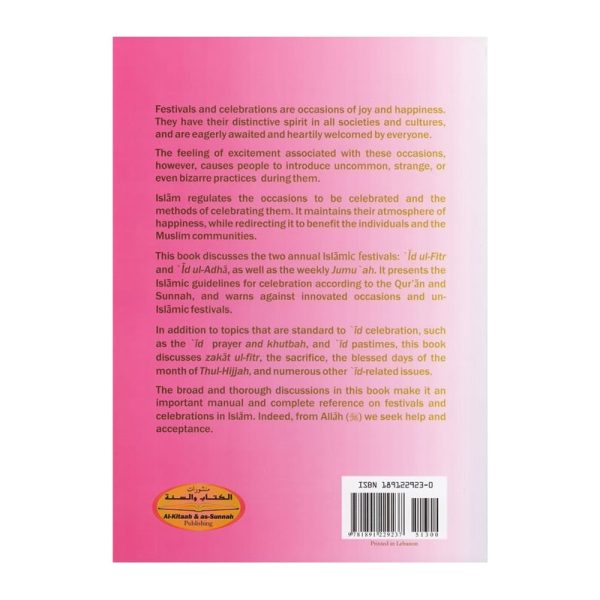
Festivals & Celebrations In Islam
5 ★
5 ★
1 Rating
5 ★
1
4 ★
0
3 ★
0
2 ★
0
1 ★
0
Highlights:
Festivals and celebrations are occasions of joy and happiness. They have their distinctive spirit in all societies and cultures, and are eagerly awaited and heartily welcomed by everyone.
The feeling of excitement associated with these occasions, however, causes people to introduce uncommon, strange or even bizarre practices during them.
Islam regulates the occasions to be celebrated and the methods of celebrating them. It maintains their atmosphere of happiness, while redirecting
This book discusses the two annual Islaamic festivals: Eid ul-Fitr and Eid ul-Adhaa as well as the weekly Jumu’ah. It presents the Islaamic guidelines for celebration according to the Quraan and Sunnah, and warns against innovated occasions and un-Islaamic festivals.
In addition to topics that are standard to ‘Id celebration, such as the ‘Id prayer and khutbah, and ‘Id pastimes, this book discusses zakat-ul-fitr, the sacrifice, the blessed days of the month of Thul-Hijjah, and numerous other ‘Id-related issues.
The broad and thorough discussions in this book make it an important manual and complete reference on festivals and celebrations in Islam. Indeed, from Allah (swt) we seek help and acceptance.
RM51.00
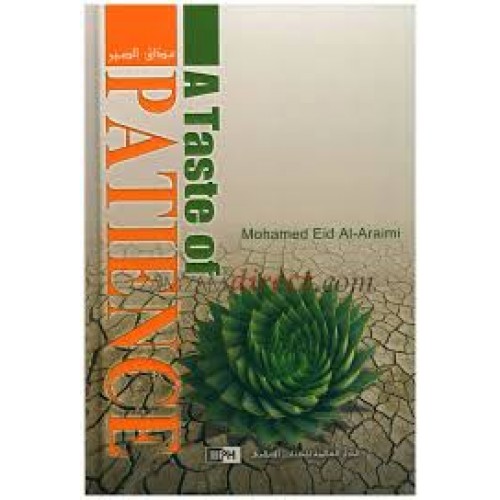
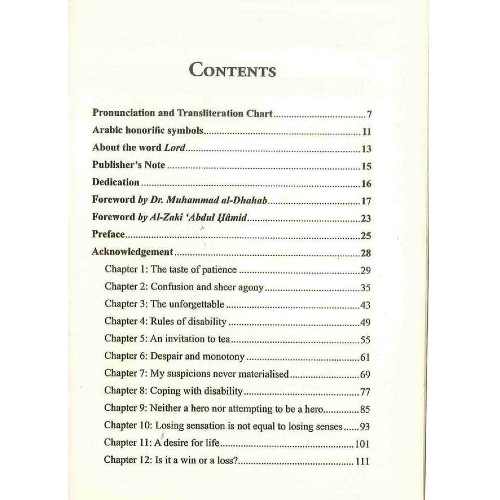
A Taste of Patience
3 ★
3 ★
1 Rating
5 ★
0
4 ★
0
3 ★
1
2 ★
0
1 ★
0
Highlights:
The writer is a survivor of an accident that altered his life. He is a man who managed to overcome adversity and transform bitterness into personal success, as his literary gains outweighed his physical restrictions. Where his physical condition limited his movements, his creative writing opened up a new horizon that enabled him to freely interact with his readers.
This is a real-life account of how a human being can overcome obstacles, giving effect to the epithet: ‘What does not kill me makes me stronger.’ The autobiography defines patience in two ways: first, as a bitter experience and then second, as the ability to tolerate and turn one’s misfortune into investment. The accident that the writer suffered has paralysed his body, but at the same time it has unleashed his writing talents. (Yousef el-Sharoni, Egypt)
RM38.00
A Child Reads (Successful Family Upbringing Series-06)
Highlights:
A Child Reads (Successful Family Upbringing Series-06)
RM15.00
Change or Lose
5 ★
5 ★
1 Rating
5 ★
1
4 ★
0
3 ★
0
2 ★
0
1 ★
0
Highlights:
Motivational & Manners
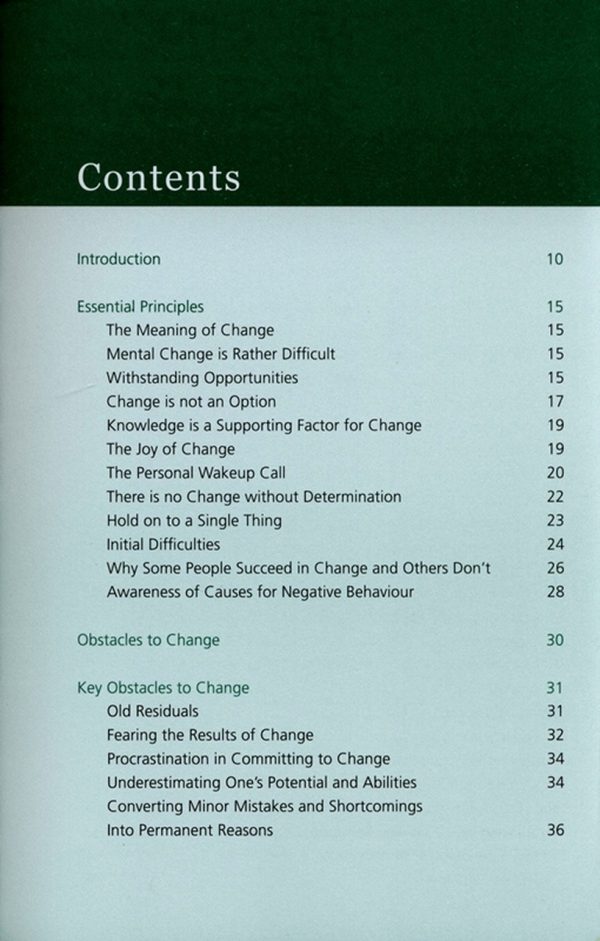
Change is not an easy and insignificant issue. It needs a deep insight and vision as much as will and determination. It is important here to realize that we can’t achieve all what we want and desire. Furthermore, getting what need and desire may not always be in our interest. This, of course, requires two things from us:
RM15.00
50 Candles To Light Your Path (P/B)
5 ★
5 ★
2 Ratings
5 ★
2
4 ★
0
3 ★
0
2 ★
0
1 ★
0
Highlights:
One goal brings them together : how to improve the well-being of our sons and daughters, how to aid them towards threading the path of guidance to engender their excelling in their academic, work and other facets of life.
RM36.00


33 Ways of Developing Al-Khushoo`: Humility and Devotion in Prayer
5 ★
5 ★
1 Rating
5 ★
1
4 ★
0
3 ★
0
2 ★
0
1 ★
0
Highlights:
Shaykh Muhammad Salih al-Munajjid’s little book is perhaps one of the most widely-circulated among Muslims today. This is because the topic touches worshippers where it hurts—we know that we often lapse into an automatic sort of prayer when we lose concentration. The Shaykh points out that this loss of concentration really stems from a lack of humility and devotion—in Arabic, khushoo‘. His aim in writing this book is to help us to get back that khushoo‘. His step-by-step approach makes it simple. He gives practical advice and uses the excellent example of the prayer of the Messenger of Allah (blessings and peace be upon him) to guide us, so that as worshippers, we can truly return to a state of humility and devotion before the Lord.
RM15.00

A Muslim Boy’s Guide to Life’s Big Changes (Ta-Ha)
5 ★
5 ★
1 Rating
5 ★
1
4 ★
0
3 ★
0
2 ★
0
1 ★
0
Highlights:
Motivational & Manners
RM35.00
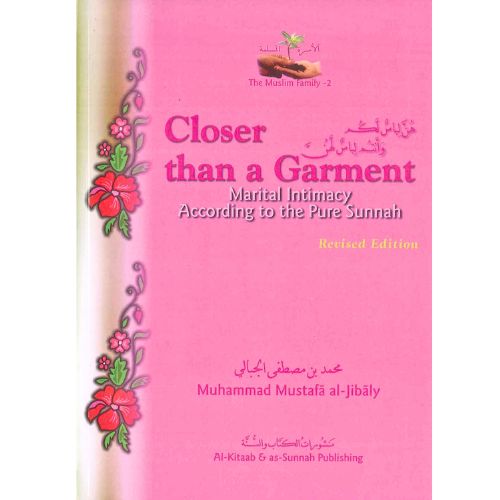
Closer Than A Garment (P/B)
4 ★
4 ★
1 Rating
5 ★
0
4 ★
1
3 ★
0
2 ★
0
1 ★
0
RM41.00
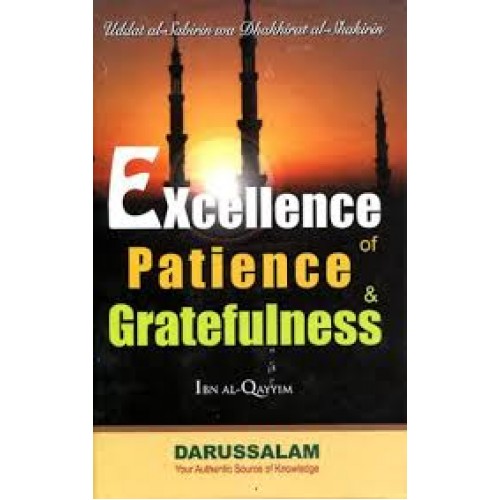
Excellence of Patience & Gratefulness
5 ★
5 ★
1 Rating
5 ★
1
4 ★
0
3 ★
0
2 ★
0
1 ★
0
Highlights:
This book is written to highlight the necessity and the pressing need to pursue these two qualities and to illustrate that happiness in this world and the Hereafter is dependent on them. It is intended to be a comprehensive, extensive and useful book.
RM65.00
Recently Viewed
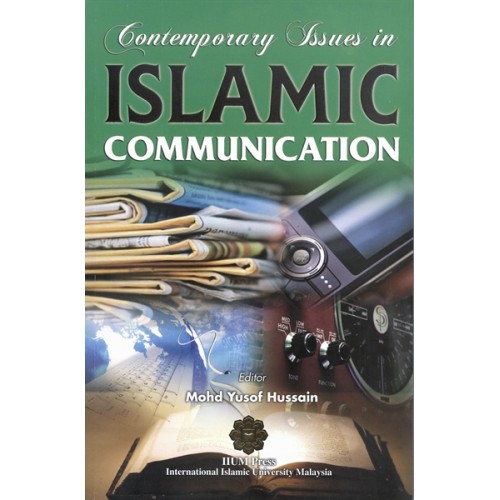
Contemporary Issues In Islamic Communication
Highlights:
The book contains a collection of essays on issues that are of concern to Muslim media and scholars and practitioners. The issues are those that are constantly highlighted in the mass media in the Muslim world. All the issues are discussed from the Islamic perspective. The main purpose of the book is to give readers a clear understanding of how Muslims view contemporary issues that are reported and discussed in present day mass media. The book is written for students majoring in communication at the International Islamic University Malaysia. It is also useful for students taking courses on communication issues in other universities.
RM37.00
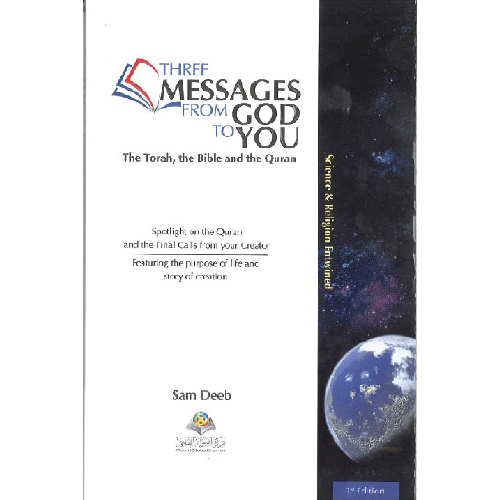
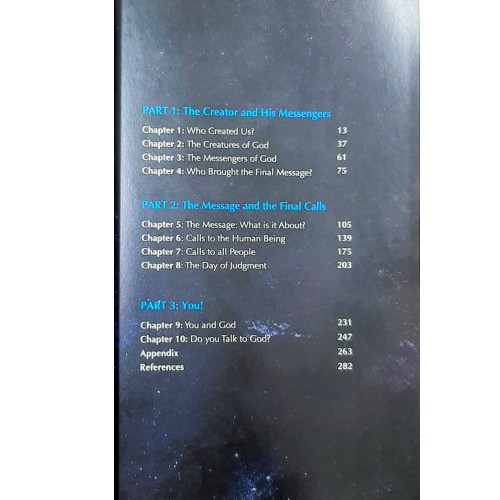
Three Messages from God to You
Highlights:
● Who created the universe? Who created us and the beings on the earth? Who gave life to billions of creatures on our plant? Is He our God? What is His name? Are there other creators than Him?
● Why do we live on the earth? What is the purpose of life? Did our creator really send us messages? What does He want to inform us? Are these messages true?
● Are the Torah, the Bible and the Quran true divine books? Are they related? Do they contain true Messages from God to us? Is there a final testament?
● Why all creatures die? Is there another life after death? Do we return to our Creator? Why?
RM25.00

Polygamy in Islam (P/B)
Highlights:
Polygamy is the Muslim practice most frequently and severely maligned by Westerners and modernist Muslims. This book can be read with profit by all unprejudiced readers who wish to know its justification and rationale.
One of the greatest contrasts between Islam and the West is their conflicting concepts of relations between the sexes. Indeed, the very first question a Muslim convert is confronted with by an American or European is ‘Why does Islam allow four wives?’ This book…replies straightforwardly to that question and much more.
The authors describe all the most important characteristics of marriage in Islam, pointing out that the Western notions of sex equality and romantic premarital ‘love’ are not necessary in Islamic marriage based on piety and the commitment on the part of both parents to win the pleasure of Almighty Allah.’
This book contains basic guides for anyone interested in understanding the rights and obligations of males and females in Islamic plural marriage. The guidelines have been drawn from the Quran, Hadith and opinions of Islamic scholars.
RM20.00
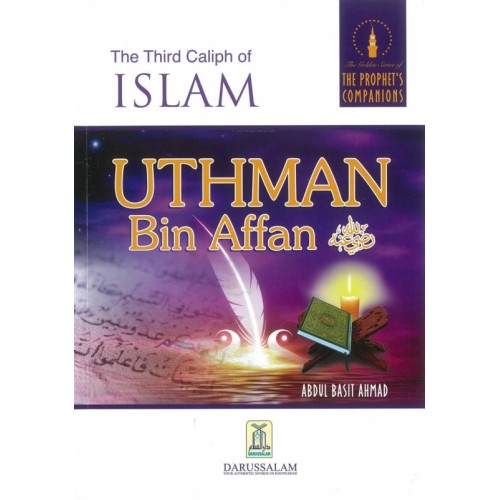
The Third Caliph of Islam: Uthman bin Affan (P/B)
Highlights:
Uthman bin Affan (R) was one of the early men who accepted Islam in Makkah. From the first moment he became a Muslim, he put all his wealth under the service of Islam. He spent most of his resources to satisfy the needs of poor Muslims. Recognizing his generosity and devotion to Islam, the Prophet (S) told him that his place would be in Paradise on the Hereafter. He married Ruqayah (R),the Prophet’s daughter. After she died, he married her sister Um Kulthum ;for that, the people at that time called him Dhun Nurain, “The Man with the Two Lights.”
RM26.00
There are no reviews yet.