




| Weight | 0.24 kg |
|---|---|
| Author | |
| Binding | Hardcover |
| Pages | 232 |
| ISBN | 9786035010283 |
| Publisher | IIPH |
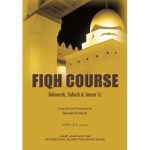
Fiqh Course: Tahaarah, Salaah & Janaa’iz
RM46.00
In Stock

Highlights:
somdn_product_page
Compare
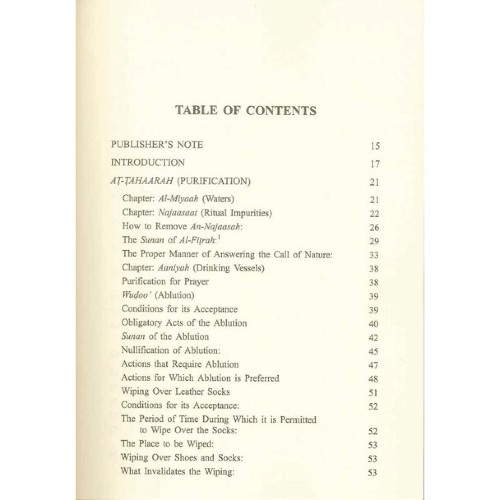
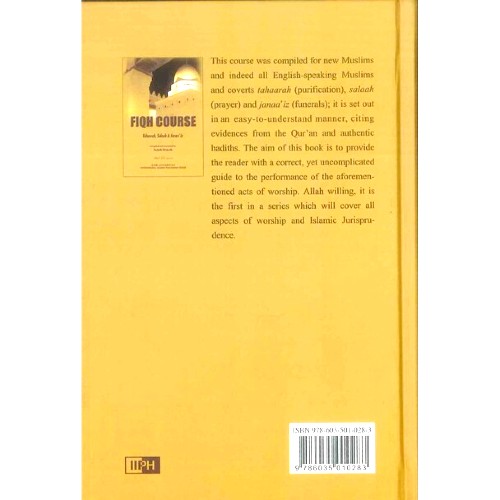
This course was compiled for English-speaking Muslims and is especially beneficial for new Muslims. It covers tahârah (purification), salâh (prayer) and janâ‘iz (funerals). It is set out in an easy-to-understand manner, citing evidence from the Qur’an and authentic hadiths. The aim of this book is to provide the reader with a correct, yet uncomplicated guide to the performance of the aforementioned acts of worship. Allah willing, it is the first in a series which will cover all aspects of worship and Islamic jurisprudence.
Frequently Bought Together

Weakness of Faith (IIPH)
5 ★
5 ★
1 Rating
5 ★
1
4 ★
0
3 ★
0
2 ★
0
1 ★
0
1 Item
RM46.00
2 Add-Ons
RM61.00
Total
RM107.00
Additional information
Reviews (0)
Be the first to review “Fiqh Course: Tahaarah, Salaah & Janaa’iz” Cancel reply
You must be logged in to post a review.
You may also like…

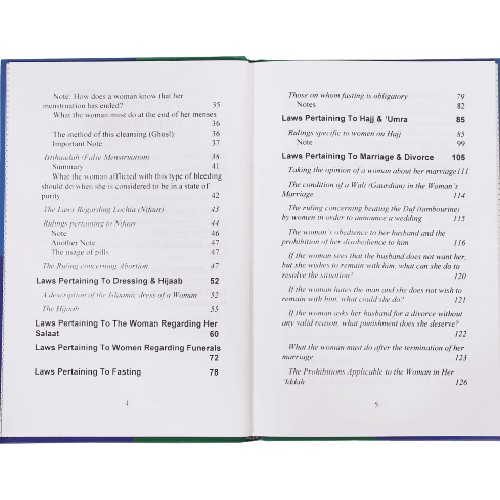


Common Mistakes Regarding Prayer – IIPH
Highlights:
Formal prayer (salat) is the second pillar of Islam, and the most important of a Muslim’s acts of worship. Prophet Muhammad (PBUH) said: “The first of one’s actions for which a slave of Allah will be held accountable on the Day of Judgment will be one’s prayers. If they are correct and accounted for, then he (or she) will have succeeded (gained paradise); and if they are lacking, then he (or she) will have failed (lost paradise). If there is something defective in his (or her) obligatory prayers, the Lord will say: ‘See if my slave has any supererogatory prayers with which that which was defective in his (or her) obligatory prayers may be completed. Then the rest of his (or her) deeds will be judged in like manner.” (At-Tirmidhi and others) Shaykh Mashhur Hasan Salman has compiled a list of the most common errors that we make when we pray, discussing and explaining each one. This book is a valuable aid to Muslims hoping to perfect their prayers, so that their prayers may be free of defects and acceptable to Allah. This new and revised edition of the English translation of his work presents the text in a fluent, highly readable style.
RM38.00


The Salah – The Prophet’s Prayer Described (H/B)
5 ★
5 ★
1 Rating
5 ★
1
4 ★
0
3 ★
0
2 ★
0
1 ★
0
Highlights:
It is not possible to us to perform the Salah (Prayer) as it should be performed unless we know the detailed description of the Prayer shown by Prophet Muhammad sallallahu ‘alayhi wasallam, such as essentials, manners, forms, supplications and remembrances. However, detailed familiarity with these aspects of the Prayer is difficult to be achieved by most people nowadays because of their limiting themselves to a particular madhhab (school of thought). In every mudhhab, there are traditions and sunnahs (Prophetic examples) which are not found in other madhhabs, and in every mudhhab there are sayings and actions which cannot be authentically traced back to the Prophet.
Many any books have been published on the Prayer of the Prophet but most are by later scholars that cater for a particular muddhab. This famous work, translated from the original Arabic Sifah Salah al-Nabi, brings together as many features of the Prophet’s Prayer from the takbir to the taslim, so that Muslims can fullfil the Prophet’s command to “pray as you see me pray”. This work is the result of an intensive research by the author on various traditions (Hadiths) and their relevance, judjed according to the strict rules of the science of Hadith.
RM35.00
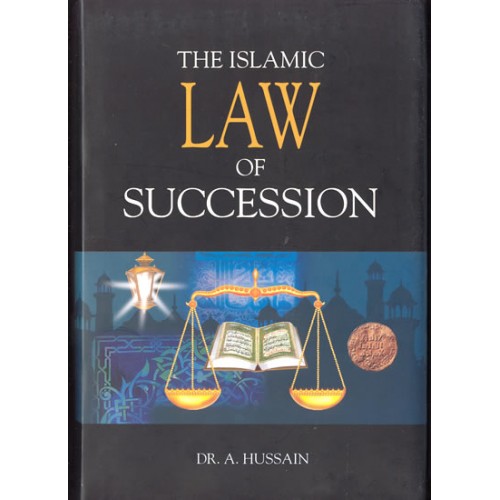

The Islamic Law of Succession (H/B)
Highlights:
Islam has given guidance to us in all aspects of life including the law of succession so that each eligible person gets the due share.
Although the distribution of inheritance is an important topic for everyone of us but books on this subject are scarcely found.
We are presenting this book to provide the readers a comprehensive overview of the whole subject according to the four main schools of jurisprudence. The text is in clear and unambiguous terms with highlighted points to understand the issues easily.
RM67.00
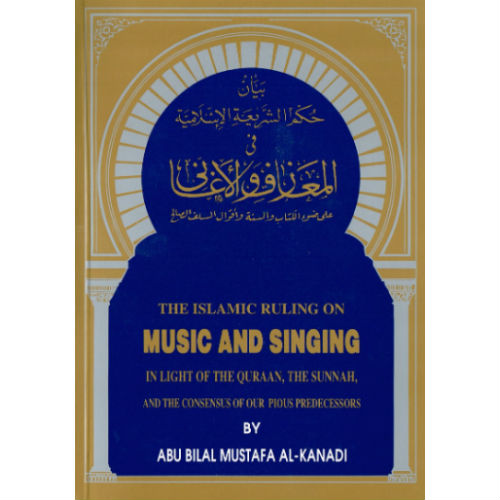
The Islamic Ruling on Music and Singing (P/B)
Highlights:
The legality of music and singing in the Islamic shari’ah (the divinely-revealed law) is an issue which is hotly debated among individuals and scholars in Islamic societies of our present day. Arriving at the correct view requires unbiased, scholarly research of the available literature which must be supported by authentic, decisive proof.
RM11.00
Related Products


The Ultimate Guide to Umrah by Darussalam
Highlights:
Based on the famous book ‘Getting the Best out of Hajj’ With special chapters on Umrah in Ramadaan & Visiting Madinah After Hajj, a Muslim considers Umrah to be the most significant worship that brings the opportunity of rewards and the blessings of visiting Ka’bah and the Prophet’s Mosque along with other sacred places one wishes to visit and try to feel the atmosphere present at the time of Allah’s Messenger (peace be upon him) and the hardships he had to bear while preaching Islam. During such a visit, a newcomer has to face many difficulties because of a lack of knowledge about the rites and places. To provide complete details about everything, a pilgrim wants to know, the first time this book has been compiled with the utmost care and research so as to make it useful in every respect.
RM55.00

The Right to Education, Work and Welfare in Islam (P/B)
Highlights:
In The Right to Education, Work and Welfare in Islam Professor M.H. Kamali develops an Islamic perspective on three connected and complementary areas of rights and liberties. He urges that education is often a necessary ingredient of professional work even more so now than in earlier times when the range and variety of specialised knowledge were relatively limited. A person who acquires education, whether generally or at advanced levels of specialisation, is more likely to stand in a better position to enter the workforce and thus to contribute to the welfare of the community.
The author commences his discussions on education, work and welfare in Islam by focusing on how each is treated in the Qur’an; and follows this by the example of the Prophet and, after him, the Pious Caliphs who gave prominence to the education and welfare needs of people at times both of scarcity and affluence. Professor Kamali then moves forward to our time and discusses the right to education, the education of children, institutionalisation of learning, academic freedom and the debate between science and religion.
The section on work elaborates on the value of work, work ethics, workers’ and employers’ rights and responsibilities, and the role and responsibility of governments.
Finally, the section on welfare focuses on the importance in Islam of caring for those who are in need and the different forms of provision that can be made available by individuals, the state and charities.
RM63.00

War and Peace in Islam : The Uses and Abuses of Jihad (P/B)
Highlights:
Written by a number of Islamic religious authorities and Muslim scholars, this work presents the views and teachings of mainstream Sunni and Shi’i Islam on the subject of jihad. It authoritatively presents jihad as it is understood by the majority of the world’s 1.7 billion Muslims in the world today, and supports this understanding with extensive detail and scholarship. No word in English evokes more fear and misunderstanding than “jihad.” To date the books that have appeared on the subject in English by Western scholars have been either openly partisan and polemical or subtly traumatized by so many acts and images of terrorism in the name of jihad and by the historical memory of nearly 1,400 years of confrontation between Islam and Christianity. Though jihad is the central concern of War and Peace in Islam: The Uses and Abuses of Jihad, the range of the essays is not confined exclusively to the study of jihad. The work is divided into three parts: War and Its Practice, Peace and Its Practice, and Beyond Peace: The Practice of Forbearance, Mercy, Compassion and Love. The book aims to reveal the real meaning of jihad and to rectify many of the misunderstandings that surround both it and Islam’s relation with the “Other.”
Reviews:
“A dynamic myth-busting clarification of the real position of mainstream orthodox Islam on the whole question of violence and jihad.” —T. J. Winter, University of Cambridge
“This is the best book on the subject in English. It will be of inestimable value.” —Shaykh Mustafa Ceric, Grand Mufti Emeritus of Bosnia
RM145.00

Istihsan (P/B)
Highlights:
This work constitutes a critical analysis of classical and modern aspects of the concept of istihsan (juristic preference), an important principle in Islamic legal legislation throughout history. Although there has been many research works on the subject, it still requires further investigation on the role and nature of istihsan with regard to a combination of classical and modern approaches. Consisting of four chapters, the author begins by introducing some general principles of Islamic law, before discussing the history of istihsan during the time of the Prophet and his Companions. He also analyses the validity of istihsan as a source of law and discusses the differences among scholars on its method of implementation.
RM57.00


Hajj & Umrah (Pocket Guide) – English Version
5 ★
5 ★
2 Ratings
5 ★
2
4 ★
0
3 ★
0
2 ★
0
1 ★
0
Highlights:
A useful pocket guide that includes the rites of Umrah,Hajj, and visiting Madinah.
RM14.00


Zakah According to the Quran & Sunnah (Darussalam)
Highlights:
Zakah, the third Pillar of Islam, is probably the first Pillar of its economic system. It represents the first and most important mechanism to implement economic justice and to provide sustenance to the economically unfortunate, two issues for which Islam is especially sensitive. These two issues are the essence of this book. This book consists of all the main issues of Zakat (i-e, Zakah on Gold, Silver, Paper Money, Livestock, Fruits, Grains, Rented Land, Buried treasures, Minerals, Trade, Shares, Stocks, and Exploited Assets etc). The main objective of this work is to serve an easy and authentic reference to the reader.
RM65.00

The Problems of the Illegitimate Child (P/B)
Highlights:
This book addresses the views of the Sunni scholars regarding the importance of genealogical relationship (nasab) in Islamic family law and examines the role of legitimacy on the basis of the legal maxim “al-walad li al-firash”, evidence (al-bayyinah), and doubtful intercourse (wat’ shubhah). It also elucidates the views of the Sunni schools of law on how to establish illegitimacy. For the Sunni jurists, there are several situations that determine the illegitimacy of the child. A child is considered illegitimate if its birth is the outcome of adultery (zina) or the result of legitimate union but accompanied with imprecation (li‘an). Other circumstances include the birth of the child taking place in less than six lunar months, the father of the child being categorized as one who is incapable of begetting, or the birth as a result of marital relationship considered unlawful because of consanguinity. The book also deals comprehensively with the moral, religious, legal and other aspects of the illegitimate child and the foundling in the works of the Sunni jurists. The status and rights of the illegitimate child and the foundling in the Islamic family law of Malaysia and Brunei are also discussed by referring to some provisions from Federal Territory Act 1984 (Act 303) and Brunei law.
RM49.00


Funerals Regulations and Exhortations (H/B)
Highlights:
Our soul inevitably follows a route starting from birth, passing through death, and ending with our resurrection in the next life. The inevitable journey discusses over a sequence of titles: sickness, inheritance, funerals, Life in Barzakh and so on…
RM75.00


Should A Muslim Follow A Particular Madhhab?
Highlights:
In this book, the author has widely described the main principle of Taqleed. He says that Allah and Prophet Mohammed (SAW) has not ordered us to follow any opinions and interpretations. So there’s a possibility of being correct or incorrect in the opinions because there are many issues on which the Imams had different views and they explain them according to their own reasons and speculations, but the real and true Islam is based on the book (Quran) and Prophet’s Sunnah.
Allah says: “But no, by your Lord, they can have no Faith until they make you judge in all disputed matters between them, and find in themselves no resistance against your decision, and accept them with full submission.” And the prophet said: “I leave you with two things as long as you hold them tightly, you never go astray: they are the book of Allah and my Sunnah.” In this sense, the author has described the difference between different Madhahib (madhabs/mazhabs), and their views and urged to follow only the Quran and Sunnah.
RM11.00

Islamic Rules of Order (P/B)
Highlights:
Organizations must have rules of order to facilitate their debate and to fill in the procedures not detailed by their constitutional documents. While most American organizations are content to operate by Robert’s Rules of Order, Muslim organizations have often wrestled with questions over whether the rules of order systemized by a Western military figure are in accord with the Qur’an and the Sunnah.
This book tackles the matter directly and takes into account the Qur’an, the sunnah, Islamic manners and the history of Islamic consultation and leadership to provide a simple, practical guide to organizational procedure that can be incorporated into the governance of Muslim organizations. The book includes advice on writing bylaws and on complying with the best practices of the U.S. Dept. of Justice in a way that is Islamically authentic, transparent, and accountable. It provides a basic starting point for any Muslim organization while allowing for flexibility so that organizations may make any variations they require within their own bylaws and constitution, so that it can accommodate differing schools of thought on Islamic law. In its discursive approach it is an essential primer for understanding the value of rules of order and the Islamic context for their application. The Islamic Rules of Order has been adopted as the rules of order of the Association of Muslims Social Scientists.
RM50.00


Getting the Best Out of Hajj
Highlights:
The book provides a realistic view of Hajj as it is today, with detailed explanations of all the rites. It provides Figh related issues about Hajj, Salah and personal behaviour according to the Quran and Sunnah, to enable you to obtain the best value for your time spent in the holy cities. It also provides information and suggestions about planning for the journey, what to expect and how to survive, so you can depart with full confidence. This is a must have for all those planning to go on Hajj!
RM75.00

Hajj & Umrah And Visitors (H/B)
Highlights:
Rites and Selected Etiquettes for those intending to Perfom Hajj & Umrah and Visitors In this book the author calls attention to the most important things that those who intend to perform Hajj, Umrah or Visiting the Prophets Mosque in Medinah must have as provisions. The author has made his work brief and arranged its topics according to their priorities. the author mentions a considerable number of sayings of the people of knowledge and calling the attention of the reader to some important matters.
RM45.00
Recently Viewed
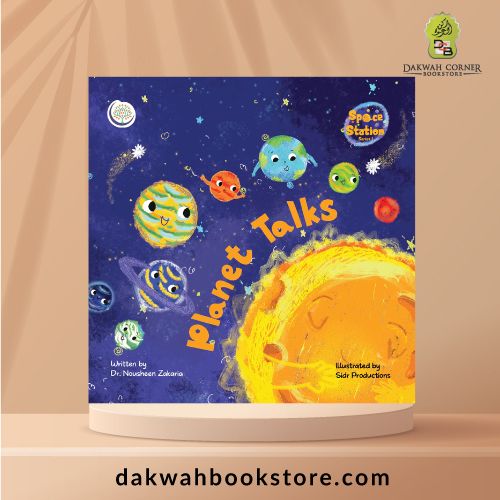
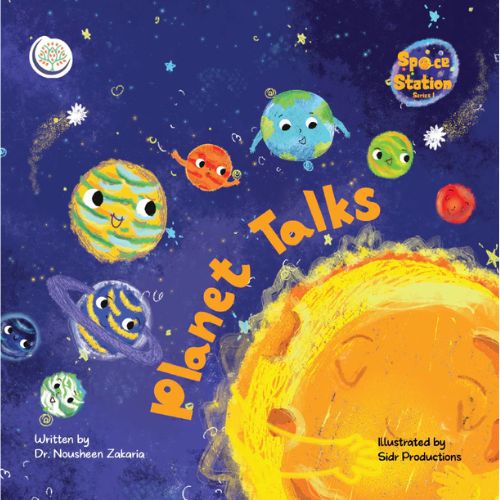
Planet Talks (P/B)
Highlights:
What if the planets could talk?
High above the Earth, beyond clouds and stars, the planets gather for a quiet conversation. Some are hot. Some are icy. Some spin fast, others slowly.
Each one has a story to tell.
What makes Earth so special?
Why does Mars hold secrets of ancient water?
Planet Talks is a gentle journey through space where science meets wonder, and every planet becomes a sign to reflect upon.
RM20.00 RM35.00


An Introduction to The Sciences of The Qur’an (H/B) Al-Hidaayah UK
Highlights:
An introduction to the Sciences of the Qur’aan presents a detailed and thorough explanation of the sciences related to the history, understanding and implementation of the Qur’aan. The book provides the English reader with a detailed analysis of classic Muslim scholarship regarding: the process on Inspiration (Wahy); the various means of classifying verses of the Qur’aan; the history of the compilation of the Qur’aan; the meaning of the seven ahruf and the ten qira’aat of the Qur’aan; the miraculous nature of the Qur’aan; the concept of abrogation in the Qur’aan; the procedure and methodology of tafseer; and many other topics. The work has a number of sections dedicated to explaining the traditional Muslim refutations of certain belief of the Ash’arees with regards to the Qur’aan.
This book also includes detailed discussions on modern Western scholarship of the Qur’aan. After presenting a history of the English translation of the Qur’aan, along with a critical review of some translations, the author discusses and refutes common Orientalist polemic literature on the Qur’aan.
The work is unique in that it presents classical material in a simple and modern style, while maintaning a hight academic level. It is the most advanced work of its kind in the English language, and a necessary reference for all serious students of Islamic knowledge.
RM149.00


Three Messages from God to You
Highlights:
● Who created the universe? Who created us and the beings on the earth? Who gave life to billions of creatures on our plant? Is He our God? What is His name? Are there other creators than Him?
● Why do we live on the earth? What is the purpose of life? Did our creator really send us messages? What does He want to inform us? Are these messages true?
● Are the Torah, the Bible and the Quran true divine books? Are they related? Do they contain true Messages from God to us? Is there a final testament?
● Why all creatures die? Is there another life after death? Do we return to our Creator? Why?
RM25.00



Let Us Remember Allah And Praise Him
Highlights:
Remembrance, praise and supplication – dhikr and du‘â’ – are the core of worship of the Divine. The Noble Qur’an and the last Prophet (blessings and peace of Allah be upon him) have stressed this point and taught us how to attain Allah’s pleasure through calling on Him and remembering Him in words of praise and thankfulness. This small book is a valuable collection of daily supplications from the Qur’an and the authentic hadiths. It contains the Arabic text, full transliteration and clear translation of the meaning of dozens of phrases of remembrance (dhikr) and supplication (du‘â’). This new and revised edition of Let Us Remember Allah and Praise Him is designed to be easy to use: its full-sized page format ensures that the print is large enough to read effortlessly, and yet its ultra-slim volume makes it no trouble to slip into a handbag or backpack. It is truly a practical handbook for every Muslim desiring to seek peace in this earthly life and salvation in the hereafter.
RM12.00
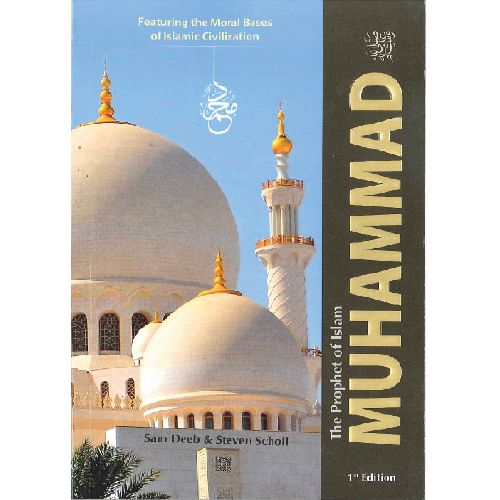
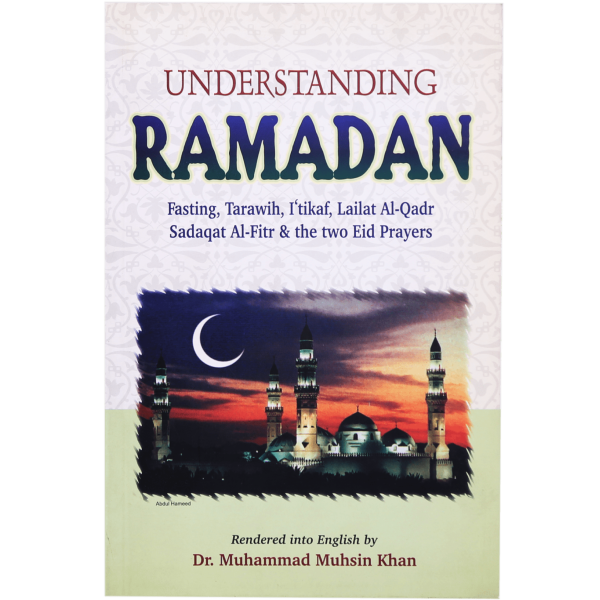
Understanding Ramadan
Highlights:
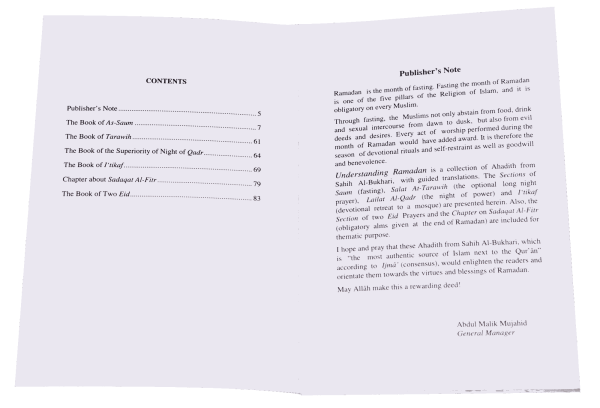
This book covers important aspects regarding Ramadan. The book is a collection of Ahadith from Sahih Al-Bukhari, with guided translations. The topics which are covered are Fasting, Salat at-Tarawih, Lailat Al-Qadr and Itikaf. Also, the section of two Eid Prayers and the chapter on Sadaqat Al-Fitr are included for the thematic purpose. This book is a must-read for all.
RM20.00
The Light Within Islam
Highlights:
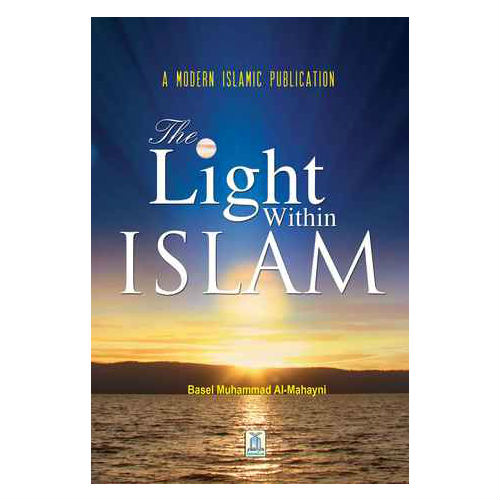
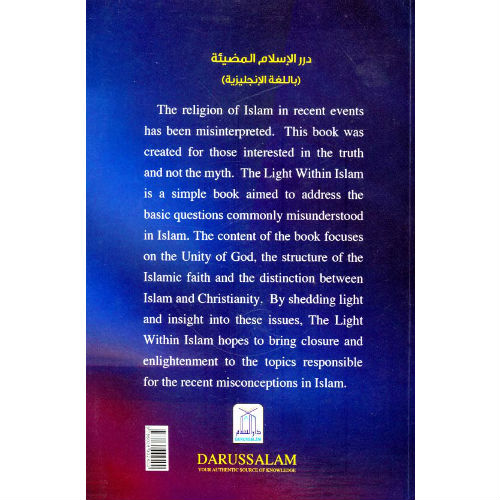
The religion of Islam in recent events has been misinterpreted. This book was created for those interested in the truth and not the myth. The Light within Islam is a simple book aimed to address the basic questions commonly misunderstood in Islam. The content of the book focuses on the Unity of God, the structure of the Islamic faith and the distinction between Islam and Christianity. By shedding light and insight into these issues, The Light within Islam hopes to bring closure and enlightenment to the topics responsible for the recent misconceptions is Islam.
RM19.00
The Third Caliph of Islam: Uthman bin Affan (P/B)
Highlights:
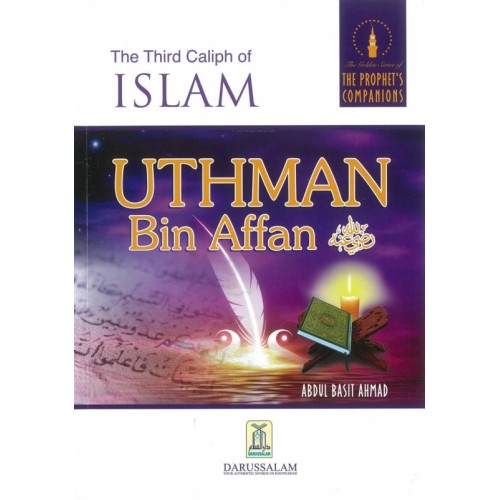
Uthman bin Affan (R) was one of the early men who accepted Islam in Makkah. From the first moment he became a Muslim, he put all his wealth under the service of Islam. He spent most of his resources to satisfy the needs of poor Muslims. Recognizing his generosity and devotion to Islam, the Prophet (S) told him that his place would be in Paradise on the Hereafter. He married Ruqayah (R),the Prophet’s daughter. After she died, he married her sister Um Kulthum ;for that, the people at that time called him Dhun Nurain, “The Man with the Two Lights.”
RM26.00
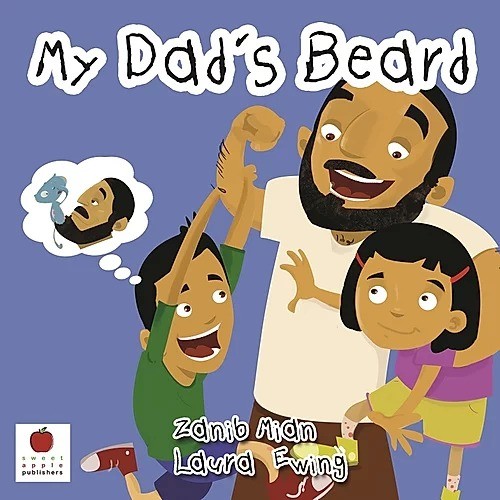

My Dad’s Beard
4 ★
4 ★
1 Rating
5 ★
0
4 ★
1
3 ★
0
2 ★
0
1 ★
0
Highlights:
This book is huge in size and huge in sentiment! It honours the male figures in the family and glorifies the Sunnah of keeping a beard. An adorable little boy personifies his love for his father through his beard, sharing how it looks at different times, makes him even more handsome, and why the whole family love it! Full of fun and fantastic for sharing!
RM86.00
My Tawheed Book
Highlights:
A colourful and easy to understand book which teaches children the basic understanding of Tawheed.
RM15.00

Muhammad in World Scriptures: Volume I (IBT)
Highlights:
This is the first volume of the series on the Prophet Muhammad as found in world scriptures. The author, a scholar of the Vedas and comparative religion, argues that numerous prophecies of the coming of the Holy Prophet are found in the Parsi (Zoroastrian), Hindu and Buddhist scriptures. He attempts to illuminate these prophecies and explains the rationale of his conclusions.
RM34.00
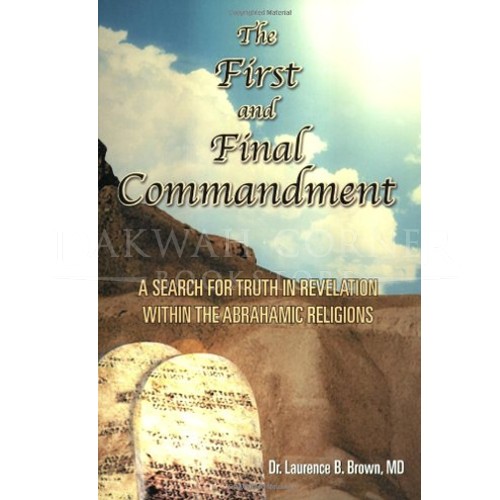
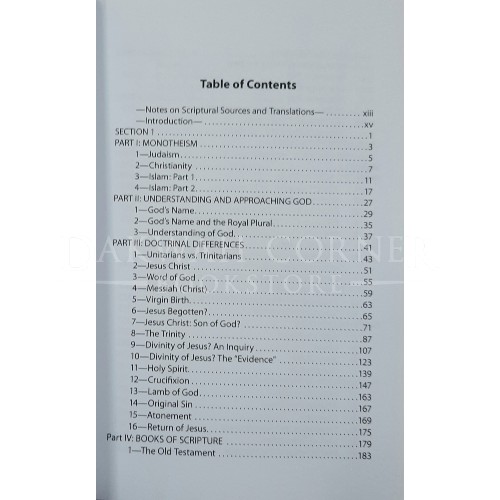
The First and Final Commandment (2nd Edition)
Highlights:
“A search for truth in revelation within the Abrahamic religions.”
RM165.00

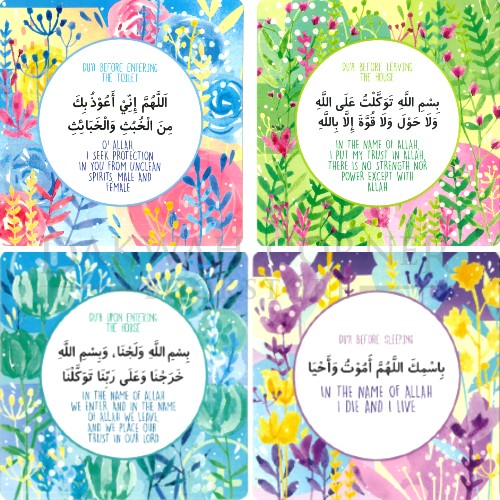
Du’a Prints
Highlights:
A collection of essentials du’as from authentic hadiths. Have 8 du’as in 1 set:-
- Du’a Exiting the Toilet
- Du’a Upon Entering the House
- Du’a Before Leaving the House
- Du’a Before Entering the Toilet
- Du’a Before Eating
- Du’a Before Sleeping
- Du’a in Seeking Knowledge
- Du’a After Waking Up
RM30.00
There are no reviews yet.