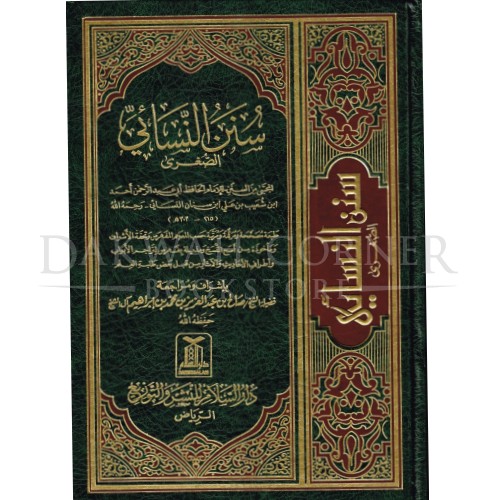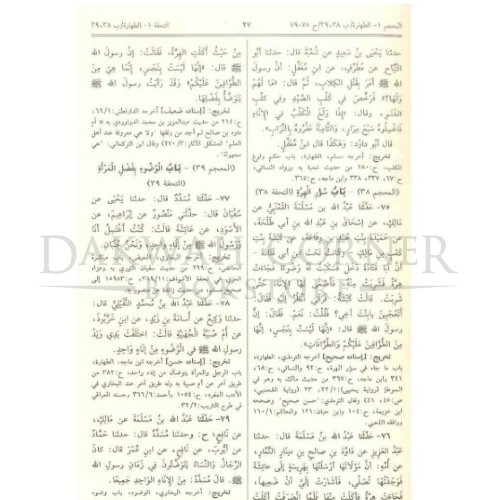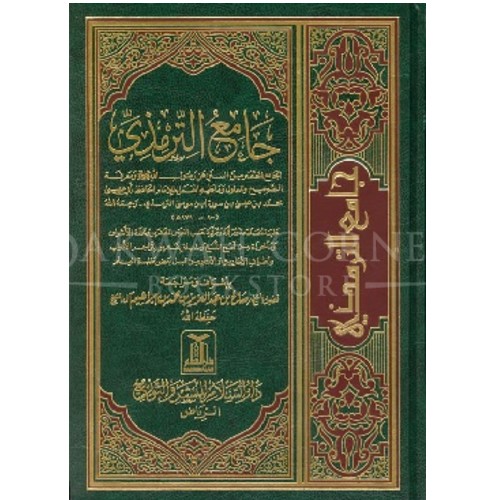

| Weight | 6.500 kg |
|---|---|
| Dimensions | 32 × 22 × 10 cm |
| Author | |
| Binding | Hardcover |
| Pages | 4118 |
| Publisher | Darussalam |
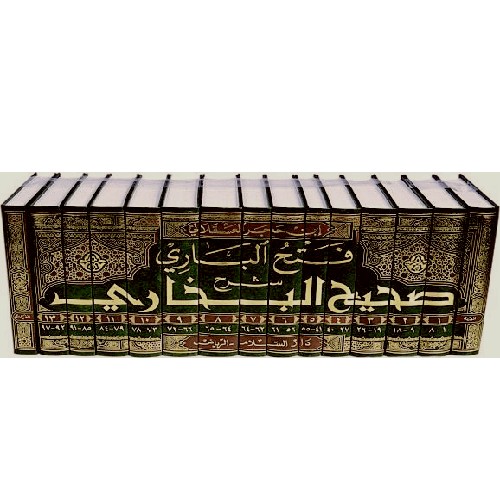
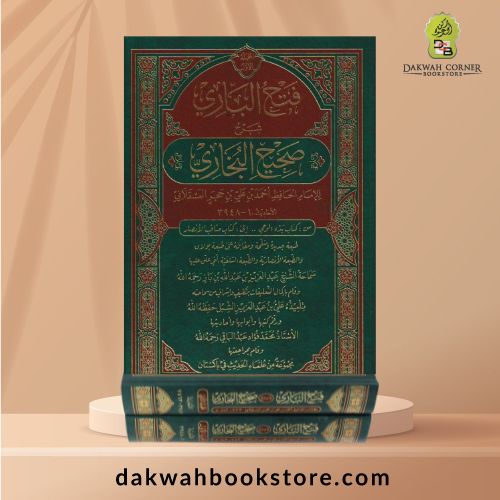
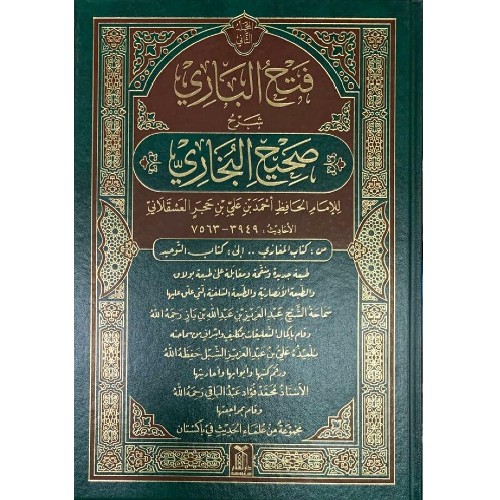
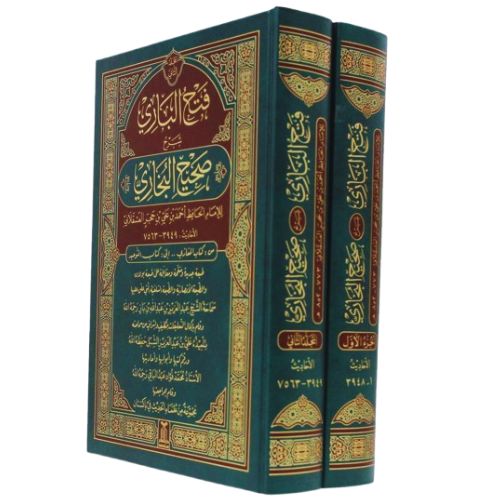
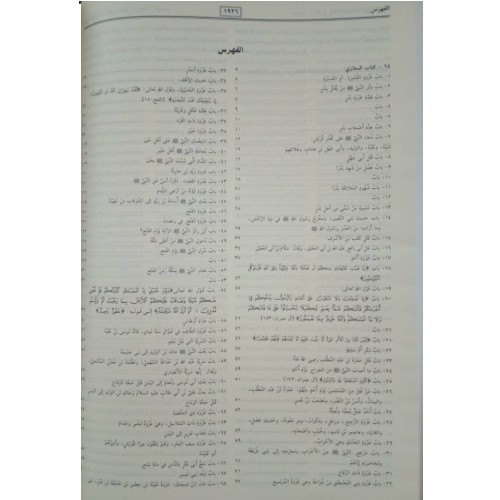
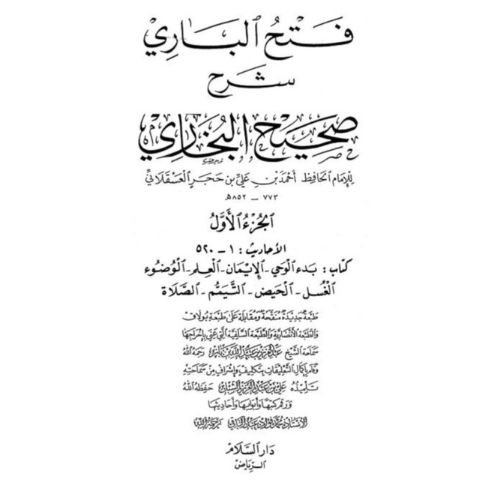
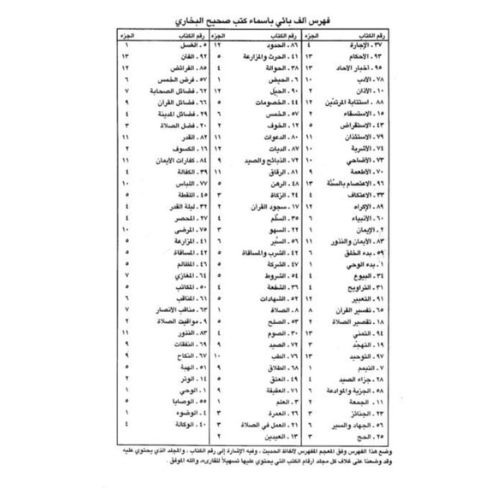
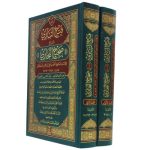
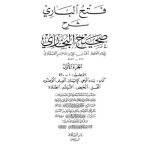
[AH] Fathul-Bari Sharah Sahi Al- Bukhari (2 vols) – فتح الباری شرح صحیح البخاری
RM400.00
Fathul-Bari Sharah Sahi Al- Bukhari vol 1&2
Frequently Bought Together
Be the first to review “[AH] Fathul-Bari Sharah Sahi Al- Bukhari (2 vols) – فتح الباری شرح صحیح البخاری” Cancel reply
You must be logged in to post a review.
Related Products
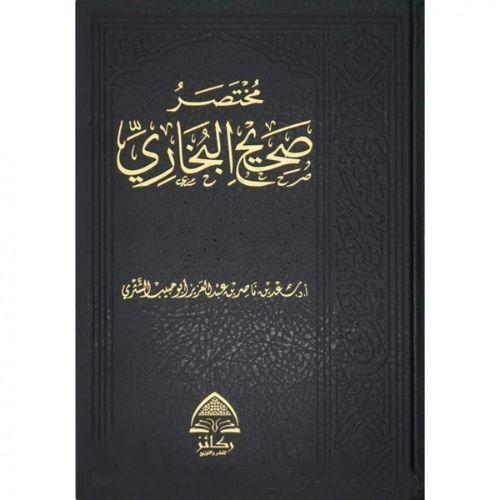
[HH] Mukhtasar Sahih Al-Bukhari (مختصر صحيح البخاري)
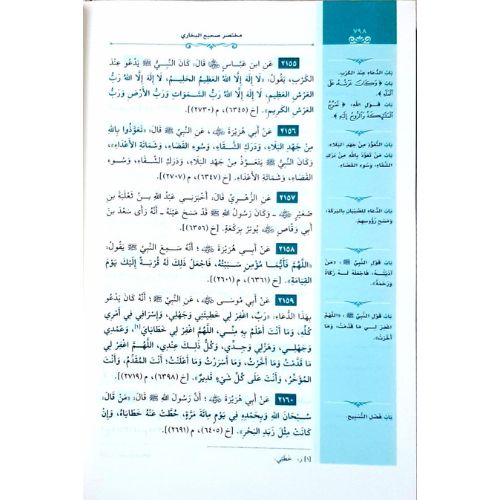
ذكر الشيخ – حفظه الله – أنه أراد تكميل جهود العلماء السابقين في اختصار «الصحيح»، ومنهجُه في المُختصر كما يلي: 1- حذف الأسانيد وآثار التابعين لعدم الاحتجاج بها، والمُعلَّقات لأنها ليست على شرط البخاري في الصحيح. 2- جمع أطراف الحديث في الموطن الأول من المواطن التي وردَ فيها الحديث. 3- أشار للروايات الواردة المُتخالفة في الحاشِية. 4- ذكرَ جميع تبويبات البخاري على الحديثِ في جميع مواطنه وجعلتُها في الهامِش. 5- شرحَ بعضَ الألفاظ الغريبة
طبعة عالية الجودة – طباعة بالحبر الأسود و الأزرق
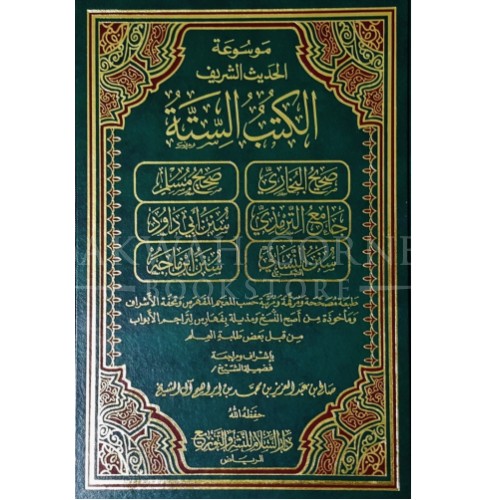
[HH] Al-Kutub Al-Sittah (موسوعة الحديث (الكتب الستة
Al-Kutub Al-Sittah: 6 Sahih Hadith Books ARABIC IN 1 VOLUME
This is a unique collection book that includes the whole six books of Sahih Hadith of:
1- Sahih Al-Bukhari
2- Sahih Muslim
3- Sunan Abu Dauod
4- Jame’ At-Termidhi
5- Sunan An-Nasa’ie As-Sughra
6- Sunan Ibn Majah
The Text includes the Tashkeel or Harakat
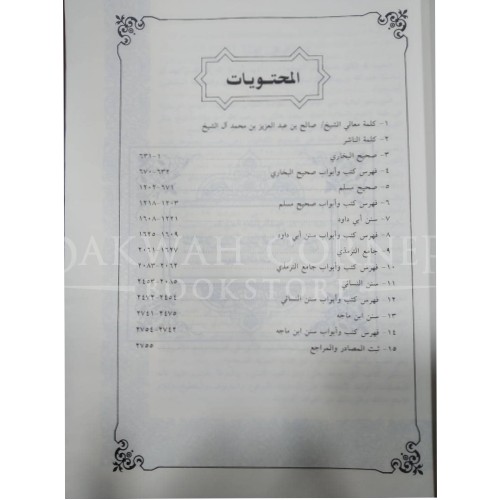
This edition is corrected, numbered and ordered according to the (Mu’jam Mufahras & Tuhfat Al-Ashraf). This edition is taken from the most authintic sources, and includes tables of chapters’ discriptions, hadith & traces’ ends which were collected by some students of knowledge.
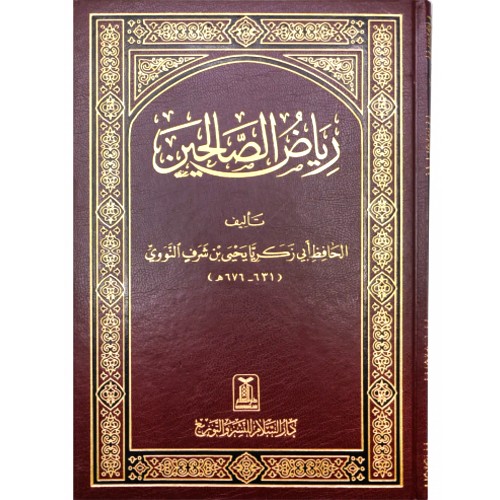
[HH] Riyadhus Solihin (Arabic)رياض الصالحين – Darussalam
كتاب رياض الصالحين من كلام سيد المرسلين مؤلفه الإمام يحيى بن شرف النووي الدمشقي، ويجمع في هذا الكتاب الأحاديث الصحيحة المروية عن الرسول محمد بن عبد الله صلى الله عليه وسلم في جميع شؤون العقيدة والحياة، ويعرضها مرتبة في أبواب وفصول، لتكون موضوعات يسهل على القارئ العودة إليها والاستفادة منها. يضم الكتاب 1903 أحاديث مروية بسند مختصر يبدأ بالصحابي غالباً، وبالتابعي نادراً، مقسمة على 372 فصلاً. وينقل أقوال الرسول محمد صل الله عليه وسلم وفعله كما يرويه الصحابة، وفي حالات قليلة ينقل بعض أقوال الصحابة وأفعالهم متأسين بالرسول محمد أو مجتهدين بهديه. ويوزع الأحاديث في خمسة عشر (كتابًا) ويضم الكتاب عدة أبواب يختلف عددها باختلاف موضوعها، والأبواب مرقمة بالعدد المتسلسل من أول الكتاب إلى نهايته، يبلغ مجموعها ثلاثمائة وثلاثة وسبعون باباً.
Recently Viewed
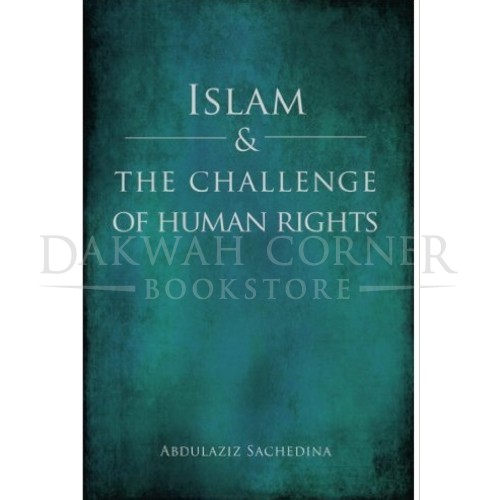
Islam & The Challenge of Human Rights
In 1948, the General Assembly of the United Nations adopted and proclaimed the International Declaration of Human Rights, a document designed to hold both individuals and nations accountable for their treatment of fellow human beings-regardless of religious or cultural affiliations. Since then, debates surrounding the reach and scope of the Declaration have been lively and wide-ranging, with the compatibility of Islam and human rights emerging as a particularly thorny issue of international concern. The question has been addressed by Muslim rulers, conservatives, and extremists, as well as Western analysts and policymakers, all of whom have commonly agreed that Islamic theology and human rights cannot coexist.
The Sources of the Qur’an
“Who is the author of the Qur’an?” On this subject scholars have flagrantly contradicted each other. This work attempts to make a critical review of the major ‘authorship’ theories by pressing into service logical arguments, historical evidence, textual analysis and scientific data. Probably, the only point of agreement about the Qur’an is that it was uttered for the first time by a man who was born in Makkah (Mecca), a city of Arabia, in the sixth century—a man by the name of Muhammad (blessings and peace be upon him). As to the source of the Qur’an, scholars are divided into three main groups: those who believe that Muhammad (blessings and peace be upon him) himself was the author; those who believe that he was not the author himself but learned it from another human author or authors; and those who believe that the Qur’an has no human author but is rather a word-for-word revelation from God. Hamza Njozi examines the three theories and comes to a firm and logical conclusion.
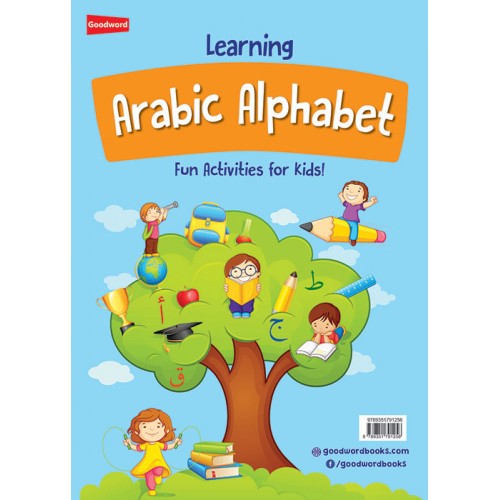
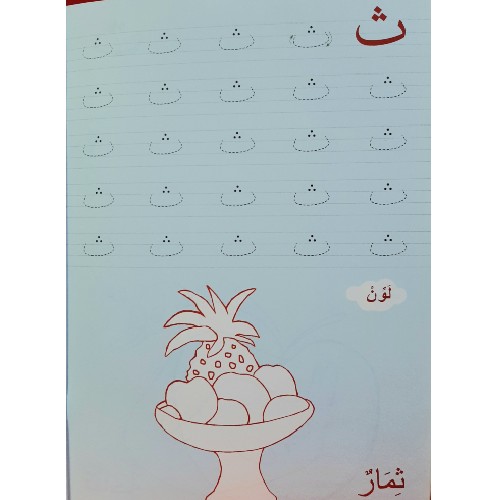
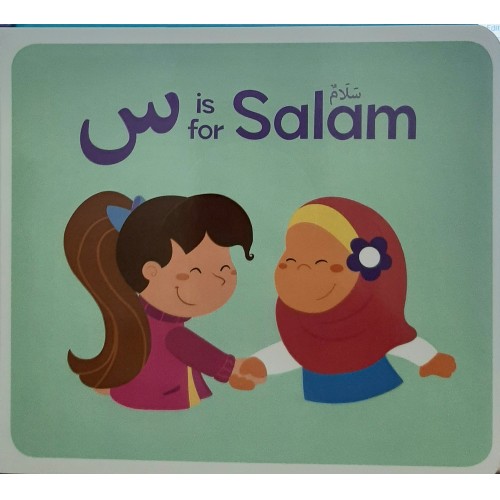
Learning Arabic Alphabet
Fun activities for kids to learn the Arabic alphabet!
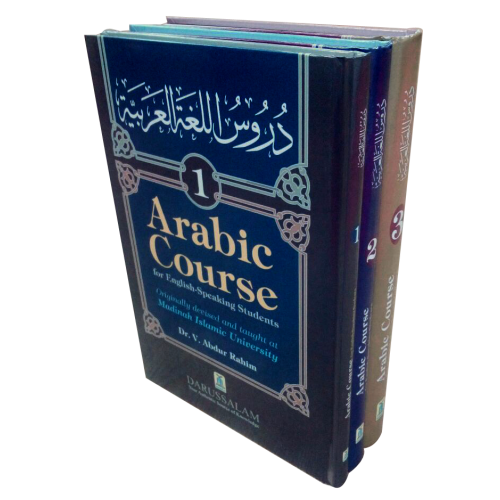
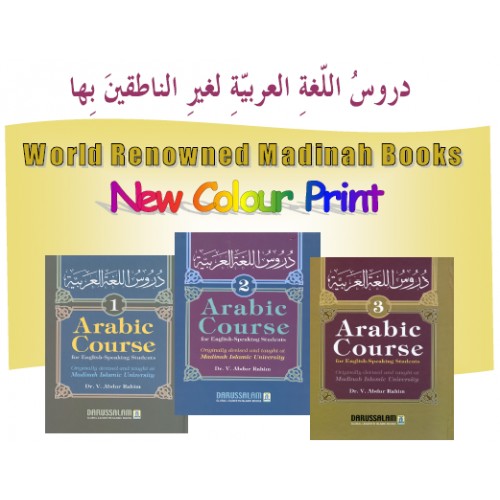
Arabic Course for English-Speaking Students -3 Vols (H/B)
Easy Arabic Course (Durus al-Lughat al-Arabiyah) – For English-Speaking Students. As per the curricula and norms pescribed by the Islamic University of Madinah.
Combines Modern Arabic vocabulary with Islamic terminology as used in the Qur’an and hadith. Assists in learning Arabic grammar and essential language skills Uses a conversational approach to help understand grammatical usages in its perfect form. Contains Multi-skil exercises to improve vocabulary and language
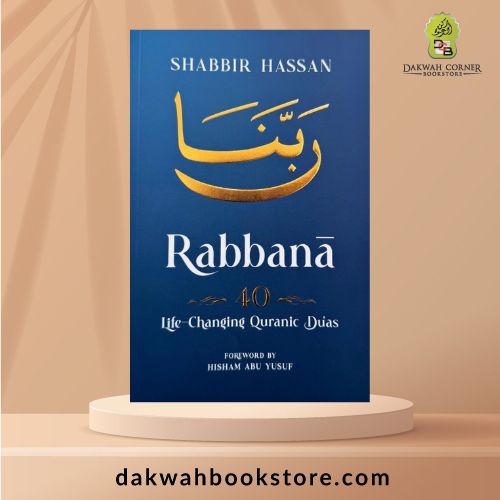
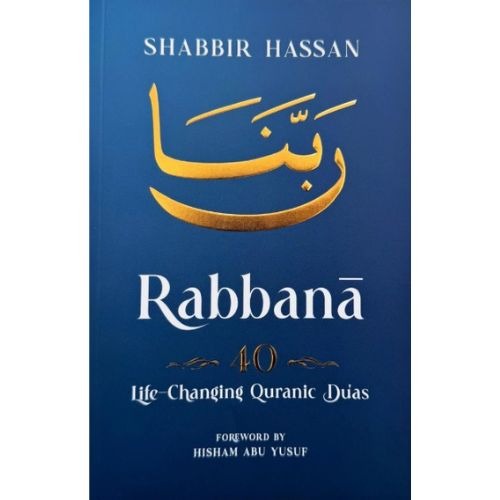
40 Life-Changing Quranic Du’as (P/B)
This book brings together forty powerful supplications from the Qur’an — prayers spoken by prophets, believers, and seekers across generations. Each du’a is explored in depth, helping readers not only recite the words, but understand the story, context, and spiritual wisdom behind them.
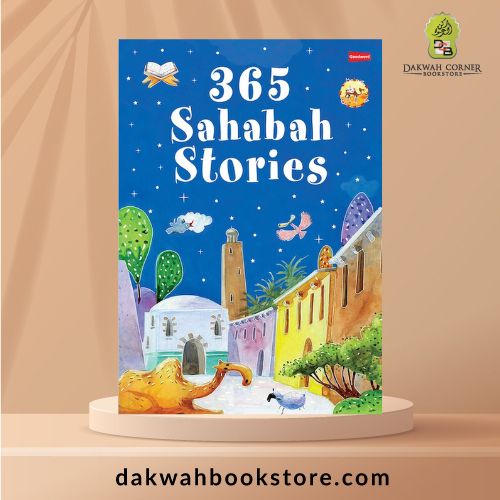
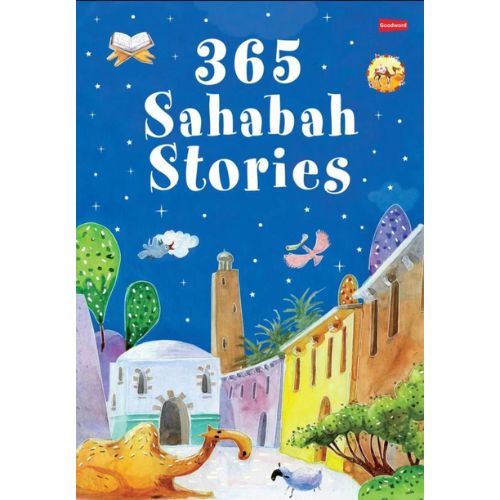
365 Sahabah Stories (H/B)
(Formerly known as 365 Days with the Sahabah)
365 Sahabah Stories is a unique storybook, which takes children on a fun-filled, day-by-day adventure throughout the life and times of the Sahabah or the Companions of the Prophet Muhammad saw. It provides a lively account of the Sahabah as persons, whose life and teachings are loved, cherished and respected by people all over the world. Every day, children will find in it a new story enshrining the wisdom of the Prophet Muhammad saw and his Companions, which they can apply in their daily lives.
Featuring 365 stories, this book introduces children to wonderful world of the Sahabah and the Prophet Muhammad saw. Children will love the colourful illustrations and captivating stories, charmingly told in simple language.
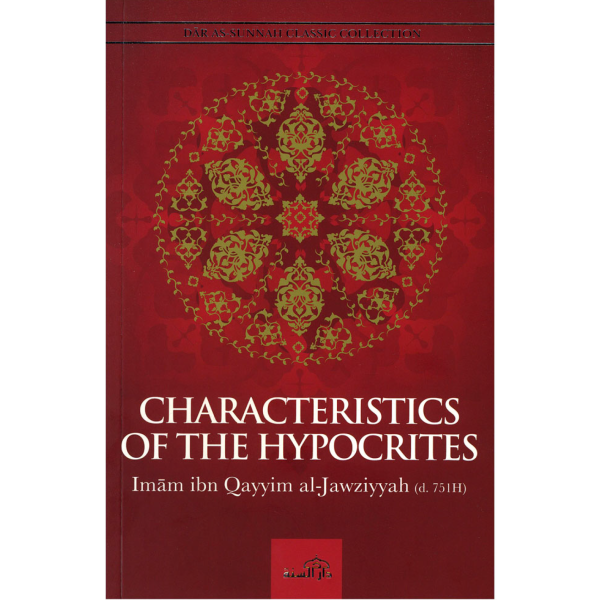
Characteristics Of The Hypocrites
Hypocrisy is a deep-rooted and all-pervading spiritual disease. A person’s heart could be overflowing with it yet be oblivious of it due to its hidden and subtle nature; frequently does it lead a person to think they are acting rightly when in reality he is spreading corruption. It is of two types: major and minor; majority hypocrisy leads to eternal punishment in the lowest depths of Hell; it is to outwardly display faith in Allah, His Angles, His Books, His Messengers, and the last Day whereas inwardly one is devoid of such belief, indeed disbelieving in it. They do not believe that Allah spoke to a man amongst men who He appointed to be Messenger: guiding them by His permission and warning them of His punishments.
The Higher Objectives of Humanity
A video summary of this book can be found here: https://www.youtube.com/watch?v=YdNQxv_ODdc&t=26s This book discusses the why, what and how of Rahmatan lil-Alamin as the higher objective of humanity. It presents a practical understanding of the purpose of creation and humanity to improve the individual and collective well-being of Muslims and society. The intention is to re-introduce and re-emphasize the correct Islamic perspective of humanity. The first five chapters revisits the common understanding among Muslims as to why mankind is created. We show that the prevalent view that we are created to worship Allah (SWT) is incomplete. There is a higher and more noble purpose; Rahmatan lil-Alamin (mercy to the worlds). We next describe the what of Rahmatan lil-Alamin. The best role model of Rahmatan lil-Alamin is undoubtedly Prophet Muhammad (SAW), the last and final prophet and messenger, whom Allah (SWT) sent with a very clear purpose, “And We have not sent you but as a mercy to the worlds.” [21:107]. We present many examples from the history of Prophet Muhammad (SAW) and a collection of his (SAW) sayings and advice on being the best. The final chapters of the book deal with the how of Rahmatan lil-Alamin. We describe in detail how the Muslim can apply Rahmatan lil-Alamin daily in his or her life. We propose a practical model of Rahmatan lil-Alamin that we induced from the Quran. We also addressed how to apply Rahmatan lil-Alamin to a broader society by proposing a decision-making tool that can guide us as persons and as communities to make decisions that conform to the foundations and priorities of Rahmatan lil-Alamin. We present case studies from the history of the Companions using this decision-making model. This book seeks to establish a connection between Islam and civilization within a civilizational and ethical framework. We believe that a more proper and complete understanding of the Islamic view about humanity may present to us new perspectives of Islam and how Muslims should engage with fellow Muslims and people of other faiths. In fact, the implication of this new reinterpretation framework goes even further in that: any human civilization built on this framework is the most prosperous for the whole and also for the individuals in it.


There are no reviews yet.