



![[ASJ] Al-Rawḍ al-Murabba‘ 1/2 - 1/2الروض المربع](https://shop.dakwahbookstore.com/wp-content/uploads/2025/02/TARIQ-10.jpg)
![[AFT] Naẓariyyat al-Zamān wa al-Makān / نظرية الزمان والمكان](https://shop.dakwahbookstore.com/wp-content/uploads/2025/02/TARIQ-11.jpg)
| Weight | 0.44 kg |
|---|---|
| Dimensions | 22 × 16 × 3 cm |
| Author | |
| ISBN | 9786035001618 |
| Pages | 251 |
| Publisher | Darussalam |
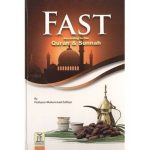
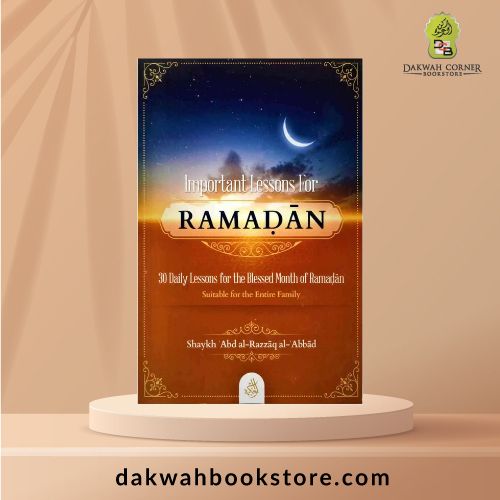
Fast According to the Quran & Sunnah
RM35.00
Hurry up, Only 1 left.

Highlights:
somdn_product_page
Compare
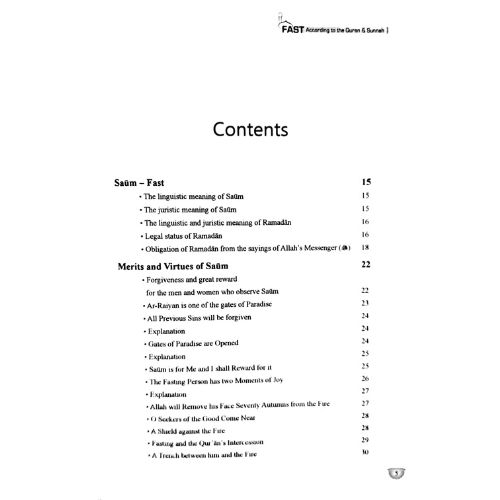
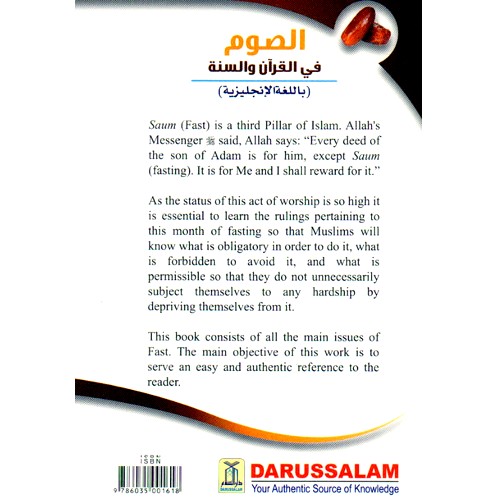
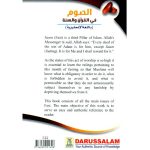
Saum (Fast) is a third Pillar of Islam. Allah’s Messenger said, Allah says: “Every deed of the son of Adam is for him, except Saum (fasting). It is for Me and I shall reward for it.”
As the status of this act of worship is so high it is essential to learn the pilings pertaining to this month of fasting so that Muslims will know what is obligatory in order to do it, what is forbidden to avoid it, and what is permissible so that they do not unnecessarily subject themselves to any hardship by depriving themselves from it.
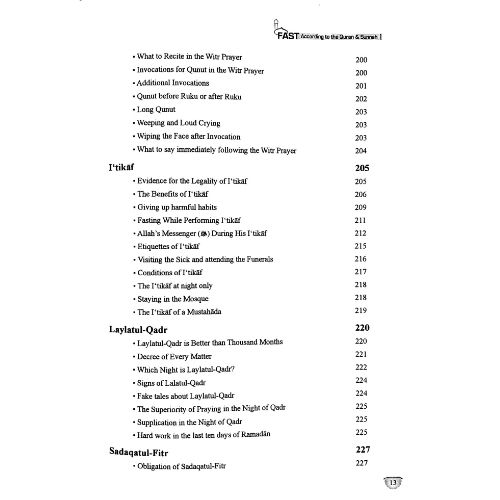
This book consists of all the main issues of Fast. The main objective of this work is to serve an easy and authentic reference to the reader.
Frequently Bought Together
1 Item
RM35.00
1 Add-Ons
RM100.00
Total
RM135.00
Additional information
Reviews (0)
Be the first to review “Fast According to the Quran & Sunnah” Cancel reply
You must be logged in to post a review.
You may also like…
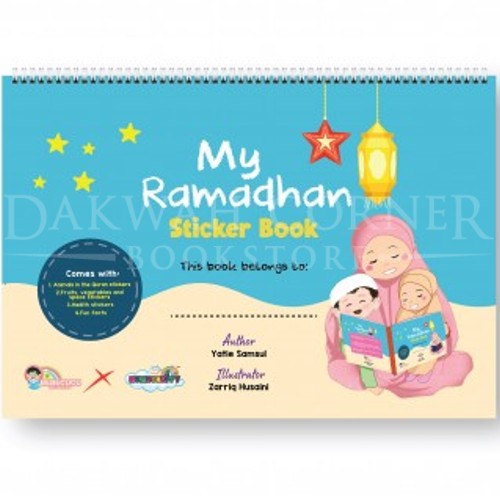
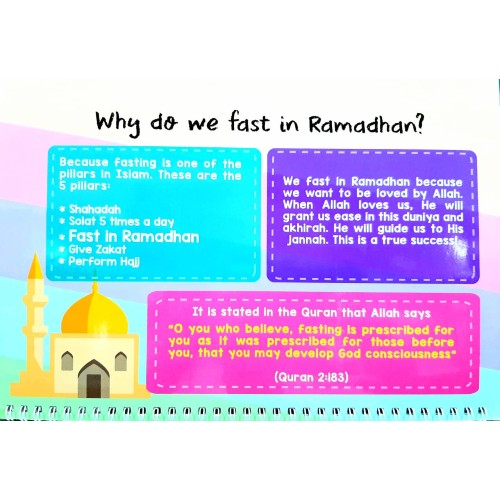
My Ramadhan Sticker Book
Highlights:
- Encourage your children to fast, pray and do good deeds during this holy month.
- By sticking the stickers, it will facilitate your children to see what they have done throughout the day and see their improvement day by day.
- Playing with stickers requires careful handling and helps to increase focus!
RM29.00

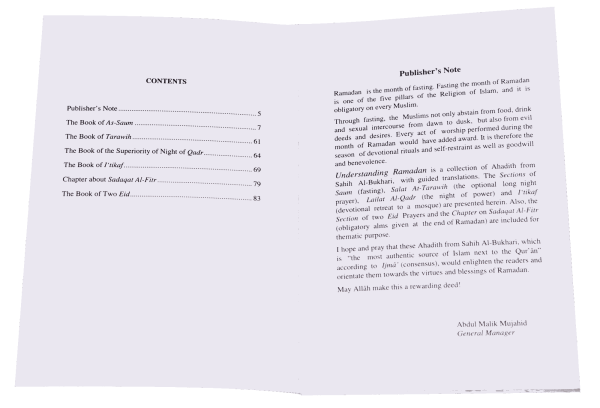
Understanding Ramadan
Highlights:
This book covers important aspects regarding Ramadan. The book is a collection of Ahadith from Sahih Al-Bukhari, with guided translations. The topics which are covered are Fasting, Salat at-Tarawih, Lailat Al-Qadr and Itikaf. Also, the section of two Eid Prayers and the chapter on Sadaqat Al-Fitr are included for the thematic purpose. This book is a must-read for all.
RM20.00
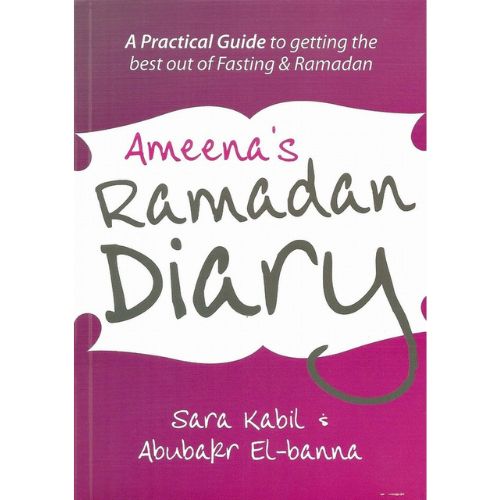
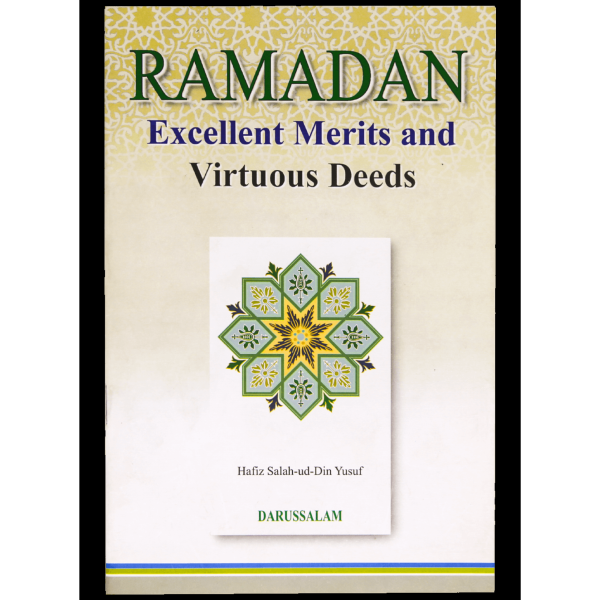
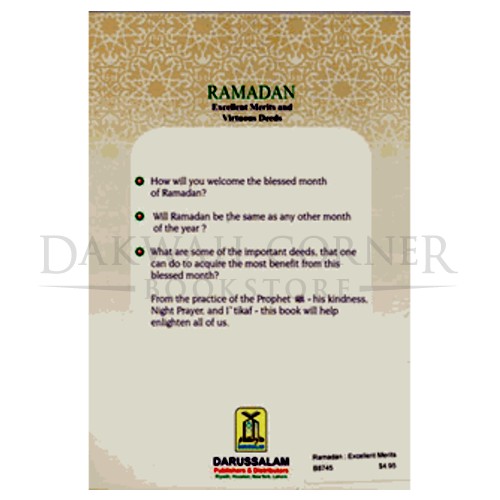
Ramadan Excellent Merits And Virtuous Deeds
Highlights:
Ramadan Excellent Merits and Virtuous Deeds by Darussalam is an important booklet written by Hafiz Salah-ud-Din Yusuf. The book details all the virtuous deed that should be carried out in the holy month of Ramadan and is a good guide for people aiming to achieve the maximum benefits of this holy month. It explains how we should welcome Ramadan, matters related to Itekaf, the night prayer, giving charity, and searching for the Night of Decree.
Related Products


Having Fun The Halal Way Entertainment In Islam
5 ★
5 ★
1 Rating
5 ★
1
4 ★
0
3 ★
0
2 ★
0
1 ★
0
Highlights:
With the advent of technology, the entertainment industry has flourished and become immensely popular. Combine this with the exponential advances in technology, and the result is an increasing number of ways to amuse ourselves. As a result of such advances, Muslim react in a variety of manners towards entertainment. Some label entertainment as completely forbidden. This sometimes includes parents who say no to almost everything that their young ones deem to be ‘fun’, without providing them with suitable alternatives. Others, who do not want to take this extreme approach, fall into the trap of excessive use of – and even addiction to – various sources of entertainment, without any limits.
In Having Fun the Halal Way, Ismail Kamdar explores the teachings of Islam regarding entertainment. Drawing upon the Quran, the Sunnah and the understanding of the righteous scholars of Islam, he provides a detailed and balanced analysis of the topic. He not only explains the detriments of the current entertainment industry, but also suggests alternative means to have a good time with friends and family members.
RM18.00

Istihsan (P/B)
Highlights:
This work constitutes a critical analysis of classical and modern aspects of the concept of istihsan (juristic preference), an important principle in Islamic legal legislation throughout history. Although there has been many research works on the subject, it still requires further investigation on the role and nature of istihsan with regard to a combination of classical and modern approaches. Consisting of four chapters, the author begins by introducing some general principles of Islamic law, before discussing the history of istihsan during the time of the Prophet and his Companions. He also analyses the validity of istihsan as a source of law and discusses the differences among scholars on its method of implementation.
RM57.00

Forensic Psychiatry In Islamic Jurisprudence (P/B) (IBT)
Highlights:
This is the first book in Forensic Psychiatry that focuses on the application of psychiatry to legal issues connected to Islamic jurisprudence. It gives contemporary psychiatry in any Islamic country a broad spectrum of tools to work with, enabling the utilization of options specific to particular societal and cultural norms. This book will appeal to both the general as well as the academic reader.
RM40.00


Getting the Best Out of Hajj
Highlights:
The book provides a realistic view of Hajj as it is today, with detailed explanations of all the rites. It provides Figh related issues about Hajj, Salah and personal behaviour according to the Quran and Sunnah, to enable you to obtain the best value for your time spent in the holy cities. It also provides information and suggestions about planning for the journey, what to expect and how to survive, so you can depart with full confidence. This is a must have for all those planning to go on Hajj!
RM75.00


Should A Muslim Follow A Particular Madhhab?
Highlights:
In this book, the author has widely described the main principle of Taqleed. He says that Allah and Prophet Mohammed (SAW) has not ordered us to follow any opinions and interpretations. So there’s a possibility of being correct or incorrect in the opinions because there are many issues on which the Imams had different views and they explain them according to their own reasons and speculations, but the real and true Islam is based on the book (Quran) and Prophet’s Sunnah.
Allah says: “But no, by your Lord, they can have no Faith until they make you judge in all disputed matters between them, and find in themselves no resistance against your decision, and accept them with full submission.” And the prophet said: “I leave you with two things as long as you hold them tightly, you never go astray: they are the book of Allah and my Sunnah.” In this sense, the author has described the difference between different Madhahib (madhabs/mazhabs), and their views and urged to follow only the Quran and Sunnah.
RM11.00


Smoking Intoxicants & Narcotics (P/B)
Highlights:
This book deals with the epidemic of smoking, which enslaves many of today’s Muslims, and which is aggravated by that most victims belittle its dangers and deny its prohibition.
This book includes a discussions of intoxicants, establishing the prohibition of various practices associated with them, as well as penalties (in both lives) for those who partake in them.
This book also includes a discussion of narcotics, with an overview of marijuana and qaat (or khat). Based on their established effects and harms, we conclude that narcotics are strongly prohibited, except in very limited medical settings.
This book, we hope, will provide many Muslims with guidance toward a healthier, cleaner and worthies Islamic personality. My Allah grant us guidance and facilitation.
RM28.00

Shatibi’s Philosophy of Islamic Law (P/B)
Highlights:
Abu Ishaq al-Shatibi, who died in 1888, had sought an answer to the challenge posed by modernisation and change to Islamic law, by introducing maslahah, which forms the basis of his philosophy of Islamic law. In a fascinating way, the author leads us step by step to what he considers the true import of Shatibi’s views concerning jurisprudence.
RM41.00


Common Mistakes Regarding Prayer – IIPH
Highlights:
Formal prayer (salat) is the second pillar of Islam, and the most important of a Muslim’s acts of worship. Prophet Muhammad (PBUH) said: “The first of one’s actions for which a slave of Allah will be held accountable on the Day of Judgment will be one’s prayers. If they are correct and accounted for, then he (or she) will have succeeded (gained paradise); and if they are lacking, then he (or she) will have failed (lost paradise). If there is something defective in his (or her) obligatory prayers, the Lord will say: ‘See if my slave has any supererogatory prayers with which that which was defective in his (or her) obligatory prayers may be completed. Then the rest of his (or her) deeds will be judged in like manner.” (At-Tirmidhi and others) Shaykh Mashhur Hasan Salman has compiled a list of the most common errors that we make when we pray, discussing and explaining each one. This book is a valuable aid to Muslims hoping to perfect their prayers, so that their prayers may be free of defects and acceptable to Allah. This new and revised edition of the English translation of his work presents the text in a fluent, highly readable style.
RM38.00

Worship In Islam: An In-depth Study of Ibadah, Salah and Sawm (P/B)
Highlights:
Worship in Islam is in-depth study of the nature and significance of Islamic spirituality by Abul A‘la Mawdudi (1903–79), one of the leading Muslim intellectuals of the twentieth century, with special reference to the concepts of God’s Oneness (tawhid), the finality of Prophethood (risalah) and the Islamic system of worship (‘ibadah) with a focus upon prayer (salah) and fasting (sawm) and their role in the development of the Islamic personality and Islam’s social order. The distinguishing feature of Mawdudi’s approach is his elaboration of the social dimension of worship, which extends the traditional approach found in Islamic jurisprudence, with its focus upon ritual and self-purification, to consider worship’s transformative role in social life. Presenting a holistic view of the Islamic system, Mawdudi highlights Islam’s social, economic and political dimensions, which he argues has the capacity to resolve emergent issues and problems that humankind faces.
This historic text should be of wider interest to both students and specialists in contemporary Islamic thought, and includes an introduction by Professor Anis Ahmad.
Edited and translated into accessible English by Ahmad Imam Shafaq Hashemi, this book is an authoritative compilation by a leading Islamic twentieth-century revivalist on the central matter of worship’s role in Islam.
RM84.00


The Concise Presentation of the Fiqh of the Sunnah and the Noble Book
Highlights:
Written by Dr. Abdul-Azeem Badawi and translated by Jamal al-Din M. Zarabozo, The Concise Presentation of the Fiqh of the Sunnah and the Noble Book covers the fiqh of diverse topics like purity, prayer, fasting, zakah, pilgrimage, marriage, business transactions, foods, inheritance, criminal offenses, and jihad. Dr. Badawi relies only on the Quran and the Sunnah, making it an authentic Islamic book on fiqh and a collection of sound hadiths.
RM90.00


Funerals Regulations and Exhortations (H/B)
Highlights:
Our soul inevitably follows a route starting from birth, passing through death, and ending with our resurrection in the next life. The inevitable journey discusses over a sequence of titles: sickness, inheritance, funerals, Life in Barzakh and so on…
RM75.00

Preservation of Health in Islamic Law (P/B)
Highlights:
Preservation of health (hifz al-sihhah) is the most important branch of Islamic medicine since it is primarily concerned with the prevention of illness rather than cure. This book represents one of the few attempts to introduce the role of Islamic medicine, although Chapter One provides information about a historical background of the preservation of helath in Islam, its aim is to provide fresh ant timely overview of the major aspects of legal, ritual and spiritual structures of teh Islamic law (shariah). These include the laws related to Ibadah, Islamic family laws, foods and drinks as well as environmental laws, for maintaning and preserving human health. Findings indicated that prevention of any diseases from Islamic medical law presentive cannot attain any real success unless it emanates from an Islamic fundamental teaching, namely: the pillars of Islam. Iman and observance of the Islamic rituals such as Salah, zakah, Sawm and Hajj, have played an important role in shaping the attitude, behavior and model personality of the Muslim, in boosting the spiritual motivation or attitude change, and in disseminating the message of prevention. This indicates that bodily and spiritual health goes hand in hand and that pyscho-spritual balance and health is a primary consideration whereas physical health is a secondary one.
RM47.00
Recently Viewed
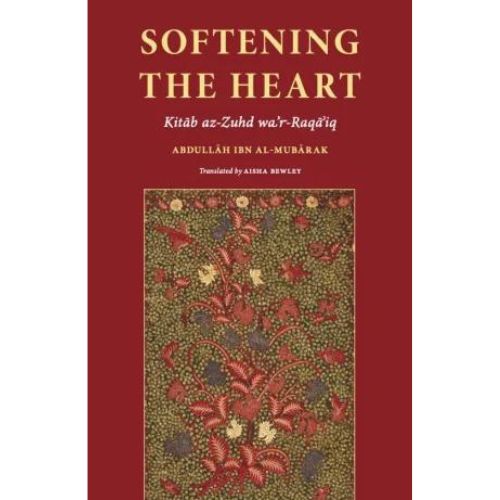
Softening The Heart (P/B)
Highlights:
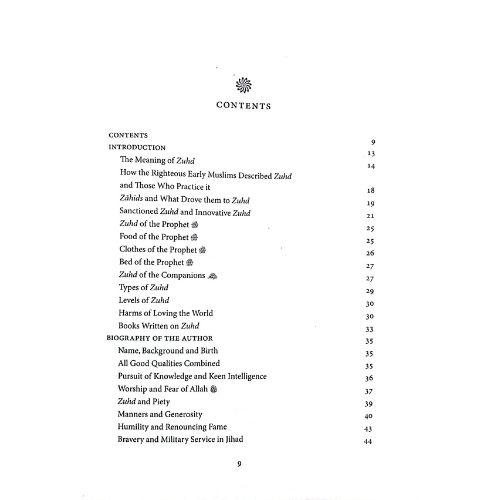
ʿAbdullah ibn al-Mubarak’s Kitab az-Zuhd wa’r-Raqaʾiq, the earliest extant book on self-discipline in Islam, is a collection of Qur’ānic exegesis, prophetic traditions and anecdotes from the early generations that encourages rejection of this temporal world in favour of the eternal life of the Next World.
RM110.00
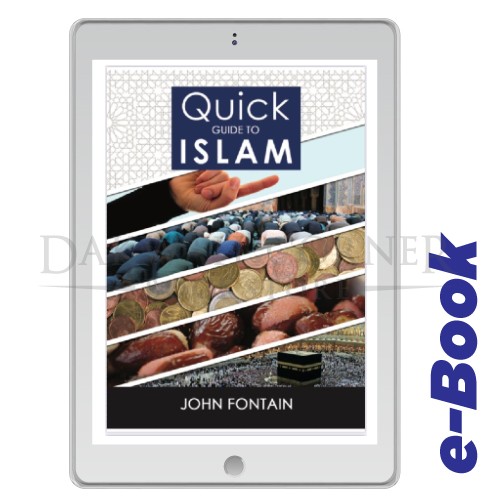
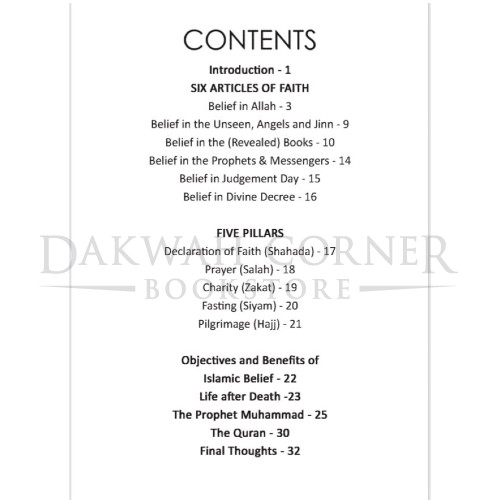
(FREE-eBook) Quick Guide To Islam
Highlights:
(E-book FREE)
John Fountain was raised as a Christian but always believed in the concept of One God. In 2006 he started looking into Islam after coming into contact with Muslims in West Africa. After studying the religion, he finally embraced Islam in 2008, in Cairo Egypt. Since then he has been actively involved in Da’wah work (inviting people to Islam). John also runs his own charity organisation “Volunteer Sierra Leone” which helps support over 65 Muslim schools throughout Sierra Leone. Quick Guide to Islam is a brief introduction to some some of the key aspects of Islam that aims to reach out to Non-Muslims unfamiliar with the religion.
RM0.00
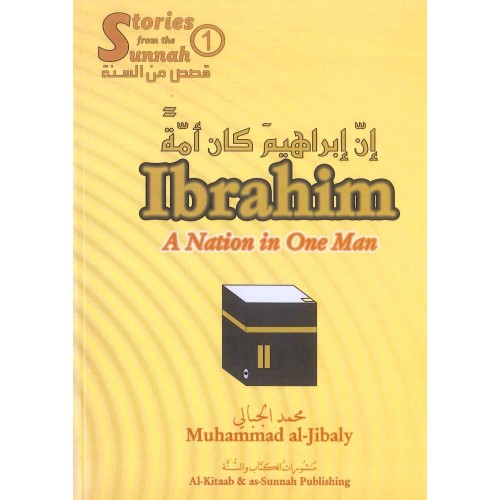
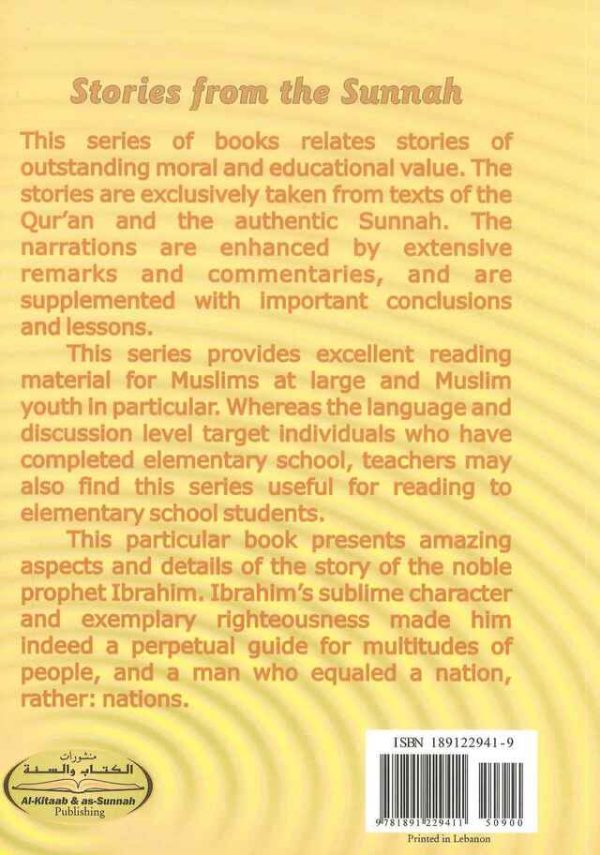
Ibrahim A Nation in One Man (P/B)
Highlights:
Prophet Ibrahim (AS) was known to be the friend of Allah. There was a reason why this was true. His Love for the Lord was unparalleled and so were his trials.However, through his life history one can learn a lot about life as well as the attributes of being a great human being. Includes the Life and times of Prophet Ibrahim (AS), explained in detail by the author. Every story of the prophet is linked to a moralistic and educational value. All stories provided in the book are authentic; they are taken from the Quran and the authentic Sunnah. Each story is supported by further research and commentaries from Muslim Scholars. The language level is easy to understand and it targets the students of Elementary school. Although everyone else is free to read it. The prophets were all Allah’s messengers, and they were the perfect example of what had to be offered in order to maximize the message of Allah. So why not learn from them, and make our world a better place?
RM39.00
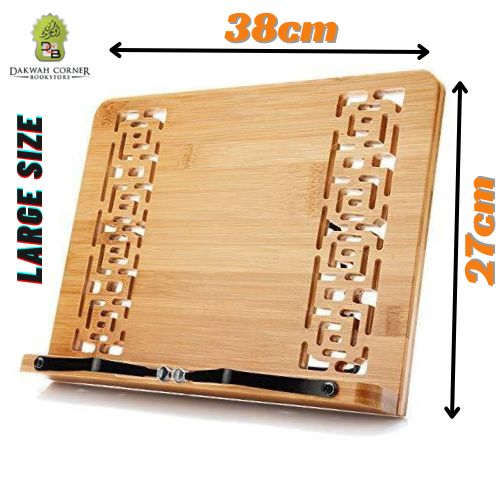
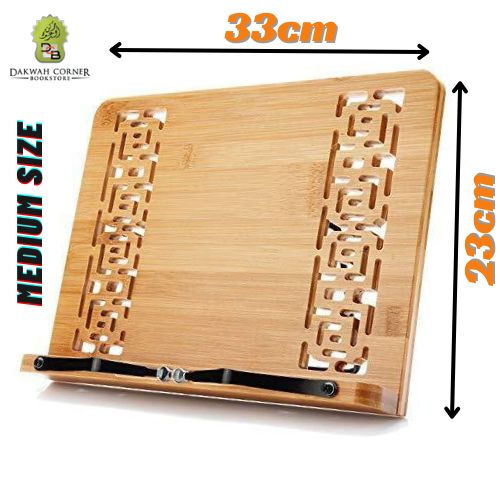
RM50.00 – RM65.00Price range: RM50.00 through RM65.00
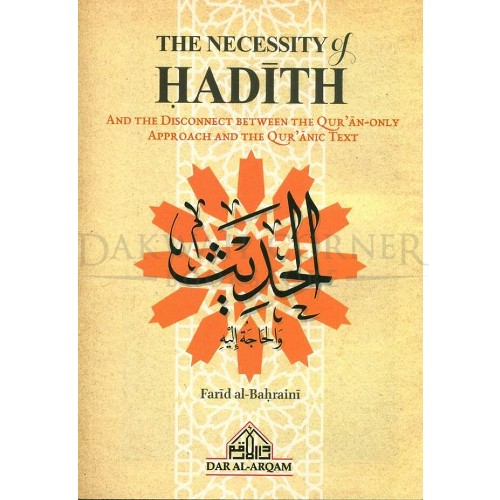
The Necessity of Hadith
Highlights:
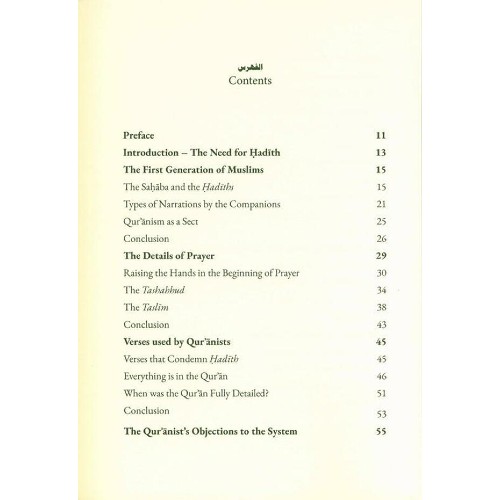
Imagine a religion in which its adherents openly reject every saying, action, and event surrounding their Prophet &$. It is a Qur’anist’s reality. What exactly would lead to this stance, this scepticism, towards haduh? What would cause a Muslim to reject the teachings of the Prophet ¿E that he adores?! Everything about Islam is questionable without hadiths. What exactly do we know about the Prophet of Islam 2 without hadiths? Never mind his biography, we can’t even ascertain his identity. The Qur’än only identifies him as Muhammad (Q. 3:144). Couldn’t this be referring to Muhammad bin Maslama d. 43 AH) instead of Muhammad bin ‘Abdilläh (d. 11 AH)? This book is directed to hadith-rejecters, to Muslims in general that are on the fence, as well as to conservative Muslims that seek to reaffirm their stance in regards to the authority of hadiths.
RM36.00
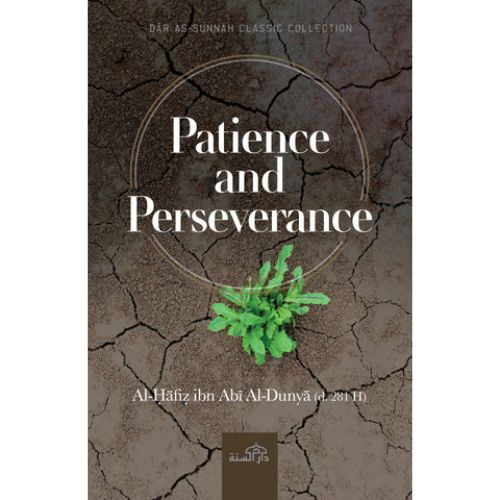
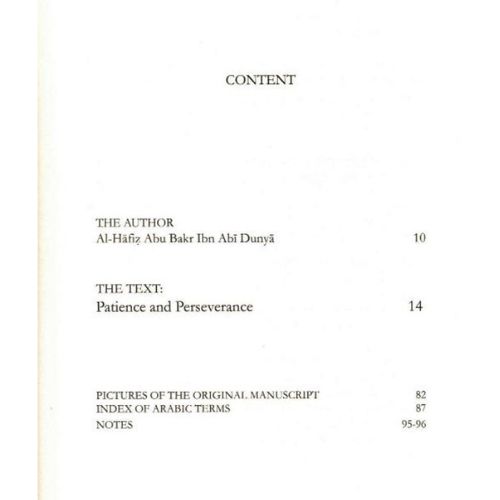
Patience and Perseverance (P/B)
Highlights:
Sulayman ibn Qasim said, “The reward of every deed is known except for patience, for Allah Almighty Said: ‘Indeed, those who endure patiently will be given their reward in full without limit.’ [Al-Zumar, 10]
The attribute of patience is less about the ability to sit tight and wait out any adversity or misfortune, and more about holding good etiquette and Islamic propriety while waiting. This includes persevering throughout the ordeal, not complaining about one’s condition (except to Allah) and recognising that Allah’s wisdom and decree necessitate holding good positive thoughts about Him.
RM50.00
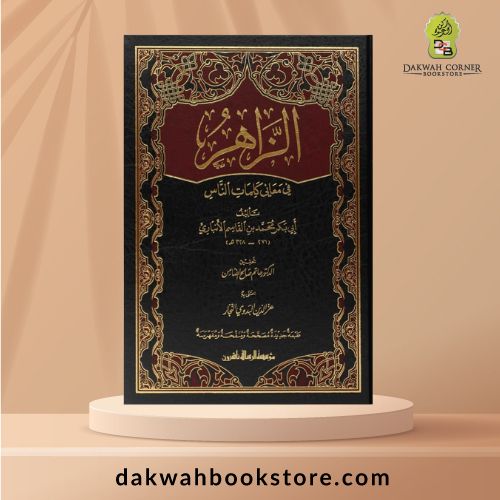
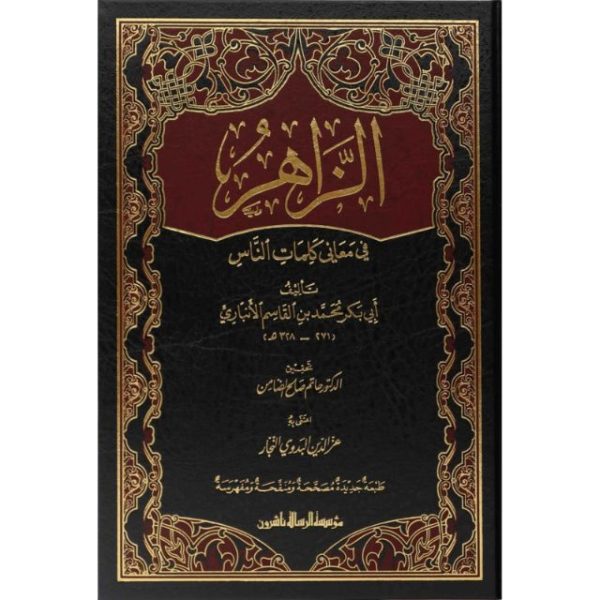
[AAA] Alzahir Fi Ma’ani Kalimat Alnas 2 Vol / الزاهر في معاني كلمات الناس 1/2
Highlights:
كتاب “الزاهر في معاني كلمات الناس“ هو أحد أقدم وأهم مصادر اللغة العربية والأدب، صنّفه العالم اللغوي الكوفي البارز أبو بكر محمد بن القاسم بن بشار الأنباري المتوفى سنة
RM250.00
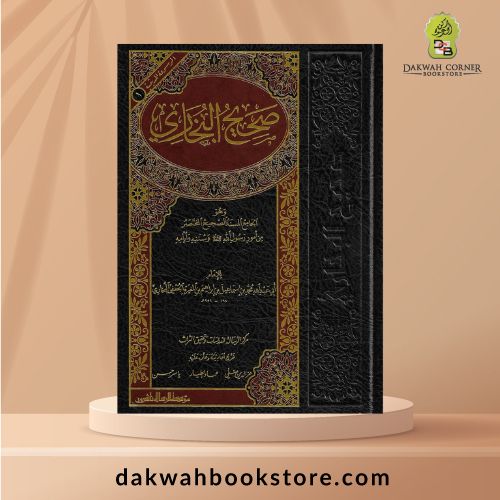
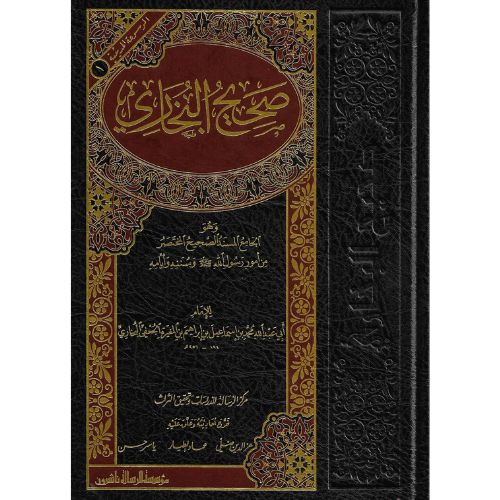
[HH] Sahih Al Bukhari (Ar Risalah Naashirun) / صحيح البخاري
Highlights:
يعد هذا الكتاب من أوّل كتاب مصنّف في الحديث الصحيح المجرّد، وهو أهم و أشهر كتب الحديث الشريف، واستغرق مصنّفه في تحريره ستة عشر عاماً، وقد انتقى أحاديثه من ستمائة ألف حديث جمعها.
RM200.00
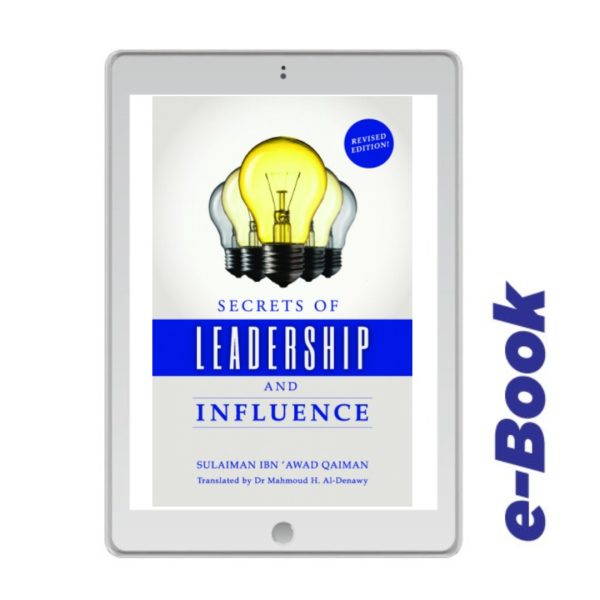
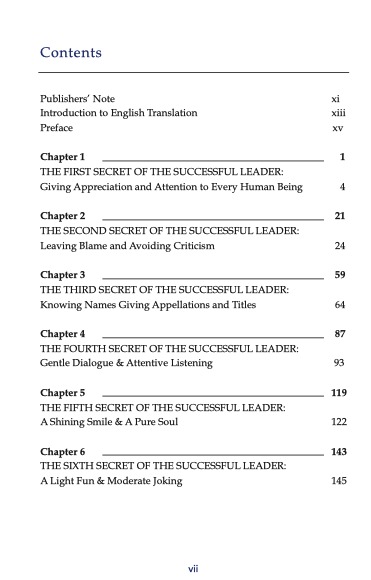
(E-Book) Secret Of Leadership
Highlights:
In this book, you will read about an enormous number of strong leadership situations, the work plans and the means to achieving the mastery of the machineries for influencing people, and of the ways of impacting changes. The book presents to you some illustrations from the inside of the human soul to get you acquainted with systems that can provide you with enormous strength and high aptitude toward effective leadership.
RM26.00
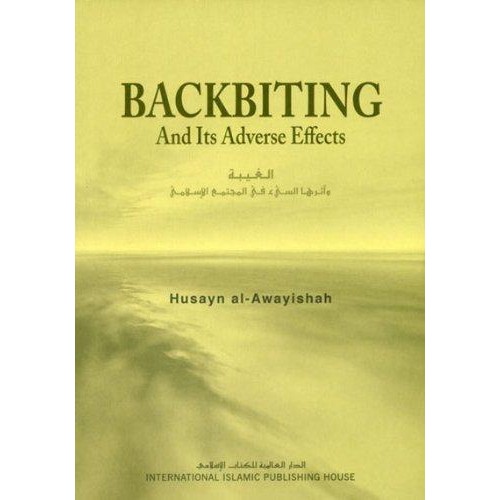
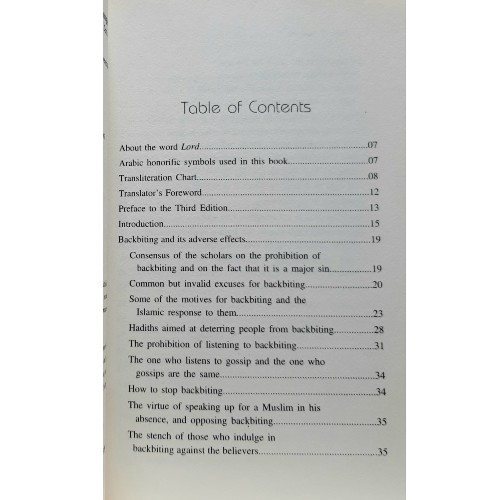
Backbiting and Its Adverse Effects
4 ★
4 ★
1 Rating
5 ★
0
4 ★
1
3 ★
0
2 ★
0
1 ★
0
Highlights:
This is a revised and updated edition of Backbiting (formerly entitled Gossip and its Adverse Effects). The translator, Huda Khattab, explains: The Qur’an states: {…nor speak ill of each other behind their backs. Would any of you like to eat the flesh of his dead brother? No, you would abhor it…} (Qur’an 49: 12) We cannot escape the fact that backbiting affects us all. We have all been victims and, we must be honest, we have all been guilty of this sin. But it is not a matter to be taken lightly; backbiting can wreck lives and shatter communities. Islam is a practical faith that recognizes the human condition and offers achievable remedies to the problems that beset us. Every human society faces the problem of backbiting, and Islam shows us how to tackle it in a sensible and humane manner. Husayn al-Awayishah has researched this topic in depth, and has presented a concise guide to the evils of backbiting and what can be done about it. This book may make for uncomfortable reading, but the topic is one that every one of us has to face up to.
RM11.00
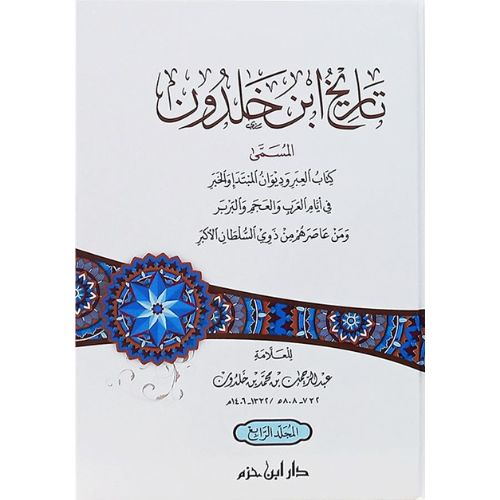
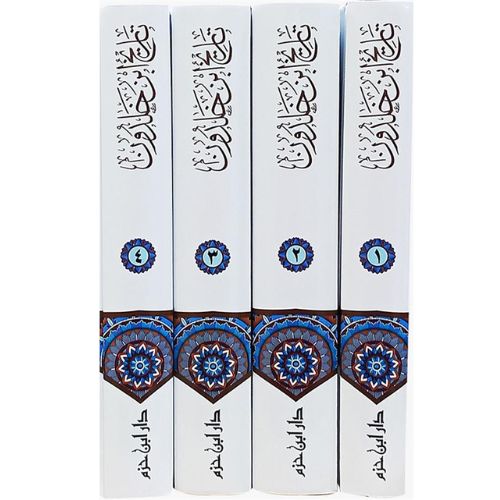
[HS] Tarikh Ibn Khaldun 4 Vol (تاريخ ابن خلدون 1 /4)
Highlights:
كتاب “تاريخ الطبري” تاريخ “الرسل والملوك” أو الأمم والملوك من أهم كتب المصادر في مجال التاريخ، إذ يعد أوفى عمل تاريخي بين مصنفات العرب أقامه مصنفه على منهج مرسوم، وساقه في طريق استقرائي شامل، بلغت فيه الرواية مبلغها من الثقة والأمانة، أكمل ما قام به المؤرخون قبله، كاليعقوبي والبلاذري، والواقدي، ومهد لمن جاء بعده كالمسعودي، وابن مسكويه وابن الأثير وابن خلدون ولم يقتصر على تاريخ الإسلام بل أرخ لما قبل الهجرة بل ابتدأ من القول في ابتداء الخلق ما كان أوله
RM390.00
There are no reviews yet.