



![[ASJ] Al-Rawḍ al-Murabba‘ 1/2 - 1/2الروض المربع](https://shop.dakwahbookstore.com/wp-content/uploads/2025/02/TARIQ-10.jpg)
![[AFT] Naẓariyyat al-Zamān wa al-Makān / نظرية الزمان والمكان](https://shop.dakwahbookstore.com/wp-content/uploads/2025/02/TARIQ-11.jpg)
| Weight | 0.44 kg |
|---|---|
| Dimensions | 22 × 16 × 3 cm |
| Author | |
| ISBN | 9786035001618 |
| Pages | 251 |
| Publisher | Darussalam |
Fast According to the Quran & Sunnah
RM35.00
Hurry up, Only 1 left.

Highlights:
somdn_product_page
Compare
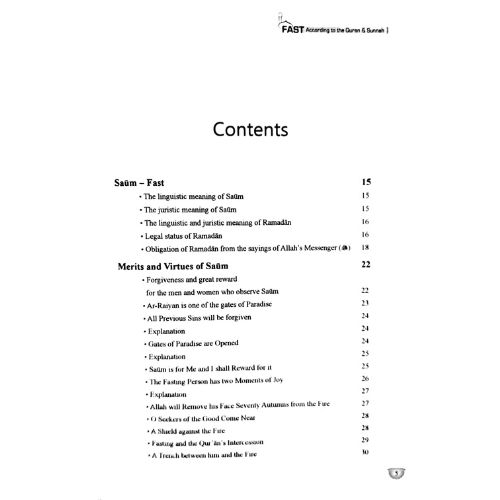
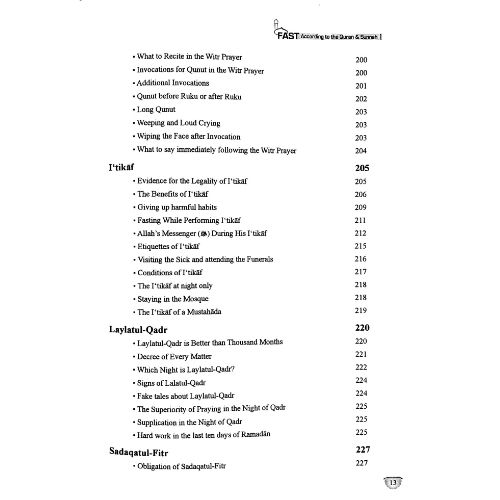
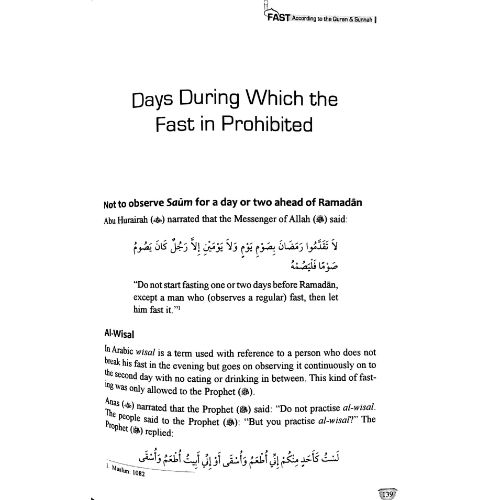
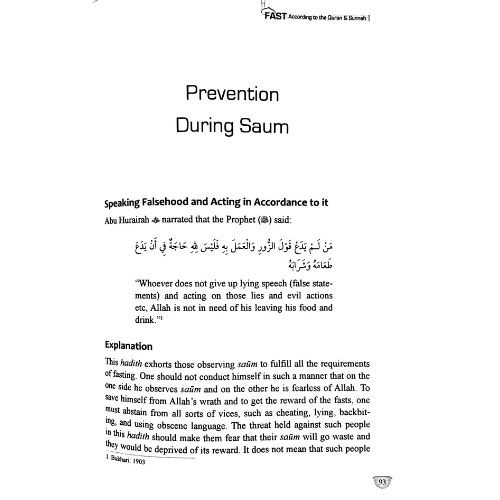
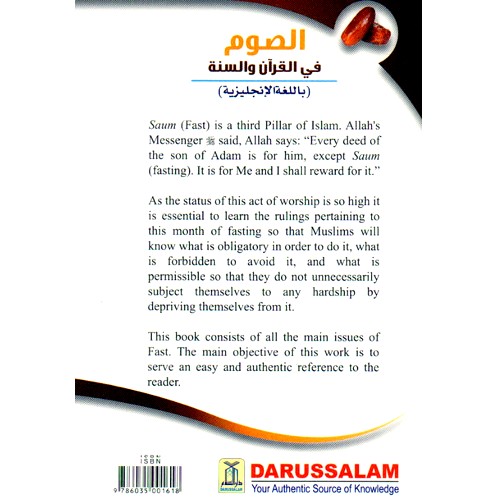
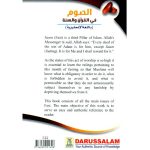
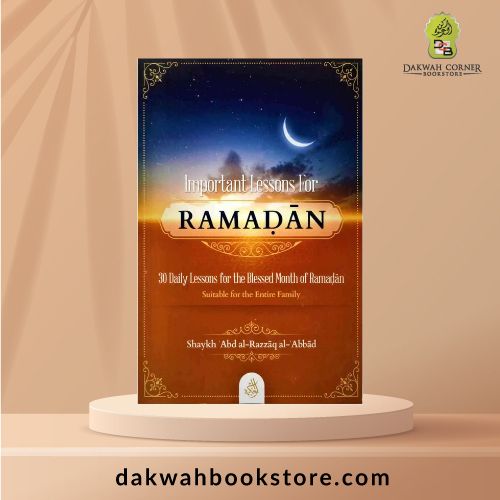
Saum (Fast) is a third Pillar of Islam. Allah’s Messenger said, Allah says: “Every deed of the son of Adam is for him, except Saum (fasting). It is for Me and I shall reward for it.”
As the status of this act of worship is so high it is essential to learn the pilings pertaining to this month of fasting so that Muslims will know what is obligatory in order to do it, what is forbidden to avoid it, and what is permissible so that they do not unnecessarily subject themselves to any hardship by depriving themselves from it.
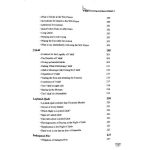
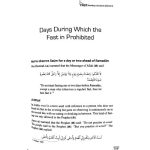
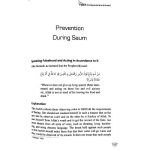
This book consists of all the main issues of Fast. The main objective of this work is to serve an easy and authentic reference to the reader.
Frequently Bought Together
1 Item
RM35.00
1 Add-Ons
RM100.00
Total
RM135.00
Additional information
Reviews (0)
Be the first to review “Fast According to the Quran & Sunnah” Cancel reply
You must be logged in to post a review.
You may also like…
Ramadan Excellent Merits And Virtuous Deeds
Highlights:
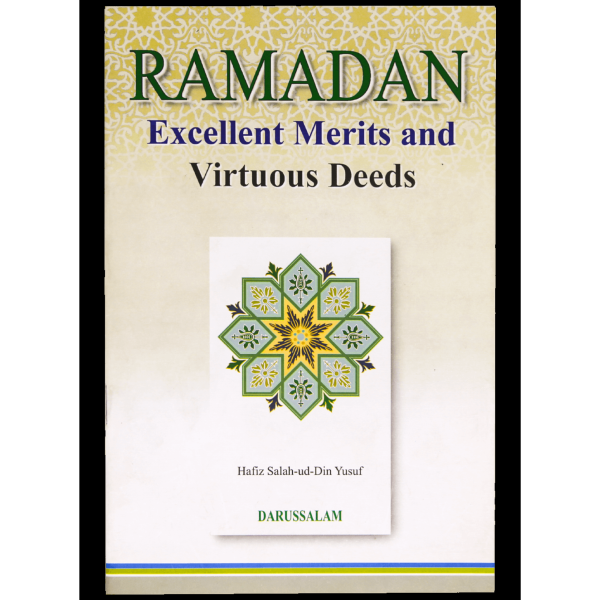
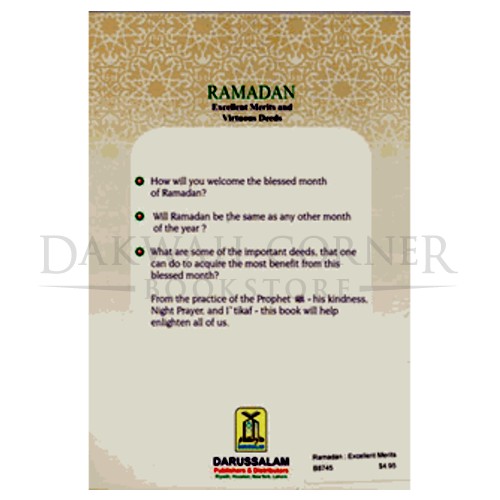
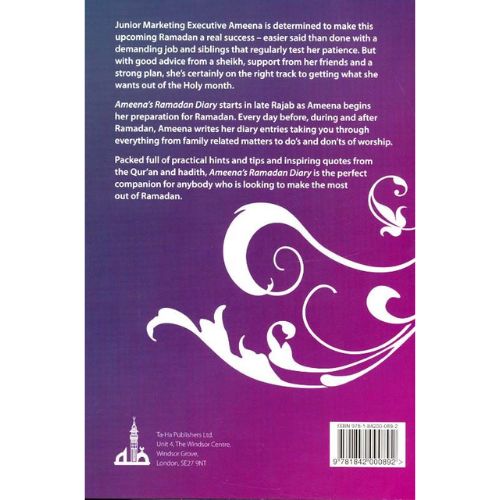
Ramadan Excellent Merits and Virtuous Deeds by Darussalam is an important booklet written by Hafiz Salah-ud-Din Yusuf. The book details all the virtuous deed that should be carried out in the holy month of Ramadan and is a good guide for people aiming to achieve the maximum benefits of this holy month. It explains how we should welcome Ramadan, matters related to Itekaf, the night prayer, giving charity, and searching for the Night of Decree.
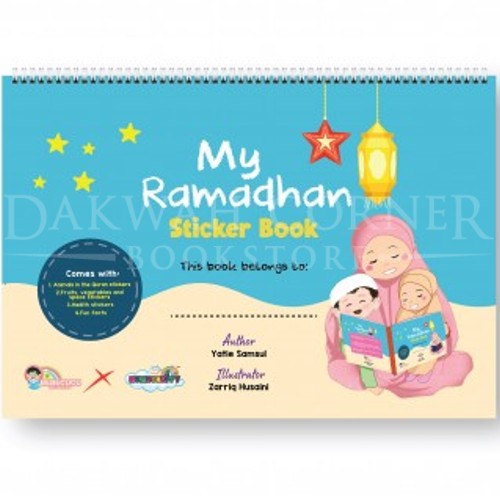
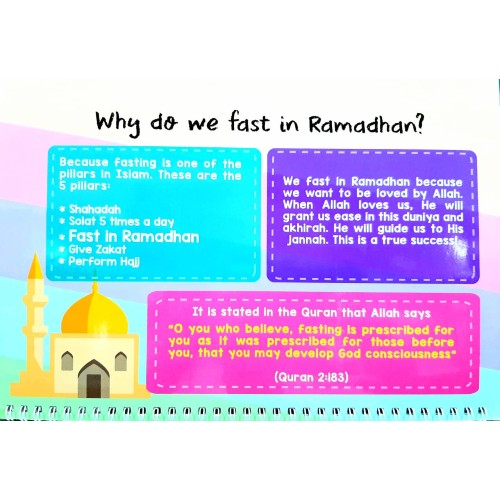
My Ramadhan Sticker Book
Highlights:
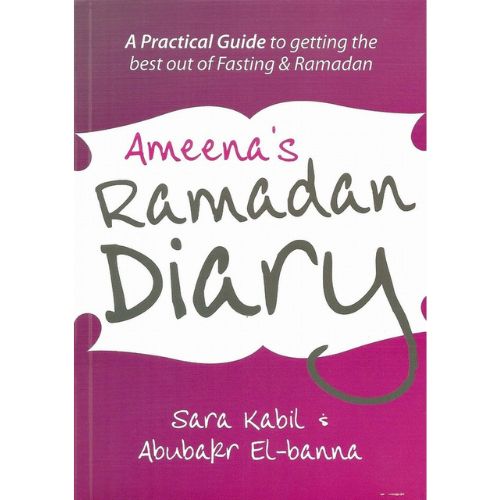
- Encourage your children to fast, pray and do good deeds during this holy month.
- By sticking the stickers, it will facilitate your children to see what they have done throughout the day and see their improvement day by day.
- Playing with stickers requires careful handling and helps to increase focus!
RM29.00

Understanding Ramadan
Highlights:
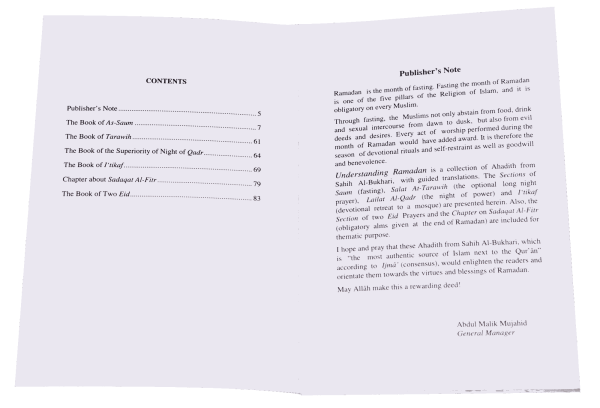
This book covers important aspects regarding Ramadan. The book is a collection of Ahadith from Sahih Al-Bukhari, with guided translations. The topics which are covered are Fasting, Salat at-Tarawih, Lailat Al-Qadr and Itikaf. Also, the section of two Eid Prayers and the chapter on Sadaqat Al-Fitr are included for the thematic purpose. This book is a must-read for all.
RM20.00
Related Products


The Ultimate Guide to Umrah by Darussalam
Highlights:
Based on the famous book ‘Getting the Best out of Hajj’ With special chapters on Umrah in Ramadaan & Visiting Madinah After Hajj, a Muslim considers Umrah to be the most significant worship that brings the opportunity of rewards and the blessings of visiting Ka’bah and the Prophet’s Mosque along with other sacred places one wishes to visit and try to feel the atmosphere present at the time of Allah’s Messenger (peace be upon him) and the hardships he had to bear while preaching Islam. During such a visit, a newcomer has to face many difficulties because of a lack of knowledge about the rites and places. To provide complete details about everything, a pilgrim wants to know, the first time this book has been compiled with the utmost care and research so as to make it useful in every respect.
RM55.00


Funerals Regulations and Exhortations (H/B)
Highlights:
Our soul inevitably follows a route starting from birth, passing through death, and ending with our resurrection in the next life. The inevitable journey discusses over a sequence of titles: sickness, inheritance, funerals, Life in Barzakh and so on…
RM75.00

A Guide to Male-Female Interaction
Highlights:
Are Muslim men allowed to interact with female students, and vice versa, in a virtual classroom? Can a Muslim woman pursue a professional career that necessitates her interaction with men? Is it appropriate for a woman to serve her husband’s guests? Do mixed wedding ceremonies comply with the Sharia? Read this bilingual book to find the answers and more!
RM56.00

The Problems of the Illegitimate Child (P/B)
Highlights:
This book addresses the views of the Sunni scholars regarding the importance of genealogical relationship (nasab) in Islamic family law and examines the role of legitimacy on the basis of the legal maxim “al-walad li al-firash”, evidence (al-bayyinah), and doubtful intercourse (wat’ shubhah). It also elucidates the views of the Sunni schools of law on how to establish illegitimacy. For the Sunni jurists, there are several situations that determine the illegitimacy of the child. A child is considered illegitimate if its birth is the outcome of adultery (zina) or the result of legitimate union but accompanied with imprecation (li‘an). Other circumstances include the birth of the child taking place in less than six lunar months, the father of the child being categorized as one who is incapable of begetting, or the birth as a result of marital relationship considered unlawful because of consanguinity. The book also deals comprehensively with the moral, religious, legal and other aspects of the illegitimate child and the foundling in the works of the Sunni jurists. The status and rights of the illegitimate child and the foundling in the Islamic family law of Malaysia and Brunei are also discussed by referring to some provisions from Federal Territory Act 1984 (Act 303) and Brunei law.
RM49.00


Getting the Best Out of Hajj
Highlights:
The book provides a realistic view of Hajj as it is today, with detailed explanations of all the rites. It provides Figh related issues about Hajj, Salah and personal behaviour according to the Quran and Sunnah, to enable you to obtain the best value for your time spent in the holy cities. It also provides information and suggestions about planning for the journey, what to expect and how to survive, so you can depart with full confidence. This is a must have for all those planning to go on Hajj!
RM75.00


Principles of Islamic Jurisprudence (2nd Revised Edition)
Highlights:
This book offers a detailed presentation of the theory of Muslim law (usul al-figh). Often regarded as the most sophisticated of the traditional Islamic disciplines, Muslim jurisprudence is concerned with the way in which the rituals and laws of religion are derived from the Qur’an and the Sunna – the precedent of the Prophet. Revelation, which is given to man to restore unity and help him achieve a just and devout order in society as well as in the soul, must be interpreted so as to render it practicable in every culture, while not betraying its spirit and immutable provisions. To achieve this, additional sources of legal authority are recognized, including consensus (ijma), analogical deduction (qiyas), public interest (maslaha) and local customary precedent (urf). In employing these, the jurist guards the five principles which it is the purpose of Islamic law to uphold, namely, the right to life, sound mind, property, lineage and religion.
RM75.00

The Right to Education, Work and Welfare in Islam (P/B)
Highlights:
In The Right to Education, Work and Welfare in Islam Professor M.H. Kamali develops an Islamic perspective on three connected and complementary areas of rights and liberties. He urges that education is often a necessary ingredient of professional work even more so now than in earlier times when the range and variety of specialised knowledge were relatively limited. A person who acquires education, whether generally or at advanced levels of specialisation, is more likely to stand in a better position to enter the workforce and thus to contribute to the welfare of the community.
The author commences his discussions on education, work and welfare in Islam by focusing on how each is treated in the Qur’an; and follows this by the example of the Prophet and, after him, the Pious Caliphs who gave prominence to the education and welfare needs of people at times both of scarcity and affluence. Professor Kamali then moves forward to our time and discusses the right to education, the education of children, institutionalisation of learning, academic freedom and the debate between science and religion.
The section on work elaborates on the value of work, work ethics, workers’ and employers’ rights and responsibilities, and the role and responsibility of governments.
Finally, the section on welfare focuses on the importance in Islam of caring for those who are in need and the different forms of provision that can be made available by individuals, the state and charities.
RM63.00

The Pillars of Islam Made Easy I- Shahadah (Testimony of Faith) & Its Essential Conditions (H/B)
Highlights:
For a Muslim, the testimony of faith is the affirmation that there is no god other than Allah and that Prophet Muhammad (saw) is His servant and messenger. This testimony is second nature to most Muslims; yet it is disappointing to note that many of them are not aware of the seven conditions attached to it.
RM40.00

Forensic Psychiatry In Islamic Jurisprudence (P/B) (IBT)
Highlights:
This is the first book in Forensic Psychiatry that focuses on the application of psychiatry to legal issues connected to Islamic jurisprudence. It gives contemporary psychiatry in any Islamic country a broad spectrum of tools to work with, enabling the utilization of options specific to particular societal and cultural norms. This book will appeal to both the general as well as the academic reader.
RM40.00


Zakah According to the Quran & Sunnah (Darussalam)
Highlights:
Zakah, the third Pillar of Islam, is probably the first Pillar of its economic system. It represents the first and most important mechanism to implement economic justice and to provide sustenance to the economically unfortunate, two issues for which Islam is especially sensitive. These two issues are the essence of this book. This book consists of all the main issues of Zakat (i-e, Zakah on Gold, Silver, Paper Money, Livestock, Fruits, Grains, Rented Land, Buried treasures, Minerals, Trade, Shares, Stocks, and Exploited Assets etc). The main objective of this work is to serve an easy and authentic reference to the reader.
RM65.00


Common Mistakes Regarding Prayer – IIPH
Highlights:
Formal prayer (salat) is the second pillar of Islam, and the most important of a Muslim’s acts of worship. Prophet Muhammad (PBUH) said: “The first of one’s actions for which a slave of Allah will be held accountable on the Day of Judgment will be one’s prayers. If they are correct and accounted for, then he (or she) will have succeeded (gained paradise); and if they are lacking, then he (or she) will have failed (lost paradise). If there is something defective in his (or her) obligatory prayers, the Lord will say: ‘See if my slave has any supererogatory prayers with which that which was defective in his (or her) obligatory prayers may be completed. Then the rest of his (or her) deeds will be judged in like manner.” (At-Tirmidhi and others) Shaykh Mashhur Hasan Salman has compiled a list of the most common errors that we make when we pray, discussing and explaining each one. This book is a valuable aid to Muslims hoping to perfect their prayers, so that their prayers may be free of defects and acceptable to Allah. This new and revised edition of the English translation of his work presents the text in a fluent, highly readable style.
RM38.00

War and Peace in Islam : The Uses and Abuses of Jihad (P/B)
Highlights:
Written by a number of Islamic religious authorities and Muslim scholars, this work presents the views and teachings of mainstream Sunni and Shi’i Islam on the subject of jihad. It authoritatively presents jihad as it is understood by the majority of the world’s 1.7 billion Muslims in the world today, and supports this understanding with extensive detail and scholarship. No word in English evokes more fear and misunderstanding than “jihad.” To date the books that have appeared on the subject in English by Western scholars have been either openly partisan and polemical or subtly traumatized by so many acts and images of terrorism in the name of jihad and by the historical memory of nearly 1,400 years of confrontation between Islam and Christianity. Though jihad is the central concern of War and Peace in Islam: The Uses and Abuses of Jihad, the range of the essays is not confined exclusively to the study of jihad. The work is divided into three parts: War and Its Practice, Peace and Its Practice, and Beyond Peace: The Practice of Forbearance, Mercy, Compassion and Love. The book aims to reveal the real meaning of jihad and to rectify many of the misunderstandings that surround both it and Islam’s relation with the “Other.”
Reviews:
“A dynamic myth-busting clarification of the real position of mainstream orthodox Islam on the whole question of violence and jihad.” —T. J. Winter, University of Cambridge
“This is the best book on the subject in English. It will be of inestimable value.” —Shaykh Mustafa Ceric, Grand Mufti Emeritus of Bosnia
RM145.00
Recently Viewed
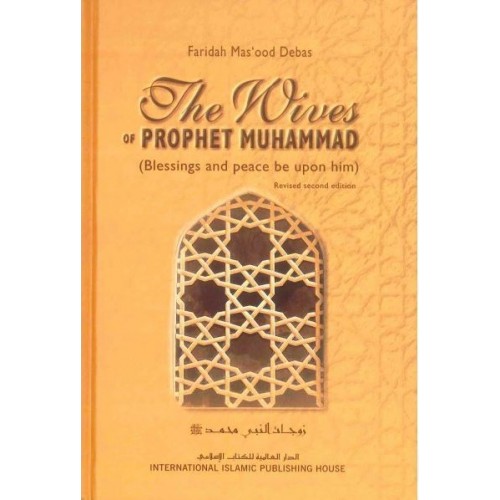

The Wives of the Prophet Muhammad (H/B)
Highlights:
Within this book, The Wives of Prophet Muhammad, is a wealth of captivating information about the distinguished wives of the Prophet (may Allah be pleased with them). Their lives are represented through vivid stories encompassing their lineage, history, and marriages to the Prophet (blessings and peace be upon him). From their hardships to their triumphs, their lives were filled with honesty, sincerity, and devotion to Allah. Their lives exemplify an ideal for which Muslims may strive. Each wife is honoured as an individual, with her life and her love of the Prophet (blessings and peace be upon him) directing her story. The author has compiled the statements of several scholars on this topic and added to this her own impassioned arguments, with which she dispels criticism by orientalists of the Prophet’s practice of polygyny. From a historical perspective, his life, along with those of his wives, authenticates his mission. His practice of polygyny, when investigated, reveals a deep wisdom behind his marriages that supported his efforts of teaching and spreading Islam. This edition is new and completely revised. It has been reorganized to make it easy to read while drawing out the most inspiring aspects of the lives of the honourable wives of the Prophet Muhammad.
RM65.00
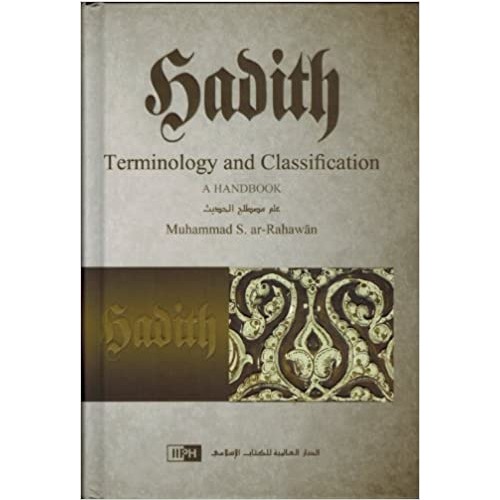
Hadith Terminology and Classification (H/B)
Highlights:
Islam is a complete way of life that enlightens through the Qur’an and the Sunnah, the true path of guidance and success in this world and the hereafter. However, one must accurately comprehend what has been ordained through the Sunnah and identify the authentic hadiths of the Prophet (blessings and peace be upon him). To do that, it is imperative to understand the rules that govern the classification and definitions of hadith methodology and criticism.
RM65.00
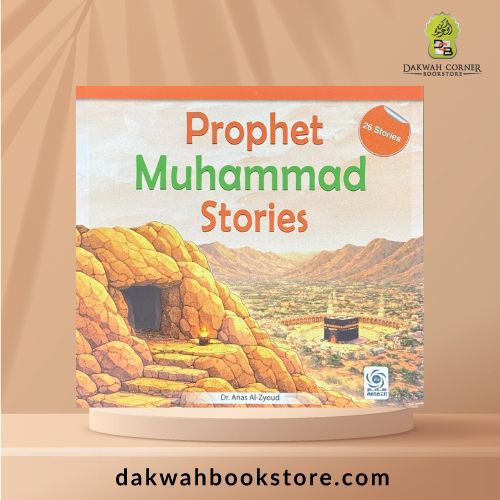
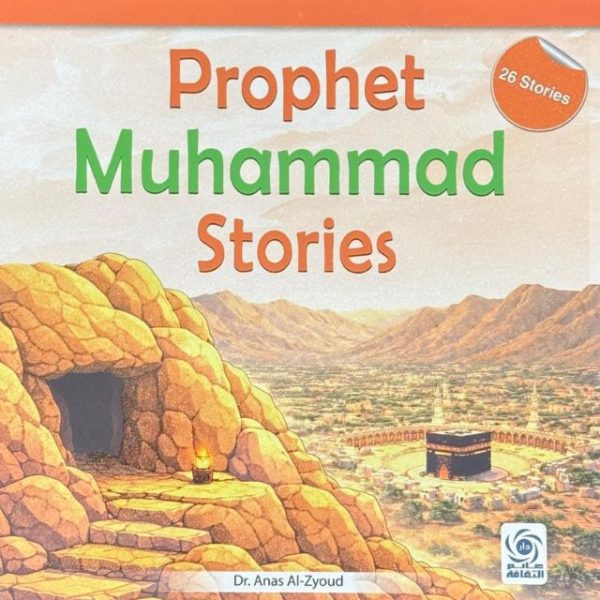
Prophet Muhammad Stories
Highlights:
Prophet Muhammad Stories – 26 Stories
A series of books—often produced in vibrant, square formats—detailing key events and the character of the Prophet (such as Prophet Muhammad SAW Where The Story Begins) to help children grasp the foundations of Islamic history
Example: The Birth of the Prophet Mohammad, The Secret Call to Islam, Abu Talib’s Support for Prophet Muhammad (PBUH), The Migration to Al-Madinah.
RM35.00


An Introduction to The Sciences of The Qur’an (H/B) Al-Hidaayah UK
Highlights:
An introduction to the Sciences of the Qur’aan presents a detailed and thorough explanation of the sciences related to the history, understanding and implementation of the Qur’aan. The book provides the English reader with a detailed analysis of classic Muslim scholarship regarding: the process on Inspiration (Wahy); the various means of classifying verses of the Qur’aan; the history of the compilation of the Qur’aan; the meaning of the seven ahruf and the ten qira’aat of the Qur’aan; the miraculous nature of the Qur’aan; the concept of abrogation in the Qur’aan; the procedure and methodology of tafseer; and many other topics. The work has a number of sections dedicated to explaining the traditional Muslim refutations of certain belief of the Ash’arees with regards to the Qur’aan.
This book also includes detailed discussions on modern Western scholarship of the Qur’aan. After presenting a history of the English translation of the Qur’aan, along with a critical review of some translations, the author discusses and refutes common Orientalist polemic literature on the Qur’aan.
The work is unique in that it presents classical material in a simple and modern style, while maintaning a hight academic level. It is the most advanced work of its kind in the English language, and a necessary reference for all serious students of Islamic knowledge.
RM149.00

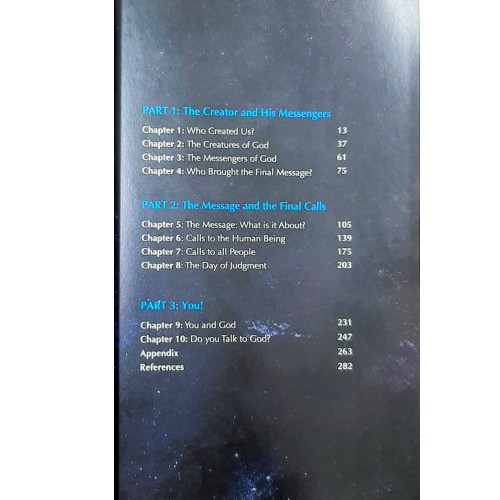
Three Messages from God to You
Highlights:
● Who created the universe? Who created us and the beings on the earth? Who gave life to billions of creatures on our plant? Is He our God? What is His name? Are there other creators than Him?
● Why do we live on the earth? What is the purpose of life? Did our creator really send us messages? What does He want to inform us? Are these messages true?
● Are the Torah, the Bible and the Quran true divine books? Are they related? Do they contain true Messages from God to us? Is there a final testament?
● Why all creatures die? Is there another life after death? Do we return to our Creator? Why?
RM25.00
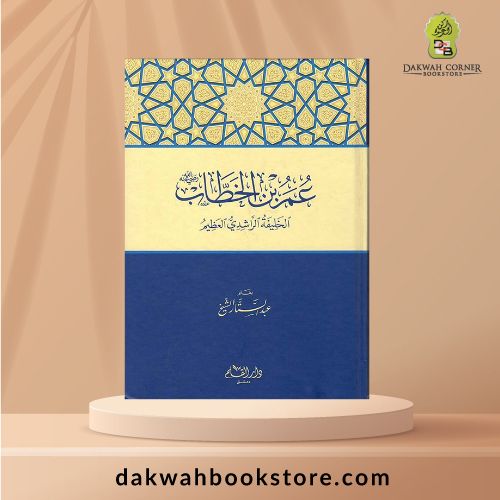
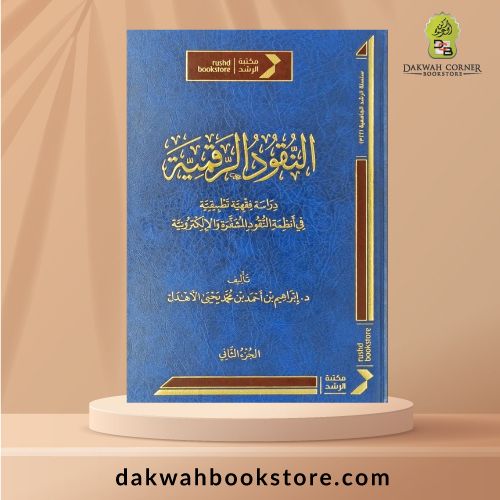
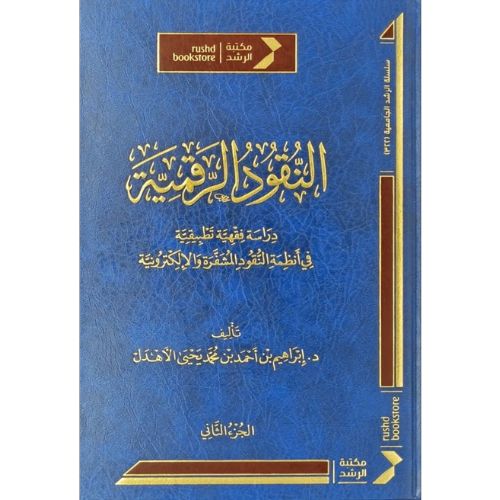
[AEF] Al-Nuqud al-Raqmiyyah / النقود الرقمية دراسة فقهية
Highlights:
النقود الرقمية دراسة فقهية
دراسة النقود الرقمية من منظور فقهي تتطلب التمييز بين أنواعها المختلفة، حيث يختلف الحكم الشرعي باختلاف الجهة المصدرة ومدى خضوعها للرقابة القانونية والمالية
RM220.00
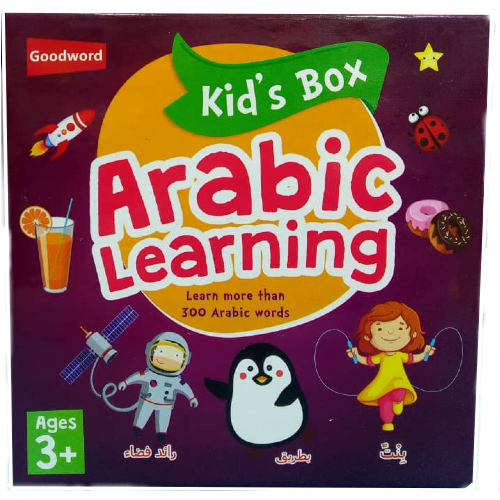
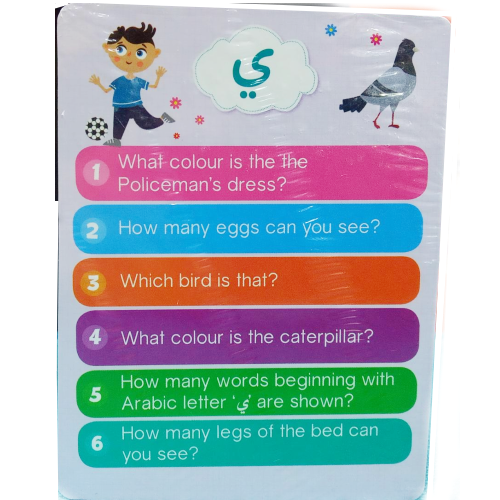
Kid’s Box: Arabic Learning
Highlights:
Learn Arabic Words & Develop Observation Skills
Perfect for encouraging children to build vocabulary and language skills, Kid’s Box: Arabic Alphabet helps children grasp basic Arabic words, their formation, meaning and usage. Children will love discovering and learning new words to build Arabic vocabulary in a fun way while playing various games.
- A card game for 2 and more players
- Suitable for children 3 years and above
- Learn more than 300 Arabic words
- Improves memory and concentration skills
- A simple, fun-filled and educational game
- Challenge your brain in just 15 minutes
- Full of fun illustrations
- A perfect boredom buster for children
- Includes words from topics such as animals, home, school, fruits, and transport.
Includes 56 double sided cards and a dice.
Suitable for 3+ years old
RM60.00
There are no reviews yet.