

| Weight | 0.15 kg |
|---|---|
| Product Type | Book |
| Author | |
| Publisher | The Islamic Foundation |
| Pages | 167 |
| ISBN | 9780860373759 |
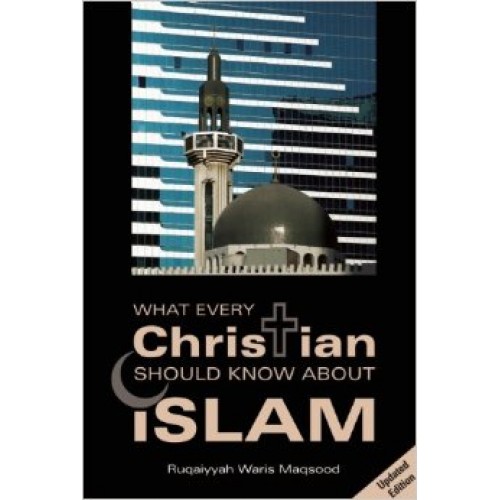
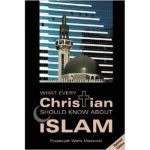
What Every Christian Should Know About Islam (P/B)
Next product

Weakness of Faith (IIPH)
RM13.00 – RM30.00Price range: RM13.00 through RM30.00
RM26.00
Out of Stock
Highlights:
somdn_product_page
Compare
Of the many books explaining Islam, few specifically address the concerns and questions of those from a Christian background. Moreover, the commonalities between the Abrahamic faiths—Judaism, Christianity, and Islam—are too often ignored. Set out in an easy and informative question-and-answer format, the book addresses the specific theological points of agreement and difference between Christianity and Islam, explains the core religious beliefs and practices of Islam, and answers today’s most common questions of Islam and Muslims in an age when there is much conflict and misunderstanding. Islam is best judged not by the limitations and transgressions of its most extreme, ignorant, and outlandish followers, but by the example of its moderate majority, and Ruqaiyyah Waris Maqsood presents this introduction to the theology and practice of Islam in an attempt to explore some of the false impressions that surround it.
Table of Contents:
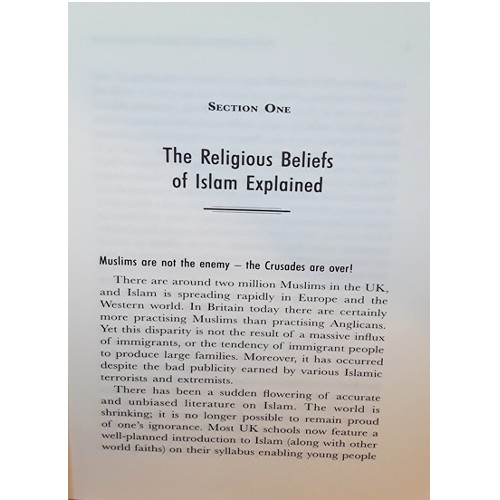
Section 1: The Religious Beliefs of Islam Explained
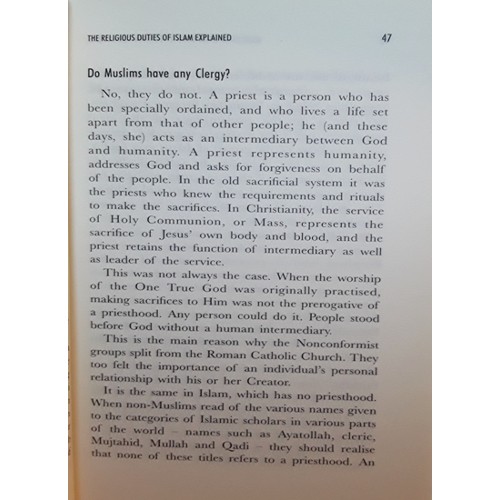
Section 2: the Religious Duties of Islam Explained
Section 3: Miscellaneous Questions
Section 4: Christianity and Islam
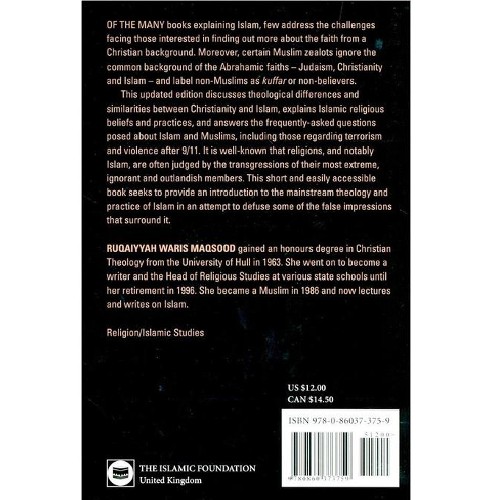
Ruqaiyyah Waris Maqsood gained an honors degree in Christian Theology from the University of Hull in 1963 and then taught religious studies at various state schools until her retirement in 1996. She converted to Islam in 1986 and now lectures and writes on Islam.
SKU: CR16
Category: Comparative Religions
Additional information
Reviews (0)
Be the first to review “What Every Christian Should Know About Islam (P/B)” Cancel reply
You must be logged in to post a review.
Related Products
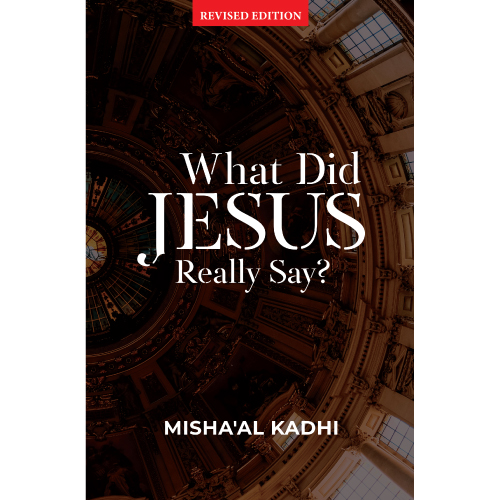
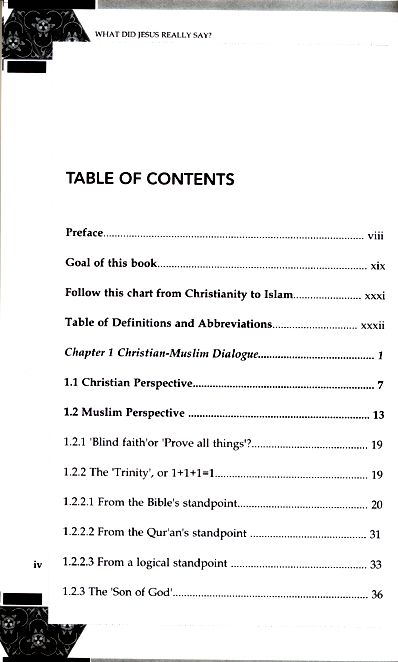
What Did Jesus Really Say?
4.5 ★
4.5 ★
2 Ratings
5 ★
1
4 ★
1
3 ★
0
2 ★
0
1 ★
0
Highlights:
The book contains detailed information and descriptions that show how the Bible was changed and tampered with over the past two millennia. The account and the discussions presented are based on, and collected from, the writings of Christian authors, the Church and the Bible.
RM45.00
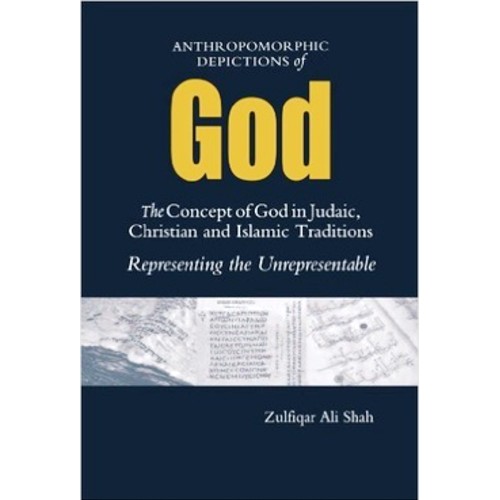
Anthropomorphic Depictions of God: The Concept of God in Judaic, Christian and Islamic Traditions: Representing the Unrepresentable
Highlights:
This monumental study examines issues of anthropomorphism in the three Abrahamic Faiths, as viewed through the texts of the Hebrew Bible, the New Testament, and the Qur’an. Throughout history, Christianity and Judaism have tried to make sense of God. While juxtaposing the Islamic position against this, the author addresses the Judeo-Christian worldview and how each has chosen to framework its encounter with God, to what extent this has been the result of actual scripture and to what extent the product of theological debate, or church decrees of later centuries and absorption of Hellenistic philosophy. Shah also examines Islam’s heavily anti-anthropomorphic stance and Islamic theological discourse on Tawhid as well as the Ninety-Nine Names of God and what these have meant in relation to Muslim understanding of God and His attributes. Describing how these became the touchstone of Muslim discourse with Judaism and Christianity he critiques theological statements and perspectives that came to dilute if not counter strict monotheism. As secularism debates whether God is dead, the issue of anthropomorphism has become of immense importance. The quest for God, especially in this day and age, is partly one of intellectual longing. To Shah, anthropomorphic concepts and corporeal depictions of the Divine are perhaps among the leading factors of modern atheism. As such he ultimately draws the conclusion that the postmodern longing for God will not be quenched by pre-modern anthropomorphic and corporeal concepts of the Divine which have simply brought God down to this cosmos, with a precise historical function and a specified location, reducing the intellectual and spiritual force of what God is and represents, causing the soul to detract from a sense of the sacred and thereby belief in Him.
RM150.00
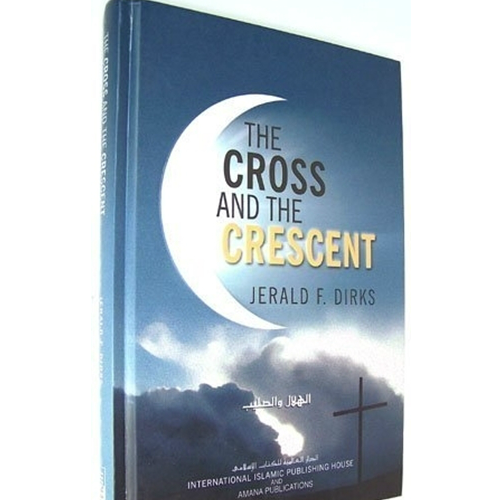
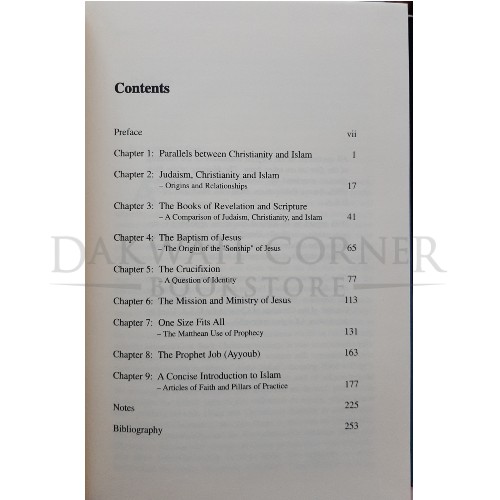
The Cross and The Crescent (IIPH)
Highlights:
In The Cross and The Crescent, Dr. Dirks, a former ordained minister (deacon) in the United Methodist Church, a graduate of Harvard Divinity School and with a doctorate in clinical psychology, reaches out to the Christians and the Muslims for an interfaith dialogue. Drawing on his seminary education and thirty years of interaction with Muslims in America and overseas, the author digs deep into the roots of Christianity to bring out obscure information that highlights what was once common between Christianity and Islam. He envisioned that, “In writing this book, I would like to touch the lives of those Christians who have not been given the knowledge that I have gained both about Islam, from my direct contact with Muslims, and about Christianity from my seminary education. I want to share with those Christians, who are willing to listen, what is so often known by their clergy and church leaders, but seldom finds its way into their knowledge of their own religion. Likewise, I would like to reach out to the Muslims, in order to help them understand the religious commonality that they share with Christians”.
RM43.00
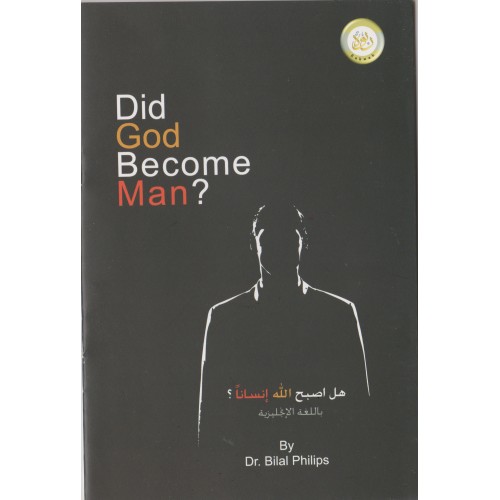
Did God Become Man? (P/B)
Highlights:
Table of Contens:
- Foreword
- Belief in God
- Man is Gods
- God Becomes His Creatures
- God Becomes One Man
- Men Becom God
- Why?
- Did God Become Man?
- Can Man Become God?
- Did God Have a Son?
- Bibliography
Have You Discovered Its Real Beauty
5 ★
5 ★
1 Rating
5 ★
1
4 ★
0
3 ★
0
2 ★
0
1 ★
0
Highlights:
PhD in Applied Linguistics (Michigan State University, USA)
Dr. Arfaj spent more than 20 years researching comparative religion. This book came about as a result of his extensive research and experience.
Choosing Faith (P/B)
Highlights:
Choosing Faith In a world of spiritual options, people constantly tell us what to believe. Yet, while we hear these pleas, we’re already functioning with existing beliefs–even if they are beliefs by default. So how do we choose what to believe–especially in the area of faith? Do we need to choose.
RM13.00
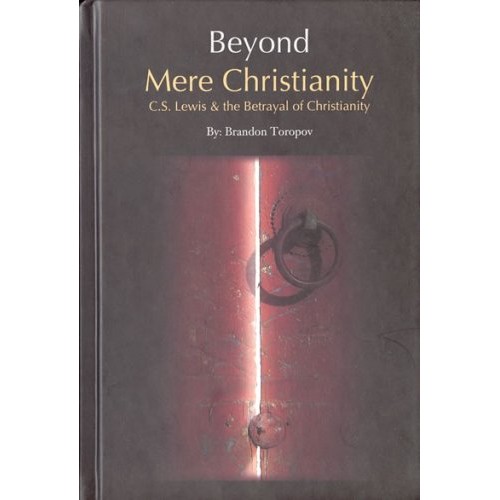
Beyond Mere Christianity (H/B)
Highlights:
The book is called Beyond Mere Christianity for two reasons. First, in response to C.S. Lewis’ influential 1952 work, Mere Christianity, which stands as a masterpiece of Christian apologetics. The second reason, perhaps less obvious, is that a case can be made, based on current, responsible Gospel scholarship, that Jesus was calling his people to the Salvation that lies beyond the worship of the merely created, the Salvation that relies instead on the direct worship of the Creator. I believe emphatically that the authentic words of Jesus invite us to move beyond what is conventionally understood as Christianity for this Salvation.
RM23.00
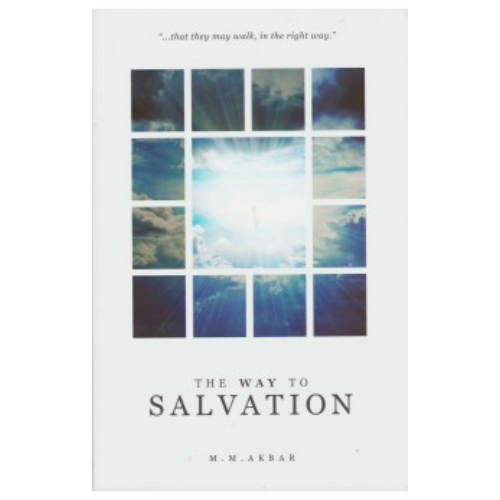
The Way to Salvation (P/B)
Highlights:
DA’WAH MATERIAL
This book can use for da’wah with the topic Salvation.
Salvation is the aim of human life, according to the religious ideologies. What is salvation? Is there an existence after this life? Are the religious scriptures in controversy on dealing with the topic ‘salvation”? Or are there any common points between them? An extensive study on the basis of Hindu, Christian, and Islamic scriptures.
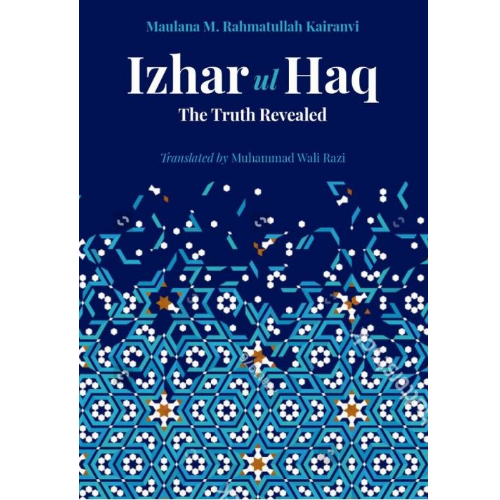
Izhar ul Haq (The Truth Revealed)
Highlights:
This is the thoroughly researched response to the Christian offensive against Islam in India. This book lucidly reviews the authenticity of the Bible and succinctly summarises the main errors, distortions, and contradictions in and between the Old and New Testaments of the King James Version. Furthermore, the doctrine of the Trinity is refuted; a doctrine that Isa (AS) never taught.
This book, internationally recognized as one of the most authoritative and objective studies of the Bible, was originally written in Arabic under the title Izhar-ul-Haq (Truth Revealed) by the distinguished 19th-century Indian scholar, Rahmatullah Kairanvi, and appeared in 1864. The book was subsequently translated into Urdu, and then from Urdu into English by Mohammad Wali Raazi.
This Book Contains among four Parts as Following:
Part 1
The Book of The Bible
Part 2
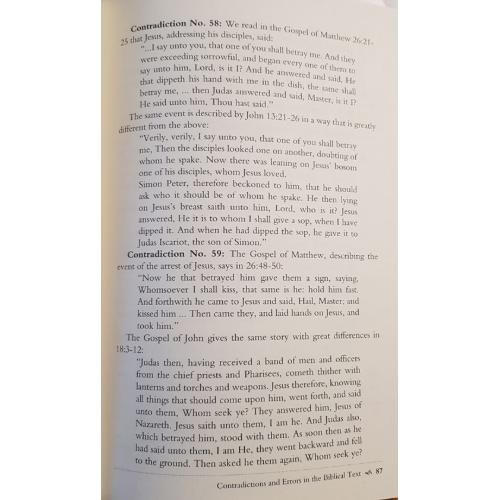
Contradictions and Errors in The Biblical Text
Part 3
Distortion and Abrogation in The Bible
The Trinity Refuted
Part 4
Proof of The Divine Origin of The Qur’an and The Authenticity of The Hadiths
Arabic Version of This Book is also available
Maulana Rahmatullah Kiranvi was born in India in 1818 CE. He was a great Sunni Hanafi scholar. He learned Arabic and Persian. Later he moved to Delhi where he studied different disciplines including mathematics and medicine. Working as a Mufti and Sharia teacher, he founded a religious school in Kariana.
In 1837 the Church Mission Society appointed Karl Gottlieb Pfander, described by Eugene Stock as “perhaps the greatest of all missionaries to Mohammedans”, to Agra in Northern India, where in 1854 he engaged in a famous public debate with leading Islamic scholars.
Maulana Kairanvi’s intention in his book (Izharul Haq) was first of all to show that the Bible cannot in any way be considered as a directly revealed book. He does this very effectively by means of his voluminous and authoritative knowledge of the Jewish and Christian scriptures. He demonstrates beyond doubt that the Books of the Old and New Testaments have been altered, almost beyond recognition, from their original forms. The work is even more notable in the light of subsequent Jewish and Christian scholarship and the various discoveries that have since been made in this field which all bear out the truth of Kairanvi’s thesis.
In the wake of the manifest inauthenticity of the Bible, Maulana Rahmatullah goes on to demonstrate by contrast the indisputable and absolute authenticity of the Qur’an and the Prophethood of Muhammad ibn ‘Abdullah, may peace and blessing of Allah be upon him.
RM85.00
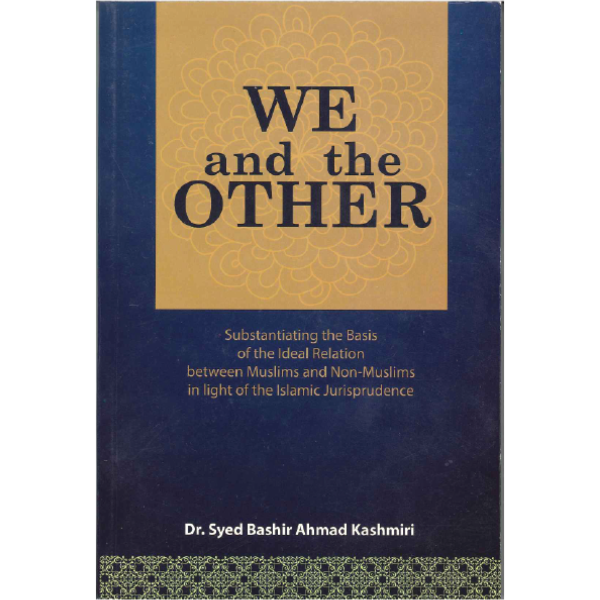
We and The Other
Highlights:
This book is a highly relevant piece of research for our turbulently chaotic world today. The heavy baggage of mutual distrust and detestation from the days of ethnic cleansing of Muslims in Spain through to the Crusades and Colonialism has left behind a fuzzy and muddled image of Islam and Muslims in the eyes of others; Muslims too, have been seeing the West as the primary cause of all their woes and vilification.
RM49.00

Recently Viewed
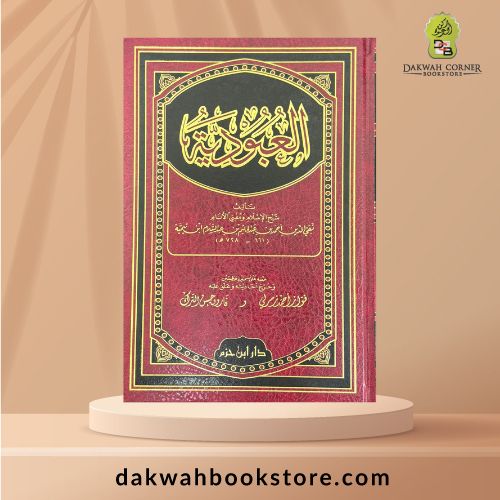
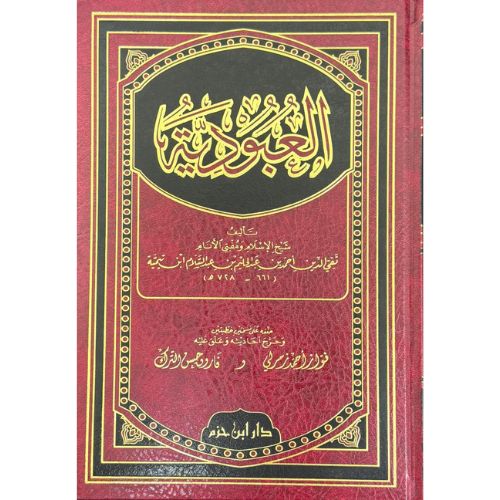
[AAC] Al ‘Ubudiah / العبودية
Highlights:
بذة عن الكتاب
يُعد كتاب العبودية من الكتب العقدية والروحية المهمة في التراث الإسلامي. يوضح فيه ابن تيمية معنى العبودية الحقيقية لله، ويبيّن أن العبادة ليست مقتصرة على الشعائر الظاهرة مثل الصلاة والصيام فقط، بل تشمل كل ما يحبه الله ويرضاه من الأقوال والأعمال الظاهرة والباطنة.
أ
RM55.00
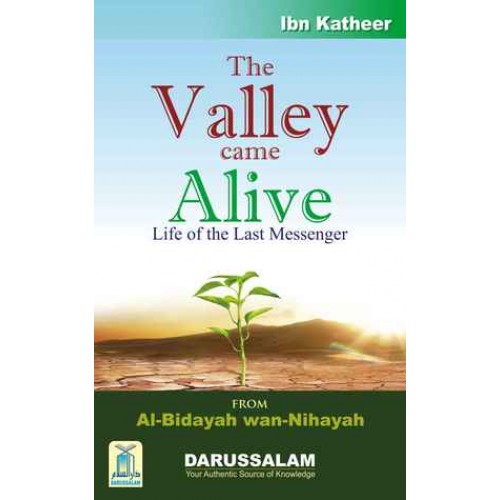
The Valley Came Alive (H/B)
Highlights:
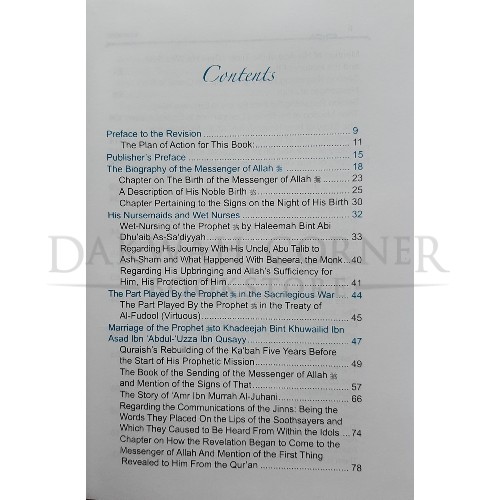
Darussalam is proud to present the abridged English translation of the classic work: Al-Bidayah wan Nihayah, focusing exclusively on the life of Prophet Muhammad (peace be upon him). This volume contains a detail account of the life and times of the Messenger of Allah taken from a number of historical and traditional sources. The book reports the events of his blessed life, his battles, military campaigns, the delegations that met him, and sheds light upon the unique exemplary qualities, virtues and signs of his Messengership that make him a guide and role-model for all of humanity until the end of time.
A1-Bidayah wan Nihayah (The Beginning and The End) by the renowned scholar Abu Al-Fida ‘Imad ad-Deen lsma’eel bin ‘Umar ibn Katheer, is considered one of the most authoritative sources on Islamic history.
RM60.00
Festivals & Celebrations In Islam
5 ★
5 ★
1 Rating
5 ★
1
4 ★
0
3 ★
0
2 ★
0
1 ★
0
Highlights:
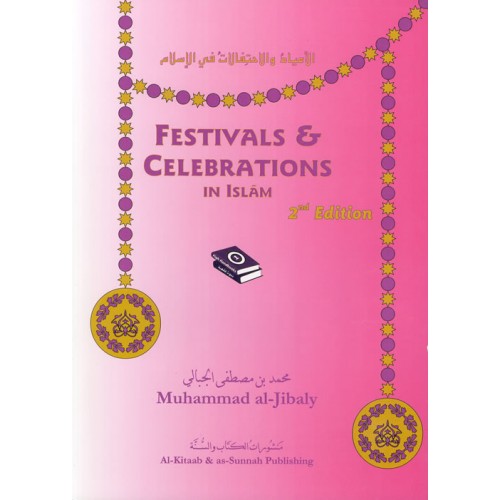
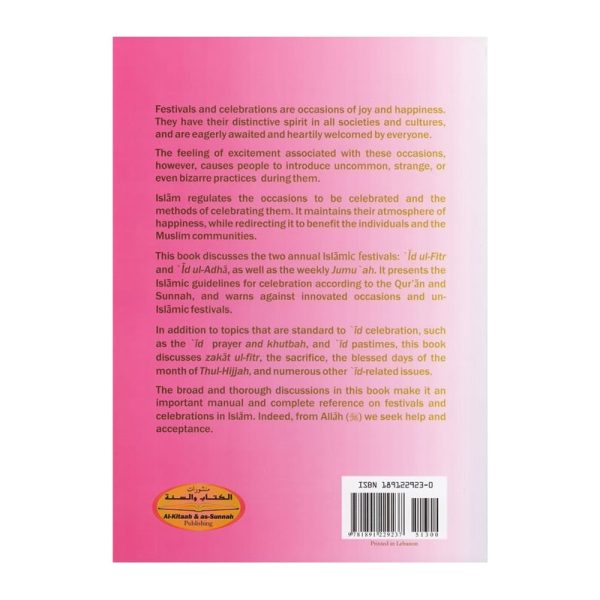
Festivals and celebrations are occasions of joy and happiness. They have their distinctive spirit in all societies and cultures, and are eagerly awaited and heartily welcomed by everyone.
The feeling of excitement associated with these occasions, however, causes people to introduce uncommon, strange or even bizarre practices during them.
Islam regulates the occasions to be celebrated and the methods of celebrating them. It maintains their atmosphere of happiness, while redirecting
This book discusses the two annual Islaamic festivals: Eid ul-Fitr and Eid ul-Adhaa as well as the weekly Jumu’ah. It presents the Islaamic guidelines for celebration according to the Quraan and Sunnah, and warns against innovated occasions and un-Islaamic festivals.
In addition to topics that are standard to ‘Id celebration, such as the ‘Id prayer and khutbah, and ‘Id pastimes, this book discusses zakat-ul-fitr, the sacrifice, the blessed days of the month of Thul-Hijjah, and numerous other ‘Id-related issues.
The broad and thorough discussions in this book make it an important manual and complete reference on festivals and celebrations in Islam. Indeed, from Allah (swt) we seek help and acceptance.
RM51.00
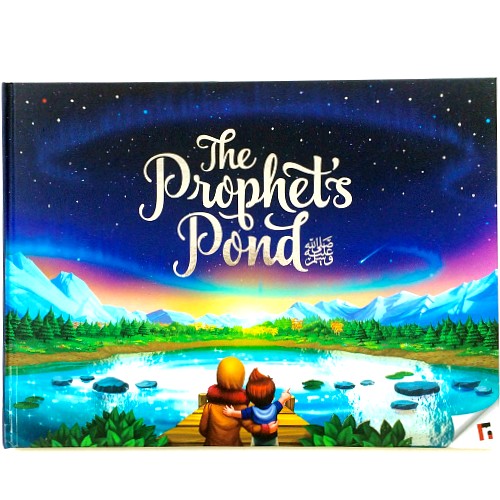
The Prophet’s Pond
Highlights:
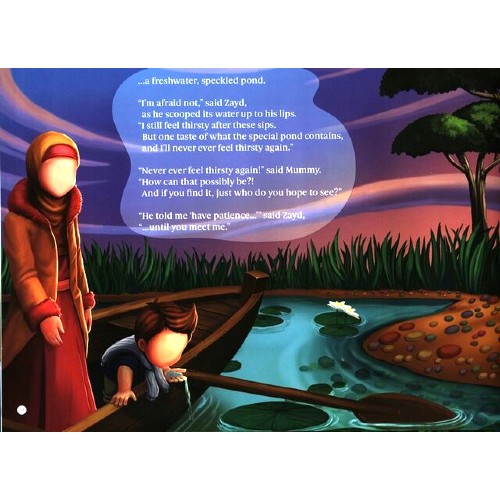
Zayd is meeting someone by a special pond, but knowing it will be rather hard to find, he enlists the help of his mother before setting off on this journey. With each pond they encounter, Zayd’s description of the special pond becomes even more elaborate than the last, until his mother finally discovers what her son is actually in search for. Will Zayd ever find the special pond? And who does Zayd hope to meet if he finds it? You’ll have to join mother and son at the peak of their magnificent trek to find out.
Recommended Age: 3+
RM65.00
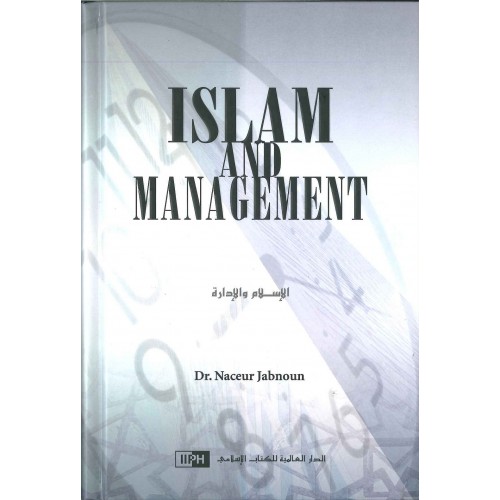
Islam and Management
Highlights:
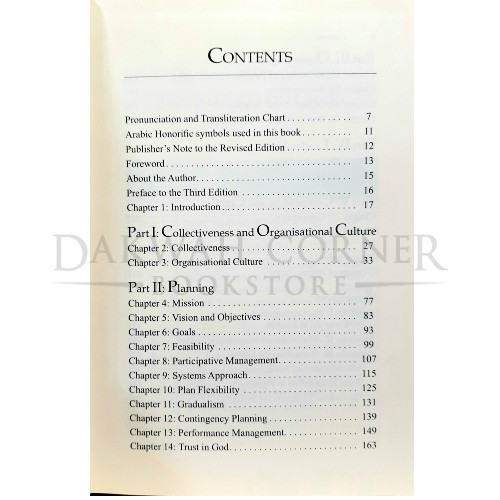
In their pursuit for organizational improvement, modern managers have been searching for effective management theories and practices in both the East and the West. The interest of managers has expanded beyond contemporary management schools to include even ancient ones. Nevertheless, little attention is currently paid to the Islamic management approach, one that has far outperformed its contemporaries and left indelible marks on the minds of innumerable researchers, leaders, and managers that have followed. Islam and Management will shed light on the Islamic approach to management and delineate important lessons from the teachings of Islam and the experiences of Muslims. People who should read this book include all managers seeking to enhance the effectiveness of their organizations. This book is particularly important for Muslim managers who will find its approach to be coherent with their cultural values. Topics covered in this book include organizational culture, planning, organizing, leading, motivating, controlling, competition, conflict management, and human resource management. This book also includes a chapter on the enriching leadership of ‘Umar ibn al-Khattâb, the second caliph of Islam. The hardcover version of this book that we have for sale is the revised 3rd edition, published in 2011.a
RM90.00
Excellence of Patience & Gratefulness
5 ★
5 ★
1 Rating
5 ★
1
4 ★
0
3 ★
0
2 ★
0
1 ★
0
Highlights:
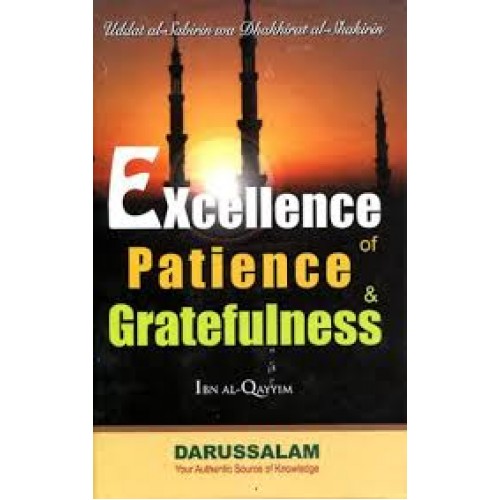
This book is written to highlight the necessity and the pressing need to pursue these two qualities and to illustrate that happiness in this world and the Hereafter is dependent on them. It is intended to be a comprehensive, extensive and useful book.
RM65.00
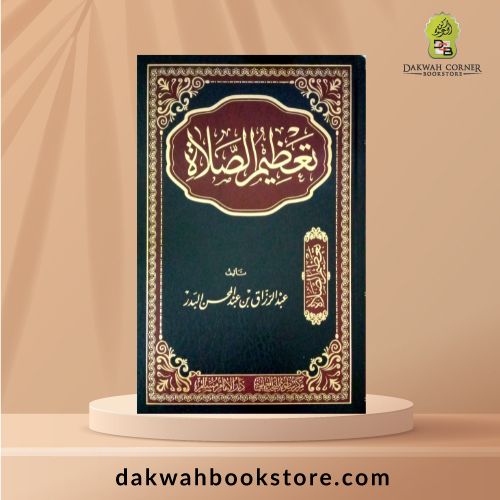
[APT] Ta’zim Solat / تعظيم الصلاة
Highlights:
عبدالرزاق بن عبد المحسن البدر رسالة للشيخ عبد الرزاق البدر حول تعظيم الصلاة, رسالة تحتوي على أبواب رائعة و نافعة – مع التشكيل لبع
حين تكون الهدايا باقية ونافعة، يمكنك إهداء هذا الكتاب لمن تحب.. نهتم بك وبأحبابك.
RM56.00
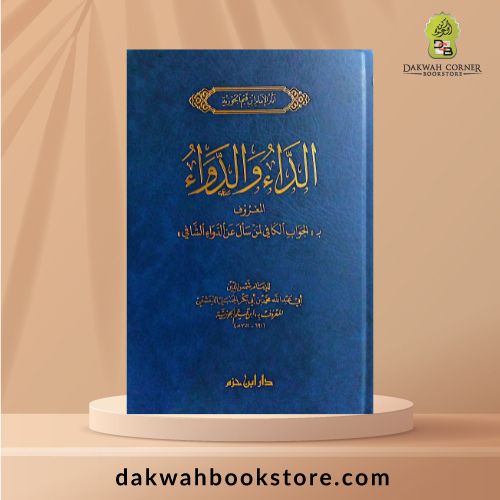
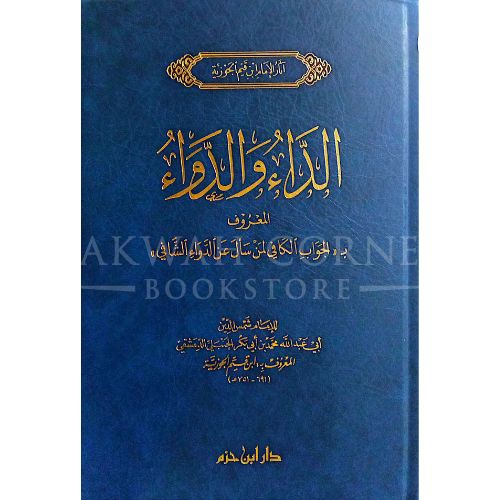
[MM] Adda Waddawa (Dar Ibn Hazm) / الداء والدواء
Highlights:
الداء والدواء
المعروف
بـ « الجَوابِ الكَا فِي لِمَنْ سَأَلَ عَن الدَّوَاءِ الشَّافِي
للإمام شمس الدين أبي عبد الله محمد بن أبي بكر الجنب لي الدمشقي المعروف به ابن قيم الجوزية
( ٦٩١ – ٥٧٥١ )
RM55.00
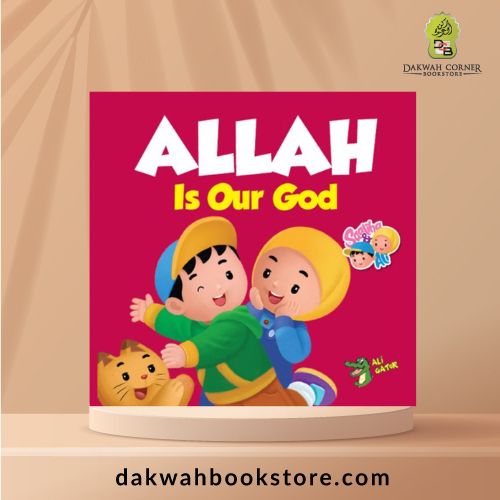
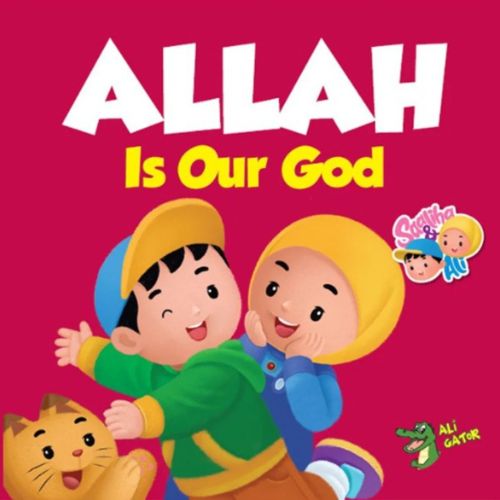
Saaliha & Ali: Allah is Our God
Highlights:
Help your child develop a meaningful relationship with Allah through this thoughtfully crafted introductory guide.
RM22.00
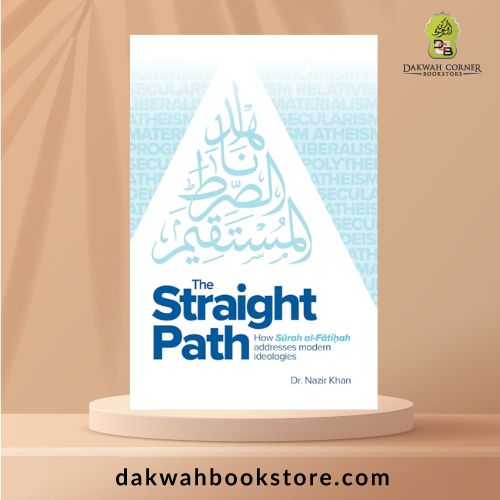
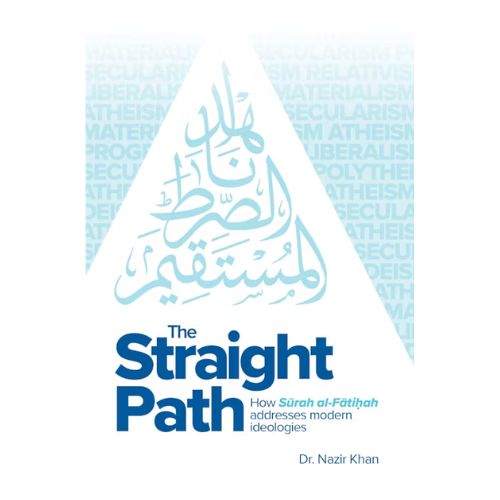
The Straight Path (H/B) – Kube
Highlights:
The Straight Path offers a bold perspective, showing how Surah al-Fatiha directly challenges the dominant ideologies of our time, ideologies that underpin the confusion, injustice, and even atrocities we see today. Nowhere is this failure more evident than in the genocide in Gaza, a grim example of the ethical collapse of secular modernity.
RM85.00

Muslim Unification at Time of Crisis
Highlights:
This book authored by one of the great scholars of our time is an advice to the people of Ahulul ?Sunnah wal-Jamaah to unify and be merciful to each other, and cooperate upon righteousness and taqwa.
RM24.00
There are no reviews yet.