


| Weight | 0.38 kg |
|---|---|
| Dimensions | 21.6 × 14 × 1.5 cm |
| Author | |
| Binding | Paperback |
| ISBN | 9780985884031 |
| Pages | 206 |
| Year of publication | 2012 |
| Publisher | Islamosaic |
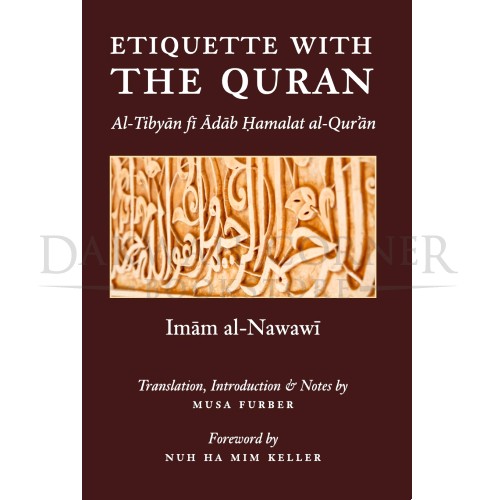
Etiquette With The Quran (Islamosaic)
RM57.00
Hurry up, Only 1 left.
Highlights:
somdn_product_page
Compare
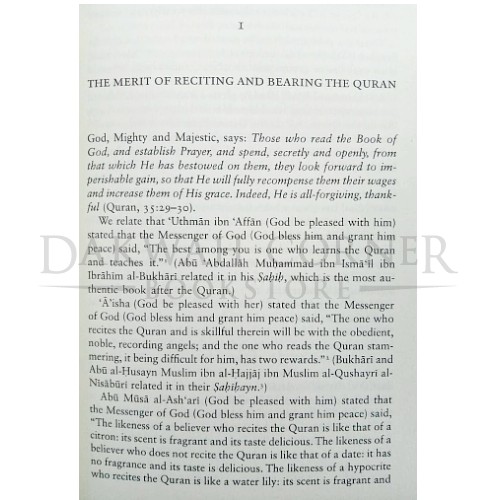
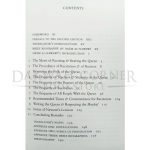
An enduring classic work on the etiquette that a Muslim must or should have with regard to handling and reciting the Quran (the Muslim scripture). The topics this volume raises include: ritual cleanliness, opportune times for recitation, the etiquette that students have with their teachers (and that teachers must have with their students), and variety of other issues that every Muslim should know and frequently ask about.
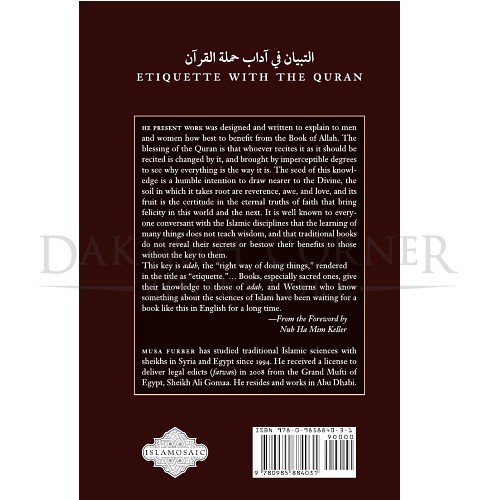
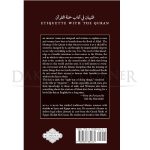
He present works was designed and written to explain to men and women how best to benefit from the Book of Allah. The blessing of the Quran is that whoever recites it as it should be recited is changed by it, and brought by imperceptible degrees to see why everything is the way it is. The seed of this knowledge is a humble intention to draw nearer to the Divine, the soil in which it takes root are reverence, awe, and love, ant its fruit is this world and the next. It is well known to everyone conversant wuth the Islamic disciplines that the learning of many thins does not teach wisdom, and that traditional books do not reveal their secrets or bestow their benefits to those without the key to them.
This key is adab, the “the right way of doing things,” rendered in the title as “etiquette.”… Books, especially sacred ones, give their knowledge to those of adab, and Westerns who know something about the sciences of Islam have been waiting for a book like this in English for a long time.
-From the Foreword by
Nuh Ha Mim Keller
SKU: QQ134
Categories: Holy Quran and Quranic Sciences, Quranic Science/ Related
Additional information
Reviews (0)
Be the first to review “Etiquette With The Quran (Islamosaic)” Cancel reply
You must be logged in to post a review.
Related Products


The Sources of the Qur’an
Highlights:
“Who is the author of the Qur’an?” On this subject scholars have flagrantly contradicted each other. This work attempts to make a critical review of the major ‘authorship’ theories by pressing into service logical arguments, historical evidence, textual analysis and scientific data. Probably, the only point of agreement about the Qur’an is that it was uttered for the first time by a man who was born in Makkah (Mecca), a city of Arabia, in the sixth century—a man by the name of Muhammad (blessings and peace be upon him). As to the source of the Qur’an, scholars are divided into three main groups: those who believe that Muhammad (blessings and peace be upon him) himself was the author; those who believe that he was not the author himself but learned it from another human author or authors; and those who believe that the Qur’an has no human author but is rather a word-for-word revelation from God. Hamza Njozi examines the three theories and comes to a firm and logical conclusion.
RM14.00

The Spiritual Cure An Explanation to Surah al-Fatihah (P/B)
Highlights:
Surah al Fatiha is the greatest chapter of the Qur’an, its like is not found in the rest of the Book or in the previous scriptures. It is a
Light that was granted to Prophet Muhammad (S) which had not been granted to any other Prophet or Messenger before him; indeed
some of the Salaf stated that when this chapter was revealed, Shaytãn l let out a great cry of lament.
It holds a central position in the daily Prayer hence the daily life of the Muslim.
The underlying theme, of al-Fatiha is one of contemplation and serenity; pondering the Names and Attributes of Allah, pondering the creation , and acknowledging that He Alone deserves praise and Worship, that He Alone should be asked for help, that He Alone Should be feared and hoped in, that He Alone should be invoked, that there is indeed a Day of Judgment, and that guidance has come to us and we are required to follow it.
It calls us to carefully scrutinise our relationship with our Lord: are we living according to the dictates of ‘none has the right to be worshipped save of Allah’ or not? This opening chapter, despite its brevity, calls man to fulfil the rights of Tawhid, the right that Allah has over us to worship Him Alone without any partner
A Summary of numerous Classical Commentaries of the Qur’an
at-Tabari, al-Baghawi, Az-Zamakhshari, ibn Atityyah, Ibn Jawzi, Al-Qurtubi, Ibn Qayyim, Ibn Kathir, as-Suyuti, Alusi, ash-Shawkani, as-Sa’di, ash-Shaqiti and many Others
RM73.00


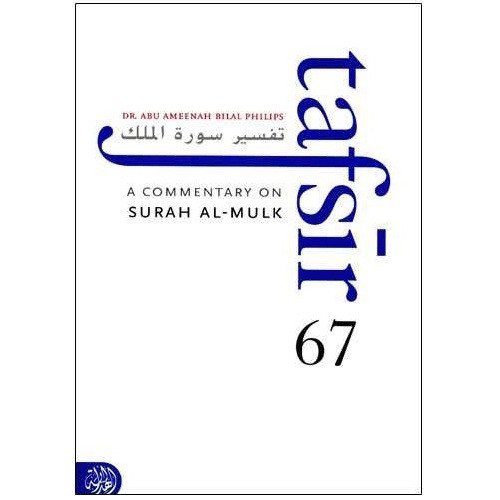
Tafsir 67 : A Commentary on Surah al Mulk (P/B)
Highlights:
The beauty of the Qur’an is such that its miracles cannot truly be understood until one contemplates every verse of every surah; this alone makes tafsir one of the most amazing sciences of Islam. Surah Al-Mulk is a chapter of the Quran which would be recited every night by the Prophet (peace be upon him), in its midst are deep meanings which highlight the purpose of our creation, as well as entailing the message of Islam. In this book, the author takes the reader on a wonderful journey through the gardens of the first surah in the 29th Juzz of the Qur’an.
About the Author: Dr. Philips was born in 1947 in Jamaica, but grew up in Canada, where he converted to Islam in 1972. He completed a diploma in Arabic language and a B.A. degree in 1979 from the College of Islamic Disciplines at the Islamic University of Madinah, an Islamic university in Saudi Arabia. At the University of Riyadh College of Education he completed his M.A. in Islamic Theology in 1985, and in 1994 he completed his Ph.D in Islamic Theology in the department of Islamic studies at the University of Wales. He later taught Islamic education and Arabic language in private schools in Riyadh for over ten years. Because of his opposition to Saudi Arabia’s position in the Gulf War, he had to leave the country and for three years he lectured M.Ed. students in the Islamic Studies department of Shariff Kabunsuan College (SKC) in Cotabato City, Mindanao, the Philippines. Islamic Information Center Since 1994, he has founded and directed the Islamic Information Center (which is now known as Discover Islam) in Dubai, United Arab Emirates, and is known as a prolific speaker and author on topics relating to Islam, including audio lectures and books. Presently, he is a lecturer of Arabic language and Islamic Studies at the American University in Dubai and ‘Ajman University in Ajman, United Arab Emirates. He frequently appears at the Islamic Research Foundation in Mumbai, India, on lecture tours. He has also founded the Distance Learning Program called Islamic Online University, which offers a four year degree in Islamic Studies plus a variety of short courses. Dr. Philips is something of a pioneer as a person of Western origin achieving the status of a scholar of Islam inside the tradition.
RM63.00
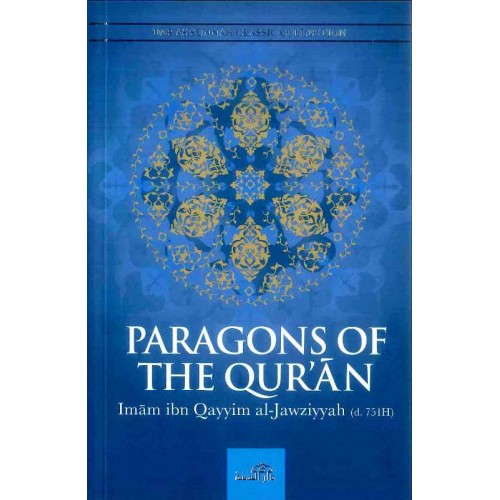
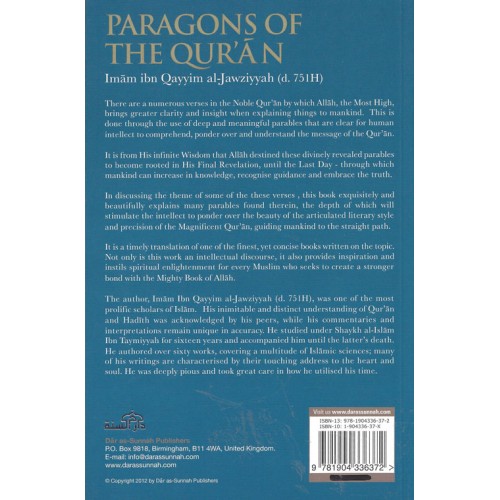
Paragons of The Qur’an (P/B)
Highlights:
In discussing the unique style, theme and content of the Qur’an – this is the first work of its kind in English literature.
There are a numerous verses in the Noble Qur’an by which Allah, the Most High, brings Greater clarity and insight when explaining things to mankind. This is done through the use of deep and meaningful parables that are clear for human intellect to comprehend, ponder over and understand the message of the Qur’an. It is from his infinite Wisdom that Allah destined these divinely revealed parables to become rooted in His Final Revelation, until the Last Day – through which mankind can increase in knowledge, recognise guidance and embrace the truth.
This book explains many parables in the Qur’an, in such depth – exquisitely and beautifully. It is an amazing work that will get the intellect thinking and pondering over the beauty and precisions of the Magnificent Qur’an, guiding mankind to the straight path. Not only is this work an intellectual discourse, but also a spiritual enlightenment for every Muslim.
It is a timely translation of one on the finest, yet concise books written on the topic. Not only is this work an intellectual discourse, it also provides inspiration and instils spiritual enlightenment for every Muslim who seeks to create a stronger bond with the Mighty Book Of Allah.
In discussing the theme of some of these verses, this book exquisitely and beautifully explains many parables found therein, the depth of which will stimulate the intellect to ponder over the beauty of the articulated literary style and precision of the Magnificent Quran, guiding mankind to the straight path.
RM49.00
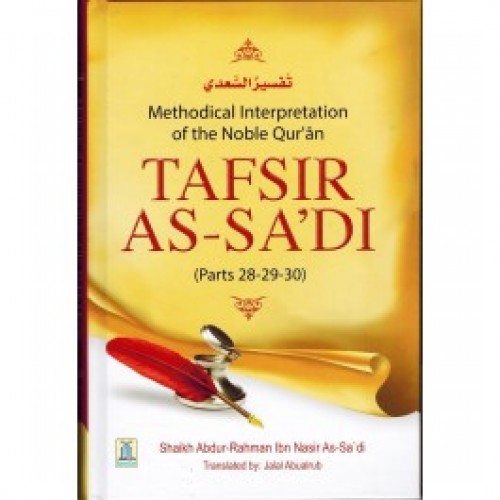
Tafsir As-Sadi (Parts 28-29-30) Methodical Interpretation Of The Noble Quran (H/B)
Highlights:
Tafsir As-Sa’di is a straightforward, easy to read, easy to understand explanation of the meaning of Qur’anic Ayat and statements. In addition to the simplicity of Ibn Sa’di’s writing, it is also articulate and eloquent.
Consequently, for those newly acquainted with Tafsir and those new to Islam, this Tafsir provides an uncomplicated, deep and insightful comprehension into the meaning and explanation of the Qur’an.
The uniqueness of this Tafsir is in the style the Shaikh used to explain the Ayat in a way that it is similar to everyday writing, without listing the various prophetic sayings or statements of the scholars of Tafsir, which Shaikh Ibn Sa’di used as a basis of his Tafsir.
RM80.00
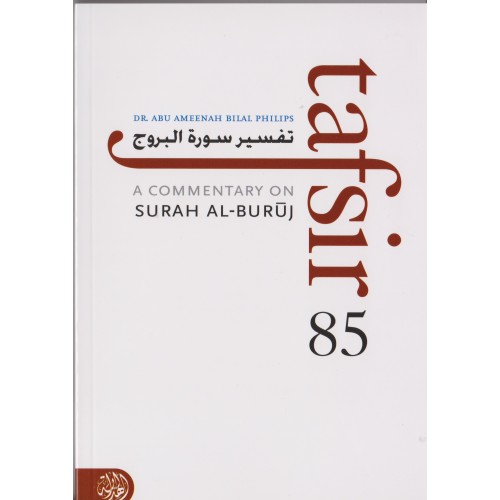

Starting from Scratch – Tajweed Made Easy
Highlights:
Holy Quran and Quranic Sciences
RM10.00
114 Tips to Help You Finally Memorize The Qur’an (P/B)
5 ★
5 ★
1 Rating
5 ★
1
4 ★
0
3 ★
0
2 ★
0
1 ★
0
Highlights:
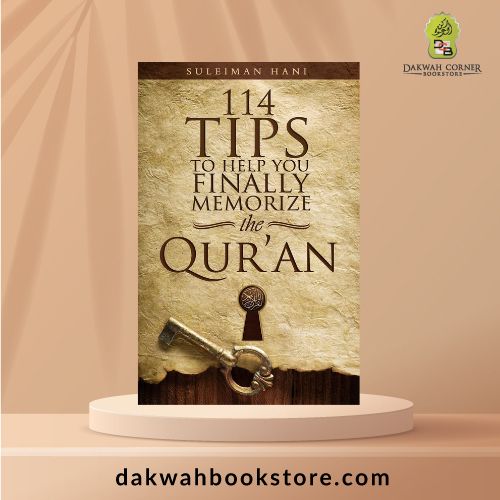
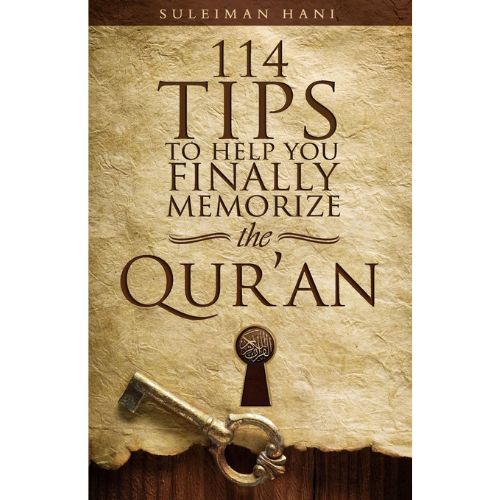
“114 Tips to Help You Finally Memorize the Qur’an is a concise book that aims to equip readers of all backgrounds with the information and techniques necessary in order to begin, continue with, and complete the memorization of the Qur’an, eliminating thereby the common excuse and reasons for not memorizing.”
RM80.00
Four Key Concept of the Qur’an
Highlights:
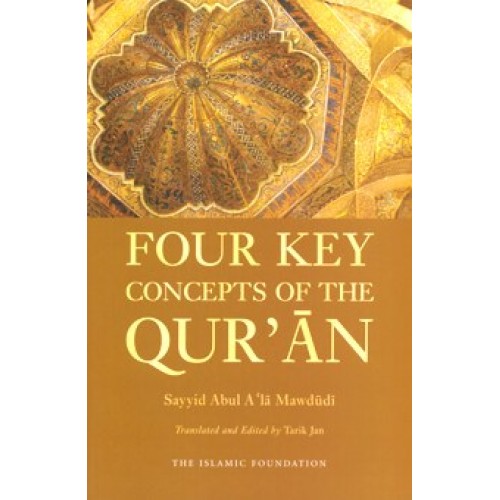
Four Key concepts oF the Qur’An elucidates these basic Qur’anic concepts Ilah, Rabb, Ibadah and Din in order to bring out fully the Islamic way of life, as distinct from other perspectives. This elaboration goes a long way in developing a sound understanding of the Qur’an. It also explains the man-God relationship in Islam, guiding Muslims on how to lead their lives in total surrender to Allah.
RM46.00

The History of the Qur’anic Text (P/B) (IBT)
Highlights:
The Qur’an reigns supreme in Muslim hearts as the most sacred of texts: a profusion of exalted ideas to rouse the mind, noble histories to stir the soul, universal truths to awaken the conscience and precise injunctions directing humanity to its own deliverance, all distilled into the melodious essence that is the Word of Allah. Through fourteen centuries Muslims have persevered in championing the text against corruption, memorising its every word and contemplating its every phrase, so that in our own times untold millions have enthusiastically committed each letter to heart.
Beginning with a catalogue of ancient and contemporary attacks on the Qur’an, this expansive book provides unique insights into the holy text’s immaculate preservation throughout its history, as well as exploring many of the accusations leveled against it. The reception of divine revelations, Prophet Muhammad’s role in teaching and disseminating these verses, the text’s compilation under his guidance and the setting of its final external shape shortly after his death, are meticulously and scientifically examined alongside such topics as the origins of Arabic, its paleography and orthography, the so-called Mushaf of Ibn Mas’ud, and the strict methodology employed in assembling textual fragments.
By way of comparison the author investigates the histories of the Old and New Testaments, relying entirely on Judaeo-Christian sources including the Dead Sea Scrolls and uncovers a startling range of alterations that touch almost every fact of the Biblical Scriptures. Using this as a springboard for assessing Western theories regarding the Qur’an, he makes a sophisticated yet passionate case for questioning the aims of Western scholarship in continuously undermining Islam’s holy book, and illustrates convincingly that such research, motivated by more than mere curiousity, has no scientific bearing on the Qur’an’s integrity.
This monumental effort, a scholarly work composed in an impassioned tone, provides a welcome foundation for sincere study at a time when assailing the Qur’an has become all too common.
A cornerstone addition to any personal library. A Truly monumental effort. This work presents a cogent and powerful argument for the Qur’an’s unique inviolability.
RM79.00
Recently Viewed
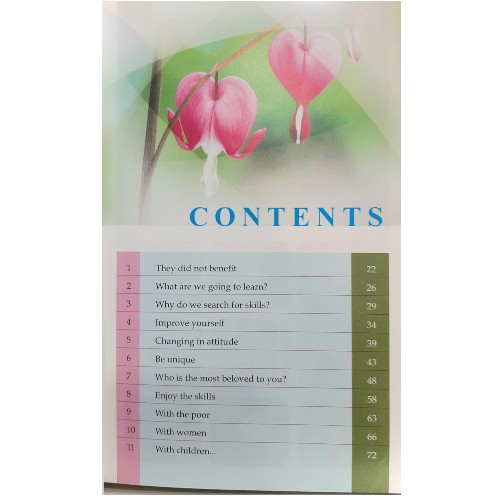
Enjoy Your Life (Full Color) – Darussalam
Highlights:
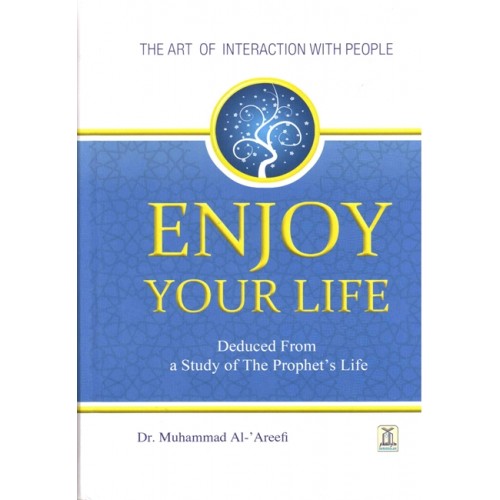
This is an exquisite collection of incidents from the life of the Prophet (S), stories from our Islamic Heritage, and thought-provoking anecdotes from the life of the author. The aim of the book is to train the reader to enjoy living his life by practicing various self-development and inter-personal skills. What is so compelling and inspiring about this book is that, in order to highlight the benefit of using social skills, the author draws from the lives of the Prophet (S) and his Companions. This book is both a practical systematic guide to self-improvement and a treasure trove of historical incidents. It increases self-awareness, whilst nurturing the soul and strengthening the spirit. The books author is a prominent figure in the field of Islamic Dawah and has authored more than twenty published works.
RM82.00
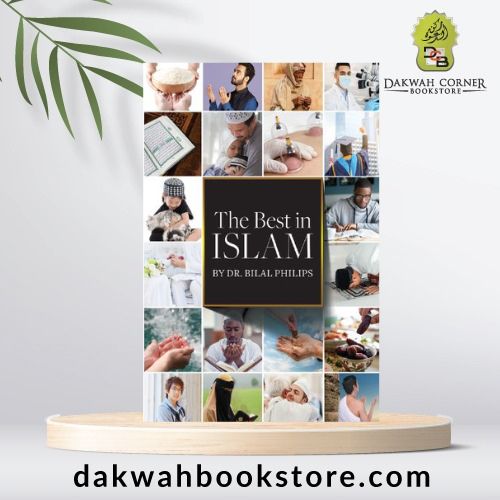

The Best in Islam
Highlights:
A groundbreaking, first-of-its-kind, compilation of authentic prophetic statements and Qur’anic verses that describe people, places and things using the terms of praise: “Good”, “Better” and “Best” or their equivalents like “beloved”, “more beloved” and “most beloved.” The 182 Hadeeth and Quranic verses are alphabetically grouped according to their various subject matters.
This truly unique work, originally compiled in the beginning of the 1990s, was aimed at enlightening English readers with issues which Islam considers to be the best and most pleasing to the Almighty God. Hence, readers can appreciate the higher objectives and goals of Islamic teachings, rites and rituals.
RM36.00
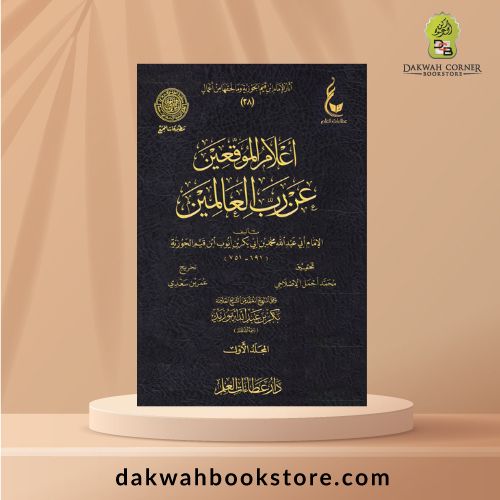
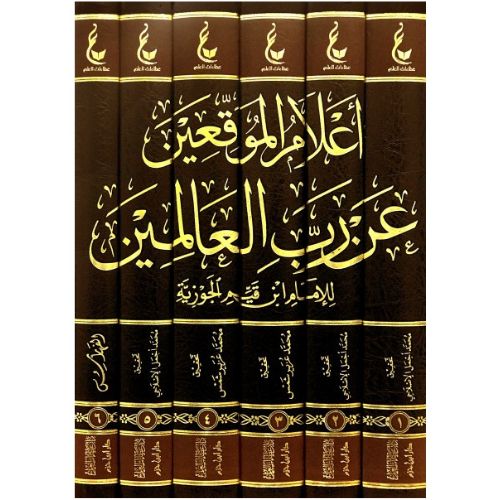
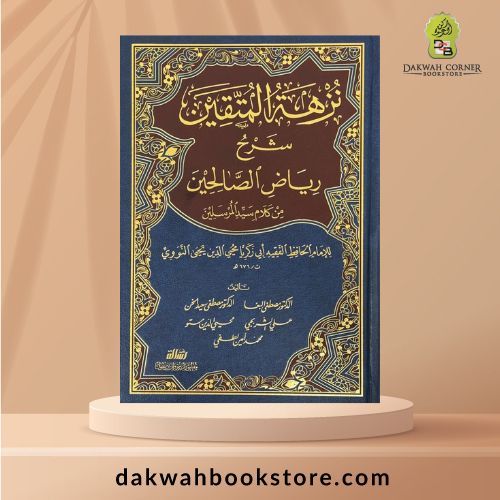
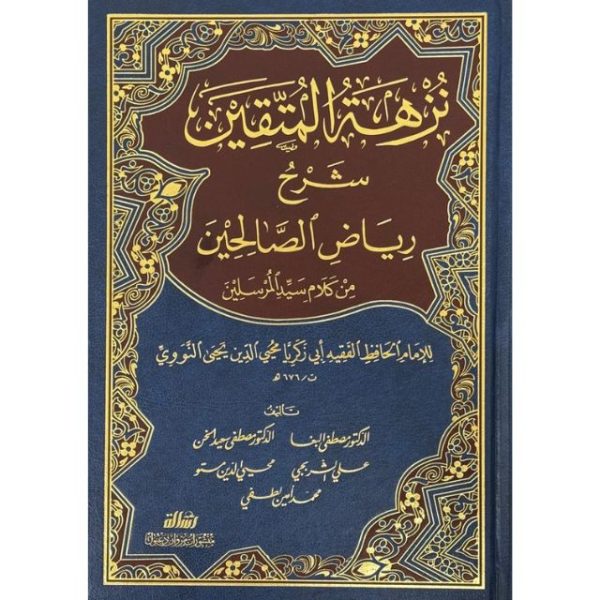
[AH] Nuzhat al Muttaqin / نزهة المتقين
Highlights:
كتاب “نزهة المتقين شرح رياض الصالحين
” هو أحد أشهر وأفضل الشروح المعاصرة لكتاب “رياض الصالحين” للإمام النووي. يتميز هذا الشرح بأسلوبه السهل والمنهجي المناسب لمختلف مستويات القراء من طلبة علم وعامة الناس
RM95.00

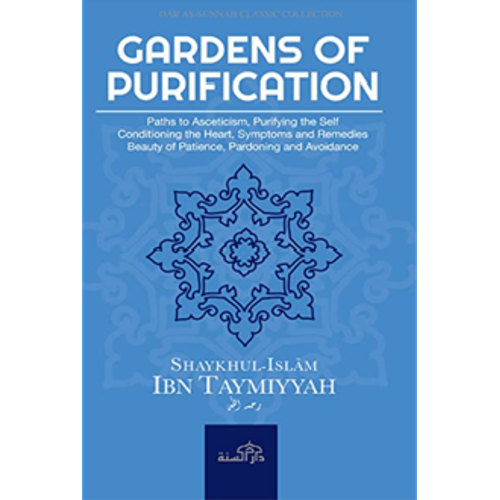
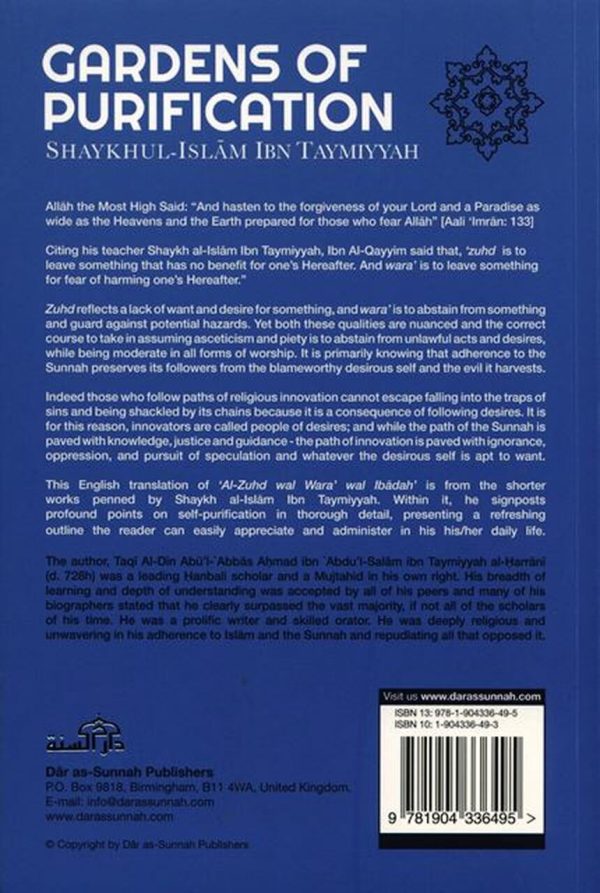
Gardens of Purification
5 ★
5 ★
1 Rating
5 ★
1
4 ★
0
3 ★
0
2 ★
0
1 ★
0
Highlights:
Paths to Asceticism, Purifying the Self. Conditioning the Heart, Symptoms and Remedies. Beauty of Patience, Pardoning and Avoidance
RM90.00
101 Quran Stories and Dua
5 ★
5 ★
2 Ratings
5 ★
2
4 ★
0
3 ★
0
2 ★
0
1 ★
0
Highlights:
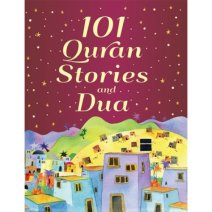
101 Quran Stories and Dua is a richly illustrated collection of 101 great stories told in simple language that children will easily understand and relate to. Each story comes with delightful illustrations and a beautiful prayer. The book includes well known tales of the Prophet Adam, the Prophet Yusuf and his brother, the Prophet Yunus and the whale and last messenger of Allah, the Prophet Muhammad ³ to name a few. It’s a unique experience the whole family will cherish and revisit again and again!
Special Features
- 101 interesting stories
- Delightful illustrations
- 101 beautiful Quran prayers
- Quran quotes and references
RM40.00 – RM50.00Price range: RM40.00 through RM50.00
HardcoverSoftcover
Clear
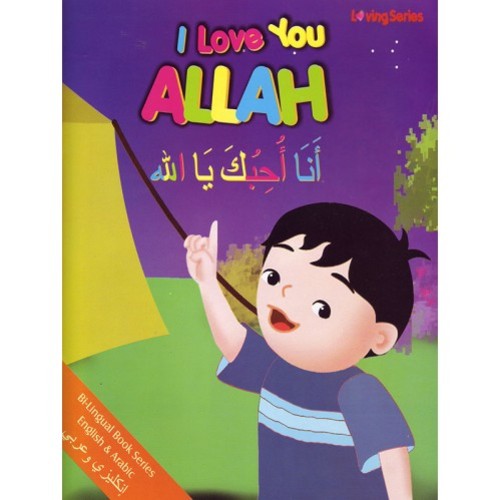
I Love You Allah (ARABIC/ENGLISH) (Loving Series)
Highlights:
This bilingual English & Arabic book series teaches children about Allah and the important people in their lives.
The first book in this Loving Series, I Love You Allah was initially sold out, but has now been reprinted & updated.
This book develops
– Arabic word recognition
– Allah (God) consciousness
– Connection to the Arabic language
– An appreciation of what Allah (God) has given us
Includes a transliteration table to assist non-Arabic readers.
There are 2 other books in the Loving Series.
RM25.00
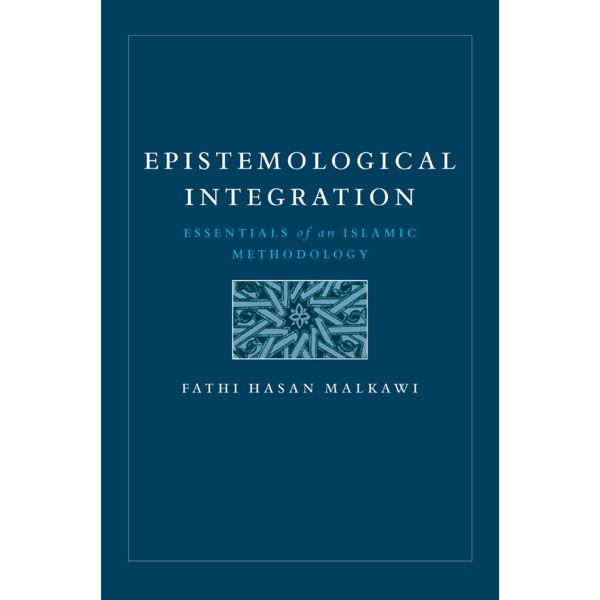
Epistemological Integration Essentials of an Islamic Methodology
Highlights:
Epistemological Integration: Essentials of an Islamic Methodology is a program which seeks to construct an intellectual framework for Islamic methodology with a view to realizing practical training in the thoughtful investigation of issues related to knowledge in various fields. The book’s title affirms the distinctive types of integration that characterize Islamic methodology, including integration of sources, means, and schools of thought, as well as existing realities with desired ideals etc. This is fully consistent with human nature, as variety is fundamental to the functions people perform and skills they master. The work essentially makes the case that fundamental to any Muslim recovery is laying the foundations of sound thinking and values that integrate the two main sources of knowledge: Revelation and Reality (that is the created worlds both physical, societal and psychological) under the umbrella of Tawhid. Islamic methodology adopts that and extends human hopes to integrate efforts so that humanity can realistically achieve prosperity on earth and earn eternal happiness in the afterlife.
RM132.00
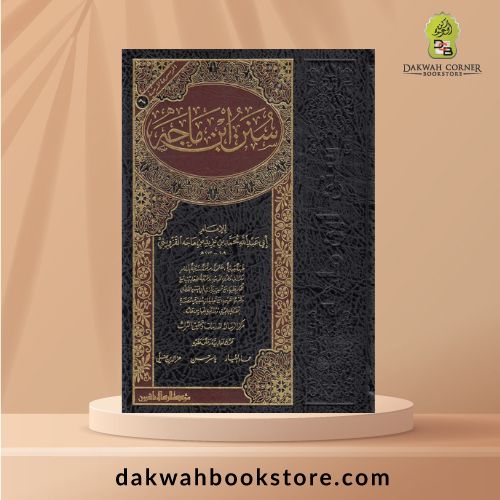
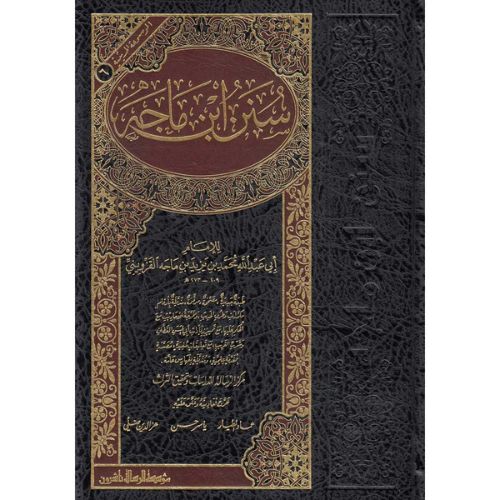
[AH] Sunan Ibn Majah (Ar Risalah Naashirun) / سنن بن ماجه
Highlights:
كتاب “سنن ابن ماجه” هو سادس الكتب الستة المعتمدة (الكتب الستة لأصول السنة النبوية المشرفة). قام بجمعه وتصنيفه الإمام أبو عبد الله محمد بن يزيد بن ماجه القزويني.
RM135.00
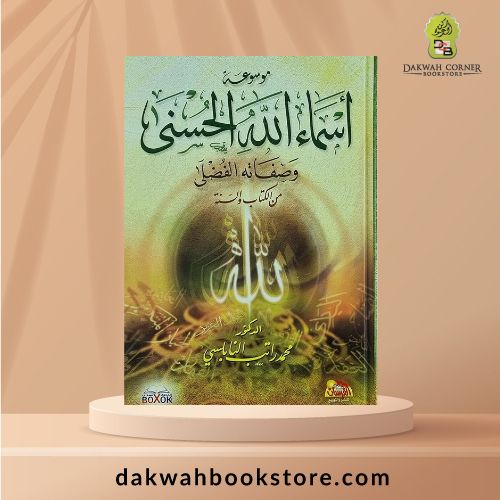
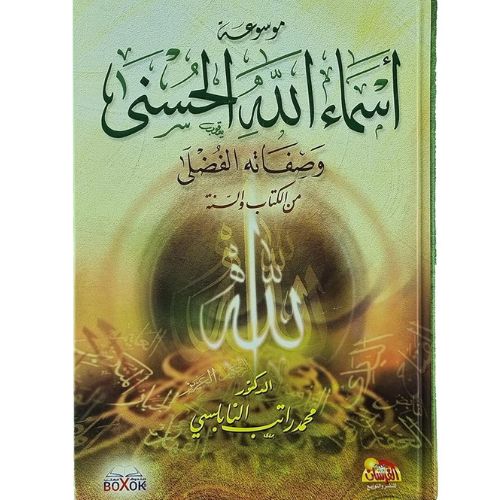
[AC] Mausū’at Asmā’ Allāh al-Ḥusnā / موسوعة أسماء الله الحسني
Highlights:
الدكتور محمد راتب النابلسي في موسوعته هذه، فضلاً عن نقله لما في كتب العلماء الأجلاء، قديماً وحديثاً، من روح لأسماء الله الحسنى، يسلك أسلوباً جديداً في شرحه لهذه الأسماء الحسنى، يعتمد على آيات الله في الآفاق، وعلى آيات الله في النفس البشرية
RM175.00
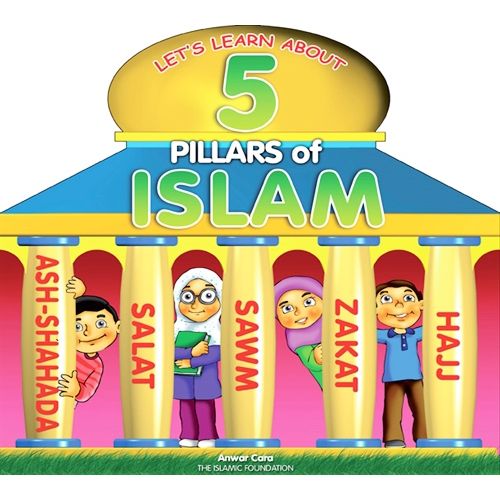
Let’s Learn About 5 Pillars of Islam
Highlights:
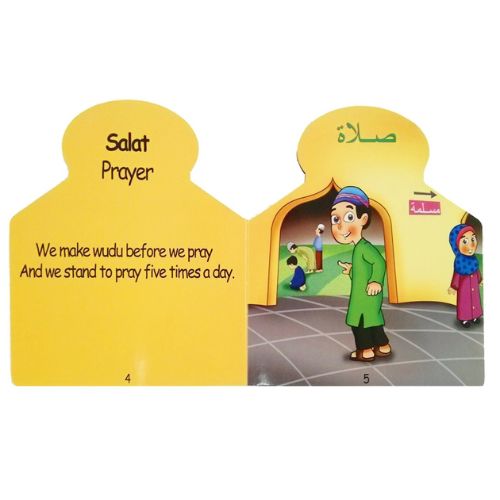
Written in simple, rhyming language and accompanied with bold, colorful illustrations, this book is perfect to introduce young children to the most important acts in Islam: the Five Pillars. Each spread features one of the Five Pillars: believing in Allah and His Messenger, praying, fasting, giving charity, and performing Hajj.
Anwar Cara has been involved in children’s publishing for over twenty years, most notably as a publisher of books for Muslim children with the Islamic Foundation. He spends his time between Mauritius and the United Kingdom.
RM45.00
There are no reviews yet.