

![[AC] As-Siham al-Khariqah fi ar-Radd 'ala az-Zanadiqah - السهام الخارقة في الرد على الزنادقة](https://shop.dakwahbookstore.com/wp-content/uploads/2024/10/TARIQ-33.jpg)
![[AC] Usul Al Sunah Imam Ahmad (Thin)/ (نَحيف) أصول السنة للامام أحمد](https://shop.dakwahbookstore.com/wp-content/uploads/2024/11/website-500x500-71.jpg)
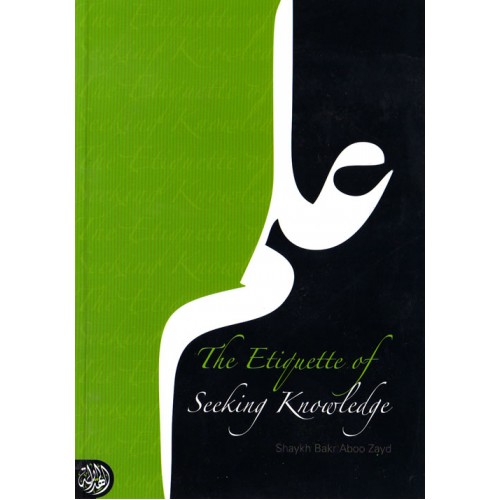
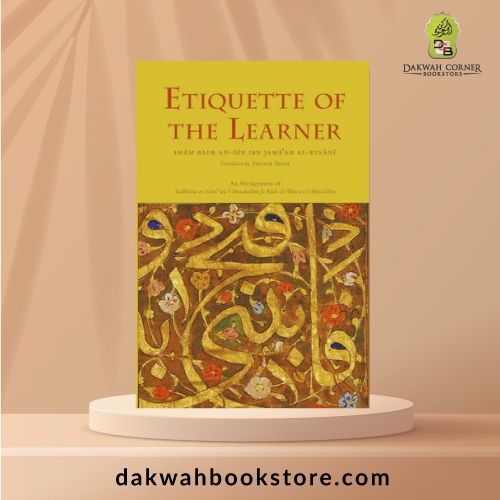
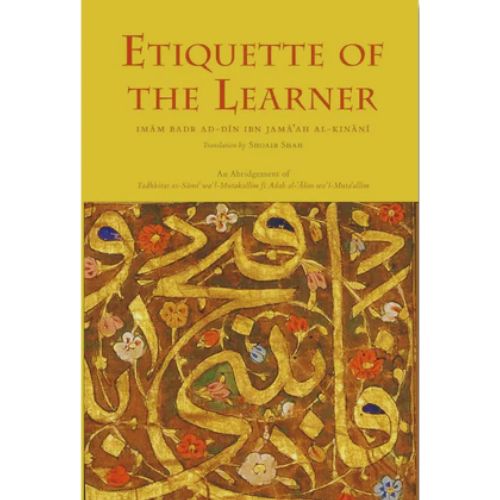
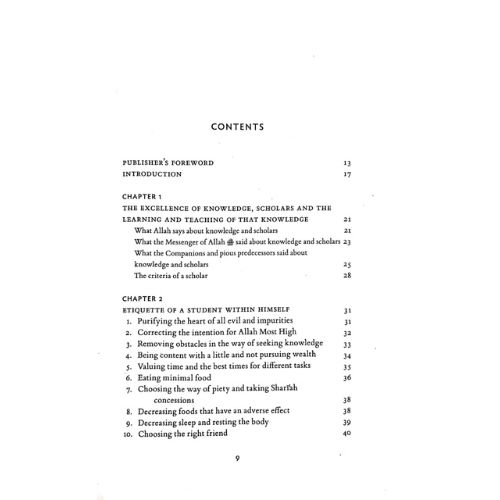
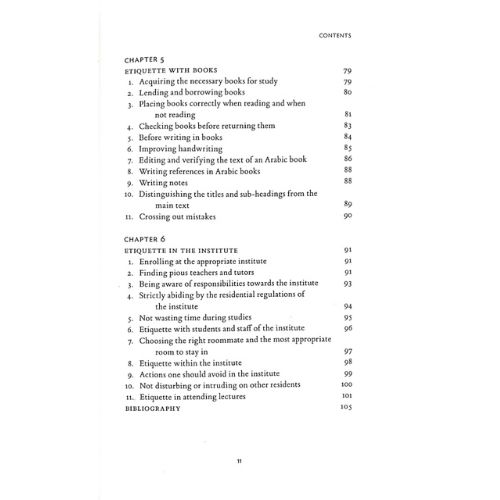
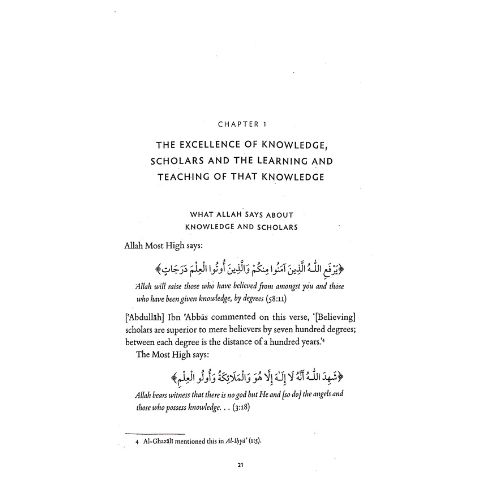
It provides a detailed guide for students of knowledge to the attitude and practice they should cultivate in order to bring their endeavour in line with the instructions and example of the Qur’an and Sunnah. Whether they are embarking upon the rigorous quest in pursuit of command of the Islamic sciences, or simply seeking to enhance their understanding of the religion, this work will impress upon readers the indispensable but oft-forgotten principle: etiquette comes before seeking knowledge, thus enabling them to truly benefit from their studies.
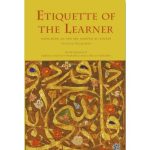
Etiquette Of The Learner (P/B)
RM40.00
Hurry up, Only 2 left.
Highlights:
somdn_product_page
Compare
This work entitled Etiquette of the Learner, is extracted from Qadi Ibn Jama’ah’s major contribution to the literature of adab: Tadhkirat as-Sami wa’l-Mutakallim fi Adab al-‘Alim wa’l-Muta’allim (A Memorandum to the Listener and the Speaker on the Etiquette of the Scholar and the Learner.
Frequently Bought Together
1 Item
RM40.00
2 Add-Ons
RM109.00
Total
RM149.00
Additional information
| Weight | 0.35 kg |
|---|---|
| Dimensions | 21.5 × 14 × 1 cm |
| Author | |
| Binding | Paperback |
| ISBN | 9781906949433 |
| Pages | 105 |
| Publisher | Turath Publishing |
Reviews (0)
Be the first to review “Etiquette Of The Learner (P/B)” Cancel reply
You must be logged in to post a review.
You may also like…
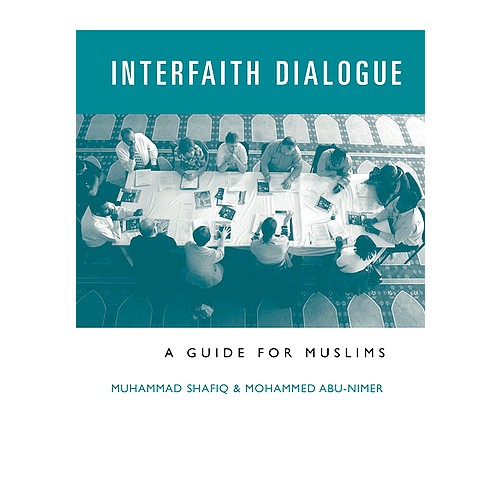
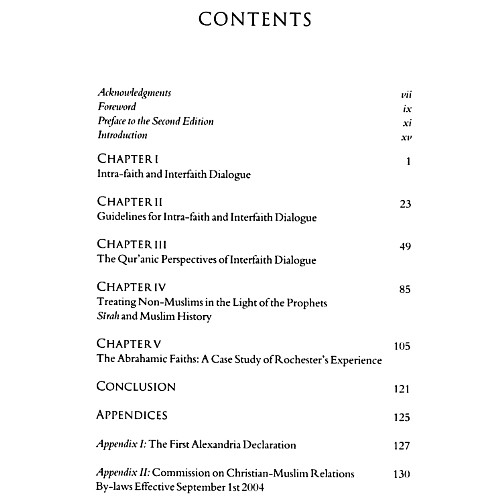
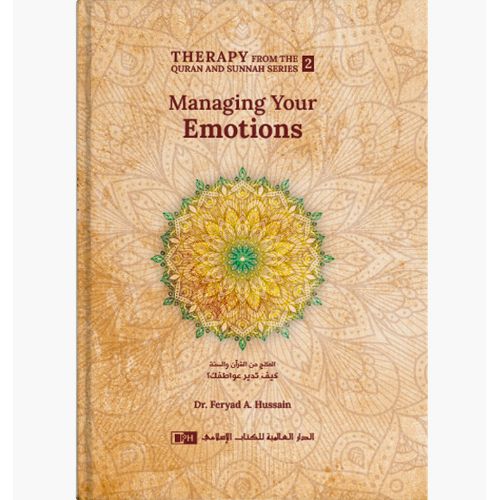
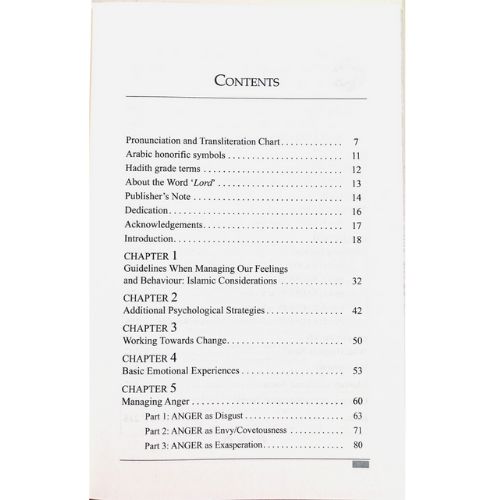
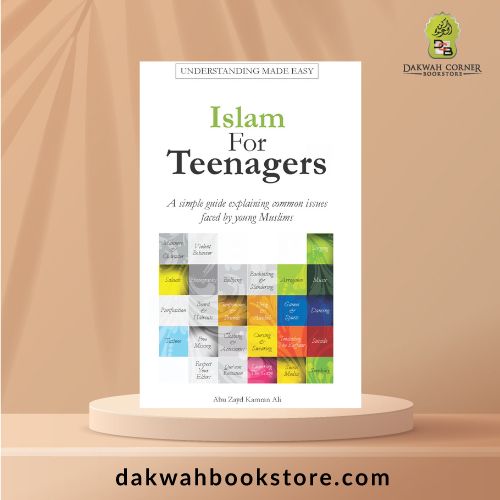
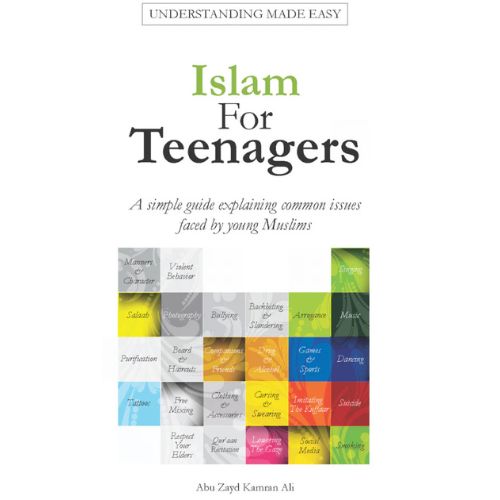
Islam For Teenagers (Darussalam)
Highlights:
Do teenagers think differently? Teenage brains work differently than adults when they make decisions or face problems. Their actions are guided more by the emotional & reactive process and less by the thoughtful & reasonable way of solving problems. This book covers a wide range of challenges that Muslim adolescents face as they develop.
RM36.00
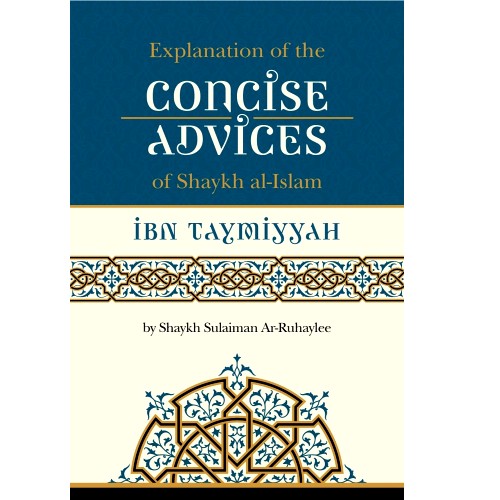
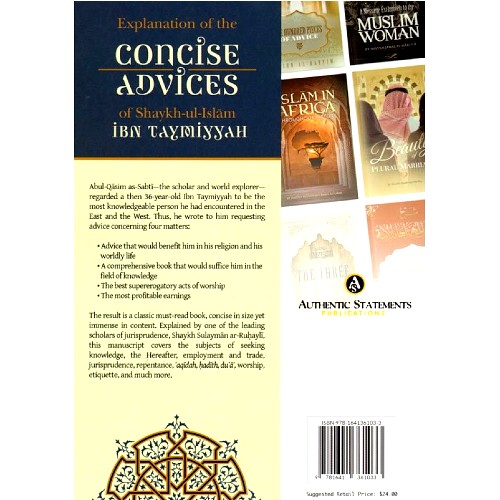
Explanation of the Concise Advices of Ibn Taymiyyah
5 ★
5 ★
1 Rating
5 ★
1
4 ★
0
3 ★
0
2 ★
0
1 ★
0
RM115.00
Related Products
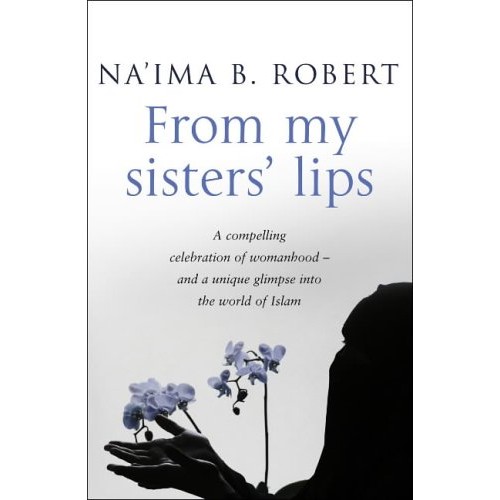
From my sisters’ lips
5 ★
5 ★
1 Rating
5 ★
1
4 ★
0
3 ★
0
2 ★
0
1 ★
0
Highlights:
Covered from head to toe with only her eyes visible, the sight of a Muslim woman on a western city street rarely fails to provoke a strong reaction. Feelings of shock, horror, repulsion, pity or even fear are not uncommon. But have you ever wondered who it is behind the veil and what makes her tick? Ever wondered what her life is really like and whether her dreams, hopes and aspirations differ from yours? From My Sisters’ Lips offers a rare glimpse into the lives of a community of women, most of whom are converts to Islam, and invites you to share their joys, sorrows, convictions and faith.
When Na’ima B Robert abandoned her western lifestyle and embraced Islam six years ago, it was not a decision taken lightly. Yet soon after she took her first tentative steps towards covering, she felt empowered; no longer judged on physical appearances alone, no longer seeking the approval to feel beautiful – or using her looks to wield power over men – the experience effected her greatly. Before long she grew in confidence and courage. As she says, ‘Something just clicked. I thought, “Good, don’t look; don’t compare me with your latest squeeze, don’t try and guess my measurements – my body is my own business!”‘
From My Sisters’ Lips offers a glimpse into the lives of just some of the extraordinary women who, like herself, have chosen to live behind the veil. What emerges is a vivid and intimate portrait of a sisterhood; as they speak candidly and with conviction on a diverse range of subjects ranging from marriage to motherhood, stereotypes, submission and self-image, we hear the strong, proud voices of those who are seldom heard.
RM67.00
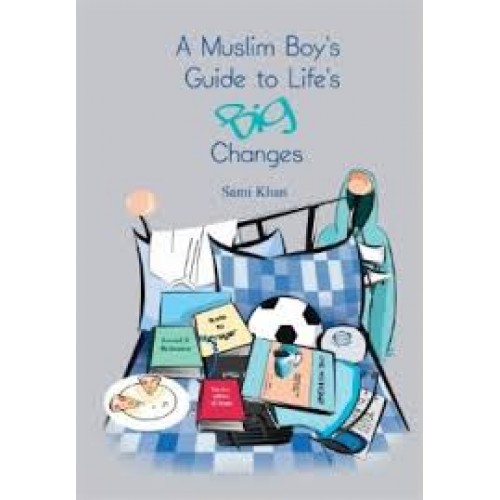

A Muslim Boy’s Guide to Life’s Big Changes (Ta-Ha)
5 ★
5 ★
1 Rating
5 ★
1
4 ★
0
3 ★
0
2 ★
0
1 ★
0
Highlights:
Motivational & Manners
RM35.00
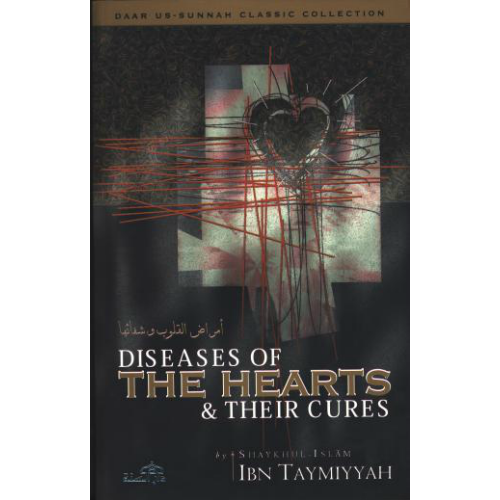
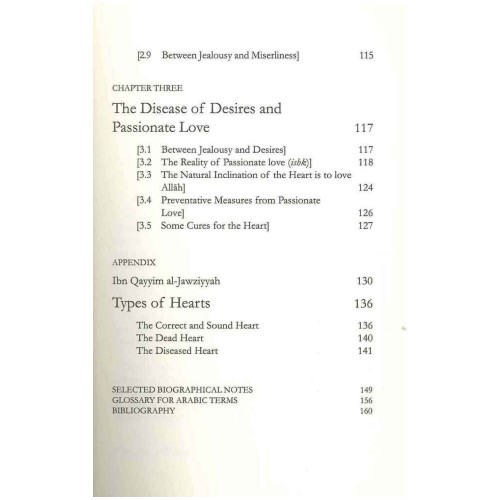
Diseases Of The Hearts & Their Cures (Dar as Sunnah)
4 ★
4 ★
1 Rating
5 ★
0
4 ★
1
3 ★
0
2 ★
0
1 ★
0
Highlights:
Translated by Abu Rumaysah “Know O beloved reader that it is most important to spend one’s time and energy in treating the heart, and hastening to correct and purify it from sickness and all sins. This is due to the heart occupying a great and lofty position in Islaam, for it is the place to which the Lord looks and the storehouse for tawheed, faith, and sincerity. Actions are distinguished, one from the other, with respect to their excellence in the Sight of Allah in accordance with the condition of the heart, not by their number or form, but rather due to the strength of the caller, his or her truthfulness, his or her sincerity and the extent to which he or she prefers Allah over himself or herself … Al-Haafidh ibn Hajr al-Asqalaanee, may Allah have mercy upon him and provide us with his knowledge, said: “The heart has been singled out for this because it is the leader of the body, and through the purification of the leader the subjects become purified, and with his corruption they become corrupted. So if you, O servant of Allah, with to cure your heart then it is upon you to be truthful with regards to seeking refuge with Allah and putting your trust in Him, to pray a great deal of superogatory prayers, to perform the actions of obedience to Allah frequently, to pray the night prayer while the people are sleeping, and to treat your heart by making it continuously stick to the remembrances and by befriending only the righteous … and to frequently recite the Qur’an. And Allah will indeed allow all of this to be preserved by him.”
RM54.00
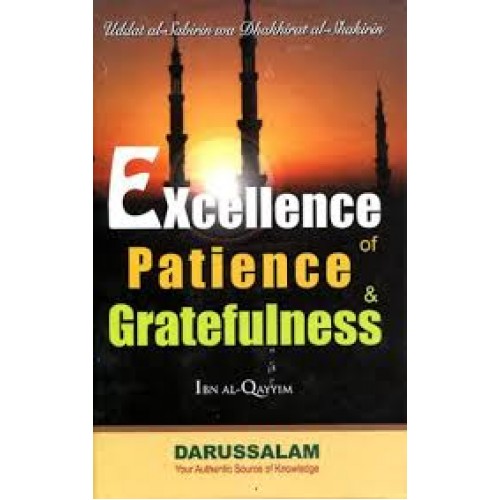
Excellence of Patience & Gratefulness
5 ★
5 ★
1 Rating
5 ★
1
4 ★
0
3 ★
0
2 ★
0
1 ★
0
Highlights:
This book is written to highlight the necessity and the pressing need to pursue these two qualities and to illustrate that happiness in this world and the Hereafter is dependent on them. It is intended to be a comprehensive, extensive and useful book.
RM65.00
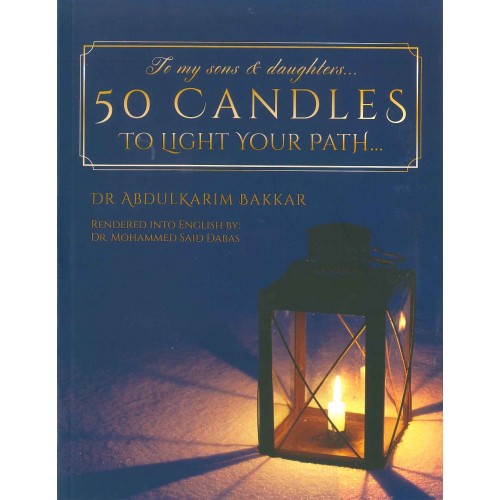
50 Candles To Light Your Path (P/B)
5 ★
5 ★
2 Ratings
5 ★
2
4 ★
0
3 ★
0
2 ★
0
1 ★
0
Highlights:
One goal brings them together : how to improve the well-being of our sons and daughters, how to aid them towards threading the path of guidance to engender their excelling in their academic, work and other facets of life.
RM36.00
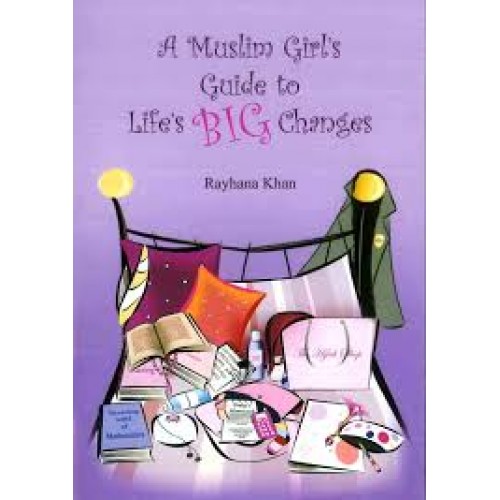
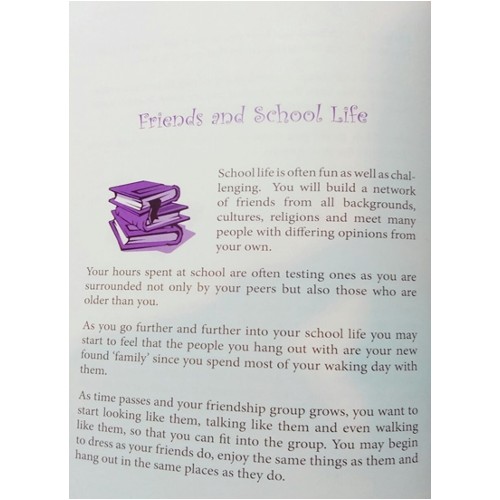
A Muslim Girl’s Guide To Life’s Big Changes (Ta-Ha)
4 ★
4 ★
1 Rating
5 ★
0
4 ★
1
3 ★
0
2 ★
0
1 ★
0
Highlights:
Motivational & Manners
RM35.00

Ghibah (Backbiting) : The Root Cause of All Evil : The Commands and Prohibitions of the Shariah
Highlights:
Islam is a religion of peace, love, and compassion. Lies, suspicion, backbiting, slander, vain talk — all these are anathema to Islam. Indeed, such negative activity sows the seeds of enmity among the people and ultimately brings about the downfall of society. Backbiting (ghibah) in particular, according to the Qur’an, is not just a common social evil, but rather an abhorrent act, a major sin — the equivalent of eating one’s brother’s flesh.
Numerous ahadith of the Prophet Muhammed (pbuh) also underscore the complete futility, extreme loathsomeness and grave consequences of the deliberate misrepresentation of others. Backbiting, by the unanimous rulings of religious scholars (ijma) is forbidden, so that anyone who indulges in it is guilty of serious wrongdoing. Yet people have no qualms about engaging in this practice, flouting all prohibitions and strict commands.
Drawing upon important source material on the subjects of backbiting, false accusation (bhutan), and related issues, this book highlights the need to keep our society free of his ignoble malaise. To this end, it elucidates the relevant commands and prohibitions of the Shari’ah, so as to create in the minds of its readers a deep awareness of the sinfulness and ill effects of calumny.
By Shakil Ahmad Khan and Wasim Ahmad
RM16.00
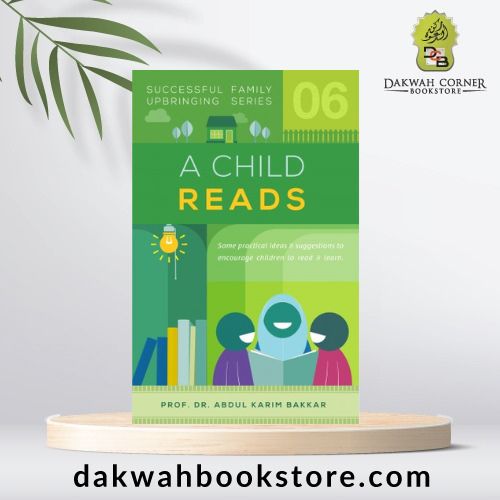
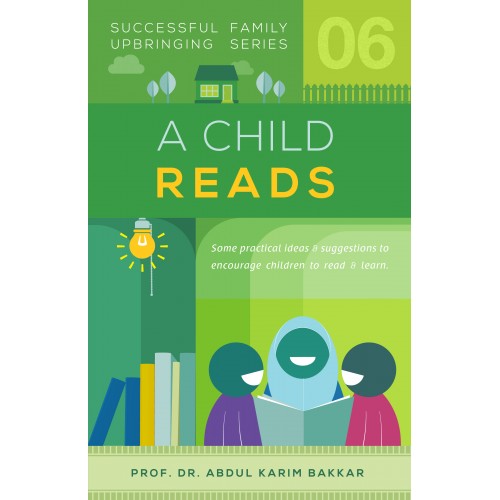
A Child Reads (Successful Family Upbringing Series-06)
Highlights:
A Child Reads (Successful Family Upbringing Series-06)
RM15.00
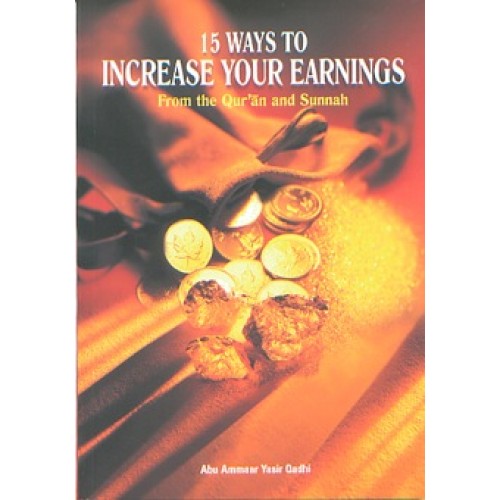
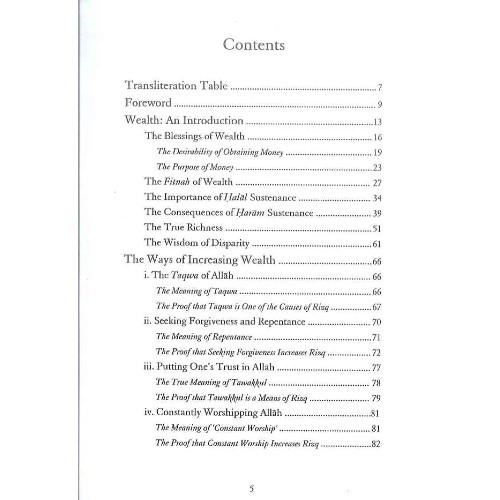
15 Ways to Increase Your Earnings from the Quran and Sunnah (P/B)
5 ★
5 ★
1 Rating
5 ★
1
4 ★
0
3 ★
0
2 ★
0
1 ★
0
Highlights:
One of the blessings that Allah has given His servants is that of a convenient means of financial exchange, i.e. money. Money has since grown to become one of the most’ prized possessions of mankind, and like so many elements of the dunya, serves to test the obedience of Allah’s servants by challenging their system of priorities… Therefore, due to the fact that the Muslims of today are preoccupied with the seeking of money to an extent almost unparalleled in Islamic history, I felt the need to compile a short treatise explaining the manner in which Allah and His Messenger described how Muslims could increase their money. The focus of this book is upon encouraging Muslims to procure money through halal means, and to abstain from haram gains. Abu Ammaar Yasir Qadhi was born in Houston, TX, but completed his primary and secondary education in Jeddah, Saudi Arabia. He graduated with a B.Sc. in Chemical Engineering from the University of Houston, after which he was accepted as a student at the Islamic University of Madinah. After completing a diploma in Arabic, he graduated with a B.A. from the College of Hadith and Islamic Sciences. He is presently doing an M.A. in Islamic Theology (‘aqidah) from the College of Da’wah at the University. Of his published works are: Riyaa: Hidden Shirk; An Introduction to the Sciences of the Qur’an; An Explanation of the Four Principles of Shirk;Du’a: The Weapon of the Believer; and others.
RM47.00
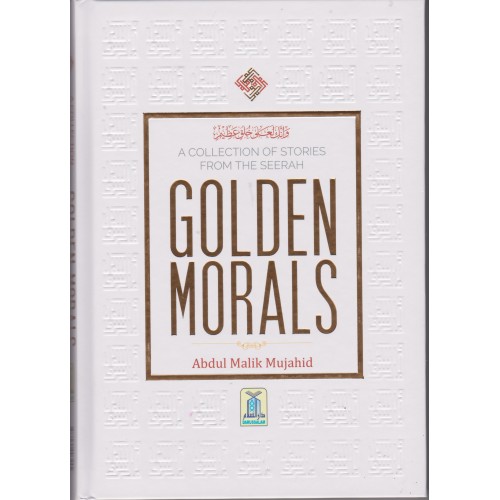
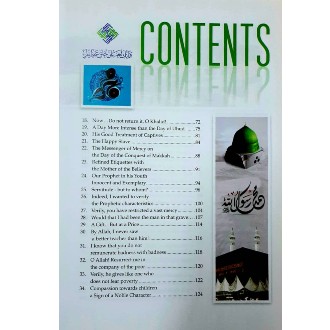
Golden Morals (A Collection Of Stories From The Seerah) (H/B)
5 ★
5 ★
1 Rating
5 ★
1
4 ★
0
3 ★
0
2 ★
0
1 ★
0
Highlights:
The Seerah of the Prophet (PBUH) is an everlasting topic. The Muslims are never fed up with its fragrance. It has been a topic for writing sine centuries and it will be a topic for writing till the Day of Judgment. Every author shows his love and affection for the Messenger of Allah in his own style and he tries to highlight every aspect of his life. No doubt, thousands of books have been written on the Seerah of the Messenger in different languages from the ancient.
RM67.00


33 Ways of Developing Al-Khushoo`: Humility and Devotion in Prayer
5 ★
5 ★
1 Rating
5 ★
1
4 ★
0
3 ★
0
2 ★
0
1 ★
0
Highlights:
Shaykh Muhammad Salih al-Munajjid’s little book is perhaps one of the most widely-circulated among Muslims today. This is because the topic touches worshippers where it hurts—we know that we often lapse into an automatic sort of prayer when we lose concentration. The Shaykh points out that this loss of concentration really stems from a lack of humility and devotion—in Arabic, khushoo‘. His aim in writing this book is to help us to get back that khushoo‘. His step-by-step approach makes it simple. He gives practical advice and uses the excellent example of the prayer of the Messenger of Allah (blessings and peace be upon him) to guide us, so that as worshippers, we can truly return to a state of humility and devotion before the Lord.
RM15.00
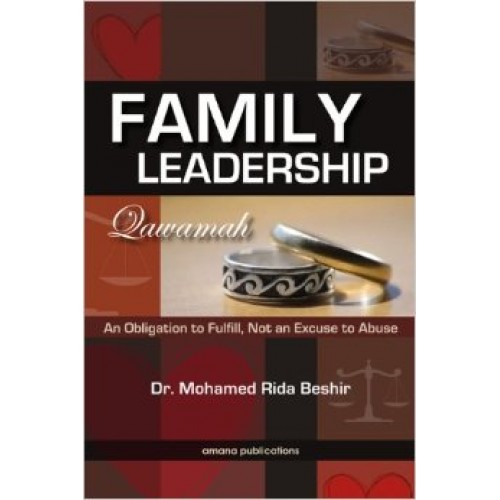
Family Leadership – Qawamah
5 ★
5 ★
2 Ratings
5 ★
2
4 ★
0
3 ★
0
2 ★
0
1 ★
0
Highlights:
This book discusses in details family leadership (Qawamah) in Islam and the many misconceptions that arise around this concept. It provides a detailed analysis on the subject from a variety of available literature and emphasizes that it is primarily an obligation to be fulfilled on part of the husband toward his family. It also provides many practical examples on the appropriate use of Qawamah as well as its inappropriate use.
“….an extremely valuable springboard for further discussion and consideration of a most timely topic that affects every Muslim family in North America. As a Muslim with a doctorate in clinical psychology, it is my professional recommendation that every mosque and Islamic center in North America should use Dr. Beshir’s new book to lead in-depth study and discussion sessions about the role of family leadership within Islam.” – Jerald F. Dirks, M.Div., Psy.D.
RM75.00
Recently Viewed
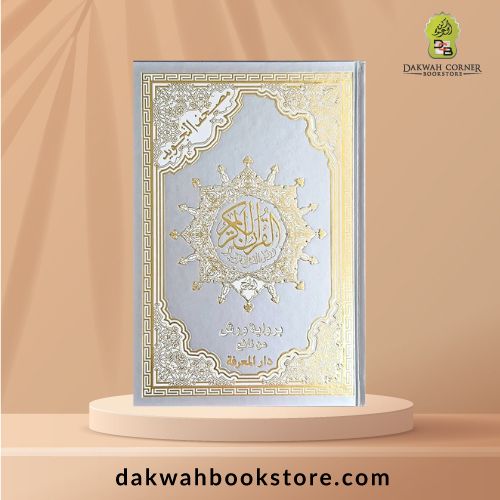
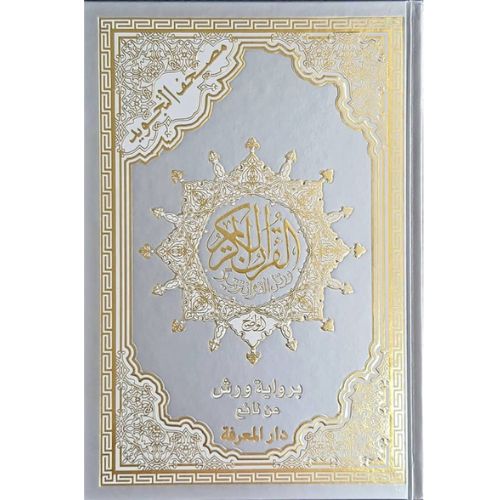
Mushaf Tajwid (Riwayat Warsh) (L)
Highlights:
Mushaf Al Quran Qiraat Nafi’ Riwayat Warash Warsh Warsy Tajwid Warna.
RM130.00
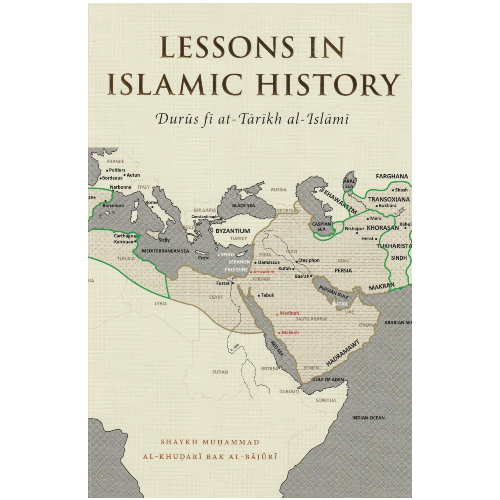

Hajj & Umrah And Visitors (H/B)
Highlights:
Rites and Selected Etiquettes for those intending to Perfom Hajj & Umrah and Visitors In this book the author calls attention to the most important things that those who intend to perform Hajj, Umrah or Visiting the Prophets Mosque in Medinah must have as provisions. The author has made his work brief and arranged its topics according to their priorities. the author mentions a considerable number of sayings of the people of knowledge and calling the attention of the reader to some important matters.
RM45.00
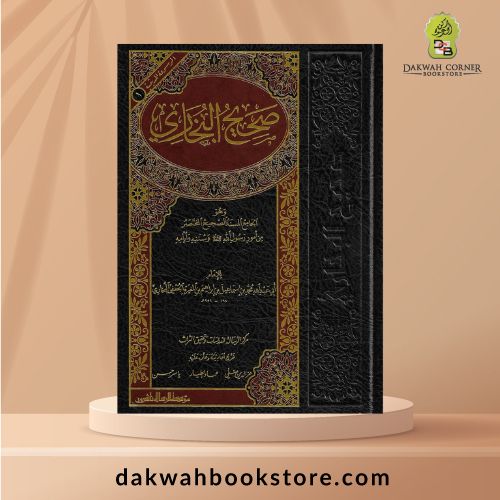
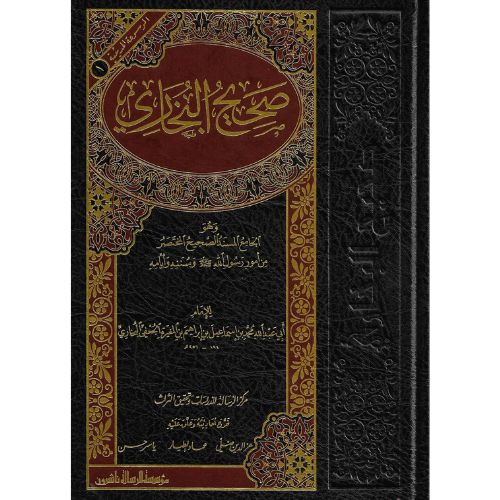
[HH] Sahih Al Bukhari (Ar Risalah Naashirun) / صحيح البخاري
Highlights:
يعد هذا الكتاب من أوّل كتاب مصنّف في الحديث الصحيح المجرّد، وهو أهم و أشهر كتب الحديث الشريف، واستغرق مصنّفه في تحريره ستة عشر عاماً، وقد انتقى أحاديثه من ستمائة ألف حديث جمعها.
RM200.00
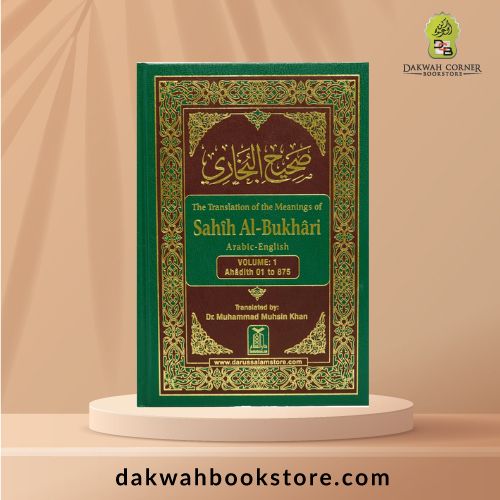
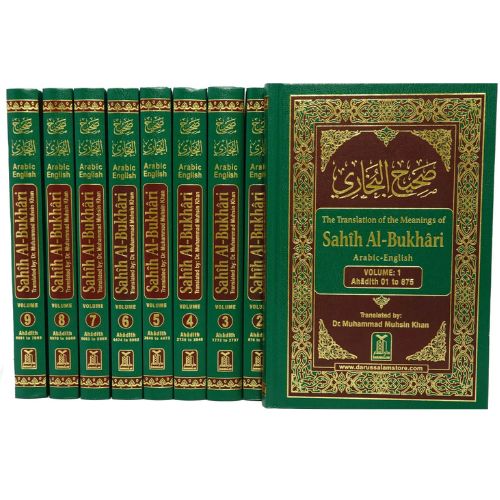
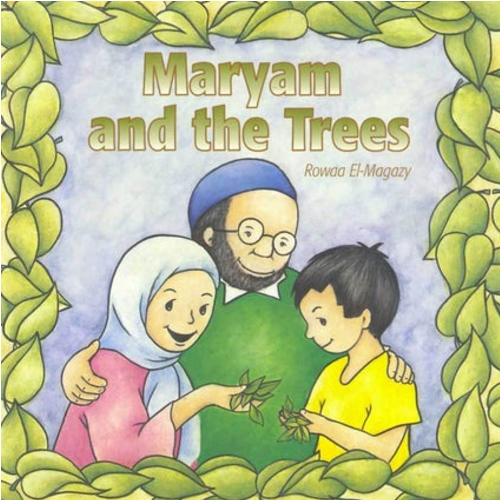
Maryam and the Trees (Hardcover)
Highlights:
Maryam and the Trees is the first book in the Young Muslim Nature Series, which explores the scientific and spiritual dimensions of Allah’s creation. Join Maryam and Abdullah as they discover the importance of trees in the environment and in our lives, and how they point to Allah’s greatness and glory.
RM21.00
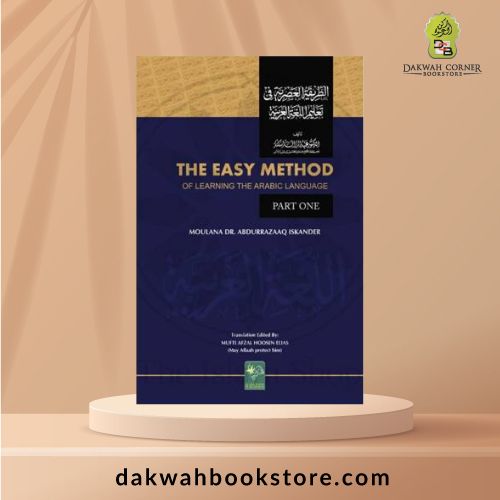
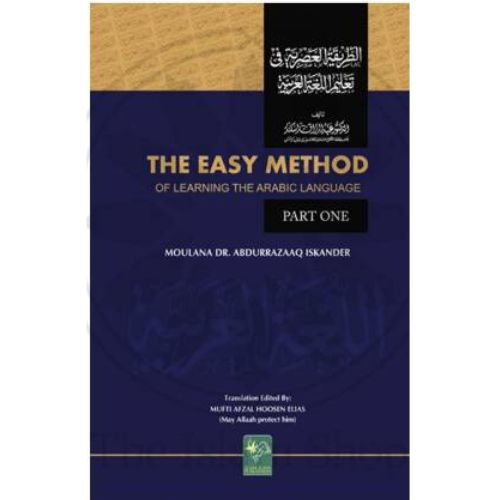
The Easy Method of Learning the Arabic Language Part One
Highlights:
The book covers all the essentials of Arabic language, including basic grammar, vocabulary, and pronunciation. The authors have included exercises and quizzes throughout the book to help learners reinforce their understanding of the material. Additionally, the book includes useful tips and tricks for memorizing Arabic vocabulary, understanding Arabic grammar rules, and developing proper pronunciation.
RM30.00
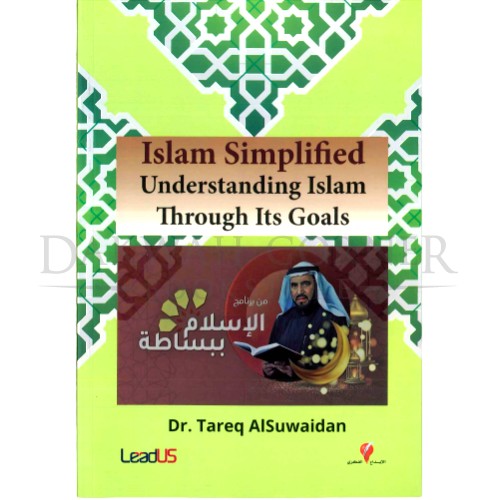
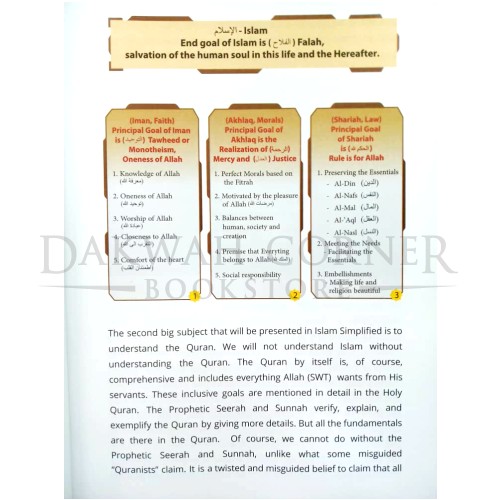
Islam Simplified: Understanding Islam Through Its Goals
Highlights:
Islam Simplified introduces Islam simply and comprehensive by presenting the overall framework of Islam that highlights the goal-oriented view of Islam so that Muslims and non-Muslims will understand clearly the “Why” of Islam.
RM37.00

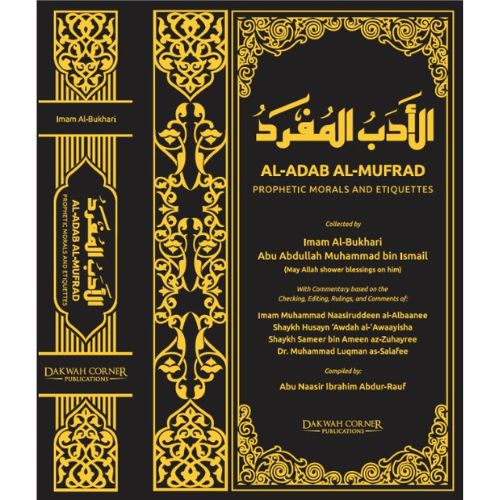
Al-Adab Al-Mufrad (DCB)
5 ★
5 ★
1 Rating
5 ★
1
4 ★
0
3 ★
0
2 ★
0
1 ★
0
Highlights:
Al-Adab Al-Mufrad
This lofty statement of the best of creations and the one who Allah revealed the Final Message to all of mankind through, indicates one of the primary objectives in which Islam was revealed for which is to call upon its followers to achieve high moral standards and conduct.
Every time Allah commands the believers to perform an act of worship, He draws their attention to its moral significance or its positive effect on the individual and society. Examples of this are numerous and include the following:
“Establish the prayer, for the prayer restrains from shameful and unjust deeds.” (Soorat Al-‛Ankaboot,29:45).
RM100.00
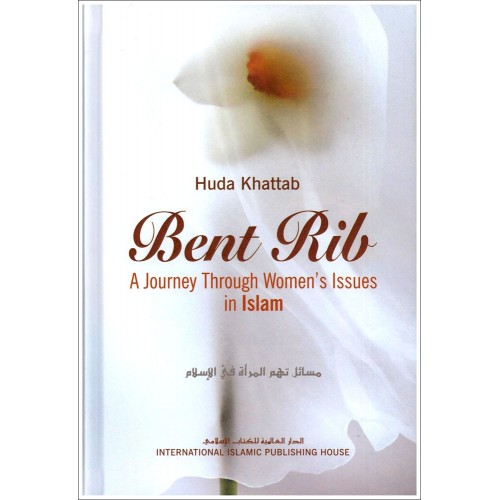
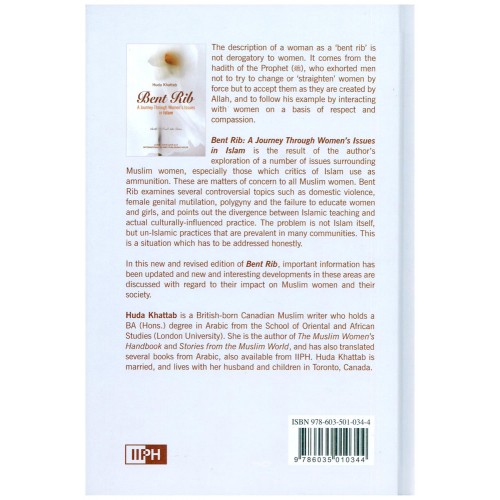
Bent Rib: A Journey Through Women’s Issues in Islam (H/B)
5 ★
5 ★
1 Rating
5 ★
1
4 ★
0
3 ★
0
2 ★
0
1 ★
0
Highlights:
This book examines the role of women in Islam, their education and marriage, and several controversial topics such as domestic violence, female genital mutilation and polygyny. It addresses honestly the divergence between Islamic teaching and actual culturally-influenced practices.
RM40.00

History of Islam: Umar ibn al-Khattab (P/B)
Highlights:
This is the second volume from this series, which deals with the life of Umar ibn al-Khattab , the second of the Four Rightly-Guided Caliphs. The evaluation of Amir al-Mu’minin Umar al-Farooq, may Allah be pleased with him, and his far-sighted policies is captured in a statement attributed to the Prophet (S), There were in the nations before you inspired people, and if there is any one of them in my nation, it is Omar. Darussalam presents the entire History of Islam to our youth in language that appeals to them, in a simple yet lucid manner. The first four volumes in this series explore Islamic history during the period of the first Four Rightly-Guided Caliphs. Later volumes would be devoted to the History of Islam, down through the ages to modern times, inshaAllah.
RM65.00
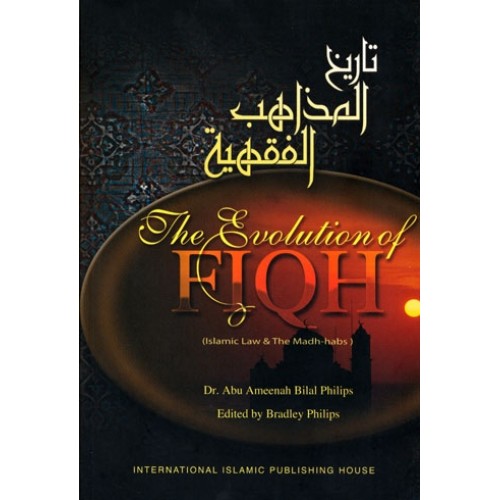
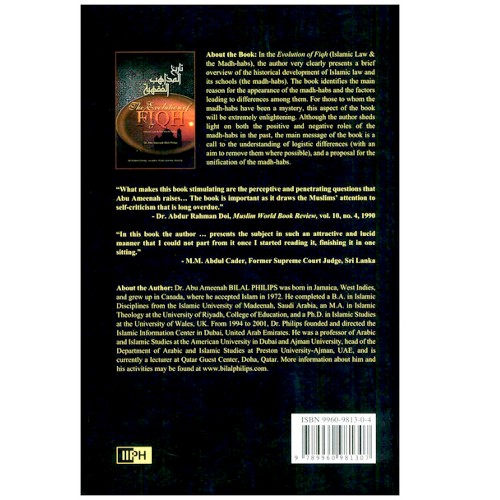
The Evolution of Fiqh (H/B)
Highlights:
In The Evolution of Fiqh: Islamic Law & the Madh-habs, Dr. Bilal Philips presents a brief overview of the historical development of Islamic law and its schools of jurisprudence (the madh-habs). This authentic Islamic book on fiqh identifies the main reason for the appearance of the madh-habs and the factors leading to differences among them, with a call to understanding juristic differences and removing them where possible.
RM45.00
There are no reviews yet.