

![[AR] Al-Arabiyyah Bayna Yadayk Book 2 Part 1](https://shop.dakwahbookstore.com/wp-content/uploads/2020/10/AR60.png)
| Weight | 0.75 kg |
|---|---|
| Dimensions | 28 × 21.5 × 1.5 cm |
| Author | |
| Binding | Paperback |
| ISBN | 9781648712302 |
| Pages | 203 |
| Publisher | Markazul-Muyassar |
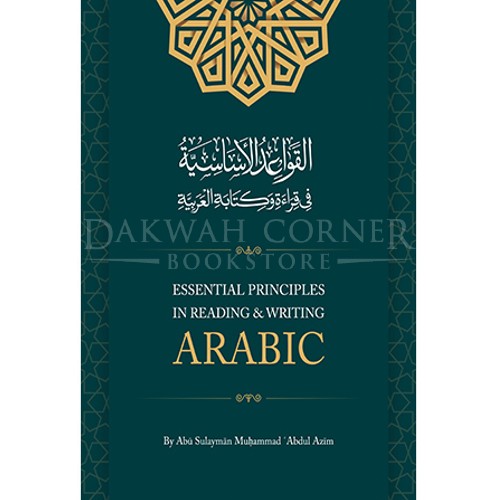
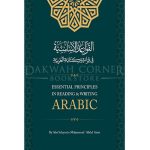
Essential Principles In Reading & Writing Arabic
RM95.00
Hurry up, Only 2 left.
Highlights:
somdn_product_page
Compare
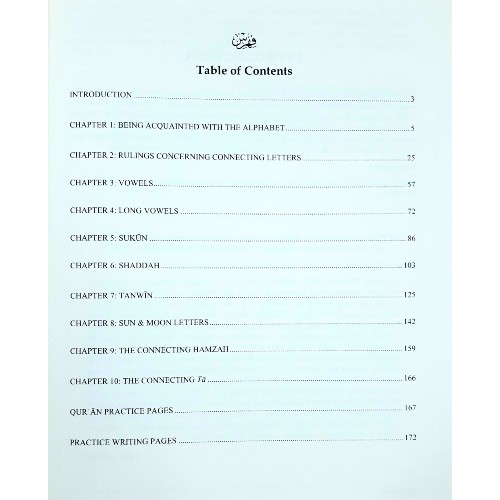
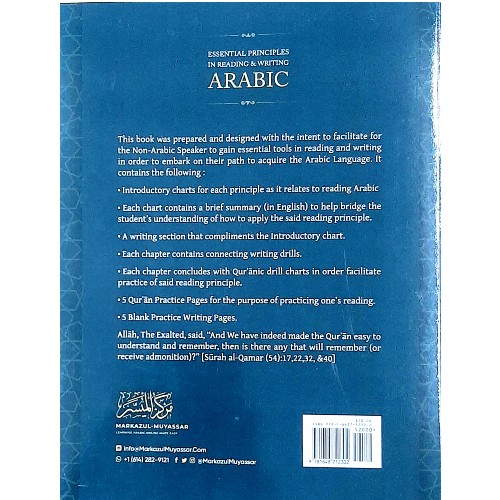
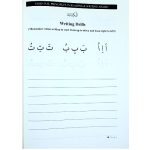
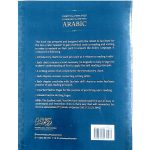
This book was prepared and designed with the intent to facilitate for the Non-Arabic Speaker to gain essential tools in reading and writing in order to embark on their path acquire the Arabic Language. It contains the following:
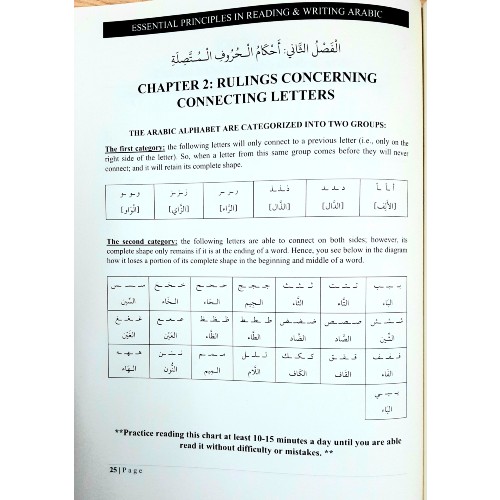
- Introductory charts for each Principles as it relates to Arabic Reading
- Each chart contains a summary (in English) to help bridge the student’s understanding of how to apply said Reading Principle.
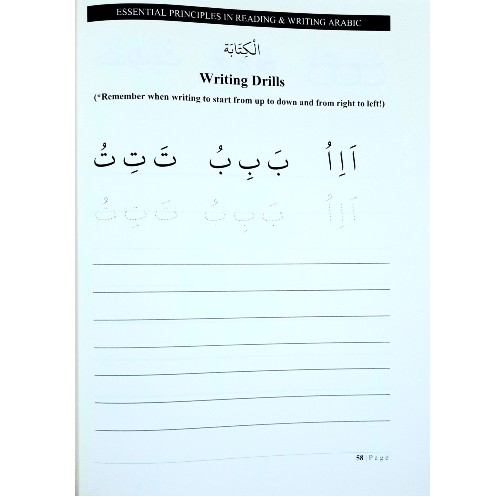
- A writing section that compliments the Introductory chart.
- Each chapter contains a connection writing drill.
- Each chapter concludes with a Qurʾānic drill chart in order facilitate practice of said Reading Principle.
- 5 Qurʾān Practice Pages for the purpose practice one’s reading.
- Extra Blank Practice Writing Pages.
- Practice Writing Pages of {Sūrah al-Qamar (54):17,22,32,&40}
SKU: AR50
Categories: Arabic Grammar, Arabic Learning
Frequently Bought Together
1 Item
RM95.00
2 Add-Ons
RM175.00
Total
RM270.00
Additional information
Reviews (0)
Be the first to review “Essential Principles In Reading & Writing Arabic” Cancel reply
You must be logged in to post a review.
You may also like…
RM21.00
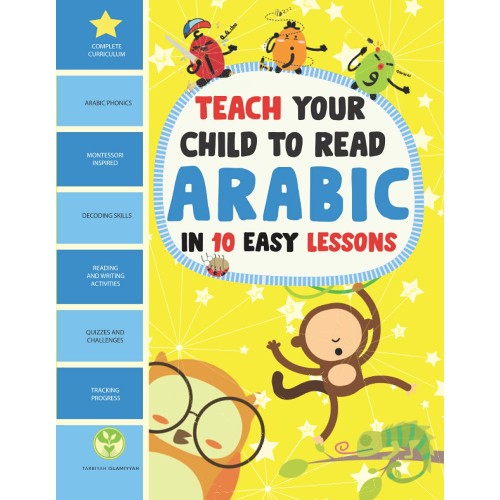
Teach Your Child To Read Arabic In 10 Easy Lessons
Highlights:
Welcome to the wonderful world of the Arabic language. Dive into Montessori inspired exercises, engaging activities, challenges and games in every lesson. A super-fun way to learn Arabic as a second language. An innovative visual approach combines colourful illustrations and useful Arabic vocabulary. Learn easily and systematically. Teach your child to become a reading pro. “Teach Your Child to Read Arabic in 10 Easy Lessons” provides an abundance of practice activities and exercises, giving them repeated exposure for teaching the core skills needed for reading and writing Arabic.
RM160.00

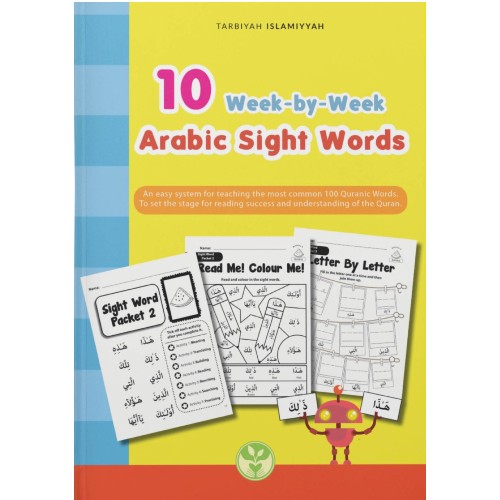
10 Week-by-Week Arabic Sight Words
Highlights:
An easy system for teaching the most common 100 Quranic Words.
The ultimate 10 Week by Week Arabic Sight Words Workbook. WIth activity pages that help kids recognize, write, and really LEARN the Top 100 Quranic high-frequency words. Which are key to reading success. Watch confidence soar as children master 100 sight words the most commonly encountered words in the Quran and Arabic language. Children read more fluently, write with greater ease, and spell more accurately when they know these high-frequency words!
RM90.00
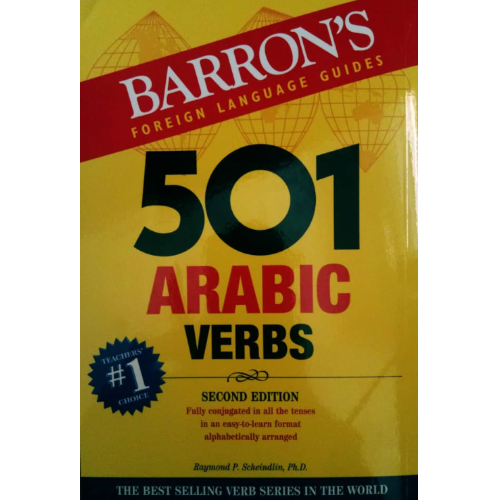
Arabic Verbs: Fully Conjugated All Forms Bilingual Edition
Highlights:
This update, easy-to-use reference book gives you:
- The 501 most common Arabic verbs in a table format
- Both the Arabic characters and their English infinitive form at the top of each page
- Exemplary essay that discusses Arabic verb formation and usage
- Common idioms with example sentences to demonstrate verb usage
- A grammar review and a pattern index
- Indexes that list verbs in both root order and strict alphabetical order
RM135.00
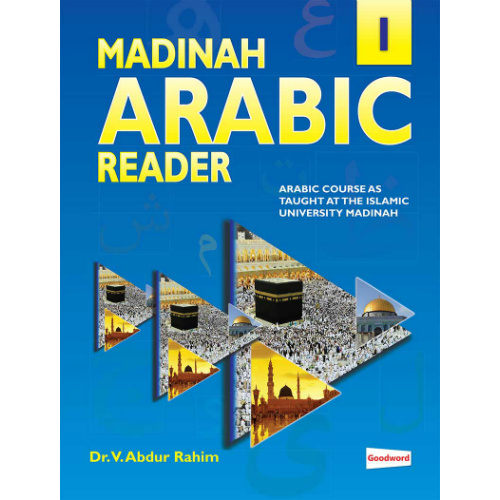
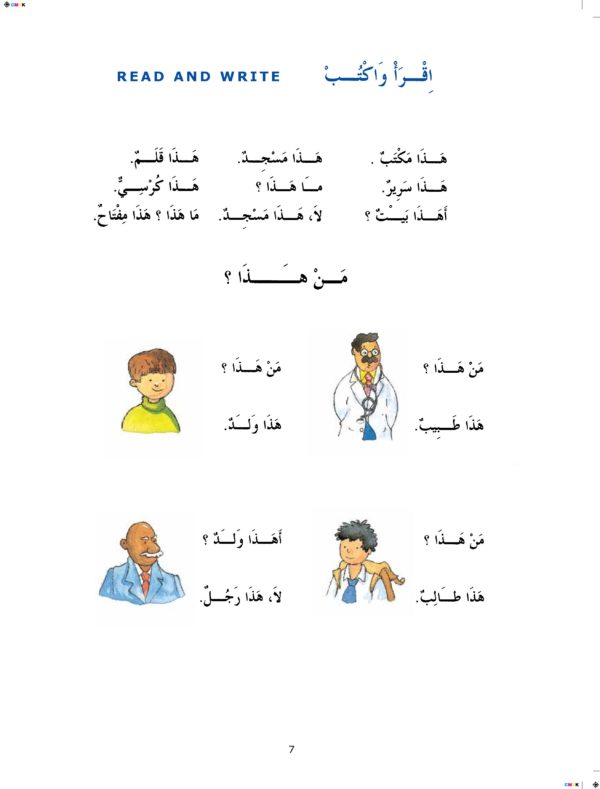
Madinah Arabic Reader (Book 1)
5 ★
5 ★
1 Rating
5 ★
1
4 ★
0
3 ★
0
2 ★
0
1 ★
0
Highlights:
Arabic Learning
RM26.00
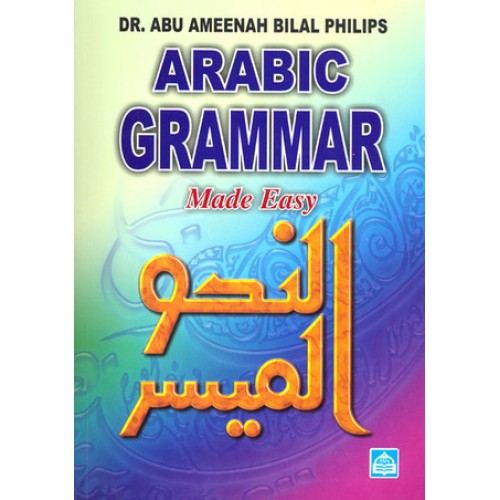
Arabic Grammar Made Easy (P/B)
Highlights:
An approach to teaching the Arabic language by introducing vocabulary and grammar in small doses, based on the most commonly used words in Arabic literature and the most frequently used grammatical constructions. Book One focuses on the rules of nominal sentences.
RM33.00
Related Products
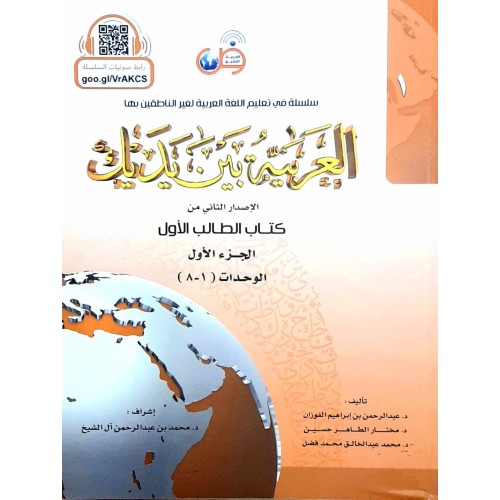
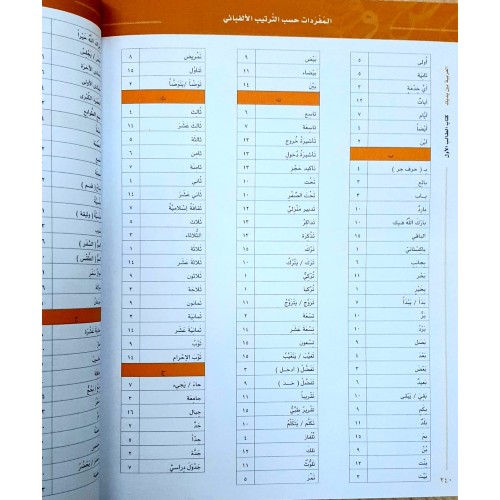
[AR] Al-Arabiyyah Bayna Yadayk Book 1 Part 1
Highlights:
Al-Arabiyyah Bayna Yadayk, Arabic At Your Hands (Students Level 1, Book 1) – With QR
This series is designed for the non-Arab speaking, senior level student. It helps the student learn Arabic through listening and conversation along with reading and writing. The series stresses communication and also offers glimpses into the Arabic culture, both Islamic and national.
The first level consists of two parts (books), each of which includes 8 units (total of 16 units). Each unit consists of 9 lessons, constituting a total of 144 basic lessons in this level.
RM85.00
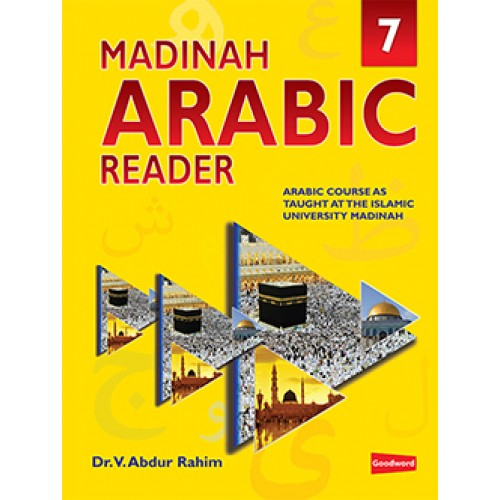
Madinah Arabic Reader (Book 7)
Highlights:
Professor Abdur Rahim, Director of the Translation Centre of the King Fahd Quran Printing Complex and former Professor of Arabic at the Islamic University of Madinah, Saudi Arabia, has authored texts designed to impart a knowledge of classical Arabic through applied grammar. Each lesson, based on a conversation, illustrates distinctive language patterns. These patterns are elucidated by a variety of helpful exercises. The vocabulary ranges from classical and Quranic Arabic to modern Arabic. This series of books is currently being utilized at various schools to prepare students for the University of London (UK) GCE O-Level and A-Level examinations.
RM30.00
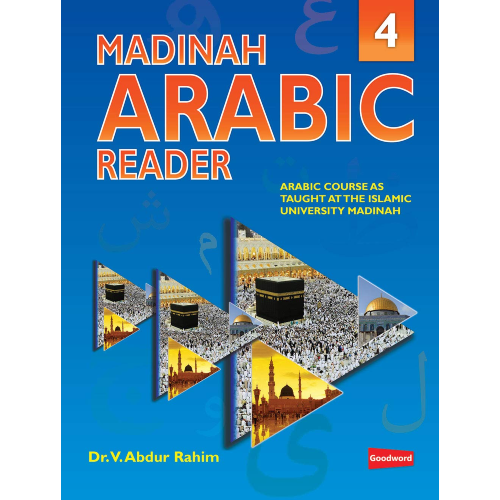
Madinah Arabic Reader (Book 4)
Highlights:
Professor Abdur Rahim, Director of the Translation Centre of the King Fahd Quran Printing Complex and former Professor of Arabic at the Islamic University of Madinah, Saudi Arabia, has authored texts designed to impart a knowledge of classical Arabic through applied grammar. Each lesson, based on a conversation, illustrates distinctive language patterns. These patterns are elucidated by a variety of helpful exercises. The vocabulary ranges from classical and Quranic Arabic to modern Arabic. This series of books is currently being utilized at various schools to prepare students for the University of London (UK) GCE O-Level and A-Level examinations.
RM30.00
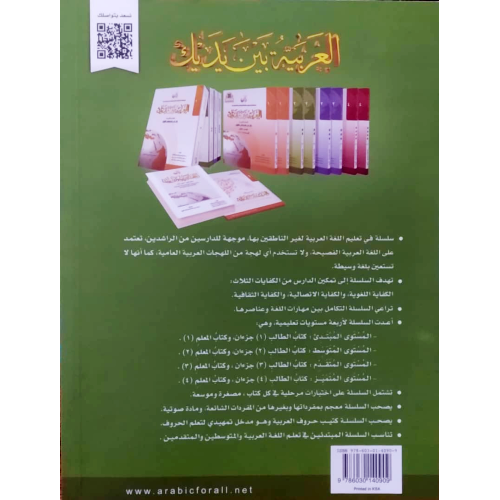
[AR] Al-Arabiyyah Bayna Yadayk Book 2 Part 1
Highlights:
Al-’Arabiyyah bayna yadayk Means Arabic Between Your Hands.
The great thing about these books is it covers a lot of vocabulary through pictures, Images, and using Arabic Only, introduces the students to grammar later and gradually rather than pushing them at the deep end before they can swim. Much like the Arabic Course for English Speaking Students 3 Vols Set, UKIA, it is more Islamic inclined and fulfills the desire for the student of knowledge to learn the language of the Qur’an.
Al-’Arabiyyah bayna yadayk series comes in 3 Basic Student Books and a further study Book 2 Parts 1 & Book 2 Part 2
RM85.00

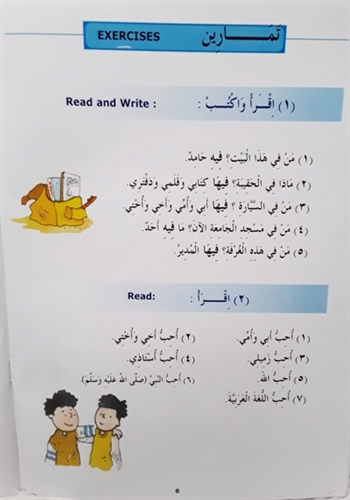
Madinah Arabic Reader (Book 2)
5 ★
5 ★
1 Rating
5 ★
1
4 ★
0
3 ★
0
2 ★
0
1 ★
0
Highlights:
Professor Abdur Rahim, Director of the Translation Centre of the King Fahd Quran Printing Complex and former Professor of Arabic at the Islamic University of Madinah, Saudi Arabia, has authored texts designed to impart a knowledge of classical Arabic through applied grammar. Each lesson, based on a conversation, illustrates distinctive language patterns. These patterns are elucidated by a variety of helpful exercises. The vocabulary ranges from classical and Quranic Arabic to modern Arabic. This series of books is currently being utilized at various schools to prepare students for the University of London (UK) GCE O-Level and A-Level examinations.
RM26.00
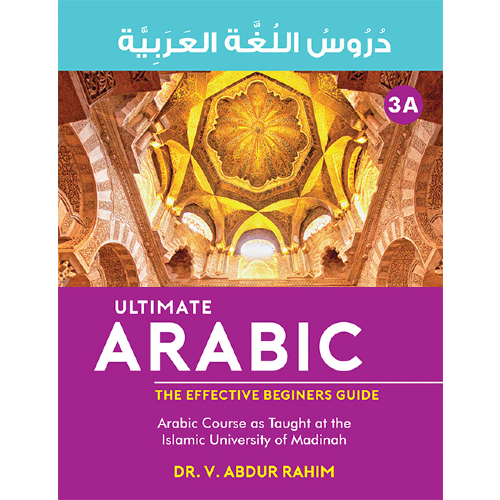
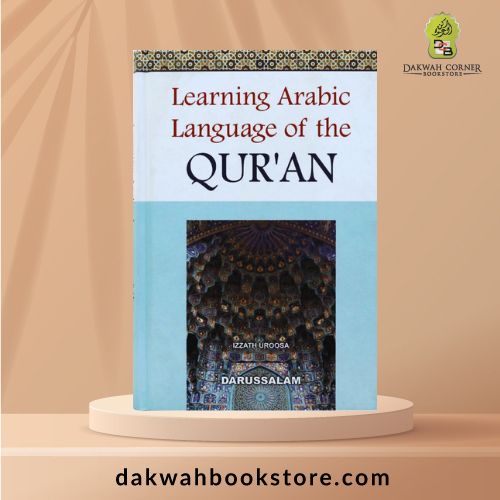
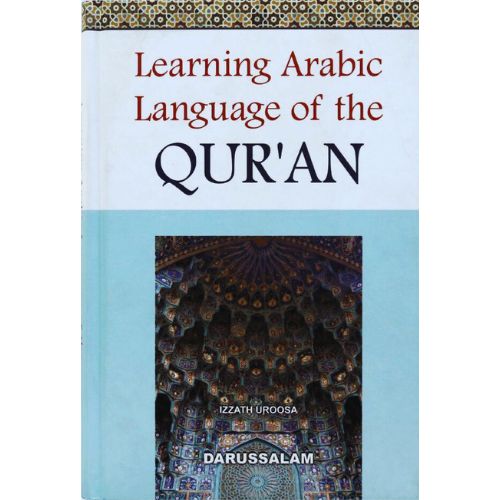
Learning Arabic Language Of The Qur’an
Highlights:
Other components that make this book attractive and useful are the simplicity of the language used, and its clarity and effectiveness of expression in achieving its objective. This book can be used by students of different ages whose intention is to learn Arabic with an eye toward proper understanding of the Qur’an.
The author has profound knowledge of both the Arabic and English languages. She also possesses a deep insight into Qur’anic expressions. She studied Arabic in Saudi Arabia and in India. This comprehensive book is the result of her diligence and commitment to learning and teaching the Qur’anic Arabic.
May Allah reward her for this valuable service to the understanding of the Qur’an and make it popular among the students and the academic world at large.
Prof. Mohsin Usmani Nadwi, Professor of Arabic and Dean at English and Foreign languages University (formerly CIEFL) Hyderabad, India.
RM90.00
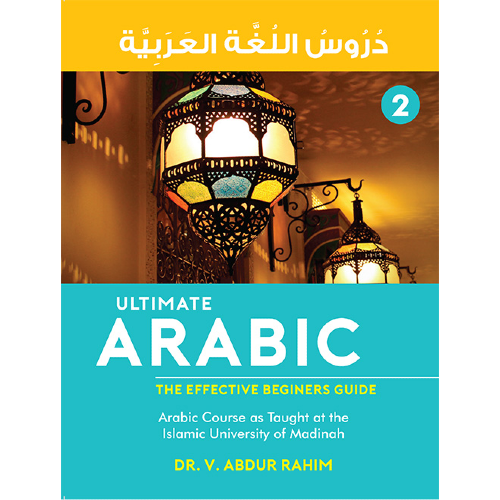
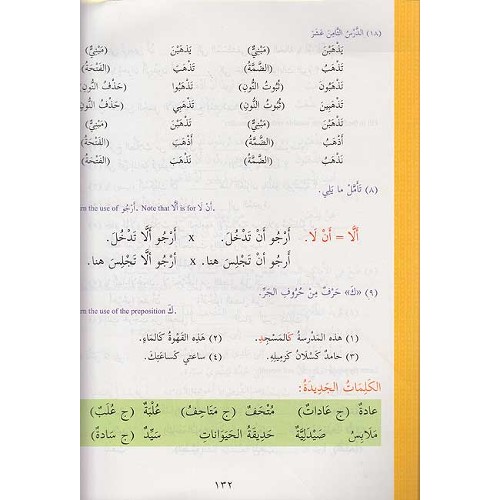
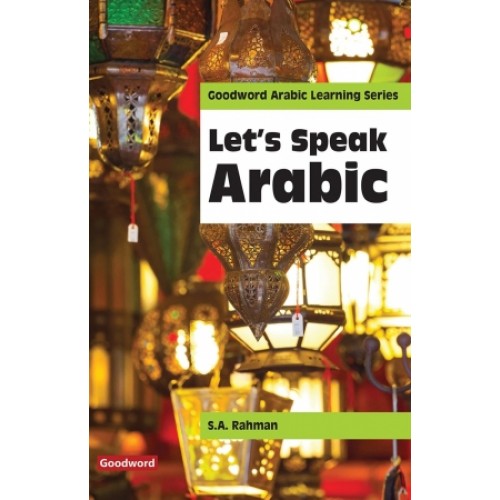
Let’s Speak Arabic
Highlights:
For business or pleasure you need Let’s Speak Arabic for useful vocabulary and phrases. The book is organized to make Arabic learning easy and accessible. Let’s Speak Arabic focuses exclusively on the most common, everyday situations you will encounter in Arabic-speaking countries. It is just what you need to communicate successfully in basic Arabic.
RM18.00
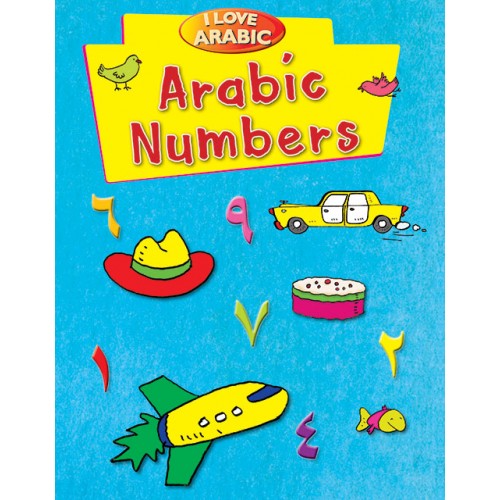
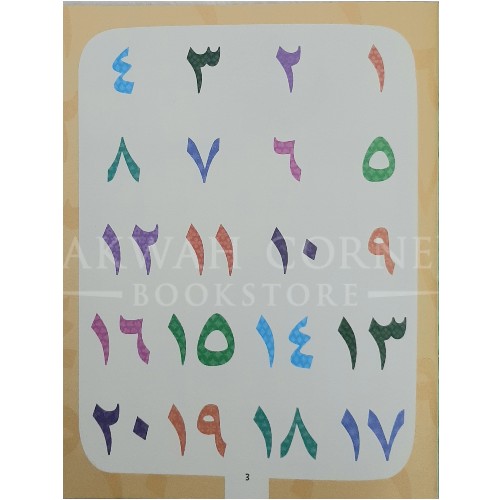
I Love Arabic: Arabic Numbers
Highlights:
Arabic Numbers, the third book in the I Love Arabic series, introduces young learners to identifying, counting and writing Arabic numbers. This colourful book presents each number along with delightful illustrations, which the young learner has to identify, count, say aloud and then practice writing. Arabic Numbers is an exciting first book for young learners who want to master Arabic numbers. Arabic Numbers develops these skills: * Identifying numbers * Counting numbers * Writing numbers.
RM15.00
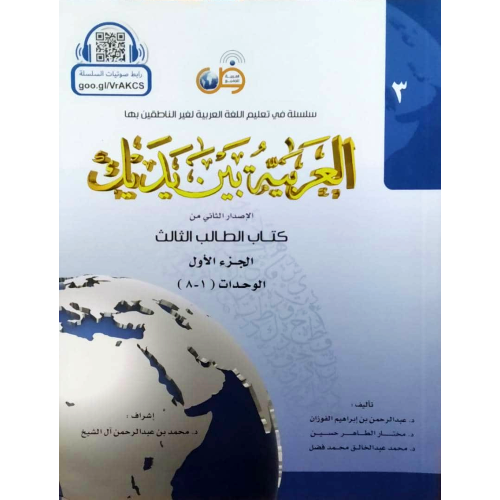
[AR] Al-Arabiyyah Bayna Yadayk Book 3 Part 1
Highlights:
Al-’Arabiyyah bayna yadayk Means Arabic in Your Hands.
The great thing about these books is it covers a lot of vocabulary through pictures, Images, and using Arabic Only, introduces the students to grammar later and gradually rather than pushing them at the deep end before they can swim. Much like the Arabic Course for English Speaking Students 3 Vols Set, UKIA, it is more Islamic inclined and fulfills the desire for the student of knowledge to learn the language of the Qur’an.
The third level (part 1 and 2) comprises 5 tests as follows:
- 1. Level determining test at the beginning of the first book to determining the student’s level and his ability to begin the third level.
- 2. Small test in the middle of the first book.
- 3. Midlevel test at the end of the first book.
- 3. Small test in the middle of the second book.
- 4. Final comprehensive test at the end of the second book.
At the end of the third level, there are lists of vocabulary used n each unit and another list of all the vocabularies of the level arranged alphabetically. It also includes comprehension texts for all text and some exercises used in this level.
RM85.00
Recently Viewed
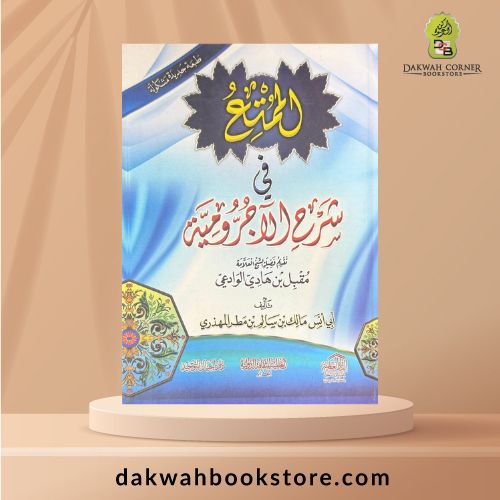
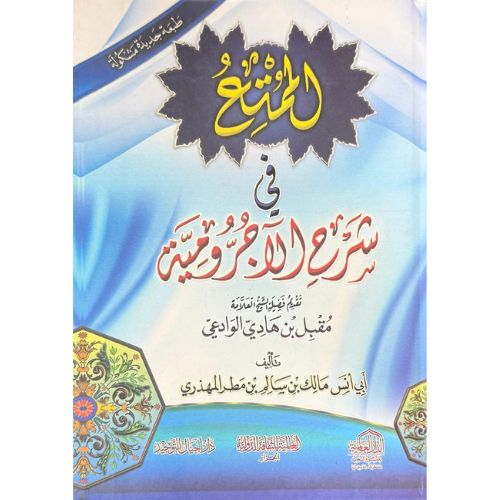
[ALA] Al-Mumti’ fi Sharh al-Ajurrumiyyah/ الممتع في شرح الآجرومية
Highlights:
يُعدّ كتاب «الممتع في شرح الآجرومية» من الشروح المعاصرة الميسّرة على متن «الآجرومية» للإمام ابن آجروم، وهو متنٌ مختصرٌ في علم النحو يُعتبر من أهم المداخل الأساسية لدراسة قواعد اللغة العربية.
يهدف هذا الشرح إلى تبسيط مسائل النحو وتقريبها للطالب المبتدئ بأسلوب واضح وسلس، مع المحافظة على أصالة المادة العلمية. فقد حرص المؤلف على تفكيك العبارات المختصرة في الآجرومية وشرحها بطريقة تدريجية، مدعّمة بالأمثلة والتوضيحات التي تُعين على الفهم.
RM35.00

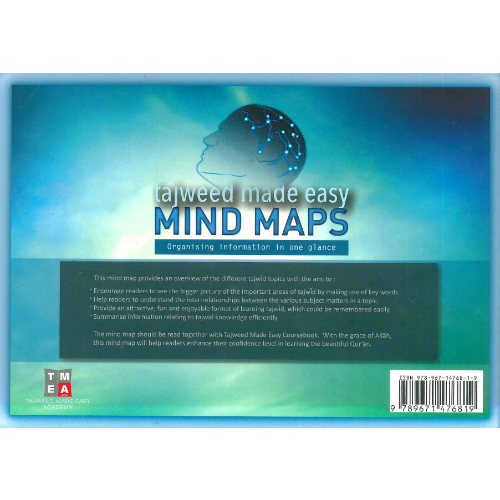
Tajweed Made Easy Mind Maps
Highlights:
This mind map provides an overview of the different tajwid topics with the aim to:
- Encourage readers to see the bigger picture of the important areas of tajwid by making use of key words.
- Help readers to understand the inter-relationships between the various subject matters in a topic.
- Provide an attractive, fun and enjoyable format of learning tajwid, which could be remembered easily.
- Summarise information relating to tajwid knowledge efficiently.
RM25.00

Fundamentals of Islam (P/B)
Highlights:
Fundamentals of Islam is a revised English edition of the critically acclaimed Khutubah (original written in Urdu). It consist of Friday congregational addresses, in them he expounds familiar themes; like Iman, Islam, the Prayer, Fasting, Alms-giving, Pilgrimage and Jihad.
RM38.00
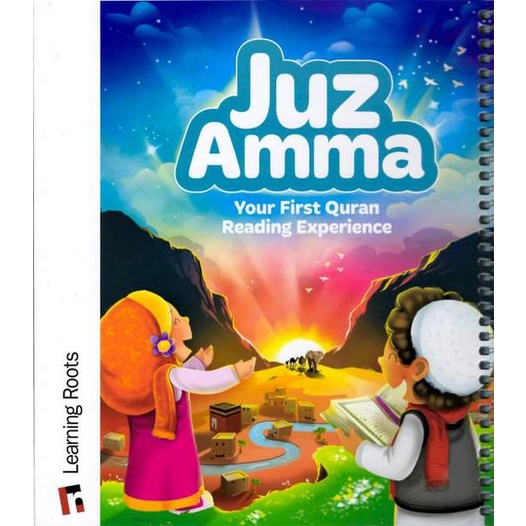
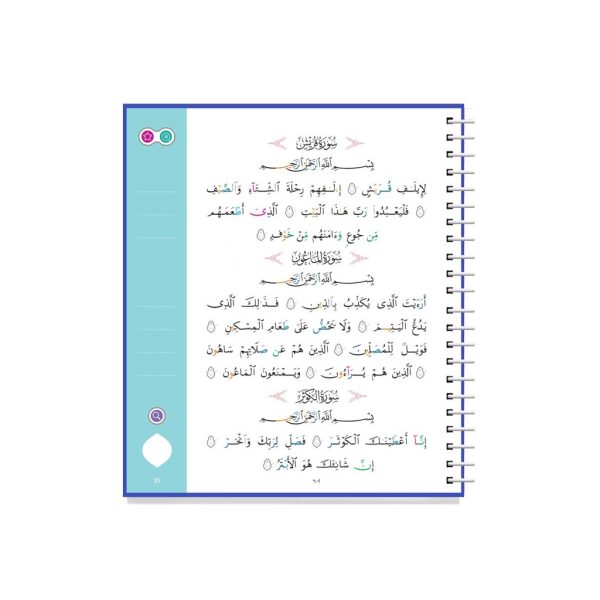
Juz Amma (Learning Roots)
Highlights:
How to Get Your Child’s Quran Relationship off to Flying Start. Does your child struggle to progress in their Quran reading? Are they bored in their lessons? Are they taking forever to memorise even the simplest Surahs? Are you worried your child is not building a loving relationship with the book of Allah?
Noted: Price without Kiitab Pen.
RM110.00
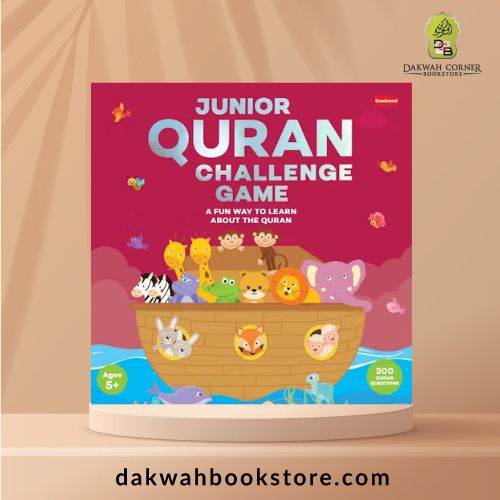
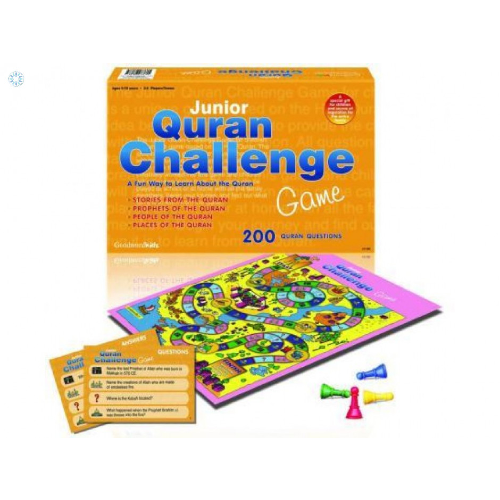
Junior Quran Challenge Game
Highlights:
The Junior Quran Challenge Game for children is a unique game based on the Holy Quran. The idea behind this game is to provide the children with both fun and education. All questions are taken from the Quran. They have been creatively worked into this game and children will enjoy answering them. This game can be played at school or at home with all the family members. Begin your journey and find out what fun it is to learn from the Quran.
RM60.00
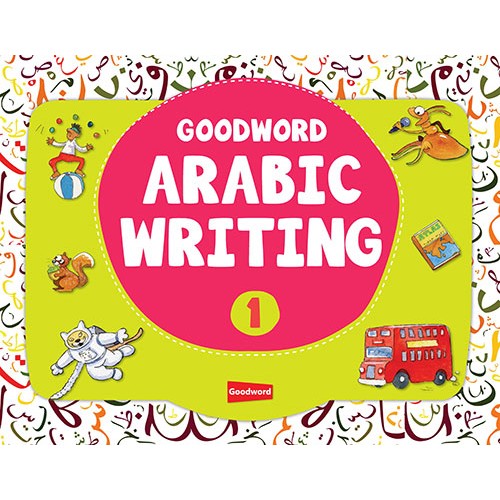
Arabic Writing Book 1
Highlights:
This series is perfect for your children to practice their Arabic writing skills. These books will bring out the latent calligraphers in them.
RM15.00
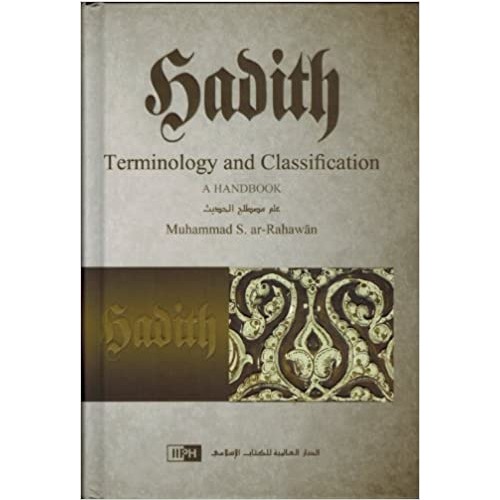
Hadith Terminology and Classification (H/B)
Highlights:
Islam is a complete way of life that enlightens through the Qur’an and the Sunnah, the true path of guidance and success in this world and the hereafter. However, one must accurately comprehend what has been ordained through the Sunnah and identify the authentic hadiths of the Prophet (blessings and peace be upon him). To do that, it is imperative to understand the rules that govern the classification and definitions of hadith methodology and criticism.
RM65.00




33 Ways of Developing Al-Khushoo`: Humility and Devotion in Prayer
5 ★
5 ★
1 Rating
5 ★
1
4 ★
0
3 ★
0
2 ★
0
1 ★
0
Highlights:
Shaykh Muhammad Salih al-Munajjid’s little book is perhaps one of the most widely-circulated among Muslims today. This is because the topic touches worshippers where it hurts—we know that we often lapse into an automatic sort of prayer when we lose concentration. The Shaykh points out that this loss of concentration really stems from a lack of humility and devotion—in Arabic, khushoo‘. His aim in writing this book is to help us to get back that khushoo‘. His step-by-step approach makes it simple. He gives practical advice and uses the excellent example of the prayer of the Messenger of Allah (blessings and peace be upon him) to guide us, so that as worshippers, we can truly return to a state of humility and devotion before the Lord.
RM15.00


Divine Speech
5 ★
5 ★
3 Ratings
5 ★
3
4 ★
0
3 ★
0
2 ★
0
1 ★
0
Highlights:
The Quran, the sacred scripture of Islam, is revered as the spoken word of God by approximately one-fifth of the world’s population. Since its inception, the power of the Quran has derived not only from its message, but also from the inimitable literary style and rhetorical impact that the Arabic scripture has on its audiences. Divine Speech: Exploring the Quran as Literature attempts to make some of the most recent Arabic and European-language scholarship on its literary features accessible to a wider, English-speaking audience. These features include its language and word choice, its use of figures of speech and other rhetorical devices, its manner of narrating parables and stories, and the structure, coherence, and the order of its “chapters”-aspects that typically remain mysterious to readers of English translations of the text. Divine Speech furnishes its readers with a better appreciation of the Quran from a literary perspective, and in the process stimulates interest in, and provides tools and resources for, further study of the scripture.
RM100.00
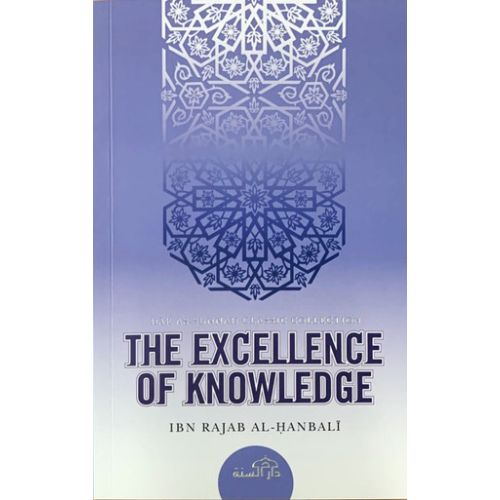
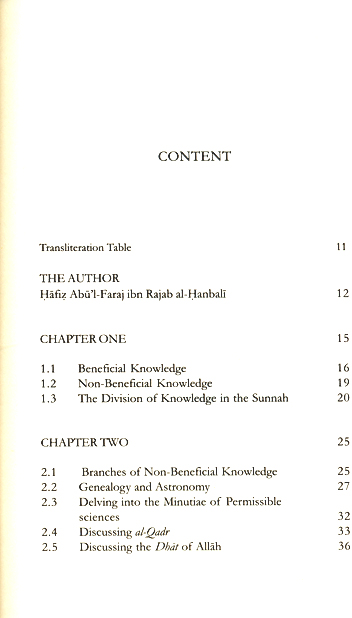
The Excellence of Knowledge (Dar as-Sunnah Publishers)
Highlights:
The way and wisdom of the Salaf, all goodness lies in traversing the way of the Salaf, beneficial Knowledge with regards the ‘Inner Sciences’, the foundation of knowledge and many other branches of the beneficial knowledge.
RM39.00


Why Islam?
Highlights:
Often, the first thing someone is asked when they discover the truth and embrace Islam is the question: Why Islam? Here, an American revert-to-Islam answers that question. The author, K. Sherman, writes: The beauty of Islam is probably the best-kept secret in modern times; it is about time it was revealed. This is the sentiment of a majority of people who are discovering the truth about Islam every day. My first exposure to the religion was through a perusal of a fifty-page booklet titled Towards Understanding Islam (written in 1932). It explained to me everything that twenty years of life and fifteen years of education could not. After the initial sense of relief, I suddenly felt cheated. I was consumed with rage. Why? I could not fathom how people could know about this phenomenal way of life and not speak out and inform others. This book is my personal take on the beauty of Islam, backed up by relevant and authentic references. I am convinced that humanity direly needs it and it is my duty to speak out.
RM22.00
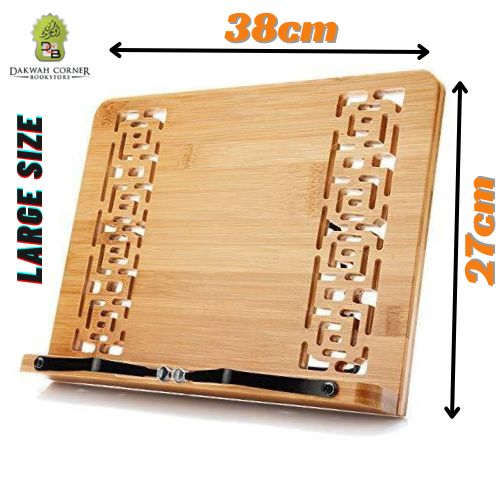
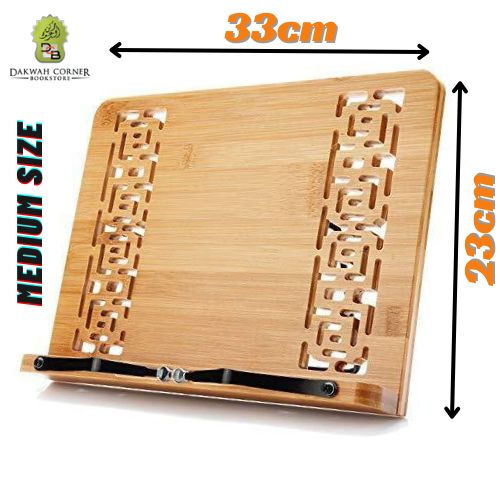
RM50.00 – RM65.00Price range: RM50.00 through RM65.00
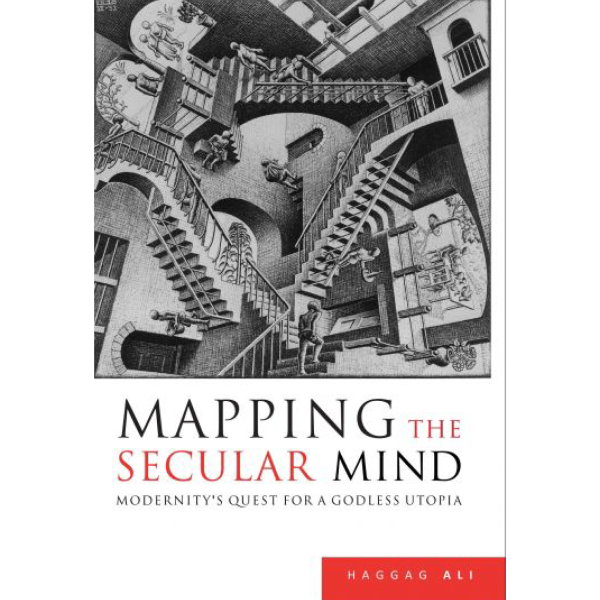
Mapping The Secular Mind (IIIT)
Highlights:
The secular mind had a grand plan, to establish an earthly paradise, a utopia of the here and now, a modern civilization governed by human reason, rationality, and the triumph of progress. Whilst ideals are one thing, the means to realize them is something else. Away from the hype, emancipating humanity from the shackles of God and religion has proved no easy matter. Mapping the Secular Mind critically examines issues of reason, rationality, and secular materialism, to explore how these mental perceptions, or ways of mapping the world, have affected human interaction and sociological development. It does this by comparing and contrasting the ideas of Abdelwahab M. Elmessiri (1938 2008) a leading Arab intellectual, and Zygmunt Bauman (1925), one of the world s foremost sociologists. In the last few decades, an emergent Western critique of modernity has inspired Muslim intellectuals to develop new ideas, images, terms and concepts that state their positions towards the tendencies of secular modernity, its transformations and consequences, and how it manipulates perceptions of reality. The book challenges foundations of secular ideology to argue that its aspirations have deeply transformed human consciousness and man s sense of self, leaving him a creature of purposeless consumption, wearied by the search for fulfillment, and controlled by materialistic laws governing physical phenomena. It also offers a more darker thesis, that Fascist Germany and the Eugenics movement were a form of Social Darwinism taken to its logical course. These were not an aberration from the principles of modernity, Ali argues, but a consistent outcome of the modern worldview, with the seeds of self-destruction being woven into the very fabric of the philosophy.
RM86.00
There are no reviews yet.