| Weight | 0.59 kg |
|---|---|
| Dimensions | 23 cm |
| Author | |
| ISBN | 9781565645578 |
| Pages | 342 |
| Product Type | Book |
| Publisher |
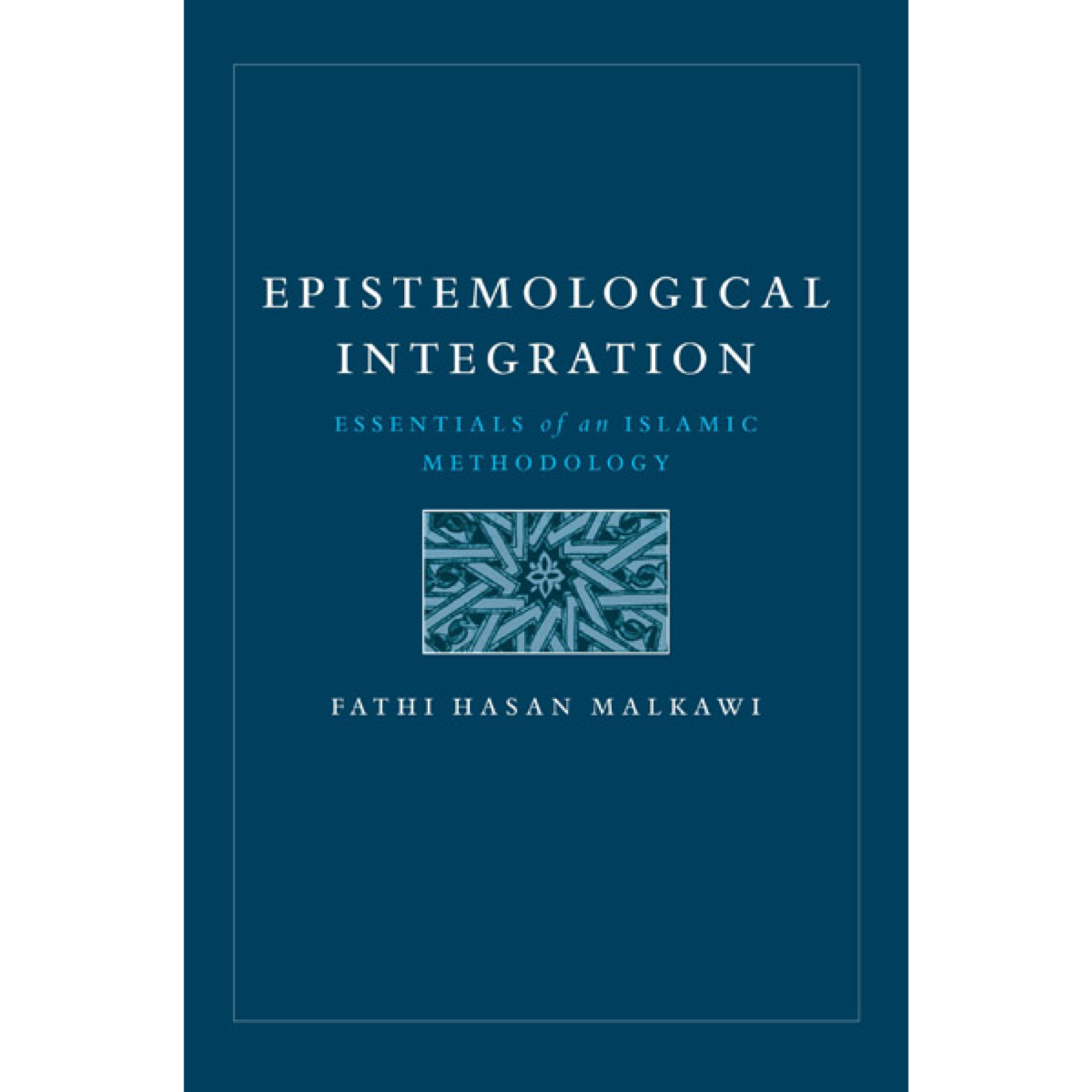
Epistemological Integration Essentials of an Islamic Methodology
RM132.00
Epistemological Integration: Essentials of an Islamic Methodology is a program which seeks to construct an intellectual framework for Islamic methodology with a view to realizing practical training in the thoughtful investigation of issues related to knowledge in various fields. The book’s title affirms the distinctive types of integration that characterize Islamic methodology, including integration of sources, means, and schools of thought, as well as existing realities with desired ideals etc. This is fully consistent with human nature, as variety is fundamental to the functions people perform and skills they master. The work essentially makes the case that fundamental to any Muslim recovery is laying the foundations of sound thinking and values that integrate the two main sources of knowledge: Revelation and Reality (that is the created worlds both physical, societal and psychological) under the umbrella of Tawhid. Islamic methodology adopts that and extends human hopes to integrate efforts so that humanity can realistically achieve prosperity on earth and earn eternal happiness in the afterlife.
Be the first to review “Epistemological Integration Essentials of an Islamic Methodology” Cancel reply
You must be logged in to post a review.
Related Products
Islamic Economics : Principles & Analysis (P/B)
Economics is a social science that studies the behaviour and interactions of economic agents and analyses how economies work at the macro- and micro-levels. It studies production, distribution and consumption of goods and services, identifies economic problems and phenomena, and addresses economic questions from a positive perspective (what is) as well as a normative (how it should be) perspective. Islamic economics examines the same areas as its conventional counterpart. However, it involves the application of Sharīʿah to the different economic functions and issues. It is postulated that Islam offers a better approach compared to conventional economics in managing economic activities and solving economic and social issues.
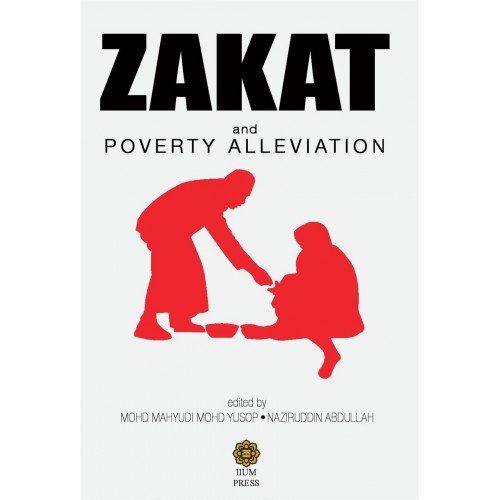
Zakat and Poverty Alleviation (P/B)
This edited book aims to raise issues pertaining to the topic of zakat and its primary goal of poverty alleviation. It portrays the dynamism of zakat by highlighting pertinent issues on the management of zakat institutions and innovative programmes that are designed as effective distribution mechanisms. Discussions include zakat payment motives, ways to measure the efficiency of zakat disbursement, economic development initiatives, housing programme, microfinancing, and actual impact on poverty alleviation. The discussions raised put emphasis on policy-orientation with dedicated sections on policy implications and recommendations. This approach is deemed necessary since it could guide the thought process of interested parties towards the creation of new ideas to actualize zakat as a very reliable tool in addressing the massive problem of poverty among Muslim communities. This special feature also significantly adds to the much-needed reference materials in courses on zakat at the intermediate level of undergraduate studies and introductory level of postgraduate programmes.
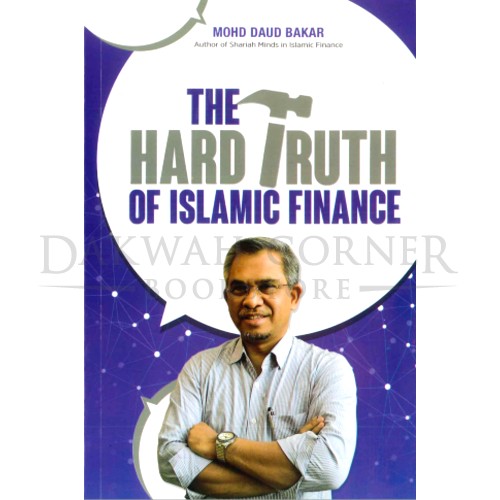
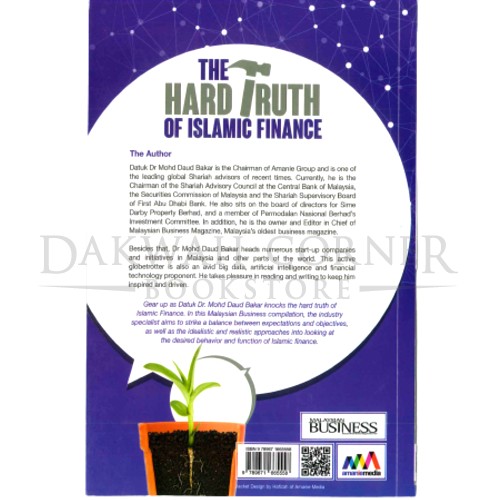
The Hard Truth of Islamic Finance
What is the book all about? It seeks to strike a balance between objectives and expectations. While expectations are easy, meeting objectives is hard.
The book also aims at unlocking the real face of Islamic finance without any make-up or cosmetic touch-up. The moment it is linked to something external and artificial, it becomes cluttered.
For all intents and purposes, every discipline has its core torso and fabric. Islamic finance should have its own ‘DNA’ and identity. The book is simply about bringing Islamic finance back to its basics. You may add on additional verticals and layers but it cant be on the expense of its core foundation.
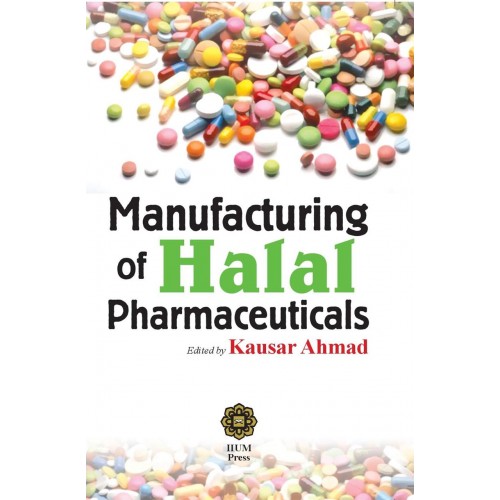
Manufacturing of Halal Pharmaceuticals (P/B)
This book aims to cover the fundamental aspects of pharmaceutical manufacturing from the Islamic worldview to inspire students that whatever they do including very mundane routine work such as checking pH can be an ‘ibādah – if they work within the sphere of Islamic teachings and in shā’ Allah all the time and effort will be rewarded by Allah SWT. The first chapter describes the Islamic perspectives towards the safeguarding of life vis-à-vis the use of medicines or pharmaceuticals and can be considered as an overview for the Islamic manufacturing practices. Although this book is about the manufacturing of pharmaceuticals, other industries may benefit from the discourse and examples given. As much as possible, processes and regulations are described in the book so that it covers the syllabus of industrial pharmacy for undergraduate use and still can be referred for postgraduate studies.
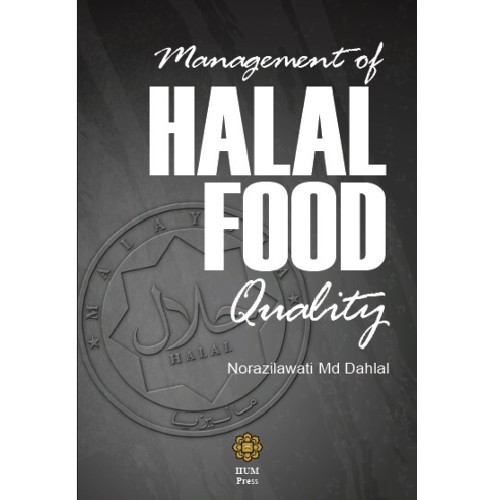
Management of Halal Food Quality
Management of Islamic-based development is a new mechanism in quality management including halal food quality. Considering the issue of integrity in halal food-quality management, efforts to empower the economy of the country through halal food are faced with obstacles and constraints. This book highlights issues commonly found in the management field. This is seen important as those in the management of halal food quality are sometimes trapped in issues that can tarnish Islam. The production of foods that are not pure in nature (halal status not genuine) can also have a negative effect on the morals and souls of Muslims.
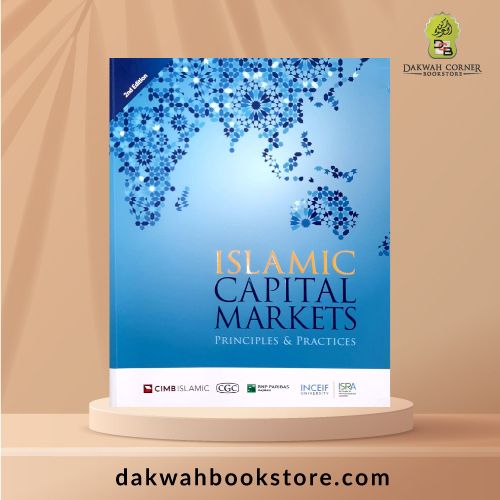
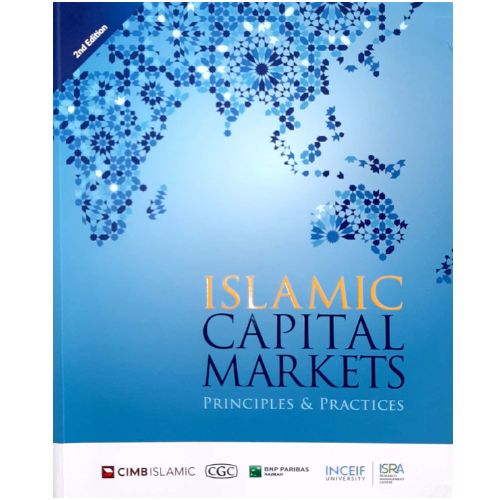
Islamic Capital Markets: Principles and Practices (P/B)
KEY FEATURES OF THE BOOK
* It elucidates the principles and practices of the Islamic capital market with academic rigours.
* It sheds light on the cutting-edge practical issues faced by the industry.
* Every chapter contains relevant case studies and supportive illustrations.
* Multiple Choice Questions (MCQs) and discussion questions are provided at the end each chapter.
KEY SUBJECTS
Shari’ah framework, Regulatory framework, Corporate and Shari’ah governance, Risk management, Accounting and taxation, Sukuk Islamic equity market, Islamic unit trust, REITs and ETFs, Islamic private equity and venture capital, Islamic derivatives and hedging and Islamic structured investment products.
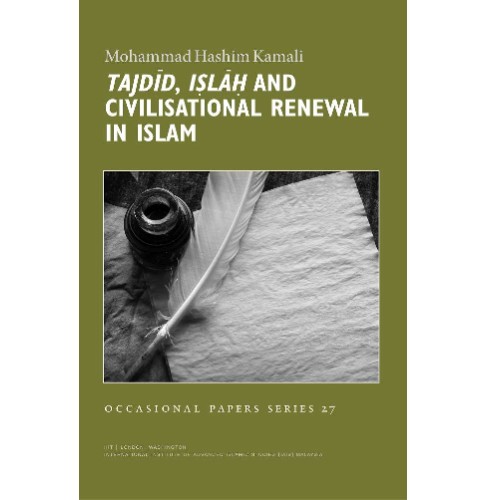
Tajdid, Islah and Civilization Renewal in Islam
The history of Islamic thought is marked by a continuous tradition of internal revitalisation and reform embedded in the principles of islah, and tajdid. The ultimate purpose has been to bring existing realities and social change in line with the transcendent and universal standard of the Qur’an and Sunnah through a process of restoration and reform. The tradition of islah-tajdid has thus consistently challenged the Muslim status quo and prompted fresh interpretation of the Qur an and Sunnah, understood and implemented through the methodologies of interpretation and ijtihad, as well as the rejection of unwarranted accretions to the original messages of Islam. The basic theme of the paper is that civilisational renewal is an integral part of Islamic thought. The paper looks into the meaning, definition and origins of tajdid and islah and their relationship with ijtihad, and how these have been manifested in the writings and contributions of the thought leaders of Islam throughout its history. It also develops tajdid-related formulas and guidelines that should lead the efforts of contemporary Muslims in forging the objectives of inter-civilisational harmony and their cooperation for the common good.
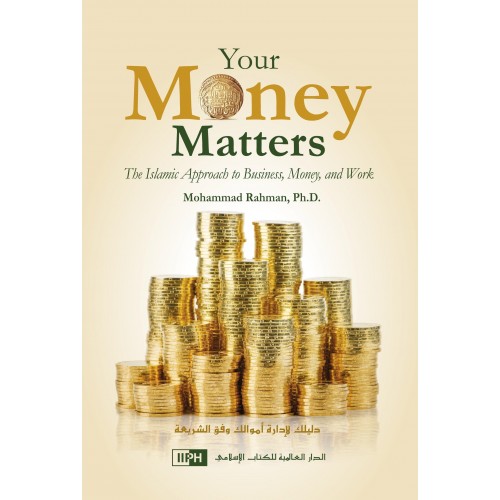
Your Money Matters (H/B)
This book highlights issues that are important and relevant to Muslims when they engage in tasks related to personal finances, business administration, investment, and work. Readers will find an overview of relevant excerpts from the Qur’an and the authentic Sunnah. Non-Muslims as well can gain valuable insights from this book that should prove useful in today’s multi-cultural business landscapes.
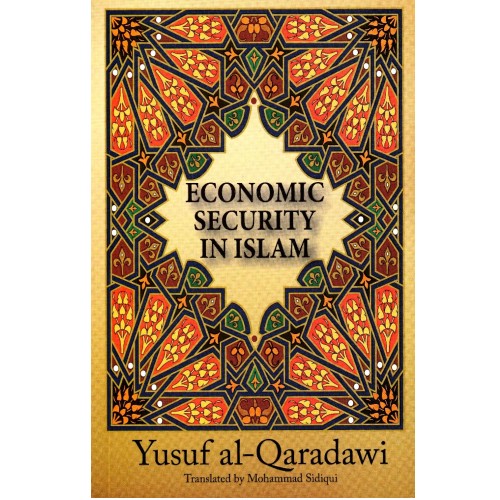
Economic Security In Islam
This book is an English rendering of a popular Arabic book entitled Mushkala al-Faqr wa Kaifa ‘Aljiha al-Islam by the renowned Muslim Scholar ‘Yusuf al-Qaradawi. The author depicts the basic principles of the Islamic Economic System in the light of the Holy Qur’an and the Sunnah.
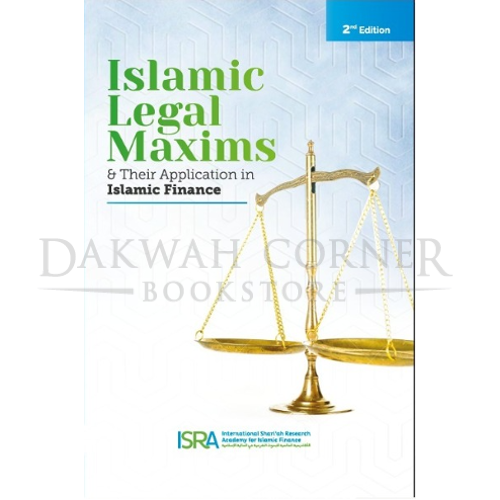
Islamic Legal Maxims & Their Application in Islamic Finance (2nd Ed.)
Islamic Legal Maxims and Their Application in Islamic Finance is one of the most comprehensive compilations of Islamic legal maxims available in English. The most important feature of this book is that it explains each maxim in a way comprehensible to both Shari’ah experts and Islamic finance practitioners. Another feature is its emphasis on the application of the maxims in the actual practice of Islamic finance.
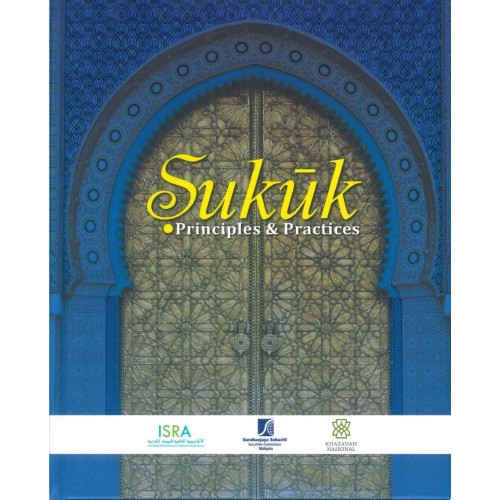
Sukuk: Principles & Practices (P/B)
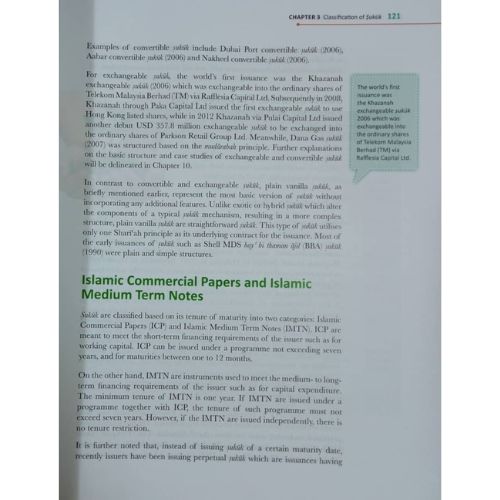
Sukuk are an important asset class which has captured the attention of a wide range of issuers and investors, regulators and sovereigns, and academics and market players. The sukuk industry has made remarkable leaps since its modern inception in the 1990s. It has grown in size and volume, evolved in structural possibilities, and successfully expanded the boundaries of the Islamic capital market to far-flung jurisdictions worldwide. Its promising future has led the International Shari’ah Research Academy for Islamic Finance (ISRA) and Securities Commission Malaysia (SC Malaysia) to collaborate to provide essential and comprehensive knowledge on this key instrument of the Islamic capital market.
Recently Viewed
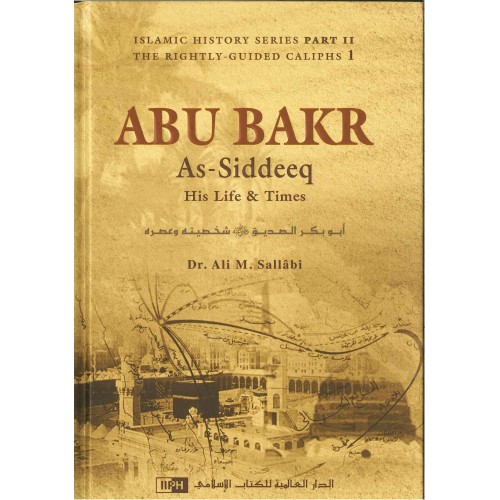
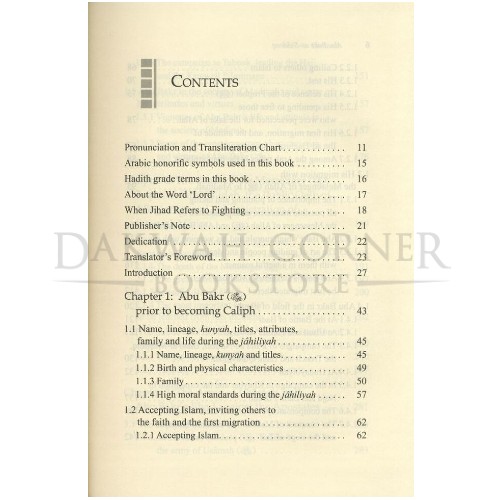
Abu Bakr As-Siddeeq His Life And Times (IIPH)
The life of the first Rightly-Guided Caliph, Abu Bakr as-Siddeeq (may Allah be pleased with him) is a valuable roadmap for the Muslims of today. One of the first people to believe and embrace the Prophet’s Message of Islam, Abu Bakr remained a close companion of the Prophet (blessings and peace be upon him) throughout the Prophet’s life. Appointed as the Prophet’s successor on the basis of consultation, Abu Bakr proved to be a great leader who, with Allah’s help, steered the Ummah through difficult times. He faced numerous challenges within Arabia: some people apostatized, others refused to pay zakâh, and quite a few individuals emerged as false prophets, attracting many followers. Outside Arabia, the Persians and Byzantines keenly observed these developments, looking for an opportunity to crush the new state. Abu Bakr employed effective strategies to deal with these challenges and had remarkable success in doing so. Thus, he paved way for the Islamic conquests that toppled tyrants and carried the message of Islam to the entire world. His leadership should be a great source of inspiration for the Muslims today.
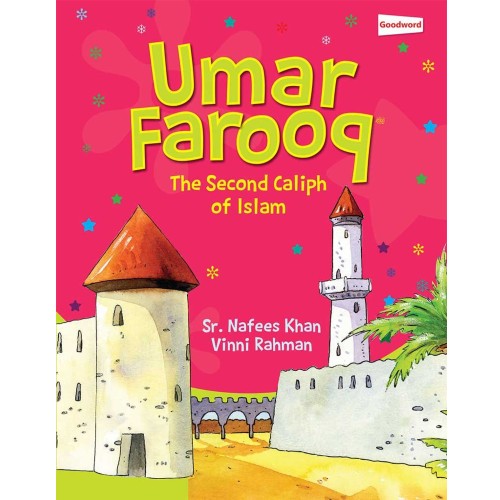
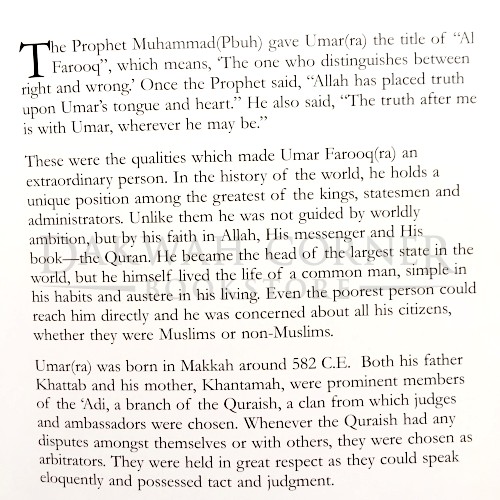
Umar Farooq: The Second Caliph of Islam
This book is about the life and teachings of Umar Farooq (may Allah be pleased with Him), The Second Caliph of Islam.
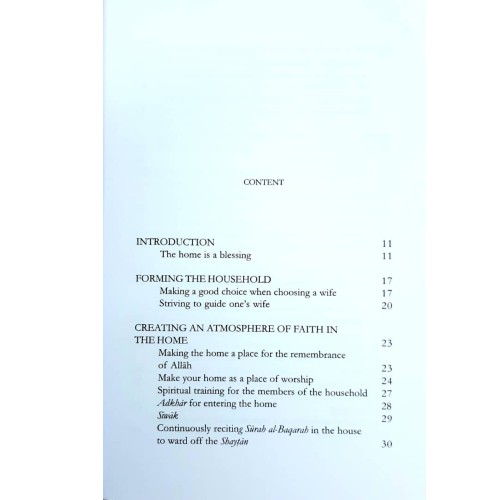
Advice on Establishing an Islamic Home
An excellent book discussing the foundation of an Islämic household. The author addresses issues that are relevant to the majority of Muslim households, such as the importance of choosing a righteous spouse, making your home a place for the remembrance of Alläh, spreading kindness in the home, teaching good manners, discussing some of the evils present in the home, learning the Islämic rulings with regard to how a Muslim home should be, creating an atmosphere of faith, resisting bad manners, choosing a good location and design, how to discipline children which may be more effective than physical punishment and the books that one should read and much more.
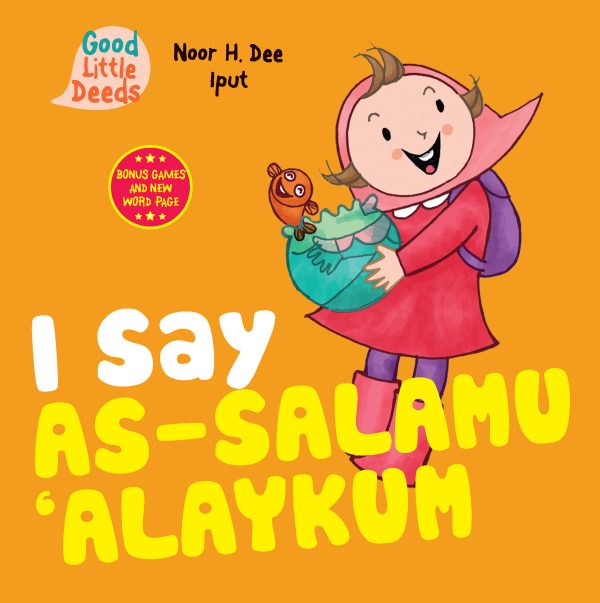
[CB]I Say As-Salamu’Alaykum
The phrase translates to “Peace be upon you”. An extended, more formal version is As-salamu ʿalaykum wa-raḥmatu -llāhi wa-barakātuhᵘ̄, meaning “May the peace, mercy, and blessings of God be upon you”.
Nabil and Noura are going to the park. Along the way Nabil greets the gardener and park ranger. Now Noura wants to say, ‘AS-SALAMU ‘ALAYKUM!’ Who, or what, will she salam?
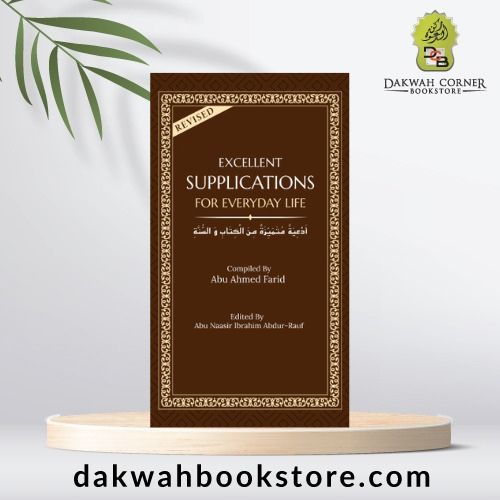
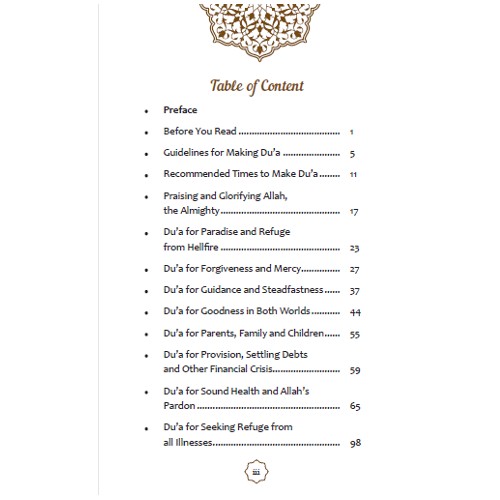
Excellent Supplications For Everyday Life (Revised)
This concise and beautiful collection of supplications is a selection from the Noble Qur’an and authentic traditions of the Prophet Muhammad ﷺ.
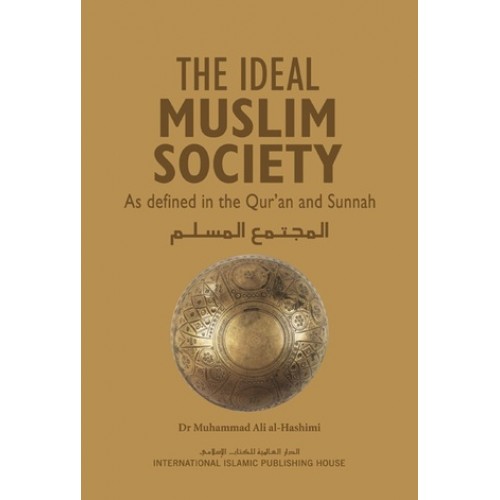
Ideal Muslim Society
From the translator, Nasiruddin al-Khattab: In a world plagued with wars, racism, political turmoil, economic downturns and social anguish, many people are looking for an alternative in which justice, freedom, decency and common sense will prevail. Such societies have existed in the past, in the golden eras of Islamic civilization, and we have the hope that, if Allah wills, such a society may appear again. In The Ideal Muslim Society, Dr. Muhammad ‘Ali al-Hashimi gives us a detailed picture of what this society would look like. Drawing on his extensive research of Islamic history and contrasting the ideal with the sorry state of affairs in human societies today, he explores the religious, political, economic, social and other facets of this ideal society, illustrating everything from the responsibilities of those in authority to the interactions between individuals on the humblest levels. For those who are longing to see a better world, this book offers practical ideas and hope.
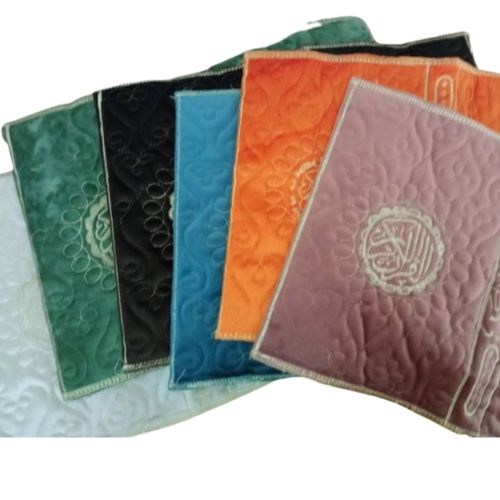
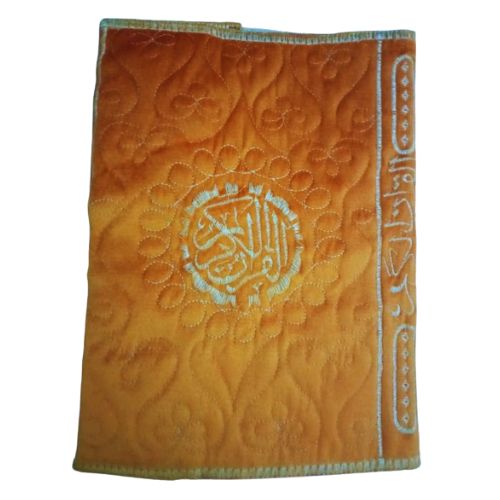
Quran Cover Shiny
Material: Synthetic material
Dimension: 30 x 19.5cm
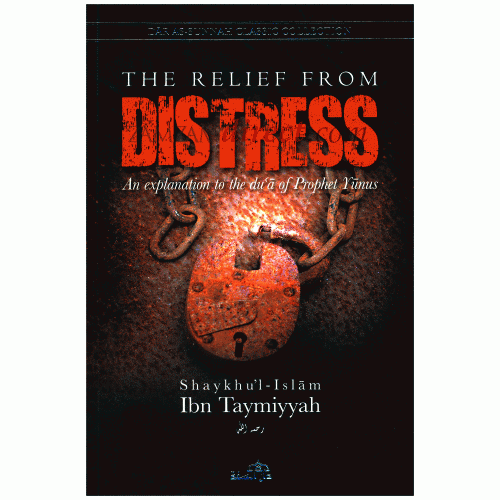
The Relief From Distress : An Explanation to the dua of Prophet Yunus (P/B)
Shaykh al-Islam Ibn Taymiyyah, may Allah sanctify his soul, was asked about the saying of the Prophet (pbuh),
The invocation of my brother Yunus, “none has the right to be worshipped save You; glory be to You, far removed are You from any imperfection; I have been amongst the wrong-doers,” none who is experiencing difficulty employs it except that Allah would relieve him of his difficulty.
What is the meaning of this du’a (prayer, supplication)?
Are their any unstated conditions that have to be met when one articulates it?
What is the connection between belief in the heart and the meaning of this supplication such that it leads to the removal of difficulty?
Why did he explicitly confess, ‘I have been amongst the wrong-doers’ when it is known that tawhid in itself leads to the removal of difficulty?
Is it sufficient to acknowledge ones’ sin alone, or must this be accompanied by repentance and the firm resolve not to repeat that sin in the future?
Why is it that difficulty and harm is removed only when a person relinquishes any hope, reliance and dependency upon the creation?
How can the heart relinquish the characteristic of putting hope in the creation and depending on them, and instead put its hope in Allah, Exalted is He, and turn to Him in its entirety?
What are the methods that would aid the heart in doing this?
The author replies to these questions in the form of this book.
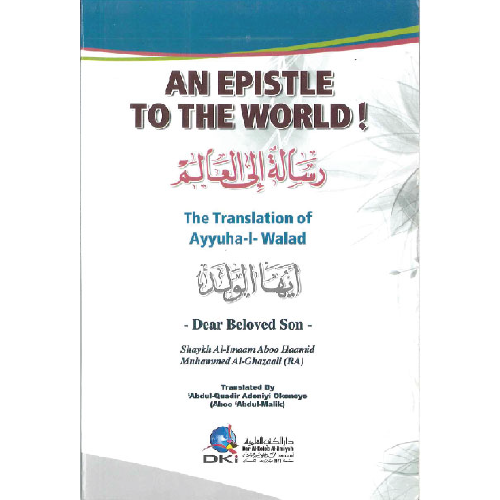
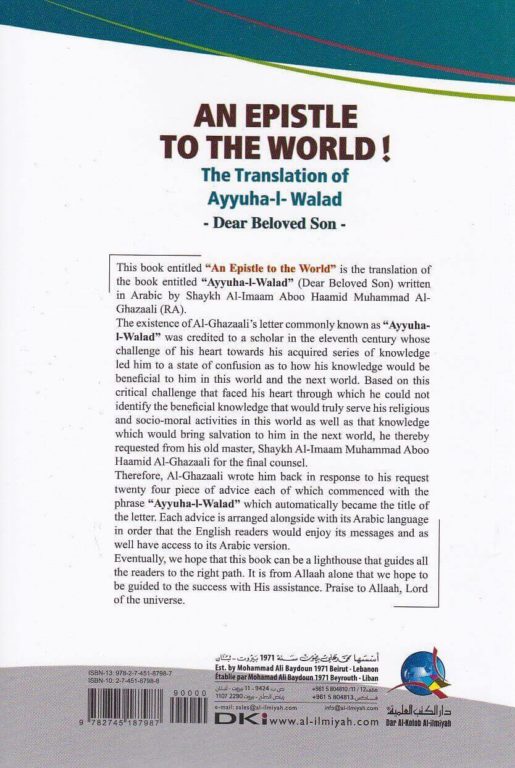
An Epistle To The World!
This book offers twenty-four pieces of valuable advice to seekers of knowledge. It touches on all aspects of life, from material wealth and the love of this life to Islamic etiquette and acquiring knowledge.
Ziyad & Tiger : Millipede Hunt
Ziyad and Tiger went out exploring at their backyard. They learnt a lot on the food chains and how natures live and were amazed on the wonderful creations of Allah SWT.


There are no reviews yet.