| Weight | 0.59 kg |
|---|---|
| Dimensions | 23 cm |
| Author | |
| ISBN | 9781565645578 |
| Pages | 342 |
| Product Type | Book |
| Publisher |
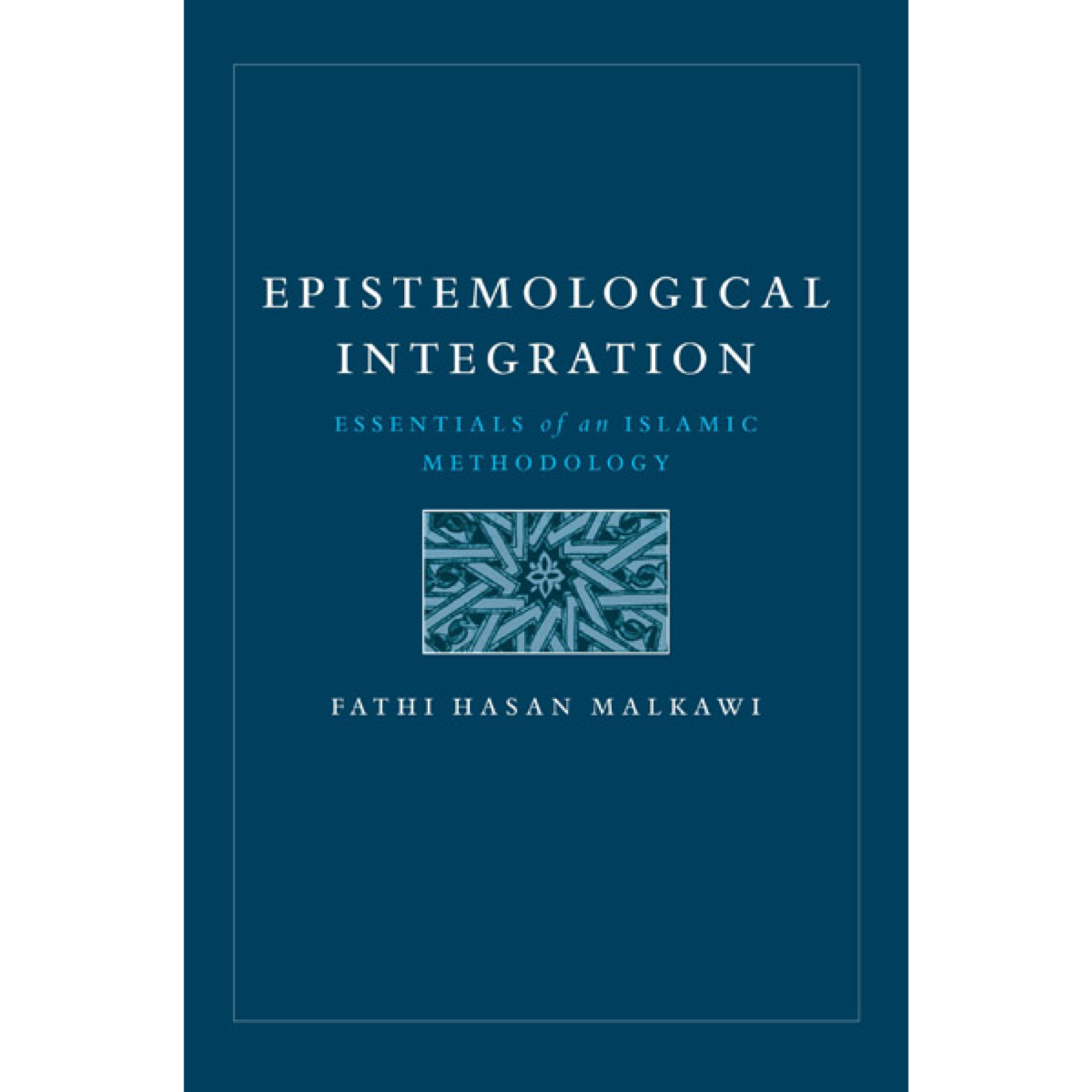
Epistemological Integration Essentials of an Islamic Methodology
RM132.00
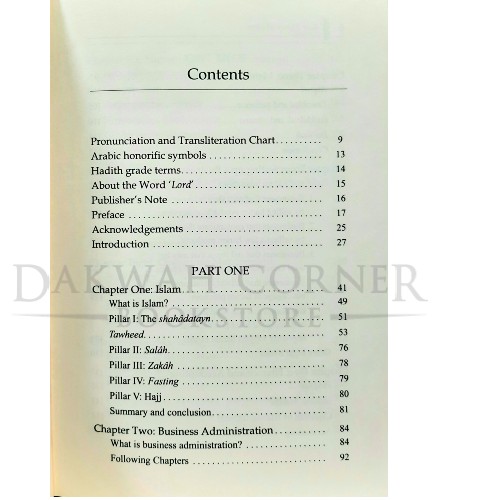
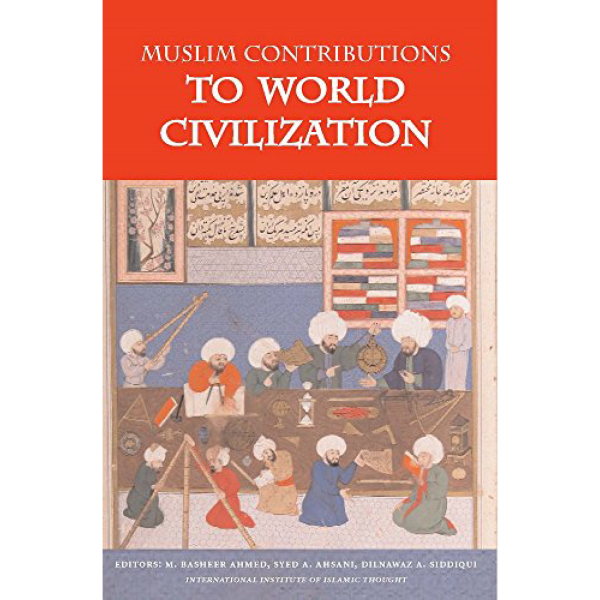
Epistemological Integration: Essentials of an Islamic Methodology is a program which seeks to construct an intellectual framework for Islamic methodology with a view to realizing practical training in the thoughtful investigation of issues related to knowledge in various fields. The book’s title affirms the distinctive types of integration that characterize Islamic methodology, including integration of sources, means, and schools of thought, as well as existing realities with desired ideals etc. This is fully consistent with human nature, as variety is fundamental to the functions people perform and skills they master. The work essentially makes the case that fundamental to any Muslim recovery is laying the foundations of sound thinking and values that integrate the two main sources of knowledge: Revelation and Reality (that is the created worlds both physical, societal and psychological) under the umbrella of Tawhid. Islamic methodology adopts that and extends human hopes to integrate efforts so that humanity can realistically achieve prosperity on earth and earn eternal happiness in the afterlife.
Be the first to review “Epistemological Integration Essentials of an Islamic Methodology” Cancel reply
You must be logged in to post a review.
Related Products
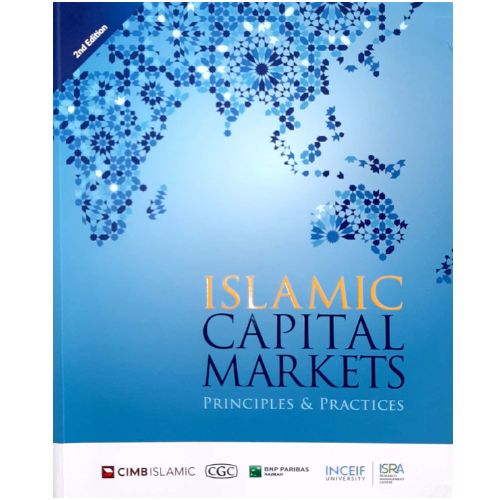
Islamic Capital Markets: Principles and Practices (P/B)
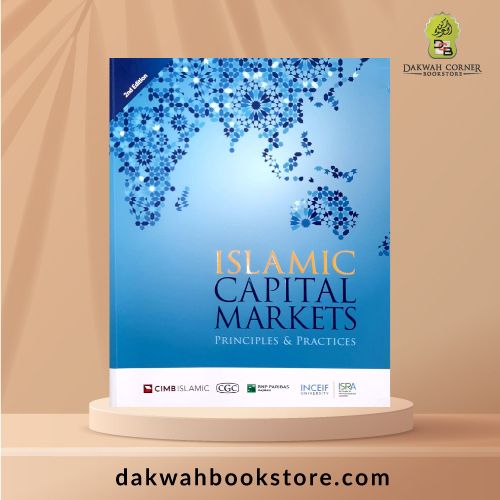
KEY FEATURES OF THE BOOK
* It elucidates the principles and practices of the Islamic capital market with academic rigours.
* It sheds light on the cutting-edge practical issues faced by the industry.
* Every chapter contains relevant case studies and supportive illustrations.
* Multiple Choice Questions (MCQs) and discussion questions are provided at the end each chapter.
KEY SUBJECTS
Shari’ah framework, Regulatory framework, Corporate and Shari’ah governance, Risk management, Accounting and taxation, Sukuk Islamic equity market, Islamic unit trust, REITs and ETFs, Islamic private equity and venture capital, Islamic derivatives and hedging and Islamic structured investment products.
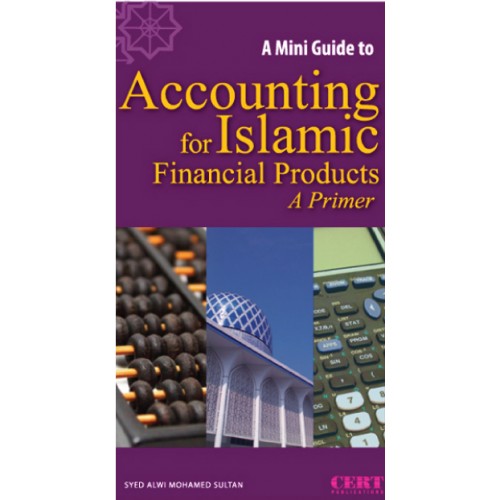
A Mini Guide to Accounting for Islamic Financial Products – A Primer (Pocket size) (P/B)
This “A Mini Guide to Accounting for Islamic Financial Products” starts with the development of Islamic finance as well as accounting standards and development of AAOIFI which aims to develop standards on accounting, auditing, ethics and governance and disseminate them on the target market.
The guide also highlights selected accounting issues addressed by AAOIFI : substance over form, prudence, mudarabah investment accounts and asset valuation. This is followed by how information of financial statement of an Islamic bank helps its major users, like equity holders, holders of investment accounts, regulatory agencies and others.
The guide also points out the main differences in the presentation of financial statements of Islamic Financial Institutions. Among them are: how assets are defined and inclusion of equity of unrestricted investment account holders. The differences arise as a result of utilizing a Shari’ah compliant contract to bring into effect a particular product.
The last section discusses some of the more popular contracts such as murabahah, istisna’, ijarah, mudarabah and musharakah. A few case studies are also incorporated for different contracts to give more understanding on the topic to the readers.
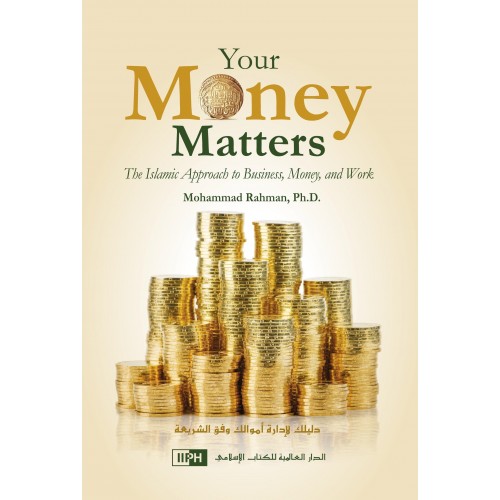
Your Money Matters (H/B)
This book highlights issues that are important and relevant to Muslims when they engage in tasks related to personal finances, business administration, investment, and work. Readers will find an overview of relevant excerpts from the Qur’an and the authentic Sunnah. Non-Muslims as well can gain valuable insights from this book that should prove useful in today’s multi-cultural business landscapes.
Public Policy: Beyond Traditional Jurisprudence A Maqasid Approach (IIIT)
This work charts new territory in Islamic scholarship by attempting to address the field of public policy from a maqasid (higher objectives of the Shariah) perspective. Public Policy is an independent discipline from both law and politics. Thus, Public Policy in Islam is introduced here as a qualitatively different enterprise from both fiqh (Islamic jurisprudence) and siyasah shar’iyyah (Shariah-oriented politics). The book deals with a number of critical topics that include methodology, governance, human rights, ethics, political power, and reform and renewal. It highlights how the maqasid approach is indispensable to the theory and practice of public policy in Islam, how it could resolve some of the most persistent governance dilemmas throughout Muslim history, but more significantly, how it forces a re-conceptualization of the wealth of knowledge available in Islam s primary sources to introduce Public Policy in Islam to mainstream policy studies.
Islamic Financial System: Principles & Operations
This second edition of the book marks another milestone of a collaborative effort between prominent scholars and practitioners of the Islamic finance industry. It sheds light on the front line issues faced by the Islamic finance industry with academic rigor. Each chapter in the book is complete with figures, diagrams, tables, case studies, a set of review questions and problems and a list of references for further reading. It offers invigorating discussion on a comprehensive range of topics related to Islamic finance, combining both theoretical foundations and operational aspects.
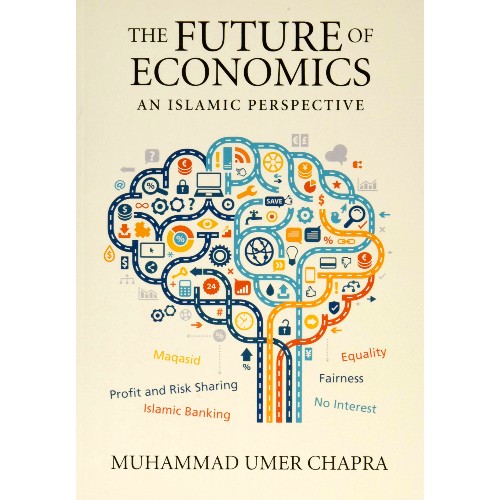
The Future of Economics An Islamic Perpective
This profound book is a powerful yet balanced critique of mainstream economics that makes a forceful plea for taking economics out of its secular and occident-centered cocoon. It presents an innovative and formidable case to re-link economics with moral and egalitarian concerns so as to harness the discipline in the service of humanity
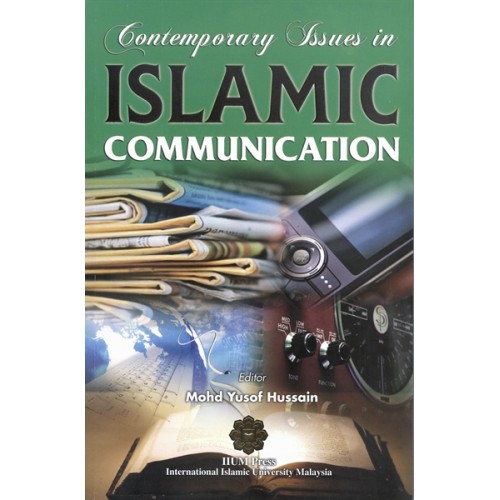
Contemporary Issues In Islamic Communication
The book contains a collection of essays on issues that are of concern to Muslim media and scholars and practitioners. The issues are those that are constantly highlighted in the mass media in the Muslim world. All the issues are discussed from the Islamic perspective. The main purpose of the book is to give readers a clear understanding of how Muslims view contemporary issues that are reported and discussed in present day mass media. The book is written for students majoring in communication at the International Islamic University Malaysia. It is also useful for students taking courses on communication issues in other universities.
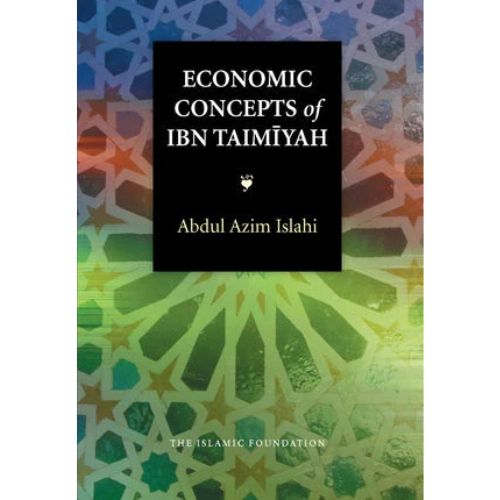
Economic concepts of Ibn Taimiyah
This valuable work presents Ibn Taimiyah’s thoughts on the concept of Islamic economics, the state in the economy, on public finance, money, interest, prices, partnership, and profit-sharing, and offers a comparison of his ideas with those of some medieval scholars in Europe, along with a study of his influence on Islamic thinkers in later periods.
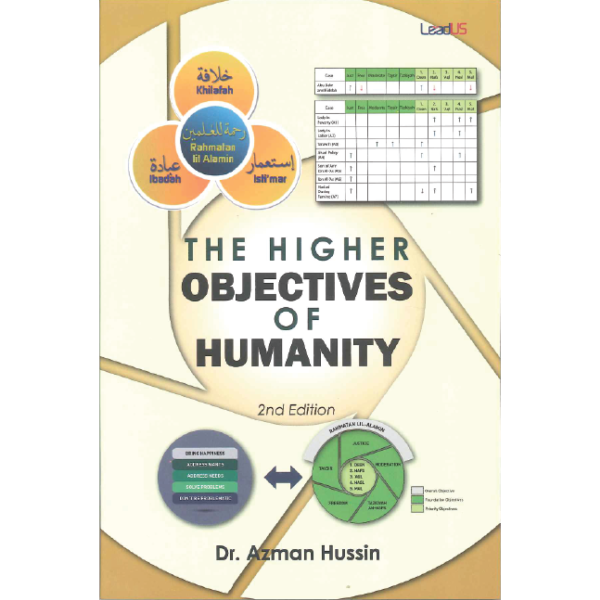
The Higher Objectives of Humanity
A video summary of this book can be found here: https://www.youtube.com/watch?v=YdNQxv_ODdc&t=26s This book discusses the why, what and how of Rahmatan lil-Alamin as the higher objective of humanity. It presents a practical understanding of the purpose of creation and humanity to improve the individual and collective well-being of Muslims and society. The intention is to re-introduce and re-emphasize the correct Islamic perspective of humanity. The first five chapters revisits the common understanding among Muslims as to why mankind is created. We show that the prevalent view that we are created to worship Allah (SWT) is incomplete. There is a higher and more noble purpose; Rahmatan lil-Alamin (mercy to the worlds). We next describe the what of Rahmatan lil-Alamin. The best role model of Rahmatan lil-Alamin is undoubtedly Prophet Muhammad (SAW), the last and final prophet and messenger, whom Allah (SWT) sent with a very clear purpose, “And We have not sent you but as a mercy to the worlds.” [21:107]. We present many examples from the history of Prophet Muhammad (SAW) and a collection of his (SAW) sayings and advice on being the best. The final chapters of the book deal with the how of Rahmatan lil-Alamin. We describe in detail how the Muslim can apply Rahmatan lil-Alamin daily in his or her life. We propose a practical model of Rahmatan lil-Alamin that we induced from the Quran. We also addressed how to apply Rahmatan lil-Alamin to a broader society by proposing a decision-making tool that can guide us as persons and as communities to make decisions that conform to the foundations and priorities of Rahmatan lil-Alamin. We present case studies from the history of the Companions using this decision-making model. This book seeks to establish a connection between Islam and civilization within a civilizational and ethical framework. We believe that a more proper and complete understanding of the Islamic view about humanity may present to us new perspectives of Islam and how Muslims should engage with fellow Muslims and people of other faiths. In fact, the implication of this new reinterpretation framework goes even further in that: any human civilization built on this framework is the most prosperous for the whole and also for the individuals in it.
Islamic Finance : A Practical Introduction
Islamic finance and banking is governed by the tenets of Islam and is based upon the principles of the Shariah, a code of conduct for Muslims to adhere to when managing their lives, including their finances. This slim volume breaks down this code and teaches readers how it is practically applied in business, personal finances, and the global economy.
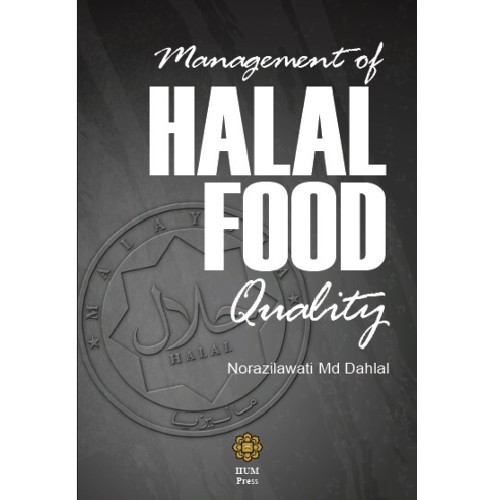
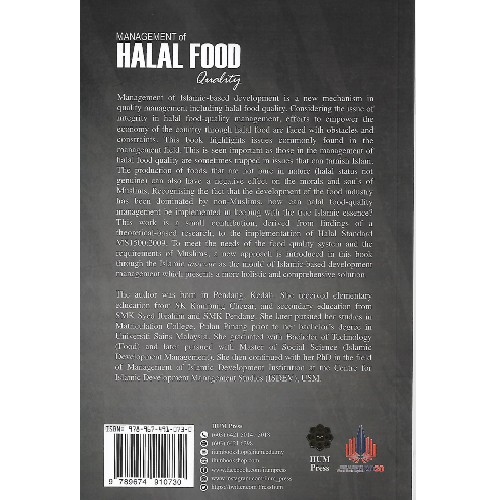
Management of Halal Food Quality
Management of Islamic-based development is a new mechanism in quality management including halal food quality. Considering the issue of integrity in halal food-quality management, efforts to empower the economy of the country through halal food are faced with obstacles and constraints. This book highlights issues commonly found in the management field. This is seen important as those in the management of halal food quality are sometimes trapped in issues that can tarnish Islam. The production of foods that are not pure in nature (halal status not genuine) can also have a negative effect on the morals and souls of Muslims.
Recently Viewed
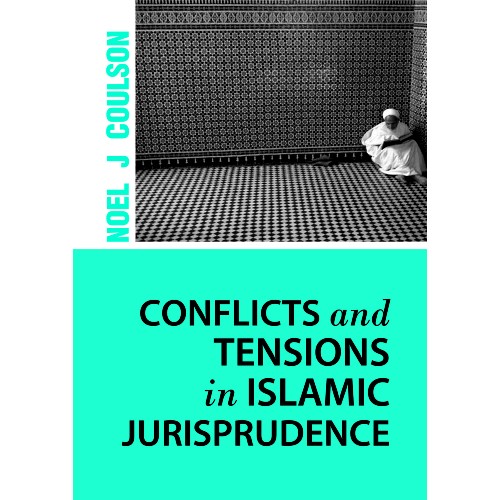
Conflicts and Tensions in Islamic Jurisprudence
Professor Coulson’s method is to examine the principal currents of Islamic legal thought through a series of conflicting concepts. The six polarizations he has devised are revelation and reason, unity and diversity, authority and liberty, idealism and realism, law and morality, and stability and change. Although clearly relevant to general Islamic studies, this book is intended primarily as a study in comparative law. This follows the trend of recent developments in the Islamic legal system itself. In the past, Muslim law has been regarded essentially as a brand of religious studies. Now, however, it is being separated from religion and becoming a province of legal science rather than a matter of religious expertise.
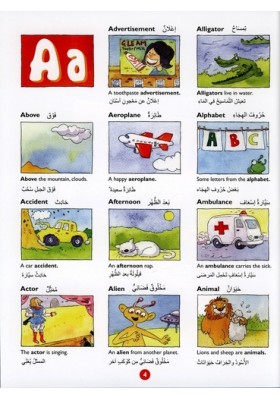
Arabic Picture Dictionary for Kids (P/B)
Goodword Arabic Picture Dictionary for Kids, is the perfect first reference book created to help your child learn Arabic in an easy and fun-filled way. This book includes over 500 commonly used words and their helpful definitions of them in English and Arabic. These are accompanied by colourful and amusing illustrations of familiar subjects to better understanding. Goodword Arabic Picture Dictionary of Kids, is a must-have vocabulary building and Arabic learning resource book for your child.
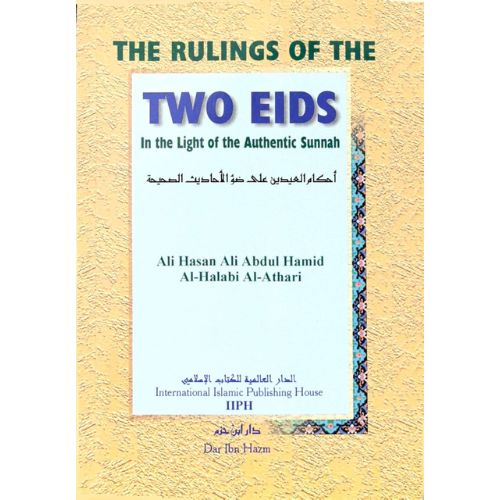
The Rulings Of The Two Eids
Islam the religion revealed by Allah the All-Merciful did not ignore the human need for entertainment and allowed pleasure. The Two Eids are two occasions on which people show and feel happiness. After performing Hajj, the Muslim enjoys the Eid festival and eats his sacrifice meat. After Ramadan, the breakfast (Fitr) festival is another occasion for happiness, love and entertainment.
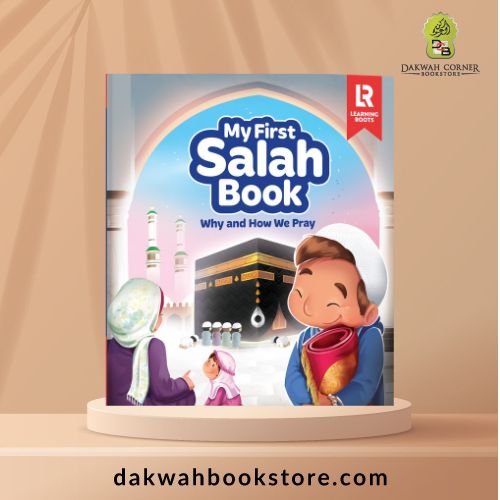
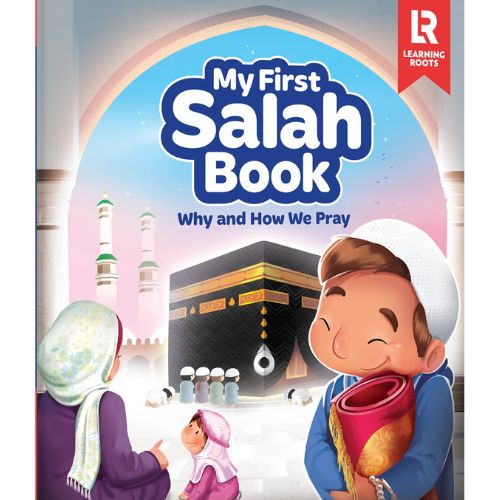
My First Salah Book: Why and How We Pray
Why We Pray: This book helps kids understand why we pray before teaching them how, making Salah more meaningful.
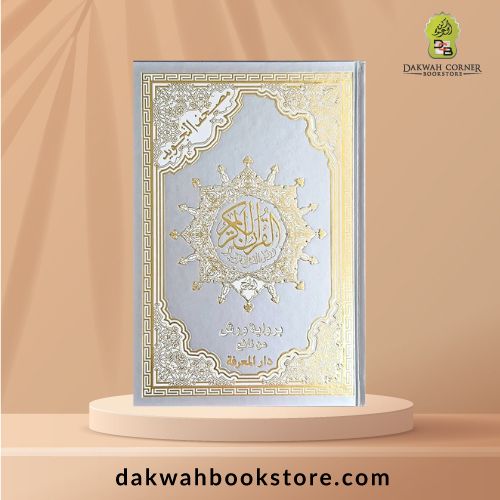
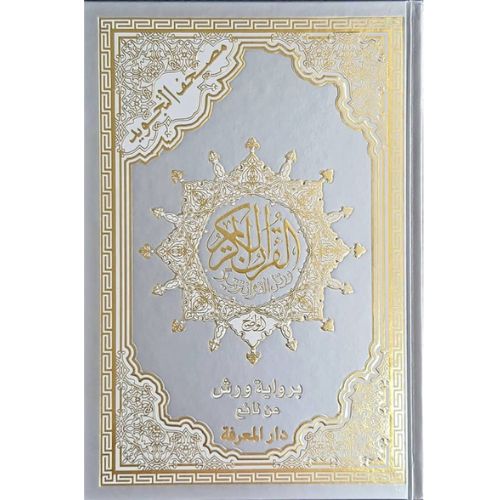
Mushaf Tajwid (Riwayat Warsh) (L)
Mushaf Al Quran Qiraat Nafi’ Riwayat Warash Warsh Warsy Tajwid Warna.
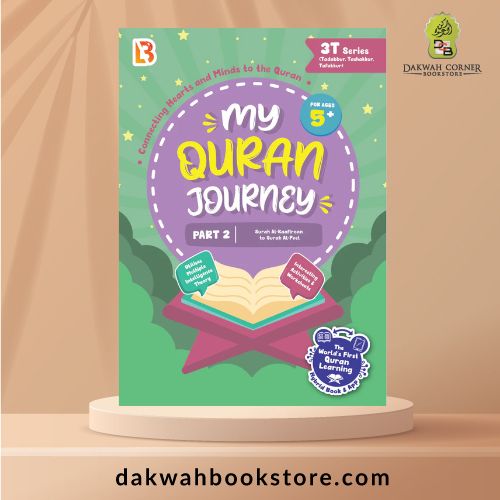
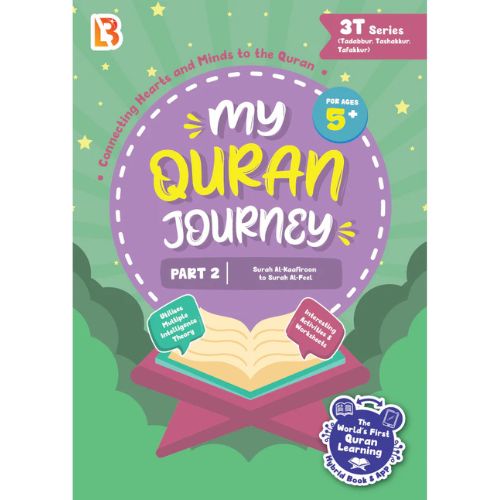
My Quran Journey Part 2
My Quran Journey – Part 2” continues the journey of introducing children to the Quran in a fun and interactive way. Covering Surahs Al-Kaafiroon to Al-Feel, the book provides word-to-word translations, running translations, infographics, reflection sections, and life lessons. Each Surah is presented with engaging activities, quizzes, and moral insights to help children connect with Allah’s guidance. Designed for ages 5+, this book combines print and digital learning through the My Quran Journey app, making Quranic education accessible, meaningful, and interactive.
[MM] Rawai’ al-Zilal / روائع الظلال
إن رحلتنا مع روائع الظلال رحللة ممتعة نبحر فيها في شتى مجالات الحياة نستقي من خبرات وتوجيهات وتجارب سيد قطب التي خاضها في خضم الحياة . فنتعرف على حقيقة الاسلام وما حل به في أصقاع الأرض
The History Of The Khalifahs Who Took The Right Way
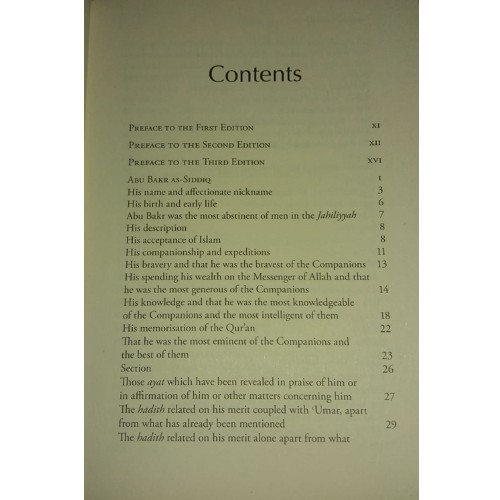
Taken from Tarikh al-Khulafa, this classical work presents authentic hadith in the retelling of the biographies of the first four Khalifahs of Islam (May Allah be Pleased with them) illustrating both the integrity and wisdom that they displayed in governance. This book also highlights their contributions to that body of practice which is known as the Sunnah.


There are no reviews yet.