

| Weight | 0.59 kg |
|---|---|
| Dimensions | 23 cm |
| Author | |
| ISBN | 9781565645578 |
| Pages | 342 |
| Product Type | Book |
| Publisher |
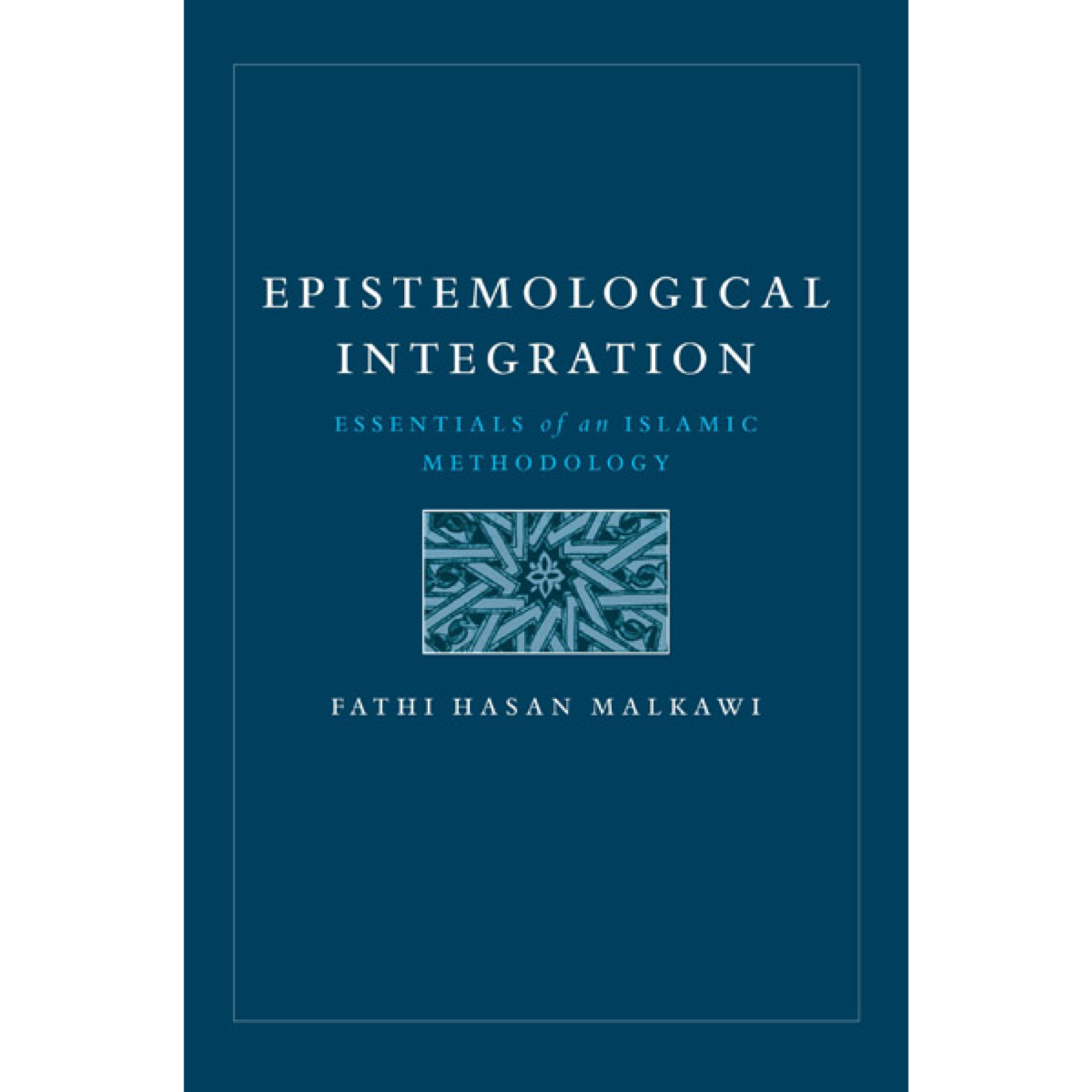
Epistemological Integration Essentials of an Islamic Methodology
RM132.00
Hurry up, Only 1 left.
Highlights:
somdn_product_page
Compare
Epistemological Integration: Essentials of an Islamic Methodology is a program which seeks to construct an intellectual framework for Islamic methodology with a view to realizing practical training in the thoughtful investigation of issues related to knowledge in various fields. The book’s title affirms the distinctive types of integration that characterize Islamic methodology, including integration of sources, means, and schools of thought, as well as existing realities with desired ideals etc. This is fully consistent with human nature, as variety is fundamental to the functions people perform and skills they master. The work essentially makes the case that fundamental to any Muslim recovery is laying the foundations of sound thinking and values that integrate the two main sources of knowledge: Revelation and Reality (that is the created worlds both physical, societal and psychological) under the umbrella of Tawhid. Islamic methodology adopts that and extends human hopes to integrate efforts so that humanity can realistically achieve prosperity on earth and earn eternal happiness in the afterlife.
SKU: EA 177
Categories: Islamic Economics, Islamic Economics, Finance and Banking
Additional information
Reviews (0)
Be the first to review “Epistemological Integration Essentials of an Islamic Methodology” Cancel reply
You must be logged in to post a review.
Related Products
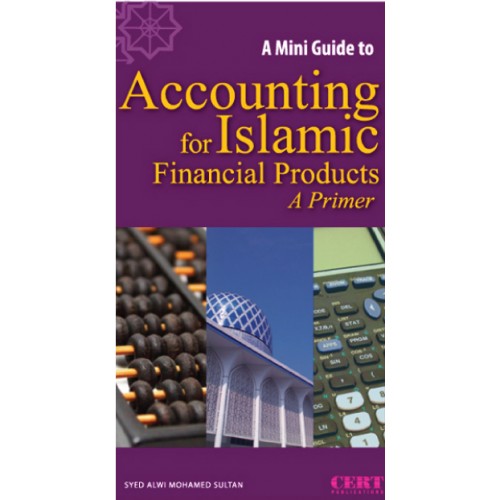
A Mini Guide to Accounting for Islamic Financial Products – A Primer (Pocket size) (P/B)
Highlights:
This “A Mini Guide to Accounting for Islamic Financial Products” starts with the development of Islamic finance as well as accounting standards and development of AAOIFI which aims to develop standards on accounting, auditing, ethics and governance and disseminate them on the target market.
The guide also highlights selected accounting issues addressed by AAOIFI : substance over form, prudence, mudarabah investment accounts and asset valuation. This is followed by how information of financial statement of an Islamic bank helps its major users, like equity holders, holders of investment accounts, regulatory agencies and others.
The guide also points out the main differences in the presentation of financial statements of Islamic Financial Institutions. Among them are: how assets are defined and inclusion of equity of unrestricted investment account holders. The differences arise as a result of utilizing a Shari’ah compliant contract to bring into effect a particular product.
The last section discusses some of the more popular contracts such as murabahah, istisna’, ijarah, mudarabah and musharakah. A few case studies are also incorporated for different contracts to give more understanding on the topic to the readers.
RM40.00
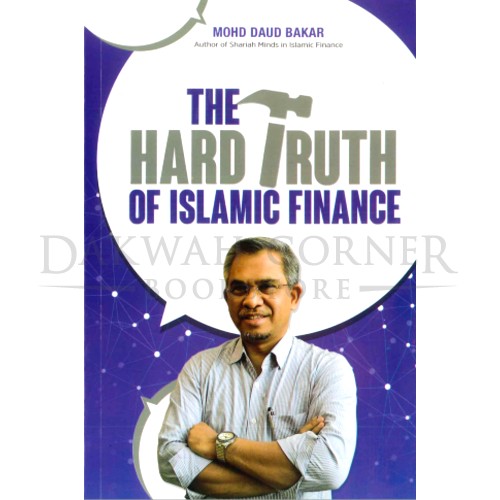
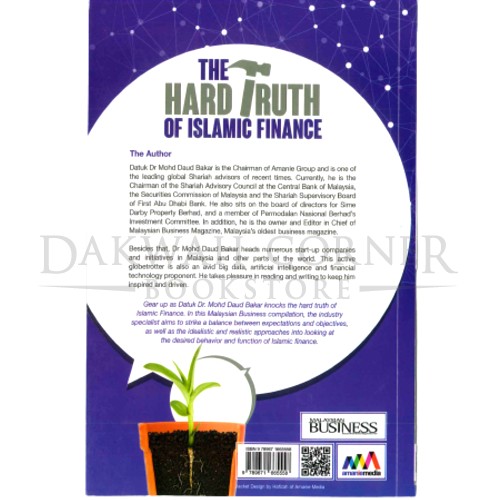
The Hard Truth of Islamic Finance
Highlights:
What is the book all about? It seeks to strike a balance between objectives and expectations. While expectations are easy, meeting objectives is hard.
The book also aims at unlocking the real face of Islamic finance without any make-up or cosmetic touch-up. The moment it is linked to something external and artificial, it becomes cluttered.
For all intents and purposes, every discipline has its core torso and fabric. Islamic finance should have its own ‘DNA’ and identity. The book is simply about bringing Islamic finance back to its basics. You may add on additional verticals and layers but it cant be on the expense of its core foundation.
RM25.00
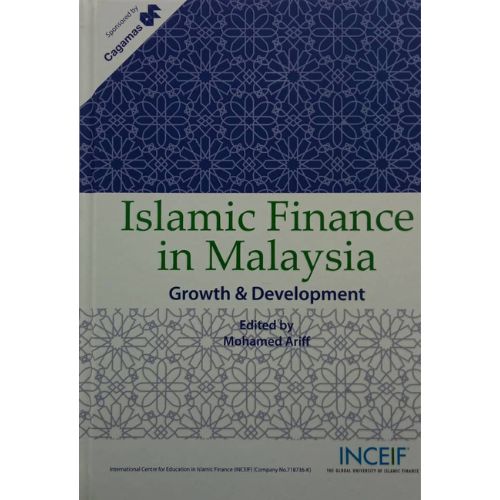
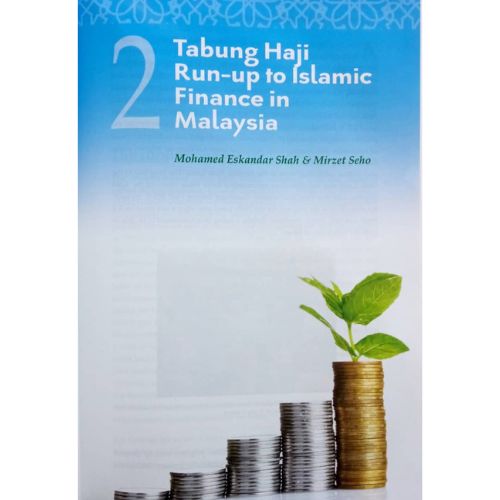
Islamic Finance in Malaysia: Growth & Development
Highlights:
This modern history of Islamic finance is pretty short spanning a period of roughly five decades, compared to conventional finance which goes back to more than four centuries earlier. Islamic finance has spread rapidly across the globe, reminiscent of Lao-Tzu’s famous saying “A journey of a thousand miles begins with a single step”. Malaysia, a pioneer in the development of the Islamic finance industry, has emerged as one of the major hubs for global Islamic finance.
RM150.00
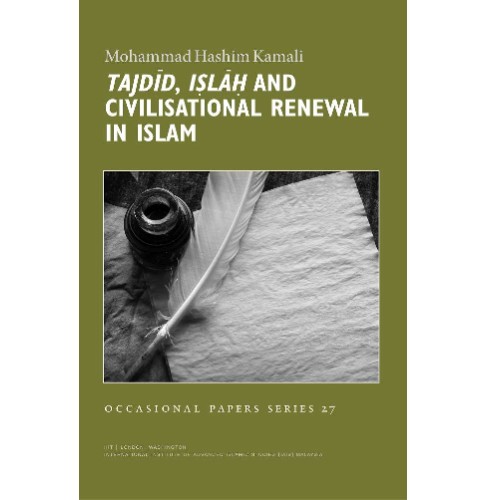
Tajdid, Islah and Civilization Renewal in Islam
Highlights:
The history of Islamic thought is marked by a continuous tradition of internal revitalisation and reform embedded in the principles of islah, and tajdid. The ultimate purpose has been to bring existing realities and social change in line with the transcendent and universal standard of the Qur’an and Sunnah through a process of restoration and reform. The tradition of islah-tajdid has thus consistently challenged the Muslim status quo and prompted fresh interpretation of the Qur an and Sunnah, understood and implemented through the methodologies of interpretation and ijtihad, as well as the rejection of unwarranted accretions to the original messages of Islam. The basic theme of the paper is that civilisational renewal is an integral part of Islamic thought. The paper looks into the meaning, definition and origins of tajdid and islah and their relationship with ijtihad, and how these have been manifested in the writings and contributions of the thought leaders of Islam throughout its history. It also develops tajdid-related formulas and guidelines that should lead the efforts of contemporary Muslims in forging the objectives of inter-civilisational harmony and their cooperation for the common good.
RM35.00
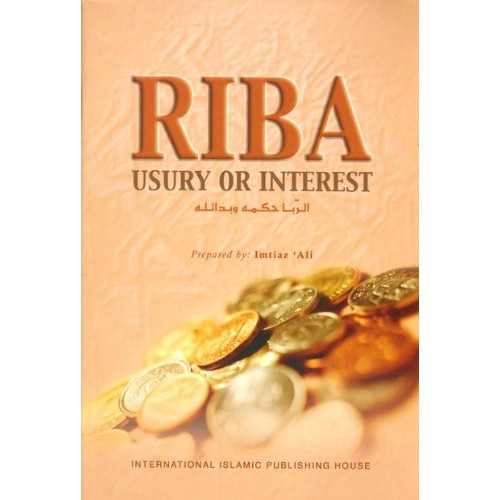
Riba: Usury or Interest
Highlights:
The Noble Qur’an states: {… Fear Allah, and give up what remains of your demand for usury/interest, if you are indeed believers. If you do not do so, then take notice of war from Allah and His Messenger.} (Qur’an 2: 278-279) Despite this obvious prohibition, the practice of ribâ (usury and interest) has polluted the global economy completely. This booklet explains the awful consequences of dealing in usury and interest in a summarized but convincing manner.
RM8.00 RM9.00
Public Policy: Beyond Traditional Jurisprudence A Maqasid Approach (IIIT)
Highlights:
This work charts new territory in Islamic scholarship by attempting to address the field of public policy from a maqasid (higher objectives of the Shariah) perspective. Public Policy is an independent discipline from both law and politics. Thus, Public Policy in Islam is introduced here as a qualitatively different enterprise from both fiqh (Islamic jurisprudence) and siyasah shar’iyyah (Shariah-oriented politics). The book deals with a number of critical topics that include methodology, governance, human rights, ethics, political power, and reform and renewal. It highlights how the maqasid approach is indispensable to the theory and practice of public policy in Islam, how it could resolve some of the most persistent governance dilemmas throughout Muslim history, but more significantly, how it forces a re-conceptualization of the wealth of knowledge available in Islam s primary sources to introduce Public Policy in Islam to mainstream policy studies.
RM100.00
States Do Not Go to Heaven: Towards a Theory of Islamic Agency in International Relations
Highlights:
This book compares and contrasts Islamic world views and Western theoretical perspectives on international relations to suggest that a combination of the two could lead to a mutually beneficial redefinition of contemporary international relations utilizing Western theoretical tools and incorporating an Islamic perspective. Particular focus is given to the Islamic concept of istikhlaf as an ontological and normative foundation. The reasoning being that all man-made social arrangements on “earth”, as well as international society, should be considered a realm of istikhlaf. This allows for return to an eternal and critical first principle, linking all social roles to this principle, which is that man as designated by the Qur’an, is God’s khalifah or Vicegerent on earth. It’s a statement of great magnitude.
RM45.00
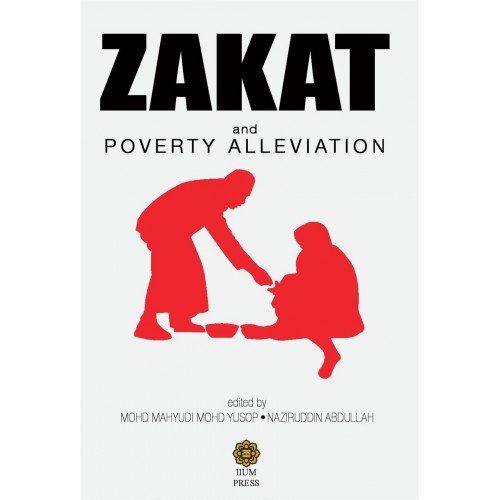
Zakat and Poverty Alleviation (P/B)
Highlights:
This edited book aims to raise issues pertaining to the topic of zakat and its primary goal of poverty alleviation. It portrays the dynamism of zakat by highlighting pertinent issues on the management of zakat institutions and innovative programmes that are designed as effective distribution mechanisms. Discussions include zakat payment motives, ways to measure the efficiency of zakat disbursement, economic development initiatives, housing programme, microfinancing, and actual impact on poverty alleviation. The discussions raised put emphasis on policy-orientation with dedicated sections on policy implications and recommendations. This approach is deemed necessary since it could guide the thought process of interested parties towards the creation of new ideas to actualize zakat as a very reliable tool in addressing the massive problem of poverty among Muslim communities. This special feature also significantly adds to the much-needed reference materials in courses on zakat at the intermediate level of undergraduate studies and introductory level of postgraduate programmes.
RM66.00
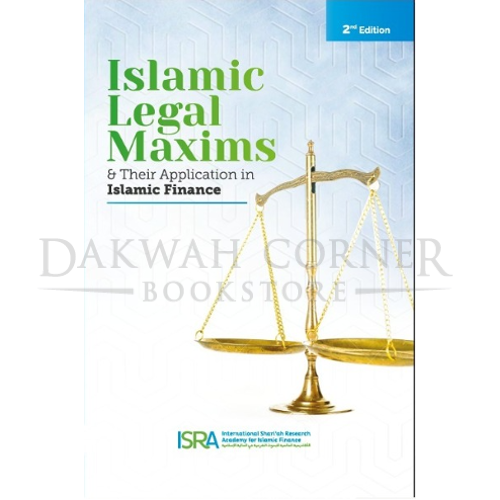

Islamic Legal Maxims & Their Application in Islamic Finance (2nd Ed.)
Highlights:
Islamic Legal Maxims and Their Application in Islamic Finance is one of the most comprehensive compilations of Islamic legal maxims available in English. The most important feature of this book is that it explains each maxim in a way comprehensible to both Shari’ah experts and Islamic finance practitioners. Another feature is its emphasis on the application of the maxims in the actual practice of Islamic finance.
RM65.00
Recently Viewed
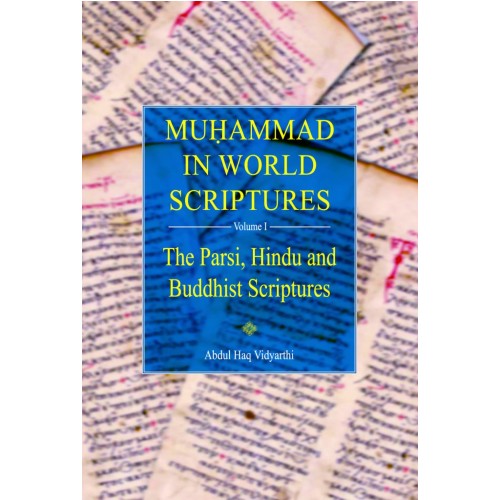
Muhammad in World Scriptures: Volume I (IBT)
Highlights:
This is the first volume of the series on the Prophet Muhammad as found in world scriptures. The author, a scholar of the Vedas and comparative religion, argues that numerous prophecies of the coming of the Holy Prophet are found in the Parsi (Zoroastrian), Hindu and Buddhist scriptures. He attempts to illuminate these prophecies and explains the rationale of his conclusions.
RM34.00
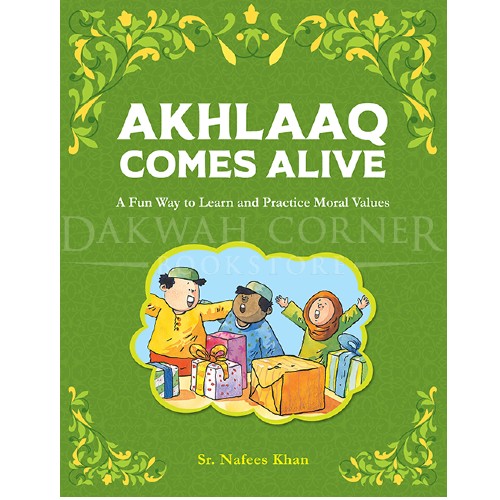
Akhlaaq Comes Alive (P/B)
Highlights:
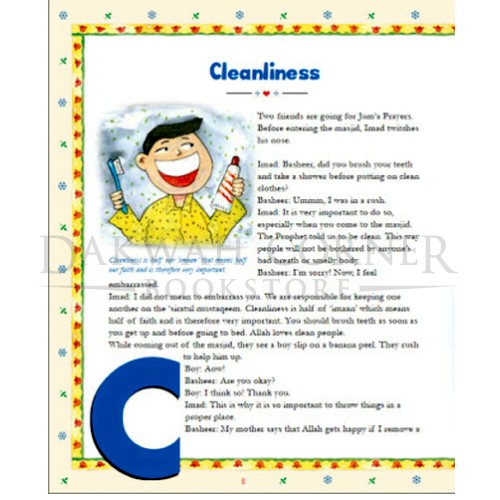
Often elders find it difficult to find a fun way to teach children akhlaaq, that is, moral values and good manners in Islam. All About Akhlaaq, being a fun book, will aid them in this. Designed for use at home and school, it covers a wide range of moral issues and the occasions in daily life when good manners are essential. Colourful and story-filled, with an easy-to-use format and short skits, it will give a better understanding of each akhlaaq by encouraging children, parents and teachers to engage in role playing. Each theme, listed alphabetically, is expressed in simple language and has attractive illustrations on every page. What better way to learn akhlaaq than by acting it out! So, be active and practice akhlaaq!
RM25.00
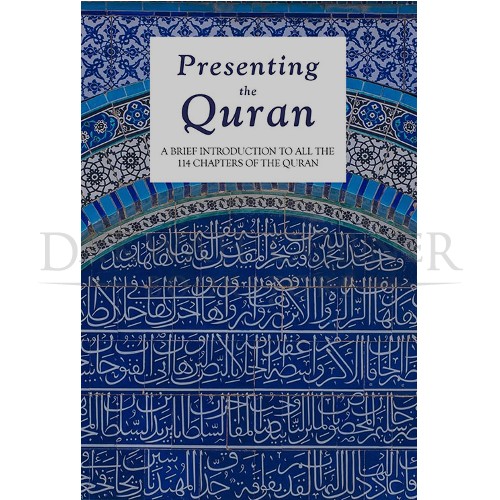
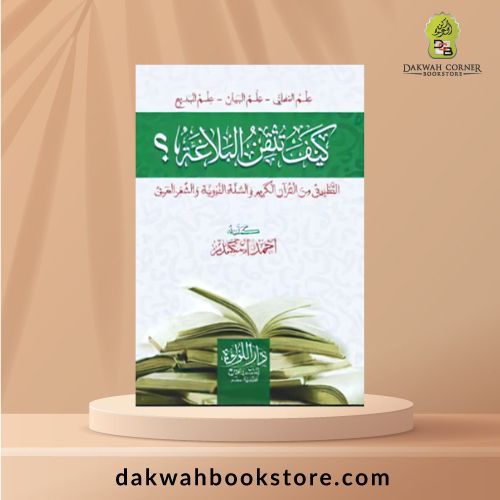
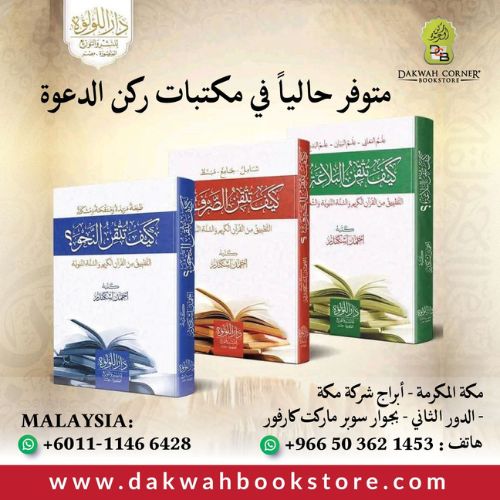
[AR] Kayfa Tutkinun Balagha (كيف تتقن البلاغة )
Highlights:
لمن يرغب بإتقان فن البلاغة ومهارات الخطابة باللغة العربية، يعتبر كتاب ‘كيف تتقن البلاغة’ مصدرًا مثاليًا. يقدم الكتاب، من تأليف أحمد إسكندري ونشر دار اللؤلؤة، شرحًا وافيًا لدقائق علم البلاغة وتطبيقاته. طُبع الكتاب بغلاف صلب وورق ممتاز بقياس 17*24، ويُعد مرجعًا قيّمًا يسهم في تعزيز مهارات اللغة العربية والتذوق الأدبي للقراء على كافة المستويات.
RM100.00
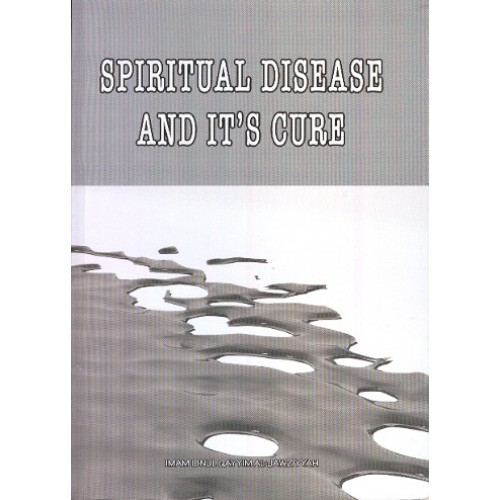
Spiritual Disease and It’s Cure
Highlights:
The Imam was asked a long question of which a part was – What is the opinion of the scholars regarding a man who is afflicted by a disease, and knows that if it should continue it would damage his life? The Imam Quoted the Hadith from Sahih Bukhari The prophet (S) said: ‘Allah has appointed a remedy for every disease He has sent down’ Imam Ahmad reported on the authority of Usamah bin Shareek that the ‘ Prophet (S) said Allah has not made a disease without providing a remedy for it, wih the exception of one disease, namely old age’ This Applies to the medicine for the heart, soul and body. The well being of the servant’s heart, is far more important than that of his body, for while the well being of his body enables him to lead a life that is free from illnesses in this world, that of the heart ensures him both a fortunate life in this world and eternal bliss in the next.
Imam Ibn al-Qayyim al-Jawziyya was born into a scholarly and virtuous family in 691 AH/ 1292 A.D. At that time Damascus was a centre of literature and thought. Many schools were located there and he studied and graduated under the protection, direction and sponsorship of his father. He was particularly influenced by his Shaykh and teacher Imam Ibn Taymiyyah, and also by Ibn ash-Shirazi amongst others. Ibn al-Qayyim al-Jawziyya died in the city of Damascus the year 751 AH/1350 C.E.,when he was scarcely 60 years old, and was buried at the cemetery of Bab- al-Saghir, near the grave of his father – Rahimahuma Allah.
RM56.00
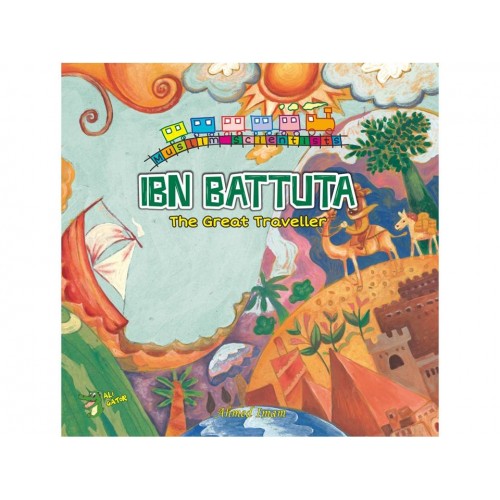
Ibn Battuta – The Great Traveller (The Muslim Scientists Series)
4 ★
4 ★
1 Rating
5 ★
0
4 ★
1
3 ★
0
2 ★
0
1 ★
0
Highlights:
The Muslim Scientists series introduces children to great scientist, scholars & adventurers from the Golden Age of Islam.
Ibn Battuta travelled for 30 years, performing Hajj 4 times, no wonder he is called “The Great Traveller”.
Full Colour
24 pages
EVERY HOME & SCHOOL LIBRARY MUST HAVE THIS SERIES AS PART OF THEIR ISLAMIC COLLECTION
RM22.00
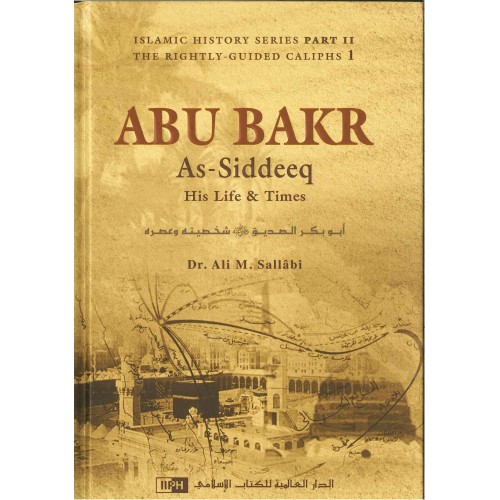
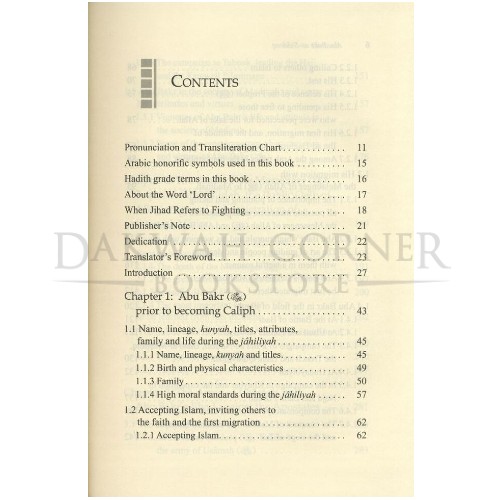
Abu Bakr As-Siddeeq His Life And Times (IIPH)
Highlights:
The life of the first Rightly-Guided Caliph, Abu Bakr as-Siddeeq (may Allah be pleased with him) is a valuable roadmap for the Muslims of today. One of the first people to believe and embrace the Prophet’s Message of Islam, Abu Bakr remained a close companion of the Prophet (blessings and peace be upon him) throughout the Prophet’s life. Appointed as the Prophet’s successor on the basis of consultation, Abu Bakr proved to be a great leader who, with Allah’s help, steered the Ummah through difficult times. He faced numerous challenges within Arabia: some people apostatized, others refused to pay zakâh, and quite a few individuals emerged as false prophets, attracting many followers. Outside Arabia, the Persians and Byzantines keenly observed these developments, looking for an opportunity to crush the new state. Abu Bakr employed effective strategies to deal with these challenges and had remarkable success in doing so. Thus, he paved way for the Islamic conquests that toppled tyrants and carried the message of Islam to the entire world. His leadership should be a great source of inspiration for the Muslims today.
RM90.00
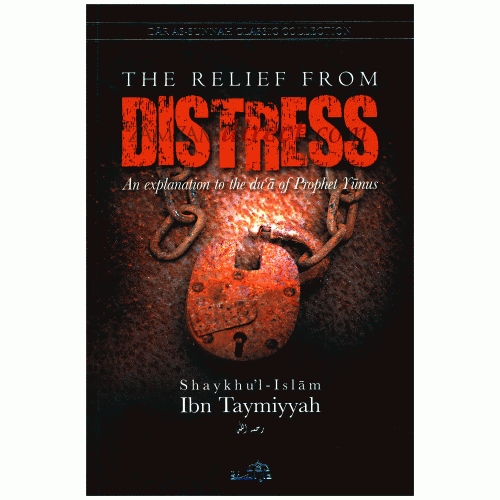
The Relief From Distress : An Explanation to the dua of Prophet Yunus (P/B)
Highlights:
Shaykh al-Islam Ibn Taymiyyah, may Allah sanctify his soul, was asked about the saying of the Prophet (pbuh),
The invocation of my brother Yunus, “none has the right to be worshipped save You; glory be to You, far removed are You from any imperfection; I have been amongst the wrong-doers,” none who is experiencing difficulty employs it except that Allah would relieve him of his difficulty.
What is the meaning of this du’a (prayer, supplication)?
Are their any unstated conditions that have to be met when one articulates it?
What is the connection between belief in the heart and the meaning of this supplication such that it leads to the removal of difficulty?
Why did he explicitly confess, ‘I have been amongst the wrong-doers’ when it is known that tawhid in itself leads to the removal of difficulty?
Is it sufficient to acknowledge ones’ sin alone, or must this be accompanied by repentance and the firm resolve not to repeat that sin in the future?
Why is it that difficulty and harm is removed only when a person relinquishes any hope, reliance and dependency upon the creation?
How can the heart relinquish the characteristic of putting hope in the creation and depending on them, and instead put its hope in Allah, Exalted is He, and turn to Him in its entirety?
What are the methods that would aid the heart in doing this?
The author replies to these questions in the form of this book.
RM117.00


Difference Between Advising And Shaming ( Dar as-Sunnah)
4.5 ★
4.5 ★
2 Ratings
5 ★
1
4 ★
1
3 ★
0
2 ★
0
1 ★
0
Highlights:
[This book] beautifully illustrates the difference between advising that is encouraged and shaming that is not permitted.
RM40.00
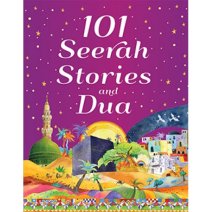

101 Seerah Stories and Dua (H/B)
Highlights:
101 Seerah Stories and Dua is a richly illustrated collection of 101 great stories told in simple language that children will easily understand and relate to. Each story comes with delightful illustrations and a beautiful prayer. The book includes well known tales from the life of the Prophet Muhammad — the Year of Elephant, the birth and childhood of the Prophet, the revelation of the Quran, the first Muslims, opposition of the Quraysh, the spread of Islam and migration to Madinah to name a few. It’s a unique experience the whole family will cherish and revisit again and again!
RM50.00
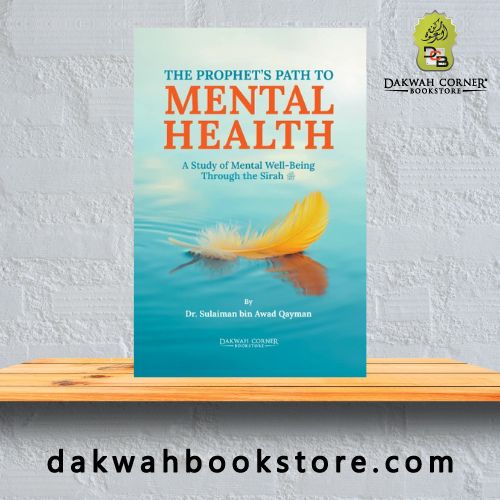
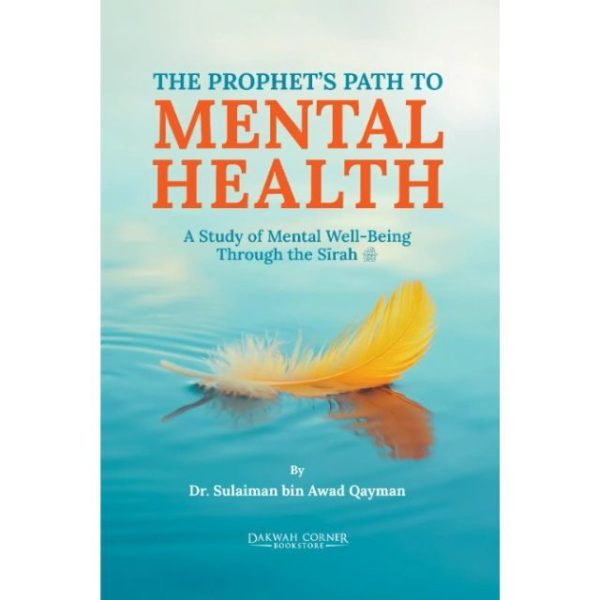
The Prophet’s Path to Mental Health: A Study of Mental Well-Being Through the Sirah (P/B)
Highlights:
In a time when mental health has become one of the most pressing challenges of our age, this work offers a timeless and deeply rooted perspective drawn from the most complete human life ever lived-the life of Prophet Muhammad .
RM60.00
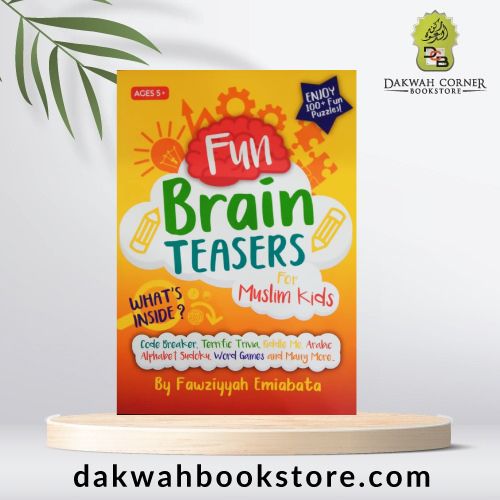
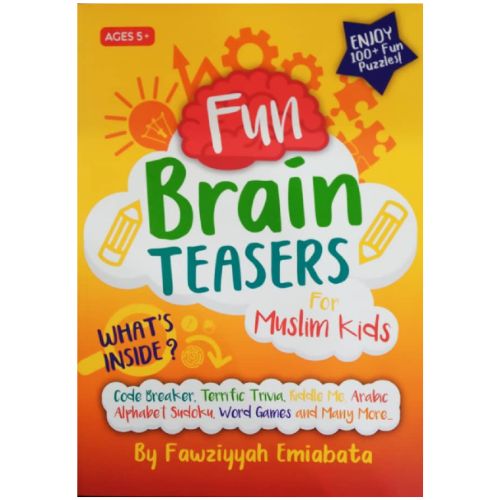
Fun Brain Teasers For Muslim Kids
5 ★
5 ★
2 Ratings
5 ★
2
4 ★
0
3 ★
0
2 ★
0
1 ★
0
Highlights:
Fun Brain Teasers is aimed to provide Muslim children with information about the deen of Allah in a fun way. It is therefore based on a play and learn pattern as it is fun, educative, stimulating and challenging. It will also awaken a sense of curiosity in children to learn more about Islam.
Enjoy 100+ FUN Puzzles in one books. Suitable for ages 5+ years old.
What’s Inside the Book?
-Code Breaker, Terrific Trivia, Riddle Me, Arabic Alphabet Sudoku, Word Games, Maze, Beacons of Light, Spot The Difference, Link Up, Missing Link and Many More…
RM36.00
Overcoming Trials and Tribulations According to the Qur’an and Sunnah
Highlights:
Allah (swt) will continue to test us throughout our lives. This book attempts to evaluate the different types of tests that we may experience, why they occur, how to cope with them successfully and their significance both in this world and in the Hereafter. This is a strengthening and inspiring book that is particularly recommended during difficult times.
RM21.00
There are no reviews yet.