



| Weight | 0.15 kg |
|---|---|
| Product Type | Book |
| Author | |
| Publisher | DCP |
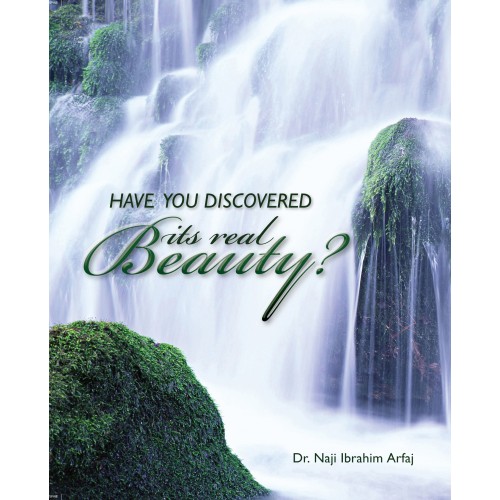
Have You Discovered Its Real Beauty
5 ★
5 ★
1 Rating
5 ★
1
4 ★
0
3 ★
0
2 ★
0
1 ★
0
RM2.50
Hurry up, Only 1 left.
Highlights:
somdn_product_page
Compare
PhD in Applied Linguistics (Michigan State University, USA)
Dr. Arfaj spent more than 20 years researching comparative religion. This book came about as a result of his extensive research and experience.
SKU: CR100
Category: Comparative Religions
Additional information
Reviews (1)
5 ★
1 Rating
5 ★
1
4 ★
0
3 ★
0
2 ★
0
1 ★
0
Add a review Cancel reply
You must be logged in to post a review.
Related Products
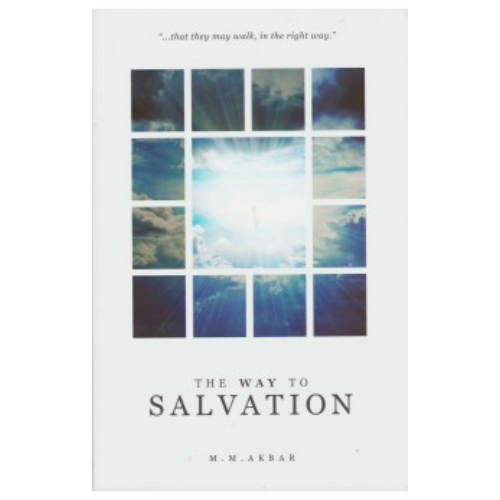
The Way to Salvation (P/B)
Highlights:
DA’WAH MATERIAL
This book can use for da’wah with the topic Salvation.
Salvation is the aim of human life, according to the religious ideologies. What is salvation? Is there an existence after this life? Are the religious scriptures in controversy on dealing with the topic ‘salvation”? Or are there any common points between them? An extensive study on the basis of Hindu, Christian, and Islamic scriptures.
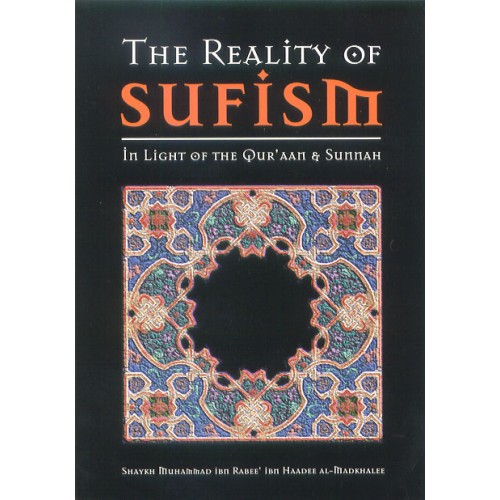
The Reality of Sufism In Light of the Quraan and Sunnah (P/B)
Highlights:
In this book, the author discusses the beliefs and origins of Sufism. It has been written in a clear and uncomplicated style which makes it accessible for readers of all levels. The history of Sufism is traced as well as how sufism developed into what we have today. The author touches upon the beliefs of Sufism, and gives examples from personalities that are regarded highly by those who ascribe to Sufism. A scholarly criticism in light of the Qur’an and Sunnah.
From the Back Cover
You must be aware that there are a number of destructive calls which have been established amongst the ranks of the Muslims and which have shaken and damaged the belief held in there hearts. They have polluted the pure Islamic ‘aqeedah, and have grown by stages to reach such a dangerous level that they led to the splitting of the Muslims into sects and the parties, about which the Prophet (peace be upon him) said: “Indeed those who were before you, from the people of the book, split into seventy-two sects, and this religion will split seventy-three. Seventy-two in the fire and one in the paradise and it is the Jammaa’ah.”
Then there is no doubt that each one of these sects claims for itself that it is the saved sect, and that it is correct, and that it alone follows the Messenger. But the way of truth is a single way and it is the one which leads to salvation, and any other way is one of the ways of miss guidance which leads to destruction.
So the way of truth is to cling to the book of Allaah and the Sunnah of Allaah’s Messenger (S) as occurs in the hadeeth: I have left amongst you two things whith which you will not go astray: The Book of Allah and my Sunnah, and they will not be separated till they come to me at the Pond.
- A scholarly criticism of Sufism in the light of the Qur’an and Sunnah
- Written in an uncomplicated style, ideal for the layman
RM24.00
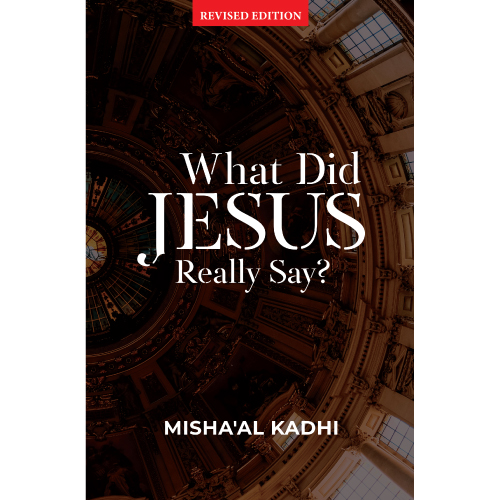
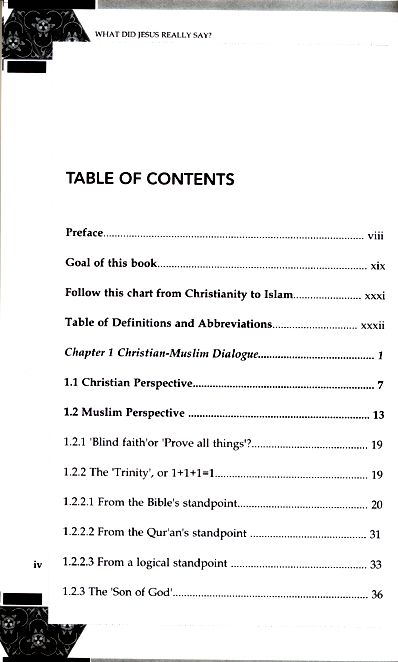
What Did Jesus Really Say?
4.5 ★
4.5 ★
2 Ratings
5 ★
1
4 ★
1
3 ★
0
2 ★
0
1 ★
0
Highlights:
The book contains detailed information and descriptions that show how the Bible was changed and tampered with over the past two millennia. The account and the discussions presented are based on, and collected from, the writings of Christian authors, the Church and the Bible.
RM45.00
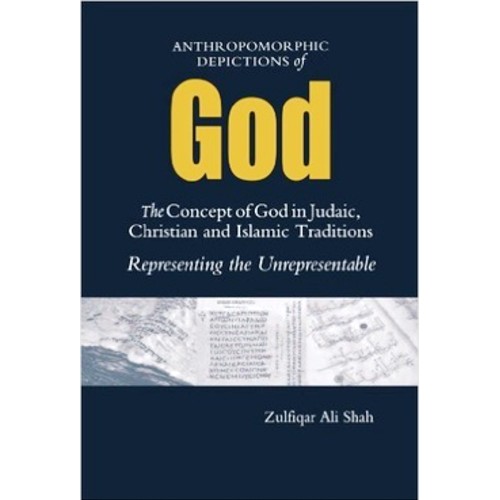
Anthropomorphic Depictions of God: The Concept of God in Judaic, Christian and Islamic Traditions: Representing the Unrepresentable
Highlights:
This monumental study examines issues of anthropomorphism in the three Abrahamic Faiths, as viewed through the texts of the Hebrew Bible, the New Testament, and the Qur’an. Throughout history, Christianity and Judaism have tried to make sense of God. While juxtaposing the Islamic position against this, the author addresses the Judeo-Christian worldview and how each has chosen to framework its encounter with God, to what extent this has been the result of actual scripture and to what extent the product of theological debate, or church decrees of later centuries and absorption of Hellenistic philosophy. Shah also examines Islam’s heavily anti-anthropomorphic stance and Islamic theological discourse on Tawhid as well as the Ninety-Nine Names of God and what these have meant in relation to Muslim understanding of God and His attributes. Describing how these became the touchstone of Muslim discourse with Judaism and Christianity he critiques theological statements and perspectives that came to dilute if not counter strict monotheism. As secularism debates whether God is dead, the issue of anthropomorphism has become of immense importance. The quest for God, especially in this day and age, is partly one of intellectual longing. To Shah, anthropomorphic concepts and corporeal depictions of the Divine are perhaps among the leading factors of modern atheism. As such he ultimately draws the conclusion that the postmodern longing for God will not be quenched by pre-modern anthropomorphic and corporeal concepts of the Divine which have simply brought God down to this cosmos, with a precise historical function and a specified location, reducing the intellectual and spiritual force of what God is and represents, causing the soul to detract from a sense of the sacred and thereby belief in Him.
RM150.00
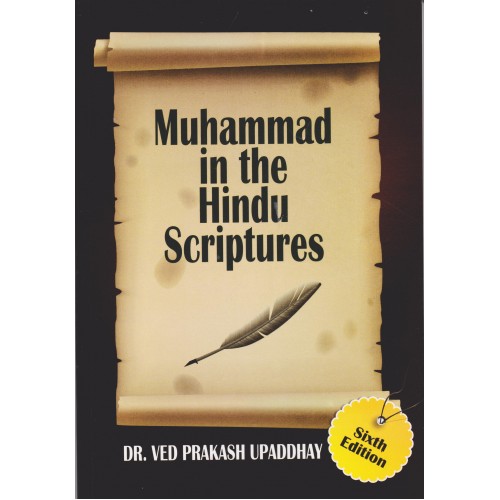
Muhammad in the Hindu Scriptures (P/B)
Highlights:
God is One. Human nature is one. Human destiny is one. And God�s message to humanity vis-a-vis that destiny is one. However, the rebellious element in man�s nature has led him to disobey God on the one hand, and on the other, he has pushed on to distort the very message of God. But the message is never fully lost. It would be ludicrous and indeed heretical to think that the situation could have gone out of God’s control.
With every distortion, therefore, He has renewed the message to salvage humanity from self-ruin. More interesting than that is the fact
that He has inserted in every message a Pointer to the Final Guide and the message he would be entrusted with; a Pointer which shows the true
seeker where the uncorrupted message could be found – the message that no one would be able to distort any more. While the main body of the message has been corrupted, the Pointer contained within has not been destroyed. Muhammad in the Hindu Scriptures brings out the truth of this phenomenon.
In addition to the Vedas and the Puranas, the book has unearthed this Pointer in the Buddhist, Christian, Jewish and other Hindu scriptures. Each of these scriptures uses its own unique Pointer relevant to its own theological scheme and the religious mentality of its own people. Separately and jointly these Pointers lit up the road to Muhammad (blessings and peace be upon him) exclusively, without any iota of doubt.
By all accounts the Final Guru has been sent and the Last Testament is in our laps. Additionally, the existence of these Pointers in the earlier
scriptures is yet another dimension of God’s mechanism to guide mankind to the infallible Truth. Upon reading the book, the theist, the atheist and the agnostic will find a lot to think about.
RM20.00
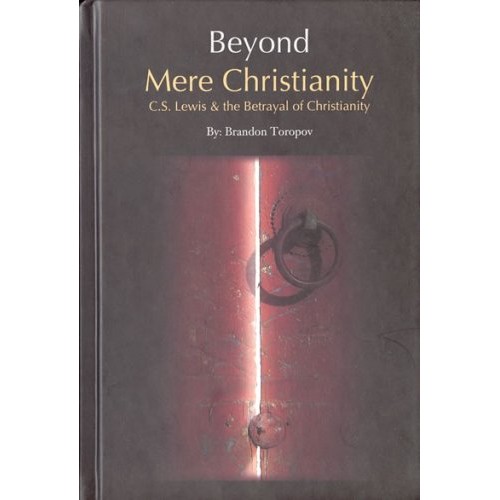
Beyond Mere Christianity (H/B)
Highlights:
The book is called Beyond Mere Christianity for two reasons. First, in response to C.S. Lewis’ influential 1952 work, Mere Christianity, which stands as a masterpiece of Christian apologetics. The second reason, perhaps less obvious, is that a case can be made, based on current, responsible Gospel scholarship, that Jesus was calling his people to the Salvation that lies beyond the worship of the merely created, the Salvation that relies instead on the direct worship of the Creator. I believe emphatically that the authentic words of Jesus invite us to move beyond what is conventionally understood as Christianity for this Salvation.
RM23.00
RM47.00
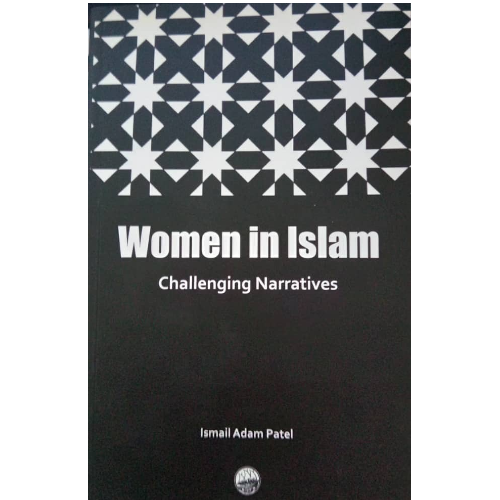
Women In Islam – Challenging Narratives (Ismail Adam Patel)
Highlights:
Many conflicting narratives exist regarding women in Islam and this subject is the cause of much criticism from the West leveled against Islam as a religion. The discrepancies between Islamic religious discourse and the practice of Muslim communities are often disregarded. Women In Islam – Challenging Narratives intends to address certain misconceptions about women in Islam and dispel some common myths. At the same time, this book also challenges the accepted narrative that women in modern Western cultures are emancipated. The chapter titled ‘Women in Islam’ provides a more accurate representation of the lofty position conferred to women within the Islamic tradition, which is often illusive in Muslim communities around the globe. A final analysis of feminist discourse scrutinizes the impact of the feminist movement on setting new ideals for women that negate their roles within the family and home, and assesses whether this has created greater challenges for women in the modern era. Ismail Adam Patel is a writer and campaigner. He is chairman of Friends of Al-Aqsa, a UK based NGO dedicated to campaigning for a free Palestine. He has lectured widely on a number of political and social issues affecting Muslim, and has authored books and articles on an array of subjects. He also acts as an advisor for several other organizations including the Conflicts Forum and Clear Conscience. A graduate of the University of Manchester Institute of Science and technology, he is an Optometrist by profession.
RM45.00
Most Common Questions Asked By Non-Muslims
5 ★
5 ★
2 Ratings
5 ★
2
4 ★
0
3 ★
0
2 ★
0
1 ★
0
RM17.00
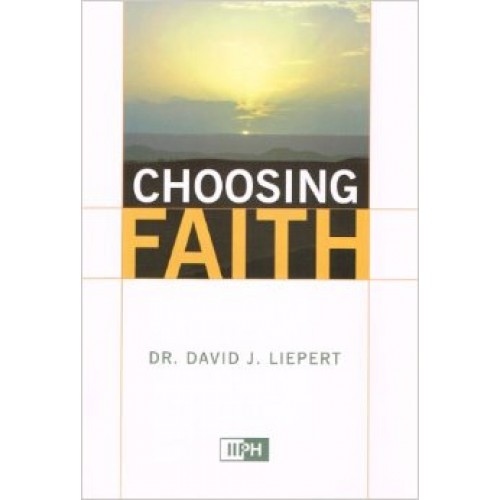
Choosing Faith (P/B)
Highlights:
Choosing Faith In a world of spiritual options, people constantly tell us what to believe. Yet, while we hear these pleas, we’re already functioning with existing beliefs–even if they are beliefs by default. So how do we choose what to believe–especially in the area of faith? Do we need to choose.
RM13.00
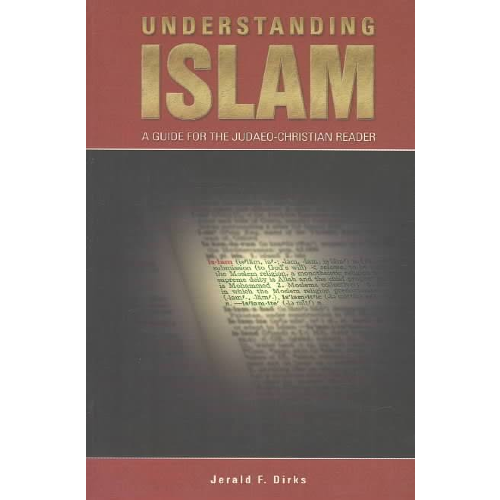
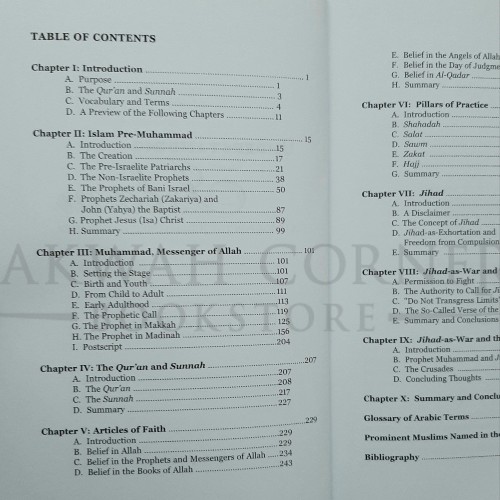
Understanding Islam A Guide for the Judaeo-Christian Reader
Highlights:
Written by former minister who converted to Islam, this book expounds the commonalities and contrasts between Islam, Judaism and Christianity. An excellent book for da’wah purposes and for Muslims to gain a deeper appreciation for the two earlier faiths.
RM106.00
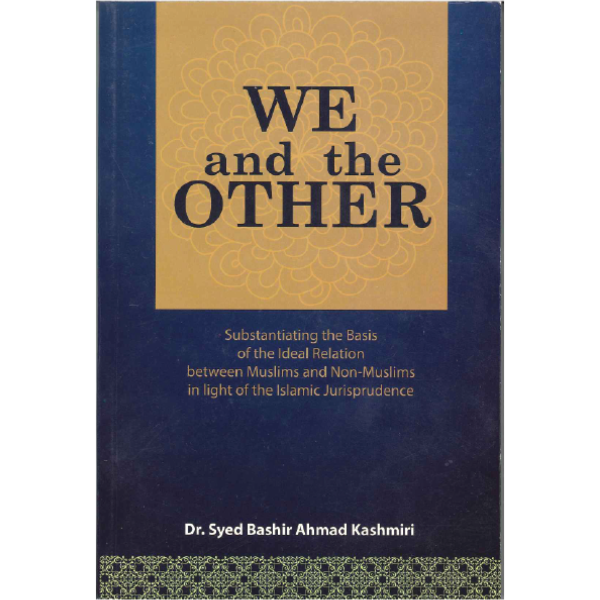
We and The Other
Highlights:
This book is a highly relevant piece of research for our turbulently chaotic world today. The heavy baggage of mutual distrust and detestation from the days of ethnic cleansing of Muslims in Spain through to the Crusades and Colonialism has left behind a fuzzy and muddled image of Islam and Muslims in the eyes of others; Muslims too, have been seeing the West as the primary cause of all their woes and vilification.
RM49.00
Recently Viewed
RM110.00

The Right to Education, Work and Welfare in Islam (P/B)
Highlights:
In The Right to Education, Work and Welfare in Islam Professor M.H. Kamali develops an Islamic perspective on three connected and complementary areas of rights and liberties. He urges that education is often a necessary ingredient of professional work even more so now than in earlier times when the range and variety of specialised knowledge were relatively limited. A person who acquires education, whether generally or at advanced levels of specialisation, is more likely to stand in a better position to enter the workforce and thus to contribute to the welfare of the community.
The author commences his discussions on education, work and welfare in Islam by focusing on how each is treated in the Qur’an; and follows this by the example of the Prophet and, after him, the Pious Caliphs who gave prominence to the education and welfare needs of people at times both of scarcity and affluence. Professor Kamali then moves forward to our time and discusses the right to education, the education of children, institutionalisation of learning, academic freedom and the debate between science and religion.
The section on work elaborates on the value of work, work ethics, workers’ and employers’ rights and responsibilities, and the role and responsibility of governments.
Finally, the section on welfare focuses on the importance in Islam of caring for those who are in need and the different forms of provision that can be made available by individuals, the state and charities.
RM63.00
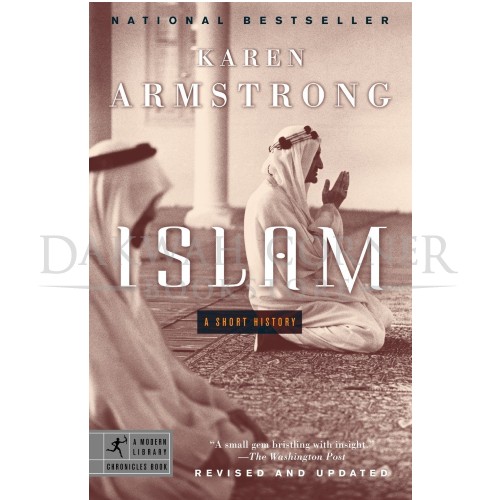
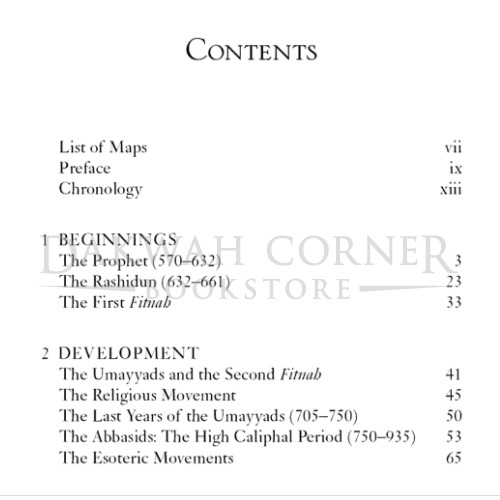
Islam: A Short History
Highlights:
With this brilliant book, Karen Armstrong issues a forceful challenge to those who hold the view that the West and Islam are civilizations set on a collision course. It is also a model of authority, elegance, and economy.
RM80.00
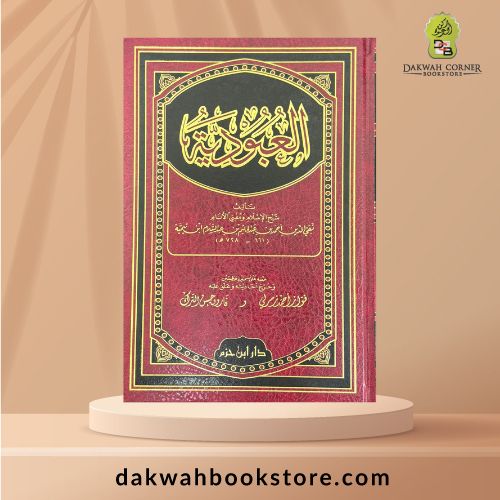
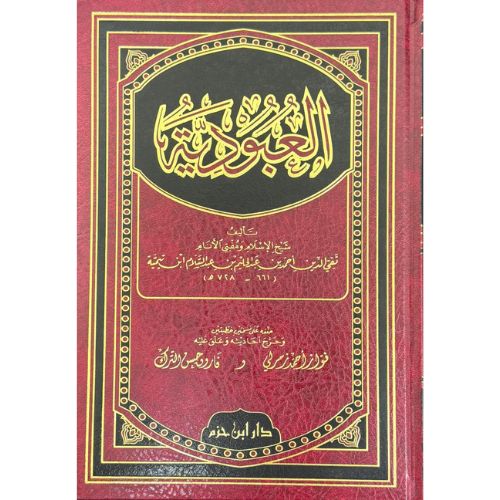
[AAC] Al ‘Ubudiah / العبودية
Highlights:
بذة عن الكتاب
يُعد كتاب العبودية من الكتب العقدية والروحية المهمة في التراث الإسلامي. يوضح فيه ابن تيمية معنى العبودية الحقيقية لله، ويبيّن أن العبادة ليست مقتصرة على الشعائر الظاهرة مثل الصلاة والصيام فقط، بل تشمل كل ما يحبه الله ويرضاه من الأقوال والأعمال الظاهرة والباطنة.
أ
RM55.00
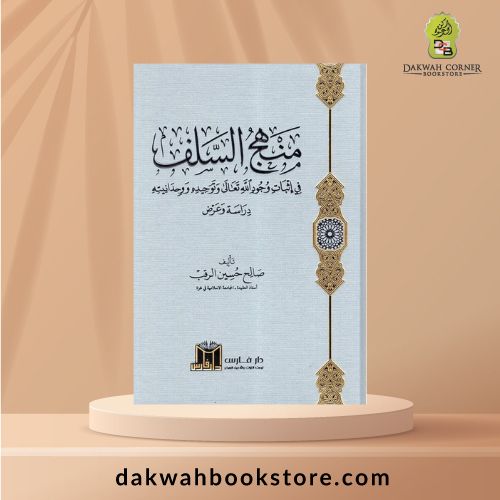
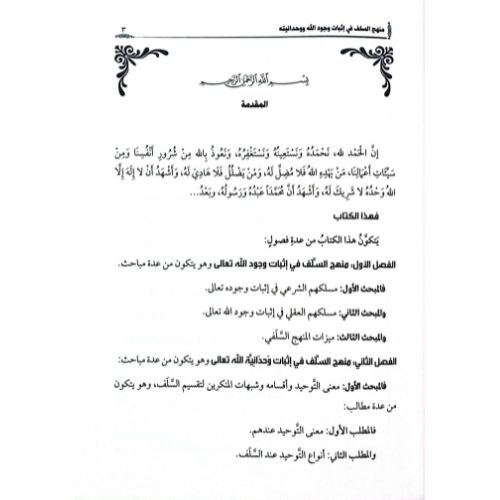
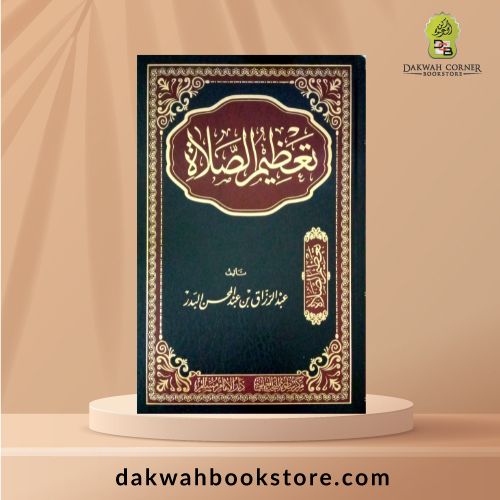
[APT] Ta’zim Solat / تعظيم الصلاة
Highlights:
عبدالرزاق بن عبد المحسن البدر رسالة للشيخ عبد الرزاق البدر حول تعظيم الصلاة, رسالة تحتوي على أبواب رائعة و نافعة – مع التشكيل لبع
حين تكون الهدايا باقية ونافعة، يمكنك إهداء هذا الكتاب لمن تحب.. نهتم بك وبأحبابك.
RM56.00
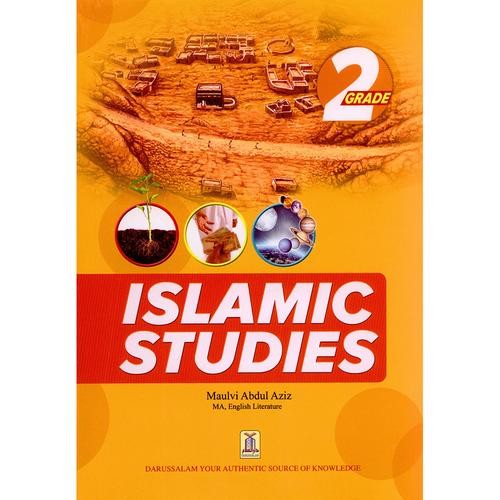
Islamic Studies Grade 2 – Darussalam
Highlights:
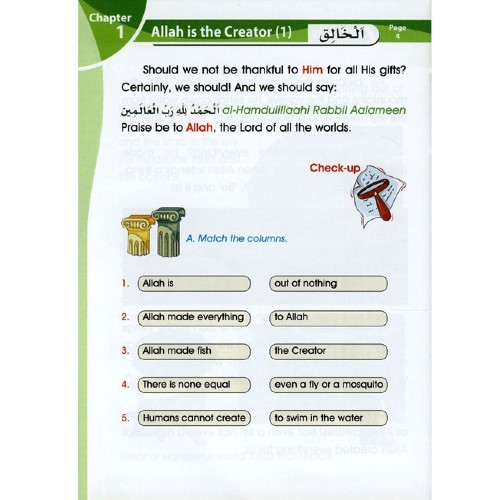
Grade 2 covers a variety of topics, including Allah as the Creator, the All Knower; the books of Allah; telling lies; the etiquette of talking; the Islamic calendar; and more. This book also contains fun activities and review sections.
RM100.00
au.mu.smj –
This book is so good for new muslims and for those who are interested about Islam . it helps you begin to understand the deen and your responsibilities and requirements as a new muslims . I enjoy this book and I still look up things from time to time .