


| Weight | 0.30 kg |
|---|---|
| Dimensions | 21 × 15 × 2 cm |
| Publisher | IIPH |
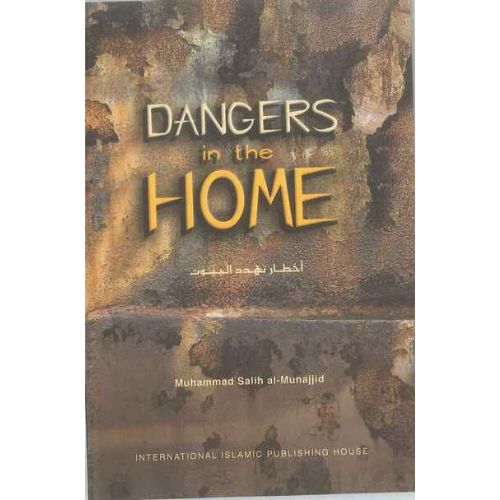
Dangers in the Home P/B
RM9.00
Hurry up, Only 1 left.

Highlights:
somdn_product_page
Compare
Putting things right in the home is a great trust and huge responsibility which every Muslim man and/or woman should undertake as Allah commands. The following cautions aim to highlight some evil things that actually happen in some homes and that have become tools of destruction for the nests in which the future generations of the Muslim Ummah are being raised. This booklet highlights some of the haram (unlawful and forbidden things) in the light of the Quran & sunnah, in order to warn them about.
Additional information
Reviews (0)
Be the first to review “Dangers in the Home P/B” Cancel reply
You must be logged in to post a review.
Related Products
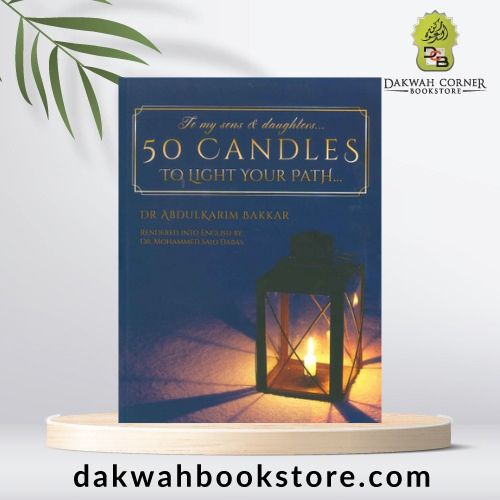
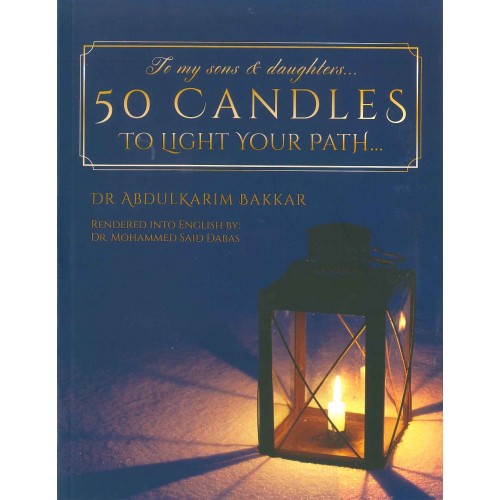
50 Candles To Light Your Path (P/B)
5 ★
5 ★
2 Ratings
5 ★
2
4 ★
0
3 ★
0
2 ★
0
1 ★
0
Highlights:
One goal brings them together : how to improve the well-being of our sons and daughters, how to aid them towards threading the path of guidance to engender their excelling in their academic, work and other facets of life.
RM36.00
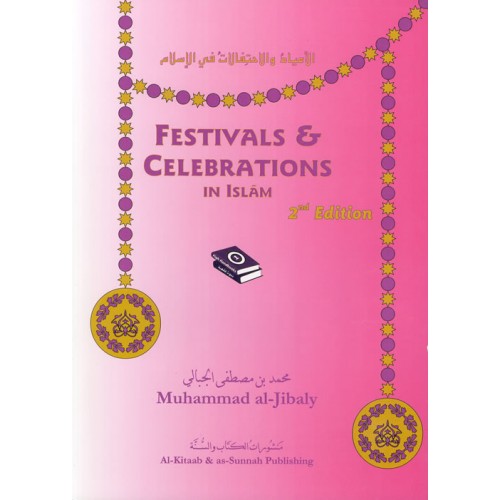
Festivals & Celebrations In Islam
5 ★
5 ★
1 Rating
5 ★
1
4 ★
0
3 ★
0
2 ★
0
1 ★
0
Highlights:
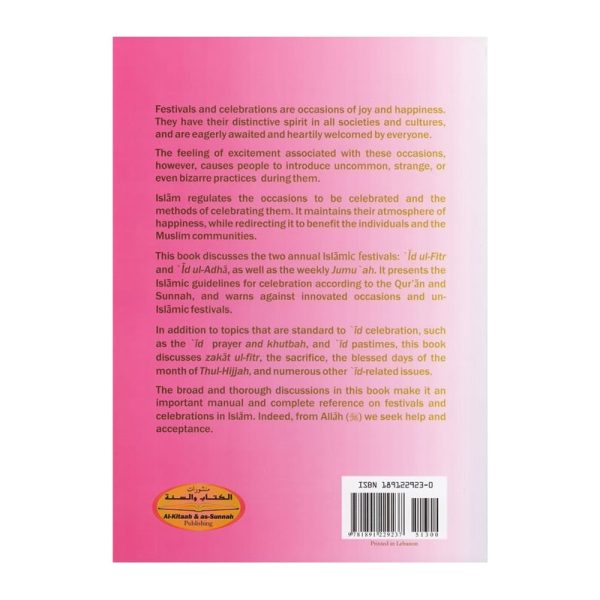
Festivals and celebrations are occasions of joy and happiness. They have their distinctive spirit in all societies and cultures, and are eagerly awaited and heartily welcomed by everyone.
The feeling of excitement associated with these occasions, however, causes people to introduce uncommon, strange or even bizarre practices during them.
Islam regulates the occasions to be celebrated and the methods of celebrating them. It maintains their atmosphere of happiness, while redirecting
This book discusses the two annual Islaamic festivals: Eid ul-Fitr and Eid ul-Adhaa as well as the weekly Jumu’ah. It presents the Islaamic guidelines for celebration according to the Quraan and Sunnah, and warns against innovated occasions and un-Islaamic festivals.
In addition to topics that are standard to ‘Id celebration, such as the ‘Id prayer and khutbah, and ‘Id pastimes, this book discusses zakat-ul-fitr, the sacrifice, the blessed days of the month of Thul-Hijjah, and numerous other ‘Id-related issues.
The broad and thorough discussions in this book make it an important manual and complete reference on festivals and celebrations in Islam. Indeed, from Allah (swt) we seek help and acceptance.
RM51.00
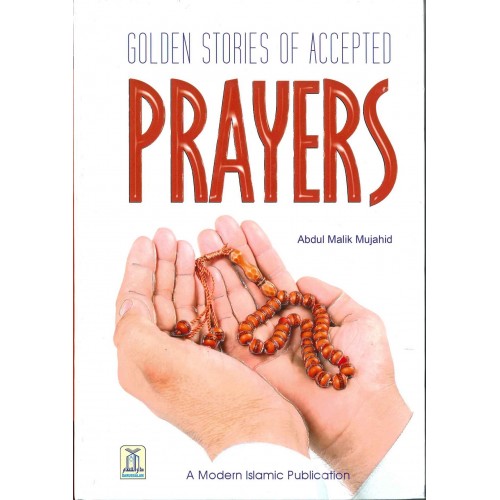
Golden Stories of Accepted Prayers
5 ★
5 ★
1 Rating
5 ★
1
4 ★
0
3 ★
0
2 ★
0
1 ★
0
Highlights:
What are invocations? In a real sense these are requests which come from the bottom of our hearts to Allah Almighty. Allah is always ready and happy to receive prayers from anyone at any time.
If you’re facing any difficulties or trouble you should immediately turn to Allah for help. The best invocations are those narrated by the Prophet (S). If you don’t speak Arabic, you can pray in your mother tongue.
When we pray we should feel assured that Allah will accept our requests. We should do so with complete sincerity and devotion.
Prayers can be made at any time, but there is a greater possibility our prayers will be accepted if we do so at specific times.
RM68.50
Closer Than A Garment (P/B)
4 ★
4 ★
1 Rating
5 ★
0
4 ★
1
3 ★
0
2 ★
0
1 ★
0
RM41.00
A Muslim Girl’s Guide To Life’s Big Changes (Ta-Ha)
4 ★
4 ★
1 Rating
5 ★
0
4 ★
1
3 ★
0
2 ★
0
1 ★
0
Highlights:
Motivational & Manners
RM35.00
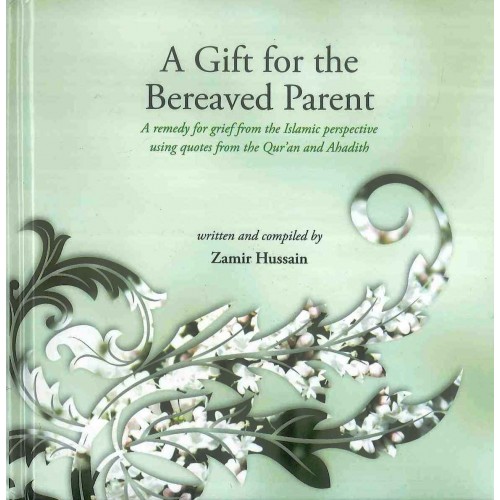
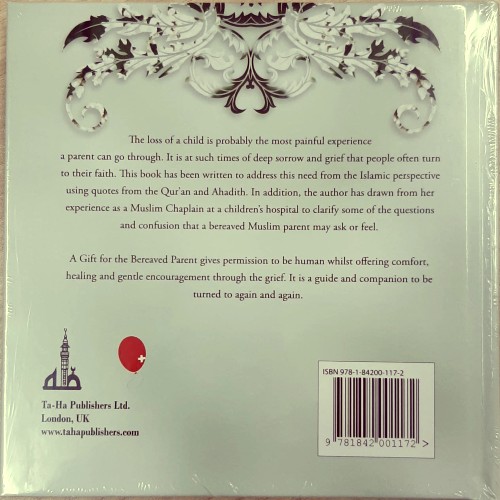
A Gift For The Bereaved Parent (H/B)
4 ★
4 ★
1 Rating
5 ★
0
4 ★
1
3 ★
0
2 ★
0
1 ★
0
Highlights:
Gift of Breaved Parent is critical as a Faith, It does not Follow that these stages are rearched systematically but one may alternate from one stage to another and take varying lenth of time. It is not Unusual for the pain to always to remain, Incresin in the Intensity as Some Event or Reminder renews the loss.
It is Essentials to know that People are Susceptible to Weakness and Emotion, It is natural that one sheds tears and has grief and sadness in the heart; that is valid and cannot be denied, therefore Nice tilte “A Gift for the Breaved Parents”.
RM40.00
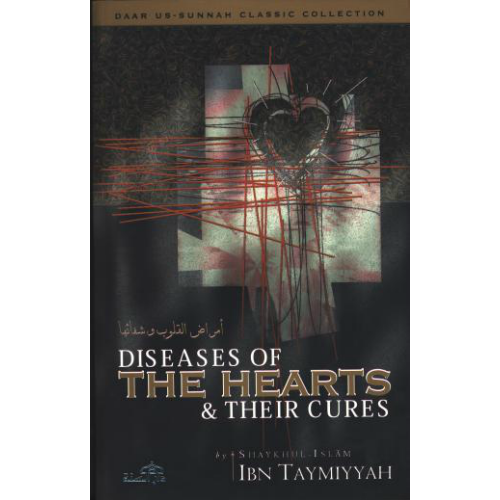
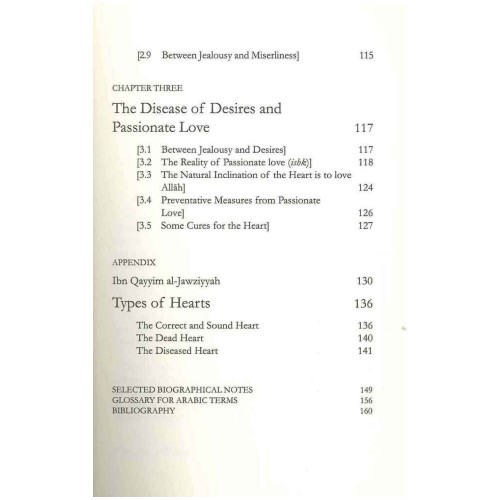
Diseases Of The Hearts & Their Cures (Dar as Sunnah)
4 ★
4 ★
1 Rating
5 ★
0
4 ★
1
3 ★
0
2 ★
0
1 ★
0
Highlights:
Translated by Abu Rumaysah “Know O beloved reader that it is most important to spend one’s time and energy in treating the heart, and hastening to correct and purify it from sickness and all sins. This is due to the heart occupying a great and lofty position in Islaam, for it is the place to which the Lord looks and the storehouse for tawheed, faith, and sincerity. Actions are distinguished, one from the other, with respect to their excellence in the Sight of Allah in accordance with the condition of the heart, not by their number or form, but rather due to the strength of the caller, his or her truthfulness, his or her sincerity and the extent to which he or she prefers Allah over himself or herself … Al-Haafidh ibn Hajr al-Asqalaanee, may Allah have mercy upon him and provide us with his knowledge, said: “The heart has been singled out for this because it is the leader of the body, and through the purification of the leader the subjects become purified, and with his corruption they become corrupted. So if you, O servant of Allah, with to cure your heart then it is upon you to be truthful with regards to seeking refuge with Allah and putting your trust in Him, to pray a great deal of superogatory prayers, to perform the actions of obedience to Allah frequently, to pray the night prayer while the people are sleeping, and to treat your heart by making it continuously stick to the remembrances and by befriending only the righteous … and to frequently recite the Qur’an. And Allah will indeed allow all of this to be preserved by him.”
RM54.00
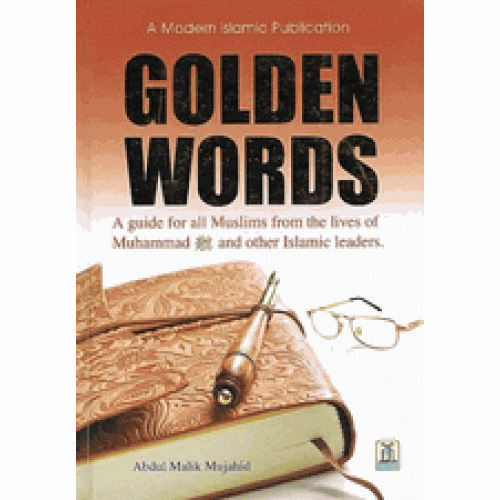
Golden Words (H/B)
5 ★
5 ★
1 Rating
5 ★
1
4 ★
0
3 ★
0
2 ★
0
1 ★
0
Highlights:
Islam has declared this world and life as a test case for human beings. To live a successful life, Allah SWT has sent His Divine Teachings to help humans understand what to do and what not. This book “Golden Words (Golden Stories) consists of short stories and incidents that occurred during the life time of Prophet (Peace be upon him), Rightly Guided Caliphs, Salf-us-Saleheen, renowned kings/ rulers and other shining stars of the Islamic history. The purpose of these short stories is simple; providing real-life lessons to the readers.
The book provides a clear understanding of our ancestors, their thorough and firm knowledge, their intelligence, proper comprehension, modesty, sacrifices and their endeavors to elevate the truth. This is particularly rewarding book for youngsters that will find it a helping hand in living as per Islamic principles.
RM90.00
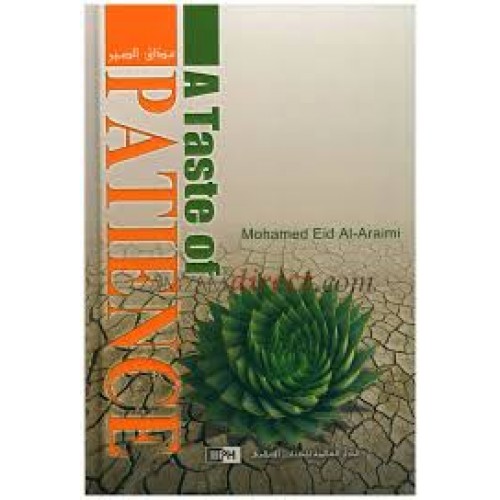
A Taste of Patience
3 ★
3 ★
1 Rating
5 ★
0
4 ★
0
3 ★
1
2 ★
0
1 ★
0
Highlights:
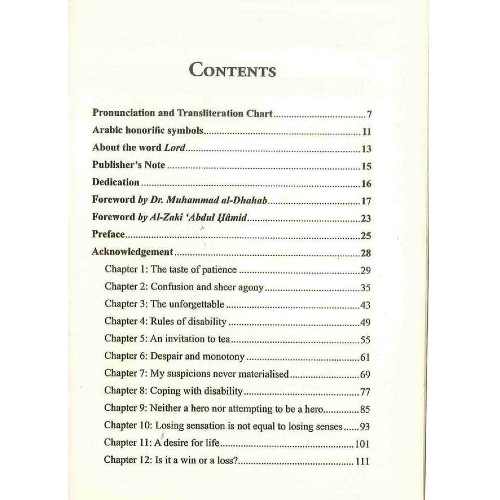
The writer is a survivor of an accident that altered his life. He is a man who managed to overcome adversity and transform bitterness into personal success, as his literary gains outweighed his physical restrictions. Where his physical condition limited his movements, his creative writing opened up a new horizon that enabled him to freely interact with his readers.
This is a real-life account of how a human being can overcome obstacles, giving effect to the epithet: ‘What does not kill me makes me stronger.’ The autobiography defines patience in two ways: first, as a bitter experience and then second, as the ability to tolerate and turn one’s misfortune into investment. The accident that the writer suffered has paralysed his body, but at the same time it has unleashed his writing talents. (Yousef el-Sharoni, Egypt)
RM38.00
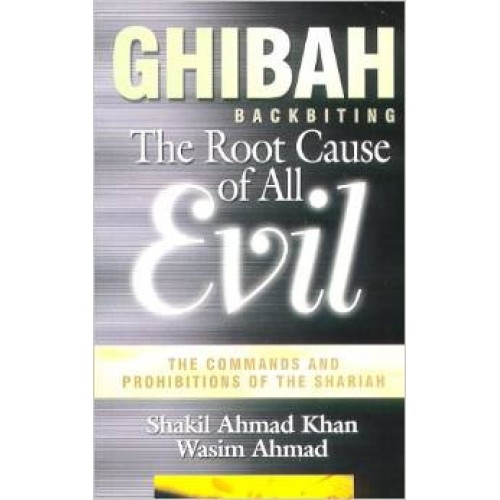
Ghibah (Backbiting) : The Root Cause of All Evil : The Commands and Prohibitions of the Shariah
Highlights:
Islam is a religion of peace, love, and compassion. Lies, suspicion, backbiting, slander, vain talk — all these are anathema to Islam. Indeed, such negative activity sows the seeds of enmity among the people and ultimately brings about the downfall of society. Backbiting (ghibah) in particular, according to the Qur’an, is not just a common social evil, but rather an abhorrent act, a major sin — the equivalent of eating one’s brother’s flesh.
Numerous ahadith of the Prophet Muhammed (pbuh) also underscore the complete futility, extreme loathsomeness and grave consequences of the deliberate misrepresentation of others. Backbiting, by the unanimous rulings of religious scholars (ijma) is forbidden, so that anyone who indulges in it is guilty of serious wrongdoing. Yet people have no qualms about engaging in this practice, flouting all prohibitions and strict commands.
Drawing upon important source material on the subjects of backbiting, false accusation (bhutan), and related issues, this book highlights the need to keep our society free of his ignoble malaise. To this end, it elucidates the relevant commands and prohibitions of the Shari’ah, so as to create in the minds of its readers a deep awareness of the sinfulness and ill effects of calumny.
By Shakil Ahmad Khan and Wasim Ahmad
RM16.00


33 Ways of Developing Al-Khushoo`: Humility and Devotion in Prayer
5 ★
5 ★
1 Rating
5 ★
1
4 ★
0
3 ★
0
2 ★
0
1 ★
0
Highlights:
Shaykh Muhammad Salih al-Munajjid’s little book is perhaps one of the most widely-circulated among Muslims today. This is because the topic touches worshippers where it hurts—we know that we often lapse into an automatic sort of prayer when we lose concentration. The Shaykh points out that this loss of concentration really stems from a lack of humility and devotion—in Arabic, khushoo‘. His aim in writing this book is to help us to get back that khushoo‘. His step-by-step approach makes it simple. He gives practical advice and uses the excellent example of the prayer of the Messenger of Allah (blessings and peace be upon him) to guide us, so that as worshippers, we can truly return to a state of humility and devotion before the Lord.
RM15.00
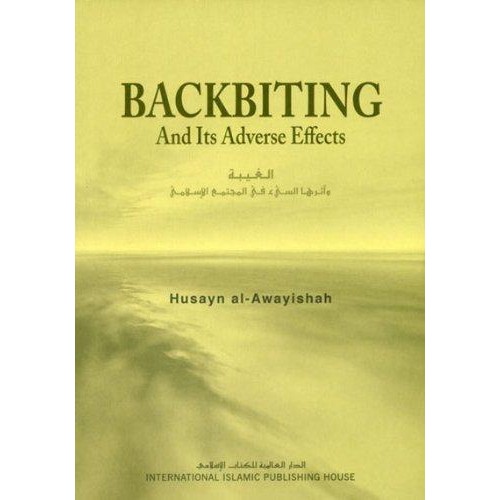
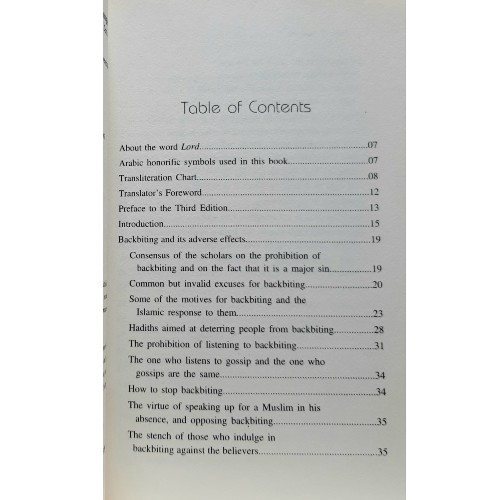
Backbiting and Its Adverse Effects
4 ★
4 ★
1 Rating
5 ★
0
4 ★
1
3 ★
0
2 ★
0
1 ★
0
Highlights:
This is a revised and updated edition of Backbiting (formerly entitled Gossip and its Adverse Effects). The translator, Huda Khattab, explains: The Qur’an states: {…nor speak ill of each other behind their backs. Would any of you like to eat the flesh of his dead brother? No, you would abhor it…} (Qur’an 49: 12) We cannot escape the fact that backbiting affects us all. We have all been victims and, we must be honest, we have all been guilty of this sin. But it is not a matter to be taken lightly; backbiting can wreck lives and shatter communities. Islam is a practical faith that recognizes the human condition and offers achievable remedies to the problems that beset us. Every human society faces the problem of backbiting, and Islam shows us how to tackle it in a sensible and humane manner. Husayn al-Awayishah has researched this topic in depth, and has presented a concise guide to the evils of backbiting and what can be done about it. This book may make for uncomfortable reading, but the topic is one that every one of us has to face up to.
RM11.00
Recently Viewed
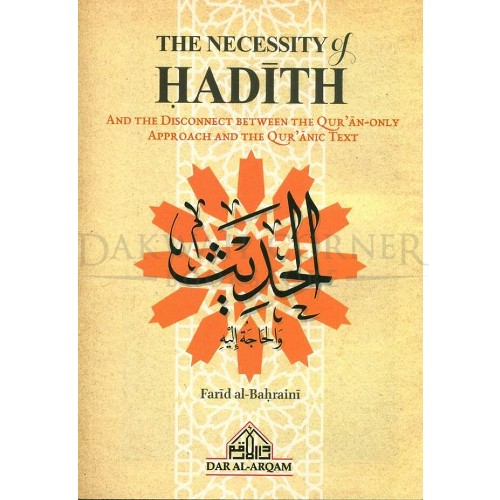
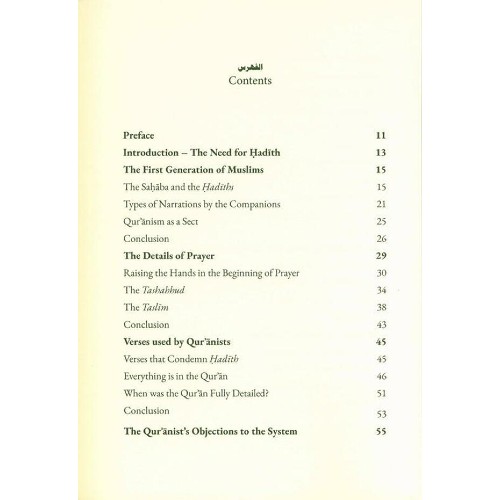
The Necessity of Hadith
Highlights:
Imagine a religion in which its adherents openly reject every saying, action, and event surrounding their Prophet &$. It is a Qur’anist’s reality. What exactly would lead to this stance, this scepticism, towards haduh? What would cause a Muslim to reject the teachings of the Prophet ¿E that he adores?! Everything about Islam is questionable without hadiths. What exactly do we know about the Prophet of Islam 2 without hadiths? Never mind his biography, we can’t even ascertain his identity. The Qur’än only identifies him as Muhammad (Q. 3:144). Couldn’t this be referring to Muhammad bin Maslama d. 43 AH) instead of Muhammad bin ‘Abdilläh (d. 11 AH)? This book is directed to hadith-rejecters, to Muslims in general that are on the fence, as well as to conservative Muslims that seek to reaffirm their stance in regards to the authority of hadiths.
RM36.00
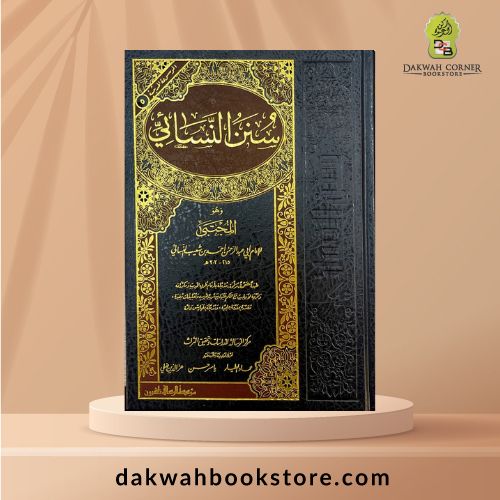
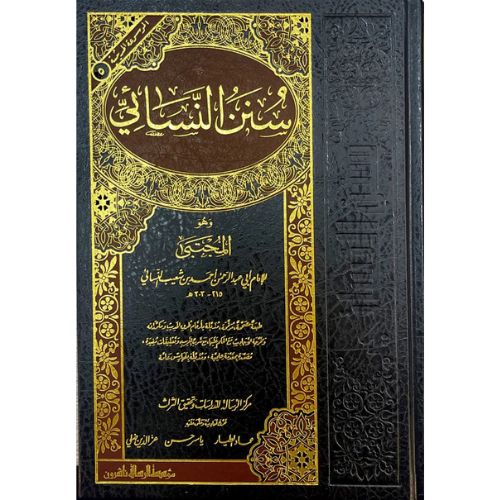
[HH] Sunan An Nasai (Ar Risalah Naashirun) / سنن النسائي
Highlights:
سنن النسائي هو أحد أهم كتب الحديث النبوي الشريف، ويُعرف رسمياً باسم “السنن الصغرى” أو “المجتبى”، وهو أحد دواوين “الكتب الستة” المعتمدة عند أهل السنة والجماعة.
RM160.00
Awesome Quran Facts (H/B)
Highlights:
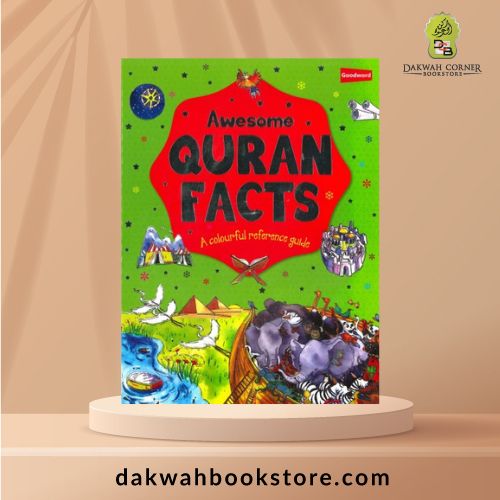
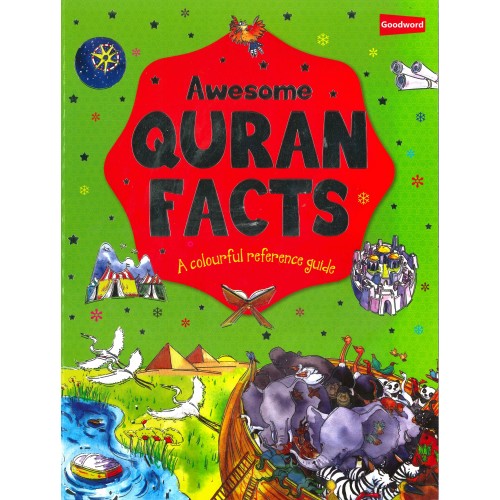
Awesome Quran Facts is a collection of hundreds of incredible, heartwarming and inspiring facts about the people, places, and events mentioned in the Quran.
It is ideal for children who are curious to know the facts behind these magnificent and amazing stories of faith and it brings the message of the Quran alive to readers in an easy and fun way. These interesting facts come with stunning photographs and captivating illustrations.
RM45.00
Ranks of the Fearful (P/B)
Highlights:
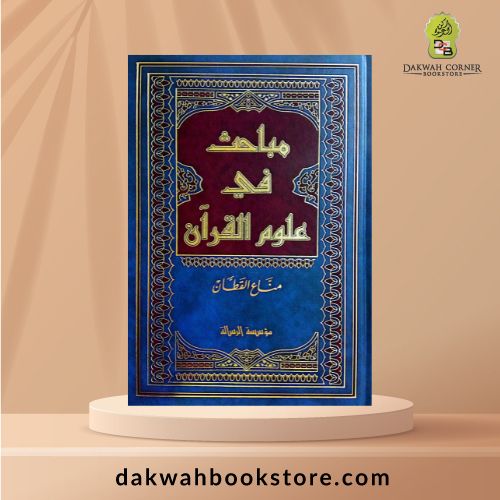
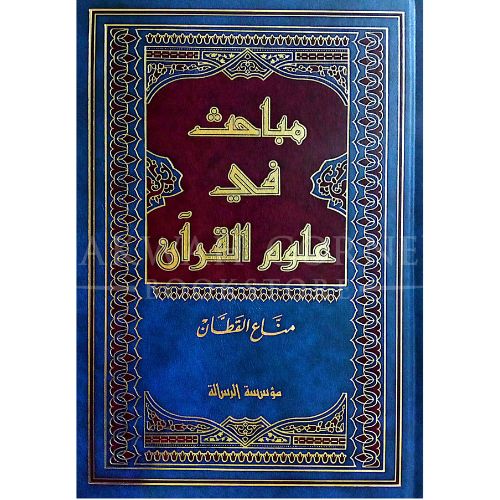
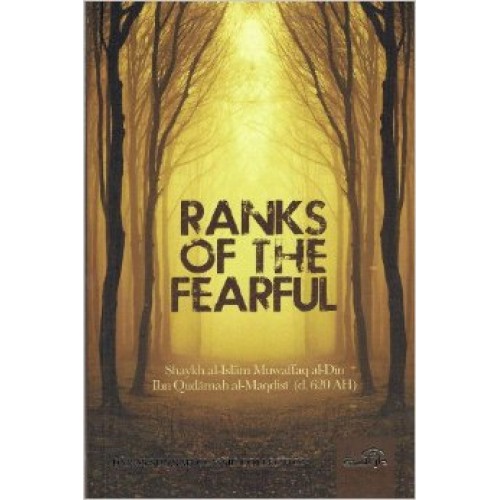
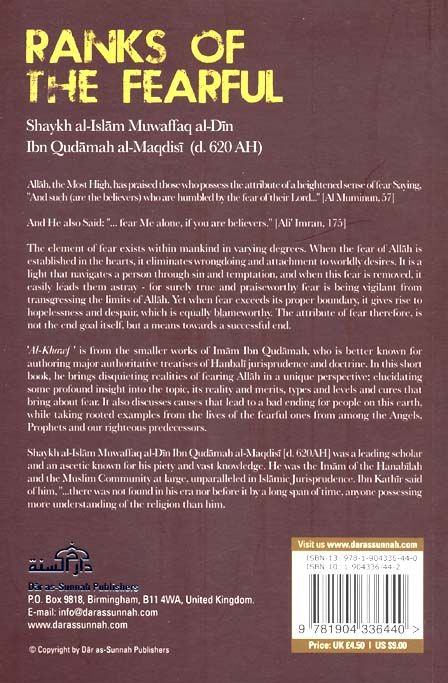
Ranks of The Fearful by Shaykh Al Islam Muwaffaq Al Din Ibn Qudamah Al Maqdisi (Died 620 Hijri) Allah, the Most High, has praised those who possess the attribute of a heightened sense of fear Saying, “And such (are the believers) who are humbled by the fear of their Lord…” (Al Muminun, 57) And He also Said: “… fear Me alone, if you are believers.” (Ali’ Imran, 175) The element of fear exists within mankind in varying degrees. When the fear of Allah is established in the hearts, it eliminates wrongdoing and attachment to worldly desires. It is alight that navigates a person through sin and temptation, and when this fear is removed, it easily leads them astray – for surely true and praiseworthy fear is being vigilant from transgressing the limits of Allah. Yet when fear exceeds its proper boundary, it gives rise to hopelessness and despair, which is equally blameworthy. The attribute of fear therefore, is not the end goal itself, but a means towards a successful end. ‘Al-Khawf ‘ is from the smaller works of Imam Ibn Qudamah, who is better known for authoring major authoritative treatises of Hanbali jurisprudence and doctrine. In this short book, he brings disquieting realities of fearing Allah in a unique perspective; elucidating some profound insight into the topic, its reality and merits, types and levels and cures that bring about fear. It also discusses causes that lead to a bad ending for people on this earth, while taking rooted examples from the lives of the fearful ones from among the Angels,Prophets and our righteous predecessors.
RM44.00
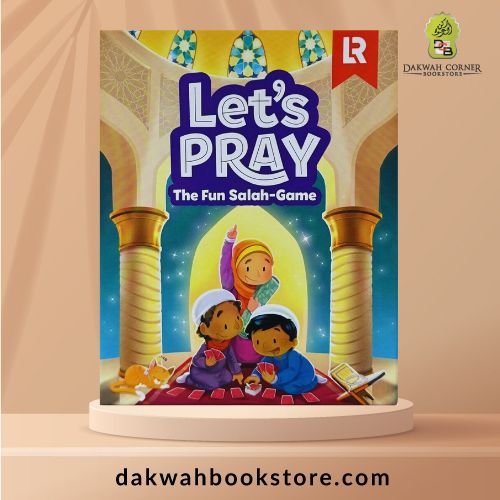
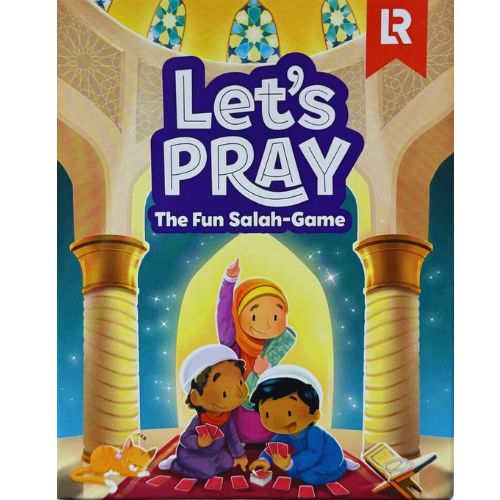
Let’s Pray: The Fun Salah Game
Highlights:
Salah is a blessing, not a burden. And the way in which we teach Salah can have a great impact on our children. Let’s pray makes learning Salah fun and enjoyable so it sticks for life.
RM87.00
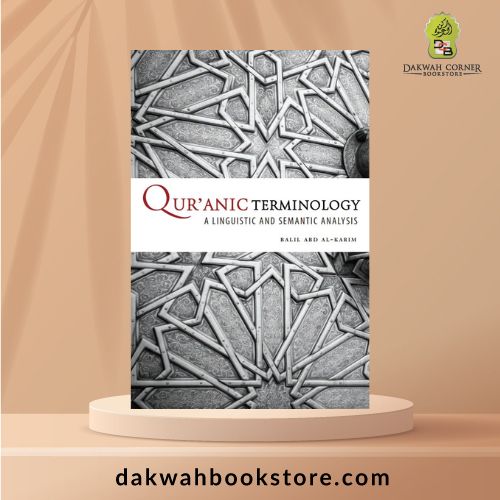
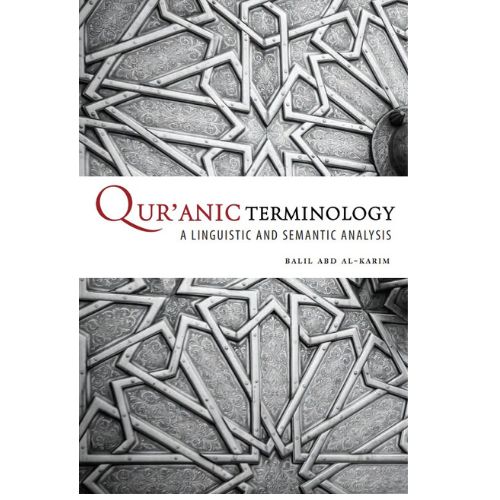
Qur’anic Terminology a Linguistic and Semantic Analysis (IIIT)
Highlights:
There is no way to understand the Qur’an properly, or to elucidate as accurately as possible the meaning of its verses, without studying Qur’anic terminology and concepts. Taken together these sum up the universal truth of the Faith (the great moral code), not only animating the text and giving it incredible life, precision, and flexibility, but also enriching the communication of the Qur’anic message through their beautiful and comprehensive nature.
RM67.00
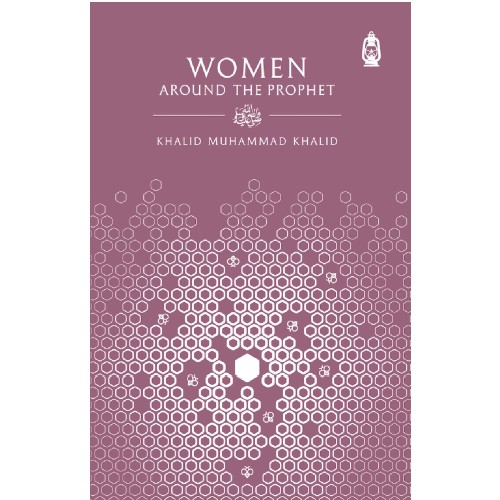
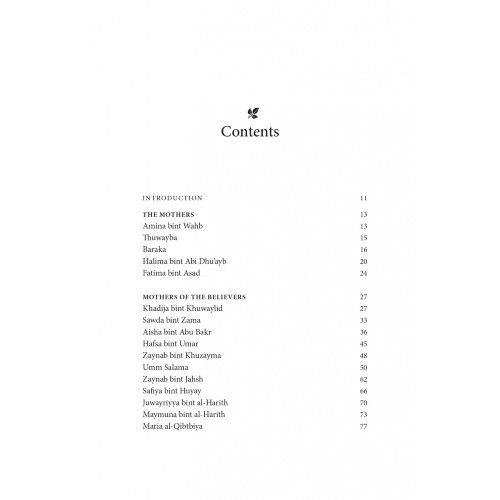
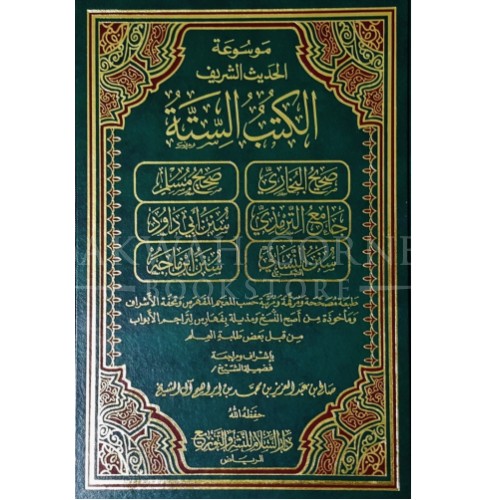
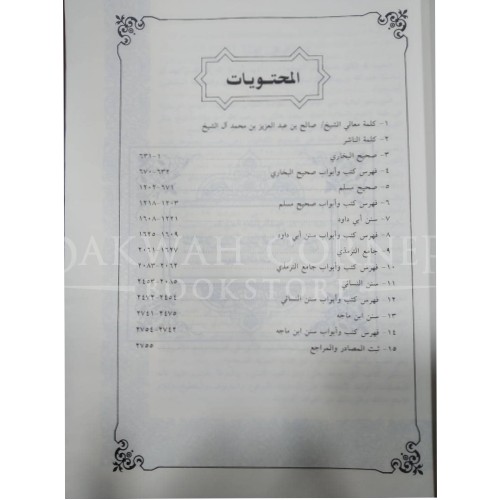
[HH] Al-Kutub Al-Sittah (موسوعة الحديث (الكتب الستة
Highlights:
Al-Kutub Al-Sittah: 6 Sahih Hadith Books ARABIC IN 1 VOLUME
This is a unique collection book that includes the whole six books of Sahih Hadith of:
1- Sahih Al-Bukhari
2- Sahih Muslim
3- Sunan Abu Dauod
4- Jame’ At-Termidhi
5- Sunan An-Nasa’ie As-Sughra
6- Sunan Ibn Majah
The Text includes the Tashkeel or Harakat
This edition is corrected, numbered and ordered according to the (Mu’jam Mufahras & Tuhfat Al-Ashraf). This edition is taken from the most authintic sources, and includes tables of chapters’ discriptions, hadith & traces’ ends which were collected by some students of knowledge.
RM500.00
There are no reviews yet.