| Weight | 0.65 kg |
|---|---|
| Dimensions | 22.7 × 15.4 × 1.5 cm |
| Author | |
| Binding | Paperback |
| ISBN | 9789832957225 |
| Pages | 251 |
| Publisher | IIUM Press |
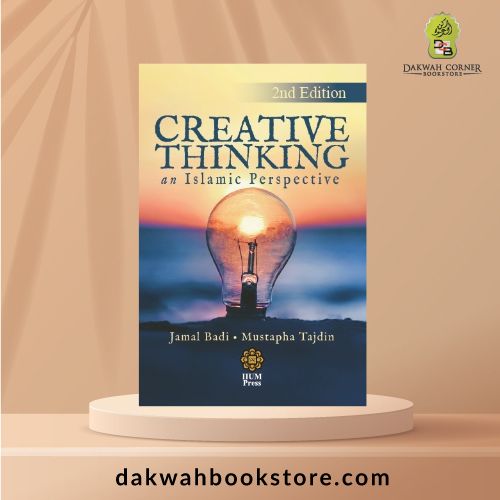
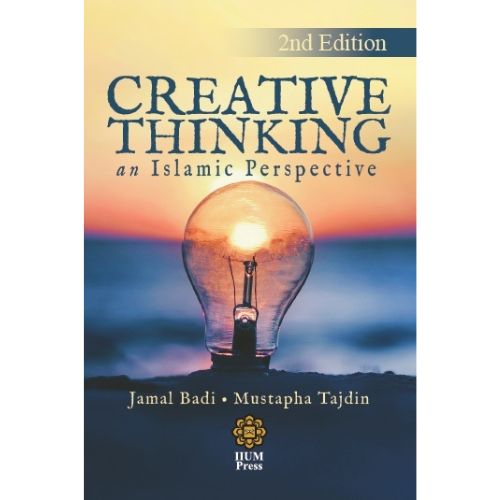
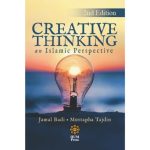
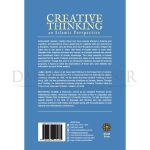
Creative Thinking An Islamic Perspective (2nd Edition)
RM41.00
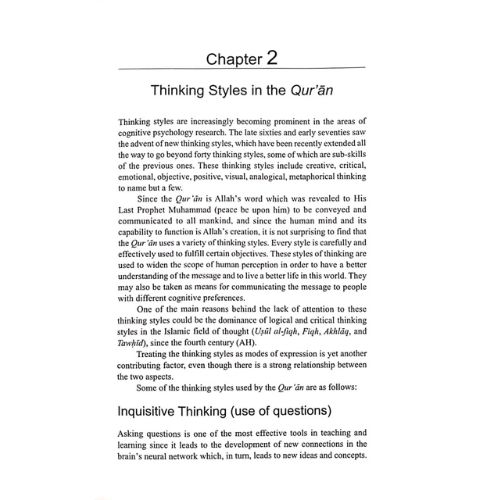
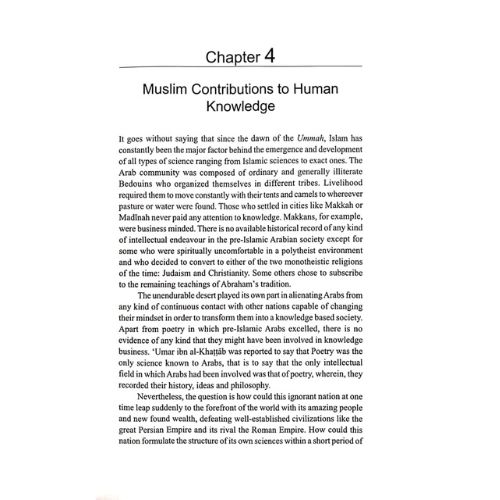
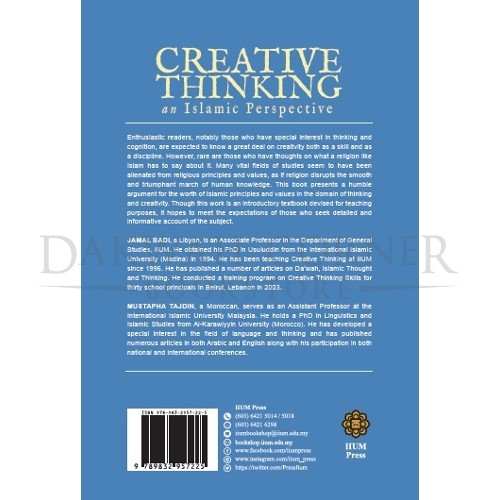
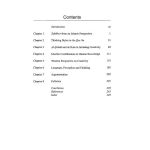
Enthusiastic readers, notably those who have special interest in thinking and cognition, are expected to know a great deal on creativity both as a skill and as a discipline. However, rare are those who have thoughts on what a religion like Islam has to say about it. Many vital fields of studies seem to have been alienated from religious principles and values, as if religion distrupts the smoth and triumphant march of human knowledge. This book presents a humble argument for the worth of Islamic principles and values in the domain of thinking and creativity. Though this work is an introductory textbook devised for teaching purposes, it hopes to meet the expectations of those who seek detailed and informative account of the subject.
Frequently Bought Together
Be the first to review “Creative Thinking An Islamic Perspective (2nd Edition)” Cancel reply
You must be logged in to post a review.
You may also like…
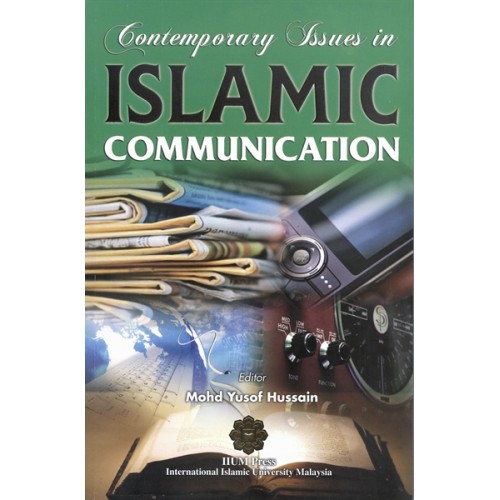
Contemporary Issues In Islamic Communication
The book contains a collection of essays on issues that are of concern to Muslim media and scholars and practitioners. The issues are those that are constantly highlighted in the mass media in the Muslim world. All the issues are discussed from the Islamic perspective. The main purpose of the book is to give readers a clear understanding of how Muslims view contemporary issues that are reported and discussed in present day mass media. The book is written for students majoring in communication at the International Islamic University Malaysia. It is also useful for students taking courses on communication issues in other universities.
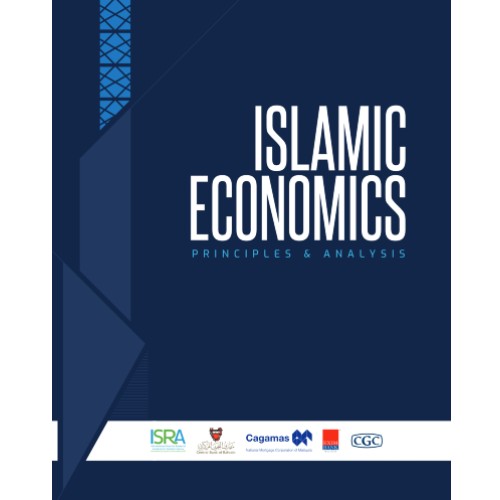
Islamic Economics : Principles & Analysis (P/B)
Economics is a social science that studies the behaviour and interactions of economic agents and analyses how economies work at the macro- and micro-levels. It studies production, distribution and consumption of goods and services, identifies economic problems and phenomena, and addresses economic questions from a positive perspective (what is) as well as a normative (how it should be) perspective. Islamic economics examines the same areas as its conventional counterpart. However, it involves the application of Sharīʿah to the different economic functions and issues. It is postulated that Islam offers a better approach compared to conventional economics in managing economic activities and solving economic and social issues.
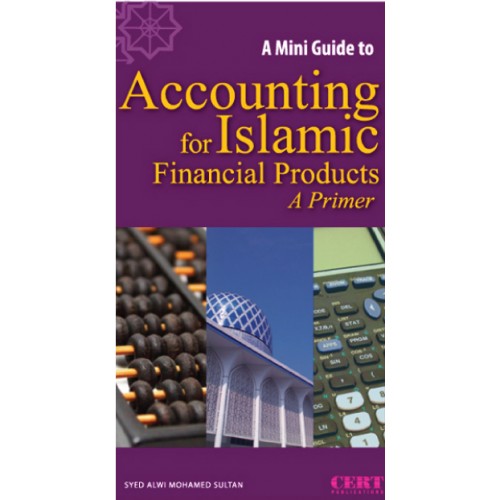
A Mini Guide to Accounting for Islamic Financial Products – A Primer (Pocket size) (P/B)
This “A Mini Guide to Accounting for Islamic Financial Products” starts with the development of Islamic finance as well as accounting standards and development of AAOIFI which aims to develop standards on accounting, auditing, ethics and governance and disseminate them on the target market.
The guide also highlights selected accounting issues addressed by AAOIFI : substance over form, prudence, mudarabah investment accounts and asset valuation. This is followed by how information of financial statement of an Islamic bank helps its major users, like equity holders, holders of investment accounts, regulatory agencies and others.
The guide also points out the main differences in the presentation of financial statements of Islamic Financial Institutions. Among them are: how assets are defined and inclusion of equity of unrestricted investment account holders. The differences arise as a result of utilizing a Shari’ah compliant contract to bring into effect a particular product.
The last section discusses some of the more popular contracts such as murabahah, istisna’, ijarah, mudarabah and musharakah. A few case studies are also incorporated for different contracts to give more understanding on the topic to the readers.
Related Products
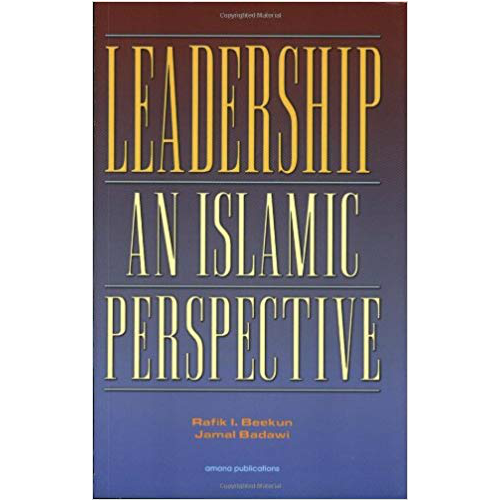
Leadership: An Islamic Perspective
Beekun and Badawi, both professors of management and strategy, have written this primer on leadership integrating contemporary business techniques with traditional Islamic knowledge. The leadership paradigm is changing, and a leadership model based on ethical principles is finally emerging-a position that Islam has taken from the start. The synthesis of the authors results in a highly practical and inspiring manual for developing leadership skills.
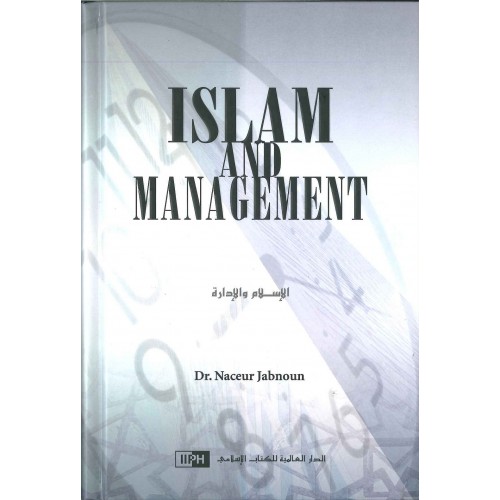
Islam and Management
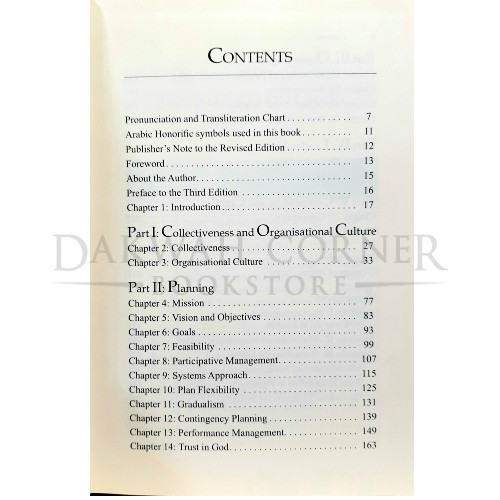
In their pursuit for organizational improvement, modern managers have been searching for effective management theories and practices in both the East and the West. The interest of managers has expanded beyond contemporary management schools to include even ancient ones. Nevertheless, little attention is currently paid to the Islamic management approach, one that has far outperformed its contemporaries and left indelible marks on the minds of innumerable researchers, leaders, and managers that have followed. Islam and Management will shed light on the Islamic approach to management and delineate important lessons from the teachings of Islam and the experiences of Muslims. People who should read this book include all managers seeking to enhance the effectiveness of their organizations. This book is particularly important for Muslim managers who will find its approach to be coherent with their cultural values. Topics covered in this book include organizational culture, planning, organizing, leading, motivating, controlling, competition, conflict management, and human resource management. This book also includes a chapter on the enriching leadership of ‘Umar ibn al-Khattâb, the second caliph of Islam. The hardcover version of this book that we have for sale is the revised 3rd edition, published in 2011.a
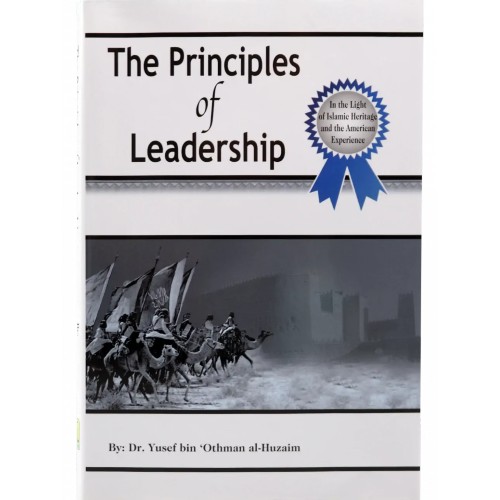
The Principle of Leadership (H/B)
In this work entitled The Rudiments of Leadership: The American Attempt in the Light of Islamic Heritage, Dr Yusuf bin Uthman al Huzaim offfers and insightful awareness of the many theories and practices of leadership deriving from Islamic heritage and the modern American experienc
The Higher Objectives of Humanity
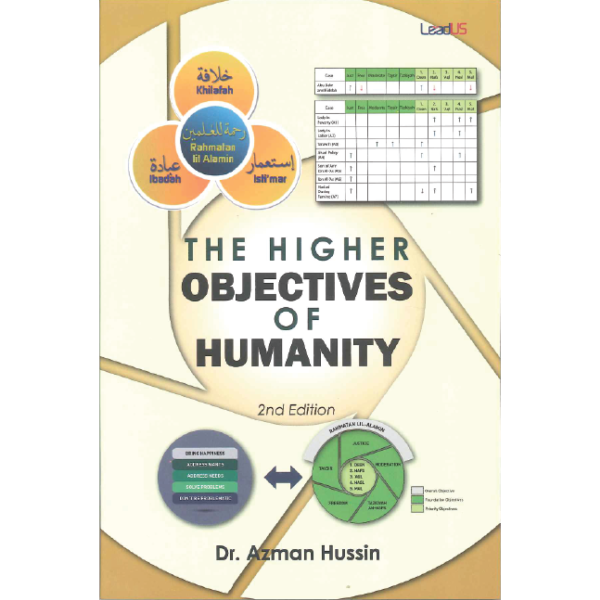
A video summary of this book can be found here: https://www.youtube.com/watch?v=YdNQxv_ODdc&t=26s This book discusses the why, what and how of Rahmatan lil-Alamin as the higher objective of humanity. It presents a practical understanding of the purpose of creation and humanity to improve the individual and collective well-being of Muslims and society. The intention is to re-introduce and re-emphasize the correct Islamic perspective of humanity. The first five chapters revisits the common understanding among Muslims as to why mankind is created. We show that the prevalent view that we are created to worship Allah (SWT) is incomplete. There is a higher and more noble purpose; Rahmatan lil-Alamin (mercy to the worlds). We next describe the what of Rahmatan lil-Alamin. The best role model of Rahmatan lil-Alamin is undoubtedly Prophet Muhammad (SAW), the last and final prophet and messenger, whom Allah (SWT) sent with a very clear purpose, “And We have not sent you but as a mercy to the worlds.” [21:107]. We present many examples from the history of Prophet Muhammad (SAW) and a collection of his (SAW) sayings and advice on being the best. The final chapters of the book deal with the how of Rahmatan lil-Alamin. We describe in detail how the Muslim can apply Rahmatan lil-Alamin daily in his or her life. We propose a practical model of Rahmatan lil-Alamin that we induced from the Quran. We also addressed how to apply Rahmatan lil-Alamin to a broader society by proposing a decision-making tool that can guide us as persons and as communities to make decisions that conform to the foundations and priorities of Rahmatan lil-Alamin. We present case studies from the history of the Companions using this decision-making model. This book seeks to establish a connection between Islam and civilization within a civilizational and ethical framework. We believe that a more proper and complete understanding of the Islamic view about humanity may present to us new perspectives of Islam and how Muslims should engage with fellow Muslims and people of other faiths. In fact, the implication of this new reinterpretation framework goes even further in that: any human civilization built on this framework is the most prosperous for the whole and also for the individuals in it.
A Fairer World Is Possible
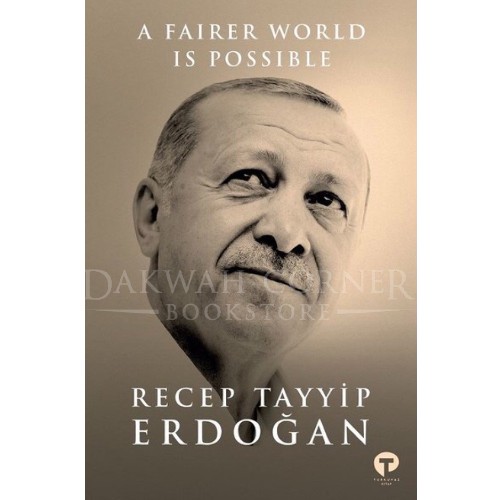
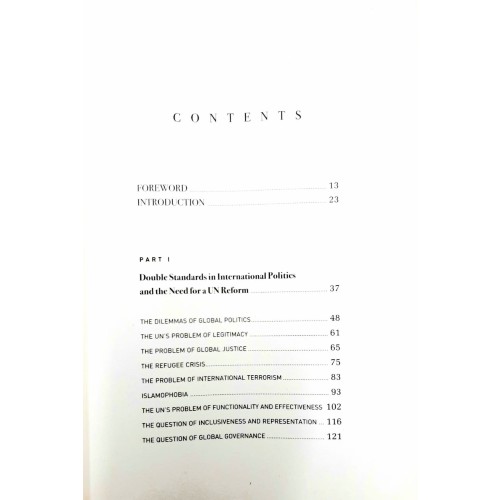
“IT IS NEITHER MORAL NOR FAIR FOR JUST FIVE NATIONS TO MAKE DECISIONS ON ISSUES THAT COULD INFLUENCE THE FATE OF THE WORLD. THE WORLD IS BIGGER THAN FIVE COUNTRIES”.
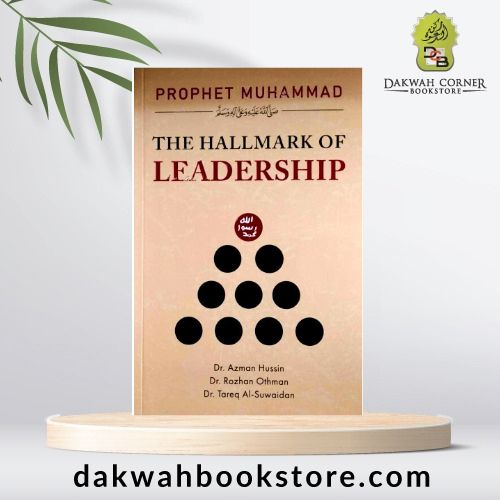
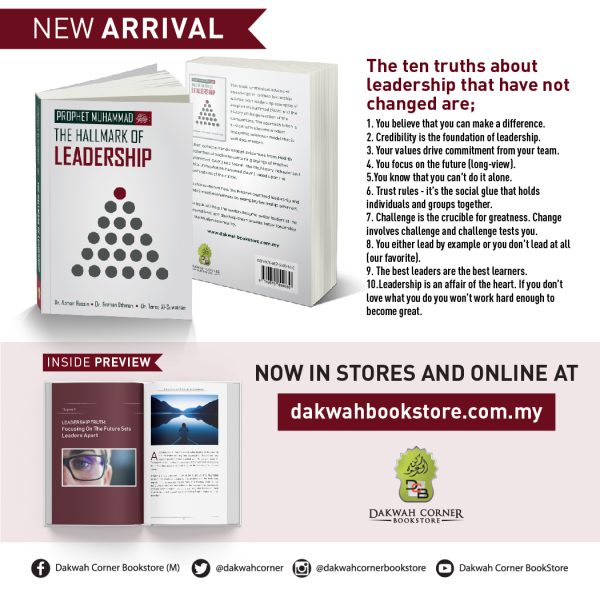
The Hallmark of Leadrship (new cover)
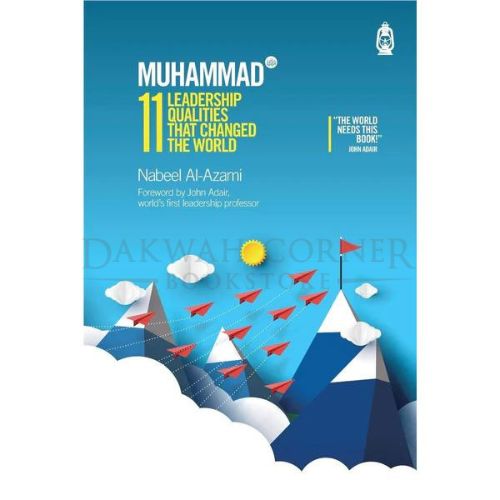
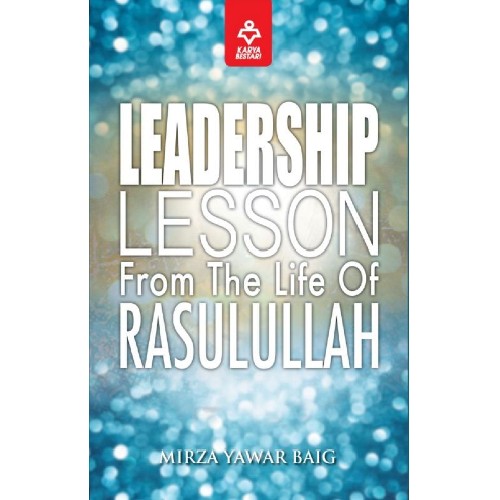
This book synthesizes advanced knowledge in modern leadership science with leadership examples of Prophet Muhammad (SAW) and the history of the generation of his Companions. The approach this book follows is to start with a known modern leadership reference model that is well documented.
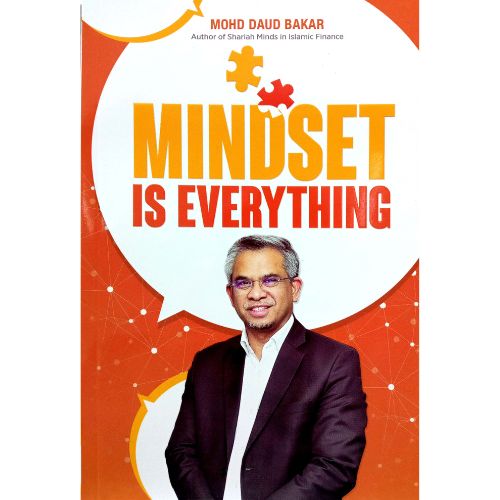
Mindset is Everything
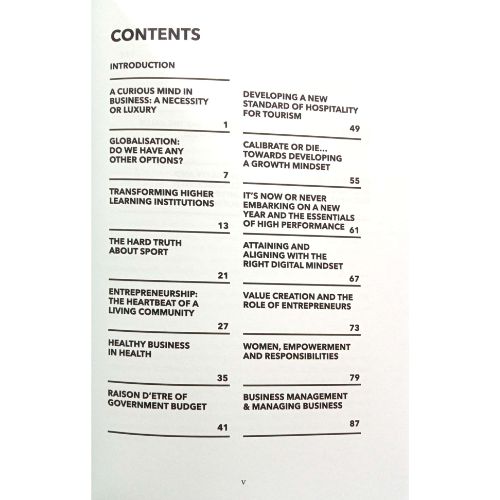
Learn the important advice and strategies on building the right mind-set all in one compilation. Grow and think alongside Datuk Dr Mohd Daud Bakar in his mission to motivate and drive the inquisitive young business minds.
A Compilation of 23 articles from Datuk Dr Mohd Daud Bakar’s Mindset column in Malaysian Business.
Recently Viewed
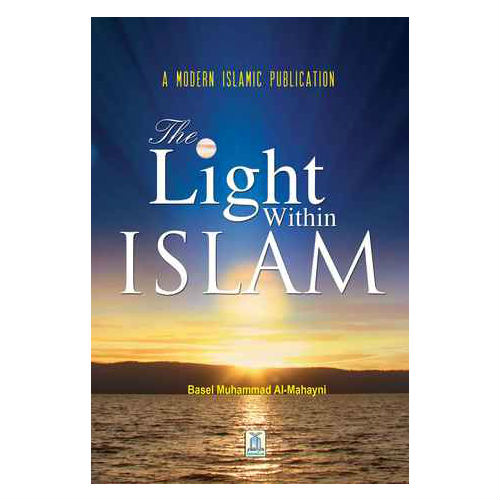
The Light Within Islam
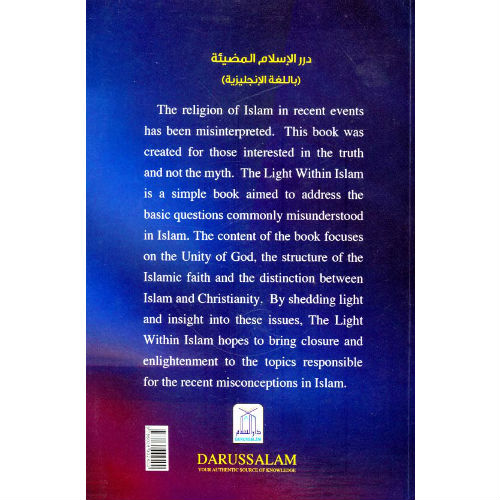
The religion of Islam in recent events has been misinterpreted. This book was created for those interested in the truth and not the myth. The Light within Islam is a simple book aimed to address the basic questions commonly misunderstood in Islam. The content of the book focuses on the Unity of God, the structure of the Islamic faith and the distinction between Islam and Christianity. By shedding light and insight into these issues, The Light within Islam hopes to bring closure and enlightenment to the topics responsible for the recent misconceptions is Islam.
Our Precious Sprouts (H/B)
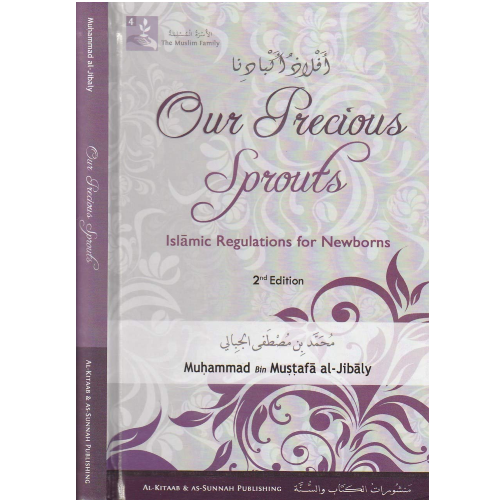
This sequel deals with the normal fruit of marriage: babies. It covers the Islamic regulations relating to a newborn. This includes welcoming the baby, naming it, shaving its hair, circumcising it, and slaughtering the sacrificial ‘aqiqah.
Fiqh Course: Tahaarah, Salaah & Janaa’iz
This course was compiled for English-speaking Muslims and is especially beneficial for new Muslims. It covers tahârah (purification), salâh (prayer) and janâ‘iz (funerals). It is set out in an easy-to-understand manner, citing evidence from the Qur’an and authentic hadiths. The aim of this book is to provide the reader with a correct, yet uncomplicated guide to the performance of the aforementioned acts of worship. Allah willing, it is the first in a series which will cover all aspects of worship and Islamic jurisprudence.
Scholars of Hadith (P/B)
This book presents an extensive, in-depth analysis of great Muhaddithun (scholars of the science of Hadith). Each chapter presents detailed biographies of Malik b. Anas, Ibn Hanbal, al-Bukhari, Muslim, al-Tirmidhi, Abu Dawud, an-Nasai, Ibn Majah, ad-Darimi and al-Bayhaqi along with the methods they used in Hadith collection and classification. This work is especially important in today’s world where many Muslims have a dire need to connect with the great corpus of work that was produced by the scholars or traditional Islam. A work such as Scholars of Hadith has been long overdue in the English language and it will certainly make for productive reading for all interested in deepening their knowledge of Islam.


There are no reviews yet.