


| Weight | 0.23 kg |
|---|---|
| Dimensions | 21 × 13.9 × 1 cm |
| Product Type | Book |
| Author | |
| Publisher | Darussalam |
| ISBN | 9960861422 |
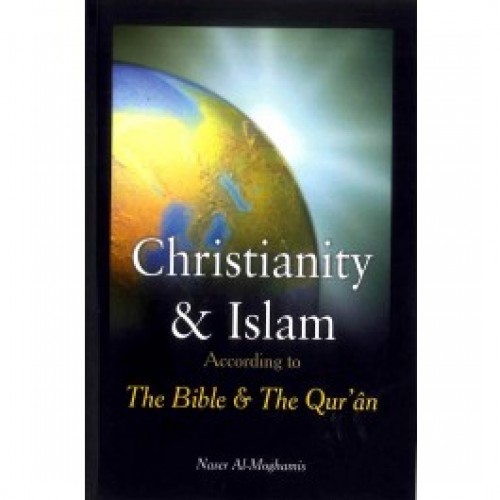
Christianity & Islam
RM14.00
Hurry up, Only 3 left.

Highlights:
somdn_product_page
Compare
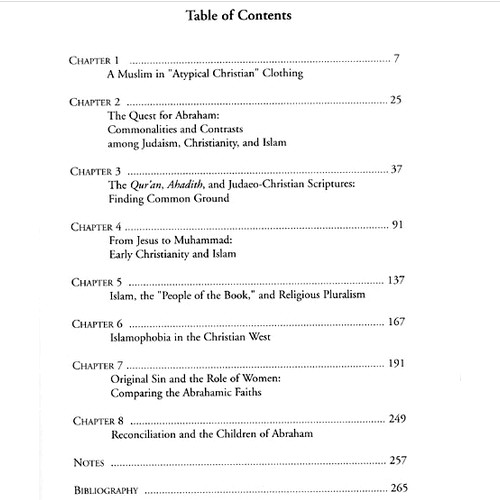
The Bible is the basis for the teachings of Christianity, and the Quran.
Additional information
Reviews (0)
Be the first to review “Christianity & Islam” Cancel reply
You must be logged in to post a review.
Related Products
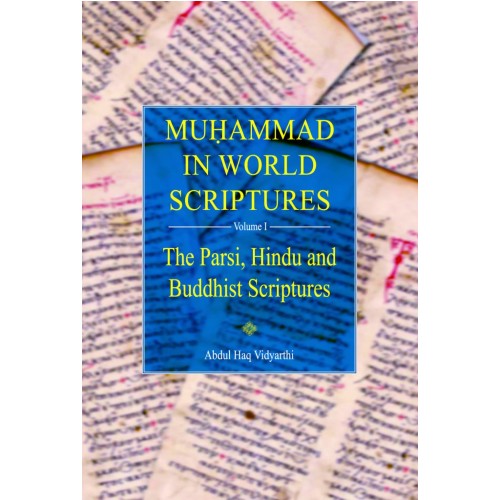
Muhammad in World Scriptures: Volume I (IBT)
Highlights:
This is the first volume of the series on the Prophet Muhammad as found in world scriptures. The author, a scholar of the Vedas and comparative religion, argues that numerous prophecies of the coming of the Holy Prophet are found in the Parsi (Zoroastrian), Hindu and Buddhist scriptures. He attempts to illuminate these prophecies and explains the rationale of his conclusions.
RM34.00
British Secularism and Religion (P/B)
Highlights:
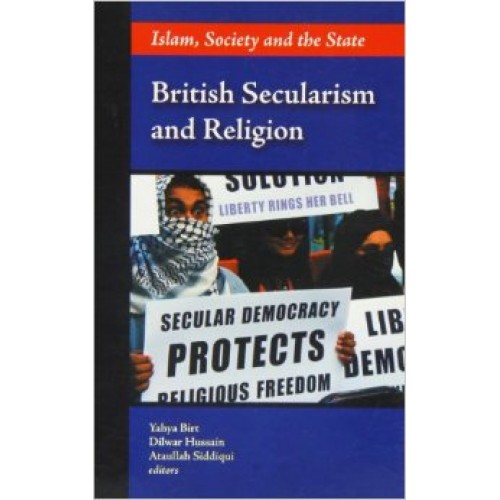
This interesting, topical and sometimes heated, conversation among theologians, social scientists and policy experts on British secularism helps to shed vital light on the challenges of accommodating religious minorities and majorities within modern societies. The contributors question a number of received assumptions about the public role of religion, and also challenge traditional Muslim suspicions of secularism, thus succeeding in moving the debate on Islam in Britain, and secular polities in general, to new and very promising ground. This is a vital contribution to ongoing topical debates on secularism, pluralism, inclusion and the direction modern societies should take. Dr. Abdelwahab El-Affendi, University of Westminster Religious voices in favour of secularism are often absent from the debate on religion and politics. But as a political attitude that will guarantee freedom of belief for all, secularism is relevant to all. This volume – though non-religious secularists may find much to challenge within it – is a welcome contribution to this most important of modern debates. Andrew Copson Chief Executive, British Humanist Association –Commissioned
This volume on the role of Muslims in British society very helpfully addresses two concepts about which there is currently much confusion, namely secularism and secularity. The fact that it does this in conversation with some of the other interested parties, namely Jews and Christians, and that it seeks to combine specifically religious, or theological, and political, or social-scientific, approaches, means that it will be of interest to both theoreticians in the academy and practitioners in different areas of society, and it therefore deserves a wide readership. Professor Hugh Goddard, Director of the HRH Prince Alwaleed bin Talal Centre for the Study of Islam in the Contemporary World, University of Edinburgh –Commissioned
The question of the relationship between politics and religion tends to generate more heat than light, especially when the focus is on Islam. This book, with its careful analysis and respect for facts, helps dispel the smoke. It is an invaluable contribution to the public debate, especially in the British context, and will assist people of good will – of all faiths and none – to clarify their own thoughts about ‘the secular state’. Dr. Brian Klug Senior Research Fellow & Tutor in Philosophy, St. Benet’s Hall, Oxford –Commissioned
RM51.00
Muhammad In World Scriptures: Volume II (IBT)
Highlights:
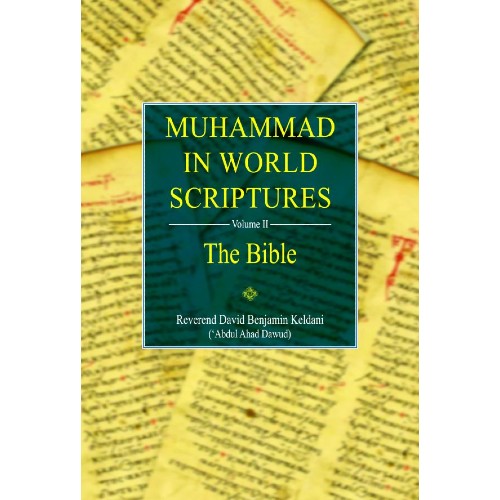
This is the second volume of the series on the Prophet Muhammad as found in world scriptures. While the first volume explores the Parsi, Hindu and Buddhist scriptures, this volume explores what the Bible says about the Holy Prophet of Islam. Written some hundred years ago by a Christian priest who converted to Islam, this book helps readers understand the absolute unity of God and the ultimate source of all revealed Scriptures.
RM34.00
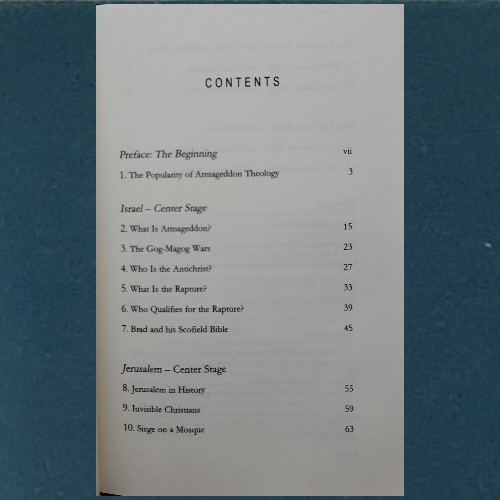
Forcing God’s Hand (P/B)
Highlights:
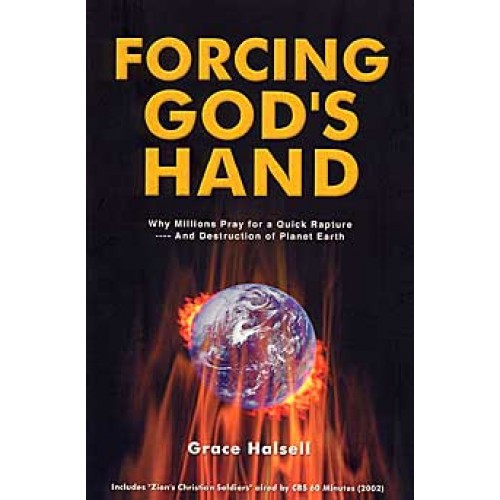
n her startling book, Forcing God’s Hand: Why Millions Pray for a Quick Rapture and the Destruction of Planet Earth, Grace Halsell explores the danger of a new religious doctrine sweeping America. Adherents to this doctrine are said to constitute the fastest growing movement in Christianity today. The cult members look like your average next- door neighbors. They are middle to upper-class Americans. Its leaders proclaim that God wants—even demands—that Planet Earth be destroyed in our generation.
Fundamentalist Evangelicals believe there will be catastrophic events on earth, some occurring already, including the turmoil in the Middle East, culminating in the Battle of Armageddon in which Christ will triumph and begin ruling the earth. At this point, they believe, non-believers will be destroyed, good Christians saved and any remaining Jews converted to Christianity. By praying for their Rapture and the End of Time, might they Force the Hand of God–to bring it about?
“What’s the number-one item on the agenda of the Christian right? Abortion? School prayer? No and no. Believe it or not, what’s most important to a lot of conservative Christians is the Jewish state, Israel; its size, its strength, its survival. Why so?” CBS 60 Minutes (read inside)
“God save us from these people,” Yossi Alpher, Israeli political analyst, to CBS 60 Minutes.
“A great expose’ of the strange marriage of convenience between the U.S. Christian Right and Israel. Neither likes the other- but they use one another. It’s not about religion, but about politics. I highly recommend this book for exposing the hypocrisy.” Dr. Alfred Lilienthal, Author-Historian
“Halsell exposes Falwell’s Christian tours as having only one purpose: to raise money for Falwell and Israel, under the guise of preparing the pilgrims for the approaching Armageddon. An excellent book.” Gore Vidal, Author
RM55.00
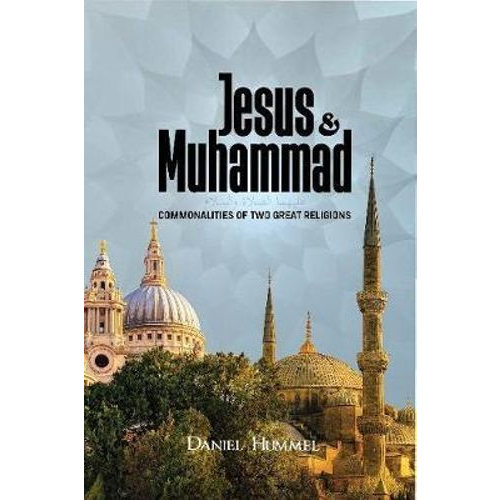
Jesus and Muhammad : Commonalities of Two Great Religions
Highlights:
Jesus and Muhammad lived in different times and in different contexts. An absolute comparison of the careers of these two men is not a satisfactory method in understanding the similarities and differences between their teachings. This book approaches this topic from a different perspective. The time that Muhammad preached in Mecca is compared to the time Jesus spent preaching throughout Palestine. This improves the similarities in contexts between them and makes a comparison more valid. The number of similarities outweighs the number of differences when looking at the four books of the Gospel and the chapters of the Qur’an revealed in Mecca. On issues related to prayer, the Oneness of God, charity, the Hereafter and forgiveness the teachings in these two books are practically the same. A number of core theological issues surfaced in the Book of John do clash with Qur anic teachings about the person of Jesus. These differences and the possible reasons for them are explored in this book. The conclusion of this book is that Muslims and Christians have more shared values and even theological similarities than differences. It is recommended that Muslims and Christians should spend more time understanding these commonalities.”
RM80.00
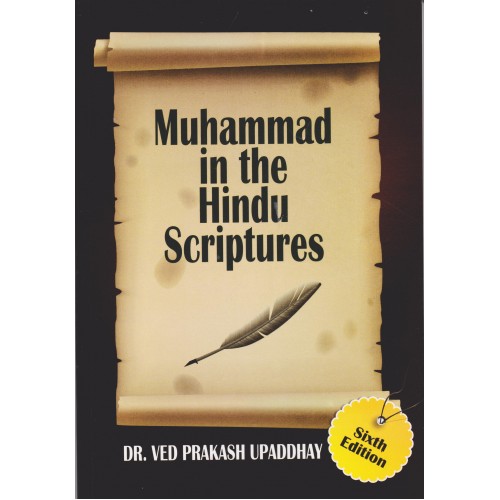
Muhammad in the Hindu Scriptures (P/B)
Highlights:
God is One. Human nature is one. Human destiny is one. And God�s message to humanity vis-a-vis that destiny is one. However, the rebellious element in man�s nature has led him to disobey God on the one hand, and on the other, he has pushed on to distort the very message of God. But the message is never fully lost. It would be ludicrous and indeed heretical to think that the situation could have gone out of God’s control.
With every distortion, therefore, He has renewed the message to salvage humanity from self-ruin. More interesting than that is the fact
that He has inserted in every message a Pointer to the Final Guide and the message he would be entrusted with; a Pointer which shows the true
seeker where the uncorrupted message could be found – the message that no one would be able to distort any more. While the main body of the message has been corrupted, the Pointer contained within has not been destroyed. Muhammad in the Hindu Scriptures brings out the truth of this phenomenon.
In addition to the Vedas and the Puranas, the book has unearthed this Pointer in the Buddhist, Christian, Jewish and other Hindu scriptures. Each of these scriptures uses its own unique Pointer relevant to its own theological scheme and the religious mentality of its own people. Separately and jointly these Pointers lit up the road to Muhammad (blessings and peace be upon him) exclusively, without any iota of doubt.
By all accounts the Final Guru has been sent and the Last Testament is in our laps. Additionally, the existence of these Pointers in the earlier
scriptures is yet another dimension of God’s mechanism to guide mankind to the infallible Truth. Upon reading the book, the theist, the atheist and the agnostic will find a lot to think about.
RM20.00
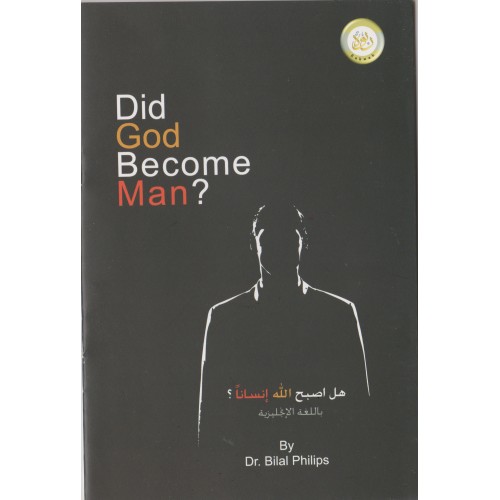
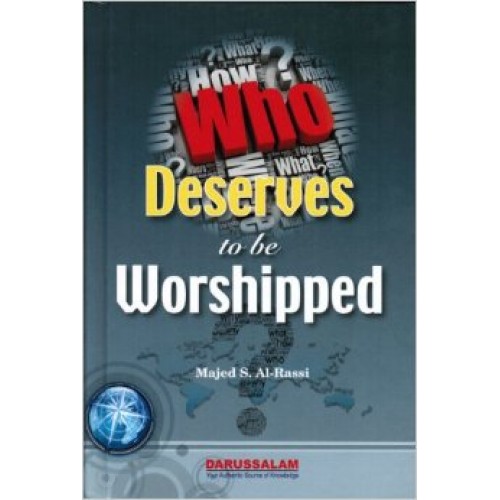
Did God Become Man? (P/B)
Highlights:
Table of Contens:
- Foreword
- Belief in God
- Man is Gods
- God Becomes His Creatures
- God Becomes One Man
- Men Becom God
- Why?
- Did God Become Man?
- Can Man Become God?
- Did God Have a Son?
- Bibliography
RM47.00
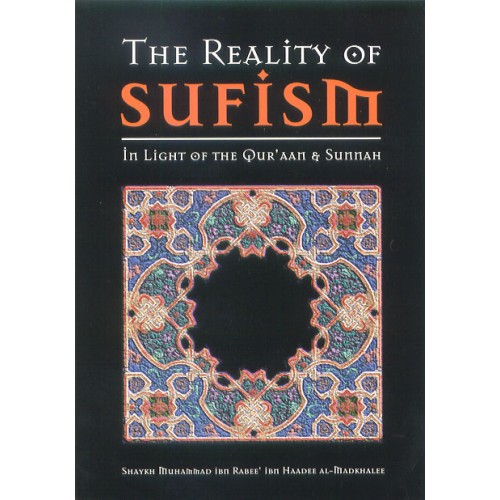
The Reality of Sufism In Light of the Quraan and Sunnah (P/B)
Highlights:
In this book, the author discusses the beliefs and origins of Sufism. It has been written in a clear and uncomplicated style which makes it accessible for readers of all levels. The history of Sufism is traced as well as how sufism developed into what we have today. The author touches upon the beliefs of Sufism, and gives examples from personalities that are regarded highly by those who ascribe to Sufism. A scholarly criticism in light of the Qur’an and Sunnah.
From the Back Cover
You must be aware that there are a number of destructive calls which have been established amongst the ranks of the Muslims and which have shaken and damaged the belief held in there hearts. They have polluted the pure Islamic ‘aqeedah, and have grown by stages to reach such a dangerous level that they led to the splitting of the Muslims into sects and the parties, about which the Prophet (peace be upon him) said: “Indeed those who were before you, from the people of the book, split into seventy-two sects, and this religion will split seventy-three. Seventy-two in the fire and one in the paradise and it is the Jammaa’ah.”
Then there is no doubt that each one of these sects claims for itself that it is the saved sect, and that it is correct, and that it alone follows the Messenger. But the way of truth is a single way and it is the one which leads to salvation, and any other way is one of the ways of miss guidance which leads to destruction.
So the way of truth is to cling to the book of Allaah and the Sunnah of Allaah’s Messenger (S) as occurs in the hadeeth: I have left amongst you two things whith which you will not go astray: The Book of Allah and my Sunnah, and they will not be separated till they come to me at the Pond.
- A scholarly criticism of Sufism in the light of the Qur’an and Sunnah
- Written in an uncomplicated style, ideal for the layman
RM24.00
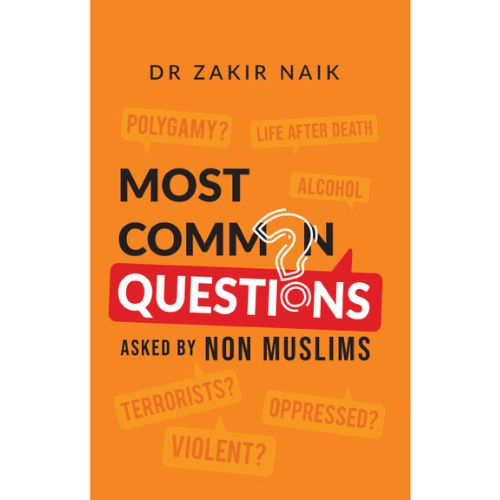
Most Common Questions Asked By Non-Muslims
5 ★
5 ★
2 Ratings
5 ★
2
4 ★
0
3 ★
0
2 ★
0
1 ★
0
RM17.00
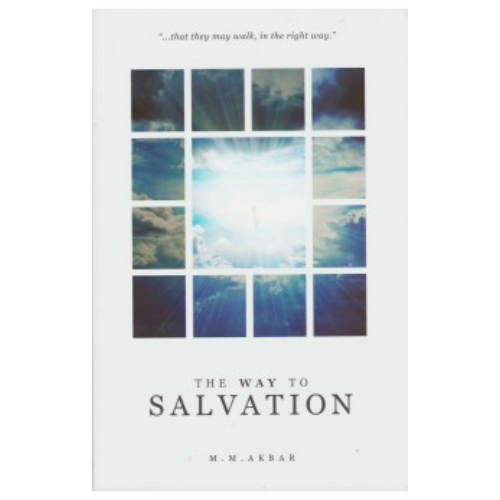
The Way to Salvation (P/B)
Highlights:
DA’WAH MATERIAL
This book can use for da’wah with the topic Salvation.
Salvation is the aim of human life, according to the religious ideologies. What is salvation? Is there an existence after this life? Are the religious scriptures in controversy on dealing with the topic ‘salvation”? Or are there any common points between them? An extensive study on the basis of Hindu, Christian, and Islamic scriptures.
Recently Viewed
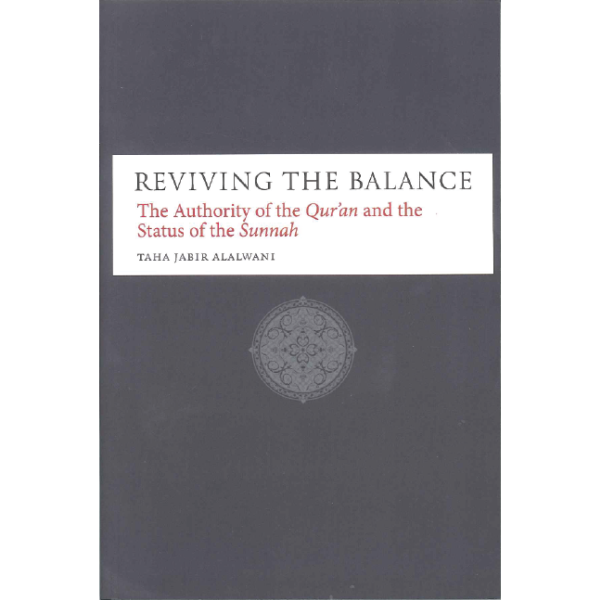
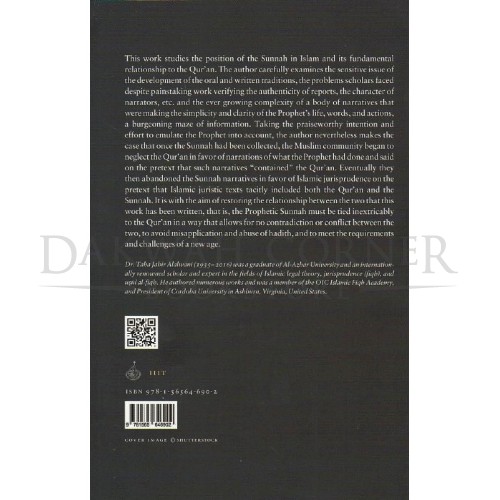
Reviving The Balance
Highlights:
This work studies the position of the Sunnah in Islam and its fundamental relationship to the Qur’an. The author carefully examines the sensitive issue of the development of the oral and written traditions, the problems scholars faced despite painstaking work verifying the authenticity of reports, the character of narrators, etc. and the ever growing complexity of a body of narratives that were making the simplicity and clarity of the Prophet’s life, words, and actions, a burgeoning maze of information. Taking the praiseworthy intention and effort to emulate the Prophet into account, the author nevertheless makes the case that once the Sunnah had been collected, the Muslim community began to neglect the Qur’an in favor of narrations of what the Prophet had done and said on the pretext that such narratives “contained” the Qur’an. Eventually they then abandoned the Sunnah narratives in favor of Islamic jurisprudence on the pretext that Islamic juristic texts tacitly included both the Qur’an and the Sunnah. It is with the aim of restoring the relationship between the two that this work has been written, that is, the Prophetic Sunnah must be tied inextricably to the Qur’an in a way that allows for no contradiction or conflict between the two, to avoid misapplication and abuse of hadith, and to meet the requirements and challenges of a new age.
RM105.00
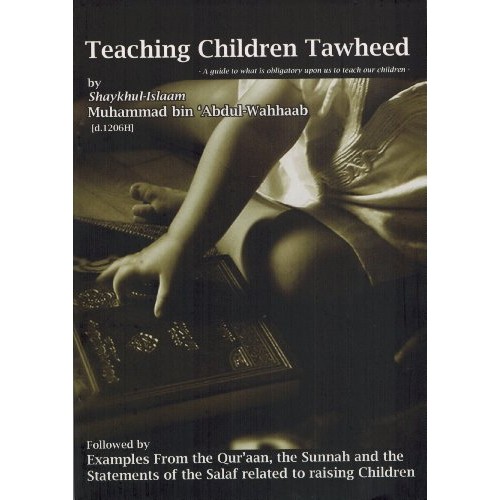
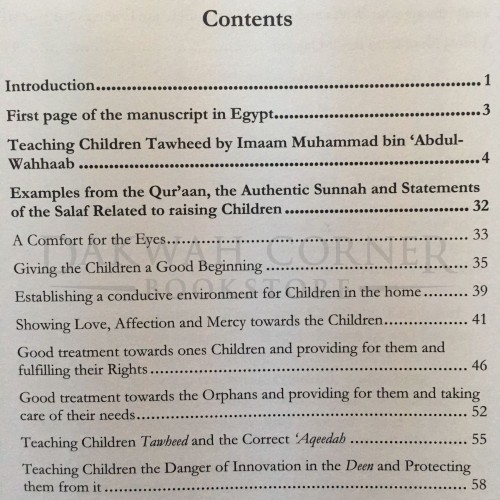
Teaching Children Tawheed (P/B)
Highlights:
The noble Imam, Shaykh Muhammad bin ‘Abdul-Wahhab said:
“So this beneficial treatise is in regards to what is obligatory upon the human being to teach the children, before teaching them the Qur’an, so he becomes a person who is complete, upon the fitrah of Islam, and a good, firm muwwahid (person of Tawheed) upon the path of Eman (true, correct faith).”
RM65.00
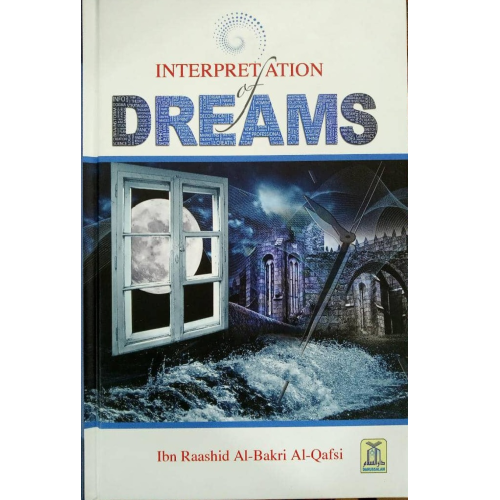
Interpretation Of Dreams
Highlights:
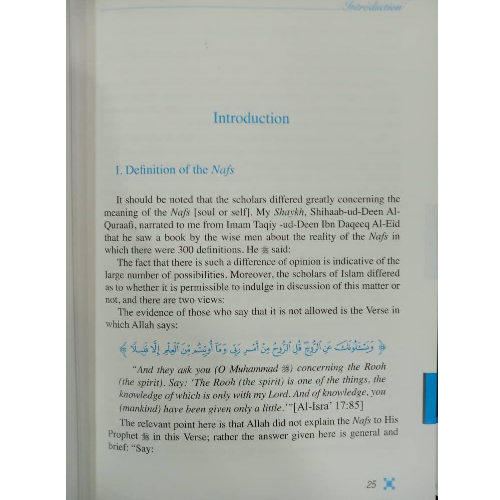
The Present book tackles the issue of the interpretation of dreams in the light of the Quran and the Sunnah, based on the Prophet’s hadeeth in which he said, “The dream of a Muslim is one of the forty-six parts of Prophet-hood. ” In this book, the author provides a definition of the word ‘dream’, discusses the various types of dreams, mention some dreams that were interpreted by the Prophet صلّی الله علیهِ وآلهِ وسلم etiquette to be observed by the person who has a dream and the person who has a dream and the person who interprets it and provides the interpretation of a large number of dreams, among some other issues related to the subject. The author is the well-known erudite scholar Sheikh Muhammad ibn Abd-Allah ibn Raashid al-Bakri (d. 736 Ah/1336 CE). The english reader will definitely find this book highly interesting and thought-provoking.
RM95.00

In Pursuit of Allah’s Pleasure
Highlights:
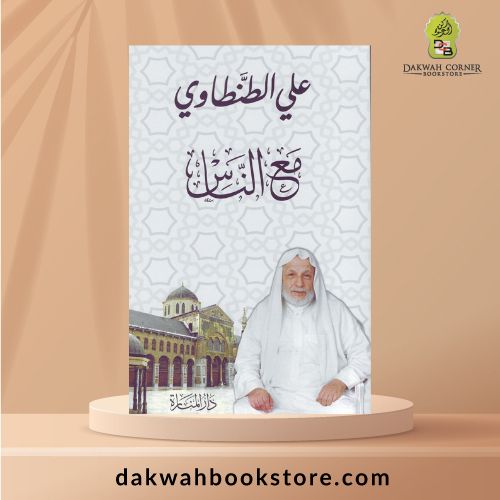
In this book the authors outlined a complete methodology for Islamic work today. From `Aqeedah to Da’wah, Jihad to Khilafah and Taqwa to Sabr (patience), they explained how all of these parts of Islam come together for the sole objective of each and every Muslim: to seek the Pleasure of Allah ( SWT ), the Irresistible. It was written in a manner portraying the true situation of the Muslims today and, coming from imprisoned scholars: a realistic portrayal.
This book is an excellent read by itself and an even better guide if used as a syllabus in learning Islam in an organised, collective manner. It is ideal as a basis for study circles and acts as a comprehensive manual. Coupled with the supplementary reading of some other books in the English language and memorisation of the Holy Quran, it can consolidate the knowledge of anyone seeking to work for Islam in this day and age.
Contents
Preface
Introduction
Part One: Our Ultimate Goal
Part Two: Our `Aqeedah
Part Three: Our Understanding
Part Four: Our Aim
Part Five: Our Path
Part Six: Our Provisions
Part Seven: Our Walaa’ (Loyalty)
Part Eight: Our ‘Adaa’ (Animosity)
Part Nine: Our Gathering
Glossary of Arabic Trems
The Twentieth Century has witnessed one of the fiercest blows inflicted upon our Ummah by our enemy: the collapse of the Khilafah. If only their conspiracy had stopped at the demise of Khilafah. But they went on to indoctrinate Muslims with strange, foreign ideas and concepts, in order to confuse our understanding of our Deen. Once we wake up and try to return to our original Deen, we will be confronted with an intellectual perplexity, in which evil and good is mixed. Hence, the truth will be ambiguous and we will go astray, and lose the true understanding of Islam.
And hold fast, all of you together, to the Rope of Allah (this Qur’an) and be not divided among yourselves.” [Surah Ale-Imran (3), Ayah 103.]
by Dr. Naahah Ibrahim, Asim Abdul Maajid and Esaam-ud-Deen Darbaalah
RM53.00
The Bible The Quran and Science (P/B) by Dar Al Wahi
Highlights:
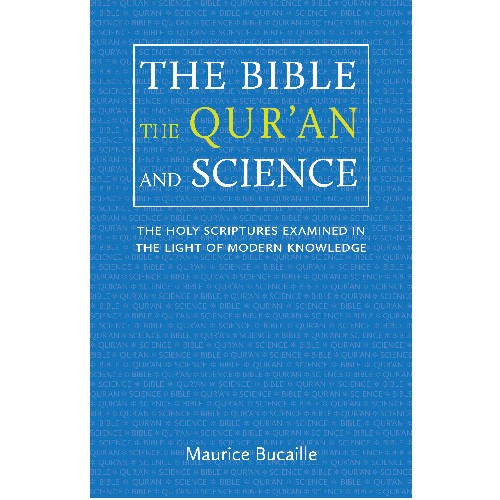
In his objective study of the texts, Maurice Bucaille clears away many preconceived ideas about the Old Testament, the Gospels and the Qur’an. He tries, in this collection of Writings, to separate what belongs to Revelation from what is the product of error or human interpretation. His study sheds new light on the Holy Scriptures. At the end of a gripping account, he places the Believer before a point of cardinal importance: the continuity of a Revelation emanating from the same God, with modes of expression that differ in the course of time. It leads us to meditate upon those factors which, in our day, should spiritually unite rather than divide-Jews, Christians and Muslims.
As a surgeon, Maurice Bucaille has often been in a situation where he was able to examine not only people’s bodies, but their souls. This is how he was struck by the existence of Muslim piety and by aspects of Islam which remain unknown to the vast majority of non-Muslims. In his search for explanations which are otherwise difficult to obtain, he learnt Arabic and studied the Qur’an. In it, he was surprised to find statements on natural phenomena whose meaning can only be understood through modern scientific knowledge.
He then turned to the question of the authenticity of the writings that constitute the Holy Scriptures of the monotheistic religions. Finally, in the case of the Bible, he proceeded to a confrontation between these writings and scientific data.
The results of his research into the Judeo-Christian Revelation and the Qur’an are set out in this book.
RM43.00
There are no reviews yet.