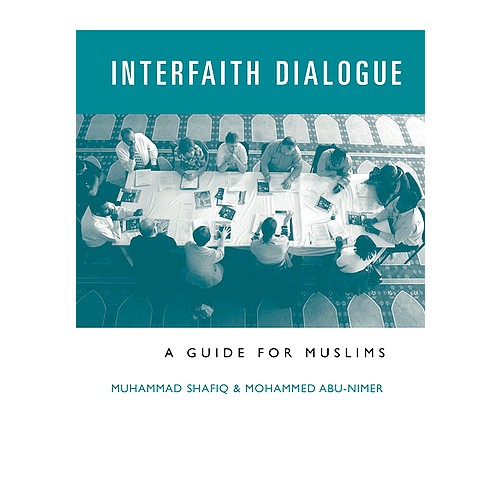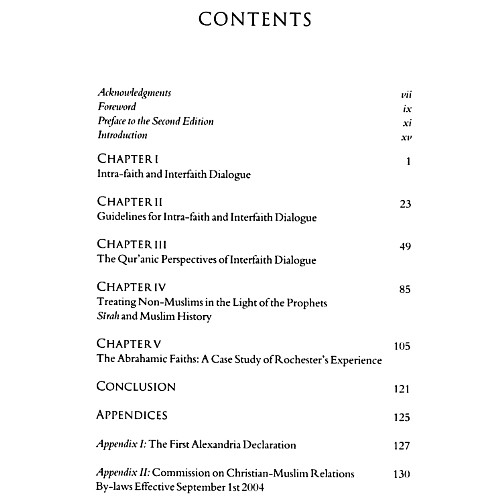
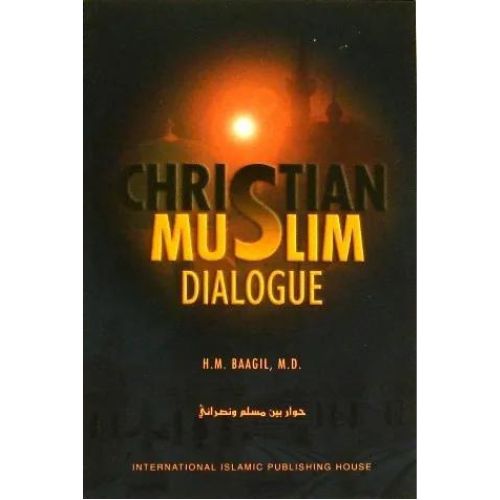
This book is a result of Dr.Hasan M. Baagil’s study of Christianity and the Bible over a four year period. This work by Dr. Baagil, a dedicated Muslim, reflects his meticulous and painstaking effort to present his findings clearly, concisely and thoroughly. Dr. Baagil’s conversations with Christian clergy and laity during this period of study have provided the impetus for the CHRISTIAN-MUSLIM DIALOGUE. Dr. Baagil writes: In the Name of Allah, Most Gracious, Most Merciful. This booklet has been written as the result of dialogues that I had with members of the Christian clergy and laity. The discussions were polite, pleasant, friendly, and constructive without the slightest intention of hurting the religious feeling of any Christian… [This book] is indispensable for those looking for the truth and those studying Comparative religion.
Christian Muslim Dialogue (IIPH)
RM15.00

Frequently Bought Together
| Weight | 0.35 kg |
|---|---|
| Author | |
| Binding | Paperback |
| Pages | 66 |
| Publisher | IIPH |
Be the first to review “Christian Muslim Dialogue (IIPH)” Cancel reply
You must be logged in to post a review.
Related Products
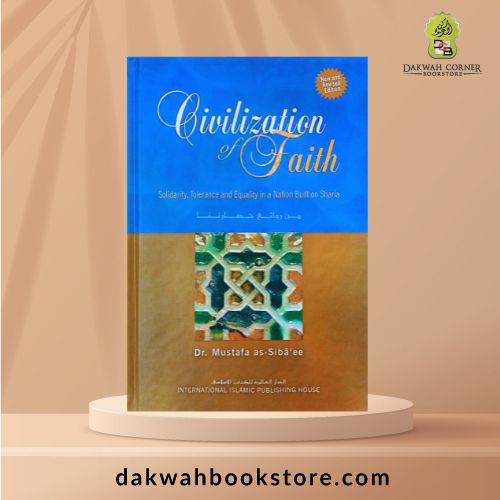
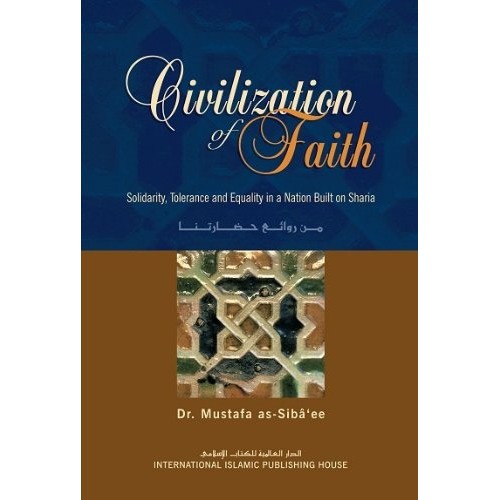
Civilization of Faith (IIPH)
We are living at a time when western civilization is at its peak and the Muslim nations are at their weakest point. They are dazzled by the power of the west with its wealth, scientific discoveries and technological advantages. Those who are unfamiliar with history might be unaware that this has not always been the case. A few hundred years ago, it was just the opposite. The Muslim Ummah was the superpower of the age, and Muslims were leaders in culture, science and technology. The cities of the Muslim world were the centres of learning to which people came from far and wide. The Muslims, at one time, were the most technologically-advanced civilization on the earth. The uniqueness of their civilization lay in the fact that, although they achieved a great deal in materialistic terms, they remained a compassionate society where the poor and disadvantaged were cared for. This book is a reminder to Muslims that they have a glorious past; for many centuries, they had the upper hand over their enemies. They became masters of the world when they adhered to Islam; however, when they became preoccupied with worldly gain and the pursuit of luxury, decline set in. Today, if Muslims take their religion seriously, they will once again be supported by Allah, the Exalted, and lead the world in all spheres of life. Nasiruddin al-Khattab has translated this thought provoking book into English. The hardcover version of this book that we have for sale is the revised 3rd edition, published in 2011.
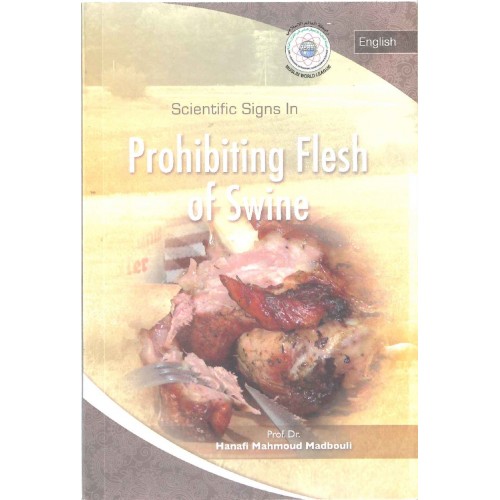
Scientific Signs In Prohibiting Flesh of Swine (P/B)
Scientific Signs In Prohibiting Flesh of Swine
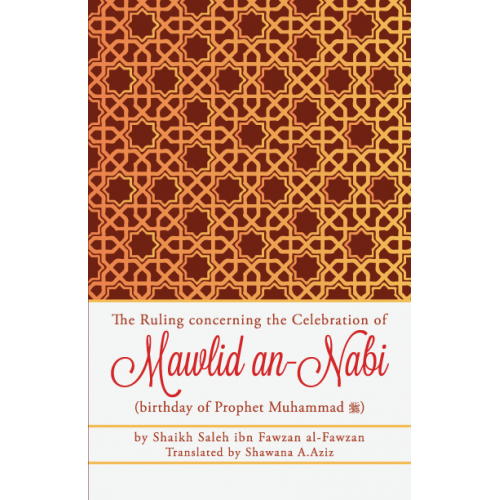
The Ruling Concerning the Celebration of Mawlid an-Nabi (2nd edition)
In this book, is an explicit CLARIFICATION of the MAJOR DOUBTS raised by the proponents of Mawlid an-Nabi, including:
- Mawlid an-Nabi is honoring the Prophet.
- Mawlid an-Nabi is celebrated by a large number of the people in many towns and cities.
- Commemorating Mawlid an-Nabi renews the memories of the Prophet.
- Celebration of Mawlid an-Nabi is cut of love for the Prophet and an expression of ones love, which is permissible.
- Mawlid an-Nabi is a Bidah Husna (good innovation) because it is a means of showing gratitude towards Allah for sending the Prophet.
- The sayings of Umar, ‘What a good Bidah is this?’
Additional quotes by Shaikh Muhammad ibn Ibraheem Aal-Shaikh have been added to further clarify these issues. The booklet also as 2 valuable appendixes:
Appendix 1: Explanation of the Hadeeth,”He, who established/initiates a Sunnah Husna in Islam.” in the word o Shaikh Saleh al-Fawzan and Shaikh Muhammad ibn al-Uthaimeen (rahimahullah)
Appendix 2: A Dialogue between Shaikh al-Albani (rahimahullah) and a proponent of Mawlid.
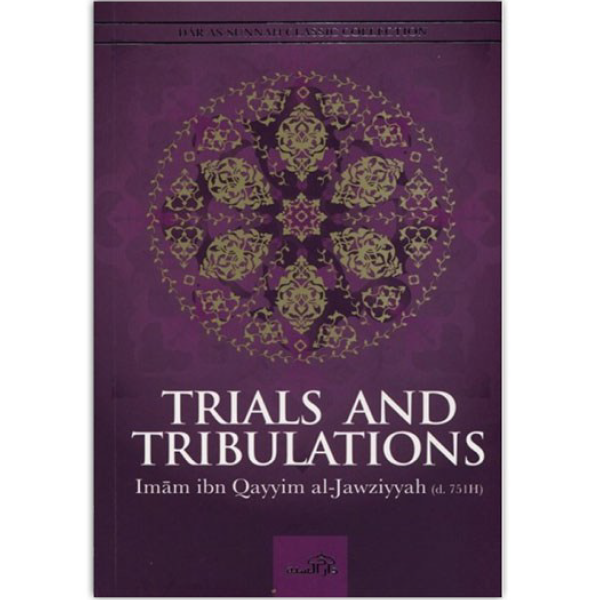
Trials and Tribulations
These two treatises deal with the issue of trials and tribulation, extremely essential for every Muslim especially in the times that we are living in today. People often see, and hear of, the believers being afflicted with adversity and tribulation, and conversely they often see, and hear of the disbelievers attaining leadership and wealth in this world. This leads them to mistakenly believe that well-being in this world is only reserved for the disbelievers. A believer may face many trials and tribulations that test his faith, patience and endurance. In a world full of conflict and war, with many also suffering from personal and family problems, shaytan causes a person to question many things. If a Muslim is tried with a difficulty, then the reasons for this are many – including one’s own sin, which arise from leaving something obligated in Islam or comitting an act that is prohibited. Trials are also a means of Allaah purifying and aiding His servants, ennobling them and granting well-being through His Wisdom. The most severely of those who were tried were the Prophets and then those closest to them in following their guidance.
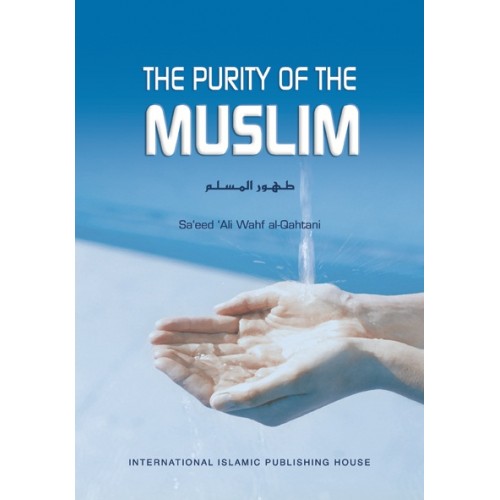
The Purity of Muslim (P/B)
According to a well-known hadith, cleanliness and purity are half of the faith. It is obligatory for a Muslim to be clean and in a state of purity in order to offer formal prayer and recite the Quran by way of ablution, a ritual shower, or dry ablution. Purity and cleanliness encompass both physical and spiritual aspects. Physical impurities can be removed by clean, pure water or dry, clean earth or stone, and this is a beginning step for spiritual cleanliness. In the Purity of the Muslim, Saeed al-Qahtani explains in a clear and comprehensive manner the types of various impurities and the ways to attain purity and cleanliness according to the teachings of the Quran and of the final prophet, Muhammad (blessings and peace of Allah be upon him).
Let Us Remember Allah And Praise Him
Remembrance, praise and supplication – dhikr and du‘â’ – are the core of worship of the Divine. The Noble Qur’an and the last Prophet (blessings and peace of Allah be upon him) have stressed this point and taught us how to attain Allah’s pleasure through calling on Him and remembering Him in words of praise and thankfulness. This small book is a valuable collection of daily supplications from the Qur’an and the authentic hadiths. It contains the Arabic text, full transliteration and clear translation of the meaning of dozens of phrases of remembrance (dhikr) and supplication (du‘â’). This new and revised edition of Let Us Remember Allah and Praise Him is designed to be easy to use: its full-sized page format ensures that the print is large enough to read effortlessly, and yet its ultra-slim volume makes it no trouble to slip into a handbag
or backpack. It is truly a practical handbook for every Muslim desiring to seek peace in this earthly life and salvation in the hereafter.
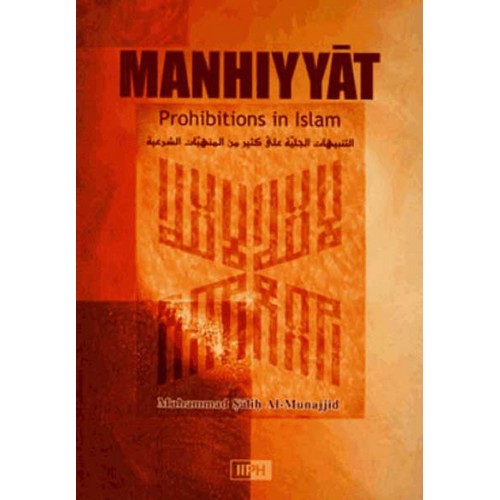
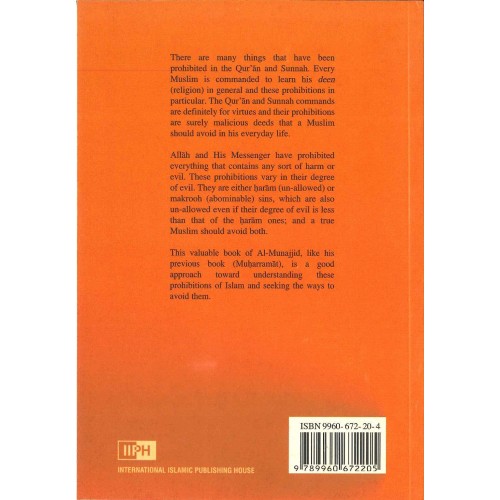
Manhiyyat Prohibitions in Islam (P/B) (IIPH)
Whatever has been prohibited in the Qur’an and the Sunnah is for a good reason. Every Muslim is commanded to learn his or her religion, and being aware of these prohibitions is part of that essential knowledge. The Qur’an and the Sunnah enjoin virtuous behaviour, and any actions they prohibit are destructive deeds that a Muslim should avoid. In Prohibitions in Islam, Shaykh Muhammad Sâlih al-Munajjid explains that Allah Almighty and His Messenger (blessings and peace be upon him) have prohibited everything that contains any sort of harm or evil. These prohibitions vary in their degree of evil: they are either forbidden or detestable, and a practicing Muslim should avoid both kinds.
Bayt al-Hikmah The House of Scientific Wisdom (IIPH)
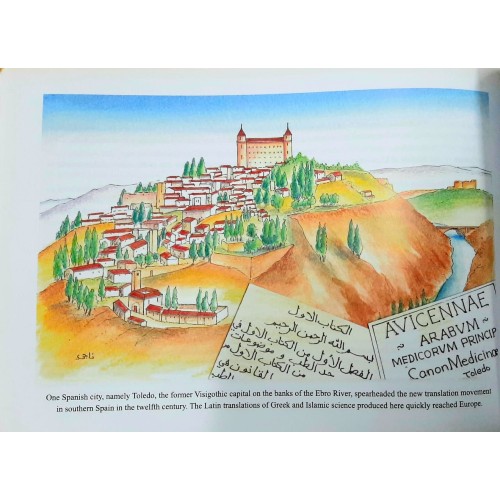
This book, authored by Luqman Nagy, is an introduction to the history and legacy of the great translation movement that began at the Bayt al-Hikmah in ninth century Abbasid Baghdad and culminated centuries later in Spain, with teams of Muslim, Christian and Jewish scholars translating works of Greek and Islamic science from Arabic into Latin. These translations became the first scientific textbooks to be used at many European universities. This wealth of knowledge that was made available in Latin helped initiate the Renaissance, or ‘rebirth’ of learning in the West.
Making Sense of the Portents of the Hour (H/B) – IIPH
Are things inevitably getting worse and worse, year after year, century after century, with no way to alter the course of events? Is the Muslim Ummah doomed to experience failure and humiliation until the Mahdi arrives? Will he restore its former glory and bring victory over all its enemies? Are all our efforts to support Islam destined to end in failure? Instead of taking action, should we simply wait for the return of Jesus (peace be upon him) towards the end of time? Is the Dajjâl (Antichrist) alive today? Does he have secret connections with some prominent world figures? Is the hour very close? Could it come upon us at any moment, on any day? If so, what is the point of striving to improve our situation?
Using evidence from the Qur’an and the Sunnah, the author explains the true Islamic teachings on the portents of the hour, clearing up some of the misconceptions about them and giving advice on how Muslims should respond to them. The book is an interesting and informative read that will leave the reader empowered with knowledge.
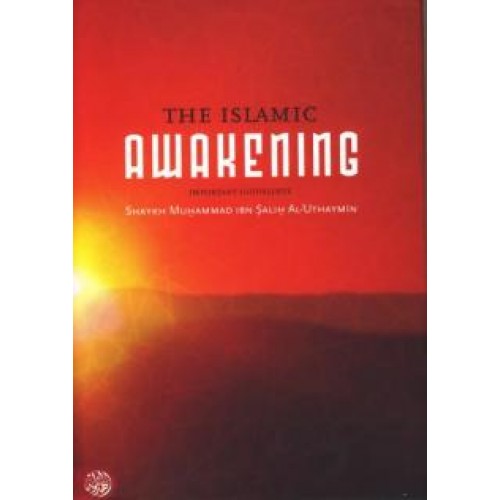
The Islamic Awakening (H/B)
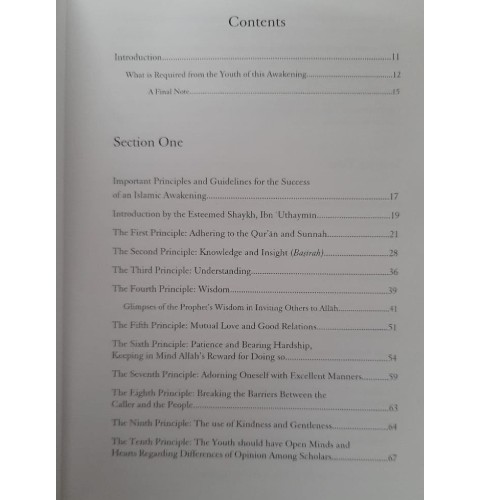
The Muslim Nation today is experiencing a blessed awakening in all aspects of its affairs, one that has been aroused by the efforts of Muslims throughout the globe. This is despite the onslaught of the disbelievers against Islam whether that be military or through their powerful media apparatus. In these often difficult times, we find many Muslims returning to their Din and embracing it with vigour and enthusiasm. However the astute observer will find that there are many problems that hinder its progress, problems that have caused some of the scholars to lay down some guidelines that the youth of this blessed awakening should adhere to and follow. It should also be noted that if the Islamic guidelines are not strictly adhered to, and the youth are left to be driven by their emotions alone, then surely this awakening will result in destroying more than it will build!
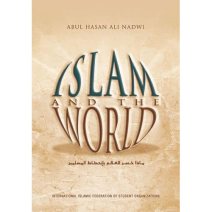
Islam and The World (IIPH)
Despite the world’s tremendous advances in the fields of science and technology, almost all communities have been led into the wilderness of fear, greed, loneliness and spiritual despair. Professor Nadwi explicitly asserts that the achievements of science and technology did not match humanity’s moral or spiritual aspirations. Should a corresponding improvement is attained in human behaviour by applying the teachings of Islam, such as advances would have conferred benefits on all parties.
Recently Viewed
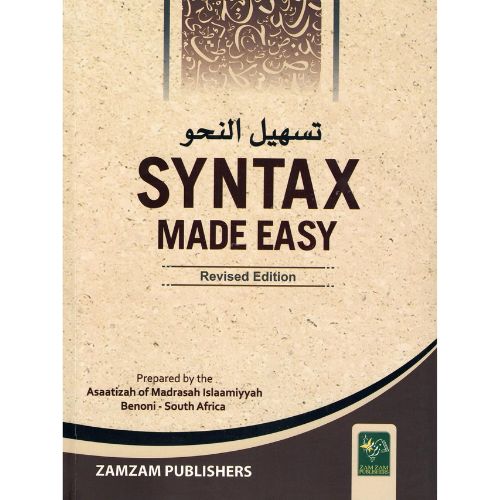
[AR] Syntax Made Easy
An Arabic Grammar primer based on Ilm-un-Nahw. Syntax Made Easy is an expanded English translation of the Arabic Grammar work, ‘Ilm al-Nahw – a standard textbook.
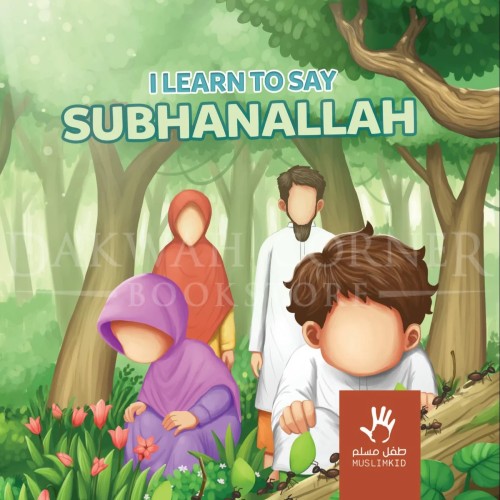
I Learn To Say Subhanallah
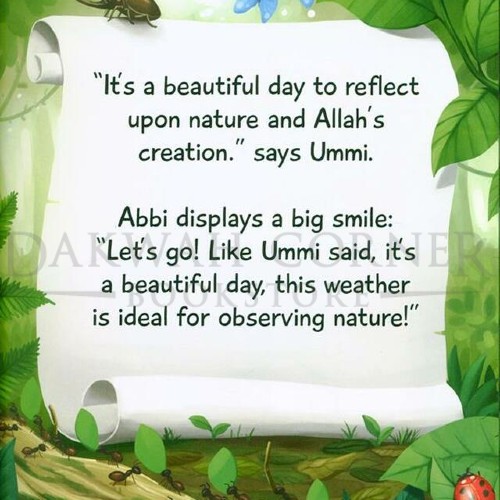
Discover a selection of captivating illustrations, accompanied by basic, but important concepts for young Muslim children. I Learn to Say SubhanAllah is the second issue of the “I Learn to Say” series. Throughout this second issue your child will learn when to say SubhanAllah through a beautiful story about Muhammad and Zaynab. This hardcover, 60-page book explains when and why we say SubhanAllah in a fun way. Take your time to read this story with your child, and nurture in them the importance of saying SubhanAllah. The characters in the book are expressionless to help develop young and curious imaginations.
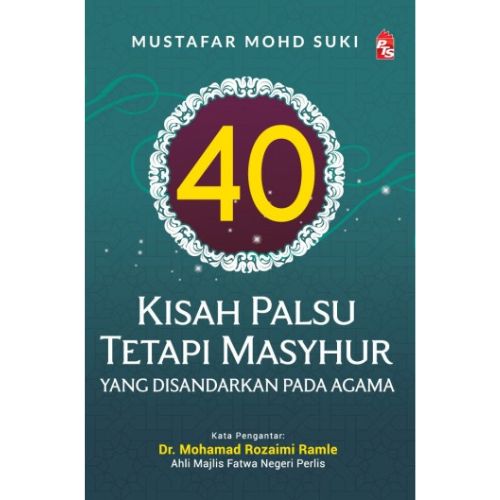
40 Kisah Palsu Tetapi Masyhur
Kisah ini bukan sekadar penyedap bicara. Jikalau benarnya tiada, maka dongeng nilainya lantas hilang hikmahnya. Jikalau kebetulan betulpun dianggap salah, apatah lagi yang tidak benar terutama berkaitan manusia.
Buku ini wajib dibaca oleh pendakwah, motivator, penceramah, pendidik, ibubapa, mahupun sesiapa sahaja supaya dapat kita betulkan yang biasa dan biasakan yang betul.
(Ustaz Ahmad Husni bin Abdul Rahman)
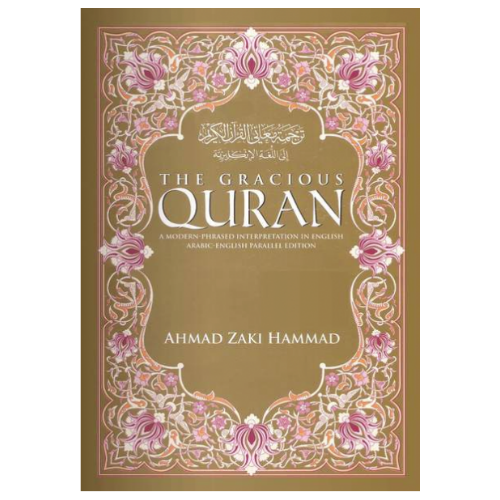
The Gracious Quran (H/B)
A modern-phrased interpretation in English (Arabic-English Parallel Edition)
This contemporary, authoritative translation interprets the Quran’s meaning for the English reader with unprecedented access to the Book that is the foundational source of Islam, its civilization and its peoples, who now comprise nearly one-fourth of humanity across the breadth of all the Earth’s continents and who form a crucial, contiguous community at the middle of the world.
Twenty years in the making, The Gracious Quran: A Modern-Phrased Interpretation of Its Meanings in English is both highly reliable and powerfully expressed. Where the Arabic of the Quran swells with important implication, that intent is conveyed in this rendering with a light hand in unobtrusive brackets, every effort having been expended to make its reading August, clear, accessible, and consistent while at the same time free of poetic pretension, philosophical complication, and lifeless literalisms. Its graceful layout and design augment the profound simplicity of the Quran’s message and give some semblance of resonance to its almost hypnotic power of literary expression.
The interpretation of The Gracious Quran is thoroughly guided by wide and deep experience with the civilizations of both luminous Islam and the enlightened west, while not unmindful of the light that infuses the world’s brilliant traditions. Fully four decades of scholarly expertise in Quranic studies and related disciplines are in its service, and the latest advances in the art of translation conspicuously benefit it.
About the translator:
Dr. Ahmad Zaki Hammad is an internationally known authority on Quran and Islamic Studies. He teaches Islamic Civilization and the Primary Disciplines of Quran Commentary, the Prophetic Traditions, and the Principles of Islamic Law at the foremost center of Islamic and Arabic learning in the Muslim world, AL-Azhar University (Faculty of Languages and Translations, Department of English). He is also a member of the Faculty of Shari’ah, Department of Juristic Studies.
He received his early Islamic and Arabic training at Al-Azhar University, Cairo, and was awarded the graduate degree of Alamiyyah from the Faculty of Theology. He holds a Ph.D., in Islamic Studies from the University of Chicago and is the author of a study of translation of Abu Hamid al-Ghazalis’s Al-Mustasfa min Ilm al-Usul, The Quintessence of the Science of the Principles of Islamic Law; and also Islamic Law: Understanding Juristic Differences, a Primer on the Science of al-Khulaf al Fiqhi in Light of the Shariah Sources.
He lived for many years in the United States, where he founded and served in numerous national and community Islamic institutions for American Muslims.
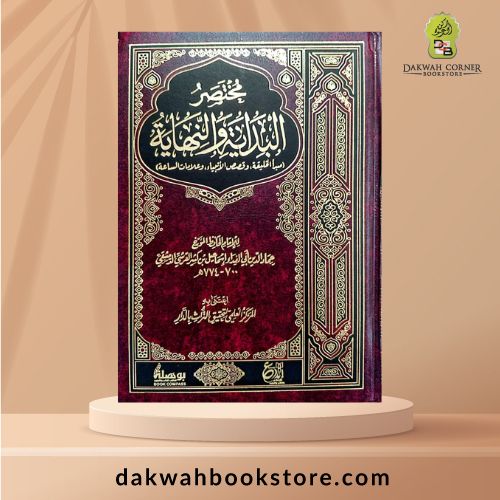
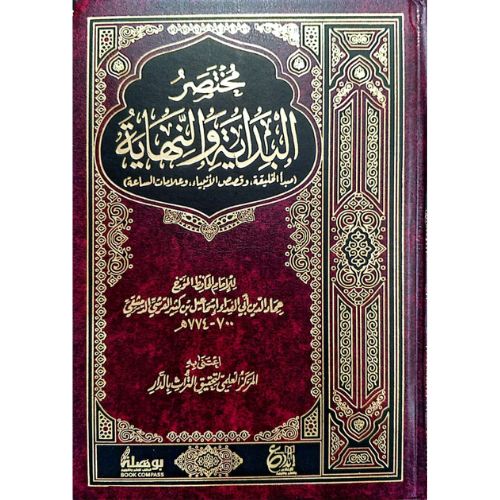
[AHS] Mukhtasar Albidayat Walnihaya / مختصر البداية والنهاية
مختصر البداية والنهاية هو نسخة موجزة ومُهذبة من كتاب “البداية والنهاية” الشهير للحافظ ابن كثير (المتوفى 774هـ)، الذي يُعد أحد أهم مراجع التاريخ الإسلامي. يهدف الاختصار إلى تقريب محتوى الكتاب الضخم وتسهيل قراءته من خلال حذف الأسانيد الطويلة وتركيز المادة التاريخية.
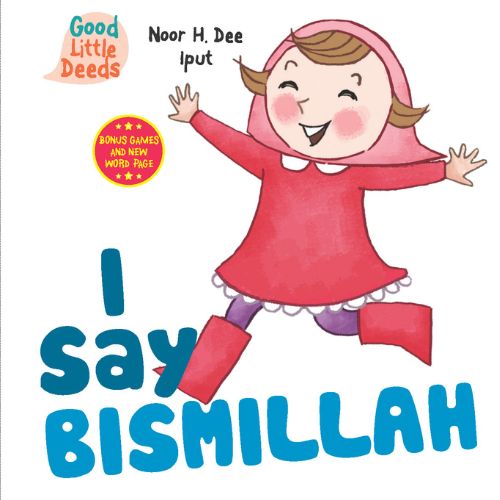
[CB]I Say Bismillah
Muslims should say Bismillah many times in a day. “Bismillah” means in the name of God in Arabic.
Nabil and Noura’s mum has just made some cupcakes. Will they remember to say Bismillah, or will the temptation be too much?
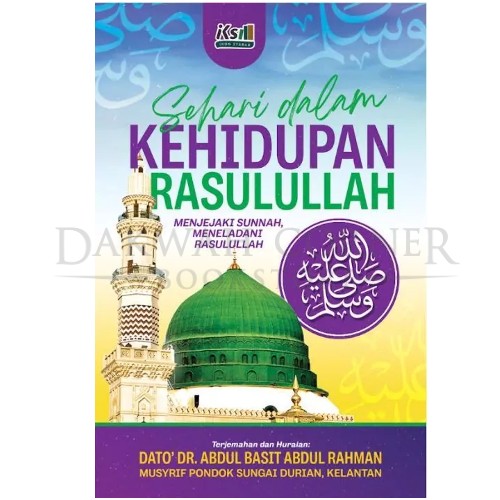
Sehari Dalam Kehidupan Rasulullah
“Dan bahawa sesungguhnya engkau ( Yakin Muhammad SAW) mempunyai akhlak yang amat mulia.”
(Surah al-Quran: 4)
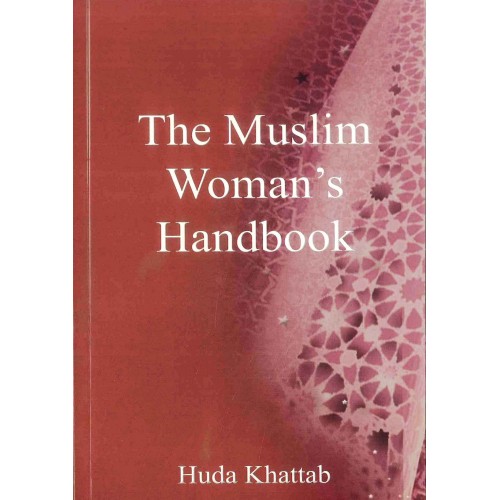
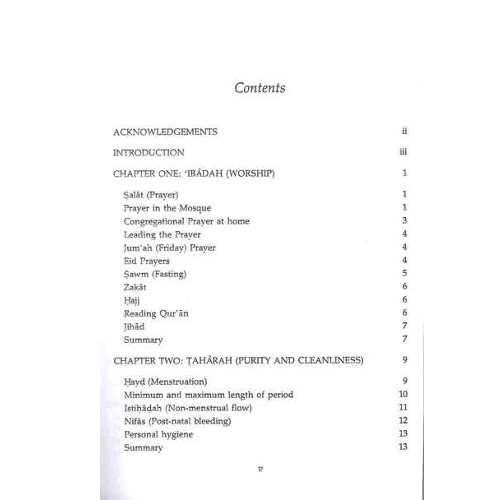
The Muslim Woman’s Handbook- TA-HA
This is a practical manual dealing with all aspects of a woman’s daily life. The author deals with such delicate subjects as personal hygiene, menstruation, hijab, marriage, divorce as well as the woman’s role in the family and in the community. This book is of immense value to Muslim Women and teenage girls, especially those are discovering or re-discovering the relevance of Islam in their lives.
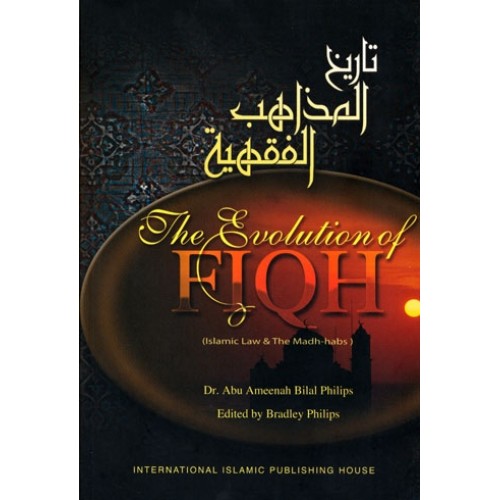
The Evolution of Fiqh (H/B)
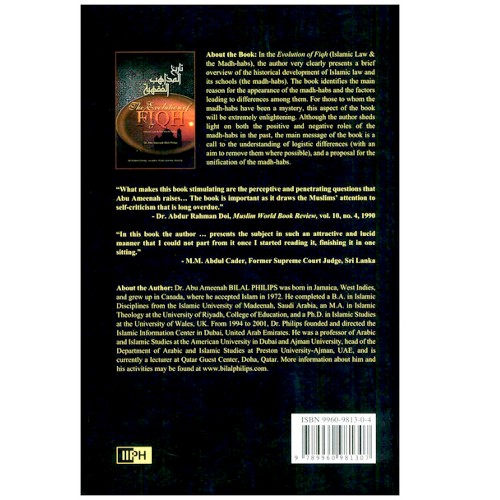
In The Evolution of Fiqh: Islamic Law & the Madh-habs, Dr. Bilal Philips presents a brief overview of the historical development of Islamic law and its schools of jurisprudence (the madh-habs). This authentic Islamic book on fiqh identifies the main reason for the appearance of the madh-habs and the factors leading to differences among them, with a call to understanding juristic differences and removing them where possible.
[QQ] Handwriting Quran مصحف التدوين
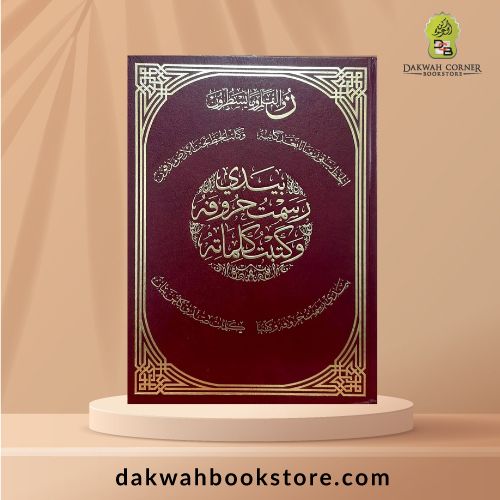
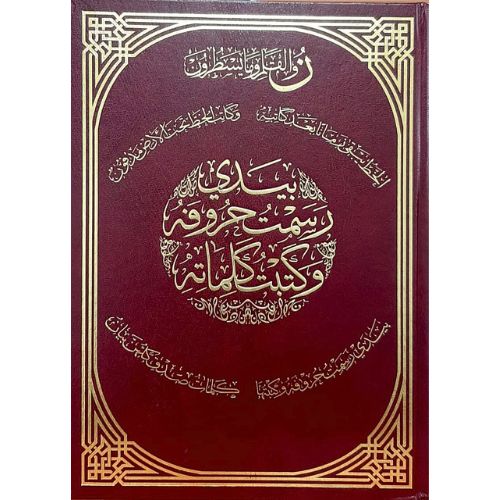
مصحف التدوين الفاخر – بيدي رسمت حروفه وكتبت كلماته – حجم كبير
The blank Mushaf for writing is a type of Qur’an used to assist memorizers, teachers, and those interested in memorizing the Holy Qur’an or teaching their children. This Qur’an is characterized by containing the empty lines of the verses so that the lines appear empty from the inside with the outer borders of the lines visible. This makes it easier for the reader to write the verses from memory without referring to the Qur’an, thus enhancing memorization and review.
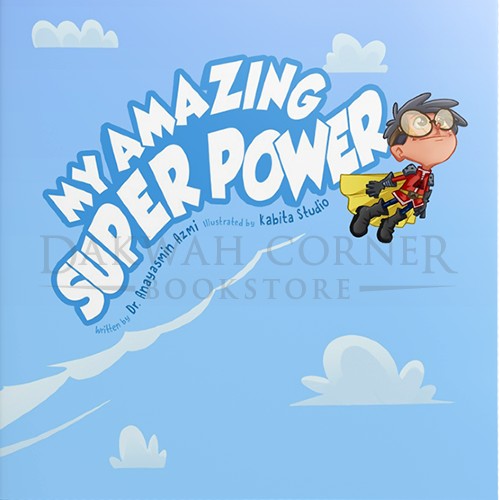
My Amazing Super Power
Conversation between a mother and a son trying to change his perspective and fantasy towards being a super hero, by acknowledging his true and amazing power which is his own EEMAN.


There are no reviews yet.