

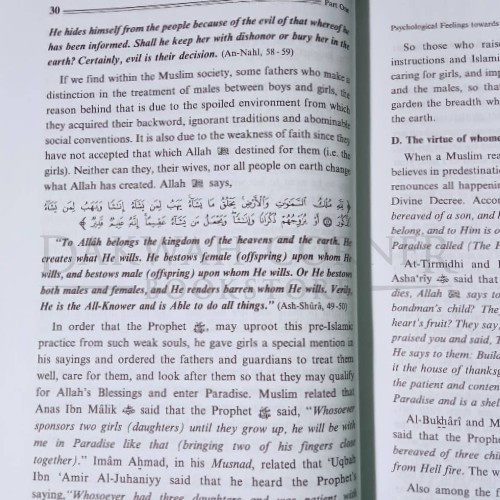
If we find within the Muslim society, some fathers who make a distinction in the treatment of males between boys and girls, the reason behind that is due to the spoiled environment from which they acquired their backword, ignorant traditions and abominable social conventions. It is also due to the weakness of faith since they have not accepted that which Allah destined for them (i.e. the girls). Neither can they, their wives, nor all people on earth change what Allah has created.
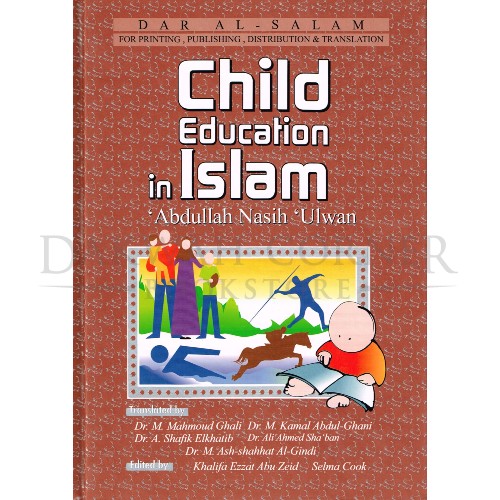
Child Education in Islam (H/B) – LAST COPY
RM75.00 RM85.00
12% Off
Out of Stock
somdn_product_page
Compare
Frequently Bought Together
0 Item
RM75.00
0 Add-Ons
- RM60.00
Total
RM15.00
Additional information
| Weight | 0.700 kg |
|---|---|
| Author | |
| Binding | Hardbook |
| ISBN | 9789773420000 |
| Pages | 421 |
| Publisher | Dar Al Salam |
Reviews (0)
Be the first to review “Child Education in Islam (H/B) – LAST COPY” Cancel reply
You must be logged in to post a review.
Related Products


Hell-Fire Its Torments and Denizens
Highlights:
In all the divine revelations there is a constant warning that wrongdoers may end up in Hell-fire, though Allah’s kindness and mercy are extended to many people. Reading about the Hell-fire enables one to know it, fear it, and try utmost to keep oneself away from it through correct beliefs and good deeds. The more one knows about Hell-fire, the more he or she strives to be saved from its reach. Relying on statements from the Holy Qur’an and the Hadith, this book enables the reader to have a realistic picture of Hell-fire’s torments. It may be enough to know that it is a raging fire, but detailed knowledge of it, as displayed in this book, will strengthen a person’s belief and eventually, Allah willing, make him or her seek for and remain steadfast on the path to salvation. This is an indispensable book for believers and non-believers alike. Hell-fire: Its Torments and Denizens is an abridged, summarized version of Siddiq Hasan Khan’s book about the Hell-fire.
RM12.00


Weakness of Faith (IIPH)
5 ★
5 ★
1 Rating
5 ★
1
4 ★
0
3 ★
0
2 ★
0
1 ★
0
Highlights:
The phenomenon of weak faith has become very widespread among Muslims, and many people complain about the hardness of their hearts. So often we hear the words, “I feel hardness in my heart,” “I do not find any joy in worship,” “I feel that my faith has hit rock bottom,” “Reading Qur’aan does not move me,” “I fall into sin so easily.” The effects of this affliction can be seen in many people, and this problem is the cause of every disaster and adversity.
One of the most important principles which must be understood in order to treat the problem of weak faith is that faith increases and decreases, or waxes and wanes. This is one of the basic principles of the ‘aqeedah of Ahl al-Sunnah wa’l-Jamaa’ah, who say that faith is something to be spoken in words, to be believed in in the heart, and to be put into action. Faith increases with obedience and decreases with disobedience.
‘… that they may grow more in Faith along with their (present) Faith…’ [al-Fath 48:4]
‘… Which of you has had his faith increased by it? …'[al-Tawbah 9:124]. aari, Fath, 1/51).
RM13.00 – RM30.00Price range: RM13.00 through RM30.00
HardcoverPaperback
Clear

Dreams of the Prophets and the Righteous
Highlights:
Originally written in Arabic by Abdul Mun’im al Hashmi. It is like an encyclopedia of dreams. It tells us how we should behave on seeing a dream and how they may be interpreted. There are dreams of the Prophets and the Righteous men, and the dreams of the Prophet and his Sahabah. Some dreams of non-Muslims also find place in this book. The author also informs as to what various things like animals, birds and certain chapters of the Qur’an would mean if seen in a dream.
RM35.00


From Monogamy to Polygamy : A Way Through (H/B)
Highlights:
From Monogamy to Polygyny: A Way Through addresses the deep and complex issues and concerns the Muslim women worldwide have with polygyny. The insight offered by this book is new, unique, and encouraging. Practical advice is brought forth to aid in moving past the negative feelings that are commonly associated with polygyny, ultimately helping the Muslim woman progress to a higher level of Iman, In sha Allah. Rich with understanding, comfort, advice, motivation, clarity, examples, experiences, and answers; a way through is paved for the Muslim woman, making polygyny easier, or at the very least more endurable. Although this book is geared mainly towards women, its vast content can give men insight into the emotional affects of polygyny on women, which they can use to make sound and wise decisions. Overall, this is a valuable resource for both Muslim men and Muslim women considering, dealing with, questioning, and pondering polygyny.
RM50.00

Polygamy in Islam (P/B)
Highlights:
Polygamy is the Muslim practice most frequently and severely maligned by Westerners and modernist Muslims. This book can be read with profit by all unprejudiced readers who wish to know its justification and rationale.
One of the greatest contrasts between Islam and the West is their conflicting concepts of relations between the sexes. Indeed, the very first question a Muslim convert is confronted with by an American or European is ‘Why does Islam allow four wives?’ This book…replies straightforwardly to that question and much more.
The authors describe all the most important characteristics of marriage in Islam, pointing out that the Western notions of sex equality and romantic premarital ‘love’ are not necessary in Islamic marriage based on piety and the commitment on the part of both parents to win the pleasure of Almighty Allah.’
This book contains basic guides for anyone interested in understanding the rights and obligations of males and females in Islamic plural marriage. The guidelines have been drawn from the Quran, Hadith and opinions of Islamic scholars.
RM20.00


Provisions of the Afterlife Which Lie Within Prophetic Guidance (H/B – DKI
Highlights:
Written originally by Ibn Qayyim Al-Jauziyyah is one of the important resources of knowledge for those who seek to know the Seerah of their Prophet (P.B.U.H) as well as the Fiqh learned from it. This is a book that is unique in that it explains the Sunnah through the Seerah and the Seerah through the Sunnah. It is a profound classic work containing thousands of pages written by Imam ibn al-Qayyam while on the Hajj journey, Pilgrimage, from Damascus to Makkah. Despite its being written from memory, the several thousand incidents, Hadiths, Ayat (verses of the Quran), Fiqh benefits, as well as names of the companions associated with them, were remarkably close to the truth with marginal errors.
However, those who know the status, level of knowledge ad Ta’hqiq that Imam ibn al-Qayyim had will not be surprised to know this fact. Still, it is amazing how Ibn Al-Qayyim was able to write this vast volume while traveling to Hajj (Pilgrimage), especially since he was away from the resources of knowledge and was enduring the hardships of travel. It is a blessing from Allah (S.A.T) that it was possible for him to do so. Note: As with Many English Translations this work appears to be slightly abridged but it seems to cover most of the subjects Note : With the Lack of English works covering Hanbali Fiqh , This Books would be the nearest alternative. Although not a Specifically Fiqh Book, Ibn Qayyim’s views which are based on Hanbali Fiqh are quoted throughout.
RM130.00

Dream Interpretation According to the Qur’an and Sunnah (P/B)
Highlights:
Separates the authentic Islamic teachings on dream interpretation from the myths, superstitions and fabrications being circulated on the subject. It also provides a guide for dream interpretation according to references found in the Quran and authentic hadeeths.
Since the English publication of Muhammad Al-Akili’s 508 page work entitled, Ibn Seerin’s Dictionary of Dreams: According to Islamic Inner Traditions in 1992, followed shortly thereafter by Dreams and Interpretations by Ibn Seereen, there has been an explosion of dream interpretation and interpreters among English-speaking Muslim communities in the West. On the other hand, dream interpretation has been a long established tradition in the Muslim East. However, it has become so mixed up with superstition, myths and fortunetelling, that most educated Muslims shun this area. The fact of the matter is that dream interpretation is mentioned in the Quran and was regularly practised by the Prophet (pbuh), himself. Consequently, there is a real need to understand this subject, especially, considering that humans spend about a third of their lives sleeping.
RM16.50

Prophet Muhammad: A Blessing for Mankind
Highlights:
Prophet Muhammad (blessings and peace of Allah be upon him) and the lessons he taught us from the continued hardships he underwent in every stage of his life are a real blessing for humankind. Being an orphan child made him compassionate to widows and orphans as well as to the poor. His multiple marriages strengthened the ties of kinship amongst the different tribes, dissolving long-standing enmity. His message and prophethood were challenged by the polytheistic society in Makkah, forcing him and his few followers to emigrate to Madinah. Despite his illiteracy and the struggles he faced, he conveyed Allah’s Book, the Noble Qur’an, to all humanity, teaching them the values and principles that are presently adopted by billions of Muslims throughout the world. In the Qur’an, Allah, the Almighty addresses the Prophet (blessings and peace of Allah be upon him), saying: {We have sent you only as a mercy to the worlds.} (Qur’an 21: 107)
RM8.00 RM9.00


A Guide to Salah (Prayer) (P/B)
5 ★
5 ★
1 Rating
5 ★
1
4 ★
0
3 ★
0
2 ★
0
1 ★
0
Highlights:
This book is the result of direct research into the Sunnah of Prophet Muhammad saw and makes numerous references to the original sources. It contains all the essential details of salah without being too bulky or complicated, thus making it an ideal reference book either at home or while travelling.
A clear and concise explanation on how to pray. Also gives a detailed description of the preliminaries to salah, and different types of salah, with easy-to-follow illustrations.
RM16.00

Kindness to Parents
Highlights:
Kindness to Parents is a very enlightening booklet by Abdul Malik Al-Qasim. He has collected several stories and narrations that demonstrate the Birr (being dutiful) and kindness to our righteous Salaf towards their parents’ needs and necessities, in obedience to Allah’s worship in sincerity. He refers from the Noble Qur’an that a man is never allowed to say ‘Uff” (fie) if he smells a bad order coming from his parents or one of them.
The author has exposed shortcomings and errors of many among us who don not preserve the rights of their parents.
RM17.00

Let Us Be Muslims (P/B)
Highlights:
LET US BE MUSLIMS is a new edited English version of Sayyid Mawdudi’s Urdu Khutubat. It is no ordinary book, says Khurram Murad in his long Introduction, for it has stirred more hearts and impelled more lives to change their course than any of his more erudite works. In these Friday congregational addresses, Sayyid Mawdudi expounds such familiar themes as Iman, Islam, the Prayer, Fasting, Almsgiving, Pilgrimage and Jihad. But, in an unusually beautiful, powerfully reasoned, eloquent and passionate, and yet simple and lucid style,
“Sayyid Abul A’la Al-Mawdudui (1903-1979), one of the chief architects of contemporary Islamic resurgence, was the an outstanding Islamic thinker and writer of his time. He devoted his life to expound the meaning and message of Islam and to organise a collective movement to establish the Islamic Order. In this struggle, he had to pass through all kinds of sufferings.
Between 1948-67, he spent a total of five years in different prisons of Pakistan. In 1953, he was also sentenced to death by a Martial Law court for writing a ‘seditious’ pamphlet, this sentence being later commuted to life imprisonment. In 1941, he founded Jama’at-I Islami, of which he remained Amir, until 1972 and which is one of the most prominent Islamic movements of our day. He authored more than one hundred works on Islam, both scholarly and popular, and his writings have been translated into forty languages.”
RM70.00

Ibn Taymeeyah’s Essay on the Jinn (P/B) ASN
Highlights:
Dr. Abu Ameenah Bilal Philips has rendered Ibn Taymiyah’s treatise, Eedaah-ud-Dalaalah fee ‘Umoom-ir-Risaalah, from volume 19 of Majmoo‘-ul-Fataawa into very readable English. This abridged and annotated translation is significant in that it is perhaps the first book available in English exclusively on the topic of spirit-possession and exorcism in Islam.
Ahmad ibn ‘Abdul-Haleem ibn Taymeeyah was bron in the town of Harran [near Edessa, in what was once Northern Iraq, but is now called Orfa and is a part of Turkey.], in the year 1263 CE. His father was a leading scholar of the Hanbalite school of Islamic law and so was his grandfather, who authored Muntaqaa al-Akhbaar, the text of ash-Shawkaanee’s Hadeeth classic Nayl al-Awtaar.
Ibn Taymeeyah mastered the various disciplines of Islamic study at an early age and read extensively the books of the various sects and religions in existence at that time. Much of his time and effort was spend defending the orthodox Islamic position against a tidal wave of deviation which had swept over the Muslim nation. Consequently, he faced many difficulties from both the prominent sectarian scholars of his time and from the authorities who supported them. His clashes with them led to his imprisonment on numerous occasions. Ibn Taymeeyah also fought, not only against internal enemies of Islaam, but also against its external enemies by both his Fatwaas (Islamic legal rulings) and his physical participation in battles. His ruling allowing the taking up arms against groups which recognized the Shahaadataan (declaration of faith) but refused to uphold some aspects of the fundamental principles of Islaam, greatly affected the resistance movement against the Tartars who had declared their acceptance of Islaam but did not rule according to divine law.
During these struggles he wrote countless books and treatises demonstrating his extensive reading and knowledge, not only of the positions of the early scholars, but also those of the legal and theological schools which had subsequently evolved. Ibn Taymeeyah also had a major effect on the open-minded schoars of his day, most of whom were from the Shaafi’ite school of law. Among the most famous of his students were IBN KATHEER, ADH-DHAHABEE and IBN AL-QAYYIM. The author died in 1328 while in prison in Damascus for his Fatwaa against undertaking journeys to visit the graves of saints [Ibn Taymeeyah’s ruling was based on the authentic statement reported by Abu Hurayrah wherein the Prophet Muhammad (sallallaahu alayhi wasallam) said, “Do not undertake a journey except to three masjids; this masjid of mine, Masjid al-Haraam (Makkah) and Masjid al-Aqsaa (Bayt al-Maqdis).” Collected by Al-Bukhaaree and Muslim]. His Fatwaa had been distorted by his enemies to say that he forbade visiting the Prophet Muhammad’s (sallallaahu alayhi wasallam) grave.
RM33.00
Recently Viewed
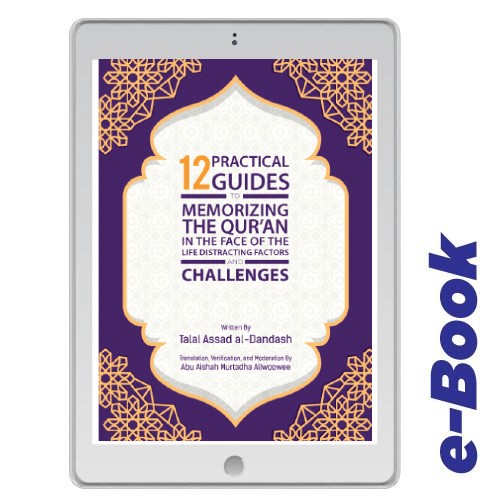
(FREE -ebook) 12 Practical Points to Memorizing the Qur’an
Highlights:
The ebook is free to download. Once the book is ready in store, you can purchase it here
The Holy Qur’an was revealed upon the Prophet
Muhammad ﷺ through the Archangel Jibril as. The Prophet Muhammad ﷺ responded by saying, “I cannot read.” Thereupon, Jibril as embraced the
Prophet ﷺ until he uttered “Iqra bismirabbikal-ladhi khalaq.”
For every Muslim, it is a must to learn and memorize the Holy Qur’an, for its significance involves directly in a believer’s faith, daily actions and conduct. This short book, 12 PRACTICAL GUIDES TO MEMORIZING THE QUR’AN, serves as a starting point in which readers can begin their journey to better memorizes the Holy Qur’an.Through these quick and practical steps, biiznillah, memorization will no longer be troublesome and tedious. May Allah swt reward every one of us that strived toward learning the word of Allah by heart.
RM0.00
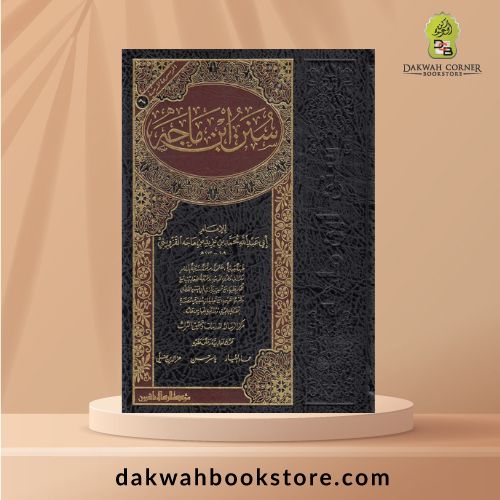
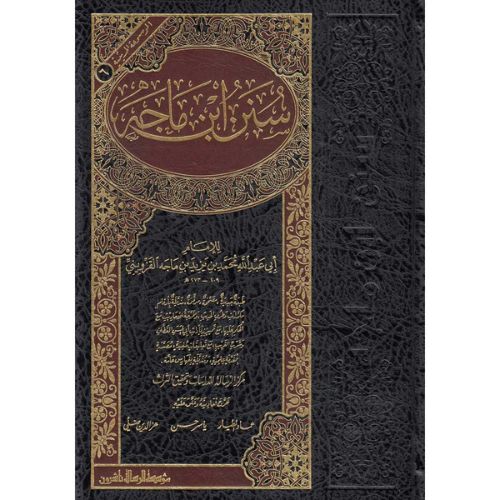
[AH] Sunan Ibn Majah (Ar Risalah Naashirun) / سنن بن ماجه
Highlights:
كتاب “سنن ابن ماجه” هو سادس الكتب الستة المعتمدة (الكتب الستة لأصول السنة النبوية المشرفة). قام بجمعه وتصنيفه الإمام أبو عبد الله محمد بن يزيد بن ماجه القزويني.
RM135.00
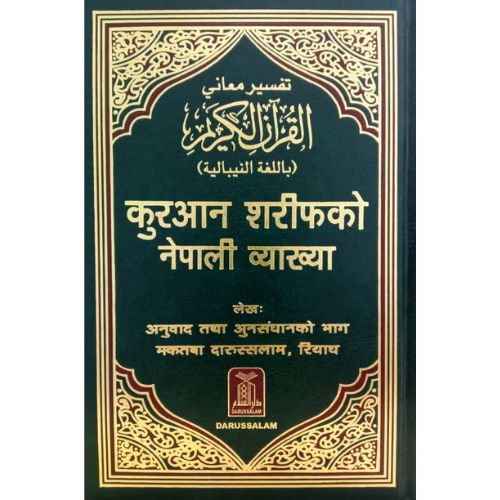
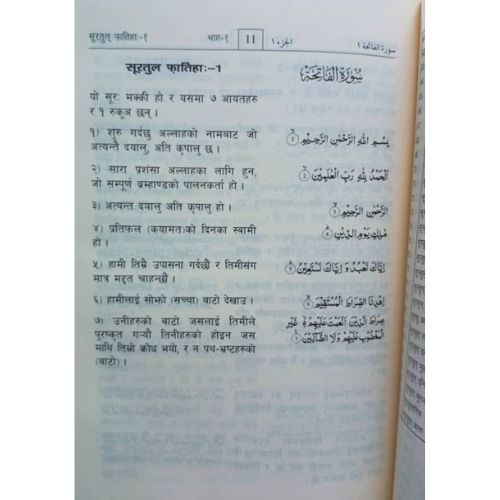
Qur’an Nepali Translation
Highlights:
Quran in Nepali Language ( Arabic To Nepali Translation)
The Noble Quran was Translated into Nepali with Arabic script included.
RM95.00
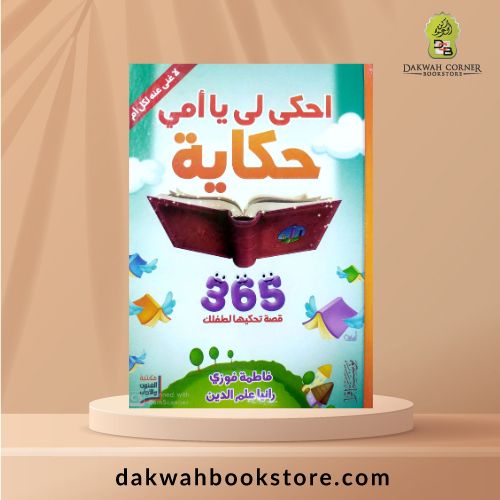
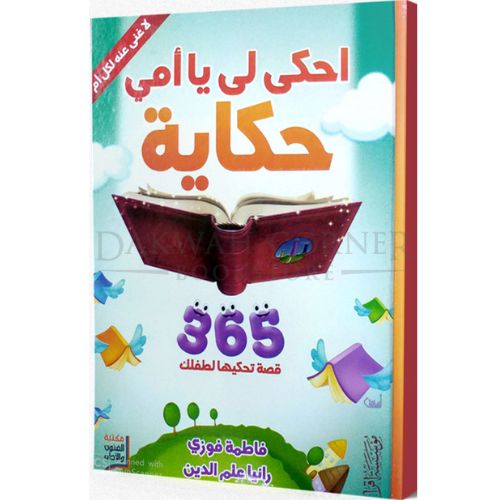
[CB] Ihki Li Ya Ummi Hikayah / احكي لي يا امي حكاية
Highlights:
احكي لي يا أمي حكاية: 365 قصة تحكيها لطفلك، فاطمة فوزي ورانيا علم الدين
RM60.00
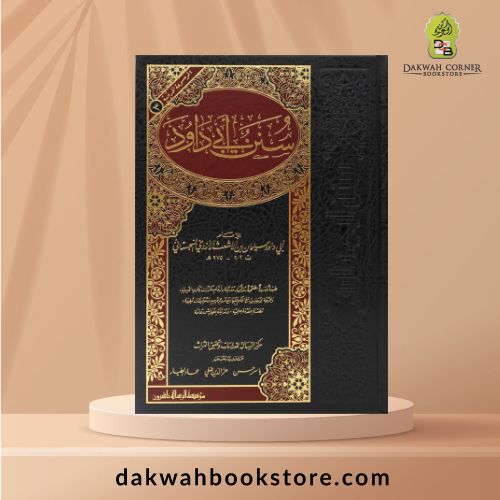
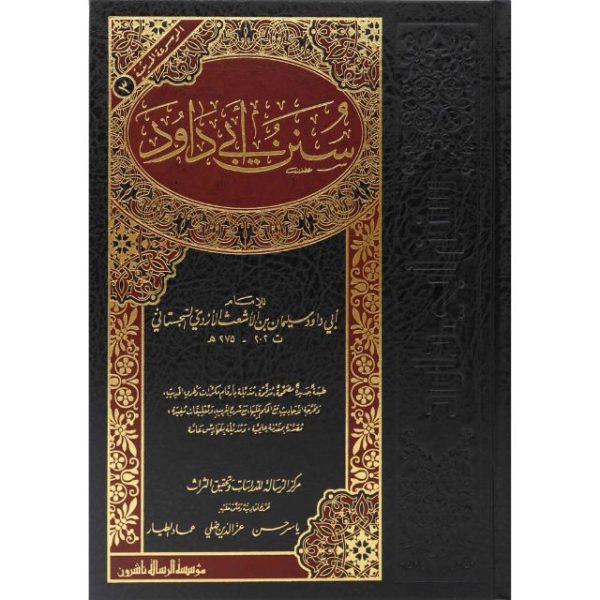
[AH] Sunan Abu Dawood (Ar Risalah Naashirun) / سنن ابي داود
Highlights:
سنن أبي داود هو أحد كتب الحديث الستة المعتمدة وأحد السنن الأربعة المشهورة عند أهل السنة والجماعة. قام بجمعه وتصنيفه الإمام أبو داود سليمان بن الأشعث السِّجِسْتاني (المتوفى سنة 275 هـ). وركز فيه بشكل أساسي على جمع أحاديث الأحكام الفقهية التي يستدل بها الفقهاء في استنباط الأحكام الشرعية.
RM160.00


Difference Between Advising And Shaming ( Dar as-Sunnah)
4.5 ★
4.5 ★
2 Ratings
5 ★
1
4 ★
1
3 ★
0
2 ★
0
1 ★
0
Highlights:
[This book] beautifully illustrates the difference between advising that is encouraged and shaming that is not permitted.
RM40.00
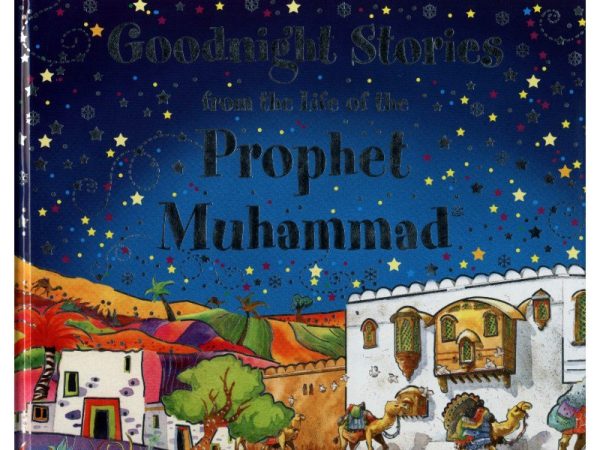
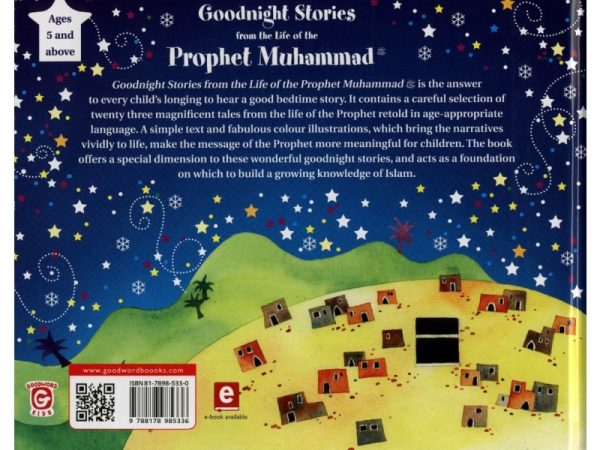
Goodnight Stories from the Life of the Prophet Muhammad (H/B)
Highlights:
Goodnight Stories from the Life of the Prophet Muhammad is the answer to every child’s longing to hear a good bedtime story. It contains a careful selection of twenty three magnificent tales from the life of the Prophet retold in age-appropriate language. A simple text and fabulous colour illustrations, which bring the narratives vividly to life, make the message of the Prophet more meaningful for children. The book offers a special dimension to these wonderful goodnight stories, and acts as a foundation on which to build a growing knowledge of Islam.
RM58.00
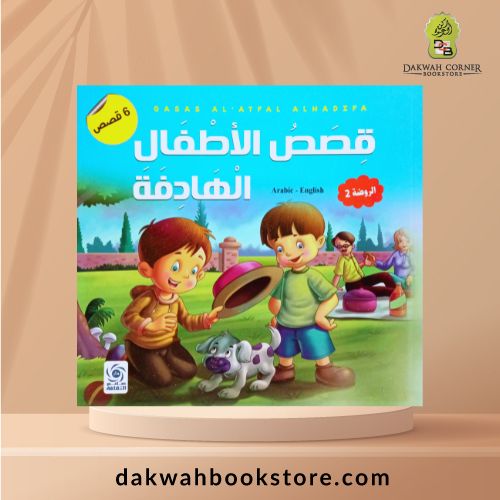
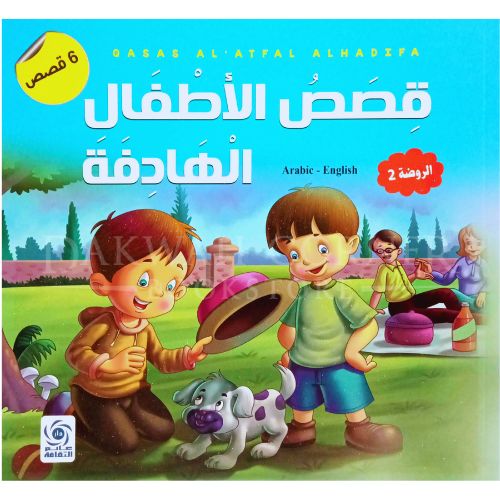
[CB] Qisas Al Atfal Al Hadifa / قصص الأطفال الهادفة
Highlights:
قصص الأطفال الهادفة
ابتسامة سالي ▪️
زيارة مهمة ▪️
صديقي المشاغب ▪️
غالي والعصائر ▪️
هدايا الجد ▪️
هيا نتعاون ▪️
RM35.00
There are no reviews yet.