

| Weight | 0.130 kg |
|---|---|
| Dimensions | 21 × 14 × 1 cm |
| Author | |
| ISBN | 9781904336143 |
| Pages | 80 |
| Product Type | Book |
| Publisher | Dar us-Sunnah Publishers |
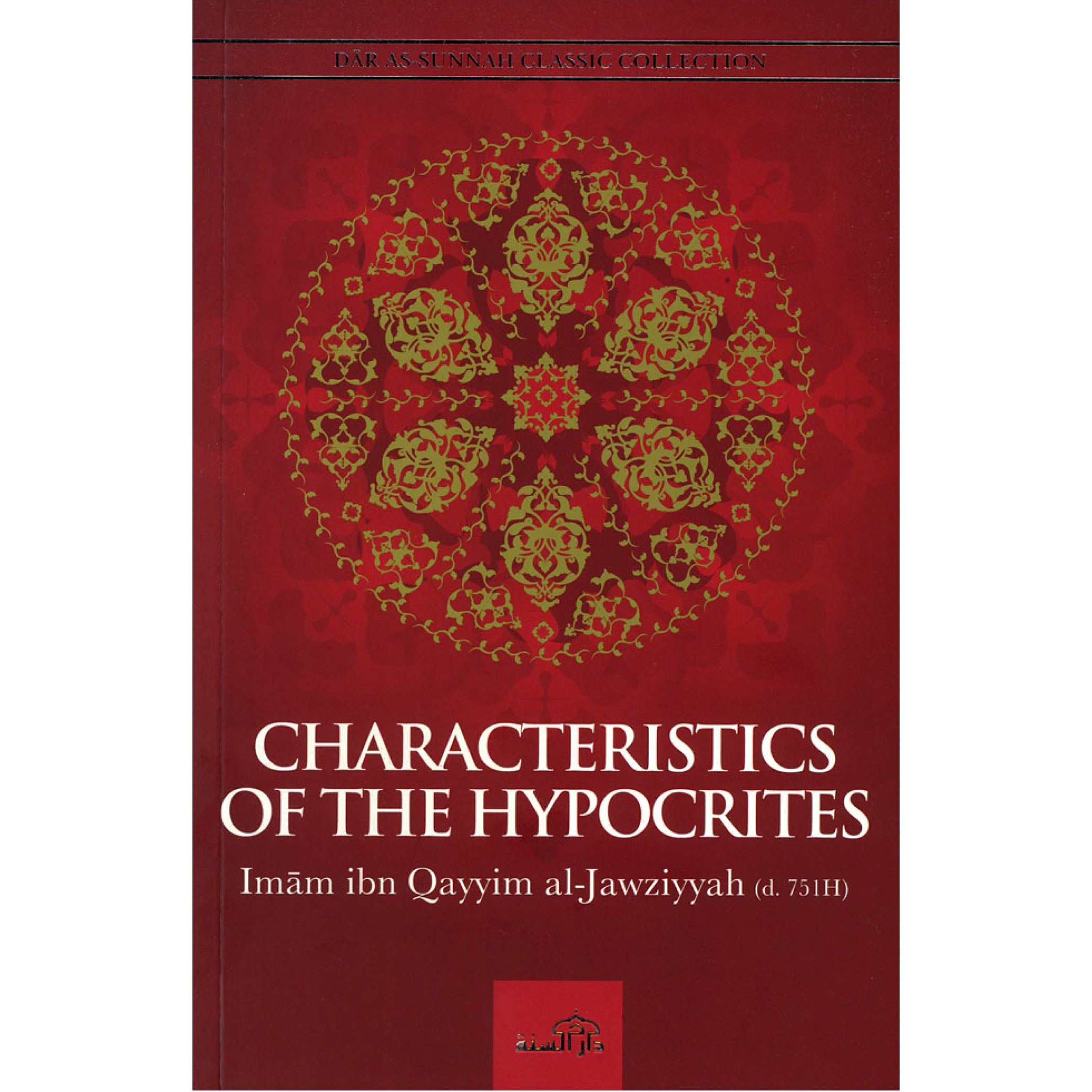
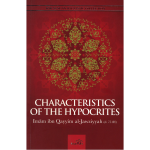
Characteristics Of The Hypocrites
Previous product
It's Ramadan
RM19.00
Next product
Trials and Tribulations
RM37.00
RM37.00
Hurry up, Only 1 left.
Highlights:
somdn_product_page
Compare
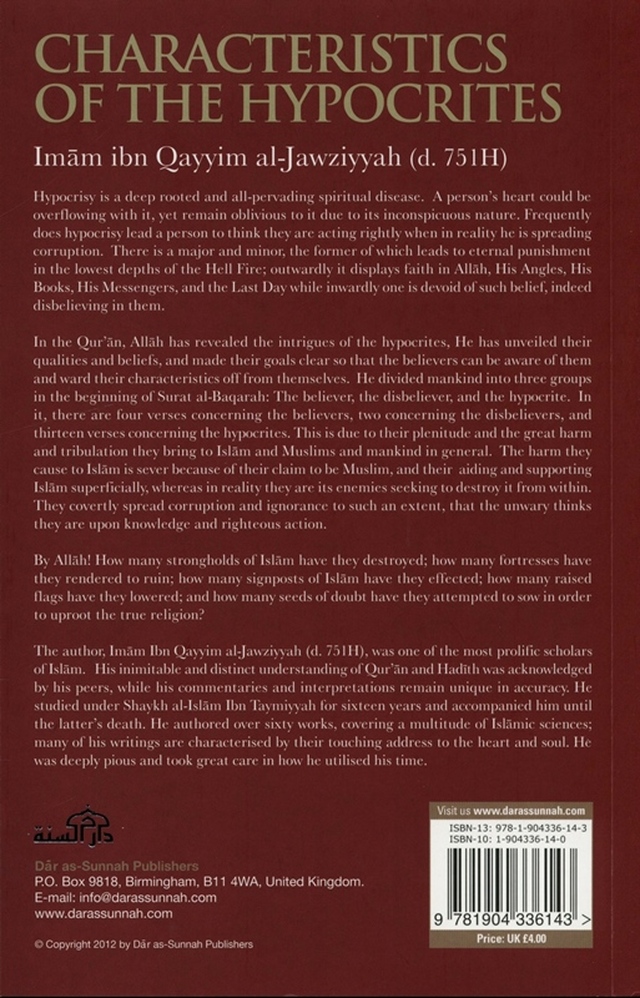
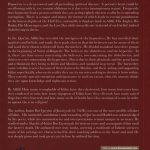
Hypocrisy is a deep-rooted and all-pervading spiritual disease. A person’s heart could be overflowing with it yet be oblivious of it due to its hidden and subtle nature; frequently does it lead a person to think they are acting rightly when in reality he is spreading corruption. It is of two types: major and minor; majority hypocrisy leads to eternal punishment in the lowest depths of Hell; it is to outwardly display faith in Allah, His Angles, His Books, His Messengers, and the last Day whereas inwardly one is devoid of such belief, indeed disbelieving in it. They do not believe that Allah spoke to a man amongst men who He appointed to be Messenger: guiding them by His permission and warning them of His punishments.
Additional information
Reviews (0)
Be the first to review “Characteristics Of The Hypocrites” Cancel reply
You must be logged in to post a review.
Related Products
Kitab At-Tauhid The Book Of Monotheism
Highlights:
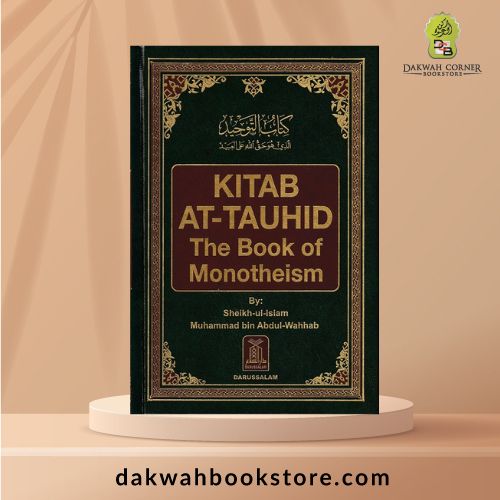
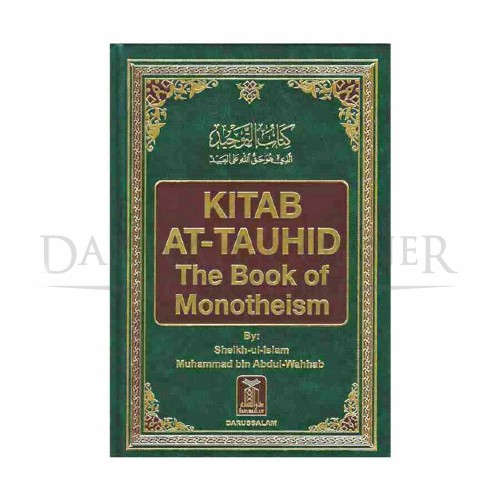
In this book, all the relevant Verses have been discussed reasonably, rationally and sincerely; and the essence of the Qur’an and Sunnah is placed in a very simple and appealing manner. This is the reason that the upright persons, beyond group ism and prejudices, have been adopting the correct Islamic path – the path of the Qur’an and Sunnah – under the influence of the basic facts and proofs produced herein. Kitab At- Tauhid is one of the best books on the subject of Tauhid (Monotheism) and ranks high in authenticity. Till date it has been published many times. It has been a means of guidance for millions of people throughout the world, by taking them out of the darkness of polytheism, heresy and error. If Allah wills, this book would also undoubtedly prove beneficial in all the times to come.
RM40.00
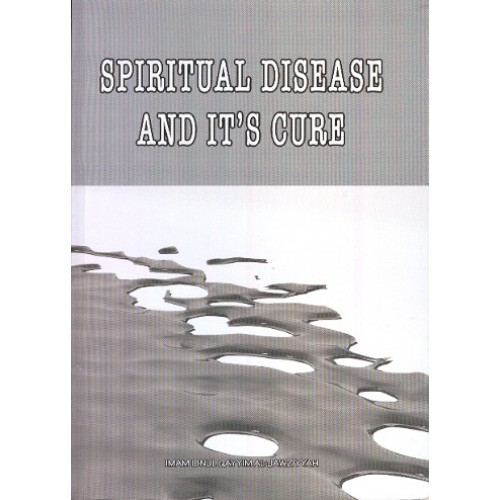
Spiritual Disease and It’s Cure
Highlights:
The Imam was asked a long question of which a part was – What is the opinion of the scholars regarding a man who is afflicted by a disease, and knows that if it should continue it would damage his life? The Imam Quoted the Hadith from Sahih Bukhari The prophet (S) said: ‘Allah has appointed a remedy for every disease He has sent down’ Imam Ahmad reported on the authority of Usamah bin Shareek that the ‘ Prophet (S) said Allah has not made a disease without providing a remedy for it, wih the exception of one disease, namely old age’ This Applies to the medicine for the heart, soul and body. The well being of the servant’s heart, is far more important than that of his body, for while the well being of his body enables him to lead a life that is free from illnesses in this world, that of the heart ensures him both a fortunate life in this world and eternal bliss in the next.
Imam Ibn al-Qayyim al-Jawziyya was born into a scholarly and virtuous family in 691 AH/ 1292 A.D. At that time Damascus was a centre of literature and thought. Many schools were located there and he studied and graduated under the protection, direction and sponsorship of his father. He was particularly influenced by his Shaykh and teacher Imam Ibn Taymiyyah, and also by Ibn ash-Shirazi amongst others. Ibn al-Qayyim al-Jawziyya died in the city of Damascus the year 751 AH/1350 C.E.,when he was scarcely 60 years old, and was buried at the cemetery of Bab- al-Saghir, near the grave of his father – Rahimahuma Allah.
RM56.00
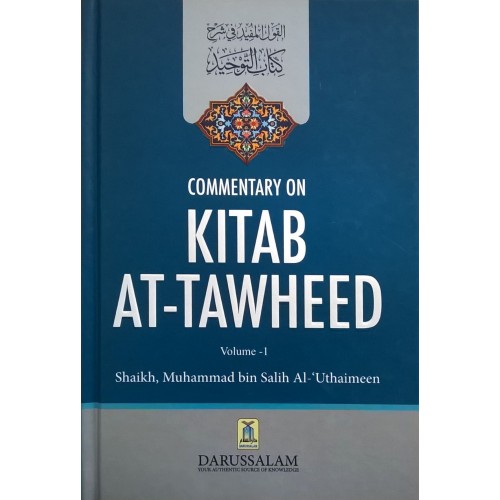
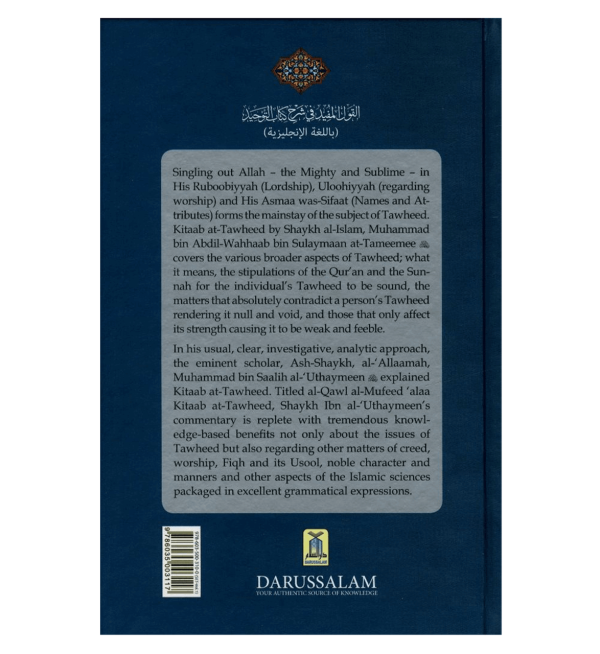
Commentary on Kitab At-Tawheed – 2 Volumes (H/B)
Highlights:
The title of the Arabic explanation by the shaykh is Al Qawl Al Mufeed Alaa Kitaab at-Tawheed.
RM170.00
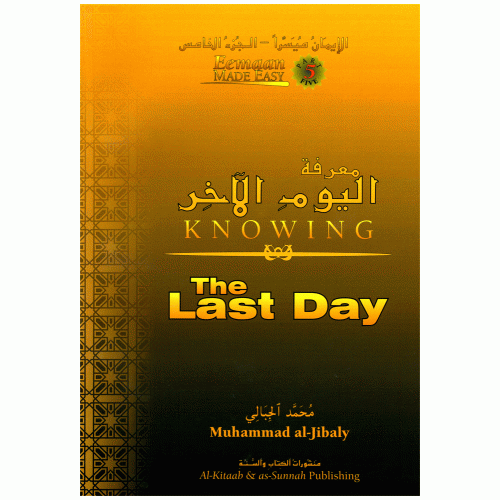
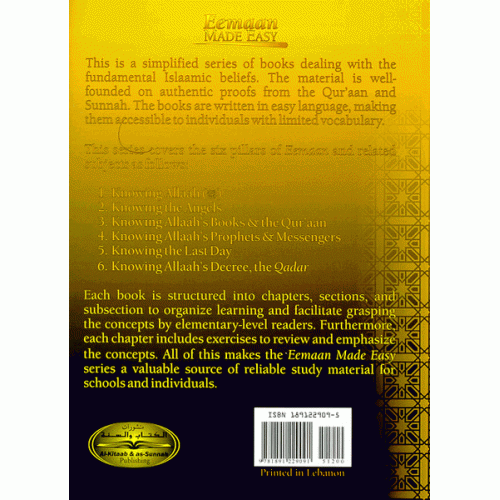
Knowing The Last Day (P/B) (Eeman Made Easy Series)
4 ★
4 ★
1 Rating
5 ★
0
4 ★
1
3 ★
0
2 ★
0
1 ★
0
Highlights:
This is a simplified series of books dealing with the fundamental Islaamic beliefs. The material is well-founded on authentic proofs from the Qur’aan and Sunnah. The books are written in easy language, making them accessible to individuals with limited vocabulary.
Each book is structured into chapters, sections, and subsection to organize learning and facilitate grasping the concepts by elementary-level readers. Furthermore, each chapter includes exercises to review and emphasize these concepts. All of this makes the Eemaan Made Easy series a valuable source of reliable study material for schools and individuals.
RM51.00
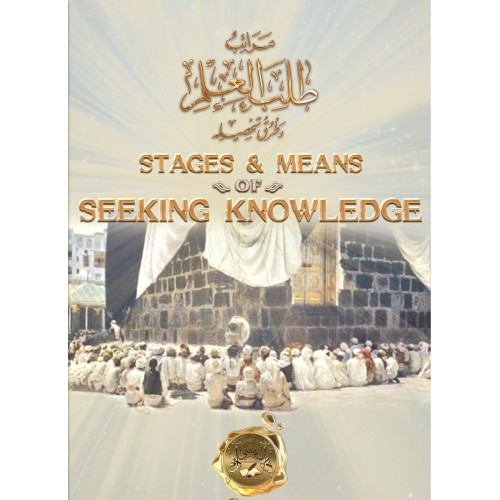
Stages & Means of Seeking Knowledge (P/B)
Highlights:
a small excerpt from the book:
“And those who disbelieve say: “Why is not the Quran revealed to him all at once?” Thus (it is sent down in parts), that We may strengthen your heart thereby. And We have revealed it to you gradually, in stages.”[1]”[2]
Al-Zarnooji -rahimahullah- said, “Imam Sharf ul-Din al-Uqayli – rahimahullah- used to say, “My opinion regarding learning knowledge is in agreement with what our teachers taught us. They used to teach beginners level one books because they are understandable, easy to memorize, enjoyable, and common. A beginner should not write down something he does not understand because it numbs the intelligence and is a waste of time. Instead, a beginner should focus on the task of understanding his teacher through deep thinking and repetition. Significantly, the smaller the portion in one class with repetition the more progress in understanding. A famous saying states: Memorizing two letters is better than hearing two loads, and understanding two letters is better than memorizing two loads.”[3]
RM69.60
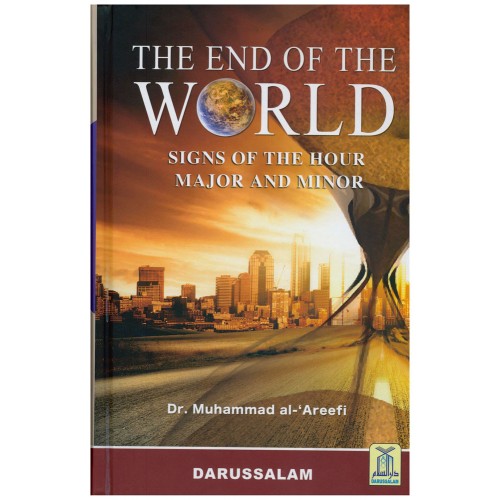
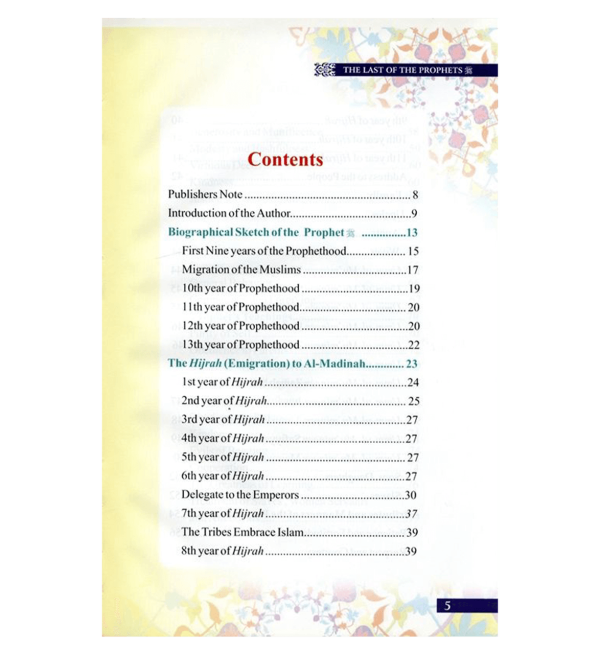
End of the World – Darussalam
Highlights:
In recent times things have become very confusing and we have begun to see in book stores and on websites speculations about future events, based on ayah and hadeeths which refer to these future events concerning the signs of the Hour.
Sometimes you hear about the appearance of the Mahdi, sometimes you hear that the final battle between the Good and the Evil is close at hand, other time you hear some thing happening in the East or in the West.
So, learn about the Final hour and it signs by reading this book which is backed by proofs from Quran and Hadith.
RM85.00
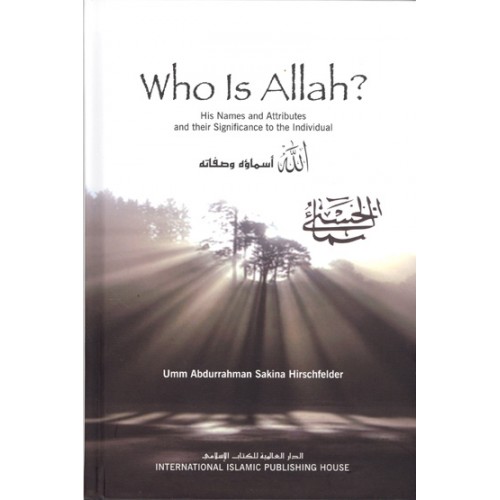
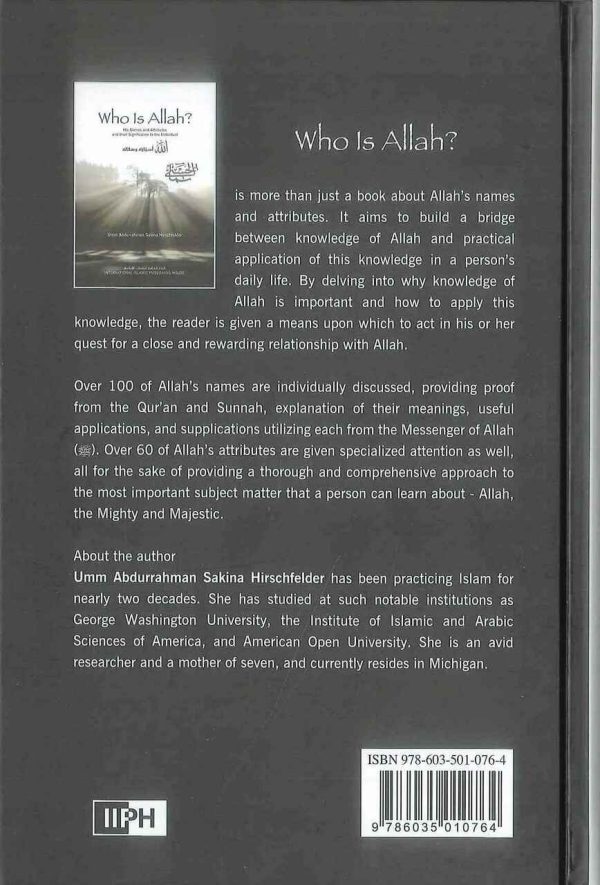
Who Is Allah? (H/B)
Highlights:
Who is Allah? is more than just a book about Allah’s names and attributes. It aims to build a bridge between knowledge of Allah and practical application of this knowledge in a person’s daily life. By delving into why knowledge of Allah is important and how to apply this knowledge, the reader is given a means upon which to act in his or her quest for a close and rewarding relationship with Allah.
Over 100 of Allah’s names are individually discussed, providing proof from the Qur’an and Sunnah, explanation of their meanings, useful applications, and supplications utilizing each from the Messenger of Allah. Over 60 of Allah’s attributes are given specialized attention as well, all for the sake of providing a thorough and comprehensive approach to the most important subject matter that a person can learn about – Allah, the Mighty and Majestic.
RM75.00
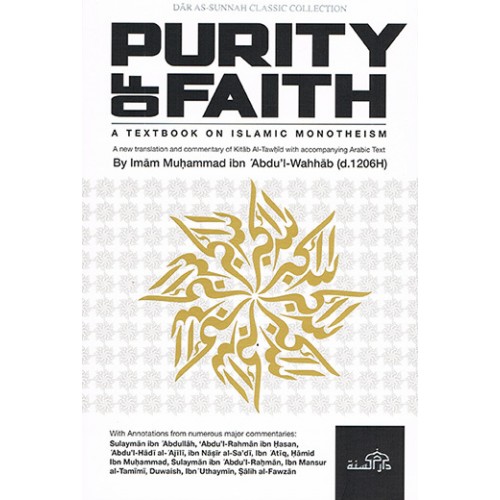
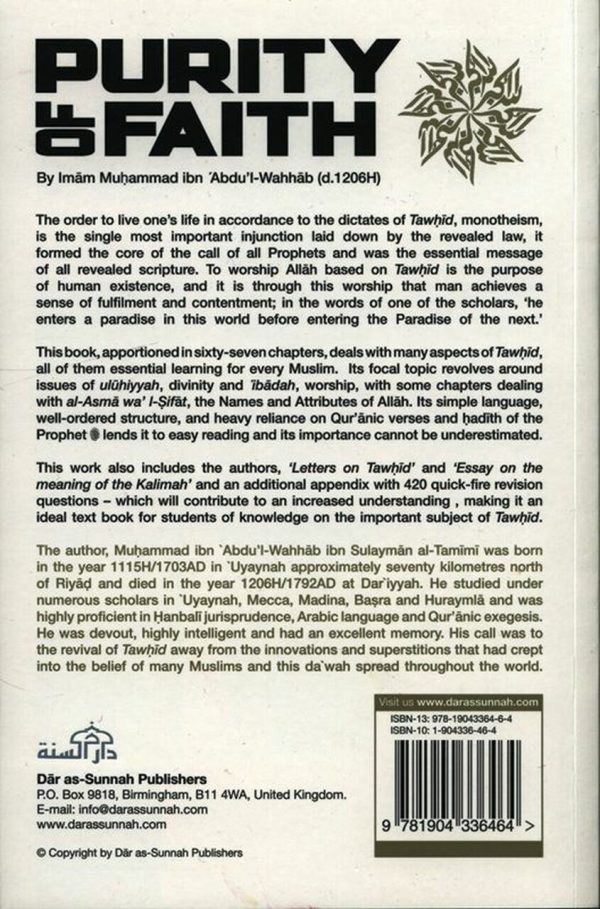
Purity of Faith (P/B)
Highlights:
The order to live one’s life in accordance to the dictates of Tawhid, monotheism, is the single most important injunction laid down by the revealed law, it formed the core of the call of all Prophets and was the essential message of all revealed scripture. To worship Allah based on Tawhid is the purpose of human existence, and it is through this worship that man achieves a sense of fulfilment and contentment; in the words of one of the scholars, ‘he enters a paradise in this world before entering the Paradise of the next.’
This book, apportioned in sixty-seven chapters, deals with many aspects of Tawhid, all of them essential learning for any Muslim. Its focal topic revolves around issues of ulùhiyyah, divinity and `ibadah, worship, with some chapters dealing with al-Asmm wa’l-Sifat, the Names and Attributes of Allah. Its simple language, well-ordered structure, and heavy reliance on Qur’anic verses and Hadith of the Prophet (saw) lends it to easy reading and its importance cannot be underestimated.
Kitab al-Tawhid is a landmark work analysing orthodox Islamic monotheism. Since it was authored it has received a great deal of attention, a large number of commentaries and has been translated into over twenty languages. Relevant as it was then, it remains relevant today and Muslims are in dire need of reading it, studying it and teaching it.
Unfortunately, despite previous laudable efforts, a translation does not yet exist in English that truly reflects the importance of this work. It gives Dar us-Sunnah great pleasure to present this work to the reader in the hope that it fills this gap
• An accurate translation in easy to read modern English
• Annotations taken from 15 major commentaries
• All major criticisms against the book by its antagonists addressed
• All Hadiths and narrations critically analysed and referenced
• This work also includes the authors ‘Letters on Tawhid and Eassay on the meaning of the Kalimah’
• Overview of the style and structure of the book
• Biography of the author analysing his life, creed and works
• The Arabic text of the whole book included
• 420 Revision Questions
• Indexes of verses, Hadiths and narrations
• This is an ideal text book for every Muslim on this very important topic
RM132.00
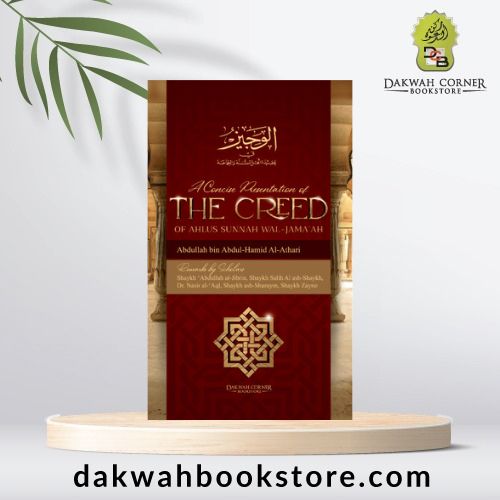
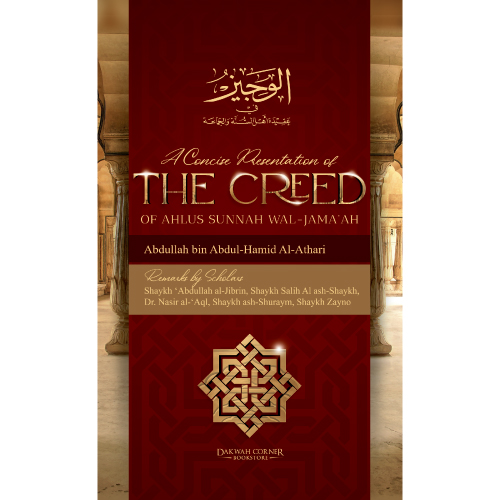
A Concise Presentation Of The Creed Of Ahlul Sunnah Wal Jama’ah
4.7 ★
4.7 ★
3 Ratings
5 ★
2
4 ★
1
3 ★
0
2 ★
0
1 ★
0
Highlights:
A Concise presentation of THE CREED OF AHLUS SUNNAH WAL-JAMA’AH: is an explanation on the beliefs of the Pious Predecessors of this Ummah. They include the companions, their followers and successors who have followed them in goodness and those who upheld the real and true Islam brought by the last Prophet Muhammad SAW.
RM45.00
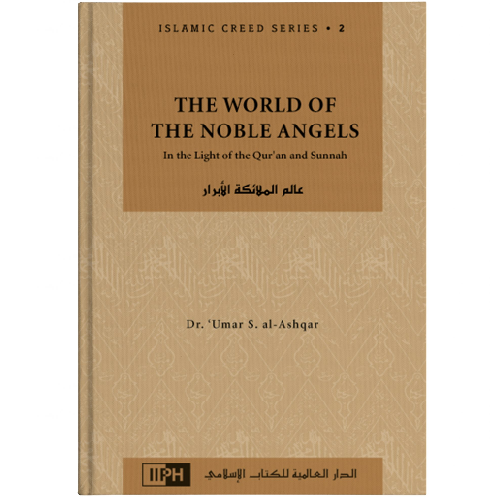
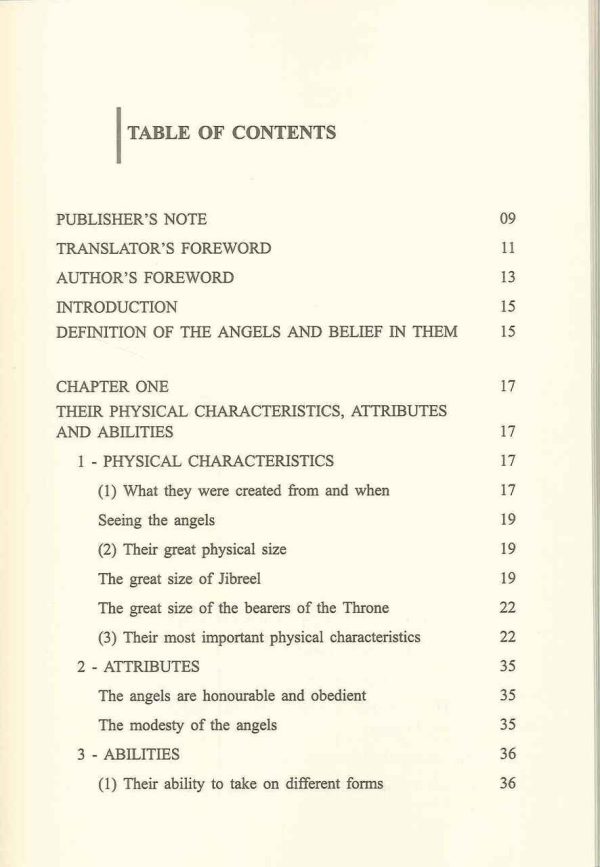
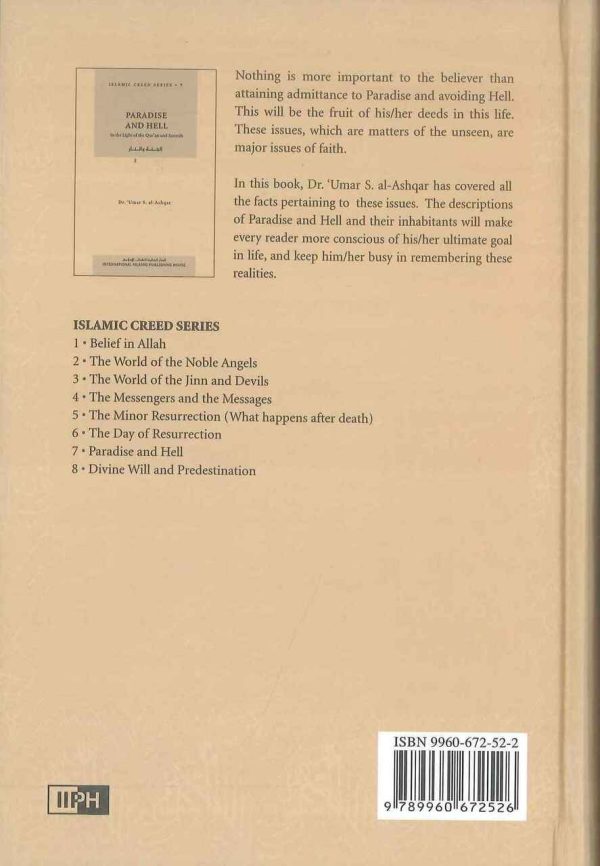
The World Of The Noble Angels – Islamic Creed Series 2
Highlights:
From the moment an individual is conceived in his or her mother’s womb, until death and beyond, angels play a part in human life. This volume draws on the sources of Islam to give us a comprehensive picture of who the angels are, their origins, their role in the universe and their interaction with humankind in this world and the next.
RM45.00

RM70.00
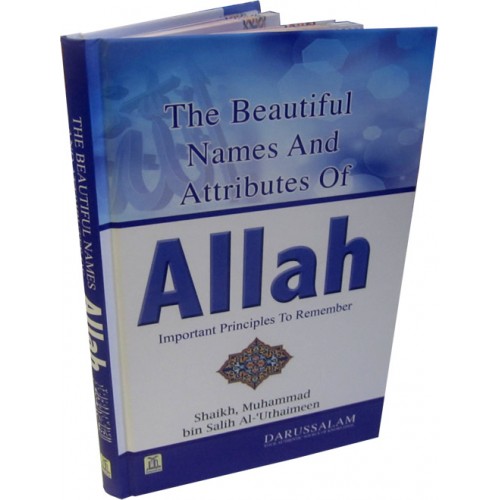
The Beautiful Names and Attributes of Allah- Important Principles To Remember
Highlights:
The pristine beliefs of the early Muslims are preserved in this vitally important masterpiece written by one of the most outstanding scholars of our time, Shaykh Muhammad Ibn Saalih al Uthaymeen. This new revised edition by Dar-us-Salam has been printed in full color with hardback bounding for an excellent presentation.
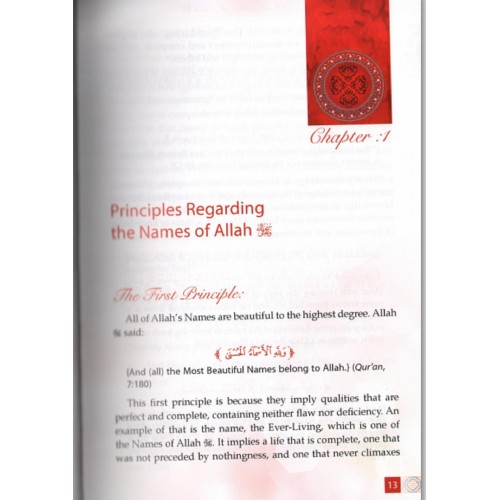
Seven clear principles and their evidences from the Book and the Sunnah guide the reader through the confusion and false claims of the ignorant to the clarity of belief in Allah’s Names accomplished by the righteous early scholars of Islam. Principle 6 contains the shaikh’s compilation of the ninety-nine (99) names of Allah. The names have been compiled into 2 categories: first from the Book of Allah & second from the Sunnah of the Prophet (S). All the names have been printed in Arabic with transliteration and English translation. Each name is printed beautifully in a square box with 6 boxes on a page.
Seven more principles and their evidences follow, giving the reader firm understanding of the correct beliefs about Allah’s Attributes. Four more principles outline the correct approach in studying the related proofs and evidences.
All of this leads the reader into an enthralling series of refutations of the false notions of the Ash’aree sect, a text-by-text breakdown of how and why they went wrong in a careful and precise study of fifteen texts from the Book and the Sunnah. The beliefs of the Ash’aree sect are destroyed and the origins of their deviation are exposed for all to see.
‘A magnificent book a clarification of the creed of the righteous Salaf concerning the Names and Attributes great principles and collective benefits concerning the topic’ – Shaykh Ibn Baaz
RM50.00
Recently Viewed
RM24.00
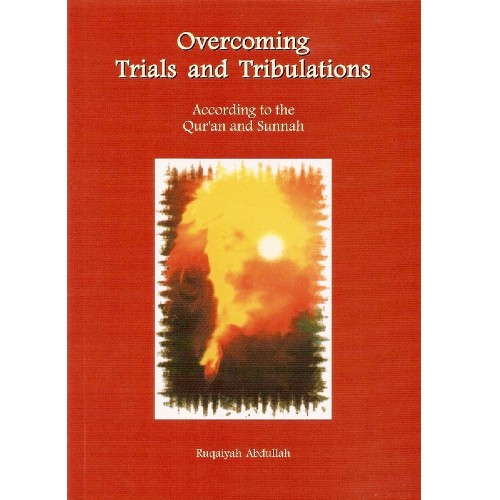
Overcoming Trials and Tribulations According to the Qur’an and Sunnah
Highlights:
Allah (swt) will continue to test us throughout our lives. This book attempts to evaluate the different types of tests that we may experience, why they occur, how to cope with them successfully and their significance both in this world and in the Hereafter. This is a strengthening and inspiring book that is particularly recommended during difficult times.
RM21.00
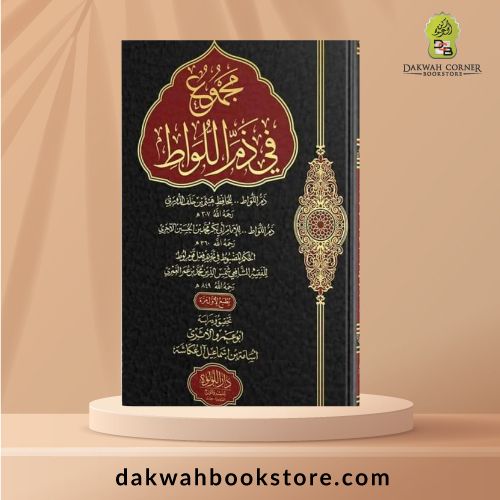
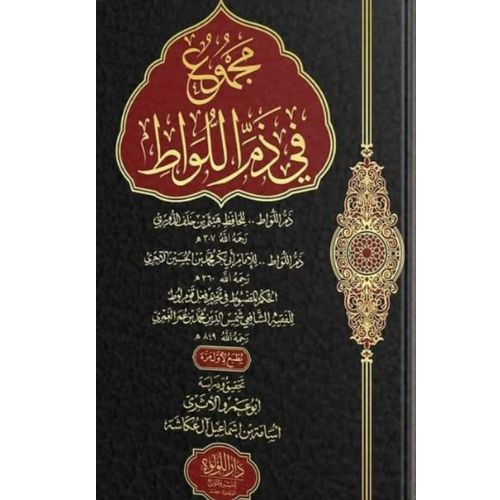
[AMM] Majmu’ fi Dham al-Liwat / مجموع في ذم اللواط
Highlights:
زين الشيطان لقوم نبي الله لوط عليه السلام فعل اللواط وحلاها لهم ورغبهم ووسوس لهم حتي وقعوا فيها وجعلوها في ناديهم. فقام لوط عليه السلام بالنصح والدعوة وتبين الحق حتّى أتى أمر الله فجعل عاليها سافلها وموعظة للناس أجمعين. فتم جمع ما ورد من آيات وأحاديث وأقوال الصحابة والتابعين في المسألة في مصنف مستقل.
RM85.00

The Purpose of Creation (P/B)
Highlights:
Mankind must know about the purpose of their existence, their responsibility towards their Creator, and what they must do in preparation for the Day in which they shall return to Him – this work addresses these issues aptly in the authors usual readable style.
RM15.00
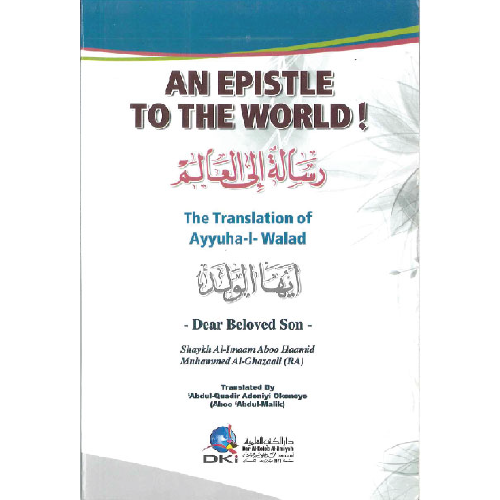
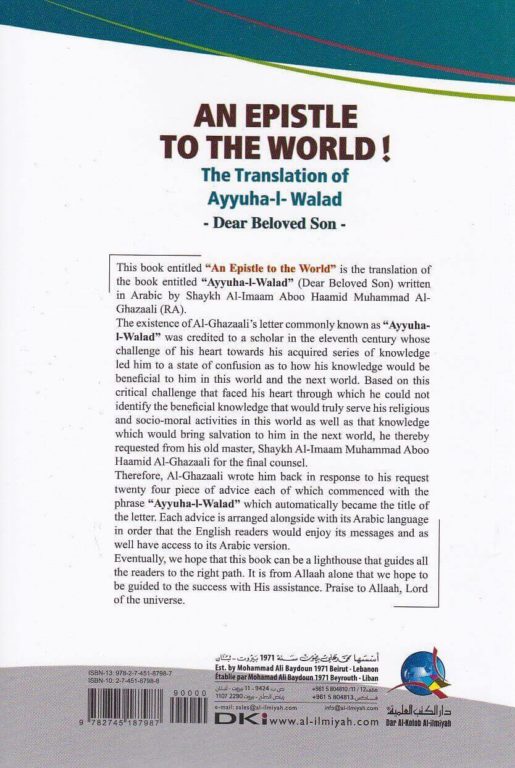
An Epistle To The World!
Highlights:
This book offers twenty-four pieces of valuable advice to seekers of knowledge. It touches on all aspects of life, from material wealth and the love of this life to Islamic etiquette and acquiring knowledge.
RM25.00
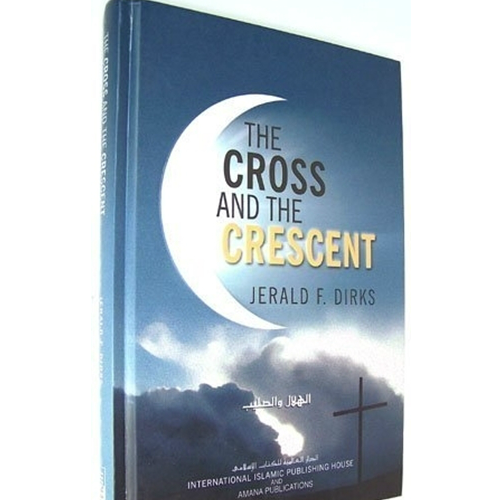
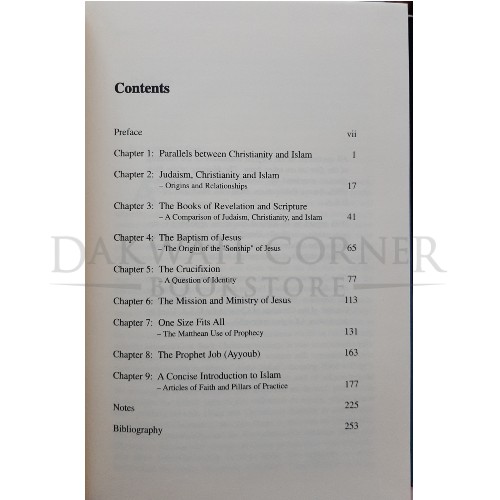
The Cross and The Crescent (IIPH)
Highlights:
In The Cross and The Crescent, Dr. Dirks, a former ordained minister (deacon) in the United Methodist Church, a graduate of Harvard Divinity School and with a doctorate in clinical psychology, reaches out to the Christians and the Muslims for an interfaith dialogue. Drawing on his seminary education and thirty years of interaction with Muslims in America and overseas, the author digs deep into the roots of Christianity to bring out obscure information that highlights what was once common between Christianity and Islam. He envisioned that, “In writing this book, I would like to touch the lives of those Christians who have not been given the knowledge that I have gained both about Islam, from my direct contact with Muslims, and about Christianity from my seminary education. I want to share with those Christians, who are willing to listen, what is so often known by their clergy and church leaders, but seldom finds its way into their knowledge of their own religion. Likewise, I would like to reach out to the Muslims, in order to help them understand the religious commonality that they share with Christians”.
RM43.00

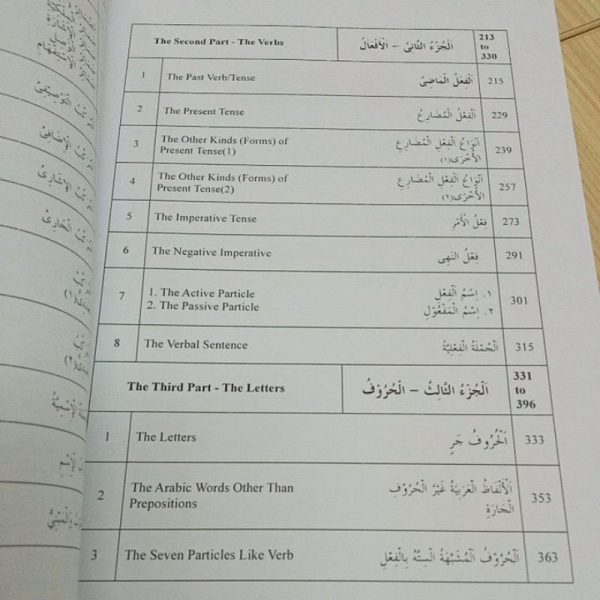
Quranic Arabic With Basic Grammar
Highlights:
This book, which is a compilation of the author’s lectures in seminars during his post-doctoral research at the Centre for Islamic Development Management Studies, Universiti Sains Malaysia, dwells on Arabic language with a focus on Quranic grammar. It comprises of three parts, each part contains various units. The first part contains 15 unit which look into the nouns, pronouns, different types of compounds, the nominal sentence and punctuation. The second part consists of seven units which discuss the various types of tenses, sentences, the imperatives and the particles. The last part featuring five units covers prepositions and different types of words in Arabic.
RM79.00
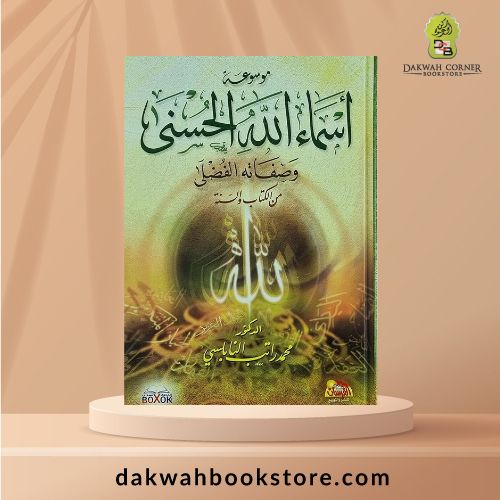
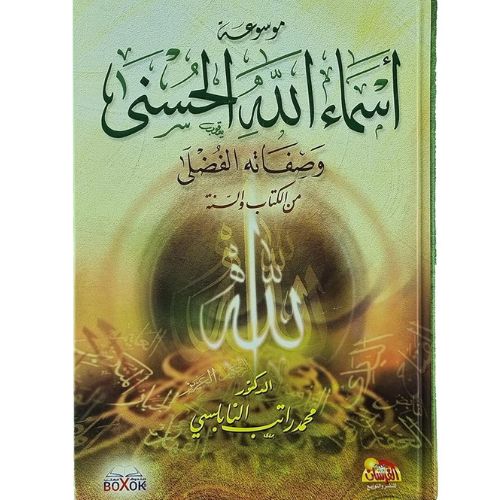
[AC] Mausū’at Asmā’ Allāh al-Ḥusnā / موسوعة أسماء الله الحسني
Highlights:
الدكتور محمد راتب النابلسي في موسوعته هذه، فضلاً عن نقله لما في كتب العلماء الأجلاء، قديماً وحديثاً، من روح لأسماء الله الحسنى، يسلك أسلوباً جديداً في شرحه لهذه الأسماء الحسنى، يعتمد على آيات الله في الآفاق، وعلى آيات الله في النفس البشرية
RM175.00
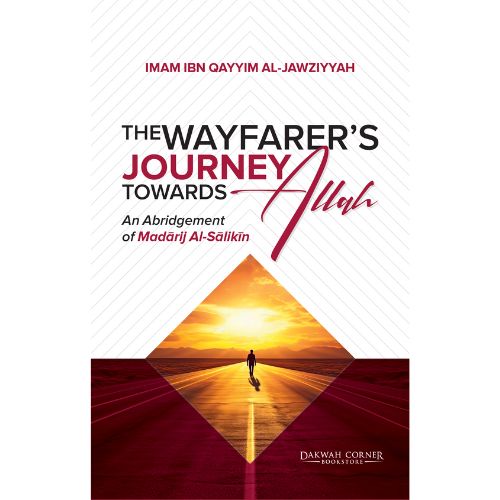
The Wayfarer’s Journey Towards Allah (DCB)
5 ★
5 ★
1 Rating
5 ★
1
4 ★
0
3 ★
0
2 ★
0
1 ★
0
RM65.00
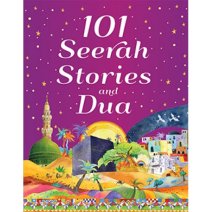

101 Seerah Stories and Dua (H/B)
Highlights:
101 Seerah Stories and Dua is a richly illustrated collection of 101 great stories told in simple language that children will easily understand and relate to. Each story comes with delightful illustrations and a beautiful prayer. The book includes well known tales from the life of the Prophet Muhammad — the Year of Elephant, the birth and childhood of the Prophet, the revelation of the Quran, the first Muslims, opposition of the Quraysh, the spread of Islam and migration to Madinah to name a few. It’s a unique experience the whole family will cherish and revisit again and again!
RM50.00


The Sources of the Qur’an
Highlights:
“Who is the author of the Qur’an?” On this subject scholars have flagrantly contradicted each other. This work attempts to make a critical review of the major ‘authorship’ theories by pressing into service logical arguments, historical evidence, textual analysis and scientific data. Probably, the only point of agreement about the Qur’an is that it was uttered for the first time by a man who was born in Makkah (Mecca), a city of Arabia, in the sixth century—a man by the name of Muhammad (blessings and peace be upon him). As to the source of the Qur’an, scholars are divided into three main groups: those who believe that Muhammad (blessings and peace be upon him) himself was the author; those who believe that he was not the author himself but learned it from another human author or authors; and those who believe that the Qur’an has no human author but is rather a word-for-word revelation from God. Hamza Njozi examines the three theories and comes to a firm and logical conclusion.
RM14.00
There are no reviews yet.