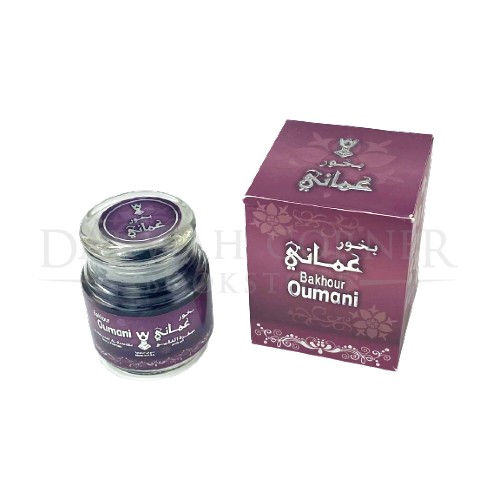





| Weight | 0.27 kg |
|---|---|
| Dimensions | 6.2 × 6.2 × 8.2 cm |
| Made in | Kingdom of Saudi Arabia |
| Product Type | Bakhoor |
| Ingrediant | Oud Oil, Oud Wood, Sandal, Amber, Roses, Zafran |
| Brand | Mabkharat Al-Khaleej |
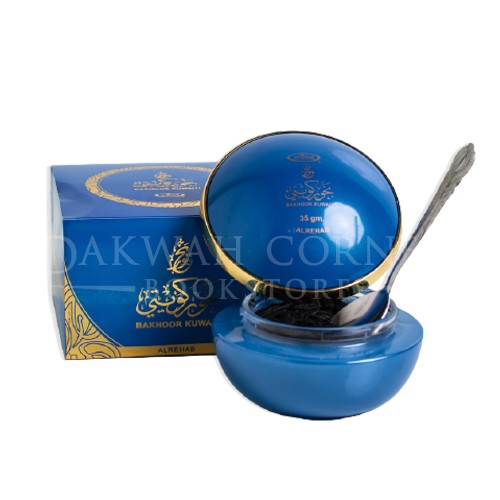
Bakhoor Oumani
RM35.00
High-quality bakhoor burn Incense gives a fresh scent for your HOME, SHOP, or OFFICE.
Be the first to review “Bakhoor Oumani” Cancel reply
You must be logged in to post a review.
Related Products
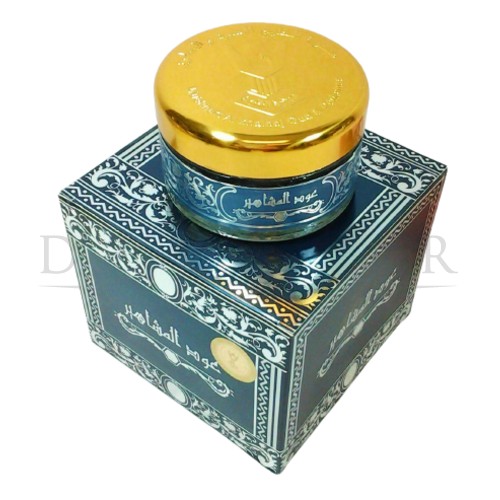
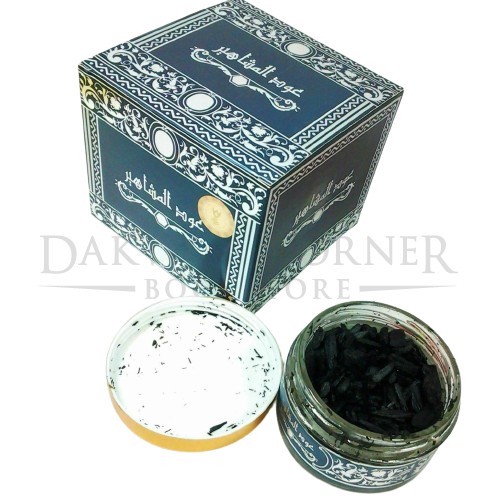
Oud Al Mashaheer
High-quality bukhoor burn Incense gives a fresh scent for your HOME, SHOP, or OFFICE.
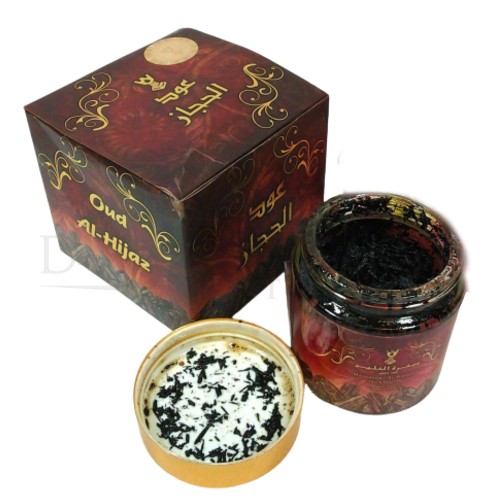
Oud Al Hijaz
High-quality bakhoor burn Incense gives a fresh scent for your HOME, SHOP, or OFFICE.
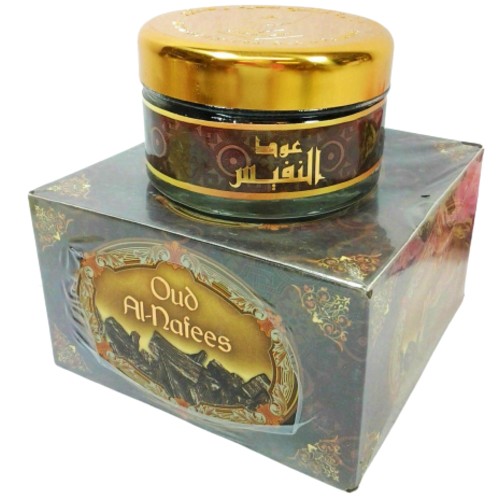
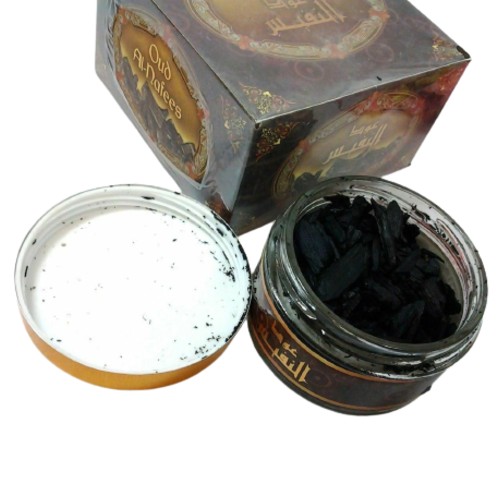
Oud Al Nafees
High-quality bakhoor burn Incense gives a fresh scent for your HOME, SHOP, or OFFICE.
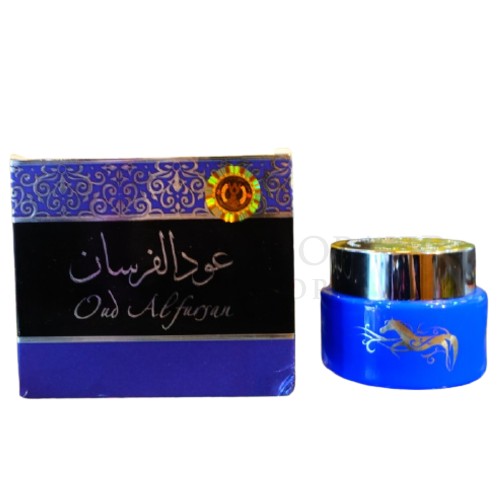
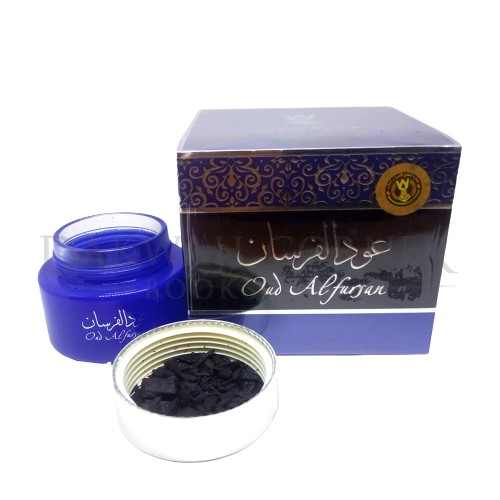
Oud Al Fursan
High-quality bukhoor burn Incense gives a fresh scent for your HOME, SHOP, or OFFICE.
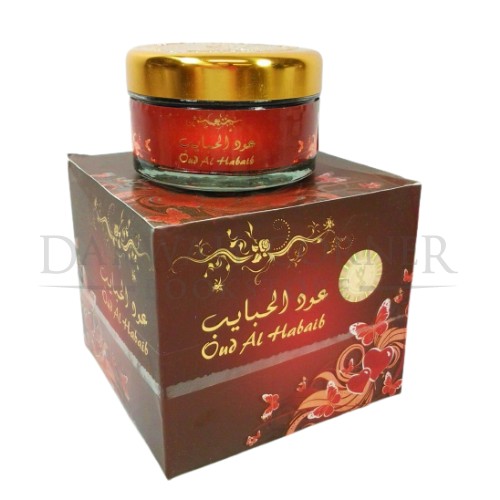
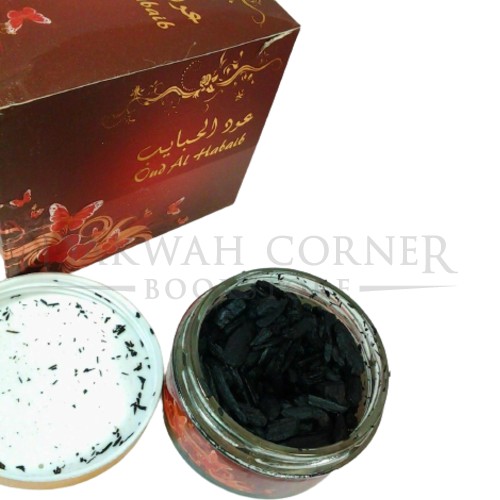
Oud Al Habaib
High-quality bukhoor burn Incense gives a fresh scent for your HOME, SHOP, or OFFICE.
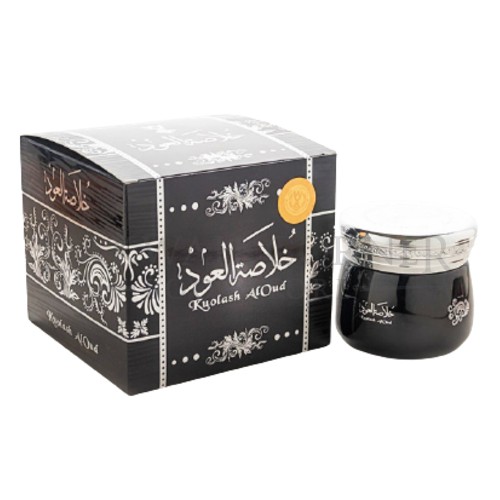
Koulash AlOud (40g)
High-quality bukhoor burn Incense gives a fresh scent for your HOME, SHOP, or OFFICE.
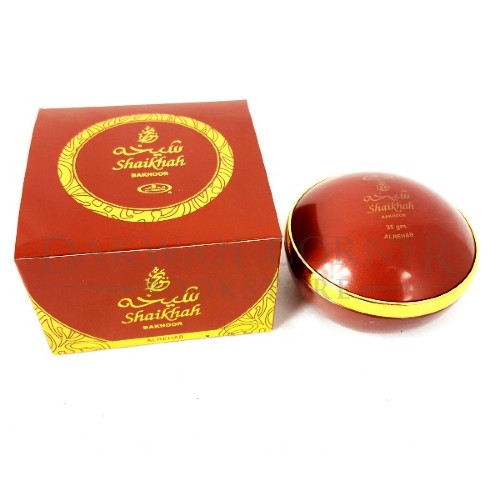
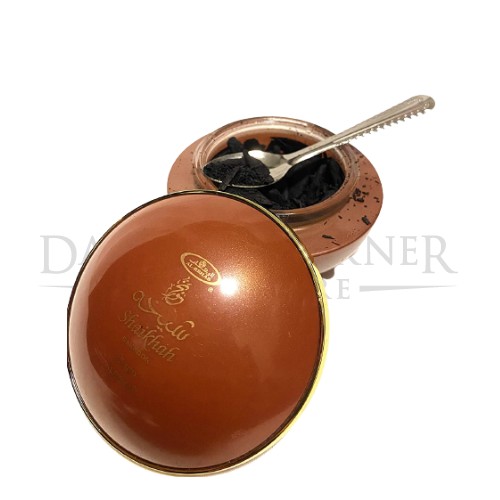
Shaikhah Bakhoor (35g)
Bakhoor can used during special occasions such as weddings, or simply for relaxing purposes and gives a fresh scent for your home, shop, or office..
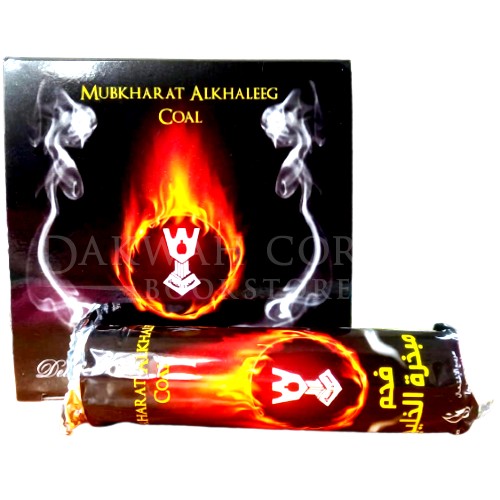
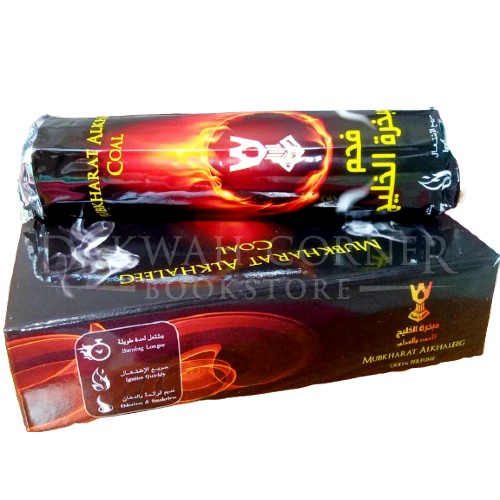
Mubkharat Alkhaleeg Coal
Crafted in a compact size and rounded shape for easy usage and convenient storage. Specially packaged in an airtight carton box to maintain coal freshness hence ensure burning efficiency.
Product Specification:
- Burning Longer
- Ignites Quickly
- Odorless & Smokeless
- 1 box/40 pieces
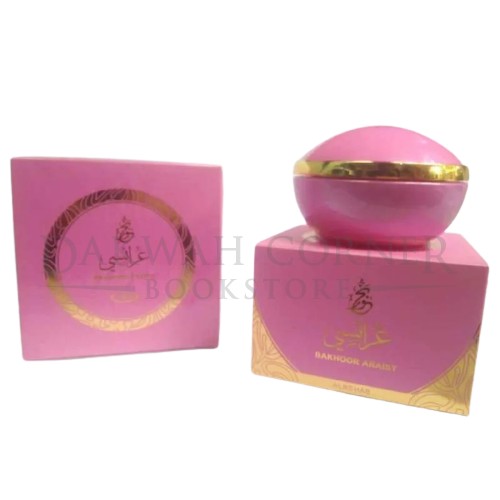
Bakhoor Araisy (35g)
Bakhoor can used during special occasions such as weddings, or simply for relaxing purposes and gives a fresh scent for your home, shop, or office.
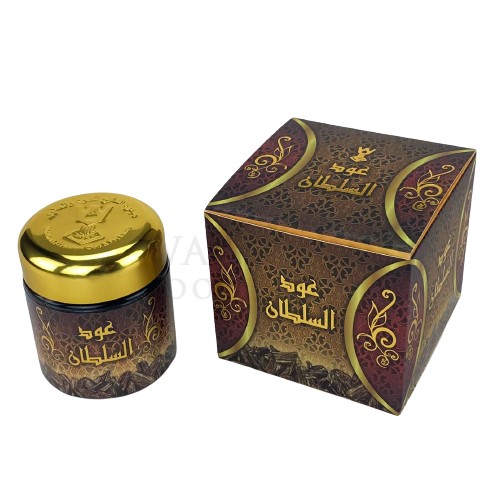
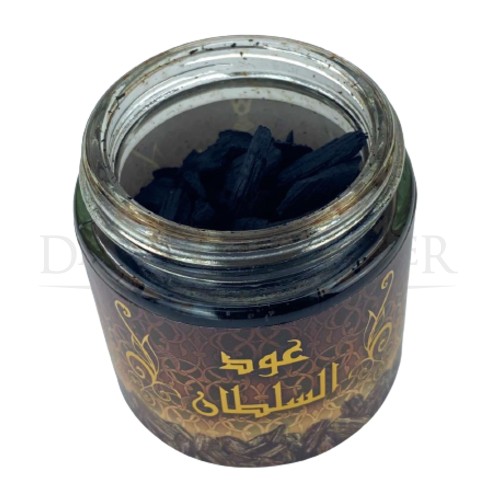
Oud Al-Sultan
High-quality bakhoor burn Incense gives a fresh scent for your HOME, SHOP, or OFFICE.
Bakhoor Kuwaiti (35g)
Bakhoor can used during special occasions such as weddings, or simply for relaxing purposes and gives a fresh scent for your home, shop, or office.
Recently Viewed

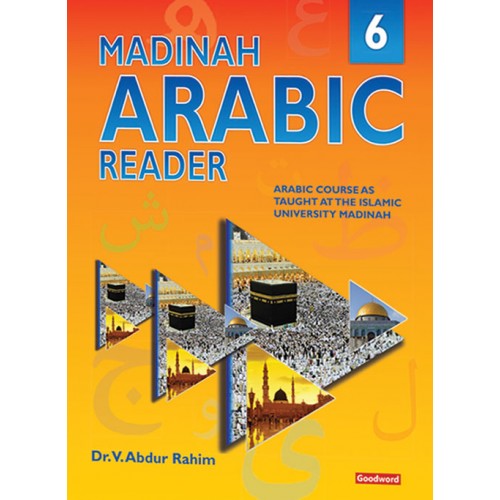
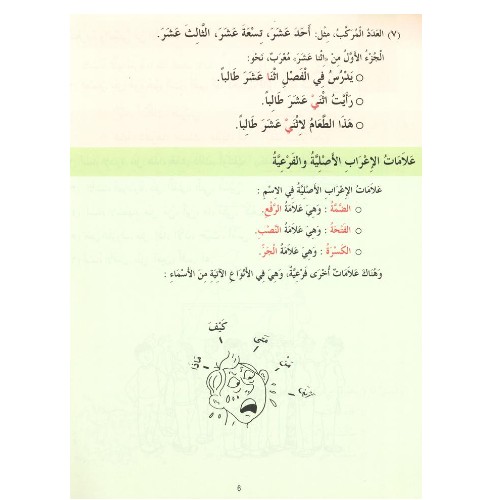
Madinah Arabic Reader (Book 6)
Professor Abdur Rahim, Director of the Translation Centre of the King Fahd Quran Printing Complex and former Professor of Arabic at the Islamic University of Madinah, Saudi Arabia, has authored texts designed to impart a knowledge of classical Arabic through applied grammar. Each lesson, based on a conversation, illustrates distinctive language patterns. These patterns are elucidated by a variety of helpful exercises. The vocabulary ranges from classical and Quranic Arabic to modern Arabic. This series of books is currently being utilized at various schools to prepare students for the University of London (UK) GCE O-Level and A-Level examinations.
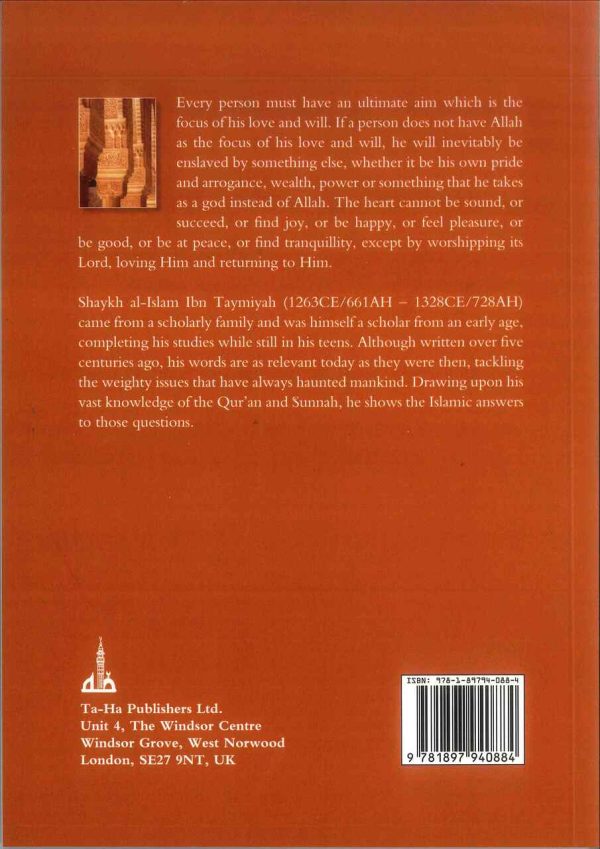
Al-‘Ubudiyyah: Being a True Slave of Allah
Shaykh Ibn Taymiyyah defines the concept of worship in Islam and explains that to be a true “slave of Allah” is a status of both virtue and nobility. The title “slave of Allaah” is one of great honor which Allah bestowed upon the best of creation, Muhammad (SAW). Ibn Taymiyyah highlights the prevalent traps which people fall into, when becoming enslaved by, or allowing their hearts to become attached to worldly objects. The emphasis is on servitude to Allah which is adorned with the true love we hold for Him in our hearts — a matter of central importance for every Muslim.
Highly Recommended for the young blooded who Want to Run before they can Walk and even the Old timers ‘Who sometimes are so comfortable Walking that they have forgotten that there is sometimes a need to run’ in the Path Towards Allah.
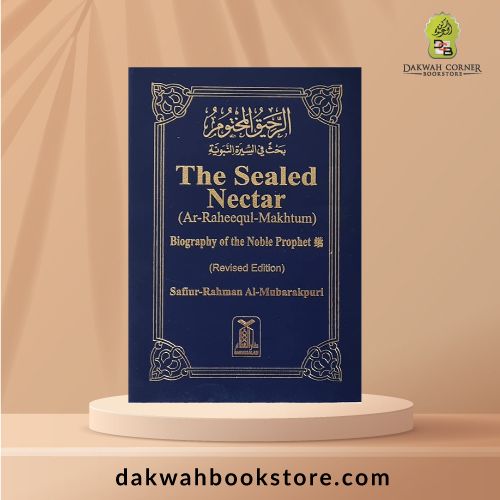
The Sealed Nectar (Pocket Size)
Principles of Islamic Jurisprudence (2nd Revised Edition)
This book offers a detailed presentation of the theory of Muslim law (usul al-figh). Often regarded as the most sophisticated of the traditional Islamic disciplines, Muslim jurisprudence is concerned with the way in which the rituals and laws of religion are derived from the Qur’an and the Sunna – the precedent of the Prophet. Revelation, which is given to man to restore unity and help him achieve a just and devout order in society as well as in the soul, must be interpreted so as to render it practicable in every culture, while not betraying its spirit and immutable provisions. To achieve this, additional sources of legal authority are recognized, including consensus (ijma), analogical deduction (qiyas), public interest (maslaha) and local customary precedent (urf). In employing these, the jurist guards the five principles which it is the purpose of Islamic law to uphold, namely, the right to life, sound mind, property, lineage and religion.
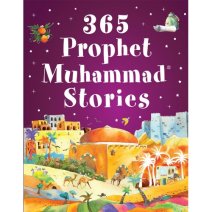
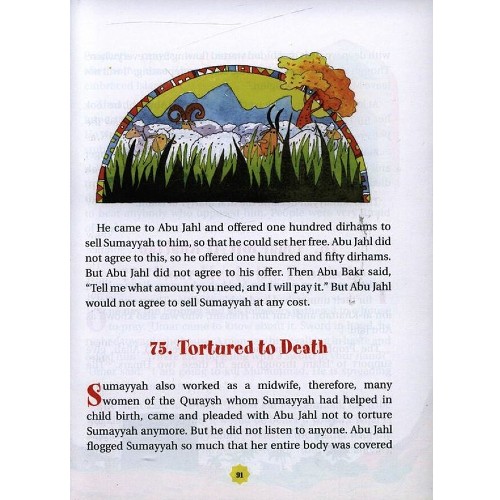
365 Prophet Muhammad Stories


There are no reviews yet.