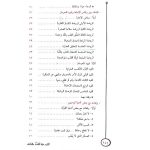
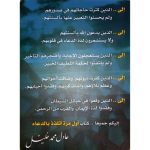

| Weight | 0.240 kg |
|---|---|
| Dimensions | 21 × 14 × 2 cm |
| Author | |
| Pages | 263 |
| Binding | Paperback |
| ISBN | 9789921005257 |
| Year of publication | 2018 |
| Publisher | Al Asriya (العصرية للنشر والتوزيع) |
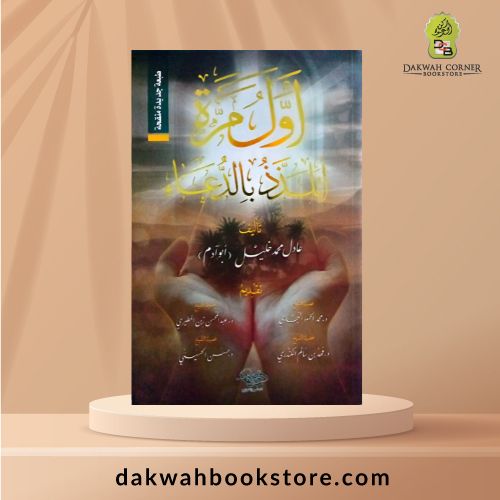
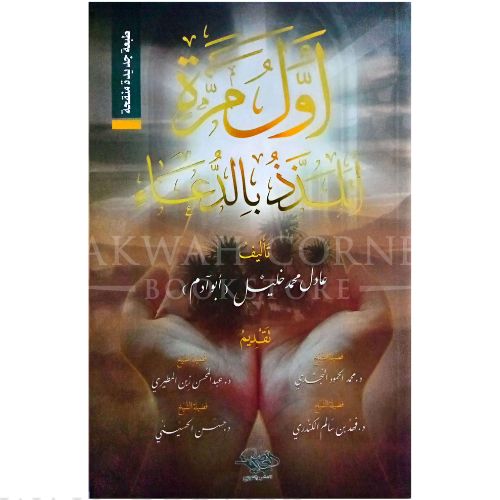
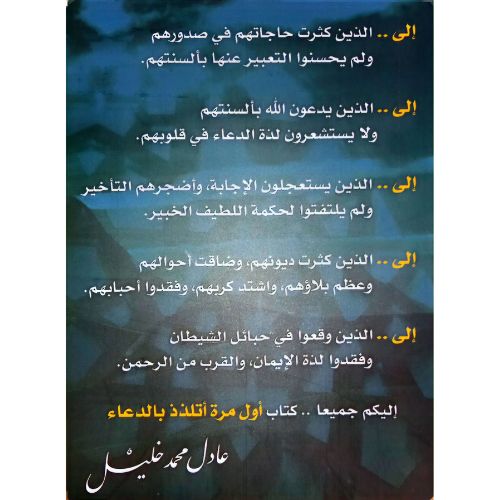
[AC] Awwal Marrah atalazzazu biddu’a / أول مرة أتلذذ بالدعاء
RM65.00
Frequently Bought Together
Be the first to review “[AC] Awwal Marrah atalazzazu biddu’a / أول مرة أتلذذ بالدعاء” Cancel reply
You must be logged in to post a review.
Related Products
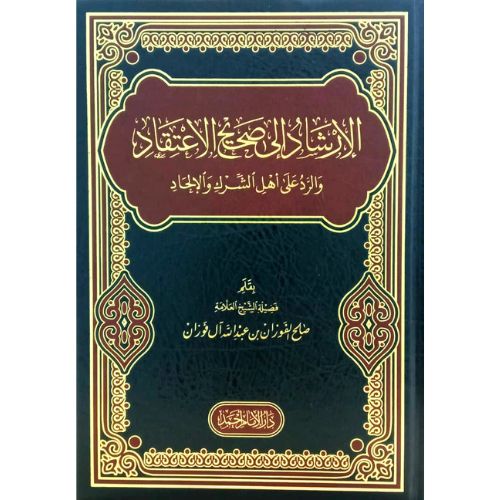
[AC] Al-Irsyaadu ila Sohihu Al-I’tiqhadu (الإرشاد إلى صحيح الاعتقاد )
الإرشاد إلى صحيح الاعتقاد والرد على أهل الشرك والإلحاد
دار الامام احمد
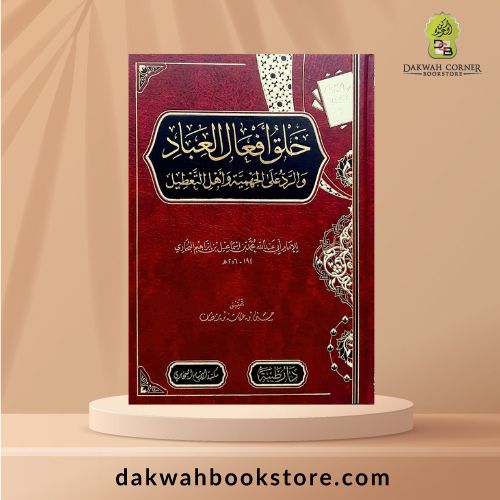
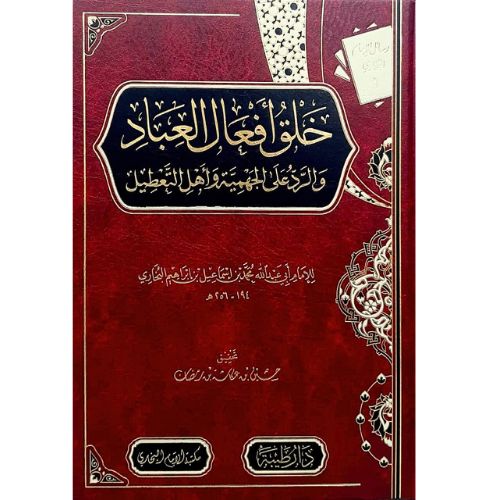
[AC] Khalqu Afali Ibadi / خلق أفعال العباد
بدأ الكتاب بذكر أقاويل أهل السنة في الجهمية وتكفير من يقول بقولها
تناول في الباب الثاني الكلام في مسألة خلق الأفعال، وأثبت أن أفعال العباد مخلوقة، وقام بالرد على الجهمية في هذا
يعد الكتاب أصلًا من الأصول التي احتفظت لنا بجملة كبيرة من أقاويل أئمة السلف من الصحابة والتابعين في فرقة الجهمية ومن قال بقولها، وبيَّن لنا الكتاب كذلك الطريقة المثلى في الرد على أهل البدعة.
يلاحظ كذلك كثرة تعليقات المصنف على ما يورده من نصوص، وأنه لم يكتف بسرد النصوص فحسب، بل كانت له كذلك ردود على الشبهات التي يلقيها الجهمية
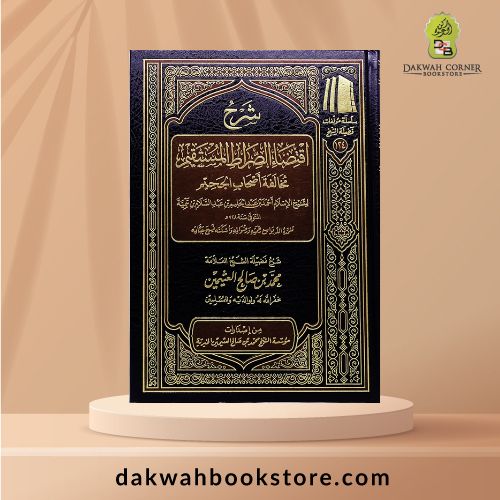
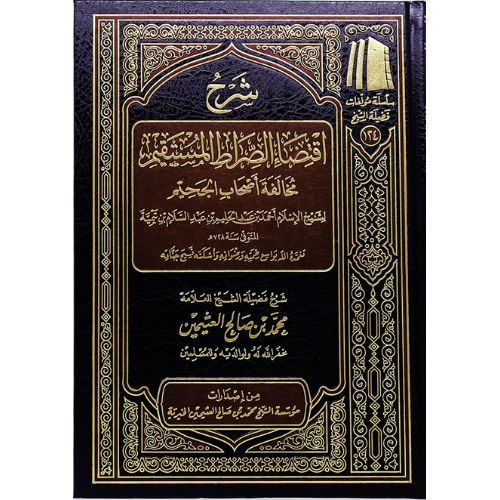
[AC] Sharh Iqtidha’ As Siratol Mustaqim / شرح اقتضاء الصراط المستقيم
يعتبر كتاب اقتضاء الصراط المستقيم للإمام ابن تيمية – رحمه الله – من أفضل ما كتب في قاعدة عظيمة و هي: مخالفة الكفار و المشركين
و ذها هو شرح الشيخ العثيمين على اقتضاء الصراط المستقيم مخالفة أصحاب الجحيم لشيخ الإسلام ابن تيمية
[AC] Sharhu Al’aqidah Alwasatiah Mujalid Wahid (شرح العقيدة الواسطية مجلد واحد)
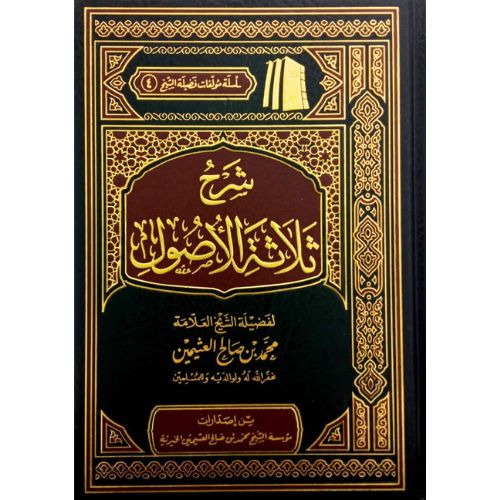
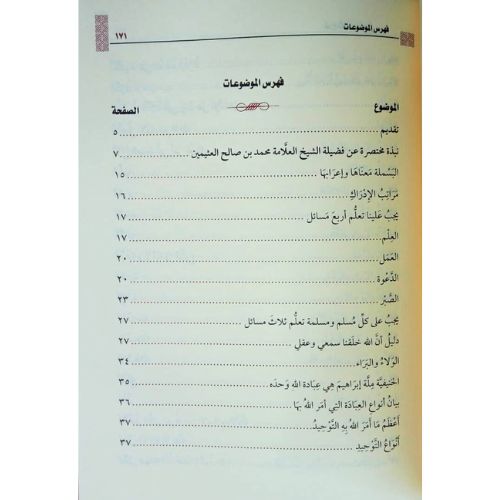
[AC] Sharh Thalathah Al Usul / شرح ثلاثة الأصول
شرح ثلاثة الأصول ـ الشيخ العثيمين
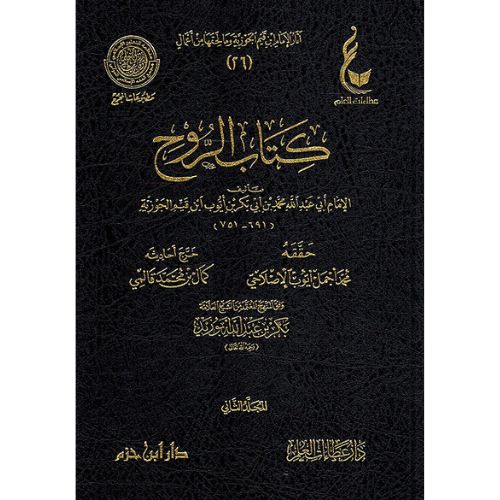
[AC] Kitab Alruh 2 Vol / كتاب الروح 2 مجلد
كتاب يطرح فيه المؤلف مسألة الروح لم ترد في غيره من كتب السلف، فيه معلومات معرفية عن النفس والروح والفرق بينهما، وعلاقة الروح بالجسد، ومصيرها بعد الموت. وذلك استنادا إلى الكتاب والسنة مؤيدا بالحجة والبرهان النقليين والعقليين والمنطقيين
Recently Viewed
Weakness of Faith (IIPH)
The phenomenon of weak faith has become very widespread among Muslims, and many people complain about the hardness of their hearts. So often we hear the words, “I feel hardness in my heart,” “I do not find any joy in worship,” “I feel that my faith has hit rock bottom,” “Reading Qur’aan does not move me,” “I fall into sin so easily.” The effects of this affliction can be seen in many people, and this problem is the cause of every disaster and adversity.
One of the most important principles which must be understood in order to treat the problem of weak faith is that faith increases and decreases, or waxes and wanes. This is one of the basic principles of the ‘aqeedah of Ahl al-Sunnah wa’l-Jamaa’ah, who say that faith is something to be spoken in words, to be believed in in the heart, and to be put into action. Faith increases with obedience and decreases with disobedience.
‘… that they may grow more in Faith along with their (present) Faith…’ [al-Fath 48:4]
‘… Which of you has had his faith increased by it? …'[al-Tawbah 9:124]. aari, Fath, 1/51).
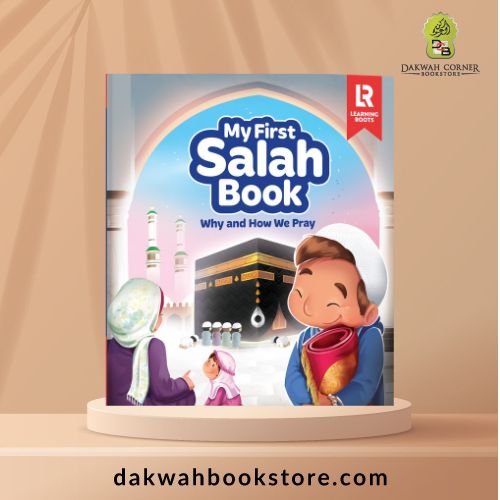
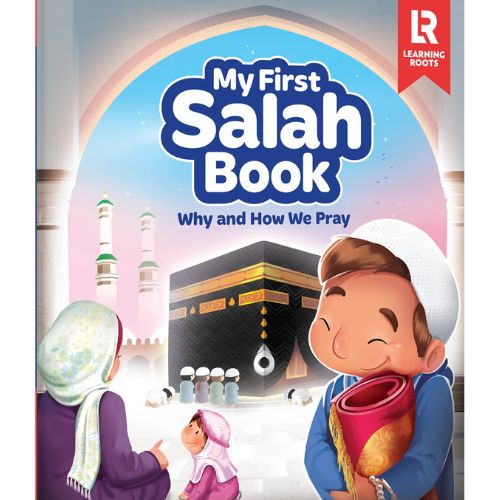
My First Salah Book: Why and How We Pray
Why We Pray: This book helps kids understand why we pray before teaching them how, making Salah more meaningful.
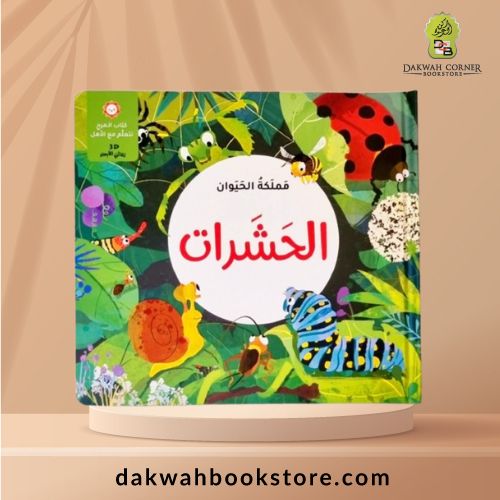
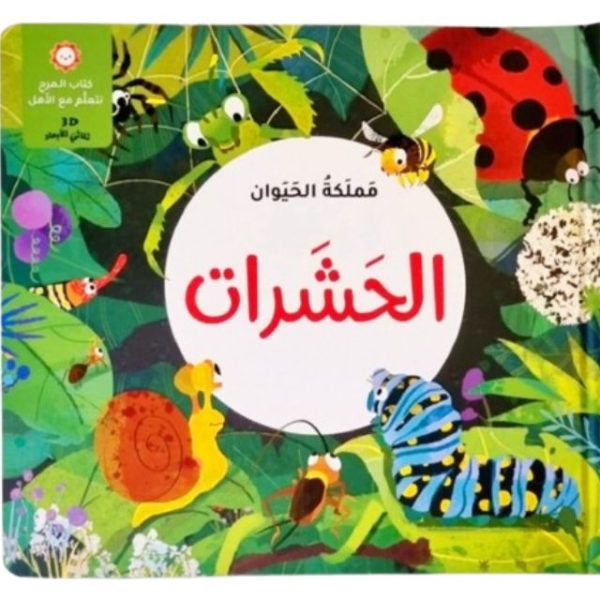
[ACB] Mamlakat Alhayawan 4 ‘Anwaie 3D Alhasharat / 3D مملكة الحيوان 4 أنواع الحشرات
تغطي المياه أكثر من ثلثي كوكبنا ، وتعيش فيه كائنات مدهشة
كيف وأين تعيش ، هل على الشاطئ ؟ أم داخل الأعماق ؟
وكيف تأكل وتتصرف ؟
نتعرف على هذه الكائنات الجميلة بكتاب مليء بالمرح .
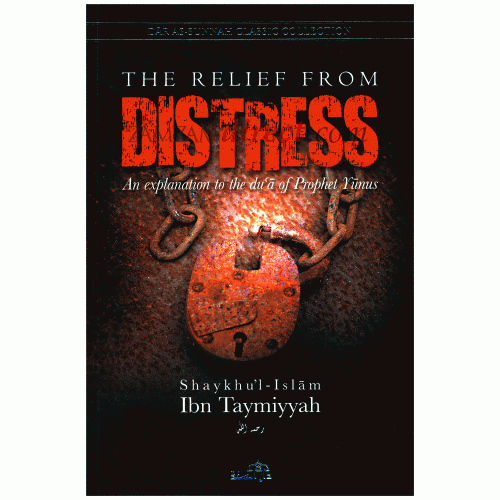
The Relief From Distress : An Explanation to the dua of Prophet Yunus (P/B)
Shaykh al-Islam Ibn Taymiyyah, may Allah sanctify his soul, was asked about the saying of the Prophet (pbuh),
The invocation of my brother Yunus, “none has the right to be worshipped save You; glory be to You, far removed are You from any imperfection; I have been amongst the wrong-doers,” none who is experiencing difficulty employs it except that Allah would relieve him of his difficulty.
What is the meaning of this du’a (prayer, supplication)?
Are their any unstated conditions that have to be met when one articulates it?
What is the connection between belief in the heart and the meaning of this supplication such that it leads to the removal of difficulty?
Why did he explicitly confess, ‘I have been amongst the wrong-doers’ when it is known that tawhid in itself leads to the removal of difficulty?
Is it sufficient to acknowledge ones’ sin alone, or must this be accompanied by repentance and the firm resolve not to repeat that sin in the future?
Why is it that difficulty and harm is removed only when a person relinquishes any hope, reliance and dependency upon the creation?
How can the heart relinquish the characteristic of putting hope in the creation and depending on them, and instead put its hope in Allah, Exalted is He, and turn to Him in its entirety?
What are the methods that would aid the heart in doing this?
The author replies to these questions in the form of this book.
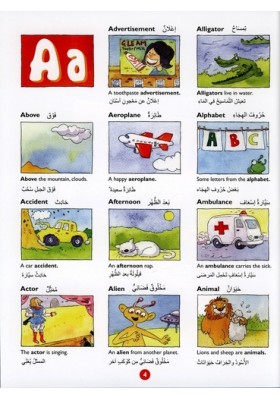
Arabic Picture Dictionary for Kids (P/B)
Goodword Arabic Picture Dictionary for Kids, is the perfect first reference book created to help your child learn Arabic in an easy and fun-filled way. This book includes over 500 commonly used words and their helpful definitions of them in English and Arabic. These are accompanied by colourful and amusing illustrations of familiar subjects to better understanding. Goodword Arabic Picture Dictionary of Kids, is a must-have vocabulary building and Arabic learning resource book for your child.
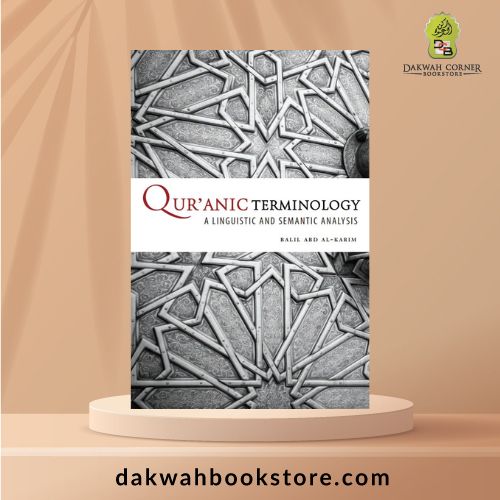
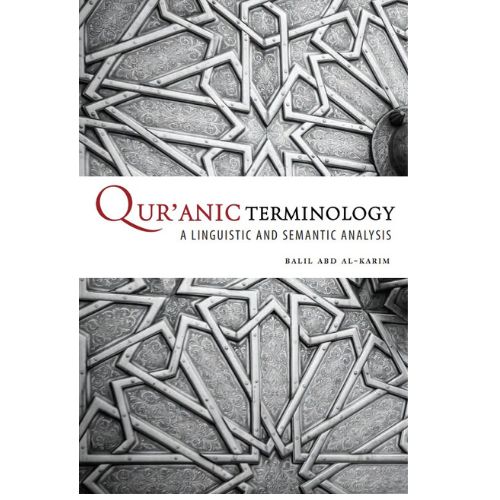
Qur’anic Terminology a Linguistic and Semantic Analysis (IIIT)
There is no way to understand the Qur’an properly, or to elucidate as accurately as possible the meaning of its verses, without studying Qur’anic terminology and concepts. Taken together these sum up the universal truth of the Faith (the great moral code), not only animating the text and giving it incredible life, precision, and flexibility, but also enriching the communication of the Qur’anic message through their beautiful and comprehensive nature.
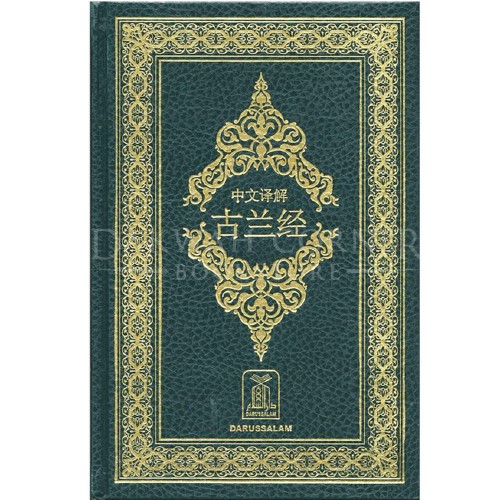
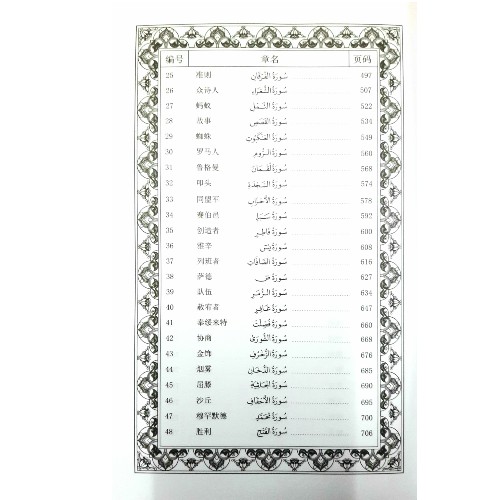
Qur’an Chinese Translation
Quran in Chinese Language (Arabic To Chinese Translation)
The Noble Quran in Chinese Language (Arabic Text with Chinese Translation and little Commentary)
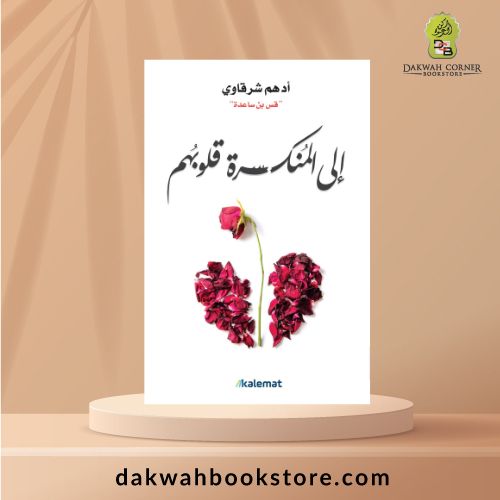
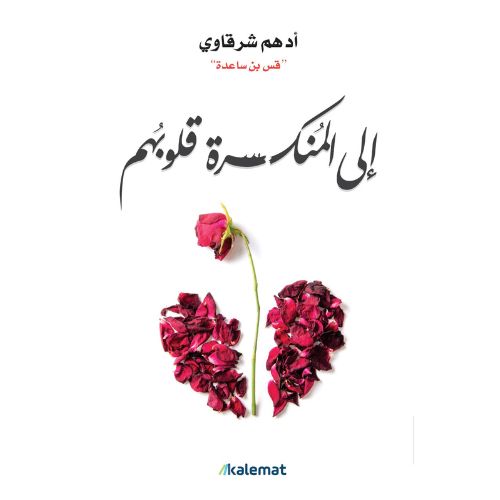
[MM] Ila Munkasarah Qulubuhim / الي المنكسرة قلوبهم
ما دامت الأشياءُ لا تخدش كرامتي ، و لا تكسر كبريائي ، فأنا أتمسك ! أما في اللحظة التي أًهان فيها ، فإني أُفلتُ إفلاتاً لا إمساكَ بعده ، و لم يحدث أبداً أن سقط مني شيٌ، ثم انحنيت لألتقطه ،
لطالما كانت كرامتي أكبر من قلبي ، و هذه من أكثر الصفات التي تعجبني في نفسي !
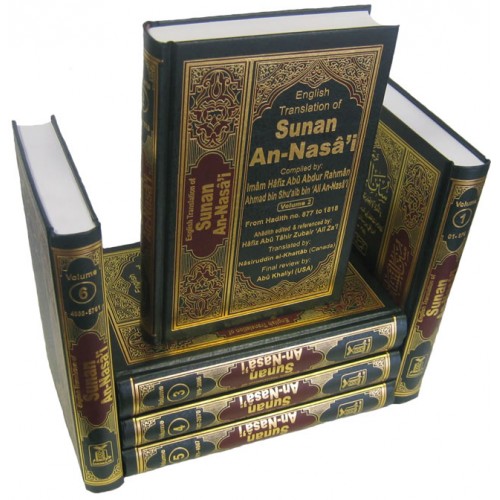
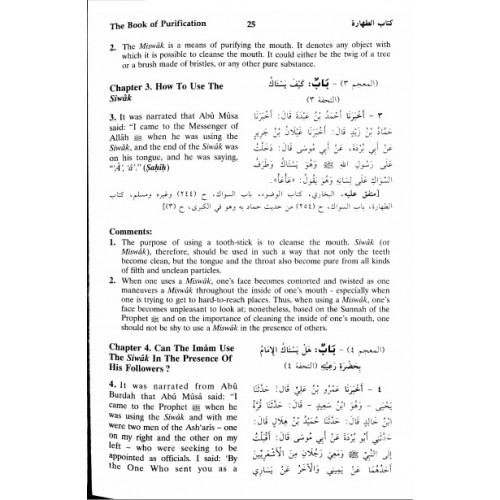
Sunan An-Nasa’i (6 Vol) (H/B)
Sunan An-Nasai has the fewest weak ahadith after the two Sahih collections. This Sunan is one of the six is al-Mujtaba or as-Sunan as-Sughara, which is a synopsis of a large collection of ahadith which he considered to be fairly reliable. In the smaller collection, only those ahadith which he considered to be reliable have been included.
It was compiled by the great scholar of hadith, Abu Abdur-Rahman Ahmad bin Shu’aib bin Bahr An-Nasae (Nasa’ of Khurasan) (214-303AH). Imam An-Nesai, like other great scholars of hadith traveled to Baghdad, Ash-Sham, Egypt, Mecca, and many other cities to seek knowledge. He received the praises of many scholars including Ad-Daraqutni who said about him: “He is given preference over all others who are mentioned with this knowledge from the people of his time”. Some scholars consider his compilation to have the least number of defective or weak narrations among the four Sunan. This great book of his contains 5761 ahadith, making it as an invaluable addition to anyone’s library.


There are no reviews yet.