

| Weight | 0.55 kg |
|---|---|
| Dimensions | 22.5 × 15.5 × 2 cm |
| Author | |
| Binding | Paperback |
| ISBN | 9781565644489 |
| Pages | 215 |
| Publisher | International Institute of Islamic Thought (IIIT) |
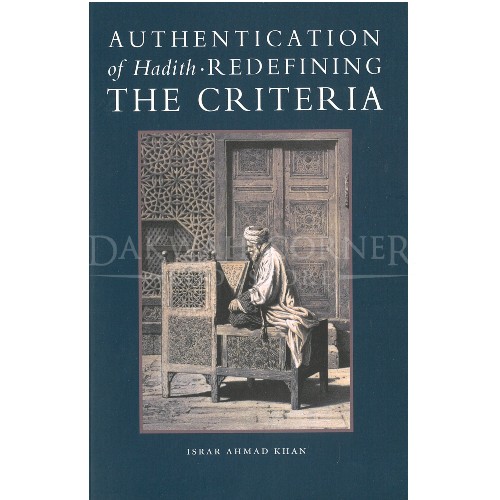
Authentication of Hadith: Redefining the Criteria (IIIT)
3 ★
3 ★
1 Rating
5 ★
0
4 ★
0
3 ★
1
2 ★
0
1 ★
0
RM75.00
Out of Stock
Highlights:
somdn_product_page
Compare
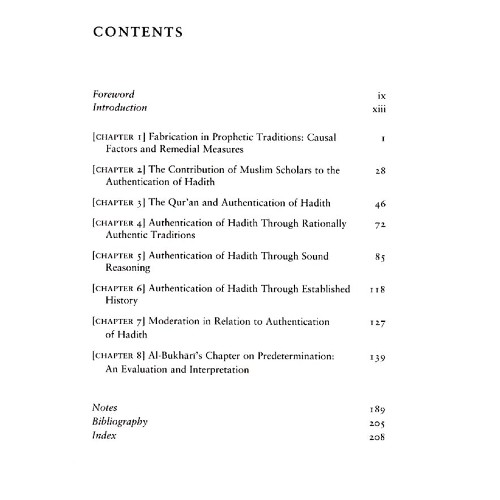
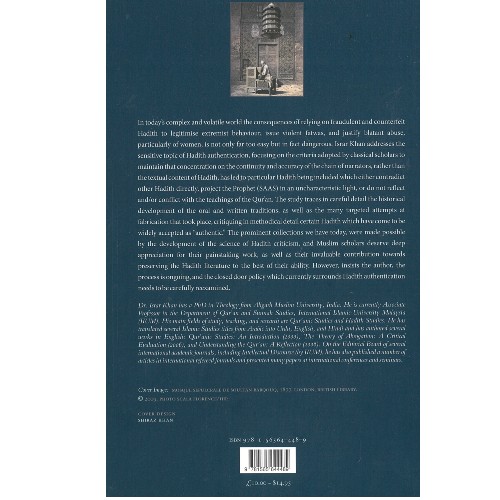
In today’s complex and volatile world the consequences of relying on fraudulent and counterfeit Hadith to legitimise extremist behaviour, issue violent fatwas, and justify blatant abuse, particularly of women, is not only far too easy but in fact dangerous. Israr Khan addresses the sensitive topic of Hadith authentication, focusing on the criteria adopted by classical scholars to maintain that concentration on the continuity and accuracy of the chain of narrators, rather than the textual content of Hadith, has led to particular Hadith being included which either contradict other Hadith directly, project the Prophet (SAAS) in an uncharacteristic light, or do not reflect and/or conflict with the teachings of the Qur an. The study traces in careful detail the historical development of the oral and written traditions, as well as the many targeted attempts at fabrication that took place, critiquing in methodical detail certain Hadith which have come to be widely accepted as authentic. The prominent collections we have today, were made possible by the development of the science of Hadith criticism, and Muslim scholars deserve deep appreciation for their painstaking work, as well as their invaluable contribution towards preserving the Hadith literature to the best of their ability. However, insists the author, the process is ongoing, and the closed door policy which currently surrounds Hadith authentication needs to be carefully reexamined.
Frequently Bought Together
Authentication of Hadith: Redefining the Criteria (IIIT)
3 ★
3 ★
1 Rating
5 ★
0
4 ★
0
3 ★
1
2 ★
0
1 ★
0
0 Item
RM75.00
1 Add-Ons
RM5.00
Total
RM80.00
Additional information
Reviews (1)
3 ★
1 Rating
5 ★
0
4 ★
0
3 ★
1
2 ★
0
1 ★
0
Add a review Cancel reply
You must be logged in to post a review.
You may also like…

A Textbook Of Hadith Studies (P/B)
Highlights:
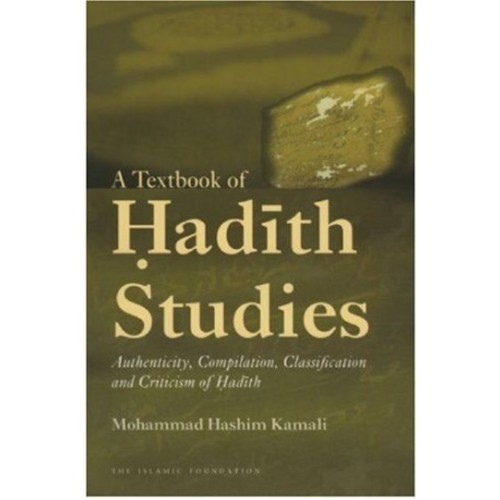
Mohammad Hashim Kamali, born in Afghanistan in 1944, was a professor of Islamic Law and Jurisprudence at the International Islamic University in Malaysia, and dean of the International Institute of Islamic Thought and Civilization (ISTAC) from 1985 2007. He is currently chairman and CEO of the International Institute of Advanced Islamic Studies, Malaysia. He is also on the international advisory boards of eleven academic journals published in Malaysia, the United States, Canada, Kuwait, India, Australia, and Pakistan. Professor Kamali has addressed over 120 national and international conferences, and has published sixteen books and over 110 academic articles. His books include The Principles of Islamic Jurisprudence, Freedom of Expression in Islam, and Islamic Commercial Law: An Analysis of Futures and Options. “
RM77.00
The Necessity of the Hadith in Islam (H/B)
Highlights:
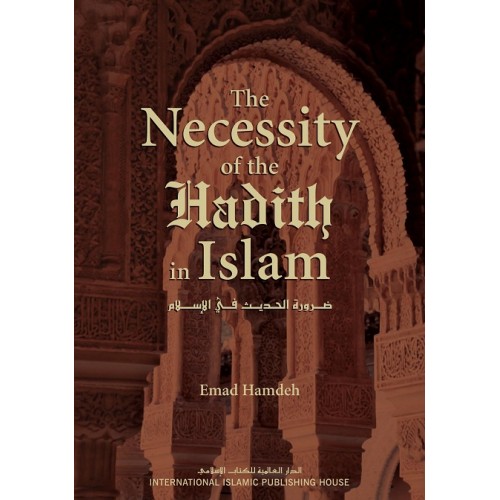
There was a time when the notion of Hadith rejection was inconceivable. Sad to say, it is now becoming a widespread phenomenon in many countries. The educated and the ignorant, veteran Muslims and reverts, the middle class as well as the elite are falling prey to the misleading ideas projected by the Hadith rejecters through books and other forms of publication. The Internet has, unfortunately, given them a new and effective platform. Emad Hamdeh has taken up the task of replying to these Hadith rejecters with sound and convincing arguments. The Necessity of the Hadith in Islam not only explains the need for the Hadith and the Sunnah at all times, but also presents and refutes the main arguments put forward by Hadith rejecters. Furthermore, Hamdeh has profiled the top few Hadith rejecters and summarized their ideas. This is a well-researched, well-referenced and comprehensive work, which provides useful information to those seeking more knowledge on the subject. It will also sufficiently answer many different questions which come to mind after reading some of the arguments of the Hadith rejecters. Muslims today need to read works such as these to ensure that they are not misled, especially through the Internet.
RM45.00
Authority of The Sunnah the Key to Paradise
Highlights:
Allah Most High Said, “And whatever the Messenger has given you, take it; and what he has forbidden you, refrain from it.” [Al-Hashr (59):7]
The Prophet said, “I have not left out anything of which Allah, The Most High has Commanded you with except I have apprised you of it. Likewise, I have not left out anything of which Allah has Prohibited you from it, except I have apprised you of it…” [Al Bayhaqi, 7/76 & others]
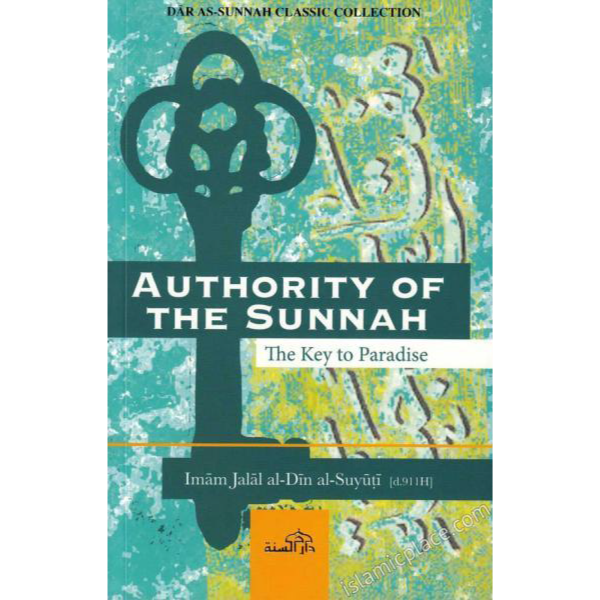
Together with the Qur’an, the Sunnah is the pivotal foundation and primary source of the Islamic faith. Following both of them is mandated by Allah Himself and obligated upon Muslims to adhere and live accordingly. Muslim theology is established upon them and remains defective and incomplete should either be forsaken for they both explain and interpret each other.
During his time, Imam al-Suyuṭi felt a genuine need to pen this compelling book in confuting those who either rejected the Sunnah altogether or did not grant it the status and respect it deserves in the religion. He primarily compiled from the works of Imam Al-Bayhaqi elucidating the position of Imam Shafi’i, and firmly laid out the arguments supporting the Sunnah of the Prophet by outlining its critical importance, its authority, and implication to one’s life.
Salvation, therefore, lies in embracing the Sunnah fully, for indeed it is the key to facilitating our worldly lives and thereafter, unlocking the doors of Paradise, as Shadh ibn Yaḥya said perfectly, “There is no better way to Paradise than the way of those who have followed the Sunnah.”
RM60.00
Related Products

Scholars of Hadith (P/B)
Highlights:
This book presents an extensive, in-depth analysis of great Muhaddithun (scholars of the science of Hadith). Each chapter presents detailed biographies of Malik b. Anas, Ibn Hanbal, al-Bukhari, Muslim, al-Tirmidhi, Abu Dawud, an-Nasai, Ibn Majah, ad-Darimi and al-Bayhaqi along with the methods they used in Hadith collection and classification. This work is especially important in today’s world where many Muslims have a dire need to connect with the great corpus of work that was produced by the scholars or traditional Islam. A work such as Scholars of Hadith has been long overdue in the English language and it will certainly make for productive reading for all interested in deepening their knowledge of Islam.
RM24.00
Sunan Ibn Majah (5 Vol. Set) (H/B)
Highlights:
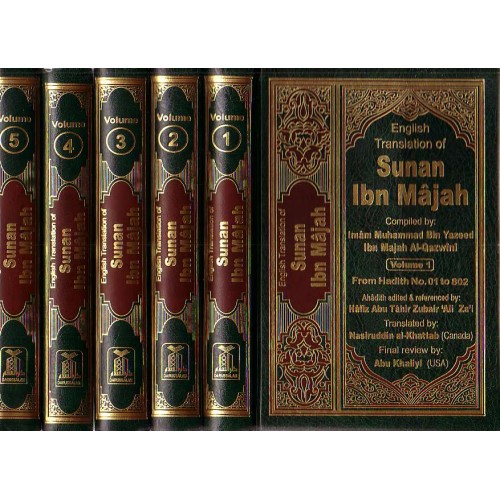
Sunan Ibn Majah is one of the six most authentic collections of the Ahadith and contains 4,341 total Ahadith. Like the other translations of the six books of hadith, Dar-us-Salam Publications, has taken great care in correct translation, simple and clear modern English language, and high quality publishing.
Ahadith in the book are followed by comments to explain issues and to help readers derive lessons. To aid readers further, Dar-us-Salam, has added several features like section on how to benefit from Sunan Ibn Majah, about the Arabic and technical terms used, information about the hadith compilations and a glossary of Islamic terms in the last volume.
Each hadith is also followed by its status in regards to the authenticity. The status is explained more in detail in the Arabic text. The chain is also complete in the Arabic text while it is removed from the English to reduce the length and not being of much benefit to the English readers.
RM420.00
The Sunnah And Its Role In Islamic Legislation (H/B)
Highlights:
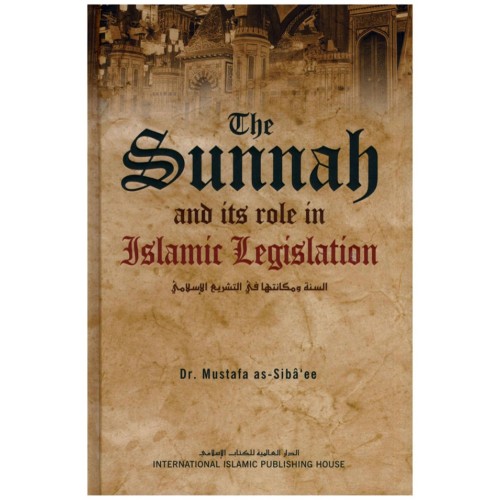
The Sunnah and its Role in Islamic Legislation is a groundbreaking effort by Dr. Mustafa as-Siba’ee, for it has a completeness to it in two regards: first, the author manages to cover all topics related to the Sunnah—its status, its legislative force, the stages that led to its recording, just to mention a few—in a comprehensive and organized manner. Second, he presents the views of those that have attacked the Sunnah throughout history, detailing their arguments and then refuting them. Among those groups from the past were the Shi’aa and the Mu’tazilah; today, they are mainly the Orientalists and those that are influenced by them.
Sheikh as-Siba’ee takes us through the historical development of the Sunnah, from the early stages of revelation to the recording of the Sunnah during the era of the great Imams of Hadith. Throughout that account, he highlights the contributions of the scholars in preserving the Sunnah and cleansing it from fabrications and lies. Shaykh as-Siba’ee gives a clear account of the revolutionary methods and scholarly principles that were established in order to authenticate historical reports and narrations. The author shows us that the fruits of that endeavour were the preservation of the authentic Sunnah and the birth of the Hadith sciences.
This book has been a perennial source of knowledge for Arabic-speaking students of Islam, for its clarity, readability, and insightful research. New English-speaking students too have available to them this authoritative treatise on the Sunnah of our beloved Prophet Muhammad) may the peace and blessings of ALLAH be upon him).
RM75.00
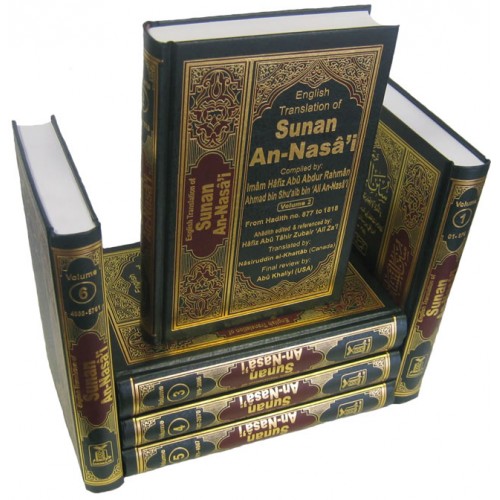
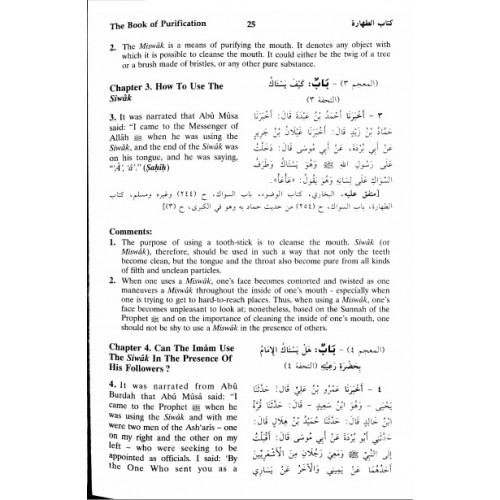
Sunan An-Nasa’i (6 Vol) (H/B)
Highlights:
Sunan An-Nasai has the fewest weak ahadith after the two Sahih collections. This Sunan is one of the six is al-Mujtaba or as-Sunan as-Sughara, which is a synopsis of a large collection of ahadith which he considered to be fairly reliable. In the smaller collection, only those ahadith which he considered to be reliable have been included.
It was compiled by the great scholar of hadith, Abu Abdur-Rahman Ahmad bin Shu’aib bin Bahr An-Nasae (Nasa’ of Khurasan) (214-303AH). Imam An-Nesai, like other great scholars of hadith traveled to Baghdad, Ash-Sham, Egypt, Mecca, and many other cities to seek knowledge. He received the praises of many scholars including Ad-Daraqutni who said about him: “He is given preference over all others who are mentioned with this knowledge from the people of his time”. Some scholars consider his compilation to have the least number of defective or weak narrations among the four Sunan. This great book of his contains 5761 ahadith, making it as an invaluable addition to anyone’s library.
RM460.00
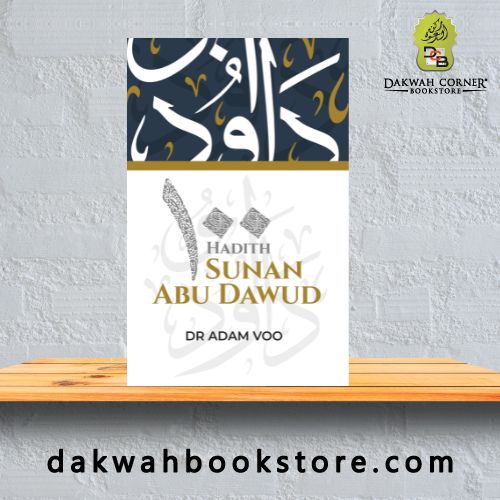
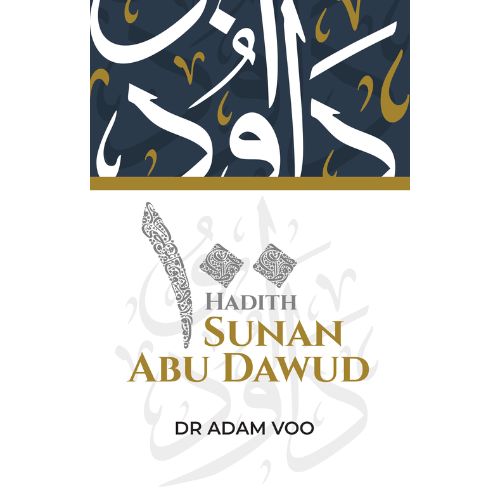
100 Hadith Sunan Abu Dawud (Revised Edition 2025)
5 ★
5 ★
1 Rating
5 ★
1
4 ★
0
3 ★
0
2 ★
0
1 ★
0
RM35.00
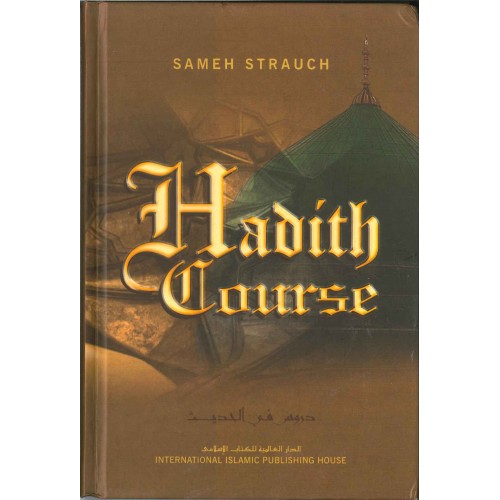
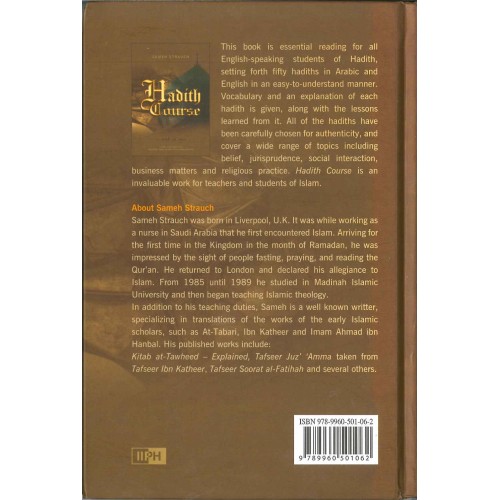
Hadith Course
Highlights:
Hadith Course is essential reading for all English speaking students of Hadith, presenting fifty hadiths in Arabic and English in an easy-to-understand manner. Vocabulary and an explanation of each hadith are given, along with the lessons learned from it. All of the hadiths have been carefully chosen for authenticity and cover a wide range of topics, including belief, jurisprudence, social matters, business and much more. This book is an invaluable handbook for schools and self-learners.
RM27.00
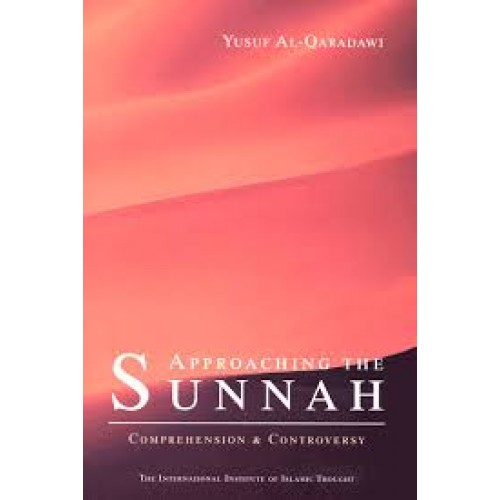
Approaching the Sunnah: Comprehension & Controversy (P/B)
Highlights:
The Sunnah still provides the stable moral framework – the grammar – that enables Muslims, by formal rules and inward sense, to know right from wrong. However, separation from the mainstream of life puts the Sunnah in danger of becoming rigid – an archaism. Addressing that danger, this book explains how the Sunnah can function as the grammar of a living, adaptive language, capable of guiding (and not shying from) the mainstream.
The first chapter sets out the qualities that characterize authentic application of the Sunnah: universality, coherence (so that different spheres of human responsibility are not split), compassionate realism, moderation, and humility. The second explains standards and procedures for determining the Sunnah in the fields of jurisprudence and moral instruction. The third chapter illustrates through detailed examples common errors in understanding the Sunnah – reading hadiths singly without sufficient context, confusing legal and moral injunctions, means and ends, figurative and literal meanings…–and it proposes remedies for these errors.
YUSUF AL-QARADAWI is one of the Islamic world’s most widely respected and prolific scholars. His works have remained popular over many decades. Among the best known of his books to appear in English is The Lawful and the Prohibited in Islam (first edition 1994).
RM75.00
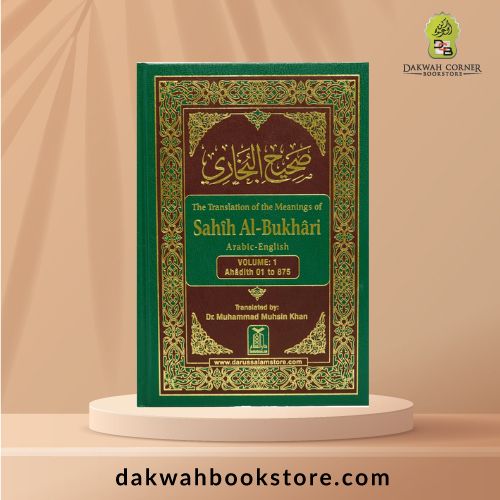
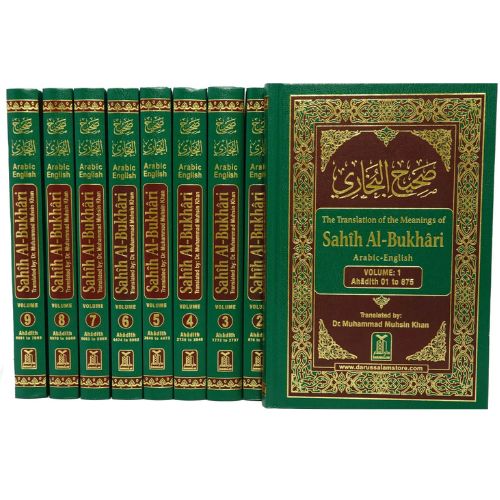
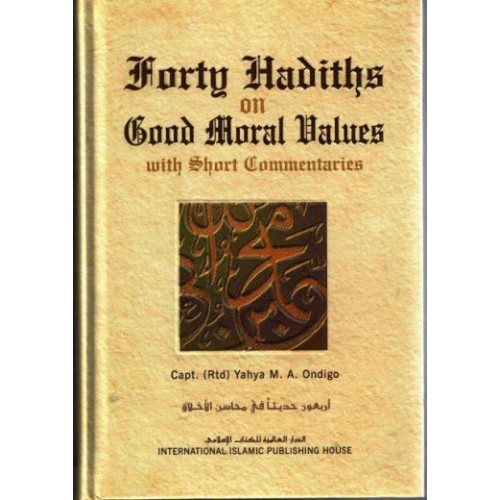
Forty Hadiths On Good Moral Values (H/B)
Highlights:
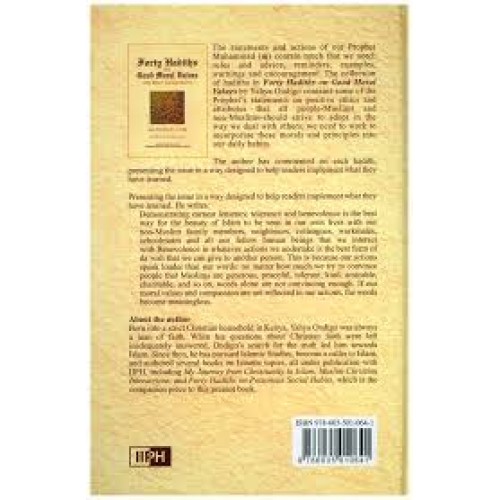
The statements and actions of our Prophet Muhammad (s) contain much that we need: rules and advice, reminders, examples, warnings and encouragement. The collection of hadiths in Forty Hadiths on Good Moral
Values by Yahya Ondigo contains some of the Prophet?s statements on positive ethics and attributes that all people-Muslims and non-Muslims-should strive to adopt in the way we deal with others; we need to work to incorporate these morals and principles into our daily habits.
RM65.00

Usool Al-Hadeeth (H/B)
Highlights:
Dr. Bilal Philips writes: “The Prophet’s sayings and actions were primarily based on revelation from Allah and, as such, must be considered a fundamental source of guidance second only to the Qur’an.” According to Dr. Philips, the Hadith, the record of these sayings and actions, plays a vital role in that it transmits revelation, tafseer (exegesis of the Qur’an), Islamic law, and the Islamic moral ideal. For instance, the Prophet’s “…character and social interactions became prime examples of moral conduct for Muslims. Consequently, the daily life of the Prophet (blessings and peace of Allah be upon him) as recorded in the hadith represents an ideal code of conduct. It is largely due to the science of hadith that the final message of Islam has been preserved in its original purity for all times.” In Usool al-Hadeeth, the reader will embark on a course of study that will, Allah willing, enable him or her to make critical and intelligent use of the body of Hadith literature in his or her daily life.
RM50.00
Recently Viewed
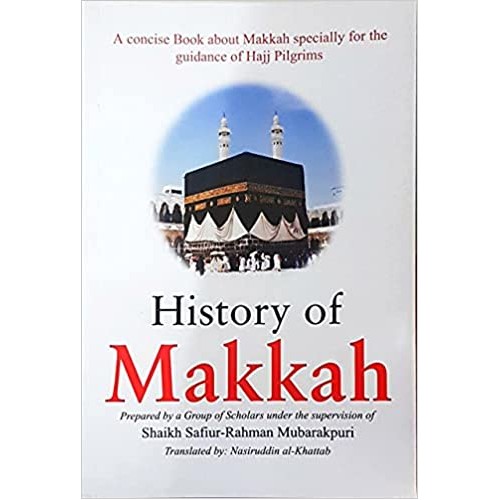
History of Makkah – Darussalam
Highlights:
This book…
- Mentions the different aspects of Makkah, and records the most important historical events that have direct effect on the establishment and sacredness of Makkah as well as its religious weight.
- Highlights the sites that are highly important whenever Makkah is mentioned like the Black Stone, Zamzarn Well and others.
- Designates a great part of the book speaking about the Holy Ka’bah and the Holy Mosque updating the extensions and the improvements, that have taken place from the time of Muhammad (S) to the Saudi era.
- At the end of the book there is a complete appendix about Hajj and its rites.
RM30.00

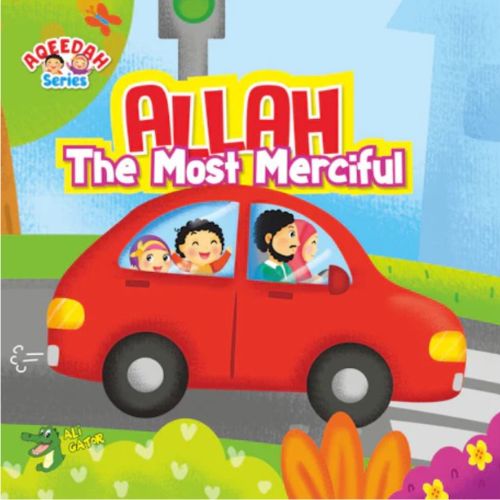
Allah the Most Merciful – Aqeedah Series
Highlights:
Brand new Children’s Book Series – Aqeedah Series.
From the food they eat, to the clothes they wear, and the family they have.
Mahmoud and Mariam learn that Allah has blessed them in so many ways and Allah is the most merciful.
RM22.00
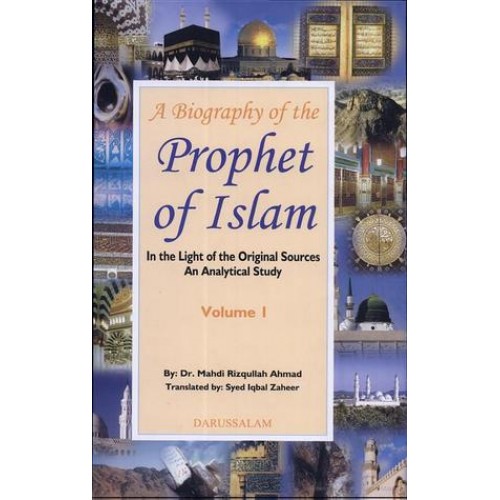
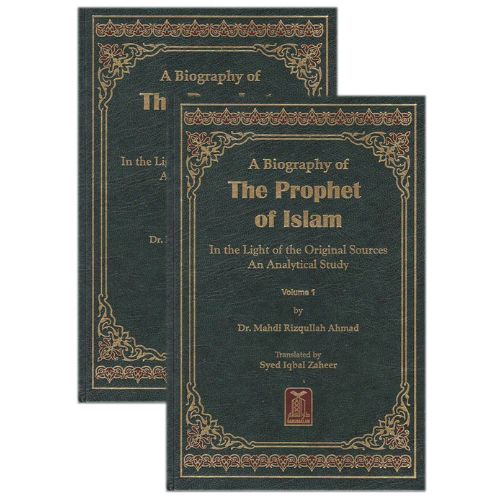
A Biography of the Prophet of Islam : In the Light of the Original Sources An Analytical Study (2 Volumes)
Highlights:
This work on the life history of the Prophet (Sallalahu Ale Wasalam) stands out from other works in quite a few ways. First, every detail mentioned has been traced back to original sources, whose authenticity has been discussed extensively in the footnotes. Second, the events of the Prophet’s life have been related to modern times and lessons drawn for the benefit of those who happen to face similar situations in their struggle to spread the Prophetic message.
RM150.00

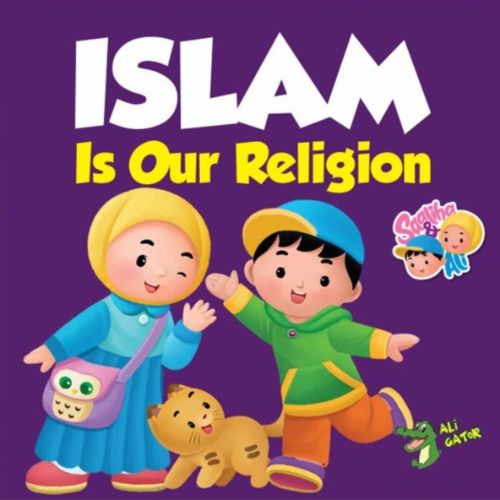
Saaliha & Ali: Islam is Our Religion
Highlights:
Introduce your child to the foundations of Islamic faith with this engaging introductory book.
RM22.00
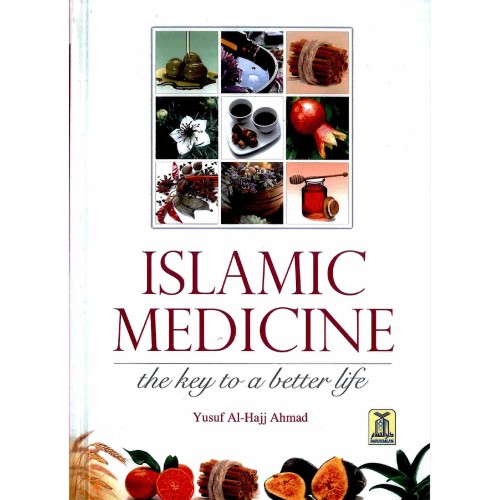
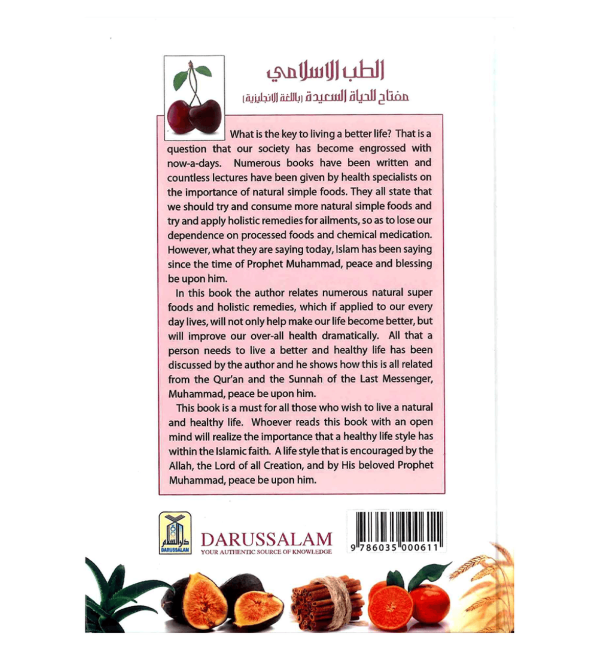
Islamic Medicine – The Key To A Better Life (H/B)
Highlights:
In this book the author relates numerous natural super foods and holistic remedies, which if applied to our every day lives, will not only help make our life become better, but will improve our over-all health dramatically. All that a person needs to live a better and healthy life has been discussed by the author and he shows how this is all related from the Qur’an and the Sunnah of the Last Messenger, Muhammad (peace be upon him).
This book is a must for all those who wish to live a natural and healthy life. Whoever reads this book with an open mind will realize the importance that a healthy life style has within the Islamic faith. A life style that is encouraged by the Allah, the Lord of all Creation, and by His beloved Prophet Muhammad (peace be upon him).
RM98.00

Muhammad in the Hindu Scriptures (P/B)
Highlights:
God is One. Human nature is one. Human destiny is one. And God�s message to humanity vis-a-vis that destiny is one. However, the rebellious element in man�s nature has led him to disobey God on the one hand, and on the other, he has pushed on to distort the very message of God. But the message is never fully lost. It would be ludicrous and indeed heretical to think that the situation could have gone out of God’s control.
With every distortion, therefore, He has renewed the message to salvage humanity from self-ruin. More interesting than that is the fact
that He has inserted in every message a Pointer to the Final Guide and the message he would be entrusted with; a Pointer which shows the true
seeker where the uncorrupted message could be found – the message that no one would be able to distort any more. While the main body of the message has been corrupted, the Pointer contained within has not been destroyed. Muhammad in the Hindu Scriptures brings out the truth of this phenomenon.
In addition to the Vedas and the Puranas, the book has unearthed this Pointer in the Buddhist, Christian, Jewish and other Hindu scriptures. Each of these scriptures uses its own unique Pointer relevant to its own theological scheme and the religious mentality of its own people. Separately and jointly these Pointers lit up the road to Muhammad (blessings and peace be upon him) exclusively, without any iota of doubt.
By all accounts the Final Guru has been sent and the Last Testament is in our laps. Additionally, the existence of these Pointers in the earlier
scriptures is yet another dimension of God’s mechanism to guide mankind to the infallible Truth. Upon reading the book, the theist, the atheist and the agnostic will find a lot to think about.
RM20.00
Salat Knowledge Game
Highlights:
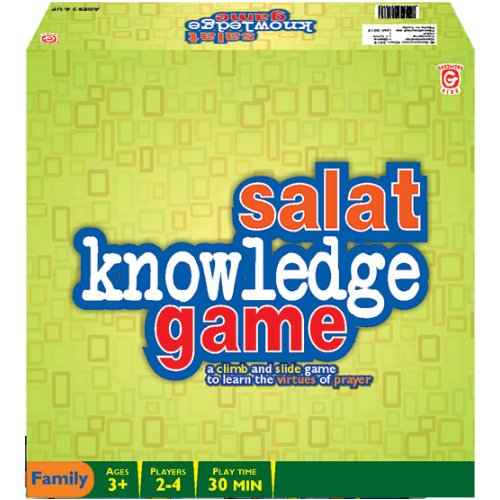
The Salat Knowledge Game is suitable for 2 to 4 players aged three and above. In this game of slides and ladders, you spin the wheel and race to the finish before your friend reaches there. Along the way you learn the meaning and message of salat, that is, the five daily prayers. If you miss a prayer, you go down through the slippery slide, but if you offer it on time and with care, you climb up the ladder. And that is not all. There are chances to win a Salat Card too. Answer the question given on the card correctly and increase your knowledge about the five daily prayers. In this way, you don’t just try to run for the finish line, but learn all about salat as well. Isn’t this a fun way to play and learn!
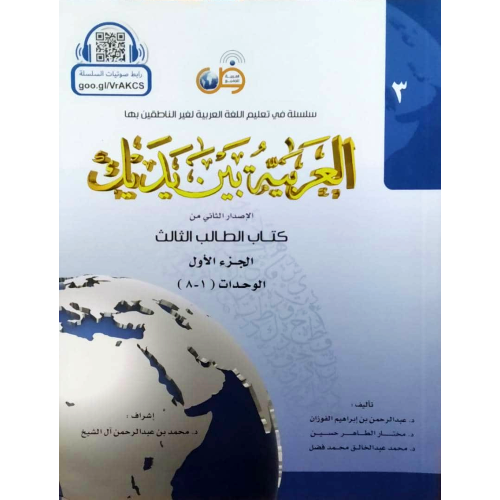
[AR] Al-Arabiyyah Bayna Yadayk Book 3 Part 1
Highlights:
Al-’Arabiyyah bayna yadayk Means Arabic in Your Hands.
The great thing about these books is it covers a lot of vocabulary through pictures, Images, and using Arabic Only, introduces the students to grammar later and gradually rather than pushing them at the deep end before they can swim. Much like the Arabic Course for English Speaking Students 3 Vols Set, UKIA, it is more Islamic inclined and fulfills the desire for the student of knowledge to learn the language of the Qur’an.
The third level (part 1 and 2) comprises 5 tests as follows:
- 1. Level determining test at the beginning of the first book to determining the student’s level and his ability to begin the third level.
- 2. Small test in the middle of the first book.
- 3. Midlevel test at the end of the first book.
- 3. Small test in the middle of the second book.
- 4. Final comprehensive test at the end of the second book.
At the end of the third level, there are lists of vocabulary used n each unit and another list of all the vocabularies of the level arranged alphabetically. It also includes comprehension texts for all text and some exercises used in this level.
RM85.00
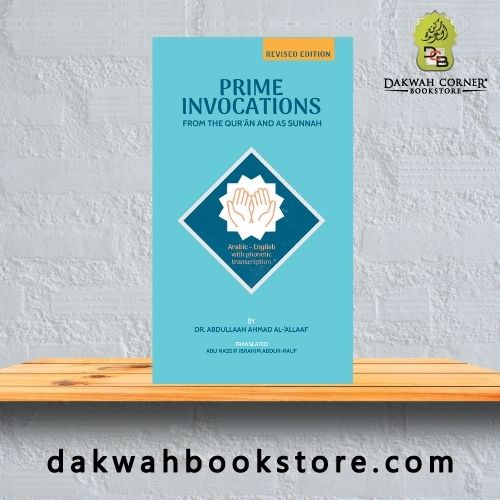
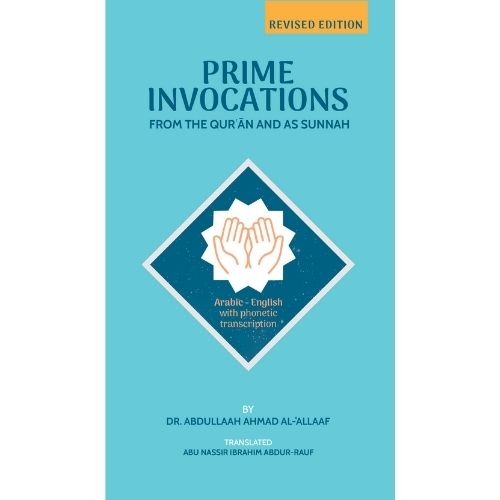
Prime Invocation from the Quran and Sunnah (Revised Edition)
Highlights:
This is a new presentation of the most useful dua’a booklet, with a very unique selection of supplications from the Quran and the Sunnah for various everyday use – including during the hajj and umrah. It also presents a simple yet very comprehensive guidelines, on HOW, WHEN and WHERE we can attain our dua’a to be accepted by the almighty Allah whom is The Giver and The Answerer.
RM17.00
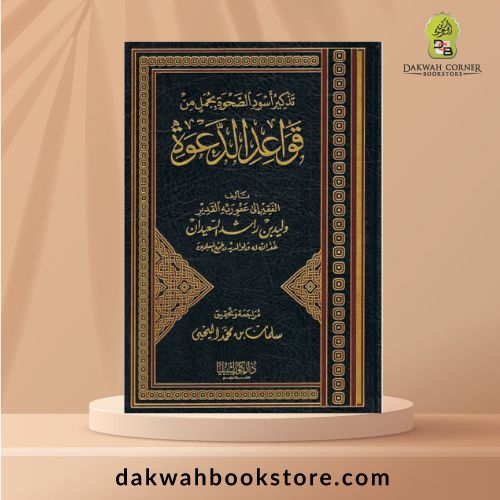
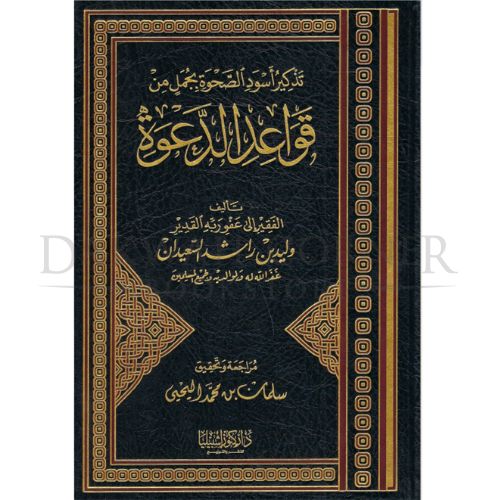
[ATE] Tadhkir Aswad al-Sahwah / تذكير أسود الصحوة بجمل من قواعد الدعوة
Highlights:
تَذْكِيرُ أَسْوَدِ الصَّحْوَةِ بِجُمَلٍ مِنْ قواعد الدعوة
تأليف الفَقِيرِ إِلَى عَفُورَبِّهِ القَدِيرِ وليد بن راشد السعيدان
غفر الله له ولوالدين والجميع المسلمين
مراجعة وتحقيق سلمان بن محمد اليحي
دار كنوز اشبيليا
RM76.00
Nazhim –
Yes, I am interested.